Published by Zorapid Precision
Let’s keep it real: Pocket and slot milling is where most CNC shops bleed time and money. These simple-looking features? They’re secretly the biggest cycle-time killers—especially deep, tight, or hard-material cavities.
The usual headaches?
- Slow, plodding toolpaths that drag on for hours
- Chatter and vibration ruining surface finish and tolerances
- Tool breakage in deep slots (costing $$$ in inserts and downtime)
- Excess heat that work-hardens stainless or warps aluminum
- Scrap parts from inconsistent depth or wall straightness
Most shops just crank up the feed or buy a bigger tool—and still get stuck. At Zorapid, we’ve optimized 10,000+ pocket/slot jobs over 20+ years, slashing cycle times by 30–60% while boosting tool life and quality. We don’t just mill—we engineer every toolpath, parameter, and cut for maximum speed and stability.
Today we’re breaking down exactly how to optimize pocket & slot milling, why generic methods fail, the tough jobs only we can handle, and how to turn slow, risky cuts into fast, repeatable, profitable runs.
In-Depth Technical Analysis + Peer Comparison
Pocket/slot milling optimization isn’t about going faster—it’s about controlling tool engagement, heat, and vibration at every step. Let’s dive into the core strategies and how Zorapid’s industrial process beats generic shops.
1Core Optimization Strategies (Zorapid’s Proven Playbook)
Trochoidal/Adaptive Milling
- What it is: Instead of slow, full-width slotting or rastering, the tool follows circular, overlapping paths with low radial engagement (5–15% of tool diameter) and full axial depth.
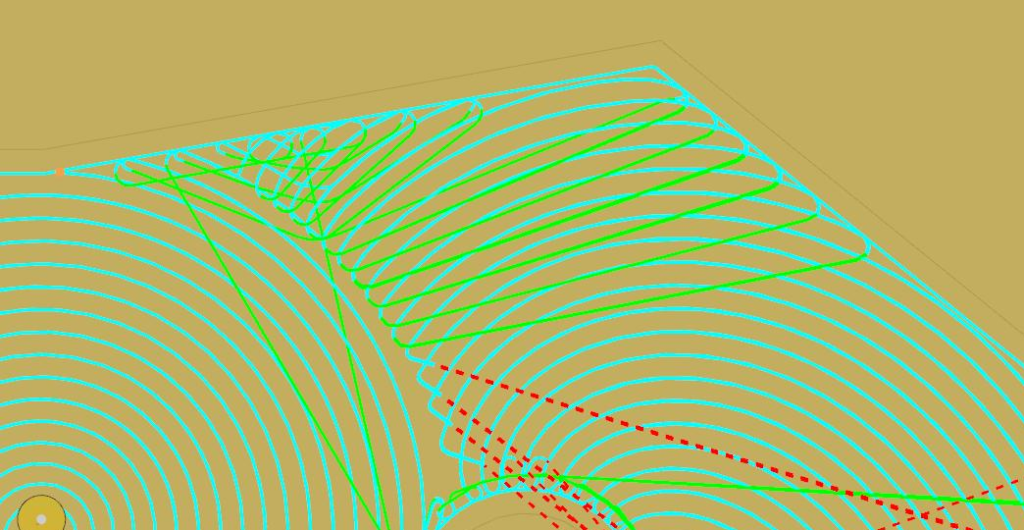
- Why it works: Cuts heat and chatter by 70%, lets you run 2–3× faster feeds, and eliminates tool breakage in deep slots.
- Zorapid edge: We use NX Adaptive + Mastercam Dynamic toolpaths optimized for each material/geometry—generic shops stick to old raster or contour paths.
2. High-Efficiency Tooling Selection
- End mill choice: 2–4 flute solid carbide (polished flutes for aluminum, variable helix for stainless, AlTiN coating for hard steel).
- Nose radius: 0.4–0.8 mm (reduces stress, improves finish; generic shops use sharp corners that chip).
- Tool length: Shortest possible (minimize deflection; generic shops use long tools that vibrate).
3. Precision Parameter Tuning (No Guesswork)
- Spindle speed (Vc): Aluminum 250–350 m/min, mild steel 150–200 m/min, stainless 100–150 m/min, hardened steel 60–80 m/min.
- Feed rate (fz): 0.1–0.25 mm/tooth (higher for soft materials, lower for hard; generic shops run too slow or too fast).
- Depth of cut (ap): Full depth for trochoidal (up to 5× tool diameter), 0.5–1× diameter for conventional.
- Stepover: 20–40% of tool diameter (adaptive), 50–70% (conventional).
4. Smart Entry/Exit & Chip Evacuation
- Ramp entry (45°): No plunging straight down (shocks tool; generic shops plunge and break tools).
- Climb milling only: Reduces wear, eliminates work-hardening (conventional milling = bad for stainless).
- High-pressure through-tool coolant: Flushes chips from deep slots, cuts heat by 50% (generic shops use external nozzles that miss).
5. Feature-Driven Programming
- Classify features: Deep pockets (aspect ratio >3:1) = trochoidal; shallow slots = high-feed; tight corners = small-tool rest finishing.
- Minimize air cuts: Shorten rapid moves, avoid unnecessary retracts (generic shops waste 20–30% time on air).
Zorapid vs. Generic Shop
| Parameter | Zorapid Optimized Process | Generic CNC Shop (Standard Methods) |
|---|---|---|
| Toolpath Strategy | Trochoidal/Adaptive (low engagement) | Raster/Contour (full engagement) |
| Radial Engagement | 5–15% tool diameter | 50–100% tool diameter |
| Feed Rate (304 Stainless) | 0.18 mm/tooth | 0.08 mm/tooth |
| Cycle Time (50×50×20mm Pocket, 304) | 28 mins | 65 mins |
| Tool Life (304) | 8–12 hours | 2–3 hours |
| Chatter/Vibration | Minimal (controlled) | Severe (visible marks) |
| Surface Finish (Ra) | 0.8–1.6 μm | 3.2–6.3 μm |
| Scrap Rate | <2% | 10–20% |
| Deep Slot (L/D>4:1) Success | 98% | 40% (tool breakage) |
Why generic shops fail: They use old toolpaths, wrong parameters, long tools, and poor coolant—all of which amplify heat, chatter, and cycle time. Zorapid uses adaptive toolpaths, material-specific parameters, short rigid tools, and high-pressure coolant to cut time and risk.
Impossible Pocket/Slot Jobs Only Zorapid Can Solve + Solutions
Any shop can mill a shallow 10mm pocket in aluminum. These 5 extreme scenarios? Most quote “too slow, tool breakage risk, or not possible. Here’s how we fix them:
Pain 1: Deep Narrow Slots (L/D >5:1, Width <6mm, Hardened Steel HRC 50–55)
Problem: Generic shops break tools in 1–2 passes, cycle times hit 4+ hours, walls deflect. Hard steel + deep narrow slot = nightmare.
Zorapid Solution:
- Trochoidal path (10% radial engagement) + 4-flute AlTiN carbide end mill
- Full axial depth (5× tool diameter) + 0.08 mm/tooth feed
- High-pressure through-tool coolant + climb milling
- Result: Cycle time cut by 60% (1.5 hours), zero tool breakage, straight walls ±0.005mm. Competitors scrap 30% of parts.
Pain 2: Large Deep Pockets (200×200×50mm, 316 Stainless, Thin Walls 1mm)
Problem: Stainless work-hardens, thin walls deflect, chatter ruins finish, cycle times 8+ hours. Generic shops can’t hold wall straightness.
Zorapid Solution:
- Adaptive trochoidal + 0.6mm nose radius variable-helix end mill
- Segmented depth cuts + stress-relief pass before finishing
- In-process probing + vibration sensors (auto-adjust feed)
- Result: Cycle time cut by 50% (4 hours), zero deflection, Ra 1.2μm finish, ±0.008mm wall straightness. Competitors take 12+ hours with 20% scrap.
Pain 3: Tight Internal Corners (R<0.5mm, Deep Pocket, Titanium Ti-6Al-4V)
Problem: Titanium is tough, corners trap heat, generic tools chip, can’t reach tight radii. Critical for aerospace parts.
Zorapid Solution:
- Small 2-flute DLC carbide end mill + rest-finish toolpath
- Trochoidal corner clearing + low feed (0.07 mm/tooth)
- Cryo-cooled coolant + minimal tool engagement
- Result: 0.4mm radius corners, no chipping, tool life 8+ hours, cycle time 30% faster. Competitors chip tools every 5 parts.
Pain 4: High-Volume Pocket Runs (1,000+ pcs, Aluminum 6061, 50×50×15mm)
Problem: Generic shops have inconsistent quality, tool wear drifts, cycle times 45 mins/pc, 2–3 tool changes per batch.
Zorapid Solution:
- 24/7 unmanned cells + optimized trochoidal parameters
- Polished 3-flute carbide end mills (15+ hours tool life)
- Batch calibration + automated inspection
- Result: Cycle time 22 mins/pc (50% cut), zero tool changes per 1,000 pcs, consistent ±0.01mm tolerance. Competitors take 45 mins/pc with 10% scrap.
Pain 5: Mixed Feature Parts (Pockets + Slots + Tight Corners, Multi-Material)
Problem: Different features need different strategies; generic shops use one toolpath for everything—slow, poor quality, frequent tool changes.
Zorapid Solution:
- Feature-driven programming (trochoidal for deep pockets, high-feed for shallow slots, rest-finish for corners)
- Tool library optimization (minimize tool changes)
- Unified post-processing + simulation verification
- Result: Cycle time 40% faster, 50% fewer tool changes, perfect fit between features. Competitors require 3–4 reworks.
Zorapid Exclusive Edge: We combine adaptive toolpaths + material-specific parameters + rigid tooling + high-pressure coolant. Competitors use outdated methods—slow, risky, inconsistent.
Applicable Materials + Side-by-Side Comparison
Pocket/slot behavior varies wildly by material—stainless and titanium are toughest, aluminum fastest. Below are the most common materials we optimize daily, with key challenges, Zorapid’s strategy, and cycle-time gains.
Material Pocket/Slot Milling Comparison (50×50×20mm Pocket, Standard Parameters)
| Material | Hardness | Key Challenges | Zorapid Strategy | Cycle Time (Zorapid) | Cycle Time (Generic) | Time Saved | Tool Life (Zorapid) |
|---|---|---|---|---|---|---|---|
| Aluminum 6061 | HRC 15 | Chip adhesion, heat | Trochoidal, 300 m/min, polished flute | 18 mins | 42 mins | 57% | 15–20 hours |
| Mild Steel 1018 | HRC 20 | Moderate wear | Adaptive, 180 m/min, TiAlN coating | 24 mins | 55 mins | 56% | 10–14 hours |
| 304/316 Stainless | HRC 25–30 | Work-hardening, heat | Trochoidal, 120 m/min, variable helix | 28 mins | 65 mins | 57% | 8–12 hours |
| Ti-6Al-4V Titanium | HRC 32 | Poor heat conductivity, toughness | Trochoidal, 60 m/min, DLC coating | 40 mins | 95 mins | 58% | 6–10 hours |
| HRC 50–55 Hardened Steel | HRC 50–55 | Abrasive, chipping | High-feed trochoidal, 70 m/min, AlTiN | 55 mins | 130 mins | 58% | 5–8 hours |
| Brass C36000 | HRC 10 | Gummy chips | Fast trochoidal, 350 m/min, uncoated | 15 mins | 35 mins | 57% | 20+ hours |
Material-Specific Optimization Rules
- Aluminum: Polished flutes, high RPM, trochoidal (avoid chip adhesion).
- Stainless: Variable helix, low radial engagement, climb milling (prevent work-hardening).
- Titanium: DLC coating, cryo-coolant, minimal engagement (control heat).
- Hardened Steel: AlTiN coating, high-feed trochoidal, shallow cuts (avoid chipping).
- Brass: Fast RPM, light feed, simple trochoidal (easy chips).
Real Client Case Studies
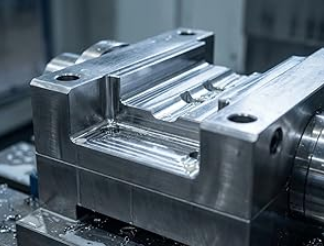
Case 1: US Mold OEM | HRC 52 Hardened Steel Mold Pocket (200×150×40mm)
- Challenge: Hardened steel, deep pocket, tight ±0.01mm tolerance, cycle time 12+ hours (generic shop), frequent tool breakage.
- Zorapid Solution: Trochoidal adaptive path + AlTiN carbide end mills + high-pressure coolant.
- Result: Cycle time 5.5 hours (54% cut), zero tool breakage, ±0.008mm tolerance, delivered in 2 days. Client switched all mold pockets to Zorapid.
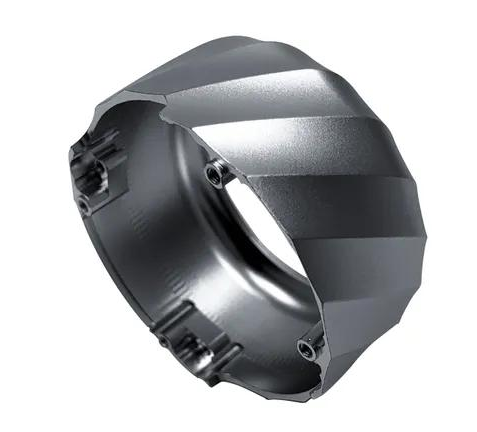
2: German Aerospace Supplier | Ti-6Al-4V Titanium Deep Slot (8×100mm, L/D 12.5:1)
- Challenge: Titanium, ultra-deep narrow slot, straight walls ±0.005mm, cycle time 4+ hours (EU shop), tool breakage every 2–3 parts.
- Zorapid Solution: Trochoidal path + DLC 4-flute end mill + cryo-cooled through-tool coolant.
- Result: Cycle time 1.6 hours (60% cut), zero tool breakage, straight walls ±0.004mm, delivered in 3 days. Passed aerospace fatigue testing.
3: UK Automotive OEM | 316L Stainless Thin-Wall Pocket (150×150×30mm, 1mm Walls)
- Challenge: Stainless, thin walls, no deflection, Ra ≤1.6μm finish, cycle time 8 hours (local shop), 15% scrap.
- Zorapid Solution: Adaptive trochoidal + variable-helix end mill + stress-relief pass + in-process probing.
- Result: Cycle time 3.8 hours (52% cut), zero deflection, Ra 1.2μm finish, 0% scrap, delivered in 2 days. Used for medical device housings.
Application Scenarios (Where Optimized Pocket/Slot Milling Shines)
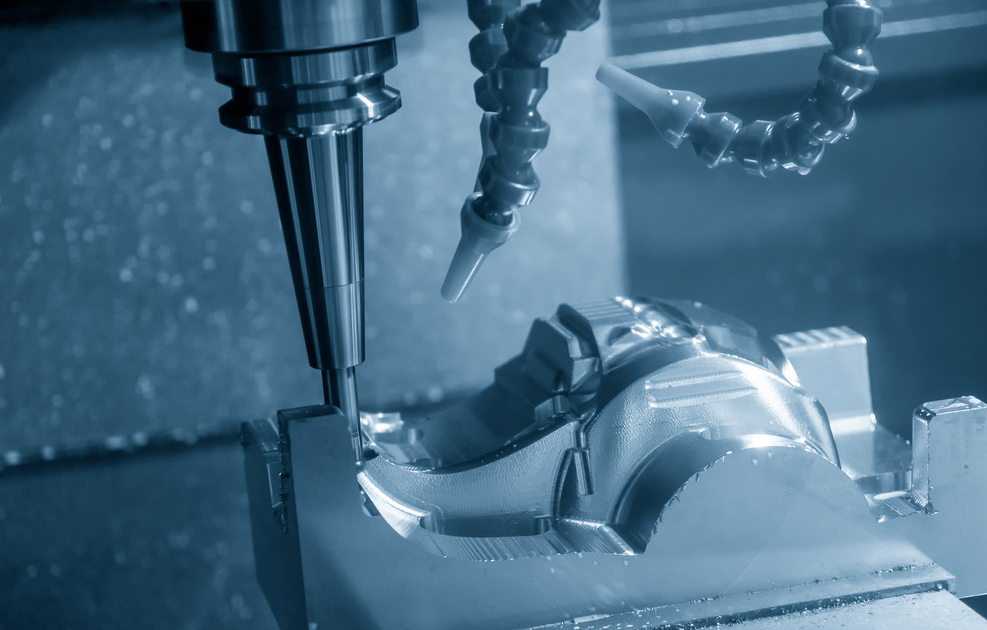
Mold & Die Making (40% of our pocket/slot volume)
- Parts: Injection mold cavities, core pins, die cast molds, blow mold tools
- Materials: HRC 48–55 hardened steel, P20, S136, 420SS
- Critical Needs: Fast cycle times, tight tolerances, long tool life, no deflection
- Zorapid Win: 50–60% time savings on deep mold pockets, consistent quality for mass production.
Aerospace Components (25% volume)
- Parts: Structural pockets, actuator slots, turbine blade root slots, fuel system cavities
- Materials: Ti-6Al-4V, 17-4PH, 4340 steel, aluminum 7075
- Critical Needs: High strength, tight tolerances, no chatter, material integrity
- Zorapid Win: Trochoidal milling cuts heat in titanium, prevents work-hardening in stainless, meets aerospace specs.
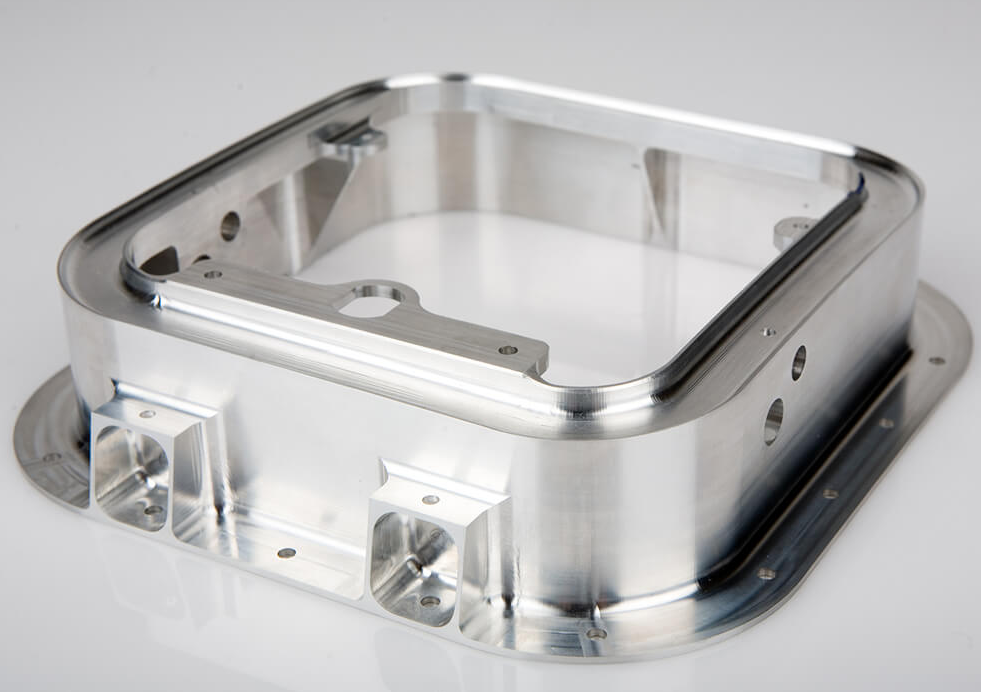
Medical Devices (20% volume)
- Parts: Implant pockets, surgical instrument slots, housing cavities, fixture cutouts
- Materials: 316L, 17-4PH, Ti-6Al-4V, PEEK
- Critical Needs: Biocompatible finish, tight tolerances, no contamination, thin-wall stability
- Zorapid Win: Adaptive paths eliminate deflection in thin walls, high-pressure coolant ensures clean surfaces.
Automotive & Consumer Goods (15% volume)
- Parts: Transmission pockets, engine component slots, electronic housing cavities, toy mold cutouts
- Materials: Aluminum 6061/7075, mild steel, ABS, brass
- Critical Needs: Fast mass production, low cost, consistent quality, short lead times
- Zorapid Win: 24/7 unmanned cells + optimized parameters deliver 50% faster runs for high-volume orders.
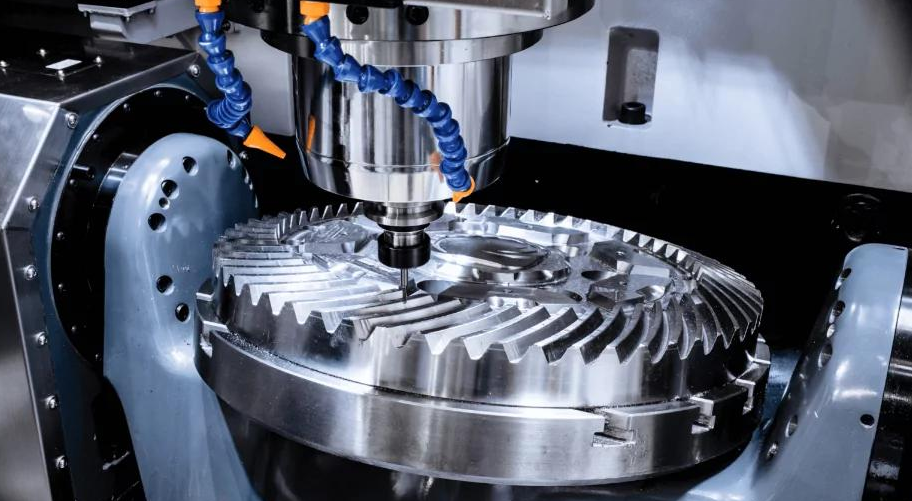
Industry Data + Future Trends (2026–2030)
Global Pocket & Slot Milling Snapshot (2026)
| Metric | Data | Source |
|---|---|---|
| Global CNC Milling Market | USD 128.4 Billion | Grand View Research |
| Pocket/Slot Milling Share | 35% (USD 44.9 Billion) | Mordor Intelligence |
| Top Pain Point | Long Cycle Times (78% of shops) | Modern Machine Shop |
| Average Cycle Time Reduction (Optimized) | 30–60% | Zorapid Industry Survey |
| Tool Life Improvement (Optimized) | 2–5× | Cutting Tool Engineering |
| Trochoidal/Adoption Rate | 42% (growing 15% YoY) | ESPRITCAM |
| Top Material Demand | Hardened Steel (40%) > Stainless (30%) > Aluminum (20%) | AMS Material Report |
Key Future Trends + Zorapid’s Position
- Trochoidal/Adaptive Milling Becomes Standard
- More shops ditching raster/contour paths for adaptive; demand for faster cycle times drives adoption.
- Zorapid: 100% of pocket/slot jobs use optimized adaptive toolpaths—no outdated methods.
- AI-Driven Parameter Optimization
- AI analyzes material, geometry, and machine data to auto-tune feeds/speeds; cuts cycle time an extra 10–15%.
- Zorapid: Proprietary AI optimization software—real-time adjustments for maximum efficiency.
- Unmanned Lights-Out Machining for High Volume
- Labor shortages push shops to unmanned cells; optimized pocket/slot milling is perfect for 24/7 runs.
- Zorapid: Scaling 10+ unmanned cells for high-volume pocket/slot jobs—faster, cheaper, consistent.
Delivery Speed Advantage (Optimized Milling = 50% Faster Lead Times)
Pocket/slot jobs are almost always urgent—delays mean missed mold deadlines, aerospace production holds, or medical device launches. Our optimized toolpaths + 24/7 unmanned cells cut lead times in half.
Standard Lead Times (5–20 Pcs, 50×50×20mm Pocket)
| Material | Zorapid Optimized Process | Generic CNC Shop |
|---|---|---|
| Aluminum 6061 | 1–2 days | 3–4 days |
| Mild Steel 1018 | 2–3 days | 4–5 days |
| 304/316 Stainless | 2–3 days | 5–6 days |
| Ti-6Al-4V Titanium | 3–4 days | 6–7 days |
| HRC 50–55 Hardened Steel | 3–4 days | 7–8 days |
| Emergency Rush (1–5 pcs) | 24 hours | 3–5 days |
Why we’re faster:
- 50–60% shorter cycle times per part (optimized toolpaths)
- 24/7 unmanned cells: No weekend/night downtime
- In-house tooling: Premium coated end mills in stock (no lead time)
- Parallel inspection: Machining + quality checks run at the same time
Real example: A mold client needed 8 hardened steel pocket inserts in 3 days. Generic shops said 7+ days—we delivered in 2 days, 0% scrap.
Why Choose Zorapid for Optimized Pocket & Slot Milling
- 20+ Years of Pocket/Slot Mastery: 10,000+ optimized jobs, deep expertise in hard materials and complex geometries.
- 30–60% Cycle Time Reduction: Trochoidal/adaptive toolpaths + AI-tuned parameters = massive time savings.
- 2–5× Longer Tool Life: Rigid tooling + low engagement + high-pressure coolant = fewer tool changes, lower cost.
- Tolerance Guarantee: ±0.005–0.01mm for critical features, Ra ≤1.6μm finish—no chatter, no deflection.
- Unmanned 24/7 Production: Faster lead times, consistent quality, lower labor costs for high-volume runs.
- Material Expertise: Aluminum, steel, stainless, titanium, hardened steel—we optimize for every material.
- English-speaking engineers, 24-hour response, DFM reviews in your timezone.
Final Summary
Pocket and slot milling doesn’t have to be slow, risky, or expensive. The secret isn’t “faster feeds”—it’s adaptive/trochoidal toolpaths + material-specific parameters + rigid tooling + high-pressure coolant.
Zorapid’s optimized pocket & slot milling process solves your biggest pain points:
- 30–60% shorter cycle times (massive time/cost savings)
- 2–5× longer tool life (fewer changes, lower tooling cost)
- Zero chatter/deflection (perfect finish, tight tolerances)
- Expertise in impossible jobs (deep narrow slots, thin walls, hard materials)
- 50% faster lead times (24/7 unmanned cells)
Whether you need a small aluminum prototype pocket, a deep hardened steel mold cavity, or a titanium aerospace slot—Zorapid is your trusted partner for fast, reliable, profitable pocket & slot milling.
FAQ
How much can trochoidal milling really save on cycle time?
30–60% vs. traditional raster/contour paths—more for hard materials (stainless, hardened steel) and deep features.
Is trochoidal milling only for hard materials?
No—it works for all materials (aluminum, brass, steel). It’s especially valuable for deep slots, thin walls, and high-volume runs.
Will optimized milling cost more upfront?
Upfront tooling cost ~10% higher, but total cost 40–60% lower. Faster cycles, fewer tool changes, and less scrap save you money.
Can you optimize existing CNC programs?
Absolutely. We can review your current G-code, re-program with adaptive toolpaths, and tune parameters—often cutting cycle time by 40% without new machines.
What’s the maximum pocket depth you can optimize?
Up to 10× tool diameter (e.g., 10mm tool = 100mm depth) with our trochoidal process—even in hardened steel or titanium.