



Precise bend angles, solid build, versatile & fast delivery

Bending Service

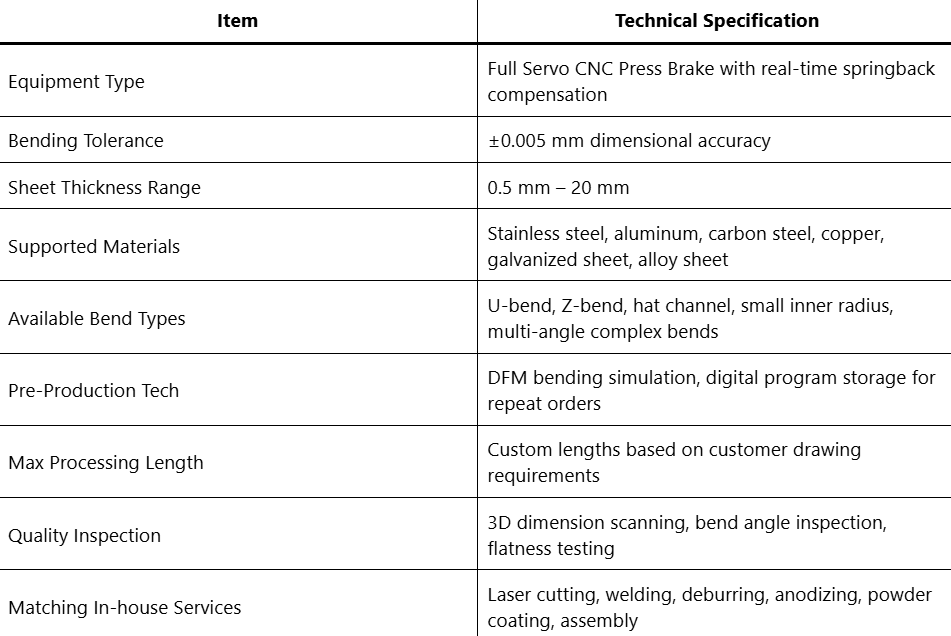
Speed up launch with precise on-demand metal bending. Upload 3D files for quick DFM check & instant fair quotes. We deliver ±0.01mm accurate parts from prototypes to mass OEM runs on schedule.

What is Precision CNC Bending?

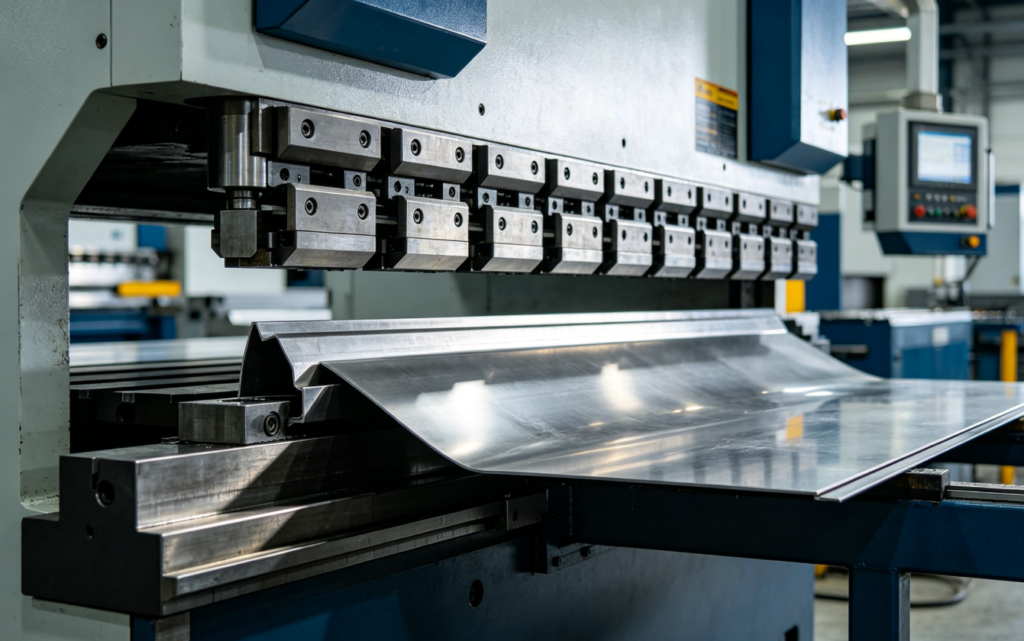
CNC bending ensures precise sheet metal fabrication. Our press brakes form accurate shapes with stable quality and tight tolerances. Equipped with angle sensing and springback compensation, it fits all materials perfectly. Zero dimensional errors from prototypes to bulk orders, cutting waste and shortening lead time.

Why Choose Our Precision Metal Bending Services?

Low cost, no tooling fees

Cut costly molds & long lead times. Universal CNC makes custom parts with zero upfront investment, optimizing budget from concept to delivery.

Custom complex shapes freely

We handle intricate designs, multiple bends, and diverse materials/thicknesses—delivering from single prototypes to large OEM production without redesigns.

Free support & fast DFM check

Speed up development with our engineering team and automated DFM analysis.Optimize designs for manufacturability, cutting waste and boosting strength, with parts ready in 24 hours.

Precision Sheet Metal Bending Methods

This technology serves as the core process for converting flat metal sheets into complex 3D components. Below is a professional overview of the key technologies employed in our high-precision CNC bending equipment, along with a detailed breakdown of each step in the CNC bending workflow.

Air Bending

CNC air bending is versatile metal forming. Punch partly presses sheet into V-die, bend angle set by stroke depth not tool shape. Ideal for prototyping multi-angle parts, one tool set fits various bends.

Bottoming

CNC bottoming fully presses sheet into V-die for full contact. It greatly cuts springback to get precise die-matched shapes. Great for mass production, ensuring steady precision and tight tolerances in bulk runs.

Coining

CNC coining forms bends via heavy pressure for permanent deformation, fully removing springback to deliver top-tier precision. Needs robust equipment, yet ensures supreme accuracy for key components.

Hemming

CNC hemming folds sheet edges 180° in two steps for smooth closed edges. It boosts stiffness and removes sharp edges. Perfect for enclosures needing safe edges and neat appearance.

Offset Bending

Offset bending creates two closely spaced opposite bends in one stroke, forming a small step or Z-shape.It’s essential for overlapping flush joints and stiffening structural panels without extra brackets.

Rotary Bending

Unlike standard press brake bending, Rotary Bending uses rotary rocker die to fold metal around fixed punch. Ideal for short flanges and near-bend holes, avoiding V-die distortion and flare-out.

Our Bending Process Capabilities & Technical Specifications

Metal Bending Materials

We offer a wide range of sheet metal materials, including aluminum, stainless steel, and brass. Each material is selected for its distinct properties, enabling us to recommend the optimal option for your project’s specific requirements and applications.

Metals

Lightweight and corrosion-resistant, aluminum is ideal for applications requiring high strength-to-weight ratios. Aluminum sheet metal bending is a common process for creating aerospace and automotive parts due to its excellent machinability
 

Alloys

Aluminum 5052

Aluminum 5083

Aluminum 6061 (It can be cut with laser cutter but not bender.)

Precision machined aluminum parts

Known for its acoustic properties, brass is highly malleable and exhibits a gold-like appearance. It is often used in decorative applications, gears, and valves.

Alloys

Brass C27400

Brass C28000

Brass C36000

Note: Sheet metal process can not process more than 5MM thickness of brass.

Custom precision-machined bronze components for industrial applications, featuring excellent wear resistance, low friction, and antique aesthetic finish.

Copper stands out for its electrical and thermal conductivity. It’s highly ductile, making it a top choice for electrical components, roofing, and plumbing.

Alloys

Copper C101(T2)

Copper C103(T1)

Copper C103(TU2)

Copper C110(TU0)

Note: Sheet metal process can not process more than 5MM thickness of copper.

Custom precision-machined copper components for industrial applications, featuring excellent electrical conductivity, thermal performance, and corrosion resistance.

Extremely durable and strong, steel is a staple in construction and heavy industries. It can be alloyed with various elements to enhance its properties, such as hardness and resistance to corrosion.

Alloys

SPCC

Galvanized Steel (SGCC / SECC)

Q235

Steel 1020

Custom precision-machined steel components for industrial applications, featuring high strength, durability, and wear resistance.

Stainless steel is renowned for its corrosion resistance. It is strong, easily cleaned, and maintains an attractive finish, making it suitable for medical, food processing, and marine applications.

Alloys

Stainless Steel SUS 304

Custom precision-machined stainless steel components for industrial applications, featuring exceptional corrosion resistance, high strength, and hygiene compliance.

Tailored Surface Finishes for CNC Parts: Boost Corrosion Resistance & Aesthetic Appeal
Bending Surface Treatment

Our metal bending surface finishes enhance both durability and aesthetics of bent components, meeting the high standards demanded by diverse industries.

As Machined Finish

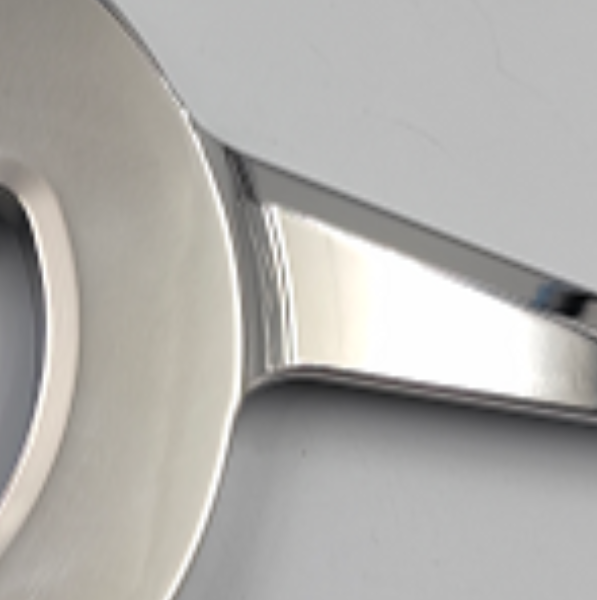
Precision straight from machine. Faint tool marks, max cost efficiency. Ideal functional prototypes & non-critical parts, no post-processing

Polishing

Mirror-perfect finish, Ra 0.2 μm surface roughness. Elevate your luxury products and optical components with ultra-smooth, precision-polished surfaces.

Anodizing

Elevate aluminum parts. Enhanced corrosion resistance, superior wear protection, and custom finishes—from bold custom colors to flawless glossy surfaces.

Sand Blasting

Uniform matte texture, enhanced adhesion, consistent results. Our sand blasting hides imperfections and elevates coating performance with pressurized abrasive media.

Brushed Finish

Brushed finish forms sleek unidirectional satin texture, concealing marks and flaws. Boosts CNC metal appeal, fit for electronics, luxury goods and hardware, stylish and durable

Powder Coating

Powder coating coats metal parts with tough polymer. Great wear resistance, vivid custom colors and strong UV protection. Eco sturdy finish suits industrial, architectural and consumer uses

Nickel Electroplating

Nickel plating coats metals evenly, boosting wear resistance, conductivity and corrosion defense. Ideal industrial, electronic and auto parts for steady reliable performance

Black Oxide Coating

Black oxide forms fine magnetite layer on steel, cutting glare and boosting corrosion resistance with zero size shift. Perfect for precision parts needing unchanged dimensions.

Tumbling

Tumbling smooths parts via barrel friction, removing burrs evenly. It creates uniform fine texture for small CNC parts with no dimensional shift.

Electropolishing

Electropolishing polishes metals to mirror smoothness, boosting shine and corrosion resistance. Ideal for stainless steel & medical parts, enhances performance and look, no minimum order.

Alodine

Precision Alodine coats aluminum with uniform conductive yellow film, boosting corrosion resistance and paint grip. Fits medical, aerospace and electronics, meeting strict industry standards.

Heat Treatment

Vacuum heat treatment adjusts metal hardness, strength and toughness via precise heating & cooling. Optimizes material performance for high-stress industrial use.

AFQ

1.What is your standard bending tolerance?

At Zorapid, our standard linear tolerance is ±0.1mm, and angular tolerance is ±0.5°.

For critical prototypes requiring extreme precision, we utilize advanced measurement systems to ensure zero-defect consistency across every part.

Our intelligent CNC systems automatically calculate Springback Compensation based on material type and grain direction.

For high-precision jobs, we run test bends to calibrate the system before full production.

Standard dies require a minimum flange length to span the V-opening.

For extra-short flanges, we use rotating wing dies or custom fitting methods to achieve precise bends without deforming edges or nearby holes.

For deep box prototypes, we use segmented box techniques and high-clearance tooling to avoid interference between previous bends and the machine ram.

Our 3D simulation software identifies collision zones during design, letting us adjust bend sequence and tooling before production.

Yes, especially for high-strength alloys and aluminum. We optimize nesting layout to ensure bends are perpendicular to grain direction, significantly reducing cracking risk and ensuring structural integrity.