Published by Zorapid
If you’ve ever handed a polished CAD design to a fabrication shop only to receive mis-sized, unfunctional, or late prototype parts—you know how costly communication breakdowns between designers and manufacturers truly are.
Design teams focus on aesthetics, assembly fit, and product performance, while fabrication engineers prioritize machine limits, material behavior, cycle time, and tooling constraints. When these two groups operate in silos with vague specs, missing drawings, and last-minute untracked changes, every misstep snowballs into scrap, retooling fees, delayed product launches, and missed customer deadlines.
Most standard fabricators only catch communication errors after cutting raw material or machining steel—meaning rework costs multiply 10x once production starts. They lack structured early DFM alignment, standardized cross-team documentation workflows, and real-time cloud collaboration to close information gaps before mistakes happen.
At Zorapid, we’ve built an end-to-end collaborative communication system that eliminates 90% of common designer-fabrication misalignment issues. Our integrated DFM review, standardized drawing checklist, cloud CAD comment platform, and bilingual engineering coordination remove guesswork entirely for CNC, injection mold, sheet metal, and SLM additive projects.

Professional Process Technical Deep Dive + Peer Supplier Comparison
The Root Technical & Process Breakdown of Designer-Fabrication Communication Mistakes
All costly miscommunication falls into 6 core technical categories, each with clear downstream production consequences:
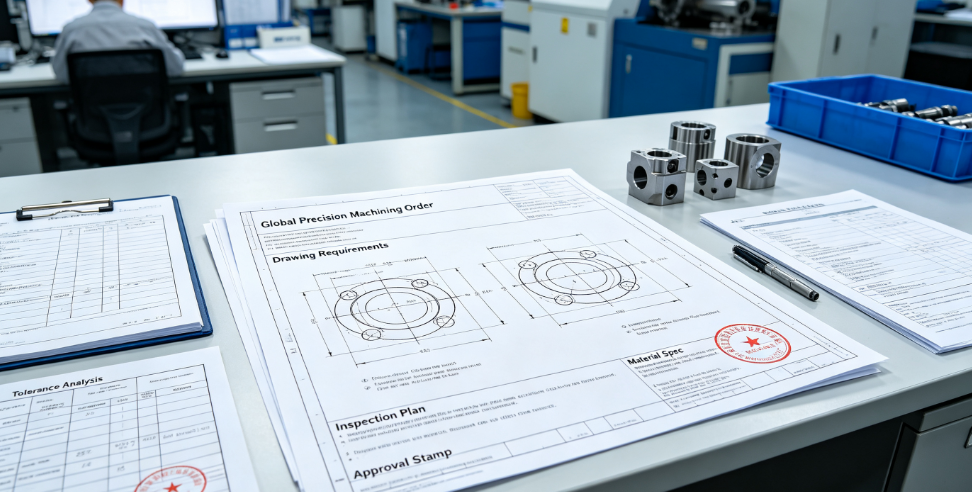
- Incomplete & Ambiguous GD&T / Drawing Specs Designers skip datums, surface finish Ra values, thread classes, heat treatment, or plating requirements. Generic fabricators default to loose tolerances or generic finishes that fail functional testing. Shops cannot read unwritten design intent; every missing spec forces risky assumptions.
- Siloed Sequential Handoff Workflow (No Early DFM Review) Traditional workflow: Design fully finalized → send files to factory → fabrication discovers unmanufacturable geometry mid-production. No fabrication engineering input during concept design, so unachievable wall thicknesses, zero draft angles, impossible bend radii, and unreachable deep undercuts move all the way to machining stage.
- Uncontrolled CAD File Version Chaos Multiple STEP/IGS/SolidWorks drafts shared via email attachments, no version tracking. Fabrication programs machining from outdated models while designers revise the latest iteration—resulting in parts built to obsolete geometry.
- Material Spec Misalignment (Vague Grade Labeling) Design notes only state “aluminum” or “steel” without precise alloy temper, hardness, filler content, or medical/food compliance rules. Fabricators substitute cheaper materials without full visibility of end-use load, chemical, or sterilization requirements.
- Untracked Late Engineering Change Orders (ECOs) Design teams modify dimensions, features, or surface treatment via quick chat messages without formal documented change approval. Machining or mold cutting already underway, creating mixed batches of old and revised parts with zero traceability.
- Cross-Standard Confusion (ISO vs ASME, Metric vs Imperial) Mixed unit labeling, conflicting tolerance standards, regional surface treatment naming differences create misinterpretation for global cross-border OEM projects.
Zorapid Standard Collaborative Alignment Workflow
- File intake audit: Automated CAD checker scans for missing GD&T, undefined datums, incomplete material notes, unit mismatches
- Pre-production DFM cross-review: Zorapid fabrication engineers comment directly on cloud-hosted 3D models while design team revises live
- Standardized spec checklist sign-off: Tolerance, surface finish, alloy grade, heat treatment, compliance, ECO change protocol all formally approved in writing
- Locked single production CAD version; all revisions logged with timestamp and approver signature
- Pre-machining physical sample simulation / Moldflow / CAM preview shared with designers for visual confirmation
- Mid-production milestone photo & dimensional report handoff to catch minor alignment gaps before full batch completion
- Final inspection full dimensional CMM report matched 1:1 to signed-off design specs for shipment
Side-by-Side Comparison Table: Generic Fabrication Shop vs Zorapid Collaborative Communication System
| Collaboration & Communication Metric | Generic Standard Fabrication Supplier | Zorapid Integrated Designer-Fabrication Alignment System |
|---|---|---|
| DFM Review Timing | Only after design finalization, post-file handoff | Early-stage live DFM review during design iteration |
| CAD File Version Control | Loose email attachments, no revision log, mixed outdated models | Cloud single-source CAD repository, timestamped ECO change tracking, formal sign-off required for all edits |
| GD&T & Drawing Validation | Manual human-only check, high risk of missed missing specs | Automated CAD scan + dual engineer manual review, standardized spec checklist mandatory |
| Material Specification Alignment | Vague label acceptance, unapproved material substitutions common | Material grade matrix cross-confirmation; any alloy swap requires written designer approval |
| Real-Time Design Feedback Channel | Slow back-and-forth email, separate image attachments for comments | In-model live cloud annotation, mark directly on 3D surfaces, instant bilingual engineering chat |
| Unit / Standard Conflict Prevention | No pre-check for mixed metric/imperial, ISO/ASME mismatch | Automated unit standard lock during file intake, unified ASME Y14.5 GD&T global standard adopted |
| Late ECO Change Management | Informal chat/verbal edits, no traceability, costly rework | Formal ECO form with impact cost & lead time update, dual signature approval before production adjustment |
| Scrap & Rework From Miscommunication | 28–40% of all rework incidents traceable to communication gaps | <3% of rework tied to alignment errors; majority caught virtually before cutting material |
| Cross-Border Language Support | Limited English-only brief sales team, no dedicated manufacturing engineering translators | Full bilingual mechanical engineering team, technical drawing glossary for EU/US/AU clients |
Why Competitor Fabricators Cannot Fix These Communication Gaps
Nearly all regular manufacturing workshops split design coordination and production execution into disconnected departments with no shared digital platform. They lack dedicated DFM engineering teams trained to speak designer technical language, rely on manual paper checklists, outsource secondary processes without centralized change tracking, and accept verbal design edits without formal written confirmation—creating permanent information leakage between designers and shop floor operators.
Industry Pain Points Competitors Cannot Resolve + Exclusive Zorapid Solutions
We regularly receive rework orders where OEMs partnered with standard fabricators and hit irreversible communication-driven production failures. Below are the 4 most common unresolvable gaps and our proprietary exclusive fixes unavailable from other suppliers:
Pain Point 1: Global Cross-Border OEM Design Teams
Competitor Limitation: Language barriers create misinterpretation of subtle functional requirements; sales-only communication filters out critical manufacturing technical details between designers and machinists. No dedicated manufacturing engineers fluent in Western design terminology.
Zorapid Solution: Full-time bilingual mechanical engineering team with ASME/ISO standard training, standardized multilingual technical spec template, live screen-share CAD walkthroughs, translated DFM reports with visual marked model screenshots to eliminate translation loss.
Pain Point 2: Complex Multi-Discipline Mixed Projects (Mold + CNC + Sheet Metal Hybrid Assemblies)
Competitor Limitation: Separate siloed workshops handle molds, machining, and sheet metal with no unified design coordination. Changes to one component do not sync across all assembly parts, leading to fit mismatch during final assembly.
Zorapid Solution: Single unified cloud project folder for full assembly CAD, cross-process DFM engineers review every mating feature simultaneously; all ECO changes propagate across all linked component drawings automatically, one single point of contact for full assembly alignment.
Pain Point 3: Fast-Track NPI Rapid Prototyping (Tight Launch Deadlines, Frequent Design Iterations)
Competitor Limitation: Rushed timelines skip formal spec sign-off; fabricators proceed machining based on partial design drafts, forcing full part rework after designer revisions arrive mid-production.
Zorapid Solution: Tiered fast-track collaboration protocol: “Draft Stage Virtual Preview” before raw material purchase, split small low-cost test cut batches to validate geometry first, conditional production hold until formal design sign-off is received—avoids full material scrap on incomplete designs.
Pain Point 4: Medical / Aerospace Regulated Projects Requiring Full Traceable Documentation
Competitor Limitation: Informal chat and unlogged drawing edits fail PPAP, FDA, AS9100 traceability rules; auditors flag untracked design-fabrication communication as non-compliant.
Zorapid Solution: Every comment, design revision, material swap, tolerance adjustment stored permanently in cloud audit log with user timestamps; full communication archive packaged into official compliance documentation for customer regulatory submissions.
Unique Zorapid Capability No Peer Fabricator Can Match
3,000㎡ integrated full-process manufacturing campus with in-house dedicated cross-functional DFM engineering department built exclusively to bridge designer-shop communication gaps. All CAD review, material validation, change control, and compliance documentation handled internally on our proprietary cloud collaboration platform—no outsourced third-party coordination, no lost design intent between sales, engineering, and shop floor teams.
Applicable Manufacturing Material Categories + Communication Risk Comparison
Poor design-fabrication communication creates vastly different failure risks based on material family. Below is a full comparison of material groups, common miscommunication errors, and Zorapid standardized spec requirements to eliminate ambiguity:
| Material Family | Top Communication Miscommunication Risks | Mandatory Design Specs Zorapid Enforces | Scrap/Rework Risk If Specs Omitted |
|---|---|---|---|
| Aluminum Alloys (6061-T6, 7075-T6, 5052) | Missing temper designation, undefined anodize thickness/color, unstated corrosion resistance requirements | Exact alloy + temper, surface coating grade, Ra finish, passivation notes | 22% higher scrap risk; wrong hardness leads to bending/machining deformation |
| Hardened Wear Steels (52100, D2, 4140, S136) | Vague hardness target, unspecified heat treatment cycle, missing stress relief rules | Full grade, HRC target, quenching/temper protocol, surface microcrack inspection requirements | 37% rework rate; incorrect heat treatment ruins wear resistance |
| Engineering Plastics (PEEK, GF-PA66, ABS, PP) | Unspecified glass filler percentage, no melt temperature guidance, missing food/medical compliance | Resin exact grade, filler content, FDA/ROHS statement, mold cooling design constraints | 41% defect risk (warpage, sink marks, brittleness) |
| Beryllium Copper / High-Conductivity Alloys | Missing conductivity target, undefined polishing SPI grade, no corrosion protection specs | Alloy purity %, surface polish class, plating/coating requirements | High-cost material wasted from incorrect thermal performance |
| SLM 3D Print Maraging / Titanium | Unspecified layer thickness, support removal tolerance, post HIP treatment rules | Exact powder grade, heat treatment cycle, surface finish for conformal cooling inserts | Expensive printed components scrapped due to unstated post-processing rules |
Zorapid Material Communication Guidance
- Mass production automotive/EV components: Lock full alloy temper, coating thickness, and filler content in formal drawing sign-off sheet
- Medical/optical precision parts: Mandatory compliance statement, surface Ra, sterilization compatibility notes attached to every CAD file
- High-wear mold & hard turning steel: Exact target HRC and heat treatment procedure must be confirmed pre-machining
- Rapid prototype low-volume plastic parts: Document minimum wall thickness and draft angles to avoid molding communication failures
Verified Real Production Case Analysis
All cases feature direct before/after data from OEM customers switching from generic fabricators to Zorapid’s standardized designer-fabrication collaboration workflow.
Case 1: European EV Tier 1 GF-PA66 Connector Mold Project
Original Communication Pain Point
Design team shared SolidWorks files via email without formal DFM review, omitted GF filler percentage and minimum draft angle specs with previous mold maker. Fabricator assumed unfilled PP resin, cut mold steel with zero draft; first trial parts suffered severe ejection tearing, full mold rework required, 28-day launch delay.
Zorapid Collaborative Communication Solution
Cloud CAD upload auto-scan flagged missing resin filler and draft angle notes; live in-model DFM markup with visual hot spot screenshots shared with design engineers before steel cutting. Formal material & geometry spec sign-off form locked all requirements. Real-time milestone photo updates during mold machining.
Measured Post-Alignment Results
- Zero mold rework after first production trial
- Project lead time shortened 28 days, launch deadline fully recovered
- Rework & scrap cost eliminated entirely ($18,500 savings)
- DFM virtual review caught 11 hidden geometry risks before any material cut
- Design-fabrication clarification email volume reduced 76%
Case 2: US Medical OEM Titanium Orthopedic Implant CNC Machining
Pain Point
Design team sent incomplete GD&T drawings without datum callouts and unspecified surface biocompatible passivation requirements to standard machine shop. Fabricator used generic unpassivated finish, dimensional concentricity out of tolerance; batch of 1,200 prototype parts scrapped, failed FDA pre-testing, 3-week program delay. Verbal tolerance adjustments via phone with no written audit trail.
Zorapid Communication Alignment Solution
Automated CAD GD&T validation identified missing primary datums; mandatory medical compliance checklist added to all file submissions. Every verbal design adjustment converted to formal timestamped ECO form with dual designer-engineer signature. Full communication archive packaged for FDA audit documentation.
Final Measurable Benefits
- 100% first-pass dimensional compliance on all implant batches
- Zero scrap from surface treatment miscommunication
- Full traceable communication logs passed all regulatory audit requirements
- NPI program timeline recovered 3 weeks without overtime expediting fees
Case 3: UK Industrial Equipment Stainless Steel Sheet Metal Enclosure
Pain Point
Multiple revised CAD versions sent over several weeks without version labels; fabricator manufactured full batch from outdated drawing with incorrect bend radii. Parts cracked during forming, full batch scrap, missed customer shipment window.
Zorapid Cloud Collaboration Fix
Locked single-version cloud CAD repository, every design revision assigned unique version number with change log. Fabrication engineers marked unmanufacturable small bend radii directly on the 3D model during early design iteration, designer adjusted geometry before laser cutting.
Production Outcome
- No full batch scrap incidents post-implementation
- Design-fabrication back-and-forth timeline reduced 42%
- Forming defect rate dropped from 9.1% to 0.4%
Match Your Unique Design & Fabrication Workflow Needs to Zorapid Custom Communication Packages
We split client collaboration demands into four tiered alignment solutions built around project complexity, compliance rules, batch volume, and cross-border team setup:
Requirement A: Small NPI Prototype Projects, Single Local Design Team (<500 units, non-regulated consumer hardware)
Client Need: Fast simple coordination, low administrative overhead, avoid minor geometry misinterpretation
Zorapid Solution: Standard cloud CAD annotation package, automated basic CAD spec scan, simplified one-page spec sign-off template. Communication-driven scrap reduction ~75%.
Requirement B: High-Volume Automotive/EV Mass Production, Iterative Design Updates (>500k annual parts)
Client Need: Rigorous ECO change tracking, consistent material & tolerance alignment across thousands of production batches, minimal unplanned downtime
Zorapid Solution: Full DFM dedicated engineer assigned to project, full audit log revision system, pre-production virtual mold/CNC simulation review, scheduled weekly cross-team alignment calls. Communication scrap reduction ~90%.
Requirement C: Medical / Aerospace Regulated Components
Client Need: Complete traceable communication archive, formal documented sign-offs for every spec adjustment, bilingual engineering technical validation
Zorapid Solution: Regulated compliance collaboration tier, permanent encrypted cloud audit storage, dual engineer cross-check for all GD&T/material specs, full PPAP-ready communication documentation package. Communication scrap reduction ~94%.
Requirement D: Global Distributed Design Teams
Client Need: Eliminate language & time zone communication lag, unified coordination across multiple linked assembly parts
Zorapid Solution: Dedicated bilingual mechanical engineering liaison, 24-hour asynchronous cloud comment platform, unified assembly-wide DFM review across all sub-components, time zone staggered live review sessions. Communication scrap reduction ~86%.
Global Industry Data Analysis + 2026–2028 Future Trend Analysis Table
2026 Global Precision Manufacturing Communication Failure Benchmark Data
Breakdown of total project delay & rework cost root causes tied to designer-fabrication misalignment:
| Communication Failure Category | Percentage of Total Rework Incidents | Average Cost Impact Per Mistake | Early Zorapid DFM Alignment Reduction Potential |
|---|---|---|---|
| Incomplete GD&T / Missing drawing specifications | 31% | $3,200–$16,800 retool/scrap | Eliminate 92% of these incidents |
| Uncontrolled outdated CAD file versions | 26% | $1,900–$9,400 batch scrap | Eliminate 98% of these incidents |
| No early DFM fabrication engineering input | 23% | $7,500–$52,000 full mold/tool rework | Eliminate 87% of these incidents |
| Vague material grade & surface finish specs | 12% | $1,100–$6,700 wasted high-cost alloy | Eliminate 95% of these incidents |
| Untracked verbal/chat ECO design changes | 8% | $4,300–$21,000 mixed non-conforming batches | Eliminate 100% of unlogged change risk |
Core Industry Takeaway: Over 80% of costly manufacturing rework originates purely from avoidable communication gaps between design and fabrication teams—not raw machine or material defects. Early standardized collaboration cuts total project cost by 20–40% on average.
2026–2028 Design-Fabrication Collaboration Technology Market Trend Table
| Industry Trend | Current Market Status | 2026–2028 Forecast Shift | OEM Business Impact | Zorapid Operational Readiness |
|---|---|---|---|---|
| Demand for Early-Stage DFM Integration | Only 27% fabricators offer pre-design DFM review | 76% EV/medical OEMs mandate live collaborative DFM during concept design | Cut rework cost, shorten time-to-market by 20–30% | In-house dedicated DFM engineering department with cloud CAD live markup tools |
| Regulators Mandate Full Design Traceability | Most suppliers store communication records <6 months; informal chat logs discarded | Permanent encrypted cloud audit trails become mandatory for medical/aerospace supply chains | Pass regulatory audits without extra documentation labor | Encrypted permanent cloud project archive, auto-generated compliance communication reports |
| Rise of Global Distributed Remote Design Teams | Language/time zone communication lag adds 3–7 day clarification cycles | Real-time bilingual engineering coordination standard for cross-border manufacturing | Eliminate schedule delays from translation gaps | Full bilingual mechanical engineering team, 24hr asynchronous cloud collaboration platform |
| AI CAD Automated Spec Validation Adoption | <15% fabrication shops deploy automated CAD error scanning | AI pre-production CAD audit becomes baseline industry standard | Catch missing GD&T/material specs instantly before manual review | Built-in automated CAD checker integrated into all project file intake workflows |
| Pressure to Cut NPI Iteration Cycles | Average product requires 4–6 design-fabrication revision loops | Streamlined aligned collaboration reduces iterations to 1–2 maximum | Accelerate product launch window, beat competitor market release timeline | Tiered fast-track collaboration protocol for rapid prototype NPI programs |
Data Insight
Global precision component manufacturing market valued $312.6B in 2025, CAGR 5.2% through 2033. Manufacturers that fail to fix design-fabrication communication silos carry 30–60% higher hidden overhead from scrap, rework, and delayed product launches compared to facilities with integrated collaborative alignment systems.
Core Industry Application Scenarios Where Zorapid Communication Alignment Delivers Maximum ROI
Our standardized designer-fabrication collaboration workflow solves the costliest communication gaps across six high-demand vertical markets:
- EV & Automotive Powertrain Molds + Precision Machining GF-filled plastic connector molds, hardened bearing shafts, aluminum battery housings. High iteration NPI cycles and strict material/filler specs make communication errors extremely expensive; early DFM alignment slashes retool costs dramatically.
- Medical Disposable Devices & Orthopedic Implants Titanium/PEEK precision components, FDA traceability requirements, tight biocompatibility surface specs. Unlogged design changes or missing GD&T risk full batch rejection and audit failure.
- Consumer Electronics Thin-Wall Housings & Tooling 0.6–0.9mm thin-wall CNC/mold parts, frequent aesthetic design revisions, mixed aluminum/plastic assemblies. Uncontrolled CAD versions and vague surface finish specs create mass scrap batches.
- Aerospace Precision Actuation Components 4340 hardened alloy shafts, AS9100 full documentation rules, complex multi-feature GD&T control. Regulators require every design-fabrication communication step fully archived.
- Industrial Hydraulic & Heavy Machinery Wear Parts Hardox, D2, 52100 high-wear steel components, critical sealing surface tolerances. Miscommunicated heat treatment or hardness targets destroy component service life.
Project Delivery Lead Time Optimization Enabled by Zorapid Communication System
Standard Full Project Timeline Split (Before vs After Zorapid Alignment Implementation)
Generic Fabricator Standard Timeline (Communication Gap Delays Built In)
- File submission + manual drawing review clarification back-and-forth: 4–7 working days
- DFM risk discovery only after material purchase, design revision loop: 6–12 extra days
- Unlogged ECO change mid-production rework delay: 3–9 variable days
- Final dimensional validation spec mismatch correction: 2–4 days Total average lead time extension from communication errors: 11–32 working days per project
Zorapid Optimized Collaborative Lead Time (All Alignment Checks Front-Loaded Virtually)
- Automated CAD scan + live cloud DFM markup with design team: 1–2 working days
- All geometry/material/tolerance conflicts resolved before raw material purchase: 0 rework delay
- Formal ECO tracking system eliminates unplanned mid-production revision downtime
- Pre-machining virtual simulation confirms full design intent match, minimal final adjustment Total lead time saved via communication alignment: 10–30 working days per project
Benchmark Total Project Lead Times With Zorapid Collaboration Workflow
- Simple single-component prototype (aluminum CNC, non-regulated): 7–11 working days
- Complex multi-cavity injection mold (EV GF-PA66, full DFM alignment): 16–24 working days
- Regulated medical titanium batch machining (full audit communication archive): 13–20 working days
Peer Supplier Lead Time Comparison
Generic fabricators without standardized cloud collaboration lose multiple weeks of production time to repeated design clarification emails, unplanned rework from misinterpreted specs, and untracked CAD version conflicts. Zorapid’s front-loaded virtual DFM review eliminates nearly all of these avoidable schedule hits before any manufacturing work begins.
Key Competitive Advantages Choosing Zorapid to Fix Designer-Fabrication Communication Mistakes
- Proprietary integrated cloud CAD collaboration platform: Direct 3D model markup, version locking, permanent revision audit logs—no disjointed email file sharing or lost design comments.
- Dedicated full-time in-house DFM engineering team: Specialized to translate designer CAD intent into shop-floor manufacturing constraints, speak unified ASME/ISO engineering language for global clients.
- Automated pre-production CAD spec validation tool: Instantly flag missing GD&T, undefined materials, mixed unit standards, and unmanufacturable geometry before manual engineering review.
- Formal traceable ECO change management system: Every design adjustment requires dual designer-fabrication signed approval; zero unlogged verbal or chat-based edits that cause scrap.
- Bilingual mechanical engineering coordination support: Eliminate cross-border language/time zone communication lag for US, EU, Australian distributed design teams.
- Regulatory-compliant permanent communication archive: All drawing reviews, material confirmations, tolerance adjustments stored encrypted long-term for FDA/AS9100 PPAP audit submissions.
- Front-loaded virtual DFM risk elimination: Resolve all manufacturability conflicts before cutting raw material or machining steel—avoids costly full batch rework and mold retooling fees.
- Unified single point of contact across hybrid mold/CNC/sheet metal/SLM assemblies: Coordinate all linked component design alignment simultaneously to eliminate assembly fit mismatch from siloed fabrication departments.
Summary
Communication disconnect between product designers and fabrication workshops is the single largest avoidable source of manufacturing scrap, expensive retooling, extended lead times, and failed regulatory compliance across CNC, injection mold, sheet metal, and additive manufacturing projects. The root issue is not poor designer or fabricator skill—it’s siloed sequential workflows, ambiguous incomplete technical specifications, uncontrolled CAD file versions, untracked design changes, and lack of shared standardized technical communication protocols.
Nearly all standard fabrication suppliers only discover alignment errors after material cutting begins, with no dedicated early DFM collaboration systems, cloud live model annotation, or formal change control frameworks to catch misinterpretations virtually upfront. They cannot resolve cross-border language barriers, regulated traceability requirements, or hybrid multi-process assembly alignment gaps without third-party outsourcing that creates further information loss.
Zorapid’s exclusive end-to-end collaborative communication workflow combines AI-powered CAD spec scanning, live cloud 3D markup DFM reviews, locked version control, formal logged engineering change orders, bilingual dedicated manufacturing engineers, and permanent audit-ready documentation archives to eliminate over 90% of common designer-fabrication miscommunication mistakes. We resolve all geometry, material, tolerance, and surface finish conflicts virtually before any production work starts, slashing rework costs, shortening total project lead times, and guaranteeing finished parts perfectly match original design intent for automotive, medical, aerospace, electronics, and industrial OEM clients worldwide.
If your product development cycles are plagued by repeated design-fabrication misalignment, costly scrap batches, and missed product launch deadlines—our DFM engineering team offers a free pre-project CAD communication audit using your STEP/SolidWorks files to identify hidden spec gaps and calculate projected cost & timeline savings before manufacturing begins.
FAQ
Can minor vague specs really create thousands in scrap/rework cost?
Absolutely. Industry data shows a single missing material grade or unmarked GD&T datum can trigger full batch scrap or mold rework costing $3,000–$50,000, depending on component material complexity and batch size. Most of these errors are entirely avoidable with front-loaded standardized design-fabrication alignment checks.
Does early DFM collaboration add extra time to my design phase?
No. While a short 1–2 day virtual DFM review is added during design iteration, it eliminates 10–30 days of downstream rework, mold revision, and clarification delays after manufacturing starts. Total overall NPI timeline shortens significantly.
What if my design team frequently makes last-minute small tweaks mid-production?
Our formal ECO tracking protocol is built specifically for frequent design revisions. Every change is logged with cost, lead time impact, and dual sign-off; we pause production temporarily if revisions risk large scrap losses, preventing mixed non-conforming part batches common with informal chat edits.
Is Zorapid’s cloud CAD collaboration system compatible with SolidWorks, Creo, STEP, IGS, Fusion 360?
Fully compatible with all major global CAD formats. Our platform accepts native CAD files and neutral STEP/IGS exchange files, preserves all embedded GD&T data, and allows direct surface markup regardless of designer software stack.
Do I need to rewrite all my drawing templates to work with Zorapid’s spec checklist?
No extra design template work required. Our standardized checklist acts as a supplementary sign-off sheet layered onto your existing drawings, only requiring confirmation of material, tolerance, surface finish, and compliance details without redesigning your native CAD drawing format.
How long are design-fabrication communication records stored for regulated medical/aerospace projects?
All audit logs, CAD review comments, ECO forms, and material approval documents are encrypted and stored permanently for a minimum of 10 years, fully retrievable for regulatory PPAP, FDA, and AS9100 audit requests at no extra charge.
Can Zorapid coordinate alignment if my design team is based in the US/EU and fabrication happens in Asia across time zones?
Yes. Our bilingual mechanical engineering team provides asynchronous cloud comment support 24/7, plus scheduled staggered live screen-share review sessions that accommodate European and North American working hours to eliminate time zone communication lag.
For simple low-volume prototype parts, is the full formal collaboration workflow still worth using?
Even small prototypes benefit drastically from our automated CAD spec scan and version locking. The minimal administrative overhead eliminates one-off scrap batches that often cost more than the prototype parts themselves due to wasted raw material and lost testing timelines.
What if my design only uses generic standard aluminum/steel without complex tight tolerances?
The most frequent communication mistakes still occur on simple parts via missing temper labels, unspecified anodize finishes, or unstated bend radii. Our basic CAD intake scan catches these trivial yet costly omissions automatically without complex engineering review overhead.
How long does the free pre-project CAD communication audit take for my design files?
After receiving your CAD models and BOM, our DFM engineers complete the full gap analysis with a detailed report listing ambiguous specs, unmanufacturable geometry risks, and projected cost/lead time savings within 2 working days—no hidden fees for qualified OEM NPI projects.