Published by Zorapid
Tired of sky-high scrap rates on big sheet metal batch runs? Learn actionable, factory-proven tactics to cut material waste, slash raw metal costs, and boost material utilization for high-volume sheet metal orders
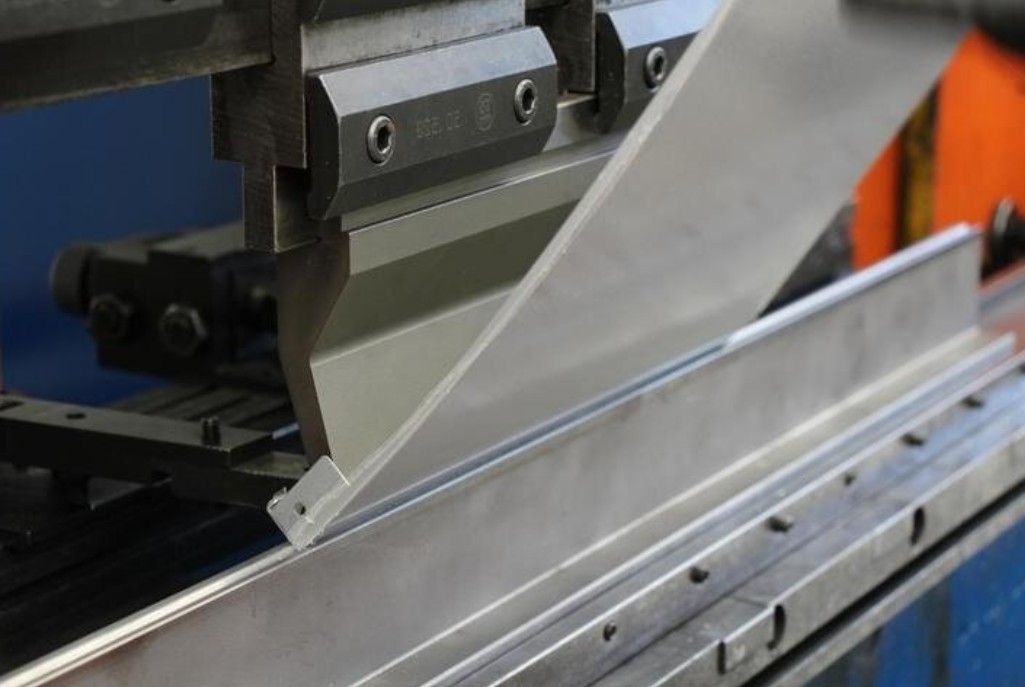
If you’re sourcing large-batch sheet metal parts for automotive, electronics, renewable energy, or industrial equipment, material waste is one silent killer of your project margins.
Most mid-tier fabricators lose 12–20% of every stainless steel, aluminum, or carbon steel sheet to scrap during mass production. When your order hits 5,000, 20,000 or 100,000 units, that wasted metal turns into tens of thousands in unnecessary raw material expenses—money that goes straight to the scrap yard instead of your bottom line.
Worse: Excess waste also hurts your sustainability goals, slows down batch turnaround, and creates inconsistent part quality from rework.
At Zorapid, we handle high-volume sheet metal batch orders daily for global OEMs. Over 20 years of mass fabrication work, we’ve built a repeatable optimization workflow that consistently drops material waste rates below 8% for large runs, without sacrificing tolerances, finish, or delivery speed.
In this post, we’re breaking down every practical, implementable strategy we use for our clients—no vague theory, just factory-tested steps you can push your fabricator to adopt for your next big sheet metal order.
Why Mass Sheet Metal Batches Bleed Material Profit
Let’s start with the root causes of excessive scrap in large-batch sheet metal production, unique to high-volume runs:
- Poor CAD design without DFM validation: Tiny slots, tight edge clearances, overcomplicated contours trigger mass rework and scrapped blanks
- Manual, outdated part nesting: Gaps between parts waste huge swathes of full sheets on 10k+ unit orders
- Custom non-standard sheet stock sizes: Every non-standard cut leaves massive unusable offcuts that can’t be repurposed
- Separate batch runs for small and large components: Wastes full sheets on tiny brackets when they could be nested with big frames
- Wide laser kerf, uncalibrated cutting machines: Thicker cut lines eat up usable material across thousands of sheets
- No structured scrap recycling program: Valuable aluminum and stainless offcuts get discarded instead of melted down for reuse
- Unplanned quality defects from inconsistent bending/welding: Entire batches of flawed parts get scrapped mid-production
For low-volume prototype jobs, these issues barely register. Once you scale to large batch production, each tiny inefficiency multiplies across thousands of sheets—and costs you heavily.
AI-Powered DFM Reviews Before Cutting Any Sheet
The single best place to eliminate material waste is before your fabricator touches a single metal sheet: the design stage.
Most buyers send raw CAD files straight to production without a Design for Manufacturability (DFM) check, which creates scrap before production even starts. At Zorapid, every large sheet metal batch undergoes a mandatory AI-driven DFM audit as our first optimization step.
Key DFM tweaks that cut mass scrap:
- Enforce minimum edge-to-hole spacing (1.5x sheet thickness) to avoid tearing during bending
- Remove non-functional decorative cutouts, extra bends, and redundant tabs that create wasted blank space
- Merge multi-piece assemblies into single blanks where possible—fewer separate parts = less total sheet consumption
- Standardize bend radii and slot widths to eliminate thermal warping that scrapes full sheets
- Adjust part orientation to align with metal grain direction, reducing cracking and defective units

Our engineering team flags every waste-generating design flaw in your CAD and offers two or three functional redesign options—all with clear material utilization rate projections so you pick the most cost-effective version for mass production.
For one 304 stainless steel cabinet order (15,000 units), our DFM revisions alone lifted sheet utilization by 11% before we even ran nesting software.
Smart Nesting Software: The Biggest Waste Reduction Lever for Large Orders
Nesting is how your fabricator arranges flat part blanks across a full metal sheet. Manual nesting or basic legacy software leaves massive empty gaps between parts—catastrophic for large batch orders that consume hundreds of full sheets weekly.
Zorapid runs industry-grade AI nesting algorithms for all high-volume sheet metal work, with two core optimization rules:
- Mix oversized structural frames and tiny mounting brackets on the exact same sheet
- Minimize gap spacing between parts (controlled 6–12mm safe clearance) without risking cutting collisions
Hard data from our production floor:
- Manual nesting: 70–78% average sheet material utilization
- Zorapid AI multi-part nesting: 89–94% average sheet utilization
For a 20,000-unit aluminum enclosure batch, that 15% utilization jump cuts raw aluminum sheet purchases by hundreds of full pallets. The narrow fiber laser kerf (25 micron beam width) on our cutting equipment amplifies this savings further—traditional plasma cutting creates 3–5x wider kerf waste across every sheet.
We also save all leftover medium-sized offcuts from large sheets, and auto-nest small secondary parts onto those remnants for follow-up batches, zero leftover scrap from partial sheets.
Standardize Stock Sizes & Materials to Kill Offcut Scrap
Custom-sized metal sheets are one of the most overlooked waste drivers for large orders. When you specify non-standard sheet dimensions, the leftover strip after cutting is almost always too narrow to reuse for any other part, turning entire sections of metal into instant scrap.
Our standard batch optimization playbook for clients:
- Match your part blank dimensions to globally standard sheet stock sizes (1220x2440mm, 1500x3000mm aluminum/stainless sheets)
- Lock in standard material thickness grades instead of custom gauges—specialty thin/thick sheets generate far more unusable offcuts
- Consolidate multiple material grades into one compatible alloy where mechanical specs allow (e.g., switch 316 stainless to 304 for non-corrosion-critical housings)
This step alone eliminates 5–8% of material waste on most large batch runs, and also lowers your raw material purchasing cost from bulk standard sheet pricing.
Lean Batch Scheduling: Match Small & Large Parts in One Production Run
Many fabricators split orders into separate small-part and large-part batches to simplify machine setup. This creates massive waste: full sheets dedicated only to tiny brackets leave huge empty blank spaces unused.
Zorapid’s lean production scheduling groups all components from your full order into unified cutting batches, regardless of part size. Our nesting engine automatically interlocks large frames, mid-sized panels, and micro brackets onto every single sheet.
For clients running mixed-component mass orders (equipment frames + mounting brackets + internal shielding), this scheduling tweak adds an extra 4–6% material utilization boost, with zero impact on production cycle time. Our automated laser cutting lines handle mixed-size nesting without extra setup downtime.
Closed-Loop Scrap Recycling System for High-Volume Shops
Even with perfect nesting and DFM optimization, small scrap offcuts are unavoidable in sheet metal batch production. The difference between average shops and Zorapid: we operate a full closed-loop recycling system built for large order scrap volumes.
Our zero-waste scrap workflow:
- Segregate aluminum, carbon steel, stainless steel offcuts by alloy grade immediately after cutting
- Store clean, sorted scrap on dedicated factory racks for bulk resale back to metal suppliers
- Repurpose medium offcuts for secondary small parts, test fixtures, and prototype blanks before selling scrap
- Pass scrap rebate credits back to our mass-batch clients to offset raw material invoices
Most competitors mix all scrap grades together, receiving minimal scrap buyback rates and passing zero savings to buyers. For clients with multi-month continuous sheet metal production runs, our scrap rebate program often recovers 3–5% of total metal material spend annually.
Equipment & Process Tweaks That Minimize Kerf & Rework Waste
Defective parts from poor machine calibration or outdated cutting tools create catastrophic batch scrap—one miscalibrated press brake can ruin thousands of blanks in a single shift.
We maintain strict daily preventive maintenance for all sheet metal equipment to eliminate rework waste:
- Daily fiber laser lens cleaning and beam calibration to hold ultra-narrow kerf widths
- Automated press brake angle compensation to eliminate springback bending defects
- Real-time AI vision inspection mid-production to catch flawed parts early before full batch completion
- Digital bend sequence simulation to avoid part tearing during forming
These process controls slash rework scrap rates from the industry average 7–10% down to under 2% on our large sheet metal orders. Less defective parts = less wasted metal, less rework labor, and faster full batch delivery.
Real Zorapid Case Study: 22% Material Waste Cut for EV Enclosure Mass Order
Let’s walk through a real-world large batch optimization project we completed for a European EV component OEM (18,000 aluminum power enclosure units):
Original Client Pain Points (Before Zorapid Optimization)
- Original design: Overcomplicated cutouts, non-standard sheet sizes, manual nesting
- Material waste rate: 19.4% across all production sheets
- High rework scrap from bending springback defects
- Separate small-part and large-part batch cutting wasting full sheets
Zorapid End-to-End Optimization Steps
- Full AI DFM redesign: Simplified non-critical cutouts, standardized edge clearances, merged two small sub-parts into one blank
- Switched custom aluminum sheets to standard 1500x3000mm stock
- Unified all enclosure frames and mounting brackets into single mixed nesting batches
- Deployed multi-part AI nesting software, boosting sheet utilization from 76% to 93%
- Calibrated all press brakes and laser cutting lines for zero springback defects
- Activated closed-loop scrap recycling for all aluminum offcuts
Final Measurable Results
- Total material waste reduced from 19.4% to just 7.3% (22% total waste cut)
- Client raw aluminum material spend dropped by $42,700 for this single 18k unit batch
- Rework scrap eliminated almost entirely
- On-time batch delivery maintained with no production delays
This isn’t a one-off win—we replicate similar waste reduction percentages for every large sheet metal OEM order we manufacture.
How Zorapid’s End-to-End Sheet Metal Batch Optimization Works For You
Unlike standard sheet metal job shops that only cut parts per your CAD files, Zorapid delivers full waste-reduction optimization built into our mass production workflow for all large orders:
- Free pre-production AI DFM analysis on all CAD drawings for high-volume runs
- Custom multi-part nesting simulation with material utilization rate reports before production
- Standard material/sheet size recommendations tailored to your batch volume
- Lean unified batch scheduling for mixed-size components
- Automated precision cutting & bending equipment to eliminate rework scrap
- Closed-loop scrap recycling with rebate credits applied to your invoices
- Real-time production scrap tracking so you see waste metrics during every batch stage
We support all common sheet metal materials for mass orders: 5052/6061 aluminum, 304/316 stainless steel, cold rolled carbon steel, galvanized sheet, and copper alloys, with ISO-certified quality control for automotive, renewable energy, industrial, and electronics OEM standards.
Our 3,000㎡ integrated sheet metal fabrication center combines laser cutting, CNC bending, welding, surface finishing, and batch assembly under one roof—no third-party handoffs that introduce extra waste or delays.
FAQ
Will design changes to cut material waste impact my part performance or tolerances?
All our DFM optimization adjustments preserve your critical functional specs, tolerance requirements, and load-bearing performance. We only remove redundant geometry and adjust non-critical features to boost material utilization, with full simulation validation before production.
How fast can Zorapid run DFM and nesting optimization for a 10,000+ unit sheet metal batch?
We deliver complete DFM reports + nesting utilization projections within 12 working hours after receiving your CAD files, with no extra fees for mass-order optimization.
Can you optimize existing legacy sheet metal designs without full redesigns?
Yes. Even minor tweaks (standardizing sheet stock, adjusting nesting, unifying batch runs) deliver 6–10% waste reduction without major CAD overhauls. Our team offers both light-touch and full redesign optimization tiers.
Does lower material waste shorten batch lead times for large orders?
Absolutely. Higher sheet utilization means fewer total sheets to cut, less machine runtime, and fewer rework interruptions. Most optimized large batches ship 10–15% faster than unoptimized production runs.
Final Wrap-Up
Material waste in large sheet metal batch production isn’t an unavoidable cost—it’s a solvable inefficiency rooted in outdated design reviews, poor nesting, disjointed batch scheduling, and uncalibrated factory equipment.
By combining AI DFM validation, multi-part smart nesting, standardized stock sizes, lean unified batch runs, closed-loop scrap recycling, and precision automated fabrication, Zorapid consistently slashes scrap rates for global OEM mass orders, delivering direct raw material cost savings without compromising quality or delivery timelines.
If you’re planning a large-volume sheet metal order and want a free DFM & material utilization assessment to cut your metal waste and lower production costs, send your CAD files to our engineering team today for a no-obligation quote and optimization report.