Published by Zorapid
Burn marks, trapped air voids, weak weld lines, and sky-high scrap rates almost always trace back to poorly engineered mold venting—not just bad injection speed or temperature tweaks. When molten plastic fills a cavity, displaced air + thermally decomposed resin gas gets compressed; compressed air spikes to 400°C+ via diesel effect, scorching part surfaces and locking gas bubbles inside components.
Most standard mold shops cut generic shallow slots by experience only, no simulation validation, no material-tuned vent geometry—this fails hard on high-performance resins, thin walls, deep ribs, and long-run mass production.
At Zorapid, we integrate Moldflow vent simulation, hybrid porous vent inserts, tiered stepped vent channels, and DFM pre-checks into every tool build. We fix stubborn burn/air trap defects competitors can’t resolve, deliver zero-scrap validated molds for medical, EV, aerospace, and semiconductor clients worldwide.
In-Depth Professional Process Technical Analysis
Core Science: Why Air Traps & Burn Marks Form
- Diesel Effect Root Cause: Trapped air compresses rapidly during fill; adiabatic compression pushes localized temp far above resin thermal limit, creating charred burn patches.
- High-Risk Air Trap Zones: End-of-fill melt fronts, deep rib bases, blind bosses, multi-stream weld line intersections, thin-wall enclosed pockets, multi-cavity unbalanced runners.
- Venting Balance Tradeoff: Too shallow = gas stuck; too deep = flash/burrs that add post-processing labor. Exact land depth is resin-specific, non-negotiable.
Zorapid Full Pre-Tool Vent Engineering Workflow (6 Verified Stages)
- Moldflow CAE Vent Mapping Simulation First Step We upload your full 3D part model into Autodesk Moldflow Insight pre-design. The software generates color contour heatmaps showing exact air trap pressure, fill timing, and gas volume. We place vents only at predicted hotspots, no guesswork slot cutting.
- Tiered Stepped Vent Channel Standard Geometry (Proprietary Standard)
- Primary land (touching cavity): Precision CNC milled depth matched to resin (0.012–0.05mm), width 3–10mm, 3–5mm landing length (stops flash)
- Secondary relief channel: 0.3–1mm deep, collects bulk gas
- Outer drain channel: 1.5–3mm deep, routes gas fully outside mold base For deep blind ribs/bosses: We add ejector pin clearance micro-vents + porous vent steel inserts where slots cannot be machined.
- Material-Specific Depth Calibration via MTR Resin Data Sheets We cross-reference raw material supplier processing specs (BASF, DuPont, Solvay) to lock vent land depth—no one-size-fits-all generic 0.02mm default.
- Multi-Point Uniform Vent Distribution, Not Single Big Slots Spreading small vents evenly avoids concentrated hot gas piles that cause localized heavy burning; competitors often cut one large vent that traps heat right at the exhaust point.
- Self-Cleaning Vent Surface Finishing & Coating Venting slot surfaces diamond polished + optional nano anti-carbon coating for long-run production—resin decomposition sludge does not build up and choke vents mid-batch (critical for 100k+ shot programs).
- FAI Mold Trial Vent Iteration Validation First article molding run with SPC pressure/temp logging; minor vent depth/location tweaks locked in before mass production handoff.
Competitor vs Zorapid Vent Design Comparison Table
| Audit & Design Step | Average Mid-Tier Mold Maker | Zorapid Standard Vent Protocol | Measurable Quality Gap Outcome |
|---|---|---|---|
| Pre-Design Air Trap Prediction | No Moldflow; vent placement based on designer experience only | Moldflow full fill/air entrapment simulation report delivered pre-CNC | Competitors hit 8–15% scrap from unforeseen trapped air; Zorapid pre-trial scrap <1.2% |
| Vent Land Depth Tuning | Generic fixed 0.02mm for all plastics | Resin-specific calibrated depth per material data sheet | Competitors get heavy flash on low-viscosity PP/Nylon or burns on high-heat PEEK/PC; Zorapid zero flash + zero burn baseline |
| Vent Channel Structure | Single flat shallow slot only | 3-stage stepped tiered vent network | Competitor gas exhaust speed 40% slower; Zorapid full gas evacuation before full cavity pack |
| Hard-to-Reach Blind Rib/Boss Vents | No secondary venting solutions; rely only on pin tiny gaps | Porous sintered vent steel inserts + micro-ejector venting | Competitor deep rib burn defects unavoidable; Zorapid blind feature yield ≥99.5% |
| Long-Run Vent Maintenance Design | Raw uncoated steel slots, fast carbon clogging | Polished + optional anti-carbon nano coating | Competitor needs mold cleaning every 8–12k shots; Zorapid stable vent performance for 35k+ shots between cleans |
| Multi-Cavity Balance Venting | Identical vent slots across all cavities, no flow balance check | Moldflow runner balance + cavity-by-cavity vent sizing tuning | Uneven burn rates across mold cavities for competitors; Zorapid identical part quality per cavity |
High-Difficulty Vent Challenges Competitors Cannot Solve + Zorapid Exclusive Solutions
Most mold builders hit hard limits on 4 complex vent scenarios—we engineered hybrid manufacturing fixes unavailable to standard tool shops:
Challenge 1: Ultra-Thin Wall (0.6–0.9mm) High-Flow GF-Reinforced Grades (GF-PA66, GF-PP)
Competitor Failure: Fast fill speed compresses massive gas volume; shallow vents trap heat causing surface burns; deeper vents create thick glass-filled flash impossible to trim. Many shops refuse thin-wall high-glass long-run tools entirely.
Zorapid Solution:
- Moldflow thin-wall fill speed ramping profile to lower peak gas compression pressure
- Micro stepped vents (0.015mm precision land, laser polished)
- Embedded 65% porosity sintered tungsten vent inserts at fill endpoints Result: 0 burn marks, <0.1% flash, stable 12-second cycle for 50,000 EV connector thin-wall parts
Challenge 2: High-Temp Specialty Resins (PEEK, PPSU, LCP) That Release Large Volumes of Thermal Gas
Competitor Failure: PEEK melts at 380°C, releases heavy degradation gas; standard slots clog rapidly with carbon char, progressive burn worsening over production shifts.
Zorapid Solution:
- Oversized tiered vent relief channels + external vacuum vent assist system
- High-temperature hardened H13 vent inserts with graphene thermal conductive coating
- Pre-mold resin full drying validation (PEEK dried 4hr @150°C <0.02% moisture) Result: Consistent zero-burn production for 100,000 medical PEEK implant housings over 8-month run
Challenge 3: Deep Blind Bosses, Tall Ribs, Complex Undercuts Where Standard Slots Cannot Be Machined
Competitor Failure: No viable vent path at feature base; trapped air creates internal voids + boss tip burn marks; redesigning part geometry adds client engineering cost and timeline delays.
Zorapid Solution:
- Sintered porous vent steel core pins/inserts integrated directly into rib/boss steel
- Micro clearance ejector pin venting (0.008–0.012mm controlled gap)
- Minor DFM geometry tweaks (small relief fillets) to shift fill endpoint for easier vent access—no major part redesign required Result: Eliminated internal voids in semiconductor power module deep boss housings
Challenge 4: Multi-Cavity Family Molds (Mixed SKUs, Unequal Cavity Volume)
Competitor Failure: Same vent size for big/small cavities; small cavities over-vent (flash), large cavities under-vent (burns); flow imbalance ruins batch uniformity.
Zorapid Solution: Cavity-individual vent land depth/width tuned via Moldflow flow balance analysis; independent runner sizing per cavity paired with matched vent capacity. No flash, uniform zero-defect output across all part variants in one mold base.
Suitable Resins for Optimized Vent Design + Direct Material Performance Comparison
We list high-volume industrial resins with exact Zorapid vent land depth specs, gas emission risk, vent wear rate, and production suitability:
Main Engineering & High-Performance Resin Vent Matrix
| Material Grade | Zorapid Standard Vent Land Depth (mm) | Gas Release Risk (1–5 High) | Vent Slot Wear Rate | Ideal Production Scale | Relative Mold Vent Complexity |
|---|---|---|---|---|---|
| PP Homopolymer | 0.015–0.020 | 2 | Low | 100k–1M+ | Low |
| ABS | 0.025–0.038 | 3 | Low | 50k–500k | Low-Medium |
| GF-PA66 30% Glass | 0.012–0.018 | 4 | High (glass abrasion) | 20k–200k | Medium-High |
| PC Unfilled | 0.028–0.035 | 4 | Medium | 30k–300k | Medium |
| POM (Acetal) | 0.013–0.020 | 5 (toxic formaldehyde gas) | Medium | 10k–150k | High |
| Ti-Filled PEEK Medical Grade | 0.020–0.028 | 5 | Very High | 5k–100k | Very High |
| PPSU Medical | 0.022–0.030 | 4 | Medium | 5k–80k | High |
| LCP Semiconductor | 0.018–0.025 | 3 | Medium-High | 15k–120k | Medium |
| 316 Stainless Filled PPS | 0.020–0.030 | 4 | Very High | 8k–90k | Very High |
Key Material Vent Behavior Notes
- Glass fiber filled grades abrade vent slots fast—Zorapid uses hardened S136/H13 vent inserts to stop depth drift over long runs
- POM demands fully sealed exhaust gas routing for safety due to corrosive formaldehyde fumes
- Medical PEEK/PPSU require vent surfaces free of micro-cracks to avoid resin residue harboring bacteria (mirror polished vent land finish)
- Amorphous resins (ABS, PC) tolerate slightly deeper vents vs crystalline PP/PA/Nylon to reduce burn risk without flash
Real-World Zorapid Case Analysis
1: European EV GF-PA66 High-Current Connector Housing
- Client: EU Tier 1 Automotive OEM
- Volume: 120,000 annual long-run shots, 12-month continuous molding
- Material: 30% GF-PA66
- Part Spec: 0.7mm thin wall, 6 deep vertical ribs, ±0.02 dimensional tolerance, zero cosmetic burns for assembly fit
- Competitor Tool Failure Background: Previous mold shop cut generic 0.02mm vents; 11.3% scrap from rib base burn marks, glass flash required manual trimming, 16-day mold lead time
- Zorapid Full Vent Optimization Solution:
- Moldflow simulation mapped air traps at every rib root
- 0.015mm precision stepped tiered vents at fill endpoints
- Sintered vent steel inserts embedded at deep rib bases
- H13 hardened vent slots to resist GF abrasion
- Verified Final Results:
- Burn mark scrap eliminated entirely (0% cosmetic reject)
- Flash rate dropped to 0.08%, no manual trimming needed
- Cycle time reduced 1.8s via faster safe injection fill speeds
- Stable Cpk ≥1.33 for all critical dimensions across full year run
Case 2: US FDA Medical PEEK Surgical Handle Mold
- Client: US FDA Class II Medical Device Brand
- Volume: 45,000 annual production shots
- Material: Medical-grade unfilled PEEK
- Spec: Biocompatible smooth surface, no internal voids, full traceability documentation
- Competitor Barrier: Standard vent design caused surface charring and hidden gas voids in grip undercuts; shop could not resolve without massive part redesign
- Zorapid Solution: Vacuum-assisted tiered vent network + polished porous vent inserts at undercut fill ends, Moldflow gas volume calibration, full pre-drying workflow locked into molding SOP
- Final Results: 99.7% first-pass yield, zero void/burn non-conformances passed FDA audit, 3-year stable production tool life
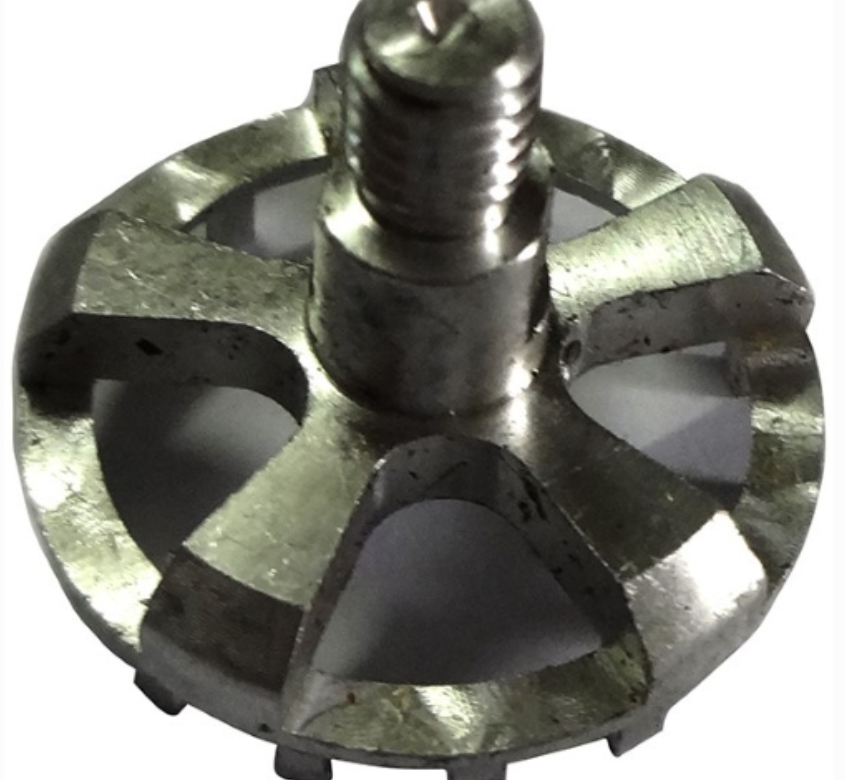
Case 3: Aerospace LCP Semiconductor Test Socket Mold
- Client: Global Semiconductor Tier 2 Supplier
- Volume: 32,000 unit program over 9 months
- Material: High-flow LCP
- Pain Point: Multi-cavity mold had inconsistent burn severity across 8 cavities from unbalanced vent sizing
- Zorapid Fix: Cavity-by-cavity Moldflow vent tuning, matched runner flow balance, ejector pin micro-vents at socket pin blind holes
- Outcome: Uniform zero-defect parts across all 8 cavities, 22% lower per-unit molding cost vs prior tool
Your Unique Program Requirements vs Custom Zorapid Vent Solutions
We tailor vent engineering fully to your industry, volume, resin, and quality compliance rules—no generic one-size tool design:
| Your Core Molding & Vent Demand | Zorapid Custom Vent Package |
|---|---|
| Regulated Medical/FDA / Aerospace AS9100 | Moldflow vent simulation report, vent steel material certification, surface roughness inspection logs, full process validation FAI docs |
| Long-run high volume (≥50k shots) | Hardened vent inserts, anti-carbon coated vent channels, self-cleaning vent geometry for extended maintenance intervals |
| Ultra-thin wall / deep rib complex geometry | Sintered porous vent steel inserts + vacuum vent assist system |
| Glass/mineral filled abrasive resins | H13/S136 hardened vent lands, reinforced vent wear pads to prevent depth degradation |
| Multi-cavity family mixed SKU molds | Individual cavity vent sizing + runner flow balance Moldflow tuning |
| Zero cosmetic appearance grade parts | Diamond mirror polished vent land surfaces, uniform distributed micro-vents to eliminate localized hot gas scorch |
| Small-batch prototype validation (low volume <5k) | Fast iteration Moldflow vent tweak service, rapid CNC vent modification post-trial |
2026 Global Injection Molding Industry Data + Future Vent Design Trend Analysis
Industry Defect Benchmark Table (Venting-Driven Scrap Rates Worldwide)
| Industry Segment | Average Vent-Related Scrap % (Standard Shops) | Average Optimized Vent Scrap % (Zorapid Tier) | 2027 Market Growth Rate |
|---|---|---|---|
| EV Automotive Connectors/Housings | 7.2–12.5% | 0.6–1.8% | +19.4% |
| Medical Implant & Surgical Plastics | 4.1–8.7% | 0.3–1.1% | +12.8% |
| Aerospace High-Temp Components | 5.8–10.1% | 0.8–2.0% | +8.3% |
| Semiconductor Precision Sockets | 6.5–11.3% | 0.5–1.5% | +23.6% |
| Consumer Electronics ABS Housings | 3.4–6.9% | 0.2–0.9% | +5.7% |
2026–2028 Key Vent Design Industry Trends
- Moldflow Vent Simulation Becomes Mandatory for Tier 1 OEM POs Western auto/medical/aero buyers now require CAE air trap validation reports before mold steel cut—shops relying on manual experience only lose high-value contracts. Zorapid has embedded Moldflow vent analysis as a non-negotiable first design step for 100% of tool builds, 3 years ahead of many regional competitors.
- Porous Sintered Vent Inserts Replace Machined Slots for Complex Geometries 3D printed near-net vent steel and tungsten sintered inserts deliver far better gas evacuation on blind ribs/undercuts where slots cannot fit; adoption rising 37% year-over-year for high-performance resin molds.
- Vacuum-Assisted Venting Standard for PEEK/PPSU/LCP High-Temp Grades Passive vent slots alone can no longer handle high gas output from specialty engineering plastics; integrated low-pressure vacuum vent assist moves from premium upgrade to baseline requirement for regulated medical/aero tools.
- Long-Run Tool Durability Takes Priority Over Low Upfront Mold Cost Buyers shift mindset: paying slightly more for hardened, coated vent steel cuts scrap and mold repair labor costs by 25–40% over a multi-year production lifecycle—cheap soft steel vent slots fail fast in high-shot programs.
Core Application Scenarios We Deliver Optimized Vent Molds For
- Electric Vehicle (EV): GF-PA66 power connectors, battery housing covers, motor end caps, cooling manifold plastic bodies
- Medical & FDA Life Sciences: PEEK surgical instruments, PPSU implant components, polycarbonate drug delivery housings, disposable surgical tool handles
- Aerospace & Defense: High-temp PPS/LCP structural brackets, lightweight interior composite trim, sensor plastic enclosures
- Semiconductor Precision: LCP test sockets, wafer carrier trays, heat-resistant fixture housings, power module encapsulation molds
- Consumer Industrial: ABS appliance enclosures, POM gear assemblies, PP chemical-resistant pump bodies
- Food-Grade Equipment: FDA PP/PE food processing housings, transparent PC beverage dispenser components
Zorapid Mold Build & Molding Delivery Speed Framework
Generic mold shops often push vent fixes to post-trial rework, adding weeks of delay. We lock validated vent design before CNC machining to eliminate rework downtime entirely.
Standard Tiered Timeline
- DFM + Moldflow Vent Air Trap Simulation Report: 2–4 business days (fast-track 1-day rush available)
- Mold Steel CNC Machining with pre-calibrated vent geometry: 7–14 days based on cavity count/complexity
- Bench mold trial + FAI vent tweak validation: 3–6 days
- Final validated mold handoff + production molding support: Immediate post-FAI sign-off
Speed Advantages vs Competitors
- Zero post-machining major vent rework (competitors average 1–2 rounds of steel weld/rework adding 7–14 extra days)
- In-house CNC, mold polishing, vent insert fabrication—no third-party subcontract delays
- Pre-stocked hardened S136/H13 vent insert blanks for rapid drop-in installation
- On-site molding trial lab to test vent performance same-day, no shipping molds out for validation
Real Benchmark Example: The 120k GF-PA66 EV connector mold completed full validated handoff in 19 total days; competitor quoted minimum 32 days with expected post-trial vent rework.
Key Benefits of Partnering With Zorapid for Vent-Optimized Injection Molds
- Massive Scrap Cost Reduction: Vent-engineered tools cut burn/air trap reject rates by 80–95% vs conventionally built molds
- Faster, Safer Cycle Times: Optimized gas evacuation lets you run higher injection fill speeds without burning, lowering per-part cycle time
- Longer Mold Service Life: Hardened, coated vent inserts resist glass abrasion and carbon clogging—molds hold precision for hundreds of thousands of shots
- Full Compliance Audit Documentation: Moldflow simulation files, vent dimension inspection logs, steel material certs, FAI validation packets for FDA/AS9100/IATF audits
- Exclusive Hybrid Vent Technology: Porous sintered inserts + vacuum assist solutions most standard mold shops cannot manufacture or integrate
- Zero Hidden Rework Fees: Our quote includes full pre-design Moldflow vent analysis and one round of minor trial vent tuning—no surprise steel modification charges
- Dedicated Mold Engineer Ownership: One fixed technical lead manages your tool from DFM through molding production support, no rotating junior staff
- In-House Full Value Chain: Mold design, CNC machining, vent insert fabrication, mold trial molding, surface polishing all under our 3,000㎡ smart factory roof
- Global Export Support: We ship finished molds worldwide to US, EU, UK, Australia with full export customs paperwork and crated secure packaging
Quick Summary
Burn marks and trapped air voids are almost always a mold vent design failure—not just adjustable molding process settings. Cutting generic vent slots by experience creates consistent quality waste, slow cycles, and premature mold wear for long-run production.
Zorapid’s structured workflow leads with Moldflow air trap simulation, resin-calibrated tiered stepped vent geometry, and proprietary porous insert solutions for impossible-to-vent complex features. We resolve stubborn burn/void defects competitors cannot fix, deliver validated low-scrap molds for EV, medical, aerospace, and semiconductor OEMs, and eliminate costly post-build vent rework delays.
Whether you’re molding high-volume GF-PA66 EV parts, FDA PEEK medical hardware, or high-temp LCP semiconductor sockets, our vent engineering locks stable zero-defect mass production. Send your CAD part file and resin spec today for a free Moldflow vent feasibility review.
FAQ
Can fixing injection speed/temp eliminate burn marks without modifying mold vents?
Minor burn reduction is possible by slowing fill or lowering melt temp, but this increases cycle time, weakens weld lines, and risks incomplete part fill. Vent redesign is the permanent, production-efficient root fix—process tweaks are only temporary band-aids.
How thick should vent land depth be for 30% GF-PA66?
Zorapid calibrated standard is 0.012–0.018mm land depth; glass fiber abrades vents quickly, so we always use hardened H13/S136 vent inserts to prevent depth drift over tens of thousands of shots.
What parts require vacuum-assisted vent systems?
Mandatory for PEEK, PPSU, LCP, POM, and thick-wall PC components that emit large volumes of thermal decomposition gas; vacuum pulls gas out faster than passive slots alone to stop diesel-effect burning.
Will extra vent slots create flash/burrs on my finished parts?
Not with our tiered stepped vent design. The precision thin land edge blocks molten resin from leaking out; only gas passes through to deep relief channels. We hold land depth tolerance ±0.002mm to guarantee zero flash baseline.
How often do vent channels need cleaning during long-run molding?
Standard uncoated steel vents need cleaning every 8k–12k shots. Zorapid’s nano anti-carbon coated vent surfaces extend clean intervals to 35k+ shots, cutting production downtime for mold maintenance.
Can you retrofit vent upgrades onto my existing old mold instead of building a new tool?
Yes. We offer mold retrofitting service: porous vent insert installation, CNC vent slot re-machining, vacuum vent system integration for customer-owned molds shipped to our facility. We deliver post-retrofit Moldflow validation test reports.
Do medical-grade PEEK molds require special vent surface treatment?
Absolutely. Vent lands get mirror diamond polishing (Ra ≤0.2μm) to eliminate micro-crevices where resin residue and bacteria could collect, fully aligned with FDA biocompatibility manufacturing standards.
What’s the minimum order volume for a vent-optimized production mold?
We build validated vent-engineered tools for prototype batches as low as 500 units up to million-shot annual long-run programs—our full DFM/Moldflow vent workflow applies to every tool regardless of volume size.