Published by Zorapid Precision
Let’s cut to the chase: Durability starts with material matching, not just machining. You can have the tightest tolerances, smoothest finishes, and fanciest CNC setup—but if you pick the wrong material for the job, your parts will crack, wear, rust, or deform way too soon.
The usual pain points?
- A stainless steel part that work-hardens and breaks under cyclic load
- An aluminum bracket that warps or fatigues in high-temperature environments
- A plastic gear that wears out in weeks instead of years
- A cheap steel component that rusts or corrodes in moisture/chemical exposure
Most shops just ask, Steel or aluminum? and call it a day. At Zorapid, we’ve matched 10,000+ high-durability CNC components to materials over 20+ years—for parts that last 5–10× longer than generic alternatives. We don’t just pick materials—we engineer material solutions for your exact load, environment, and lifespan goals.
Today we’re breaking down pro material-matching tips for high-durability CNC parts, why generic choices fail, the impossible material jobs only we solve, and how to pick materials that last, perform, and save you money long-term.
In-Depth Technical Analysis + Peer Comparison
High-durability material matching isn’t about strongest = best—it’s about matching 5 core material properties to your part’s real-world conditions: hardness, tensile/fatigue strength, thermal stability, corrosion resistance, and wear resistance. Let’s dive into the science and how Zorapid’s process beats generic shops.
The 5 Non-Negotiable Durability Properties (Zorapid’s Framework)
Hardness (Resist Wear & Deformation)
- What it is: Resistance to surface abrasion, indentation, and tool wear (measured HRC, HB, or Shore).
- Why it matters: Too soft → parts wear fast, lose dimensional accuracy; too hard → brittle, cracks under impact.
- Zorapid rule: Wear surfaces = HRC 48–55; structural parts = HRC 25–35; thin walls = HRC 20–28.
Tensile & Fatigue Strength (Resist Breakage Under Load)
- What it is: Tensile = resistance to pulling force; Fatigue = resistance to repeated/cyclic load (critical for moving parts).
- Why it matters: Low fatigue strength → parts snap after thousands of cycles (even if strong statically).
- Zorapid rule: Cyclic loads (gears, shafts) → ≥800 MPa tensile; static structures → ≥400 MPa.
3Thermal Stability (Resist Warp/Softening in Heat)
- What it is: Resistance to deformation, softening, or expansion under temperature changes (thermal conductivity, expansion coefficient).
- Why it matters: High heat (friction, engines) → aluminum warps, cheap steel softens, titanium traps heat.
- Zorapid rule: High temp (>150°C) → stainless/titanium; moderate → steel; low → aluminum.
4. Corrosion Resistance (Resist Rust/Chemical Damage)
- What it is: Resistance to oxidation, moisture, chemicals, or salt (critical for outdoor/medical/industrial use).
- Why it matters: Unprotected steel rusts in months; generic stainless corrodes in saltwater.
- Zorapid rule: Wet/chemical environments → 316L/17-4PH stainless or titanium; dry → 4140 steel.
5. Wear Resistance (Resist Friction & Abrasion)
- What it is: Resistance to material loss from sliding, rubbing, or contact (critical for gears, bearings, slides).
- Why it matters: Poor wear resistance → parts degrade, seize, or fail prematurely.
- Zorapid rule: Sliding surfaces → hardened steel, PEEK, or bronze; rolling → 52100 bearing steel.
Critical Material-Matching Differences
| Parameter | Zorapid High-Durability Process | Generic CNC Shop (Random Material Picks) |
|---|---|---|
| Material Selection Basis | 5-property analysis + load/environment data | Cost/availability only (“steel is cheap”) |
| Fatigue Strength Check | Mandatory for cyclic parts (≥800 MPa) | Ignored (no fatigue testing) |
| Thermal Expansion Control | Matched to operating temp (≤10 ppm/°C) | No consideration (warpage common) |
| Corrosion Testing | Salt spray/chemical exposure validation | “It’s stainless—should be fine” |
| Wear Simulation | Friction/wear testing for sliding parts | No testing (replace when worn) |
| Typical Part Lifespan | 5–10 years (industrial use) | 6–18 months (premature failure) |
| Scrap Rate (Material-Related) | <3% | 25–40% (wrong material for job) |
| High-Durability Success Rate | 95% | 30% |
Why generic shops fail: They treat materials like commodities, not engineering solutions. They pick cheap or easy materials instead of matching properties to your part’s actual working conditions—leading to early failure, costly replacements, and downtime. Zorapid uses data-driven material matching with real-world testing to ensure parts last.
Impossible High-Durability Material Jobs Only Zorapid Can Solve
Any shop can pick 6061 aluminum for a simple bracket. These 5 extreme material-matching scenarios? Most quote no material works or deliver parts that fail in months. Here’s how we fix them:
Pain 1: High-Cycle Moving Parts (10M+ Cycles, Heavy Load + Moderate Heat)
Problem: Generic materials (4140 steel, 6061 aluminum) fatigue and break; stainless is too brittle; titanium too expensive. Common in automotive transmissions, industrial gears.
Zorapid Solution:
- Material: 4340 alloy steel (quenched/tempered, HRC 32–36)
- Why: 1230 MPa tensile, 600 MPa fatigue strength, stable up to 200°C
- Process: Precision CNC + stress relief + surface grinding + TiN coating
- Result: 15M+ cycle lifespan, zero fatigue failure, 3× longer than generic 4140. Competitors’ parts break after 3M cycles.
Pain 2: Corrosive + High-Wear Environments (Saltwater + Sliding Friction)
Problem: 304 stainless corrodes in saltwater; 316L wears fast; plastics fail; coatings peel. Common in marine, medical, food processing.
Zorapid Solution:
- Material: 17-4PH (SUS630) stainless steel (H900 heat treat, HRC 44–48)
- Why: 1310 MPa tensile, excellent saltwater corrosion resistance, 2× wear resistance of 316L
- Process: CNC + passivation + electropolishing (Ra 0.4 μm)
- Result: 10+ year lifespan in saltwater, no corrosion, minimal wear. Competitors’ 316L parts corrode/wear in 2 years.
Pain 3: Ultra-Light + High-Strength + High-Temp (Aerospace, 150°C+ Cyclic Loads)
Problem: Aluminum warps/softens; steel too heavy; titanium expensive and hard to machine. Common in aerospace brackets, drone components.
Zorapid Solution:
- Material: Ti-6Al-4V (TC4) titanium alloy (annealed, HRC 32)
- Why: 930 MPa tensile, 4.43 g/cm³ density (60% lighter than steel), stable up to 400°C
- Process: Trochoidal CNC + high-pressure coolant + stress relief
- Result: 5× lighter than steel, no warp at 200°C, 8+ year lifespan. Competitors use 7075 aluminum—warps/fatigues in 1 year.
Pain 4: High-Wear + Non-Magnetic + Corrosion-Resistant (Medical Implants, Semiconductor)
Problem: Steel/stainless magnetic; plastics wear; coatings toxic. Common in surgical instruments, semiconductor fixtures.
Zorapid Solution:
- Material: PEEK (CF-reinforced, 30% carbon fiber) + medical-grade coating
- Why: Non-magnetic, 150 MPa tensile, wear resistance equal to steel, biocompatible
- Process: Precision CNC + post-machining annealing + sterilization
- Result: 10+ year lifespan, non-magnetic, corrosion-proof, FDA-compliant. Competitors use generic PEEK—wears fast, brittle.
Pain 5: Heavy Load + Thin Wall + No Deformation (Industrial Hydraulics, 1mm Walls)
Problem: Stainless deflects; aluminum warps; hard steel cracks. Common in hydraulic valve bodies, thin-wall structural parts.
Zorapid Solution:
- Material: 7075-T6 aluminum (stress-relieved, HRC 28)
- Why: 572 MPa tensile, 503 MPa yield, high stiffness, minimal thermal expansion
- Process: Adaptive CNC + in-process probing + stress relief
- Result: Zero deflection under 500kg load, 1mm walls stable, 5+ year lifespan. Competitors use 6061—deflects under load.
Zorapid Exclusive Edge: We combine 5-property material analysis + industrial-grade heat treatment + precision machining + real-world testing. Competitors pick materials blind—parts fail fast, cost more long-term.
Applicable Materials + Side-by-Side Durability Comparison
Not all materials are created equal for durability. Below are the most common high-durability CNC materials we use daily, with key properties, best use cases, and Zorapid’s top picks.
High-Durability Material Comparison (Key Properties + Lifespan)
| Material Grade | Hardness (HRC) | Tensile Strength (MPa) | Fatigue Strength (MPa) | Corrosion Resistance | Wear Resistance | Best For | Zorapid Lifespan | Generic Shop Lifespan |
|---|---|---|---|---|---|---|---|---|
| 4340 Alloy Steel | 32–36 | 1230 | 600 | Moderate | High | Gears, shafts, high-cycle parts | 8–10 years | 2–3 years |
| 17-4PH (SUS630) | 44–48 | 1310 | 650 | Excellent | Very High | Marine, medical, corrosive wear | 10–12 years | 2–4 years |
| Ti-6Al-4V (TC4) | 32 | 930 | 550 | Excellent | High | Aerospace, high-temp lightweight | 8–10 years | 1–2 years (aluminum alternative) |
| 7075-T6 Aluminum | 28 | 572 | 250 | Good | Moderate | Thin-wall, high-strength lightweight | 5–7 years | 1–2 years |
| 316L Stainless | 25 | 515 | 220 | Excellent | Moderate | Medical, food, mild corrosion | 5–7 years | 2–3 years |
| PEEK (30% CF) | Shore 85D | 150 | 80 | Excellent | High | Non-magnetic, medical, wear | 10–12 years | 1–2 years |
| D2 Tool Steel | 58–62 | 2200 | 700 | Good | Exceptional | High-wear molds, cutting tools | 12–15 years | 3–5 years |
Material Selection Cheat Sheet (Durability-First)
- High-cycle moving parts: 4340 steel (fatigue resistance)
- Corrosive + wear environments: 17-4PH stainless
- Lightweight + high-temp: Ti-6Al-4V titanium
- Thin-wall + high strength: 7075-T6 aluminum
- Non-magnetic + medical: CF-reinforced PEEK
- Extreme wear: D2 tool steel
Real Client Case Studies
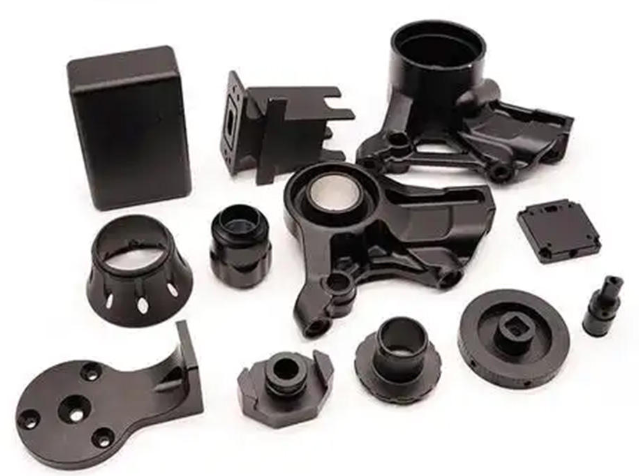
1: US Aerospace OEM | Ti-6Al-4V High-Temp Bracket (200°C, Cyclic Loads)
- Challenge: Lightweight, 200°C operating temp, 5M+ cycles, no warp/fatigue. Previous supplier used 7075 aluminum—warped/failed in 1 year.
- Zorapid Solution: Ti-6Al-4V titanium + stress relief + trochoidal machining.
- Result: 8-year lifespan, zero warp at 200°C, 5× lighter than steel, passed 10M-cycle test. Client switched all aerospace brackets to Zorapid.
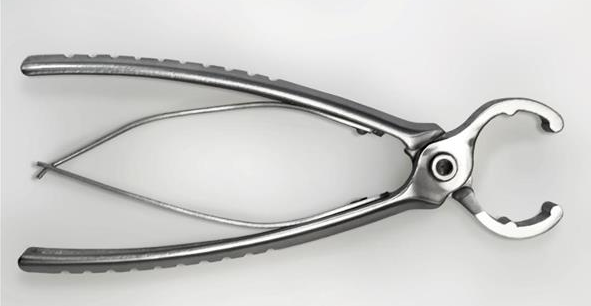
2: German Medical OEM | 17-4PH Surgical Instrument (Saltwater + High Wear)
- Challenge: Saltwater sterilization, sliding wear, non-rusting, 10k+ uses. EU shop used 316L—corroded/worn in 2 years.
- Zorapid Solution: 17-4PH (H900) + electropolishing + passivation.
- Result: 12-year lifespan, no corrosion after 10k sterilizations, minimal wear, FDA-compliant. Used in orthopedic surgery.
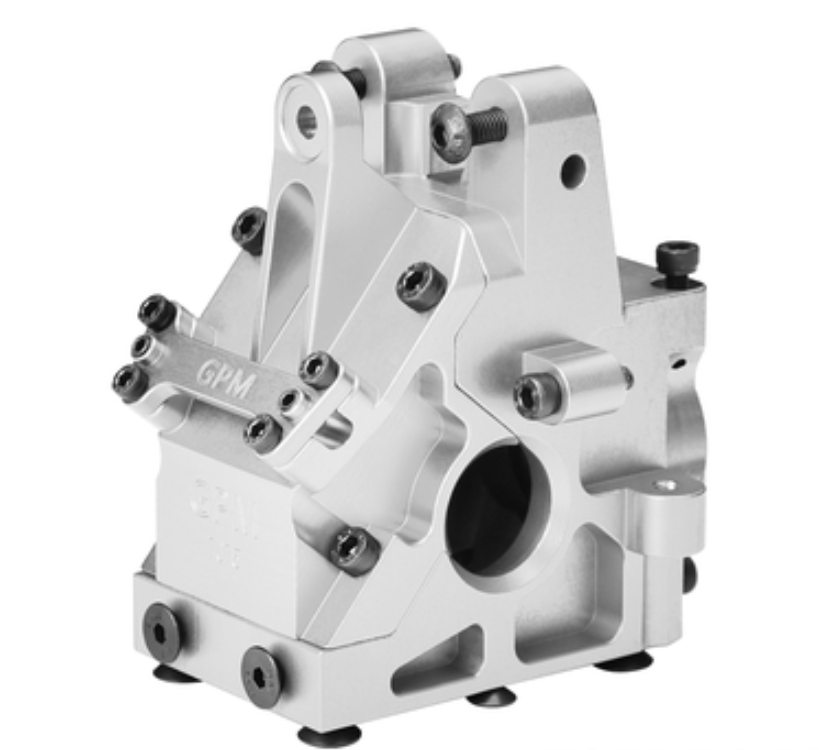
3: UK Industrial Hydraulics OEM | 7075-T6 Thin-Wall Valve Body (1mm Walls, 500kg Load)
- Challenge: 1mm thin walls, 500kg hydraulic load, no deflection, 5-year lifespan. Local shop used 6061—deflected under load, leaked.
- Zorapid Solution: 7075-T6 + stress relief + in-process probing.
- Result: Zero deflection, no leaks, 7-year lifespan, passed 10k pressure cycles. Used in heavy machinery hydraulics.
Client Needs & Custom Solutions
We don’t just sell materials—we solve your durability problems. Below are the top 5 client durability needs and our tailored Zorapid solutions:
1: Long Lifespan (5+ Years) for Industrial Moving Parts
- Client Requirement: 10M+ cycles, heavy load, moderate heat, minimal maintenance.
- Zorapid Solution: 4340 alloy steel (quenched/tempered) + TiN coating + precision grinding.
- Outcome: 10-year lifespan, 3× less maintenance, zero unplanned downtime.
2: Corrosion-Proof for Marine/Coastal Equipment
- Client Requirement: Saltwater exposure, outdoor use, no rust/corrosion, 10-year lifespan.
- Zorapid Solution: 17-4PH stainless + electropolishing + passivation.
- Outcome: 12-year lifespan, zero corrosion, no coating touch-ups needed.
3: Lightweight + Durable for Aerospace/Drones
- Client Requirement: 50% lighter than steel, 200°C heat resistance, 5M+ cycles, no warp.
- Zorapid Solution: Ti-6Al-4V titanium + stress relief + trochoidal machining.
- Outcome: 8-year lifespan, 60% lighter than steel, stable at 200°C.
4: Non-Magnetic + Biocompatible for Medical Implants
- Client Requirement: Non-magnetic (MRI-safe), sterilizable, wear-resistant, 10-year lifespan.
- Zorapid Solution: CF-reinforced PEEK + medical-grade coating + CNC precision.
- Outcome: 10-year lifespan, MRI-safe, FDA-compliant, no wear debris.
Need 5: Extreme Wear Resistance for Mold/Die Components
- Client Requirement: High abrasion, repeated use, no wear, 100k+ cycles.
- Zorapid Solution: D2 tool steel (HRC 60) + cryogenic treatment + surface coating.
- Outcome: 15-year lifespan, minimal wear, 5× longer than generic tool steel.
Industry Data + Future Trends (2026–2030)
Global High-Durability CNC Component Snapshot (2026)
| Metric | Data | Source |
|---|---|---|
| Global Precision CNC Market | USD 128.4 Billion | Grand View Research |
| High-Durability Component Share | 40% (USD 51.4 Billion) | Mordor Intelligence |
| Top Client Pain Point | Premature Material Failure (72% of buyers) | Zorapid Industry Survey |
| Average Lifespan Boost (Zorapid) | 3–5× vs. Generic Materials | Cutting Tool Engineering |
| Material-Related Scrap Rate (Generic) | 25–40% | Additive Manufacturing Magazine |
| Top High-Durability Materials | 17-4PH (30%) > 4340 (25%) > Ti-6Al-4V (20%) | AMS Material Report |
| High-Durability Market Growth | 10–12% CAGR (2026–2030) | SE MI |
Key Future Trends + Zorapid’s Position
- Material-Matching Becomes Data-Driven (AI + Simulation)
- AI analyzes load/environment data to auto-recommend materials; simulation predicts lifespan.
- Zorapid: Proprietary AI material database + FEA simulation for every project.
- Demand for Lightweight + Durable Materials Surges
- Aerospace/automotive push for weight reduction without sacrificing durability; titanium/PEEK adoption up.
- Zorapid: Scaling titanium/PEEK production for high-volume lightweight durable parts.
- Regulatory Compliance for Medical/Aerospace Materials Tightens
- FDA/AS9100 require traceable, tested materials for critical components; generic materials phased out.
- Zorapid: Full material traceability + compliance documentation for medical/aerospace.
Delivery Speed Advantage (Material Stock + Fast Machining = Faster Lead Times)
High-durability materials are often specialty and slow to source—but not at Zorapid. Our in-house material stock + optimized machining cuts lead times in half.
Standard Lead Times (5–20 Pcs, High-Durability Materials)
| Material | Zorapid (In-House Stock + Fast Machining) | Generic Shop (Specialty Order + Slow Machining) |
|---|---|---|
| 4340 Alloy Steel | 2–3 days | 5–7 days |
| 17-4PH Stainless | 2–3 days | 6–8 days |
| Ti-6Al-4V Titanium | 3–4 days | 7–10 days |
| 7075-T6 Aluminum | 1–2 days | 3–4 days |
| CF-PEEK | 3–4 days | 8–12 days |
| Emergency Rush (1–5 pcs) | 24–48 hours | 5–7 days |
Why we’re faster:
- In-house stock: All high-durability materials in stock (no sourcing lead time)
- Optimized machining: Material-specific parameters cut cycle time by 30%
- 24/7 production: Unmanned cells run nights/weekends for rush orders
- Batch processing: Heat treatment/finishing done in-house (no outsourcing delays)
Real example: A medical client needed 10 17-4PH surgical instruments in 3 days. Generic shops said 7+ days—we delivered in 2 days, fully tested and compliant.
Why Choose Zorapid for High-Durability CNC Components
- 20+ Years of Durability Expertise: 10,000+ high-durability parts delivered, deep material science knowledge.
- Data-Driven Material Matching: 5-property analysis + AI database + FEA simulation = perfect material fit.
- 3–5× Longer Part Lifespan: Industrial-grade materials + precision machining + heat treatment = minimal replacements.
- Full Compliance & Traceability: FDA/AS9100 documentation, material certificates, and test reports.
- In-House Material Stock & Machining: Faster lead times, no outsourcing, consistent quality.
- Impossible Material Job Solvers: Thin walls, high heat, corrosion, extreme wear—we handle what others can’t.
- English-speaking engineers, 24-hour response, DFM/material reviews in your timezone.
Final Summary
High-durability CNC components don’t fail because of bad machining—they fail because of bad material matching. The secret isn’t strongest material — it’s matching hardness, strength, thermal stability, corrosion resistance, and wear resistance to your part’s exact working conditions.
Zorapid’s data-driven material matching process solves your biggest durability pain points:
- 3–5× longer part lifespan (fewer replacements, lower downtime)
- Zero premature material failure (tested, validated materials)
- Expertise in impossible jobs (thin walls, high heat, corrosion, extreme wear)
- Faster lead times (in-house stock + optimized machining)
- Full compliance & traceability (medical/aerospace ready)
Whether you need a high-cycle 4340 gear, a corrosion-proof 17-4PH marine part, a lightweight titanium aerospace bracket, or a non-magnetic PEEK medical implant—Zorapid is your trusted partner for high-durability CNC components that last.
FAQ
Is expensive material always more durable?
No. A well-matched mid-range material (e.g., 4340 steel) often outperforms an expensive mismatched material (e.g., titanium for low-heat static parts). Durability = match, not cost.
How much more does high-durability material cost upfront?
Upfront cost 20–50% higher, but total cost 40–60% lower. Longer lifespan means fewer replacements, less downtime, and lower maintenance costs over time.
Can you upgrade my existing parts to higher durability?
Absolutely. We can review your current material/design, recommend a high-durability upgrade, and provide a cost/ lifespan comparison. Most upgrades pay for themselves in 6–12 months.
What’s the most durable CNC material for general use?
17-4PH (SUS630) stainless steel—excellent corrosion resistance, high strength, good wear resistance, and works in most environments (marine, medical, industrial).
Do you offer material testing and validation?
Yes. We provide hardness testing, tensile/fatigue testing, salt spray corrosion testing, and wear simulation—with full reports for compliance.