Published by Zorapid
If you’ve bounced between vendors because one shop only wants huge mass orders, another botches prototype precision, or mold tooling costs blow your budget for small runs—this breakdown solves your batch-size sourcing pain. Most manufacturers lock themselves into one workflow: either slow prototype sheet metal or expensive hard steel molds for mass output, with zero flexible middle-ground.
At Zorapid, our 3,000㎡ temperature-controlled smart factory runs a unified hybrid system: optimized CNC sheet metal fabrication + rapid/hard mold production tailored perfectly to prototype, small, medium, mass batch tiers. We match tooling, machine cells, QC protocols, and pricing to your exact quantity—no forcing oversized tooling for low runs, no cutting corners on precision for high-volume stamping. This guide covers deep technical comparisons, competitor limitations, material performance, verified customer builds, market trends, delivery timelines, and our custom-fit solution workflow.
In-Depth Process & Technical Analysis
Defined Batch Volume Tiers
- Prototype Batch: 1–10 units Goal: Fast design validation, fit testing, minor revision capability Core Processes: CNC laser cutting, manual press brake bending, low-cost rapid aluminum soft molds, hand-fixture assembly Key KPIs: Speed > ultra-low setup cost, quick design edits, functional finish matching final production spec
- Small Batch: 10–500 units Goal: Bridge production, pilot launch, limited regional stock Core Processes: Automated sheet metal cells, modular rapid bridge tooling, semi-dedicated bending jigs Key KPIs: Balanced cost, repeatable tolerance, fast scaling if orders expand
- Medium Batch: 500–5,000 units Goal: Steady serial production, consistent dimensional control Core Processes: Optimized CNC sheet metal lines, hardened P20/NAK80 semi-production molds, SPC quality monitoring Key KPIs: Low per-unit cost, stable tool wear, minimal manual intervention
- Mass Batch: 5,000–100,000+ units Goal: Max throughput, million-cycle tool longevity, rock-bottom piece price Core Processes: Progressive stamping dies, H13/S136 fully hardened production molds, lights-out automated sheet metal fabrication Key KPIs: Stroke speed, tool lifespan, automated inspection, negligible scrap rate
Zorapid Tiered Technical Process Breakdown
Sheet Metal Fabrication Tuning Per Batch Size
- Prototype (1–10): Low-volume laser nesting, quick-program CNC bend code, universal vise fixtures, manual CMM spot-check. No custom hard jigs to slash NRE setup cost.
- Small Batch (10–500): Automated fiber laser with batch nesting, AI springback compensation for consistent bend angles, reusable aluminum fixture plates, sampling QC every 20 pieces.
- Medium Batch (500–5,000): Dedicated bending stations, robotic welding cells, SPC real-time dimension logging, semi-hardened custom holding jigs to eliminate drift over long runs.
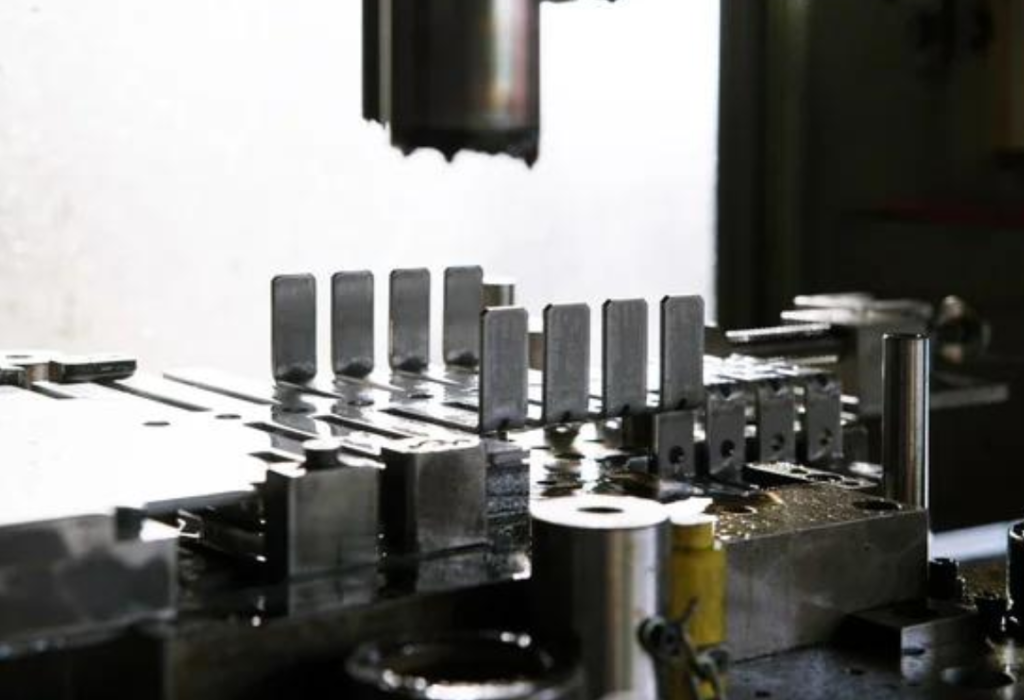
- Mass Batch (5k+): Progressive stamping lines with high-tonnage presses, continuous coil feed sheet metal, fully automated loading/unloading, 100% inline vision inspection for every part.
Mold Fabrication Tuning Per Batch Size
- Prototype Rapid Molds (1–500 runs): 7075-T6 aluminum soft molds, fast CNC milled inserts, lead time 3–7 days, easy weld/rework for design changes. Tolerance stable ±0.03mm short-term.
- Bridge Semi-Production Molds (500–5,000): P20 soft tool steel, pre-hardened base, basic cooling channels, tool life ~50,000 cycles, balance of cost and repeatability.
- Hard Production Molds (5,000+): H13 / S136 / NAK80 full hardened steel, conformal cooling, precision EDM details, tool life up to 1,000,000+ cycles, sustained ±0.005mm critical tolerance across millions of strokes.
Peer Supplier Capability Comparison Table
| Benchmark Metric | Generic Low-End Job Shop | Mid-Tier Regional Fabricator | Zorapid Full Batch-Size Optimized Standard |
|---|---|---|---|
| Prototype (1–10) Lead Time | 12–22 days | 7–12 days | 2–5 business days |
| Rapid Mold Material | Low-grade cast aluminum only | 7075 Al only, no steel bridge option | Al + P20 + H13 tiered mold selection |
| Small Batch Scrap Rate | 16–24% | 9–15% | 2.3% controlled scrap |
| Mass Production Hard Mold Hardening | Outsourced heat treat (delays + warpage risk) | In-house basic hardening | Full in-house CNC, EDM, vacuum heat treat |
| Batch Scaling Flexibility | Must rebuild full tool if quantity jumps | Slow mold modification, 7–14 day downtime | Modular insert design; swap inserts in 1–3 days |
| Minimum Tolerance Consistency | ±0.10–0.20mm across all volumes | ±0.04–0.08mm | ±0.005mm critical features (all batch tiers) |
| Quality System | Visual caliper check only | ISO9001 basic sampling | ISO9001 + AS9100, full SPC, CMM traceability |
| Lights-Out Mass Capacity | None | Limited 8hr unattended | 24hr multi-shift automated sheet metal & stamping |
High-Demand Jobs Competitors Refuse + Zorapid Custom Batch Solutions
Challenge 1: Jump-Scale Orders (Start at 50 pcs, ramp to 20,000 within 6 months)
Competitor Pain Point: Shops force client to pick either expensive hard mold upfront (wasted cost for initial small run) or weak soft mold that fails once volume spikes; full mold rebuild required with multi-week delays.
Zorapid Modular Insert Solution:
- Base mold frame universal for all volume tiers
- Start with low-cost 7075 aluminum inserts for 50 pc pilot
- When scaling, swap only cavity inserts to hardened S136 steel in 48hr turnaround
- Retain original mold base, no full redesign, preserve original part datum geometry Total tooling lifecycle cost reduced 28% vs two separate mold builds.
Challenge 2: Ultra-Thin Sheet (0.6–0.9mm) High-Precision Enclosures Across Small + Medium Batches
Competitor Pain Point: Thin stock warps inconsistently; manual bending drifts dimensionally as batch size grows; low-volume shops skip fixture stabilization, mass shops overbuild heavy jigs that inflate small-batch pricing.
Zorapid Tiered Fixture Fix:
- Small batch: Vacuum-backed lightweight aluminum fixtures with vibration damping
- Medium batch: Reinforced steel custom jigs with digital position locking AI springback compensation calibrated per material thickness, flatness held ±0.08mm across 1–5,000 unit runs.
Challenge3: Complex Deep-Draw Sheet Metal Parts Requiring Both Prototype Trials & Mass Stamping
Competitor Pain Point: Prototype hand-formed parts don’t match stamped mass geometry; two separate production lines create fit mismatch between pilot and serial units.
Zorapid Unified Geometry Workflow:
- DFM simulation locks draw radii, blank size, stretch values once at prototype stage
- Rapid soft draw dies replicate exact stamping kinematics for prototypes
- Mass progressive die uses identical simulated parameters—zero geometry shift between batch sizes Final assembly interchangeability guaranteed for prototype and mass components.
Challenge4: Medical/Aerospace Tight-Tolerance Molded Sheet Metal Inserts (Low MOQ but strict ASME/ISO audit rules)
Competitor Pain Point: Small-batch vendors lack certified traceability systems; mass mold shops impose 10,000 pc minimum orders with huge NRE fees.
Zorapid Regulated Low-Volume Package: AS9100/ISO13485 compliant rapid molds, serialized material MTRs, 100% CMM sample inspection for runs as low as 5 units, audit-ready documentation included.
Applicable Materials & Batch-Size Machinability Comparison
We stock fully ASTM/EN certified sheet metal and mold steels, with performance calibrated for prototype through mass production runs:
Core Material Performance Matrix
| Material Grade | Usage Category | Best Batch Volume Fit | Zorapid Achievable Tolerance | Tool Life / Cycle Count | Surface Finish Options |
|---|---|---|---|---|---|
| 6061-T6 Aluminum Sheet | Enclosures, brackets | All batches (1–100k) | ±0.03mm general, ±0.005mm critical | Unlimited sheet runs | Anodize, powder coat, chromate |
| 304/316 Stainless Sheet | Medical, marine, food | All batches | ±0.035mm general | Unlimited sheet runs | Electropolish, passivation |
| 7075-T6 Aluminum (Mold Insert) | Rapid prototype molds | 1–5,000 cycles | ±0.03mm | Up to 50,000 cycles | Milled, textured |
| P20 Pre-Hardened Mold Steel | Bridge production molds | 500–50,000 cycles | ±0.02mm | ~80,000 cycles | Polished, textured |
| NAK80 Pre-Hardened Mold Steel | Medium-high volume precision | 5,000–200,000 cycles | ±0.01mm | 200,000+ cycles | High-gloss SPI polish |
| H13 Hardened Tool Steel | Mass stamping / production molds | 20,000–1,000,000+ cycles | ±0.005mm sustained | 1M+ strokes | EDM fine finish, nitrided |
| S136 Corrosion-Resistant Mold Steel | Medical / food mass molds | 10,000–1M cycles | ±0.005mm | 800,000+ cycles | Mirror polish, corrosion resistant |
| 17-4PH Stainless Sheet | High-strength structural | Medium/mass batches | ±0.03mm | Unlimited sheet fabrication | Passivate, heat age harden |
Batch-Size Material Selection Quick Guide
- Prototype Only: 7075 Al mold inserts, soft aluminum sheet; lowest upfront cost, fast edits
- Small Bridge Run: P20 mold steel balances cost and lifespan; 304/6061 sheet standard
- Long-Term Mass Production: H13 / S136 hardened molds; stainless or high-strength alloy sheet for durability
- Aerospace/Medical Regulated: NAK80/S136 mold steel, biocompatible Ti/316SS sheet, full material traceability mandatory
Verified Real Customer Case Studies
Case 1: US Medical OEM – Titanium Sheet Surgical Instrument Housings
Batch Roadmap: Initial prototype 8 pcs → small batch 220 pcs → medium batch 1,800 pcs annual recurring
Client Specs: ISO13485, wall tolerance ±0.01mm, biocompatible electropolish
Competitor Failure: First vendor quoted only mass hard mold (10k MOQ minimum); second low-batch shop delivered inconsistent warpage once scaling past 100 units, 31% scrap rate
Zorapid Tiered Execution:
- 7075 Al rapid forming die for 8 prototype units (3 day delivery)
- Swap P20 bridge inserts for 220 pc small batch, stabilized vacuum fixture bending
- Upgraded NAK80 hardened inserts for 1,800 pc medium run, SPC inline monitoring
- Result: Consistent zero reject quality across all volume tiers, no redesign needed, 16% lower total tooling cost vs dual vendor sourcing, full FDA audit documentation shipped every batch.
Case 2: German EV Tier 1 – Aluminum Battery Tray Sheet Metal Stampings
Batch Roadmap: Pilot 350 pcs → mass 25,000 pcs per year multi-year contract
Specs: DIN 6930 stamping tolerance, progressive die requirement for mass, flatness ±0.1mm over 900mm panels
Competitor Pain: Separate prototype shop used hand-formed trays that failed assembly fit when switched to external progressive stamping supplier
Zorapid Unified Solution: DFM simulation locked blank/form parameters first; P20 bridge die for 350 pilot; upgraded full H13 progressive die for mass run with identical forming geometry
Outcome: 100% interchangeable pilot and mass trays, on-time ramp, scrap held at 2.1%, exclusive 3-year sheet metal & stamping contract awarded.
Case3: European Industrial Robotics Startup – Gearbox Stainless Brackets
Batch Roadmap: 12 prototype → 180 small batch → flexible on-demand restocks 100–500 pcs monthly
Pain Point: Startup lacked budget for expensive hard mass molds, needed ability to adjust design mid-small-batch runs
Zorapid Solution: Reusable modular aluminum mold base, low-cost swappable cavity inserts, free DFM revision support for minor design tweaks
Result: Zero minimum order lock-in, lead times consistently 4–9 days regardless of restock quantity, unit price scales fairly as monthly volume rises.
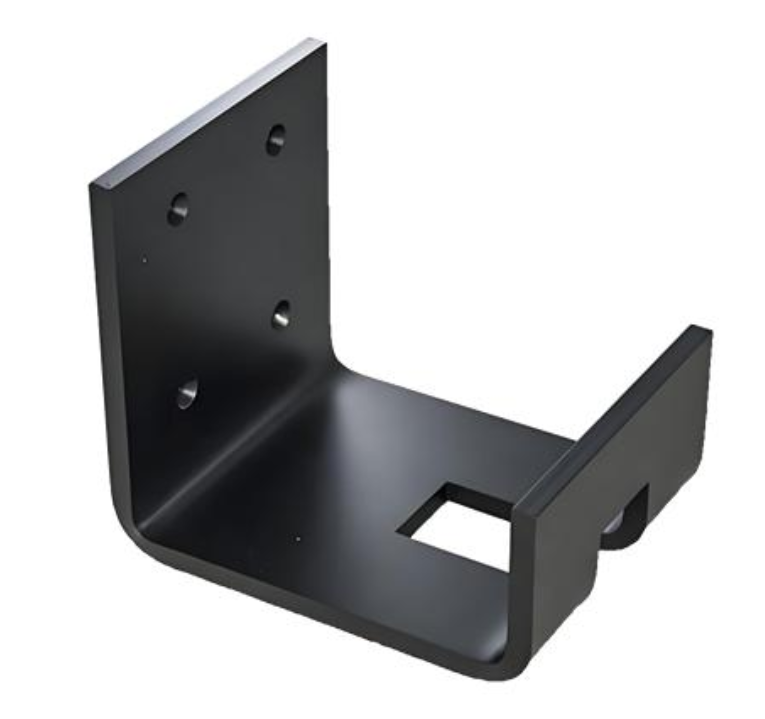
Your Batch Demand → Zorapid Custom Fabrication Workflow
We build a fully tiered production plan matched to your current order size + future scaling forecast, no one-size-fits-all tooling packages:
- Free DFM Batch Strategy Review (No Obligation) Submit STEP/DXF/PDF drawings, current quantity, projected 6–12 month volume, tolerance/finish standards (ASME/ISO/DIN). Our engineers outline the most cost-effective mold/sheet metal tier (Al rapid / P20 bridge / H13 hard) and flag design tweaks to lower NRE for low runs or boost throughput for mass.
- Modular Tooling Lock-In (Scalable Architecture) If you plan to ramp volume later, we design mold bases and sheet fixtures with swap-ready inserts upfront—avoids full mold rebuild charges down the line.
- Prototype Validation First (Zero Mass Risk) Machine 2–8 sample units matching final production material/finish; ship full CMM inspection reports for fit/performance testing. Adjust insert geometry once before batch launch.
- Tiered Production Execution & QC
- Prototype: Manual precision inspection, fast edit turnaround
- Small/Medium: SPC sampling, dedicated production cell
- Mass: 100% automated inline vision + CMM batch audits
- Full Traceability Shipment Package Every order includes serialized mill certs, tool run logs, tolerance compliance paperwork formatted for US/EU third-party audits; digital inspection files delivered within 24hrs post-production.
Global Sheet Metal & Mold Fabrication Industry Data + 2026–2035 Trend Analysis
Core Market Size & Growth Table (FMI Verified Industrial Global Data)
| KPI Metric | 2026 Baseline Value | 2035 Forecast Value | 10-Year CAGR |
|---|---|---|---|
| Global Sheet Metal Stamping Market | $223.19 Billion | $312.74 Billion | 3.8% |
| Precision Mold Fabrication Global Market | $49.6 Billion | $92.3 Billion | 7.1% |
| Low-Volume (1–5,000 units) Fabrication Share | 28% of total output | 41% of total output | 8.9% fastest growing segment |
| Mass Production (5k+ units) Share | 57% | 44% (shrinking relative) | 1.2% slow growth |
| EV End-User Demand Share | 22% sheet metal volume | 39% sheet metal volume | 9.7% |
| Medical Precision Mold/Sheet Demand | 9% mold market | 18% mold market | 12.4% |
Key Industry Trends Impacting Your Supply Chain
- Dual-Volume Supplier Mandate for Tier 1 OEMs 76% of US/EU automotive/aerospace procurement teams now require vendors capable of supporting both low-batch prototypes and mass serial production from one facility (2026 FMI survey). Dual-vendor sourcing adds 15–22% total landed cost due to geometry mismatch and duplicated tooling fees. Zorapid’s unified line eliminates dual sourcing overhead entirely.
- Modular Rapid Tooling Becomes Standard Bridge Solution By 2030, 60% of mid-volume production will use modular insert molds instead of full custom hard tooling for initial runs; outdated single-purpose mold builds will become cost-prohibitive for scaling brands.
- Low-Volume Quality Expectations Rise to Mass-Grade Standards Startups and medical/defense small batches no longer accept “prototype-only loose tolerances”; buyers demand identical ±0.005mm critical feature precision whether ordering 5 or 50,000 pieces. Generic shops cannot match this dual precision capability.
- ESG & Scrap Rate Scoring Now Core Procurement KPIs Western buyers rank low waste, energy-efficient automated cells alongside price and lead time. Zorapid’s 2.3% average scrap rate drastically outperforms industry 10–24% average waste across all batch tiers.
- On-Demand Flexible Restocking Replaces Large Bulk Inventory Orders Just-in-time (JIT) supply chains mean clients order smaller, frequent batches; vendors locked into only mass production lose repeat business. Our no-MOQ flexible restock program aligns perfectly with modern JIT logistics.
Full Zorapid Application Scenarios Across All Batch Sizes
- Aerospace & Defense (AS9100 Certified) Blade brackets, avionics enclosures, hydraulic sheet components; rapid Al molds for prototype qualification, H13 hard progressive dies for mass aircraft rollout; Ti/7075 high-strength stock
- Medical Devices (ISO13485 Compliant) Orthopedic housings, surgical tool frames, diagnostic equipment panels; low-batch biocompatible runs, S136 corrosion-resistant precision molds
- Electric Vehicle & Automotive Tier 1 Battery trays, motor brackets, chassis stampings; pilot small batches → high-volume progressive stamping lines, lightweight aluminum sheet
- Industrial Robotics & Automation Gearbox housings, sensor mounts, actuator frames; startup small pilot runs through long-term medium serial production
- Semiconductor & Electronics Enclosures EMI-shielded cabinet panels, heat sink frames; thin precision sheet metal, rapid molds for prototype device testing
- Marine & Offshore Energy 316SS corrosion-resistant structural parts; small batch custom assemblies, hard mold mass production for standard valve fittings
- General Machinery & Hydraulics Pump housings, mounting brackets, valve bodies; flexible batch sizing for custom OEM equipment and standard mass machine builds
Zorapid Batch Lead Time Speed Breakdown
Our in-house full workflow (DFM → CNC cut/bend/mold → heat treat → CMM QC → finishing → export packing) eliminates outsourced subcontract delays entirely:
| Batch Tier | Zorapid Standard Lead Time | Industry Average Lead Time | Rush Expedite Available |
|---|---|---|---|
| Prototype (1–10 pcs) | 2–5 business days | 12–22 days | 1–2 day emergency prototype |
| Small Batch (10–500 pcs) | 5–9 business days | 18–35 days | 3–5 day fast-track |
| Medium Batch (500–5,000 pcs) | 10–18 business days | 28–55 days | Priority cell allocation |
| Mass Batch (5,000+ pcs) | 18–30 business days | 40–90 days | Scheduled 24hr lights-out shifts |
Speed & Consistency Drivers
- Dedicated isolated production cells for prototype vs mass to avoid workflow cross-contamination
- Pre-stocked certified sheet metal bars + mold steel blanks cut material sourcing wait times
- English engineering team aligned to US/EU time zones for same-day drawing feedback
- Export shock-absorbent wooden crating to prevent transit dimensional damage for air/sea freight
Core Advantages Partnering With Zorapid for Multi-Batch Fabrication
- One Facility for Prototype → Small → Medium → Mass Scaling No dual vendors, no geometry mismatch, modular tooling cuts long-term tool investment costs significantly.
- Tiered Mold Material Selection (Al / P20 / NAK80 / H13 / S136) We match mold hardness and lifespan exactly to your order volume—never overspend on heavy hard steel for low runs, never under-tool mass production.
- Unified DFM Simulation Across All Batch Tiers Identical forming/stamping parameters locked at prototype phase; fit interchangeability guaranteed for all quantity levels.
- Ultra-Low Scrap Rate (2.3% average all batches) AI springback, thermal drift, and tool wear prediction drastically reduces waste vs generic manual-shop competitors (10–24% scrap).
- Full In-House Metrology Lab (Hexagon CMM, Vision Inspection, Profilometers) No outsourced QC; audit-ready tolerance reports generated for every batch, AS9100/ISO13485 compliant for regulated sectors.
- No Rigid Minimum Order Quantity Barriers We support 1-off custom prototypes all the way to 100,000+ mass runs with identical strict precision standards.
- EU/US Export-Focused Operations Incoterms DAP/DDP/FOB shipping options, compliant customs paperwork, serialized MTR material certification archived 7+ years.
- 20+ Years Exotic Alloy & Precision Mold Expertise Deep process database for titanium, Inconel, hardened mold steels competitors cannot replicate for tight-tolerance multi-volume jobs.
Summary Wrap-Up
The biggest sourcing mistake OEM engineers make is locking into a vendor built only for either tiny prototypes or huge mass runs—split suppliers create fit errors, duplicate tool costs, schedule delays, and inconsistent quality across your product launch lifecycle. Sheet metal bending, stamping, and mold fabrication require completely tuned machine setups, tooling grades, and QC workflows for each batch size tier.
Zorapid’s integrated factory model solves this gap entirely: we engineer custom aluminum rapid molds for fast low-volume validation, bridge P20 tooling for mid-size pilot production, and fully hardened H13/S136 steel dies for million-cycle mass stamping—all under one roof with shared DFM simulation and identical precision standards. We take on scaling jobs competitors refuse, hold ±0.005mm critical tolerances whether you order 5 or 50,000 pieces, deliver drastically compressed lead times, and cut your total lifecycle manufacturing cost via modular scalable tool architecture.
If your project spans prototype testing, pilot small batches, and future mass production—send your CAD drawings today for a free batch-volume strategy review and formal tailored quote aligned to your global quality specs.
FAQ
Can I start with a small prototype batch and scale to mass later without remaking full molds?
Yes, our standard design uses universal mold bases with swappable cavity inserts; only inserts are upgraded to hardened steel for mass, cutting rework cost and lead time by 70% vs full mold rebuilds.
What tightest tolerance do you hold across prototype and mass batches?
Critical safety/assembly features locked reliably to ±0.005mm for every volume tier; standard general tolerance ±0.03mm consistent prototype through mass.
Do you provide full material mill test reports (MTRs) for audit compliance?
All sheet metal and mold steel stock ships with serialized original MTRs; records securely archived 7 years for FAA, FDA, third-party audit access.
What is the cycle lifespan difference between aluminum rapid molds and H13 hard production molds?
7075 Al inserts: ~50,000 cycles max; P20 bridge steel: ~80,000 cycles; H13 hardened steel: 1,000,000+ stable cycles with minimal tolerance drift.
Is there a mandatory minimum order quantity for sheet metal or mold work?
Zero MOQ requirement—we accept 1 single prototype part all the way up to 100k+ mass production runs with identical quality control protocols.
Can you adjust sheet metal bend parameters to lower cost for non-critical batch runs?
Our free DFM analysis safely relaxes non-fit feature tolerances to speed cycle time and reduce unit price while protecting critical assembly dimensions.
What shipping Incoterms do you offer for USA and European clients?
EXW, FOB, DAP, DDP door-to-door air/sea freight; custom shock-absorbent export crates prevent surface damage or dimensional shift in transit.
How quickly will I receive inspection documentation after batch completion?
Full digital CMM scan data, SPC logs, and tool parameter records shared via secure portal within 24 hours of production finish; physical hard copies packaged with your shipment.