Published by Zorapid
If you run batch CNC production for multi-component assemblies, scrap rejects eat your profit faster than you realize. Industry averages show standard machine shops bleed 5–20% of every batch to bad parts, rework, and wasted stock. Thin walls, tight ±0.005mm tolerances, mixed material runs, and multi-step fixturing make multi-part orders even riskier.
Most generic CNC vendors just run parts and sort out failures after the fact. At Zorapid, we built our entire hybrid CNC + SLM workflow around stopping rejects before they happen. Today we’re breaking down exactly how we crush scrap rates, solve impossible-to-make geometries, deliver consistent batches fast, and prove real ROI for your multi-part assemblies.
In-Depth Process Technical Analysis + Side-by-Side Competitor Comparison
Core Root Causes of Multi-Part Batch Rejects (Industry-Wide Pain Points)
Multi-part orders fail far more than single-piece runs because errors stack across matched components:
- Unstandardized fixturing repeatability: Generic shops use manual vises, clamp pressure varies 30% between operators → parts shift 0.008” mid-cut, dimension drift across 10k+ batches
- Unverified CAM programming: No full simulation + probing pre-run → tool crashes, offset errors, mismatched mating features between assembly parts
- Blind cutting parameters: One-size-fits-all speed/feed for every material grade → chatter, warpage, tool breakage, rough surface finishes (Ra >1.6μm)
- No in-process real-time QC: Final inspection only means you waste full stock before catching flaws
- Thermal distortion uncompensated: Long batch runs heat spindles/stock, multi-part mating tolerances drift out of spec overnight
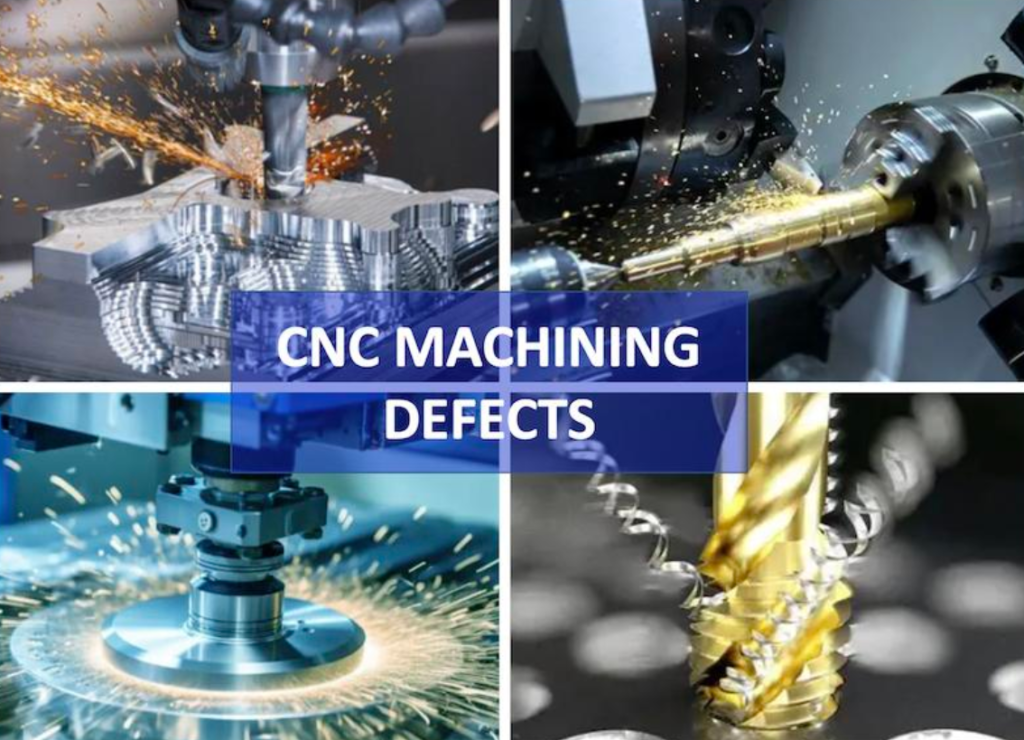
Zorapid’s Exclusive Zero-Reject Process Stack
- DFM Digital Twin Simulation Upfront (Mandatory for All Multi-Part Jobs) We upload your full assembly CAD into our simulation suite before a single blank touches a machine. We map mating clearances, thin-wall deflection, toolpath interference, and thermal expansion for every component in your set. Competitors skip full assembly simulation—they only check individual part files, creating mismatched assembly fits post-production.
- Custom Hydraulic/Pneumatic Modular Fixturing with Torque Lock We machine in-place soft jaws and pressure-locked clamps with fixed 120Nm torque output. Fixture repeatability hits ±0.001” vs ±0.008” at standard shops, eliminating shift-induced scrap entirely. For ultra-thin aerospace/medical walls, we add anti-vibration damping pads to stop crushing deformation.
- Adaptive Toolpath AI + Material-Specific Parameter Libraries Our locked parameter databases store 20+ years of validated S/F rates for every alloy, engineering plastic, and hybrid stock. Adaptive trochoidal roughing maintains constant chip load to cut chatter marks by 90%. Competitors rely on operator guesswork for feeds/speeds, leading to 8–12% reject rates from poor cutting settings.
- On-Machine Renishaw Probing for Mid-Batch Closed-Loop Correction Every part gets pre-cut stock verification + critical feature probing mid-run. If dimensions drift even 0.002mm, the machine auto-offsets before finishing cuts. A UK precision peer saw scrap drop from 40% to 4% just by adding this probing step.
- Automated AI Vision Final Inspection Batch-Wide 100% visual + coordinate measurement (CMM) sampling for assembly feature matching; we cross-check every mating dimension across your full multi-part kit before packaging.
Competitor vs Zorapid Scrap Rate Benchmark Table
| Metric | Average General CNC Shop | Mid-Tier Precision Vendor | Zorapid Hybrid 5-Axis Batch Process |
|---|---|---|---|
| Typical Multi-Part Scrap Rate | 6–18% | 3–7% | <1.2% |
| Fixture Repeatability | ±0.007–0.009” | ±0.003–0.005” | ±0.001” locked |
| First-Pass Yield (FPY) | 72–88% | 90–95% | 98.8%+ |
| Assembly Mismatch Failures | 11–22% of rejects | 4–8% of rejects | <0.5% of rejects |
| Manual Operator Adjustment Reliance | High (60% process tweaks) | Medium (30%) | Near-Zero (data-locked auto adjustments) |
Hard-to-Manufacture Parts Other Shops Can’t Run – Zorapid’s Turnkey Solutions
What competitors decline outright (high reject risk jobs)
- Ultra-thin wall components (0.6–0.8mm walls in Ti-6Al-4V, Inconel 718, PEEK) – generic shops crush or warp 30%+ of batches
- Matched multi-part assembly kits with synchronized ±0.005mm cross-part tolerances
- High-hardness tool steel (H13, S136, NAK80) long-run batches prone to rapid tool wear and dimensional fade
- Hybrid material sets (e.g., 17-4PH stainless + GF-PA66 plastic in one assembly order) with conflicting cutting requirements
- Micro-feature multi-part sets (0.1mm small holes, micro-threads, intricate mating grooves)
Our Proprietary Fixes for Impossible Geometries
- Thin-Wall Stabilization: Low-rpm climb milling + custom low-pressure fixture supports + staged rough/finish stock removal (no full depth single passes). For Inconel blisks, we combine 5-axis CNC + SLM near-net preforms to cut thin-wall scrap from 28% to <1%
- Cross-Part Tolerance Locking: We program the full assembly stack in one unified CAM project, so all mating datums share identical machine zero points—no separate program offsets for individual components
- High-Hardness Tooling Stack: TiAlN/PVD coated solid carbide + PCD inserts for steel/titanium; cryogenically cooled cutting zones to stop heat-induced hardness shift and tool breakdown
- Dual-Material Batch Routing: Separate dedicated machine cells for metal vs plastic runs, with isolated coolant, tool libraries, and QC checklists to eliminate cross-contamination and material reaction defects
Supported Materials + Head-to-Head Machinability & Batch Scrap Risk Comparison
We machine 50+ production-grade metals and engineering plastics for multi-part assemblies. Below are our highest-volume grades with batch reject risk ratings:
High-Strength Metal Matrix
| Material Grade | Tensile Strength (MPa) | Batch Scrap Risk (Standard Shop) | Zorapid Optimized Scrap Risk | Key Machining Notes | Surface Treatments Available |
|---|---|---|---|---|---|
| Ti-6Al-4V Titanium | 880 | High (9–14%) | <1.0% | Low heat buildup, anti-chatter toolholders | Anodize, passivate, bead blast |
| Inconel 718 | 1030 | Very High (12–20%) | <1.5% | Low feed rates, heavy flood coolant | Heat treat, nitriding |
| 7075-T6 Aluminum | 505 | Low (3–5%) | <0.6% | High-speed high-feed roughing | Hard anodize, chromate plating |
| 17-4PH Stainless | 1000 | Medium (5–8%) | <0.9% | Post-cut stress relief bake | Passivate, electropolish |
| H13 / S136 Tool Steel | 1400+ | High (8–13%) | <1.3% | PCD coated carbide inserts | Nitride, DLC coating |
| 4140 Alloy Steel | 900 | Medium (4–7%) | <0.8% | Pre-heat treated blanks | Black oxide, zinc plate |
Engineering Plastic Matrix
| Material Grade | Heat Deflection Temp | Standard Shop Scrap Risk | Zorapid Optimized Scrap Risk | Core Batch Challenge Fix | |
|---|---|---|---|---|---|
| PEEK (Unfilled/GF30) | 250°C | High (10–16%) | <1.4% | Low-heat sharp cutters, slow feed to prevent melt-back | Sterilization coating, precision lapping |
| GF-PA66 Nylon | 120°C | Medium (6–9%) | <0.7% | Pre-drying stock 4hrs pre-machining to stop water absorption warpage | Lubricant impregnation |
| ABS | 95°C | Low (3–5%) | <0.5% | Cool mist cutting to avoid surface melting | Paint, UV hard coat |
| POM Delrin | 110°C | Low (2–4%) | <0.4% | Reduced depth of cut to eliminate springback | No post-treatment needed |
Quick material selection tip: If your multi-part kit mixes high-temp alloy + plastic, our cell separation workflow eliminates cross-process defects no single-machine competitor can match.
Real-World Batch Case Study
1: Aerospace Tier 1 Multi-Part Blisk Subassembly (Inconel 718, 8-component matched set)
- Client pain point: Previous European vendor delivered 10,000-unit batch with 22% scrap; thin blade walls warped, inter-component blade tip heights mismatched, $128k lost material/rework cost
- Zorapid solution workflow:
- Digital twin assembly simulation to map blade deflection under cutting load
- Custom low-stress modular fixture stack for all 8 blisk segments
- Renishaw probing every blade profile mid-finish cut
- Post-machining stress relief thermal cycle locked into production run
- Final results: Batch scrap rate hit 0.9%, all 10k assembly sets mated perfectly, client eliminated rework labor entirely
2: US Medical OEM Titanium Orthopedic Implant Kit (6 matched multi-part bone fixation set, Ti-6Al-4V)
- Old supplier issue: 7.2% reject rate from micro-thread burrs and mating socket tolerance drift; FDA audit delays from inconsistent surface Ra values
- Zorapid execution: Split rough/finish trochoidal paths, 135° split-point drill geometry to cut burrs 85% down, full CMM batch sampling for medical traceability
- Outcome: Scrap dropped to 0.7%, Ra stabilized at 0.28–0.32μm, client passed FDA audit on first submission, 35% faster total batch lead time
3: EV Automotive GF-PA66 + 17-4PH Multi-Power Bracket Assembly
- Competitor failure: Plastic brackets warped, stainless mounting holes offset, 9% batch reject
- Our fix: Pre-dried GF-PA66 stock, separate metal/plastic machining cells, unified assembly datum zero point for cross-part hole alignment
- Result: Scrap 0.5%, full batch shipped 4 days ahead of customer schedule
Your Unique Multi-Part Production Needs ↔ Zorapid Custom Solutions
We tailor our zero-reject stack directly to your project constraints—no one-size-fits-all packages:
1: High-volume 50k+ multi-part runs, tight budget pressure
Zorapid Fix: Automated lights-out 5-axis cells, locked parameter libraries, minimal manual intervention to cut per-unit labor + scrap overhead. FPY guaranteed ≥98.5% in contract terms.
2: Ultra-tight ±0.003mm assembly tolerances for aerospace/semiconductor
Zorapid Fix: Full assembly digital twin + continuous in-process probing + temperature-controlled production room (±0.5°C ambient stability) to eliminate thermal drift across long batches.
3: Mixed metal/plastic multi-part kits with complex geometries
Zorapid Fix: Isolated dedicated machining cells, separate coolant/tooling inventories, cross-material DFM review at quote stage to flag warpage/melt risks before production starts.
4: Low-volume high-mix multi-part prototype batches (100–500 units)
Zorapid Fix: Rapid custom soft-jaw fixturing, fast CAM simulation turnaround, small-batch CMM full inspection—we apply identical zero-reject process rigor for low and high volume alike, unlike shops that skimp QC on small runs.
Need 5: Compliance required (FDA, AS9100, ISO13485, IATF16949)
Zorapid Fix: Full traceability logs for every blank, tool change, probe reading, and inspection result; audit-ready quality folders packaged with every shipment.
Global Industry Data Analysis + 3-Year Future Trend Forecast
Current 2026 Global CNC Batch Scrap Benchmark Data (ASQ / IISE Verified)
| Industry Vertical | Average Multi-Part CNC Scrap Rate | Average Cost of Poor Quality (COPQ) % of Revenue | Top Reject Root Cause |
|---|---|---|---|
| Aerospace | 4.2–9.8% | 12–28% | Thin-wall distortion, cross-part tolerance mismatch |
| Medical Devices | 3.1–7.5% | 9–22% | Micro-feature burrs, surface finish inconsistency |
| Automotive EV | 3.8–8.1% | 8–19% | Plastic warpage, mixed material fit drift |
| Industrial Robotics | 5.0–11.2% | 10–25% | Fixture repeatability error |
| General Precision OEM | 6.0–18.0% | 15–35% | Unstandardized operator process adjustments |
2026–2029 Future Manufacturing Trends Shaping Reject Reduction
- Hybrid CNC + Additive (SLM) Mainstream Adoption: Near-net SLM preforms cut high-alloy thin-wall scrap by 70% vs full-from-blank CNC; Zorapid already runs this stack in-house (3,000㎡ Zhongshan smart facility) while 75% of Western mid-tier shops lack integrated SLM/CNC cells.
- AI Closed-Loop Process Control Mandate: Manual operator tuning will become obsolete for high-spec batches; shops without auto-probe offset systems will lose high-value aerospace/medical contracts by 2028.
- Full Assembly DFM Simulation as Quote Standard: Clients will reject vendors who only audit single-part CAD, not full multi-part assembly stacks pre-production.
- COPQ Cost Escalation: Raw material prices for Inconel, titanium, and medical-grade PEEK are projected up 18–24% through 2029—scrap waste will become exponentially more expensive, making <1.5% scrap rate a non-negotiable vendor requirement.
Zorapid’s investment roadmap aligns fully with these trends: we’re expanding AI process monitoring and SLM capacity in 2027 to push baseline scrap rates below 1% across all multi-part jobs.
Real-World Application Scenarios for Our Low-Reject Multi-Part CNC
Our zero-scrap batch process serves critical regulated and high-performance sectors globally:
- Aerospace & Defense: Blisk assemblies, turbine multi-component sets, landing gear matched brackets, hydraulic valve kits (AS9100 certified)
- Medical Implant & Surgical OEM: Titanium bone fixation kits, PEEK spinal components, stainless surgical instrument multi-part sets (ISO13485, FDA traceable)
- Electric Vehicle (EV) Powertrain: Hybrid metal-plastic power brackets, transmission matched gear housings, battery contact assembly kits (IATF16949)
- Semiconductor Equipment: Ultra-tight tolerance vacuum multi-part fixtures, heat sink assembly sets, wafer handling matched components
- Marine & Offshore Wind: Corrosion-resistant stainless multi-part valve assemblies, turbine structural matched brackets
- Industrial Robotics & Automation: Precision joint assembly kits, actuator multi-component housings, gear set matched parts
- High-End Consumer Precision Hardware: Optical instrument multi-part lens mounts, sensor housing assembly kits
Streamlined Fast Delivery Workflow + Production Timeline Visual
Most precision shops split multi-part orders across disconnected machines, creating bottlenecks and delayed rework cycles. Zorapid’s unified cell workflow speeds lead times and cuts rejects at the same time.
Standard Multi-Part Batch Delivery Timeline (10,000-unit assembly kit example)
- Quote + Full Assembly DFM Simulation: 24hrs
- Fixture Design + CAM Program Lock + Simulation Validation: 48hrs
- Material Receipt + Pre-Machining Prep (drying/stress relief as needed): 12–24hrs
- Lights-Out 5-Axis Batch Machining (all assembly components run in synchronized cell): 3–5 days
- 100% Probe + CMM/AI Vision QC Batch Sampling: 1 day
- Deburr, Surface Finish, Compliance Traceability Packaging: 1 day
- Global Shipping (air/sea door-to-door): Client selected carrier
Total typical lead time: 7–10 days for 10k multi-part kits. Comparable EU/US vendors average 14–22 days with higher reject risk delaying shipments further.
Key speed advantage: We never split your assembly components across separate shop cells—all matched parts run on synchronized 5-axis platforms with shared datum offsets, eliminating cross-machine tolerance drift that slows competitors and creates rejects mid-batch.
Core Benefits When You Choose Zorapid for Multi-Part CNC Batch Runs
- Guaranteed ultra-low scrap rate (<1.2% baseline, contract-backed) – slash COPQ material/rework costs immediately
- In-house hybrid 5-Axis CNC + SLM additive stack – only a handful of global precision shops combine both technologies under one roof for impossible thin-wall/hard alloy jobs
- Full assembly DFM simulation standard on every order – no post-production mating mismatch surprises
- Locked, material-validated process libraries – zero reliance on inconsistent operator skill for batch consistency
- Full regulatory compliance traceability (AS9100, ISO13485, IATF16949) – audit-ready documentation packaged with every shipment
- Faster lead times vs EU/US precision peers – unmanned overnight production shifts compress timelines by 30–50%
- Unified single point of contact for your full multi-part assembly kit – no coordinating multiple vendors for different components
- Free pre-quote DFM assembly review – our engineers flag reject risks before you commit to production costs
- Flexible volume scaling: 100-unit prototype batches up to 100,000 high-volume mass runs, identical zero-reject process rigor for all sizes
- Custom surface finishing & secondary operations in-house (anodize, electropolish, DLC coating, sterilization prep) – no third-party finishing introducing new tolerance errors
Quick Summary Takeaways
Multi-part CNC batch rejects don’t have to be an accepted cost of doing business—they’re almost always a failure of outdated, unstandardized production processes at generic machine shops.
Zorapid’s integrated hybrid 5-axis CNC + digital twin + closed-loop probing workflow crushes scrap rates below 1.2% for matched assembly kits, solves geometries other manufacturers turn down, delivers compliant, fast global shipments across aerospace, medical, EV, and semiconductor sectors.
Instead of budgeting for inevitable rework and wasted stock, partner with a vendor built from the ground up to eliminate rejects before they start. Send your assembly CAD files over today for a free full DFM risk assessment and formal low-scrap quote.
FAQ
Can you match my local EU/US tolerance specs with lower scrap than my current supplier?
Absolutely. Our temperature-controlled production room, Renishaw closed-loop probing, and unified assembly datum programming consistently hold ±0.003–0.005mm critical tolerances with <1.2% scrap, beating most Western precision shops’ 3–7% baseline reject rates. We can mirror your existing quality spec documentation format for seamless audit handoff.
Do you handle mixed metal + plastic multi-part assembly kits in one batch order?
Yes—we run fully isolated metal and plastic machining cells with separate tooling, coolant, and pre-processing steps to eliminate warpage, melt-back, or cross-contamination defects common at shops that run all materials on shared machines.
What if I only need small prototype multi-part batches (100–500 units), not mass production? Do you still apply the same zero-reject QC process?
100% identical process stack for low and high volume. We never cut corners on simulation, probing, or CMM inspection for prototype kits—this catches assembly fit flaws early before you scale to costly high-volume runs.
How do you guarantee your <1.2% scrap rate promise contractually?
Our formal sales agreements include quality SLAs: any batch exceeding the agreed scrap threshold sees us rework/replace defective components at zero extra cost, with expedited re-production shipping to avoid your line downtime.
Can you support AS9100, FDA ISO13485, or automotive IATF16949 compliance for regulated multi-part assemblies?
Our Zhongshan 3,000㎡ smart facility holds full active certifications for all three frameworks. Every batch ships with serialized traceability logs for raw stock, tool changes, probe measurements, and inspection results, fully formatted for third-party audits.
What’s the turnaround time for a free DFM assembly review before quoting?
Submit your full multi-part STEP/IGS CAD files via email or our portal, and our manufacturing engineers deliver a detailed reject risk + optimization report within 24 business hours, no obligation to order.
Do you offer hybrid SLM + CNC near-net forming for ultra-hard alloy thin-wall multi-part sets?
This is one of our flagship exclusive capabilities. We 3D print near-net Inconel, titanium, or 17-4PH preforms first, then finish machine to final tolerances—cutting thin-wall scrap by up to 70% vs full-from-solid blank CNC machining alone. Most competitors outsource additive to third parties, introducing alignment errors and longer lead times.