After the Fourth Industrial Revolution, manufacturing processes have become highly advanced, and CNC machining is one of them. It is a precision manufacturing process executed by computer software based on core programming. There is a great deal more to learn about CNC manufacturing. Here, Zorapid will cover all the essential knowledge about CNC machining.
What is CNC Machining?
CNC machining is a precision manufacturing method that uses computer programs to control machine tools to automatically cut and process workpieces such as metals and plastics.
How Does CNC Machining Work?
In CNC production, the material rotates and moves across different planes of the machine. A 3D Computer-Aided Design (CAD) model guides the computer program, which commands a series of operations such as boring, grinding, and turning. These commands control the movement of cutting tools and automatically perform machining tasks on the workpiece.
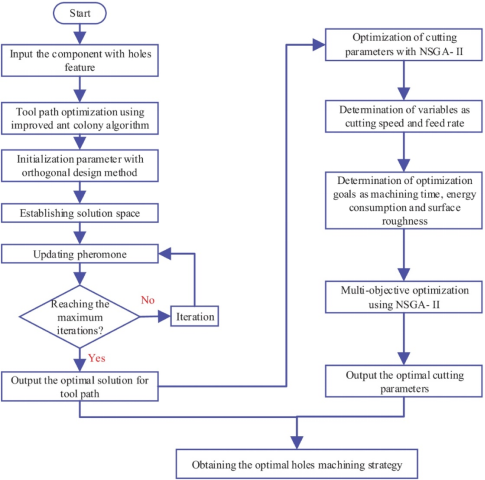
Advantages of CNC Machining
There are many reasons why CNC manufacturing is well-known worldwide. It offers manufacturers great advantages in precision error control and has gradually replaced manual machining.
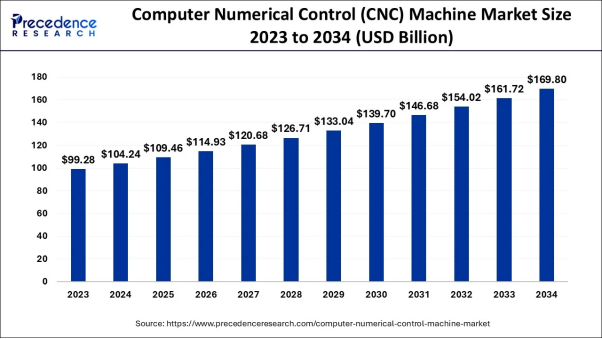
Precision and Accuracy of CNC Manufacturing
The primary advantages of CNC production are precision and accuracy. Manufactured parts adhere to exact specifications without constant supervision from experts or operators. Computer control minimizes the risk of human error to nearly zero.
Certain areas still require human oversight for accurate results: operating environment, tool calibration, and tool wear. Tolerances achievable in CNC production start at 0.004 mm.
Industries such as defense and aerospace demand this high level of machining. Precision CNC machining produces high-precision components that boost the overall efficiency of aircraft.
Higher Production Efficiency
CNC production begins once the operator programs the machine according to the required design specifications. Once the process starts, no further intervention from CNC specialists is needed, and parts can be manufactured rapidly.
Mass production becomes convenient and easily scalable. CNC machines can be programmed for both prototyping and batch production. There are almost no limitations for CNC projects, allowing manufacturers to scale their business and operate efficiently with optimized workflow and minimal downtime.
Reduce Material Waste and Cost
CNC machining delivers higher efficiency and precision with minimal material waste. The entire process is computer-controlled, eliminating miscuts by the machine itself. Fewer parts are damaged, scrapped or discarded. The machine can perform high-precision cutting efficiently without material waste, which lowers the overall production cost of CNC projects.
Production Repeatability and Consistency
CNC production enables precise control of speed and positioning. Precision CNC machining can manufacture thousands of identical parts with consistent precision and accuracy in the shortest possible time. This capability is nearly impossible to achieve with conventional machining. CNC machines are engineered to repeat identical cutting operations repeatedly without compromising part quality.
Enhanced Manufacturing Flexibility
CNC machining features outstanding manufacturing flexibility. It can produce parts with highly complex designs. Many machines are equipped with advanced functions such as automatic tool changing and one-click process operation. These capabilities enable the fabrication of versatile components with any intricate design.
Improved Workplace Safety
CNC production is fully automated and requires no constant supervision from CNC specialists. Operators do not need to stand close to cutting tools, greatly enhancing overall workplace safety and resulting in an extremely low rate of safety incidents.
Reduce Labor Costs Through Automation
CNC projects require relatively high capital investment but feature extremely low operating costs. With minimal error rates, low production expenses, reduced labor demand and less training required, it delivers excellent overall cost efficiency. Operators can learn machining operations virtually, which cuts down training needs and workshop overhead costs.
Scalability for Mass Production
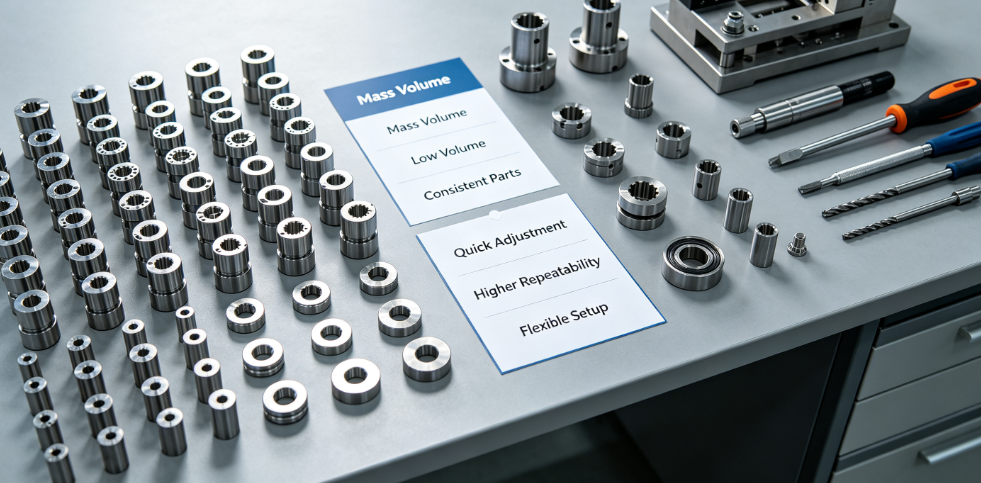
CNC machines impose no limits on production volume. Prototypes and batch-produced parts can be created in a short time with consistent precision and design specifications. This allows manufacturers to scale their operations and achieve mass production. CNC machines can be easily programmed and optimized for batch manufacturing, helping businesses utilize resources and budgets efficiently.
Support for Multiple Materials and Processes
CNC machining can process nearly all types of materials, including metals, alloys, composites, and plastics. Several key factors should be considered when selecting materials, such as stress resistance, high-temperature resistance, design tolerances, and hardness. A full range of CNC processes — including milling, turning, drilling, and grinding — can be performed on all these materials.
High Customization and Design Flexibility
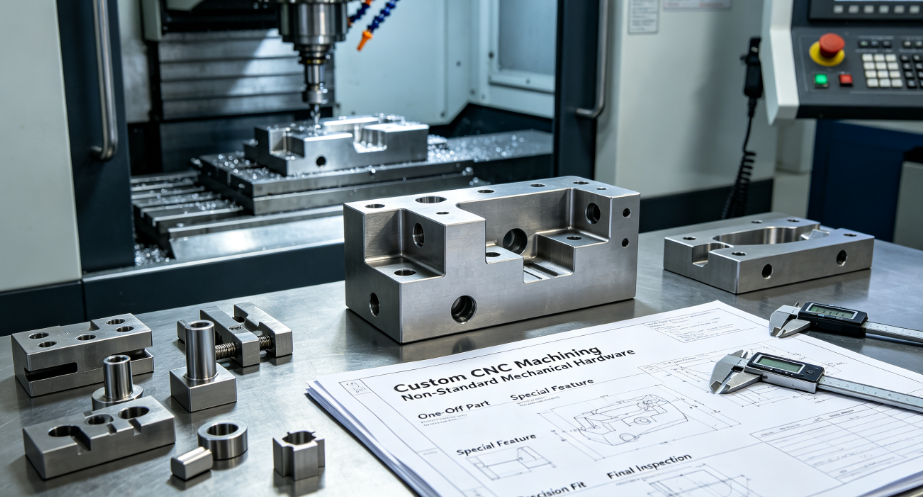
CNC machines are highly versatile. They can be fully customized via design software to produce parts of any complex shape. More capable than manual engineering, with the right programming, CNC machines can create components of any shape or size—even highly complex geometries that exist only in digital models.
Improved Quality Control
Precision CNC machining delivers inherently higher consistency by design, enabling mass production with minimal errors. Optimized cutting parameters and high speeds make the process highly efficient. CNC machines can run continuously around the clock with full quality control, no constant supervision from CNC specialists required. Once calibrated and set up, CNC machines operate autonomously while maintaining superior quality control.
Reduced Environmental Impact
CNC manufacturing features high sustainability with low carbon emissions. It consumes far less energy, using approximately one-seventh less power compared to conventional machining methods. CNC machines operate efficiently at optimized speeds with lower power consumption per minute.
Seamless CAD Integration
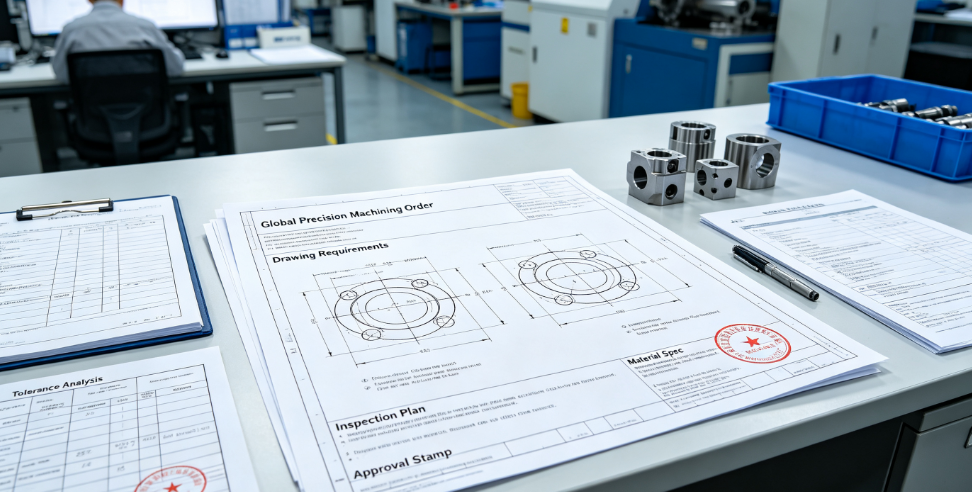
CNC machines integrate effortlessly with CAD software and digital prototype simulation. Production can be launched directly from a single CAD drawing, delivering higher precision, reliable quality control, and full automation.
Faster Prototyping and Faster Time-to-Market
Beyond superior precision and design consistency, CNC machines require minimal time for mass production. Faster prototyping and rapid batch production help scale businesses through CNC projects. CNC machining is the fastest, most cost-effective, and highly efficient manufacturing process available.
Zorapid Custom CNC Machining Parts Service
Zorapid is one of the leading premium precision CNC machining manufacturers, providing one-stop comprehensive solutions for custom CNC metal parts.
Our team of CNC specialists and skilled technicians boasts years of professional experience in CNC manufacturing services, covering design development, CAD drafting, material selection, production and machining, assembly, as well as full quality inspection of CNC parts.
FAQ
Is CNC Machining a Good Career?
Yes, it is a rewarding career choice for anyone interested in technical skills, manufacturing, and creating innovative products.
What Are the Disadvantages of CNC Milling Machines?
Common drawbacks include high initial investment cost, electrical and thermal hazards, the need for skilled operators and programmers, and lower efficiency for small-scale production in some cases.
Is CNC Machining Better Than Traditional Machining?
Yes, it outperforms traditional machining in precision, efficiency, cost control, labor saving, material waste reduction, workplace safety, design complexity adaptability, flexibility, and production consistency.
Can CNC Machining Be Used for Prototyping?
Absolutely. It is ideal for prototyping, as it can produce high-precision parts at fast speeds, supports design modification, and works with a wide range of materials.
How to Choose the Right CNC Machine for Your Project?
When selecting a CNC machine, consider key factors such as product type, production volume, part complexity, required precision, and budget.
What Is the Role of CAD/CAM in CNC Machining?
CAD/CAM systems generate tool paths and G-code, as well as 2D and 3D models for CNC machines. CAD is used for product design, while CAM converts design models into executable G-code to guide CNC machining.