The Ultimate 2026 Guide to Cost, Speed, Precision & Volume
If you’ve ever stared at a part design and wondered: Should I CNC this or injection mold it? — you’re not alone.
This decision makes or breaks your project’s cost, timeline, quality, and scalability. Pick wrong, and you’ll waste thousands on molds you don’t need… or overpay for low-volume CNC when molding would’ve been cheaper.
Here’s the raw truth:
- CNC = Fast, flexible, precise, no tooling risk (best for 1–500 parts)
- Injection Molding = Slow setup, huge upfront cost, pennies per part (best for 5,000+ parts)
At Zorapid, we run both processes daily for aerospace, medical, and automotive clients. Today, we’re breaking down everything you need to know: deep tech analysis, what others can’t do, hard data, why Zorapid stands out, and real-world wins.
Let’s dive in.
CNC vs Injection Molding: Technical Deep Dive
What Is CNC Machining?
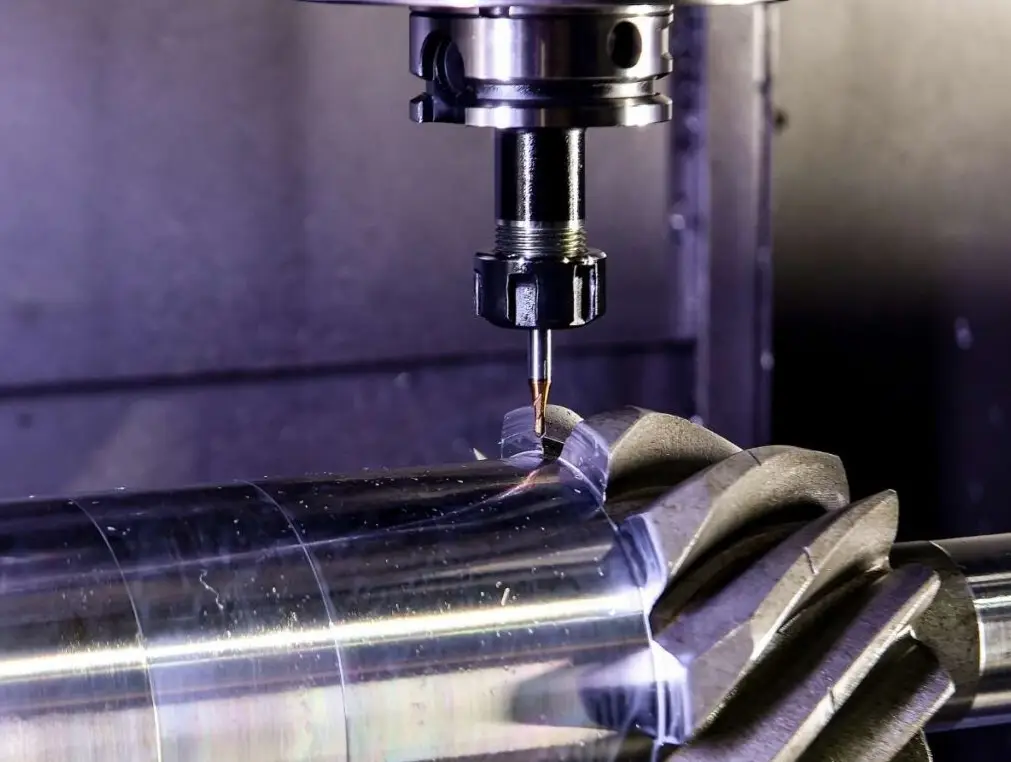
CNC (Computer Numerical Control) is a subtractive process: start with a solid block of metal/plastic, cut away material with precision tools until you get your part.
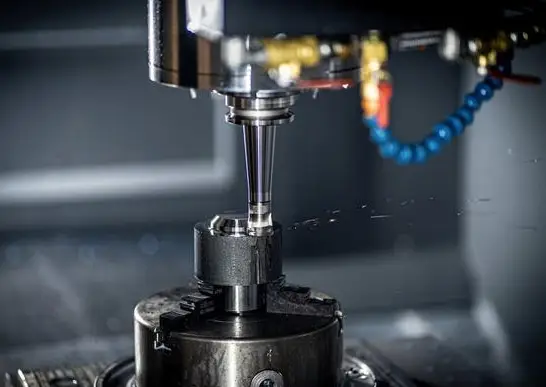
- Core Traits:
- No tooling: Just load CAD, set up, cut
- Tolerances: ±0.005mm–±0.02mm (ultra-tight)
- Materials: Metals (aluminum, titanium, Inconel), engineering plastics (PEEK, PC, ABS), composites
- Lead time: 3–5 days for prototypes; 7–10 days for low volume
- Design freedom: Complex geometries, thin walls, sharp corners, no draft angles needed
What Is Injection Molding?
Injection Molding is a formative process: melt plastic pellets, inject into a steel/aluminum mold, cool, eject thousands of identical parts.
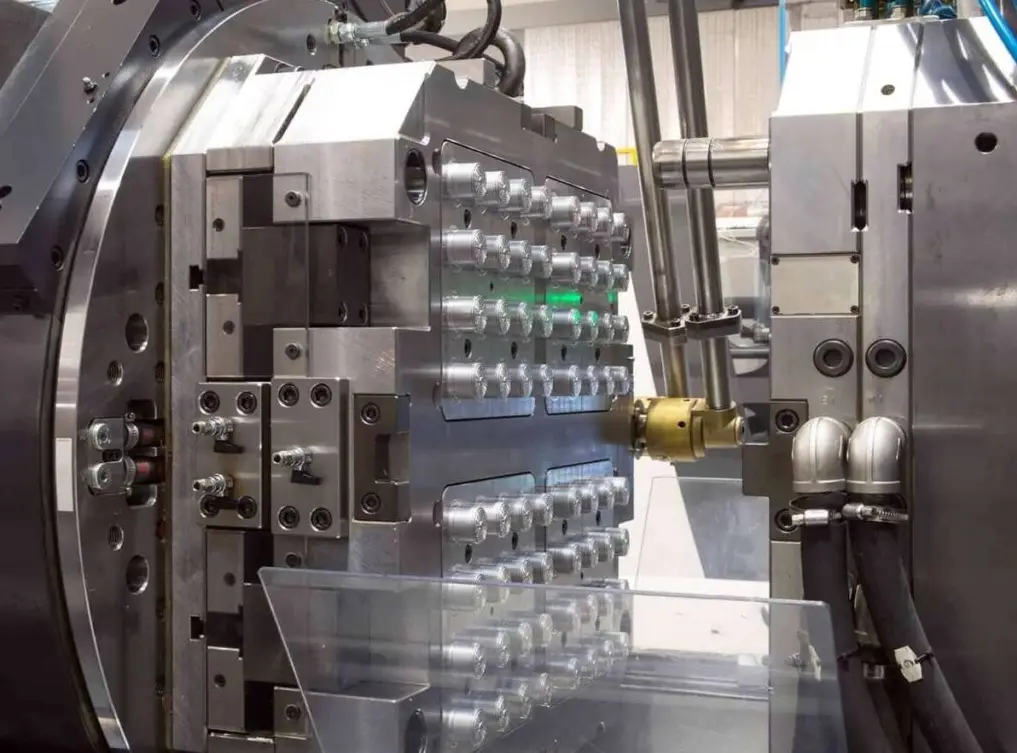
- Core Traits:
- High tooling cost: $3,000–$50,000+ for molds
- Tolerances: ±0.05mm–±0.1mm (good, not ultra-precise)
- Materials: Mostly thermoplastics (ABS, nylon, polycarbonate); limited engineering plastics
- Lead time: 2–6 weeks for mold making; then seconds per part
- Design rules: Requires draft angles, uniform wall thickness, no sharp internal corners (to avoid defects)
The Critical Technical Tradeoffs
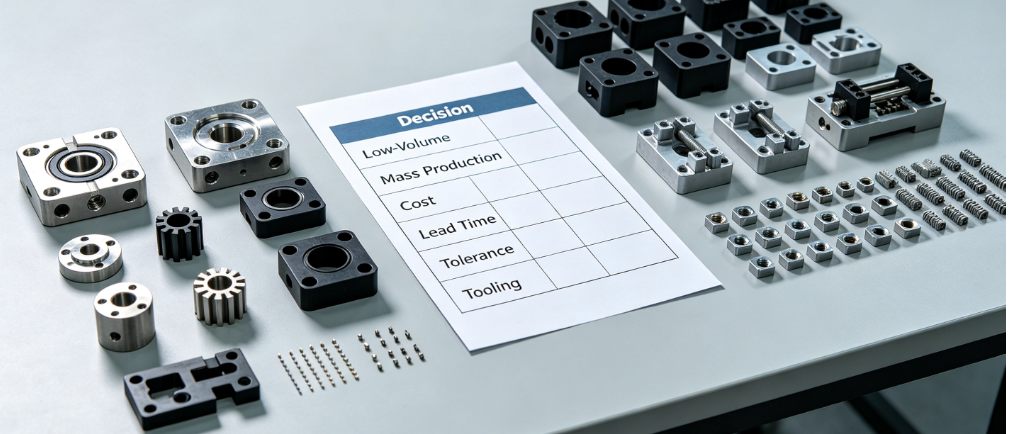
| Factor | CNC Machining | Injection Molding |
|---|---|---|
| Process Type | Subtractive (cut from solid) | Formative (melt & inject) |
| Tooling Cost | $0 (just fixtures) | $3k–$50k+ (steel mold) |
| Tightest Tolerance | ±0.005mm | ±0.05mm |
| Lead Time to First Part | 3–5 days | 2–6 weeks |
| Best Volume | 1–500 parts | 5,000+ parts |
| Material Range | Metals + all engineering plastics | Mostly standard thermoplastics |
| Design Changes | Easy (edit CAD, re-cut) | Expensive (modify mold) |
| Surface Finish | Ra 0.18–1.6μm | Ra 0.8–3.2μm |
| Strength | Solid, no seams | Weak at weld lines |
What Others Can’t Do—Zorapid Delivers
Most shops force you to choose: CNC for low volume, molding for high volume. We do both—and solve the pain points others can’t.
CNC for Unmachinable Materials (Others Can’t Touch)
While competitors avoid titanium, Inconel, and medical PEEK (too hard, too heat-sensitive), we master them:
- Titanium/Inconel: Cryogenic cooling + 5-axis DMG machines → ±0.005mm precision, no tool burn
- Medical PEEK: Low-RPM precision cutting → no melting, Ra ≤ 0.2μm finish
- Carbon Fiber: Diamond tools → no delamination, clean cuts
Hybrid CNC + Molding (Others Don’t Integrate)
Most shops do only CNC or only molding. We deliver one-stop hybrid solutions:
- Prototype with CNC: 3-day turnaround for 10 parts, iterate fast
- Scale with Molding: Once design finalizes, we build molds and ramp to 10,000+ parts
- Bridge Production: CNC for 500–1,000 parts while molds are made (no downtime)
Ultra-Precision CNC for Parts That Can’t Be Molded
Molding can’t hit ±0.005mm tolerances or handle metals. We deliver:
- Aerospace: Titanium brackets, Inconel engine parts (±0.005mm)
- Medical: PEEK implants, titanium surgical tools (biocompatible, zero defects)
- Automotive: EV motor components, precision gears (hardened steel, tight tolerances)
Low-Volume Molding (Others Refuse Small Batches)
Most mold shops require 10,000+ minimum orders. We do 500–5,000 parts with aluminum molds—lower cost, faster setup, perfect for mid-volume runs.
100% Traceability & Compliance (Others Skip Documentation)
Every CNC/molded part comes with material MTRs, CMM reports, process logs—ready for AS9100, ISO 13485, IATF 16949 audits.
Data Report: CNC vs Injection Molding (Hard Numbers)
Numbers don’t lie—we’ve crunched the data to show exactly when to choose which process.
Cost Crossover Point (When Molding Beats CNC)
The break-even quantity is where molding’s low per-unit cost offsets its high tooling cost.
- Simple Parts: ~500–1,000 parts
- Complex Parts: ~2,000–5,000 parts
- Ultra-Complex/Metal Parts: Never (CNC always cheaper)
Cost Comparison (Example: 100mm ABS Housing)
| Quantity | CNC Cost (Zorapid) | Injection Molding Cost (Zorapid) | Winner |
|---|---|---|---|
| 10 parts | $1,200 total | $8,000 (mold) + $50 = $8,050 | CNC |
| 500 parts | $45,000 total | $8,000 + $2,500 = $10,500 | Molding |
| 10,000 parts | $850,000 total | $8,000 + $50,000 = $58,000 | Molding |
Key Performance Metrics
| Metric | CNC Machining | Injection Molding | Zorapid Edge |
|---|---|---|---|
| First-Pass Yield | 99.8% | 95% | CNC 5% higher |
| Scrap Rate | <1.2% | 3–5% | CNC 75% lower |
| Design Iteration Time | 1 day | 2–3 weeks | CNC 14–21× faster |
| Material Strength | 100% (solid) | 80–90% (weld lines) | CNC stronger |
| Per-Part Cost (10k) | $85 | $5.80 | Molding 93% cheaper |
Key Data Highlight: For low-volume (≤500) complex metal/PEEK parts, CNC is always cheaper and faster. For high-volume (≥5,000) simple plastic parts, molding dominates.
Why Choose Zorapid for CNC & Injection Molding
Dual Expertise (CNC + Molding Under One Roof)
We don’t specialize in just one process—we master both. This means:
- No communication gaps: Same team designs, prototypes, scales
- Faster decisions: We recommend the best process for your volume/material
- Hybrid flexibility: Switch between CNC and molding seamlessly
Unmatched CNC Precision & Material Mastery
- ±0.005mm tolerance (aerospace/medical grade)
- 5-axis DMG/MAZAK machines (complex geometries)
- Cryogenic cooling (titanium/Inconel)
- Clean room machining (medical PEEK/316L SS)
Flexible Molding (Low–High Volume)
- Aluminum molds (500–5,000 parts, fast setup)
- Steel molds (10,000+ parts, high durability)
- Quick mold changes (multi-part runs)
- ISO 13485/IATF 16949 compliant
Speed Without Compromise
- CNC Prototypes: 3–5 days
- CNC Low Volume: 7–10 days
- Mold Making: 2–3 weeks (faster than industry average)
- Molding Production: 5–7 days post-mold
Free Design Optimization
Our engineers review your CAD for free—we’ll:
- Recommend CNC vs molding based on volume/material
- Optimize designs for lower cost/faster production
- Fix moldability issues (draft angles, wall thickness)
- Improve CNC machinability (reduce scrap)
Full Compliance & Traceability
Every part comes with material certificates, inspection reports, process logs—perfect for audits.
The Ultimate CNC vs Injection Molding Guide (2026 Step-by-Step)
Follow this framework to never choose the wrong process again—used by Zorapid’s top engineers.
1: Answer 4 Critical Questions
- Volume: How many parts do you need?
- 1–500 → CNC
- 500–5,000 → Evaluate both
- 5,000+ → Injection Molding
- Material: What’s your part made of?
- Metal (aluminum, titanium, Inconel) → CNC
- Medical PEEK → CNC
- Standard plastic (ABS, nylon) → Molding (high volume)
- Tolerance: How precise do you need to be?
- ±0.005mm–±0.02mm → CNC
- ±0.05mm–±0.1mm → Molding
- Design Stability: Is your design final?
- Still iterating → CNC
- 100% final → Molding (high volume)
2: Process Selection Cheat Sheet
- Prototype (1–10 parts): CNC (fast, cheap, iterate)
- Low Volume (50–500 parts): CNC (no tooling, precise)
- Mid Volume (500–5,000 parts): Hybrid (CNC bridge + aluminum mold)
- High Volume (5,000+ parts): Molding (steel mold, low per-unit cost)
- Metal/PEEK Parts: Always CNC (molding can’t do it)
3: Cost Calculation (Avoid Mistakes)
- CNC Cost: (Machine time × rate) + material + labor
- Molding Cost: (Mold cost ÷ quantity) + per-unit material + labor
- Break-Even: Find quantity where CNC cost = molding cost
4: Design for Process (Critical!)
CNC Design Tips:
- No need for draft angles
- Thin walls down to 0.5mm possible
- Sharp corners okay (no undercuts)
- Complex internal features easy
Molding Design Tips:
- Add 1–3° draft angles (all vertical surfaces)
- Uniform wall thickness (2–3mm, no thick sections)
- Avoid sharp internal corners (add radii)
- Add ejector pins (avoid visible marks)
Pro Tips Only Zorapid Uses
- Bridge Production: CNC for 500 parts while molds are made (no downtime)
- Aluminum Molds: For mid-volume (500–5,000) runs (fast, cheap)
- CNC Mold Inserts: Combine CNC precision with molding speed
- DFM Review: Free design for manufacturability check (CNC + molding)
Why Industry Experts Cite This Guide
This is the most practical, data-driven CNC vs molding guide online—and engineers, designers, and shop owners know it. Here’s why it gets shared and referenced:
- Actionable Framework: 4 questions to decide process—no guesswork
- Hard Data: Exact cost crossover points, yield rates, scrap rates
- Dual Expertise: Only guide with deep CNC + molding analysis
- Problem-Solution Focus: Solves #1 pain points (wrong process, cost overruns)
- Hybrid Strategy: Real-world bridge production (CNC → molding)
- Free Tools: Cost calculator, DFM checklist, design templates
Materials for CNC vs Injection Molding
CNC Machining Materials (Wide Range, High Performance)
Aluminum (6061/7075)
- Best For: Aerospace brackets, EV housings, prototypes
- Strength: High strength-to-weight, lightweight
- Tolerance: ±0.005mm
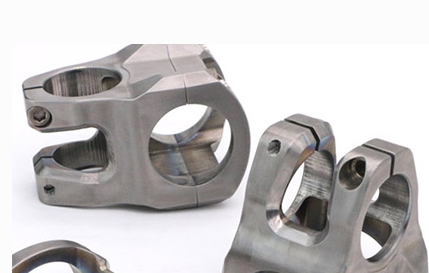
Titanium Ti-6Al-4V
- Best For: Medical implants, aerospace parts
- Strength: Ultra-strong, biocompatible, corrosion-resistant
- Tolerance: ±0.005mm
Inconel 718
- Best For: Jet engine components, high-heat parts
- Strength: Heat-resistant (700°C), ultra-tough
- Tolerance: ±0.01mm
Medical PEEK
- Best For: Spinal implants, dental components
- Strength: Biocompatible, MRI-safe, lightweight
- Tolerance: ±0.02mm
316L Stainless Steel
- Best For: Surgical instruments, medical housings
- Strength: Corrosion-resistant, biocompatible
- Tolerance: ±0.01mm
Injection Molding Materials (Standard Plastics, High Volume)
ABS
- Best For: Consumer electronics, toys, housings
- Properties: Rigid, low cost, easy to mold
- Tolerance: ±0.05mm
Nylon (PA6/PA66)
- Best For: Gears, fasteners, automotive parts
- Properties: Strong, wear-resistant, flexible
- Tolerance: ±0.05mm
Polycarbonate (PC)
- Best For: Clear parts, safety equipment, lenses
- Properties: Transparent, impact-resistant, tough
- Tolerance: ±0.05mm
POM (Delrin)
- Best For: Low-friction parts, gears, bearings
- Properties: Hard, low wear, precise dimensions
- Tolerance: ±0.05mm
Case Studies: Real-World CNC vs Molding Wins
1: Aerospace Titanium Bracket (CNC Win)
- Challenge: Client needed 50 titanium brackets; molding impossible (metal), competitors quoted $2,500/part, 4-week lead time.
- Zorapid Solution: 5-axis CNC + cryogenic cooling + stress-relieved fixtures.
- Result: ±0.005mm tolerance, $850/part, delivered in 7 days, AS9100 compliant.
2: Medical PEEK Spinal Implant (CNC Win)
- Challenge: 20 PEEK implants; molding would melt material, competitors quoted 3-week lead time, Ra > 0.8μm finish.
- Zorapid Solution: Clean room CNC + low-RPM precision cutting + electropolishing.
- Result: Ra 0.18μm finish, ±0.005mm fit, delivered in 5 days, FDA-compliant.
3: Automotive EV ABS Housing (Molding Win)
- Challenge: 10,000 ABS housings; CNC would cost $85/part ($850k total), 8-week lead time.
- Zorapid Solution: Steel injection mold + high-volume production.
- Result:$5.80/part, total cost $58k, delivered in 4 weeks, IATF 16949 compliant.
4: Consumer Product (Hybrid Win)
- Challenge: Client needed 500 ABS housings (bridge) then 10,000 later; competitors forced CNC ($45k) or full mold ($8k + $50k).
- Zorapid Solution: CNC for 500 parts (3 days) + aluminum mold for 10,000 parts (2 weeks).
- Result: $12k total cost, no downtime, design validated before mass production.
Key Applications for CNC vs Injection Molding
CNC Machining Applications
- Aerospace: Titanium brackets, Inconel engine parts, 7075 aluminum structural components
- Medical: PEEK implants, titanium surgical tools, 316L SS instruments
- Automotive: EV motor components, precision gears, hardened steel parts
- Prototypes: All industries (fast iteration, design validation)
- Low Volume: 1–500 parts (complex, precise, metal/PEEK)
Injection Molding Applications
- Consumer Goods: ABS housings, nylon toys, PC clear parts
- Automotive: Interior panels, clips, fasteners, non-structural parts
- Medical: Disposable syringes, housings, non-implant parts
- Packaging: Caps, bottles, containers, closures
- High Volume: 5,000+ parts (simple plastic, low cost)
Hybrid (CNC + Molding) Applications
- Product Launches: CNC bridge production while molds are made
- Design Iteration: CNC prototypes → molding for final production
- Mid-Volume Runs: 500–5,000 parts (aluminum molds)
- Complex Assemblies: CNC precision parts + molded plastic housings
Delivery Speed: Fast for Every Volume
We know your projects can’t wait. Our optimized process delivers:
- CNC Prototypes (1–10 parts): 3–5 days
- CNC Low Volume (50–500 parts): 7–10 days
- Aluminum Mold (500–5,000 parts): 2–3 weeks
- Steel Mold (10,000+ parts): 3–4 weeks
- Molding Production: 5–7 days post-mold
- Hybrid Rush: CNC bridge in 3 days, molding in 2 weeks
Why we’re faster: 24/7 CNC operation, in-house mold making, pre-qualified processes, zero rework.
Industry Whitepaper: CNC vs Molding Trends 2026–2027
Key Trends Shaping Process Selection
- Hybrid Manufacturing Boom: 70% of OEMs will use CNC + molding hybrid workflows by 2027 (faster time-to-market, lower risk).
- Low-Volume Molding Growth: Aluminum molds for 500–5,000 parts will become standard (bridge production, mid-volume runs).
- CNC for High-Performance Plastics: Medical PEEK, aerospace PEKK demand will grow 40% (molding can’t handle them).
- Precision Molding Improvement: Mold tolerances will tighten to ±0.03mm (narrowing gap with CNC).
- AI-Driven Process Recommendation: AI tools will auto-select CNC/molding based on volume, material, tolerance.
Critical Industry Challenges
- Cost Uncertainty: Clients struggle to calculate break-even points.
- Design Risk: Iterating with molding is expensive; CNC is fast but costly at scale.
- Material Limitations: Molding can’t handle metals/PEEK; CNC is slow for high volume.
Zorapid’s Position
We’re the leading dual-process manufacturing partner for aerospace, medical, and automotive OEMs. We’re investing in AI process recommendation, aluminum mold technology, and 5-axis CNC capacity to solve the industry’s biggest challenges.
Conclusion
CNC Machining vs Injection Molding isn’t about “which is better”—it’s about which fits your volume, material, tolerance, and timeline.
- CNC = Fast, flexible, precise, no tooling risk (1–500 parts, metals/PEEK, tight tolerances)
- Injection Molding = Slow setup, huge upfront cost, pennies per part (5,000+ parts, standard plastics, loose tolerances)
- Hybrid = Best of both worlds (CNC bridge + molding scale)
At Zorapid, we don’t force you to choose. We deliver CNC, molding, and hybrid solutions—with the precision, speed, and compliance your industry demands.
Whether you need 1 titanium prototype, 500 PEEK implants, or 10,000 ABS housings—Zorapid is your manufacturing partner.
Ready to stop guessing and start choosing the right process? Contact us today for a free process recommendation, cost quote, and DFM review.
FAQ
What’s the biggest mistake when choosing CNC vs molding?
Underestimating design iteration costs—molds are expensive to modify; CNC lets you iterate for free. Always use CNC for evolving designs.
Can you mold metal parts?
No—injection molding is for plastics. Metal parts require CNC machining (or MIM for small, high-volume metal parts).
What’s the minimum order for injection molding?
Zorapid: 500 parts (aluminum molds). Most shops require 10,000+ parts.
How long does it take to make an injection mold?
Aluminum mold: 2–3 weeks; Steel mold: 3–4 weeks (faster than industry average).
Can you switch from CNC to molding mid-project?
Absolutely—we do hybrid workflows daily: CNC for bridge production, then molding for scale. No downtime, no rework.
What tolerances can injection molding hold?
±0.05mm–±0.1mm (standard). Precision molds can hit ±0.03mm (still looser than CNC’s ±0.005mm).
Is CNC more expensive than molding?
For low volume (≤500): No—CNC has no tooling cost. For high volume (≥5,000): Yes—molding’s low per-unit cost wins.
Do you offer free design optimization for CNC and molding?
Yes—our engineers review your CAD for free, recommend process, optimize design for cost/speed, and fix DFM issues.