For injection molds of the same size and structure, the cost of adopting a hot runner system is generally 30% to 80% higher than that of a cold runner design.
The specific price gap is affected by the mold cavity number, hot runner configuration, temperature control accuracy and product complexity. In multi-cavity and high-precision applications, the price difference can exceed several thousand US dollars.
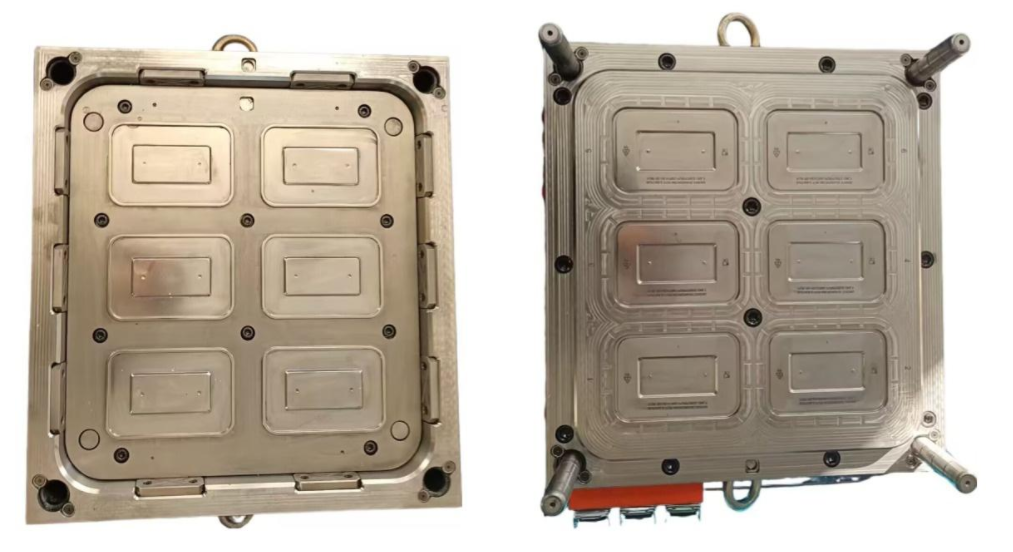
Basic Price Difference Range (Classified by Mold Scale)
Based on industry practical data and market quotations, the price difference can be divided into three ranges according to mold cavity quantity and complexity, covering most conventional injection mold applications.
Single-cavity / small-cavity mold (1–4 cavities, e.g., small plastic parts, simple housings)
This type of mold features a simple structure with a relatively basic hot runner configuration, usually equipped with 1 to 2 hot nozzles, resulting in a small price difference.
- Cold Runner Mold
- Hot Runner Mold
- Price difference range: several thousand US dollars; the price of hot runner molds is 30%~50% higher than cold runner molds.
Mainly adopt basic hot runner types (such as ordinary open hot nozzles) with low temperature control requirements. No complex manifold is needed, and the price difference mainly comes from the cost of hot nozzles and simple temperature control boxes.
Medium-cavity mold (8-24 cavities, such as bottle caps and small electronic parts)
This type of mold requires multiple hot nozzle configurations, which increases the complexity of the hot runner system and widens the price difference significantly.
- Cold Runner Mold
- Hot Runner Mold
- Price difference range: several thousand to tens of thousands of US dollars. Hot runner molds cost 40%~70% more than cold runner molds.
Take an 8-nozzle hot runner system as an example. If high-end imported hot runner components are adopted, the cost of the hot runner system will rise sharply. The hot runner part alone can greatly widen the total price gap between molds of the same specification. Meanwhile, a multi-channel temperature control box is required. High-end closed-loop temperature control boxes can cost up to ten thousand US dollars, further expanding the price difference.
Multi-cavity / high-precision molds (32 cavities and above, such as preform and medical device molds)
This type of mold demands extremely high standards for hot runner temperature control accuracy and flow distribution uniformity, and mostly adopts imported components, resulting in the largest price difference.
- Cold Runner Mold
- Hot Runner Mold
- Price difference range: tens of thousands to over one hundred thousand US dollars. The price of hot runner molds is 60%~80% higher than that of cold runner molds.
72-cavity preform mold requires a hot runner system equipped with high-precision manifolds, multiple sets of valve-gate hot nozzles, and an intelligent temperature control system.
Core components such as special alloy steel manifolds and ceramic heating elements account for an extremely high proportion of the cost.
The cost of the hot runner system alone may even exceed the total price of a complete cold runner mold, becoming the main source of the price gap.
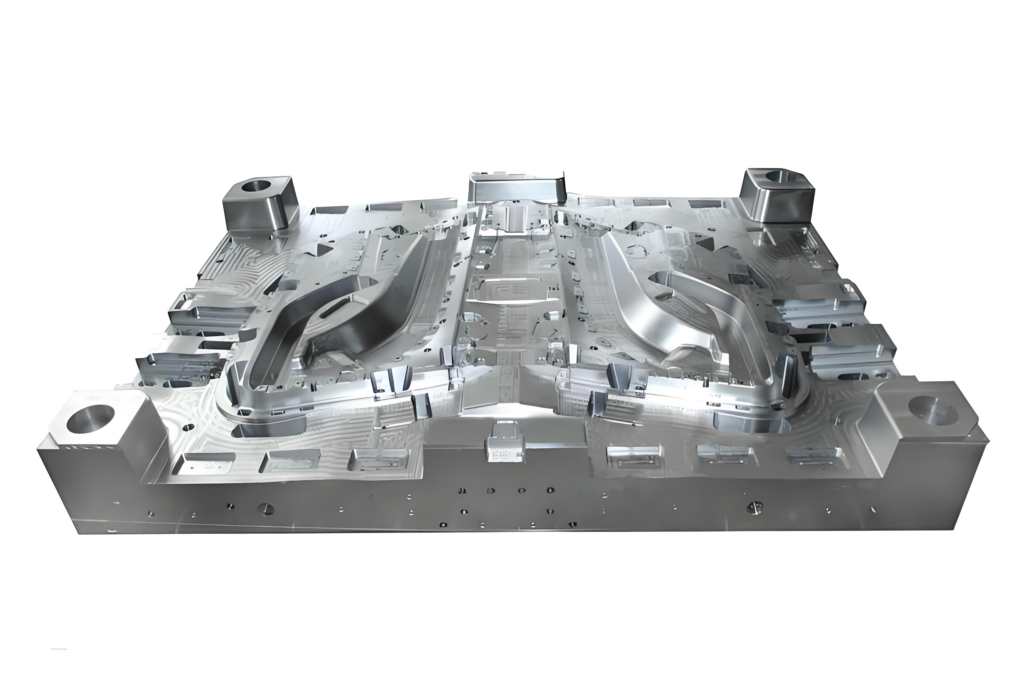
Core Factors Affecting Price Difference (Key Variables)
The price difference of molds with the same specification is not fixed, which is mainly affected by the following four factors. Among them, the hot runner brand and the number of cavities are the most critical variables.
Hot runner brand and configuration grade
This is the primary factor affecting the price difference. The cost gap between hot runner systems of different brands can reach 2 to 5 times.
- Economy Grade: The cost of the hot runner system is relatively low with a small price difference. For the same specification, it is 30%~50% more expensive than cold runner molds.
- High-end Grade: The hot runner system involves high costs with a remarkable price difference. For the same specification, it is 60%~80% higher in price than cold runner molds, and can even reach 100% in some high-precision application scenarios.
- Configuration Difference: Open hot nozzles are 30%~40% cheaper than valve-gate hot nozzles; basic PID temperature control boxes are over 70% cheaper than closed-loop temperature control boxes, which further affects the final price difference.
Number of Mold Cavities and Hot Nozzles
The more cavities a mold has, the more hot nozzles are required and the higher the complexity of the manifold, resulting in a larger price difference:
Each additional set of hot nozzles increases the cost of the hot runner system by several thousand US dollars. Meanwhile, the processing difficulty of the manifold rises and the machining cost goes up, causing the overall price difference to grow linearly with the number of cavities.
The hot runner price difference for a 4-cavity mold is only several thousand US dollars, while that for a 32-cavity mold can exceed tens of thousands of US dollars.
Product Precision and Process Requirements
For products with high precision and strict appearance requirements (such as high-gloss parts, precision electronic components, and medical devices), the hot runner system must deliver superior temperature control accuracy (within ±1℃) and balanced flow distribution. It requires the configuration of more sophisticated heating elements, sensors and control systems, which drives up costs. The corresponding price difference is 10%~20% higher than that of standard applications.
Additional Functional Requirements
If the hot runner needs additional functions such as color change capability, leak-proof structure and remote monitoring, extra costs will be incurred, further widening the price gap with cold runner molds. The price difference can increase additionally in such scenarios.
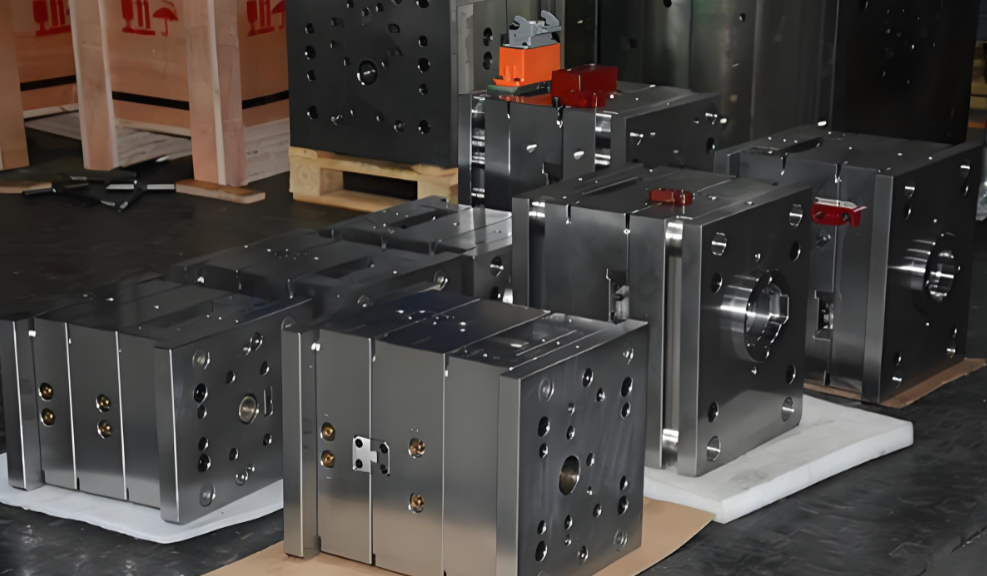
Where does the price difference mainly come from?
The hot runner system itself: hot nozzles, manifold plates, heater coils, temperature sensing wires, and temperature control boxes.
Mold structural modification & processing:Hot runner layout repositioning, drilling, clearance avoidance and assembly fitting are required, leading to increased processing working hours.
Configuration grade:Open-type hot runners are low-cost,valve-gate types are significantly more expensive. Imported brands cost more than double compared with domestic ones.
When to Use Cold Runner and Hot Runner
Cold runner is suitable for: Small-batch production, prototype sampling, unstable orders, and scenarios where runner material waste is acceptable.
Hot runner is suitable for: Mass production, products with high appearance requirements, parts that cannot have gate marks, applications requiring shorter molding cycles, and saving runner scrap materials.
Supplementary Explanation (to avoid misunderstanding)
The price difference only applies to molds of the same size and identical structure, excluding additional mold structural modification costs caused by hot runner design. For example, converting some cold runner molds to hot runner layout may require cavity arrangement adjustment, which will incur extra machining fees.
Although cold runner molds feature a lower initial cost, they bring long-term loss costs including sprue/runner solid material waste and manual separation labor cost. By contrast, hot runner molds require higher upfront investment, yet they save material consumption with no solid runner waste and shorten the molding cycle, boosting production capacity by 20%~25%. For long-term mass production (typically over 230,000 pieces), the price gap can be amortized and profitable returns can be achieved.
Although low-quality hot runners can reduce the initial price difference, they are prone to causing product rejection. The resulting losses may exceed five times the cost of the hot runner system itself. It is not recommended to choose inferior components just to cut down the price gap.
Summary
For injection molds of the same specification, the price gap between hot runner and cold runner molds mainly ranges from 30% to 80%, with the specific difference ranging from several thousand to hundreds of thousands of US dollars. It primarily depends on the hot runner brand, mold cavity quantity and process requirements.
Cold runner molds deliver higher cost performance for small-batch and low-precision products. For mass-produced items with high precision and strict appearance standards, hot runner molds feature a larger upfront price difference yet offer superior advantages in overall long-term operating costs.
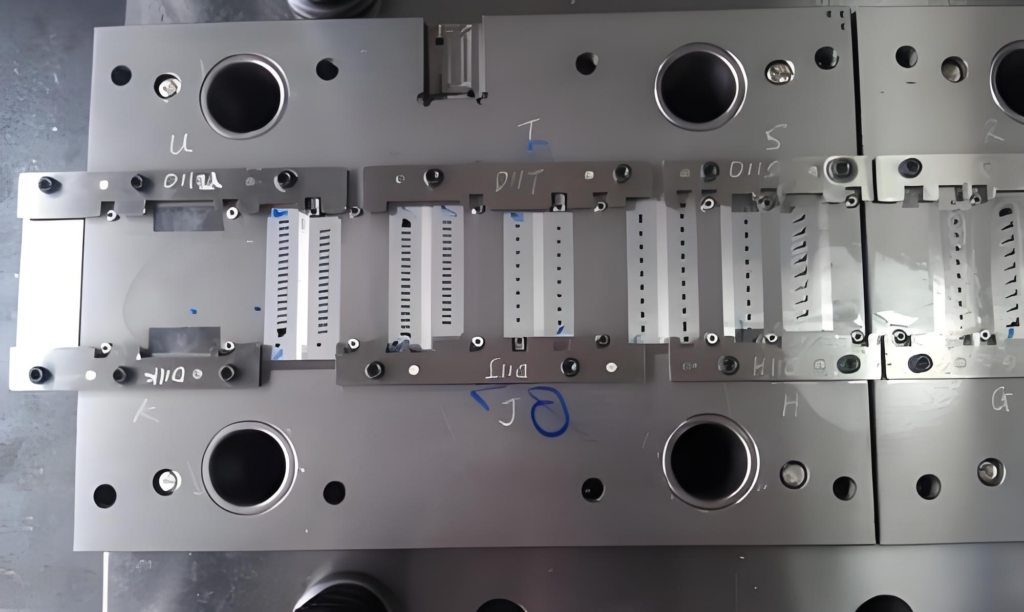
FAQ
1:Why are hot runners so expensive, and when are they cost-effective?
Batch threshold: 10k+ annual units for engineering plastics, 300k+ for general plastics; cost recouped in 3–6 months.
Material unit price:For materials priced above ¥20/kg (such as PC, PA66, PEEK), the savings from eliminating runner waste are far more significant.
Efficiency requirements:Molding cycle reduced by 15%–40%; automated production without runner waste separation, cutting labor costs by 30%–50%.
2:Why not always use cold runners since they are cheaper?
High waste rate: Runner waste accounts for 20%–40%, leaving a material utilization rate of only 60%–70%.
Longer molding cycle: The runner needs cooling time, making the cycle 20%–50% longer than that of hot runners.
Higher labor cost: Manual work is required for sprue cutting, crushing and material recycling. The larger the production batch, the higher the labor cost.
3:Is the maintenance cost of hot runners high?
Annual maintenance cost: Approximately 5%–10% of the system price, mainly for replacement of heater coils, temperature sensing wires and sealing parts.
Failure risks: Temperature control failure, material leakage and material burning. It is recommended to equip an independent temperature control box and conduct regular inspections.
4:How much cost can hot runners save for molds of the same specification?
Material savings: Material utilization rises from 65% to 95%. Producing 1 million parts can save material costs worth tens of thousands of US dollars, depending on the unit price of raw materials.
Efficiency improvement: The molding cycle is shortened by 25%. For 1 million parts, machine hour savings reach 200–500 hours.