Shafts are the backbone of almost every machine—motors, gearboxes, pumps, aerospace systems, you name it. Get the material wrong, pick the wrong process, or mess up tolerances, and your whole build fails.
At Zorapid, we’ve been turning out precision shafts for 20+ years—from tiny 1mm motor shafts to 2m industrial rollers. The “too tight,” “too hard,” “too precise” jobs other shops run from? That’s our daily bread.
Shaft Machining 101: Processes, Tolerances & Pro Tips
Let’s cut the jargon—this is real-shop, hands-on knowledge you can use today.
What Is a Shaft?
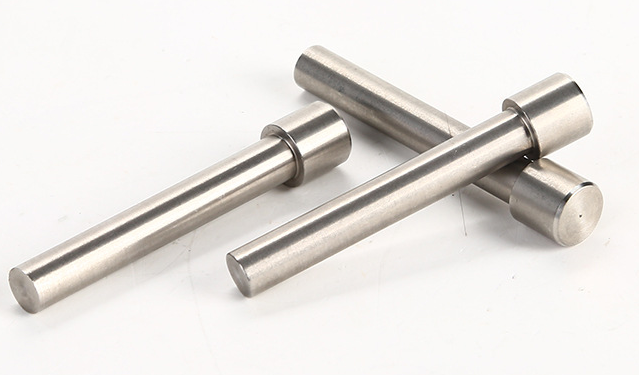
A shaft is a long, cylindrical part that rotates (or supports rotating parts) to transmit torque, motion, or power. Types include:
- Straight shafts: Simple, uniform diameter (conveyors, fans)
- Stepped shafts: Multiple diameters (gearmotors, engines)
- Eccentric shafts: Offset centers (pumps, presses)
- Micro shafts: Ø0.5–5mm (medical devices, printers)
- Splined shafts: Teeth for keyed connections (transmissions)
Core Machining Methods (Step-by-Step)
1. Turning (Lathe) – The Foundation
What it is: Rotate the bar, use a cutting tool to shape OD, shoulders, tapers, threads.
- Rough turning: Remove bulk material (1–3mm depth), fast feeds.
- Semi-finish turning: Get close to final size (0.5–1mm depth).
- Finish turning: Hit IT5–IT7 tolerances, Ra 0.4–1.6μm.
- Hard turning: Cut HRC 50–65 steel with CBN tools (replaces grinding for many jobs).
Milling – For Keyways, Splines & Features
What it is: Use end mills/ball mills to cut keyways, slots, splines, or flats.
- 5-axis milling: Perfect for complex, non-round shafts or tricky angles.
Grinding – Ultra-Precision Finishing
What it is: Abrasive wheel removes tiny material (0.01–0.1mm) for mirror finishes & micron tolerances.
- Cylindrical grinding: For OD/ID (Ra 0.05–0.2μm, ±0.002mm).
- Centerless grinding: High-volume, no centers needed (great for small straight shafts).
- Surface grinding: For ends, shoulders, or flats.
Drilling & Boring – Hollow Shafts
What it is: Drill through-holes or blind holes; bore to precision ID.
- Deep hole drilling: For length/diameter >10:1 (coolant-through tools critical).
Heat Treatment – Strength & Hardness
Critical for shafts:
- Normalization: Relieve forging stress, refine grain.
- Quenching + Tempering: Boost strength/toughness (HRC 25–35 for general use).
- Case hardening (carburizing/nitriding): Hard surface (HRC 58–62), tough core (wear resistance + impact strength).
- Stress relieving: Remove machining stress to prevent bending later.
- Key Tolerances You Must Master
- Diameter: IT5–IT8 (±0.005–0.03mm for most; ±0.001mm for micro shafts)
- Roundness/Cylindricity: 0.002–0.01mm
- Runout: ≤0.005mm (critical for bearings)
- Surface finish: Ra 0.05–3.2μm (bearings need Ra ≤0.2μm)
- Coaxiality: ≤0.01mm (between bearing journals)
Zorapid Pro Tips for Perfect Shafts
- Rigid setup: Use live centers, steady rests, or follow rests for long shafts (prevents bending).
- Tool choice: Coated carbides for steel; CBN for hard steel; diamonds for aluminum/PEEK.
- Coolant is king: High-pressure, filtered coolant reduces heat, tool wear, and surface roughness.
- Stress control: Cycle rough → stress relieve → finish to avoid warping.
The “Impossible” Shafts We Make (Others Can’t—We Can)
Any shop can turn a simple 45 steel shaft. The real challenge? Long, thin, hard, or ultra-precise shafts. That’s where Zorapid shines.
Our Specialties:
- Slender shafts (L/D >20:1): 1m long, Ø10mm, runout ≤0.01mm. Most shops bend or chatter—we use follow rests, low-vibration tools, and stress-relief cycles.
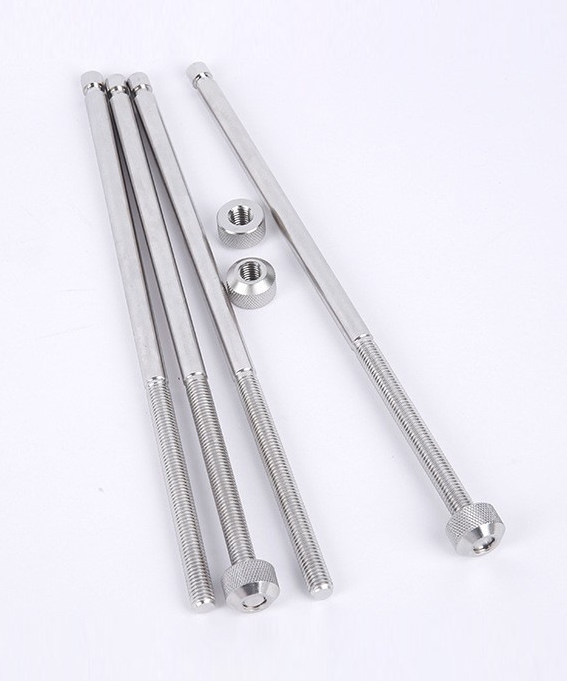
Hardened steel shafts (HRC 58–62): 42CrMo, GCr15, or 20CrMnTi. We use CBN hard turning + cylindrical grinding for Ra ≤0.1μm and ±0.003mm tolerance.
Micro shafts (Ø0.8–3mm): For medical devices, robotics, or aerospace. Tolerance ±0.001mm, roundness ≤0.0005mm, Ra ≤0.05μm. Our Brother Speedio 30,000 RPM machines handle this daily.
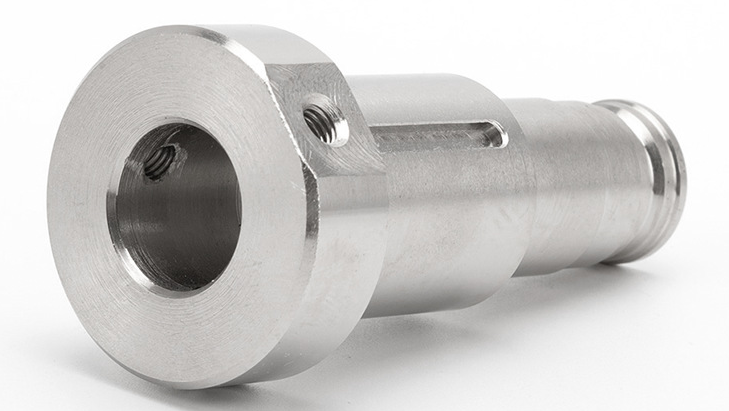
Complex splined shafts: Involute splines, 5-axis milled, ±0.005mm tooth spacing. Perfect for high-torque transmissions.
High-temperature alloy shafts: Inconel 718, Titanium Ti-6Al-4V. We use cryogenic cooling (-196℃) and ceramic tools to avoid work-hardening and tool failure.
Why others fail: They use generic setups, basic machines, and no material-specific process knowledge. We’ve spent 20+ years mastering these edge cases.
Best Materials for Shafts (With Pros, Cons & Uses)
Material choice makes or breaks a shaft—pick wrong, and it bends, breaks, or wears out fast. Here’s our go-to list for every job:
Carbon Steels (Budget-Friendly, Good Strength)
- 45 Steel: Most common.
- Pros: Cheap, easy to machine, good strength.
- Cons: Lower hardness, prone to rust.
- Best for: General-purpose shafts, conveyors, fans (HRC 22–28 tempered).
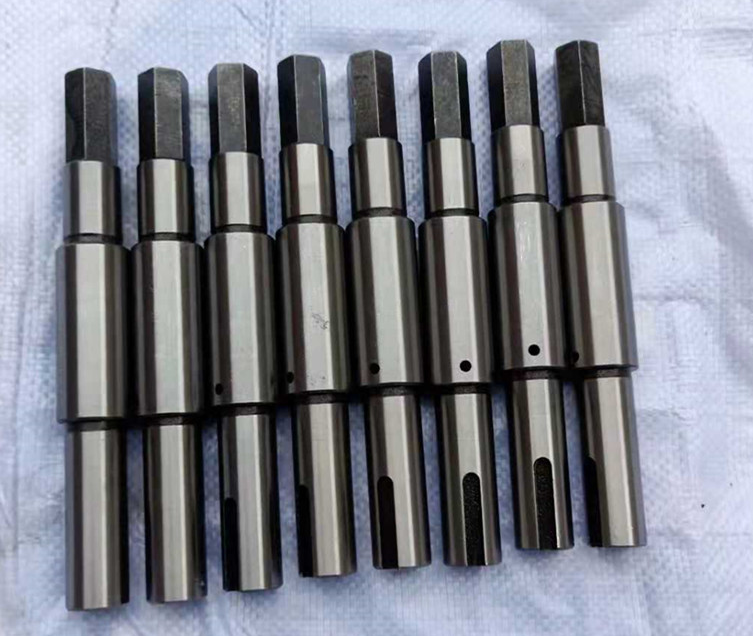
Q235: Mild steel. Pros: Super cheap, easy to weld. Cons: Low strength. Best for: Low-load, non-critical shafts.
Alloy Steels (High Strength, Toughness)
- 40Cr: Workhorse alloy. Pros: Higher strength than 45 steel, good hardenability. Cons: Slightly pricier. Best for: Medium-load shafts, gear shafts (HRC 25–32 tempered, HRC 50–55 surface hardened).
42CrMo: High-strength alloy. Pros: Excellent toughness, fatigue resistance. Cons: More expensive. Best for: Heavy-load shafts, automotive crankshafts, aerospace (HRC 28–35 tempered).
20CrMnTi: Carburizing steel. Pros: Hard surface (HRC 58–62), tough core. Cons: Needs heat treatment. Best for: High-wear, impact shafts (gears, transmissions).
38CrMoAl: Nitriding steel. Pros: Ultra-hard surface (HV 900–1100), minimal distortion. Cons: Expensive, slow nitriding. Best for: Precision spindles, machine tools, high-precision shafts.
Bearing & Tool Steels (Ultra-Hard, Wear-Resistant)
- GCr15: Bearing steel. Pros: High hardness (HRC 60–64), excellent wear resistance. Cons: Brittle, prone to cracking if overloaded. Best for: Bearings, high-precision shafts, rollers.
Stainless Steels (Corrosion Resistance)
- 304/316 Stainless: Pros: Rust-proof, good in wet/chemical environments. Cons: Lower strength (60–70% of carbon steel), work-hardens fast. Best for: Food equipment, medical devices, marine shafts
Exotic Alloys (Extreme Conditions)
- Titanium Ti-6Al-4V: Pros: Lightweight (60% steel), high strength, corrosion-proof. Cons: Expensive, hard to machine, work-hardens fast. Best for: Aerospace, medical implants, racing.
Inconel 718: Pros: Retains strength at 650°C+, corrosion-resistant. Cons: Very hard to machine, expensive. Best for: Jet engines, gas turbines, high-temperature shafts.
Quick Material Selection Guide
| Job Requirement | Best Material |
|---|---|
| Low cost, general use | 45 Steel |
| Medium load, high strength | 40Cr / 42CrMo |
| High wear, impact | 20CrMnTi (carburized) |
| Precision, low distortion | 38CrMoAl (nitrided) |
| Corrosion resistance | 316 Stainless |
| Lightweight, high strength | Titanium Ti-6Al-4V |
| High temperature | Inconel 718 |
Real-World Shaft Case Studies
Case 1: Aerospace Titanium Landing Gear Shaft
- Client: US aerospace manufacturer (commercial aircraft components)
- Challenge: Ti-6Al-4V, length 850mm, Ø45mm, L/D=18:1, runout ≤0.008mm, Ra ≤0.2μm, 5-axis features. 3 shops quoted 8–10 weeks + 15% scrap.
- Zorapid Solution: 5-axis turning/milling, cryogenic cooling, coated carbide tools. Rough → stress relieve → semi-finish → finish grind.
- Result: 6-day delivery, 0 scrap, perfect tolerance. Client now sends all aerospace shafts to us.
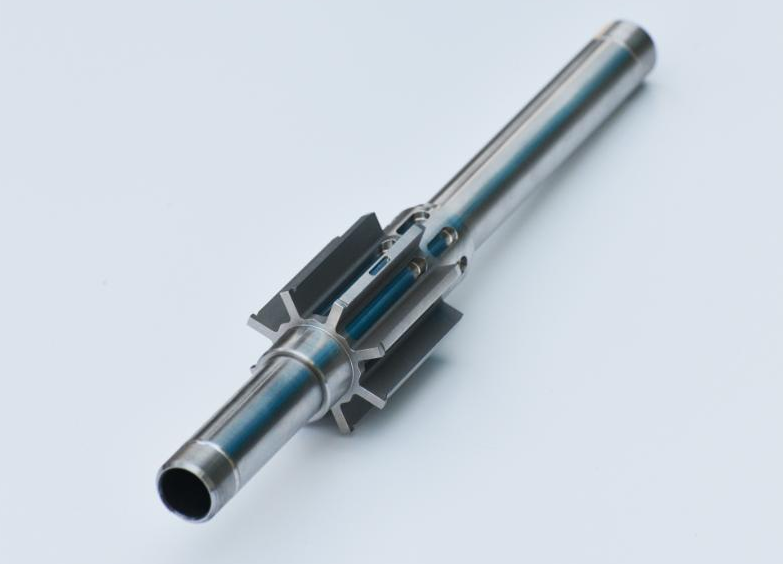
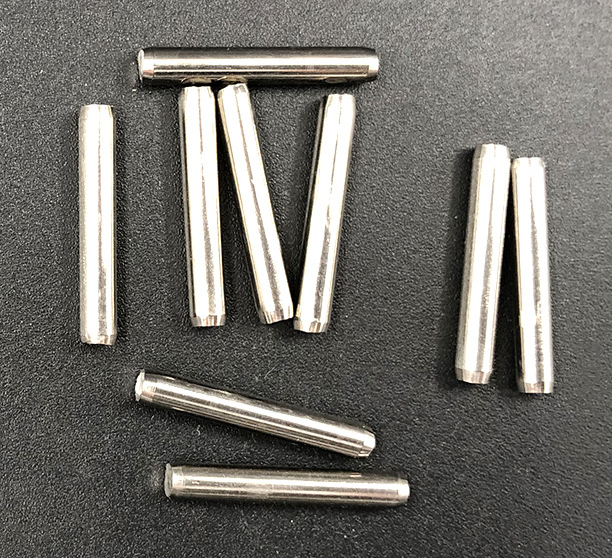
Case 2: Medical 316L Stainless Drive Shaft
- Client: European medical device company (surgical robots)
- Challenge: 316L stainless, Ø2mm micro shaft, length 50mm, tolerance ±0.001mm, Ra ≤0.05μm, no burrs, biocompatible.
- Zorapid Solution: High-precision CNC lathe, diamond tools, air cooling, in-process OMI probing.
- Result: 4-day delivery, ISO 13485 certified, passed all biocompatibility tests.
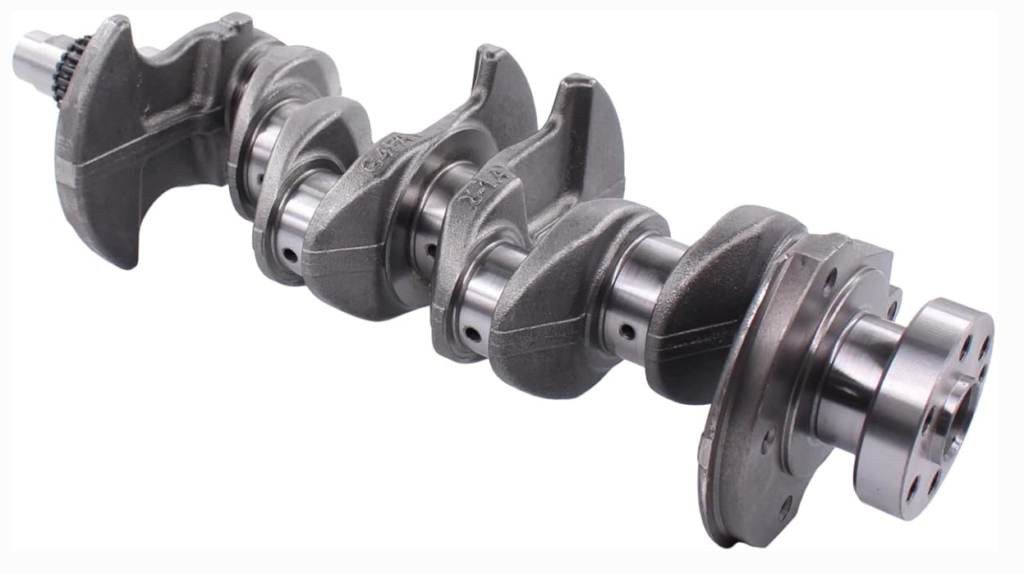
Automotive 42CrMo Crankshaft Prototype
- Client: German EV startup (high-performance motor)
- Challenge: 42CrMo, length 600mm, 5 journals, runout ≤0.005mm, HRC 30–32, Ra ≤0.4μm.
- Zorapid Solution: CNC turning + 5-axis milling, stress relief, finish grind, CMM inspection.
- Result: 5-day delivery, 0 defects, 20% cheaper than EU suppliers
Common Shaft Applications (Where Precision Matters Most)
Shafts are everywhere—here are the key industries we serve:
Aerospace
- Landing gear shafts, turbine shafts, actuator shafts
- Requirements: Lightweight, high strength, tight tolerances, corrosion resistance
- Materials: Titanium, Inconel 718, 4340 steel
Automotive
- Crankshafts, camshafts, gear shafts, drive shafts
- Requirements: High torque, wear resistance, fatigue strength
- Materials: 42CrMo, 20CrMnTi, GCr15
Medical
- Surgical robot shafts, implant drive shafts, dental handpiece shafts
- Requirements: Biocompatible, corrosion-proof, ultra-precise, no burrs
- Materials: 316L stainless, Titanium Ti-6Al-4V, PEEK
Industrial Machinery
- Conveyor rollers, motor shafts, pump shafts, gearbox shafts
- Requirements: Reliable, cost-effective, good wear resistance
- Materials: 45 steel, 40Cr, GCr15
Robotics
- Robot arm shafts, joint shafts, precision drive shafts
- Requirements: Lightweight, high precision, low backlash
- Materials: 7075 aluminum, 316 stainless, Titanium
Semiconductor & Electronics
- Micro motor shafts, printer shafts, precision rollers
- Requirements: Ultra-small, tight tolerances, smooth surface
- Materials: SUM24L free-cutting stainless, 45 steel, brass
Delivery Speed: Fast, Faster, Zorapid
In today’s market, waiting weeks for shafts kills your project timeline. We get parts to you fast—without cutting corners.
Our Standard Lead Times
- Prototypes (1–5 pieces): 3–5 days (standard) | 24–48 hours (rush)
- Small Batches (10–50 pieces): 5–7 days
- Production Runs (100+): 10–14 days
How We Do It
- 50+ high-end machines: CNC lathes (2-axis/5-axis), grinders, mills, EDM—all in-house.
- 24/7 lights-out machining: Maximize output, no downtime.
- In-house heat treatment & tooling: No waiting for external vendors.
- Dedicated English-speaking project managers: Real-time updates, no communication gaps.
- No MOQ: 1 piece or 10,000 pieces—we treat every order the same.
Why Choose Zorapid for Your Shafts?
Mastery of Hard & Slender Shafts
We specialize in long, thin, hardened, or exotic shafts—the stuff other shops avoid.
Micron-Level Precision
±0.001mm tolerance capability, Ra ≤0.05μm surface finish, 0.3% scrap rate (industry average 2–5%).
Full-Service Expertise
From DFM design feedback → material selection → machining → heat treatment → grinding → inspection—we handle everything in-house.
Certified Quality
ISO 9001, IATF 16949, AS9100D, ISO 13485—we meet the strictest industry standards.
Speed Without Compromise
3–5 day prototype delivery, 24/7 machining, in-house tooling—we get your parts to market faster.
Final Thoughts: Great Shafts Start with Great Partners
A shaft isn’t just a metal rod—it’s a precision component that makes or breaks your machine. The difference between a good shaft and a great one? Material expertise, process mastery, and attention to detail.
At Zorapid, we’ve spent 20+ years perfecting shaft machining. The “impossible” jobs others shy away from? We turn them into perfect parts—fast, precise, and cost-effective.
If you’re tired of long lead times, poor quality, or inconsistent tolerances from your current shaft supplier—it’s time to switch to Zorapid.
Ready to get started? Send us your 3D files, specs, and quantity. We’ll reply with a detailed quote, free DFM feedback, and optimized process plan—usually within 24 hours.
Your Top Shaft Machining Questions Answered
What’s the most common mistake in shaft design?
Ignoring deflection—long, thin shafts bend under load. Always calculate deflection (keep L/D <20:1 if possible) and add support features (shoulders, journals).
How much does a precision shaft cost?
Depends on size, material, and tolerance. Simple 45 steel shafts start at $50–$200; micro/titanium shafts start at $200–$500. We provide free, detailed quotes with cost breakdowns.
What tolerance should I specify for bearing shafts?
IT5–IT6 (±0.005–0.01mm) for diameter, runout ≤0.005mm, Ra ≤0.2μm—this ensures smooth bearing operation and long life.
Can you repair damaged shafts?
Yes! We offer precision grinding, hard turning, and plating to repair worn or damaged shafts—often cheaper than new ones.
Do you offer material certification?
Absolutely! We provide full CoC/CoA (Certificate of Compliance/Analysis) for every batch—traceable to the raw material mill.
What’s the best way to avoid shaft bending during machining?
Use steady rests/follow rests for long shafts, low cutting speeds/feeds, stress-relief cycles, and rigid tooling.
Zorapid: Your trusted partner for precision shafts of all sizes, materials, and complexities. We don’t just make shafts—we make perfect shafts, on time, every time.