What is a rapid prototype?
Manufacturing method to rapidly produce physical samples based on 3D digital drawings without mold opening.
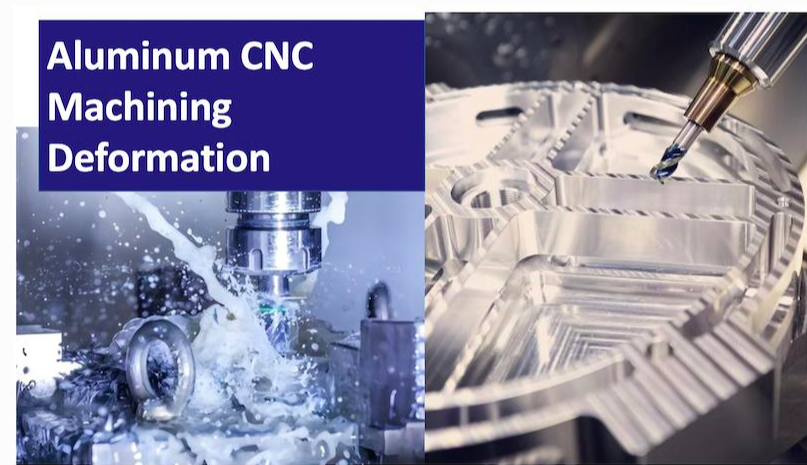
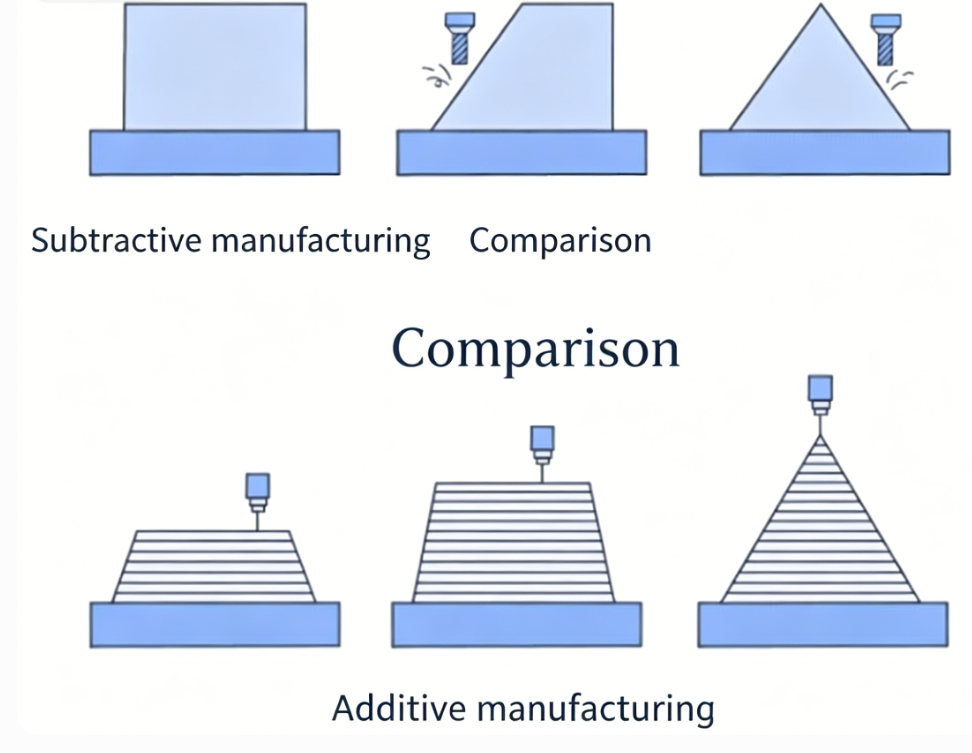
It integrates multiple processes including 3D printing, CNC precision machining and vacuum casting, focusing on subtractive manufacturing, additive manufacturing and replication forming, which can convert design drawings into physical parts in a short time.
Formation of Rapid Prototype
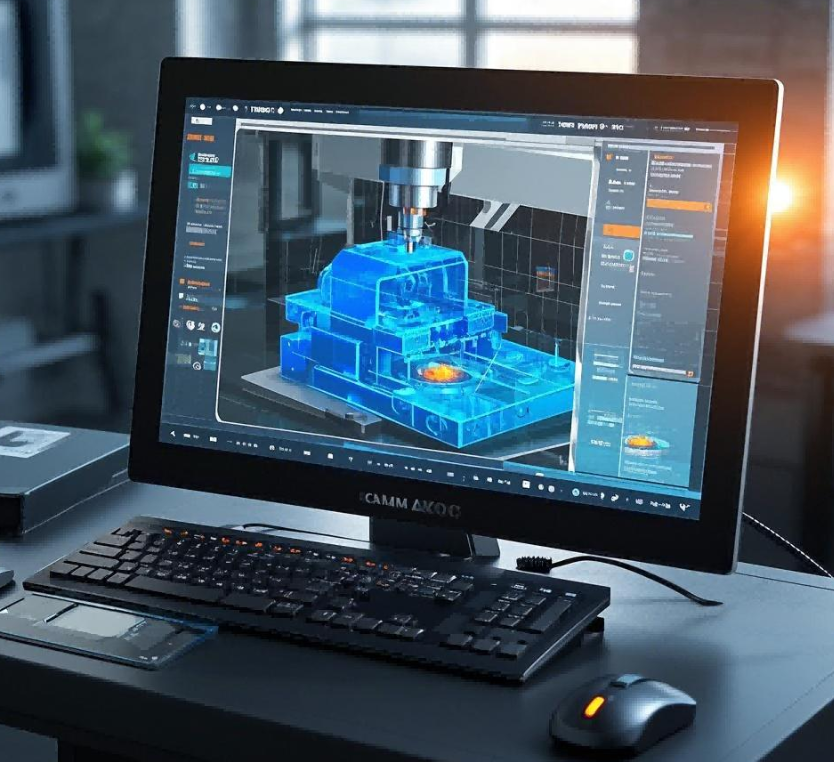
3D CAD Modeling: CAD software builds 3D models to convert design concepts into digital data for rapid prototyping.
Model Pre-processing: Convert 3D models to STL, slice into 0.05–0.4mm 2D layers with supports generated for precise forming data.
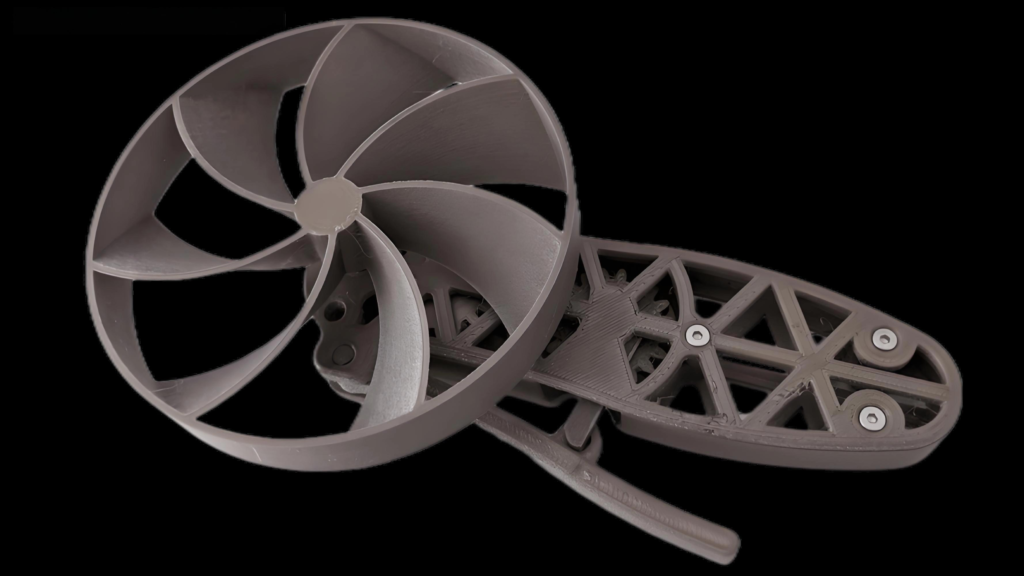
Forming Machine Automatic Operation: With preprocessed layer data, the equipment cures and bonds raw materials via laser, heat and jet energy. Layer-by-layer material lamination realizes growth-style prototype manufacturing.
Post-processing Optimization: Remove supports, clean, cure and polish prototypes to boost accuracy and surface quality, delivering qualified rapid prototypes.
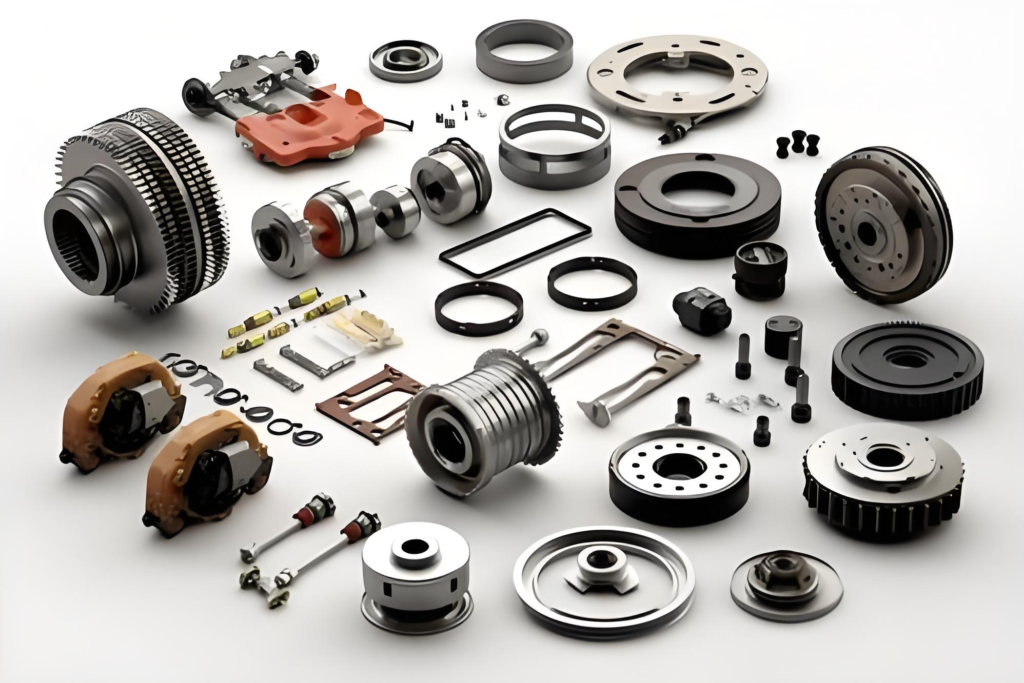
What are the advantages of rapid prototypes?
Shorten R&D cycle:
No mold opening or complex tooling required. 3D drawings can be directly formed for rapid sampling and delivery.
Reduce trial-and-error costs:
Eliminate high mold investment, control the cost of single-piece and small-batch samples, and lower R&D risks.
Complex Structure Manufacturing:
Produces intricate structures unworkable with traditional processing.
Efficient Design Iteration:
Rapid drawing modification and sample remaking enable version comparison for structural and assembly optimization.
Integrated forming with high precision:
Parts are integrally formed to reduce assembly gaps and cumulative errors.
Wide Material Selection:
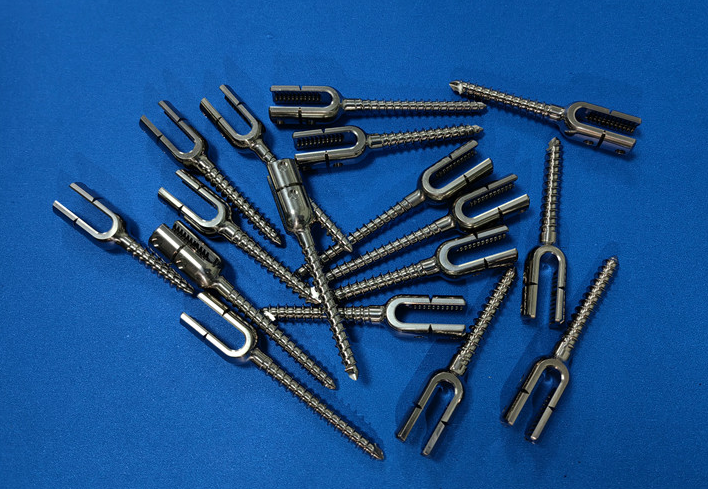
Covers resin, engineering plastics, aluminum, stainless steel, titanium alloy and PEEK.
Dual prototyping & low-volume production:
supports R&D verification and small-batch customized manufacturing.
Intuitive Physical Verification:
Rapidly deliver samples for appearance check, functional testing, customer approval and project delivery.
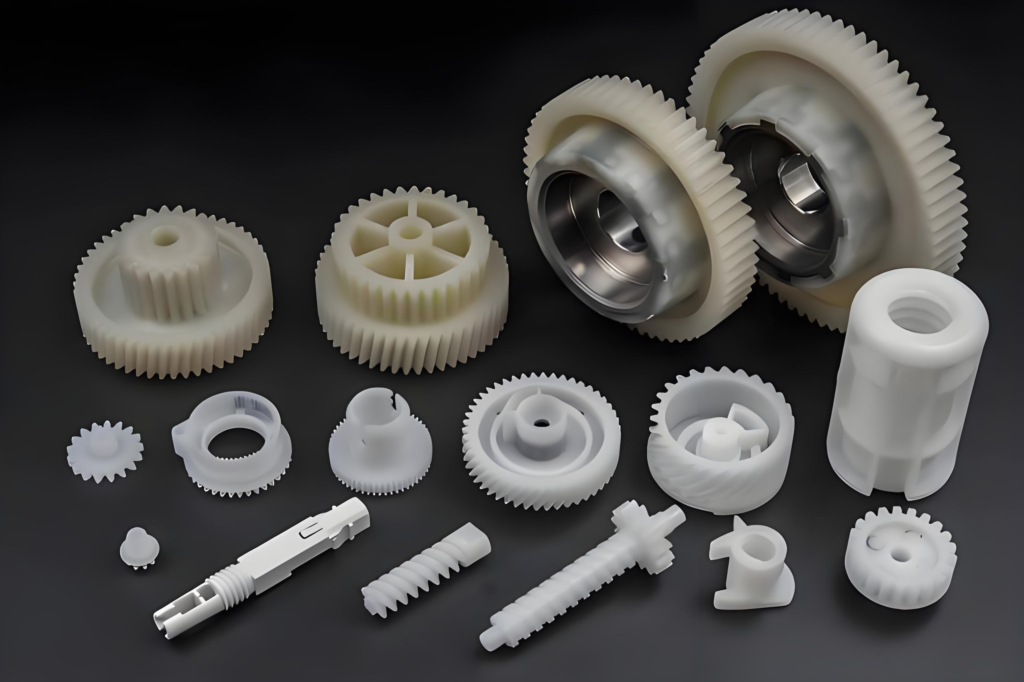
Rapid prototyping cuts time and cost, delivers complex parts with high precision and fast iteration. Multi-material support covers prototyping and small-batch production for efficient R&D verification.
What should be noted for rapid prototyping?
Drawing & Design Standard
Confirm complete 3D files without broken surfaces, interference or unclosed cavities.
Optimize draft angle, fillet and rib structure to avoid forming defects.
Material Selection
Select materials by application: appearance, load-bearing, heat resistance, wear resistance.
Distinguish resin, engineering plastic and metal to meet functional requirements.
Process Limitations
Control minimum wall thickness, hole size and fine features.
Add support for deep cavity & overhang structures to prevent deformation.
Accuracy & Tolerance
RP tolerance is limited; reserve assembly gap for mating parts.
Mark critical dimension tolerances in advance.
Post-processing
Clarify post-treatment: sanding, painting, anodizing, polishing, passivation.
Confirm surface finish to avoid color difference and appearance defects.
Strength & Batch Demand
Prototypes are for verification only, not for long-term heavy load.
Switch to mass production process for formal batch orders.
Inspection & Delivery
Confirm delivery time, dimension benchmark and appearance standard.
Complete assembly testing for complex assemblies.
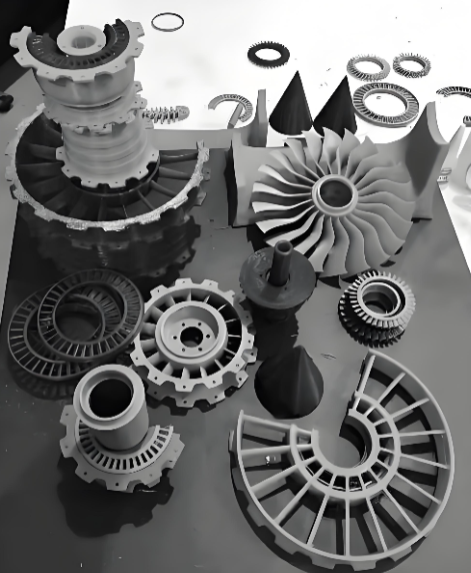
Optimize structural design, select suitable materials, control precision and post-processing, and meet actual testing requirements.
Materials for Rapid Prototyping
Plastics
ABS, PLA, nylon, PEEK, for structural load-bearing components.
Metals
Aluminum alloy, stainless steel, titanium alloy, for high-strength precision parts.
Special materials
Silicone, glass fiber, carbon fiber, for flexible, high-temperature resistant and wear-resistant applications
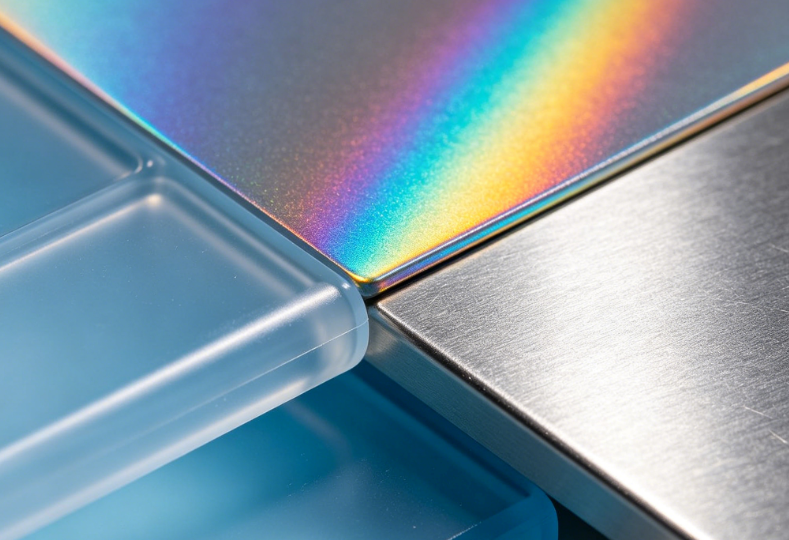
Rapid prototyping materials cover engineering plastics, metals and special functional materials, with a full range to meet diverse testing requirements.
Rapid Prototyping vs 3D Printing
Broader Scope: Rapid prototyping includes 3D printing, as well as CNC, vacuum casting and other processes, offering more options.
Higher Strength & Precision: Compatible with metals and high-strength engineering materials, delivering better dimensional accuracy and stability than standard 3D printing.
Superior Surface Quality: Fine texture with electroplating, oxidation and other finishing treatments available, achieving mass-production-grade appearance.
Stronger Applicability: Suitable for prototype verification and small-batch production of durable parts.
3D printing serves as core rapid prototyping tech. The two are inclusive: rapid prototyping is a concept, with 3D printing as its implementation.