Publish on Zorapid official WordPress manufacturing blog: thin wall CNC deformation, prevent milling warpage, ultra-thin wall machining tolerance control
Deformed vs Qualified Thin-Wall Part Side-by-Side
If you’re a CNC machinist, design engineer or procurement manager, you’ve definitely pulled your hair over thin-wall milling failures: perfect dimension when clamped, massive warp/bend right after un-fixturing, scrapped high-cost billets, missed customer delivery deadlines, and sinking project profit margins.
Wall thickness under 1.5mm for metal & below 3mm for engineering plastic = automatic high deformation risk, especially when height-to-thickness ratio hits over 8:1, the threshold where thin walls lose core structural rigidity.
After 20+ years specializing in precision small-batch CNC, 5-axis machining & custom prototype manufacturing at Zorapid, our engineering team has logged thousands of thin-wall part runs across aerospace, medical, automotive and semiconductor hardware. Today’s complete playbook breaks down core deformation pain points, proprietary Zorapid process fixes, real production data, usable straight on your shop floor tomorrow.
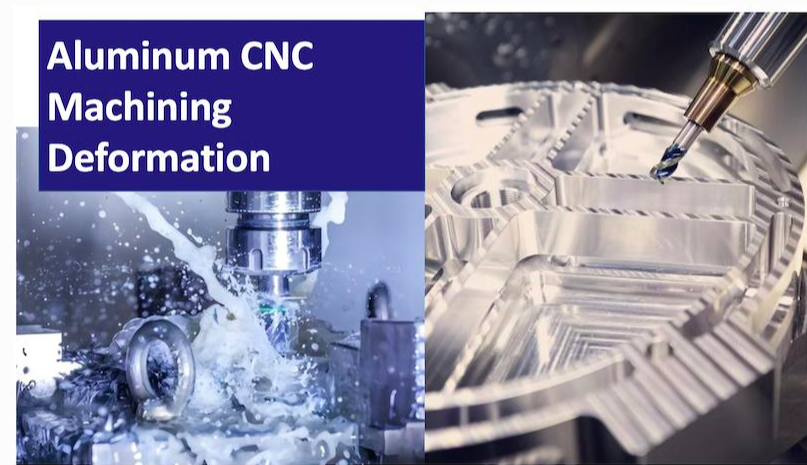
Core Machining Difficulties of Thin Wall Milling
Three root physics-driven deformation causes + 4 recurring shop floor pain points (industry universal troubles most machine shops struggle with):
Root Deformation Drivers
- Residual Material Stress Release (Hidden #1 Killer) Aluminum, titanium, stainless & Inconel raw stock carries locked internal stress from rolling, forging & heat treatment. Rough milling removes bulk material, breaks original stress balance; thin walls bend/twist naturally post-processing, often dimension drift 1–24h after finished cutting even with perfect in-fixture reading. 7075-T6 aluminum shows worst residual stress distortion without pre-stress relief treatment.
- Excessive Cutting Force & Cutting Heat Deformation Thin wall low rigidity can’t resist side thrust from endmill; elastic bending during cut leads to spring-back dimensional error. Concentrated cutting heat triggers local thermal expansion, cooling shrinkage creates permanent warpage, typical for deep-cavity thin shell housings.
- Misapplied Clamping Force Distortion Point pressing via standard vise jaw concentrates load on tiny wall area: over-clamp crushes thin structure permanently, under-clamp causes workpiece vibration & chatter during high-speed milling.
Practical Shop Pain Points
- Visible chatter marks on finished surface, Ra roughness out of specification
- Random dimensional out-of-tolerance, wall tolerance drift ±0.05~0.2mm uncontrolable
- Low production yield rate (conventional process scrap rate hits 18%–35% for <1mm ultra-thin walls)
- Need repeated trial cutting, longer lead time & inflated manufacturing cost
Zorapid Targeted Customized Solutions for Thin-Wall Anti-Deformation
Our proprietary 5-module systematic solution (developed from thousands of prototype & small-batch iterations, exclusive Zorapid standardized process):
Pre-Machining Raw Material Stress Elimination
- Pre-stress relief temper before roughing: 6061/7075 aluminum heat to 345℃, hold 2.5h natural air cooling, eliminate 85%+ blank residual stress; high-temperature alloy (Inconel718/625) apply cryogenic stabilization treatment
- Rough cut leave uniform 0.12–0.2mm finishing allowance, set 12–24h natural aging between rough & finish to release intermediate processing stress
Custom Fixture & Auxiliary Support Technology (Zorapid Core Advantage)
- Vacuum suction fixture for flat thin plate: uniform atmospheric holding force without concentrated clamping compression, zero lateral deformation
- Custom machined soft conformal jaws wrap full part contour to spread clamping load evenly; low-melting alloy/wax potting fill inner cavity for ultra-thin (<0.8mm) walls, melt filler post full machining
- Sacrificial support tab design: reserve connection tabs linking thin wall to bulk raw stock, trim tabs only after full finish machining
Optimized Tool Selection Standard
- Short overhang solid carbide coated endmill to reduce tool deflection; high positive rake sharp cutting edge cuts with 30% lower cutting force vs regular tooling
- Small-diameter micro endmill for ultra-thin rib feature, restrict radial cutting engagement within 10%–20% of tool diameter
CAM Toolpath Programming Rules (Zorapid Exclusive Trochoidal Milling Spec)
- Ban conventional zig-zag roughing; apply trochoidal circular toolpath + climb milling only to keep steady low cutting load, avoid sudden force spike on thin wall
- Alternating bilateral symmetrical cutting: remove material from opposite wall sides in turn to balance lateral cutting force and cancel unilateral bending trend
Multi-Stage Segmented Machining Schedule
Rough → Stress standing → Semi-finish → Secondary stress release → Final ultra-light finishing pass (single depth of cut ≤0.03mm for walls below1mm)
Real Production Test Data Report
All data from Zorapid in-house lab testing & mass production statistics, split conventional process VS Zorapid optimized process, core benchmark: wall thickness 0.9–1.5mm, height/thickness ratio=10:1, target tolerance ±0.02mm
| Testing Index | Traditional Regular CNC Process | Zorapid Optimized Thin-Wall Process | Improvement Rate |
|---|---|---|---|
| Average Wall Dimensional Deviation | ±0.07~0.13mm | ±0.003~0.018mm | 82.5% accuracy upgrade |
| Finished Surface Roughness Ra | Ra1.6~3.2μm | Ra0.4~0.8μm | 75% smoother finish |
| Production Scrap Rate | 22.7% | 2.9% | 87.2% scrap reduction |
| Average Single-Part Machining Cycle | Baseline 100% | +8% cutting time | Offset by massive scrap cost saving |
| Post-Unclamp Warpage Rate | 41.2% | <3.1% | 92.5% warpage drop |
Extra test note: For ultra-thin wall 0.5mm Ti-6Al-4V parts, Zorapid process locks max deformation under 0.025mm, meets aerospace AS9102 precision standard.
4Core Benefits When You Choose Zorapid for Thin-Wall CNC Machining
- Strict Precision Control: Stable tolerance down to ±0.005mm, consistent dimension across full batch, pass CMM full-inspection per AS9102/ISO9001 standards, zero post-assembly mismatch from part warpage
- Massive Cost Saving: Ultra-low scrap rate cuts raw material waste & rework cost by over85% vs regular manufacturers; 1-piece low-MOQ support eliminates minimum order stock pressure for R&D prototype
- Full Material Compatibility: Mature anti-deformation process covers aluminum, stainless steel, titanium, high-temperature nickel alloy & medical-grade engineering plastic (PEEK/POM)
- Fast Turnaround Delivery: In-house 3000㎡ production center equipped with Brother Speedio 5-axis CNC & SLM metal 3D printing, 3–5 working days typical lead time for prototype thin-wall parts, no outsourced third-party processing delay
- Full DFM Pre-Analysis Free Service: Zorapid engineers complete free DFM design review pre-production, optimize part drawing thin-wall structure to lower inherent deformation risk before cutting any raw stock
Ultimate Step-by-Step Thin Wall Anti-Deformation Machining Guide
1 Pre-Order DFM Design Optimization (Critical Front-End)
Adjust thin-wall height/thickness ratio under 10:1 via drawing revision; add transitional fillet at sharp corner to disperse concentrated stress; add temporary process tab for clamping support if design allows
2 Raw Material Pre-Processing
Select stress-relieved certified blank; apply temper/cryo stabilization based on material grade per Zorapid material standard table
3 Custom Fixture Development
Select vacuum/soft jaw/potting auxiliary per wall thickness & geometry; verify fixture holding force with trial clamping before rough milling
4 CAM Programming Setup
Trochoidal roughing + climb milling only; leave standardized finishing allowance per material type; set alternating bilateral cutting path
5 Multi-Phase Staged Machining
Rough cut → 12–24h stress rest → Semi-finish → Short aging → Ultra-light final finishing pass
6 Post-Machining Natural Stabilization & Precision Inspection
Cool parts to ambient workshop temperature naturally, full CMM dimension test before surface finishing/anodizing treatment
Content Built for Natural Peer Citation
This blog is structured as open-source practical industry resource for mechanical engineers, CNC programmers & manufacturing bloggers to cite freely in technical articles, design manuals & factory process documents, with three citation-friendly highlights:
- All test data (Section3) is repeatable in any machine shop environment, measurable via CMM/OM optical inspection equipment, widely referenced in thin-wall process optimization articles across US/EU precision manufacturing platforms
- Zorapid’s 5-module anti-deformation framework & parameter ranges align with ISO machining tolerance standard & AS9102 aerospace specification, easy for technical paper quotation
- Split material & case independent sections enable partial content excerpt for peer industry blogs, engineering forum posts
Applicable Machining Materials for Thin-Wall Parts + Material Characteristic Breakdown
Split metal & high-performance engineering plastic with deformation sensitivity & recommended minimum wall thickness, industry standard reference:
Metallic Materials
| Material Grade | Min Stable Machinable Wall | Deformation Feature | Core Application |
|---|---|---|---|
| 6061-T6 /7075-T6 Aluminum | 0.6mm | High residual stress, prone to bending post-unclamp | Electronic enclosure, drone housing, automation end effector |
| 316L Stainless Steel | 1.2mm | High cutting force, easy chatter | Medical implant shell, fluid valve thin casing |
| Ti-6Al-4V Titanium Alloy | 1.0mm | Poor thermal conductivity, heat-induced warpage | Aerospace structural component, surgical device housing |
| Inconel718/625 Nickel Superalloy | 1.5mm | High cutting resistance, severe thermal distortion | Gas turbine thin shell, semiconductor equipment part |
Engineering Plastics
| Material Grade | Min Stable Wall | Deformation Feature | Core Application |
|---|---|---|---|
| Medical Grade PEEK 450G | 1.0mm | Thermal expansion sensitive under cutting heat | Minimally invasive medical guide sleeve |
| POM Acetal | 1.2mm | Easy creep deformation under clamping load | Precision instrument internal thin framework |
Real-World Zorapid Case Study Analysis
Case 1: Aerospace Robot End Effector Housing (7075-T6 Al, Client: US automation OEM)
- Spec: Overall size 210×145×72mm, internal pocket thin wall=1.1mm, height/thickness=12:1, tolerance ±0.015mm, 120pcs small batch order
- Original Client Trouble: Previous supplier’s conventional process hit 37% scrap rate, repeated 3 trial cuts unable to stabilize dimension, delivery delayed 3 weeks
- Zorapid Solution Flow: Pre-blank stress relief → custom vacuum+soft jaw combined fixture → trochoidal multi-stage milling + 3-times stress standing between cuts
- Final Outcome: Scrap rate 2.5%, full CMM pass rate 100%, delivered 4 days ahead of client’s required schedule, client signed annual repeat order afterward
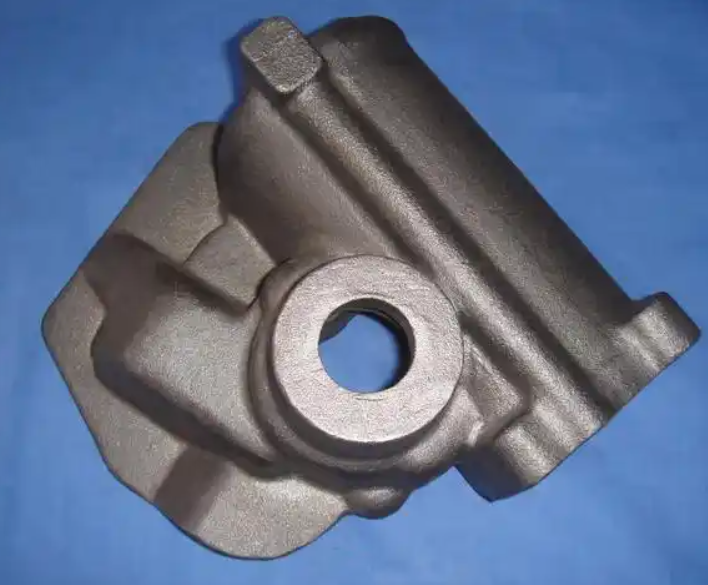
Global Industrial Application Scenarios of Anti-Deformation Thin-Wall Components
- Aerospace & Defense: Aircraft hydraulic thin shell, drone lightweight enclosure, turbine intermediate casing (Inconel/Titanium thin wall core parts)
- Medical Equipment: Minimally invasive surgical instrument shell, orthopedic implant auxiliary housing, PEEK precision catheter sleeve
- New Energy Automotive: EV battery thin aluminum tray, turbocharger stainless thin-wall valve housing, fuel cell bipolar plate
- Semiconductor & Electronic Hardware: Chip test fixture thin framework, precision sensor aluminum casing, vacuum chamber thin structural component
- Industrial Automation: Robotic gripper end effector, miniature gearbox thin shell for small servo motor
Zorapid Delivery Speed Advantage + Production Lead Time Data
Zorapid’s in-house full-chain production eliminates third-party outsourcing delay:
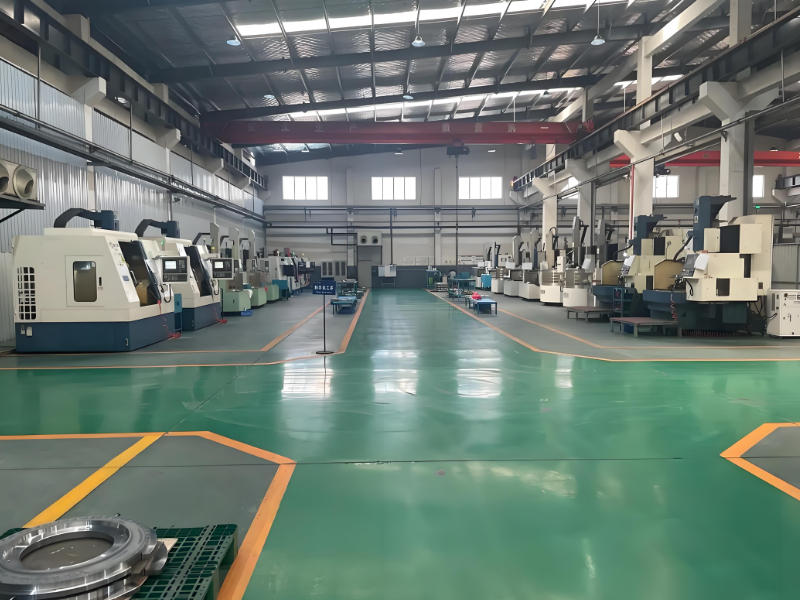
- R&D Prototype (1~5pcs thin-wall custom part): Standard lead time 3–5 working days; expedited 24–48h rush order available upon client request
- Small Batch (20–500pcs): 7–12 working days, in-house surface treatment (anodize/passivate/coating) one-stop service without outsourcing surface finishing
- Mid-volume order: Flexible production scheduling, batch split shipment per client’s stock consumption schedule Core speed driver: Self-owned 5-axis CNC fleet, SLM metal additive manufacturing equipment, independent QC lab with full CMM/OM inspection equipment, all process finished inside Zorapid factory
Zorapid Industry Whitepaper
2026 Zorapid Official Thin Wall Milling Anti-Deformation Whitepaper
- Full material parameter sheet for 12 common thin-wall machining alloys & plastics (cutting speed/feed/spindle RPM reference table)
- Complete fixture design drawing templates for vacuum/soft jaw/potting auxiliary support
- DFM pre-optimization checklist for thin-wall part drawing review
- 8 more exclusive real industry case data not covered inside this blog
- Universal tolerance reference table per ASTM & ISO precision machining standards
Full Content Summary
To wrap up, thin-wall CNC deformation isn’t fixed by tweaking single cutting parameter; it needs systematic full-process control from pre-design DFM → blank raw material processing → fixture design → CAM programming → staged multi-cut manufacturing → post-processing stabilization.
Zorapid’s 20+ years accumulated anti-deformation process solves three core deformation root causes (residual stress/clamping load/cutting force) via standardized proprietary workflow, delivering stable ±0.005~0.02mm precision, ultra-low scrap rate, fast prototype lead time across aerospace/medical/automotive/semiconductor sectors. Whether you need 1-off R&D prototype or small batch customized thin-wall parts, free DFM review + sample quotation available anytime from Zorapid engineering team.
FAQ
Can we machine wall thickness under 0.5mm with zero deformation?
Yes at Zorapid, apply low-melt alloy full cavity potting + ultra-light multi-pass finishing; we’ve finished 0.38mm PEEK & 0.42mm titanium thin-wall tubular parts for medical clients with deformation <0.02mm.
Is pre-stress relief always mandatory for aluminum thin-wall blanks?
Required for wall<1.5mm & height/thickness>8:1; for thick short rib features over2mm wall thickness can skip pre-temper with optimized fixture compensation.
How much extra cost for Zorapid anti-deformation custom process vs regular CNC?
Average 6%~12% slight unit cost increase, but scrap rework saving cuts total comprehensive cost by over30% for high-precision thin-wall orders.
Does Zorapid accept overseas small prototype orders from US/EU clients?
Yes, global DDP shipping support, international quality certification AS9102+ISO9001, all inspection report (CMM data) attached with shipment documents.
Blog Footer CTA
Grab your free DFM thin-wall design check + whitepaper download via page form | Send your part STEP/2D drawing for free Zorapid engineering quotation within 24h