Aluminum is one of the most widely used materials in modern manufacturing. Featuring high strength, light weight and excellent corrosion resistance, it is ideal for a wide range of industrial applications, including aerospace, automotive and electronics industries.
When combined with CNC milling technology, aluminum offers even broader application possibilities. Advances in technology have enabled modern machining methods, delivering precision cutting, fast production and superior surface finish. This is one of the reasons why enterprises always look for reliable metal milling service partners to manufacture complex components with high precision through aluminum milling.
As a leading custom manufacturing company, Zorapid provides professional tailored solutions for your aluminum milling projects, covering the entire process from understanding your product requirements to final production and implementation.
This article explores why aluminum has become a popular material for milling, the challenges involved, optimal aluminum cutting tools, and proven methods to achieve the most satisfactory machining results.
Why Is Aluminum a Popular Material for CNC Milling?
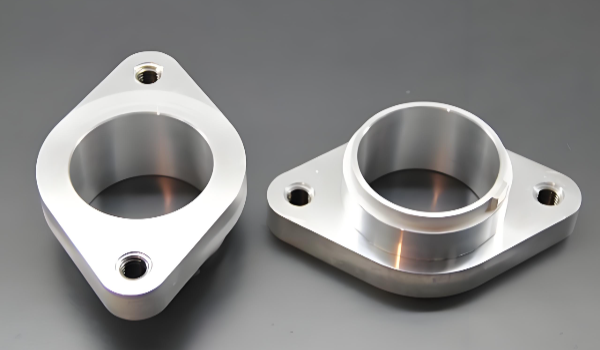
Aluminum is a highly favored milling material thanks to its lightweight, high strength and excellent machinability. Its superior workability allows cutting tools to machine the material at high speed with minimal tool wear. The metal delivers an ultra-smooth surface finish and supports tight tolerance requirements, making it ideal for precision machining. In addition, aluminum features great corrosion resistance and cost affordability. It has become the top choice for CNC aluminum machining across aerospace, automotive, electronics and prototyping industries.
What are the common challenges in the aluminum processing process?
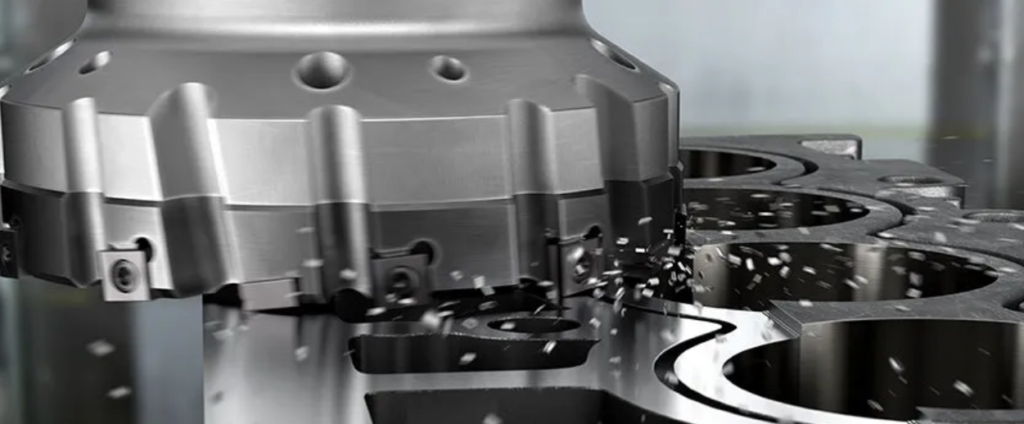
Chip Evacuation
Aluminum features excellent ductility, which forms long, soft chips during the milling process. Poor chip evacuation is a common issue, especially when machining deep grooves, narrow corners, or under insufficient coolant and air flow. Re-cutting of chips will cause surface scratches, tool damage, and reduced machining accuracy. Built-up chips may also make the tool deviate from its path, resulting in dimensional errors and poor surface quality.
Heat Generation
Excessively high spindle speed and improper engagement of cutting tools generate substantial heat without adequate cooling. Tool wear or built-up edge increases friction, leading to overheating in the cutting zone.
Overheating causes thermal expansion of both the tool and workpiece, which reduces dimensional accuracy. It may also soften the aluminum material, leave blurred surface finishes, or cause material fusion on the cutting edge. In other cases, the tool coating wears away prematurely and shortens the service life of the cutting tool.
Friction
Some aluminum alloys are among the softest materials in nature and tend to adhere to cutting tools, which is a major cause of friction. This adhesion wears down the tool and creates a built-up edge, altering the tool’s cutting geometry. Improper tool selection, dull cutting edges, or insufficient lubrication will only worsen the problem and negatively impact surface finish quality.
Proper lubrication and sharp carbide cutting tools are essential. Without them, friction becomes one of the biggest obstacles to efficient aluminum milling.
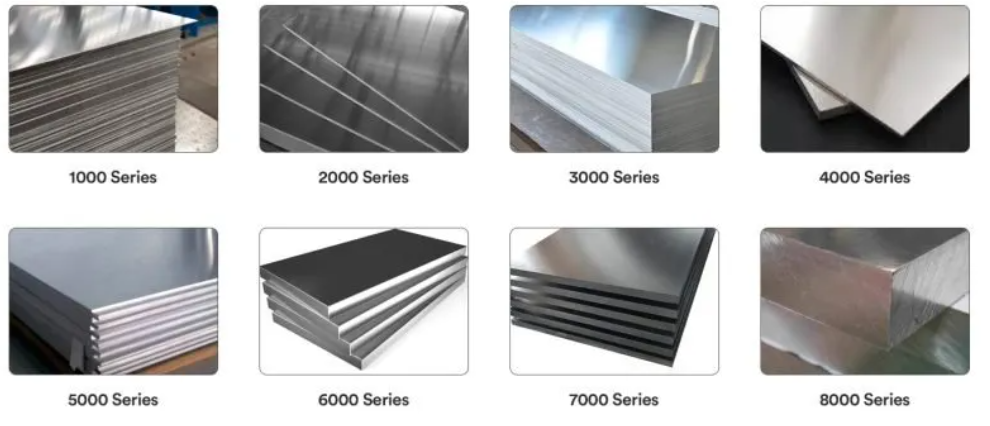
Different grades and alloys of aluminum differ in alloying elements and processing techniques. These variations affect the material’s strength, corrosion resistance, machinability, and weldability. It is critical to select the appropriate grade according to the intended application of the part, such as structural load, environmental exposure, and surface treatment requirements.
What Cutting Tools Are Used for Aluminum Milling?
In most machining setups, carbide tools are the optimal choice for cutting aluminum. Carbide cutters feature exceptional toughness, high strength, and outstanding heat resistance, maintaining a sharp cutting edge even under high-temperature conditions. They can operate continuously for extended periods in high-speed machining scenarios, where aluminum’s softness and adhesion tend to cause processing issues.
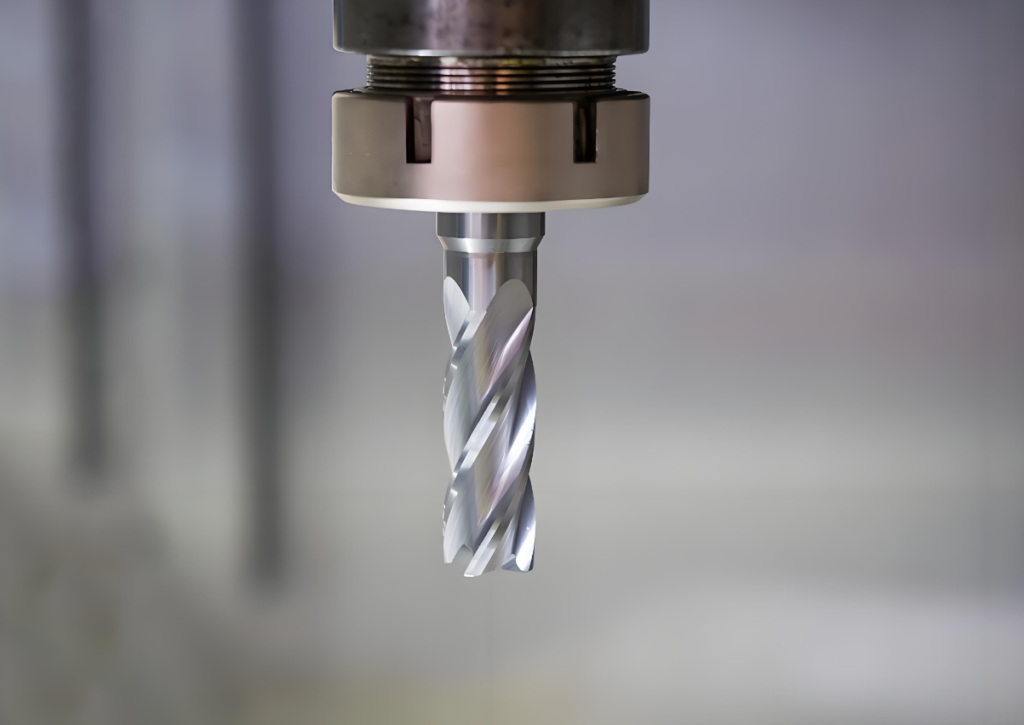
Selecting the right end mill geometry for aluminum milling is equally critical. Polished end mills with sharp angular edges generate less friction and deliver superior chip evacuation. This reduces heat buildup and cutting force, and prevents built-up edge formation on the tool cutting edge.
Is High Speed Machining (HSM) the first choice for aluminum alloy processing?
HSM is widely popular when applied to aluminum machining, offering the following advantages: faster production speed and higher-quality parts compared with conventional machining methods.
High-speed CNC aluminum milling technology is extensively adopted in industries such as aerospace, automotive, and prototyping. It saves time and cost while improving machining precision.
Notable advantages of high-speed aluminum machining:
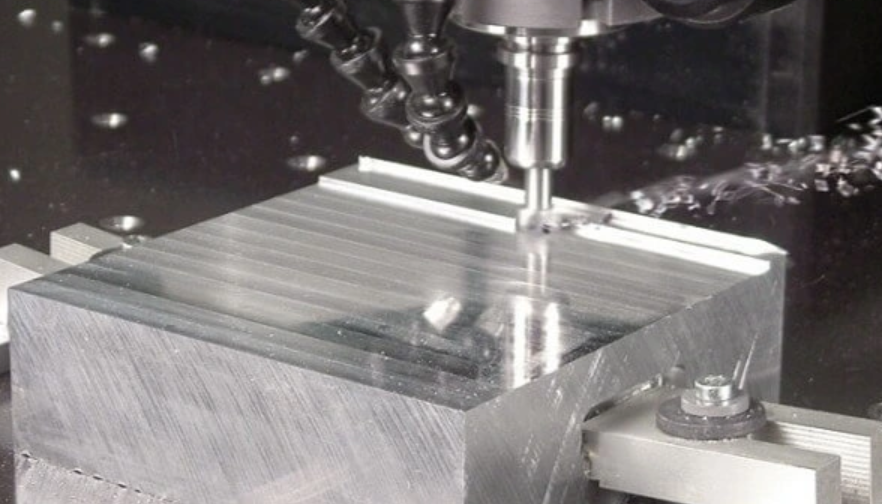
Deliver High-Precision Parts
HSM simplifies complex curved surfaces and delivers higher machining accuracy. As the feed rate increases, cutting force is reduced and vibration is minimized. This greatly improves surface finish and dimensional precision of parts.
Higher Productivity & Faster Feed Rate
High-speed machining allows much higher spindle speeds and feed rates, up to 2 to 3 times faster than conventional milling. The higher cutting speed enables faster material removal and significantly boosts overall production efficiency.
Dramatically Lower Cutting Temperature
Temperature rises moderately with speed increase but drops sharply at extremely high cutting speeds. At a cutting speed of 1200 m/min, the cutting temperature stays below 200 °C, effectively preventing thermal damage to aluminum material.
Minimal Coolant Consumption
Thanks to the low cutting temperature in high-speed milling, coolant usage can be greatly reduced. In many cases, only a small amount of lubrication is required. This cuts operational costs and creates a cleaner machining process.
Tighter Tolerance Capability
HSM provides highly reliable tolerance control, which is critical for industries such as aerospace. It produces components with strict dimensional tolerances and reduces the need for secondary finishing operations.
Extended Tool Service Life
Low heat generation and thinner chip formation greatly slow down tool wear. During high-speed cutting, aluminum material hardly adheres to the cutting edge. Tools remain sharp much longer and support higher production output.
Constant Tool Engagement Angle
HSM adopts intelligent toolpath strategies to maintain a consistent cutting engagement angle. The tool engages the material gradually without sudden load spikes. This enhances machining stability, improves accuracy, and further prolongs tool life.
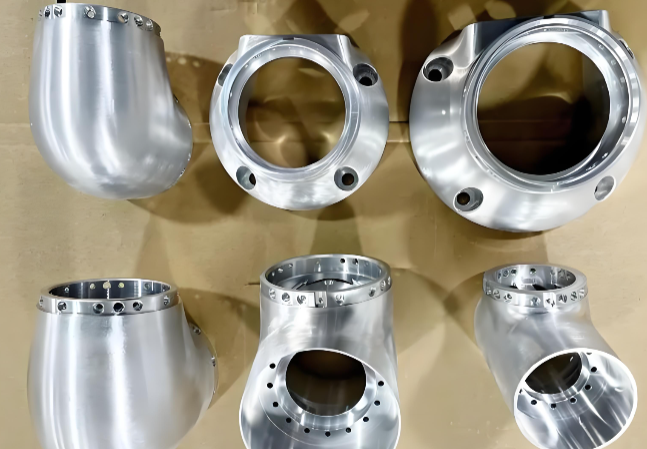
How to select the right cutting tools for your aluminum CNC machining project?
The selection of the most suitable cutting tools for aluminum processing depends on the material, geometric shape and cutting conditions. All these details affect the surface finish, tool life and processing efficiency of CNC machining of aluminum materials.
Cutting Tool Material
Solid carbide tools are the best choice for aluminum machining. Carbide features excellent heat resistance and longer cutting edge retention. It delivers precise dimensional accuracy even under high-speed machining conditions.
Flutes
2-flute end mills offer the best balance between chip evacuation and tool rigidity. With two cutting edges extending to the tool center, they perform efficiently in roughing, plunging and ramping operations.
3-flute end mills are more preferable for high-speed machining and can achieve a superior surface finish.
Helix Angle
The helix angle refers to the angle between the cutting edge and the tool axis.
A helix angle below 40° is sufficient for rough machining.
For high precision and fine finishing, an angle greater than 40° is recommended, with 45° being the optimal option.
If both roughing and finishing are required in one pass, a compromise helix angle around 40° is ideal.
Surface Treatment / Coating
Avoid using standard coatings for aluminum cutting. ZrN (Zirconium Nitride) is a better alternative, as it reduces material adhesion on tools and enhances cutting performance.
Feed and Speed
Feed rate and spindle speed are key considerations when selecting tools for aluminum milling. The cutting speed for aluminum milling tools generally ranges from 100 to 500 m/min, depending on alloy composition, tool diameter and material hardness.
For harder aluminum alloys, keep the cutting speed within 100–200 m/min. For softer aluminum grades, a higher speed range can be applied.
Cutting Fluid
Never perform dry cutting on aluminum. Use coolant or lubricant to control cutting temperature and prevent chips from sticking to the cutting edge.
WD-40 and other light-duty cutting fluids are suitable for keeping tools cool and improving chip evacuation.
What are the different methods of machining aluminum parts with a CNC milling machine?
CNC Machining
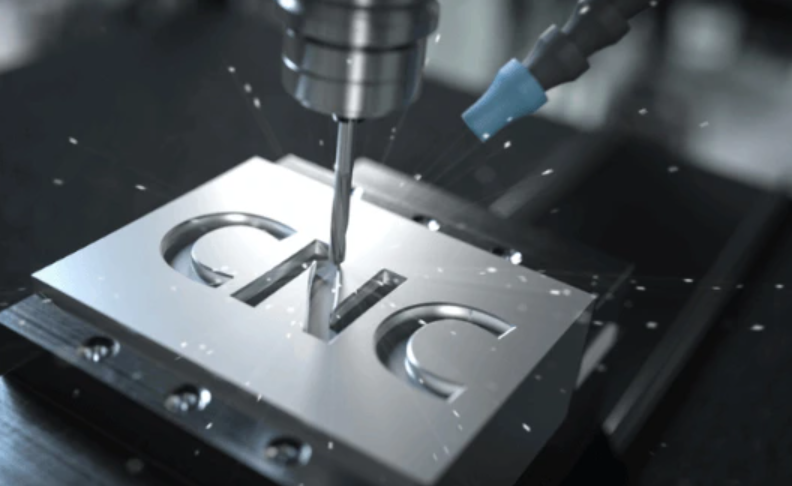
In CNC machining, aluminum blocks are processed by computer-controlled machine tools. CNC milling tools cut away excess material until the final shape is formed. This technology delivers high precision, clean edges, and intricate details. It is widely used in the manufacturing of mechanical parts, prototypes, and aerospace components.
Extrusion
Aluminum extrusion is a process in which aluminum is heated and forced through a die to take shape, similar to squeezing toothpaste. Extruded profiles feature consistent cross-sectional shapes. They can be cut into various parts and further machined. This process is ideal for manufacturing rods, frames, and window components.
Sheet Metal Fabrication
Sheet metal fabrication refers to forming thin aluminum sheets and other metal plates through bending, cutting, stamping and other processes. Production is usually completed with equipment such as laser cutters and press brakes. It is a cost-effective method for producing enclosures, covers and panels, especially suitable for medium and mass production.
Casting
Aluminum casting involves melting aluminum and pouring the molten metal into a mold. Once the molten material cools and solidifies, it takes the shape of the mold. Casting is an excellent choice for manufacturing parts with complex structures, commonly used for engine blocks, tools and housing components.
Forging
In the forging process, aluminum is shaped by stamping or hammering with heavy-duty dies. The process refines the grain structure of the material and greatly improves mechanical strength. Forging is widely applied to parts for automotive, aerospace and sports equipment. However, it is not suitable for producing highly intricate designs.
Superplastic Forming
Superplastic forming heats aluminum sheets to a soft, flexible state. Air pressure is then applied to force the material into a mold to create smooth curved components. This process produces strong yet lightweight parts, mainly used in automotive bodywork and aircraft manufacturing.
What is the best spindle speed for milling aluminum?
The ideal spindle speed for aluminum milling depends on tool diameter, alloy hardness, and tool material. For carbide tools machining common aluminum alloys such as 6061, the typical cutting speed ranges from 200 to 600 meters per minute (m/min).
This equates to a spindle speed of 8,000 to 24,000 RPM for a 10 mm diameter tool. The feed per tooth is generally between 0.1 mm and 0.3 mm per tooth, while the feed rate (linear movement of the tool) typically ranges from 100 to 300 mm/min, depending on the cutting depth and whether the operation is roughing or finishing.
In machining, rotational speed (or cutting speed) refers to the rotation rate of the spindle or workpiece, while feed rate is the linear speed at which the cutting tool advances into or along the material. Rotational speed determines chip load and material removal volume, whereas feed rate affects surface finish and chip formation.
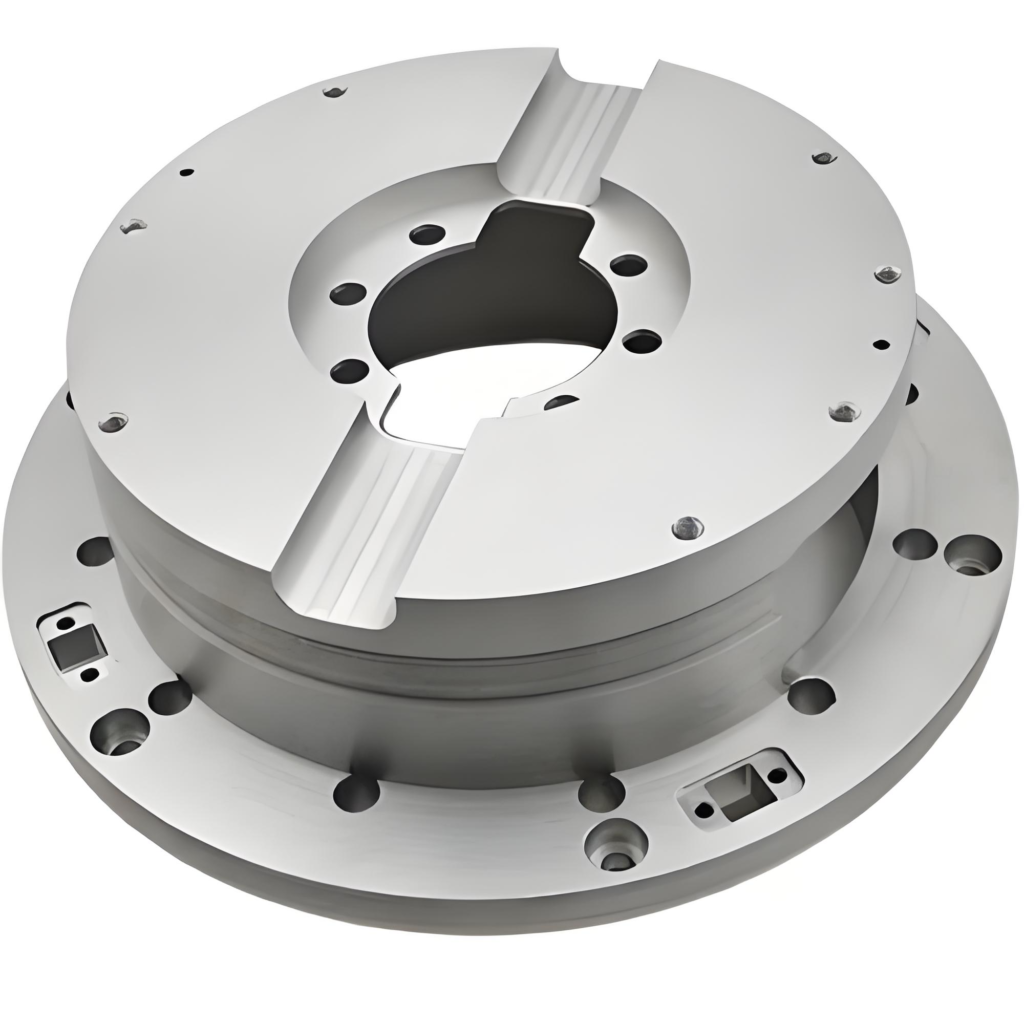
Aluminum features high strength, light weight and excellent machinability, and CNC machining makes it one of the most popular engineering materials. Manufacturers can boost production efficiency by adopting proper cutting tools, optimal spindle speeds, high-speed machining strategies, tighter tolerance control and longer tool life. Therefore, CNC aluminum milling stands as the ideal choice for industries requiring high precision and high efficiency.
For enterprises in need of a reliable manufacturing partner, Zorapid brings over 20 years of industry experience and delivers end-to-end solutions. Our team ensures precision, efficiency and reliability across all projects, with full expertise in CNC milling and turning, as well as state-of-the-art sheet metal fabrication technology. Choose Zorapid’s metal milling services, and you will receive components with outstanding quality.