Metalworking technology is the cornerstone of modern manufacturing and a core means of converting raw metal materials into components and finished products with specific functions that meet industrial requirements.
Metalworking technology is ubiquitous, ranging from home appliance casings and automotive parts in daily life to precision structural components in aerospace and implant devices in the medical industry.
Its core value lies in endowing metal materials with optimized form, performance and functionality through diversified processes. A wealth of processing options provides precisely tailored solutions for diverse scenarios and demands, driving the iterative upgrading of the manufacturing industry toward high efficiency, high precision and green development.
Core Functional Iteration: From Shape Forming to Function Creation, Empowering High-Quality Industrial Growth
Metalworking technology has long moved beyond the initial stage of merely changing shapes, and developed a three-dimensional functional system centered on shape forming, performance optimization and functional integration.
Every function is oriented toward solving industry pain points and enhancing product value, serving as a key driving force for technological breakthroughs across various fields.
Form Shaping
Form shaping refers to designing the appearance, structure, volume, lines and texture of industrial products, equipment and components in line with industrial logic. It is not merely about drawing something aesthetically pleasing arbitrarily; instead, it prioritizes meeting the requirements of function, craftsmanship and assembly before refining the overall visual presence.
Core Essence
Industrial shape shaping = Functional structure foundation + Process constraint finalization + Line & volume shaping temperament + Material texture defining industrial style
Main Application Objects
Mechanical equipment, machine tools, instruments and meters, sheet metal cabinets, automated equipment, robot housings, industrial components, injection mold appearances, new energy industrial equipment, etc.
Function First
The overall form shall follow internal structure, heat dissipation, assembly and disassembly, operation perspective and maintenance access. Appearance must not hinder usage or maintenance.
Process Feasibility
Design shall be compatible with industrial processes including sheet metal bending, CNC machining, injection molding, die casting, spraying and wire drawing. The design shall be aesthetically sound, mass-producible and cost-controllable.
Temperament Shaping
Adopt straight lines, sharp transitions, geometric blocks, symmetry and balance, together with low-saturation color tones, to create a professional, precise, steady, technological and tough industrial temperament.
Ergonomics & Safety
Edge chamfering, operation zone layout, protective contour and gripping structure shall balance safety and usability, and conform to operators’ working habits.
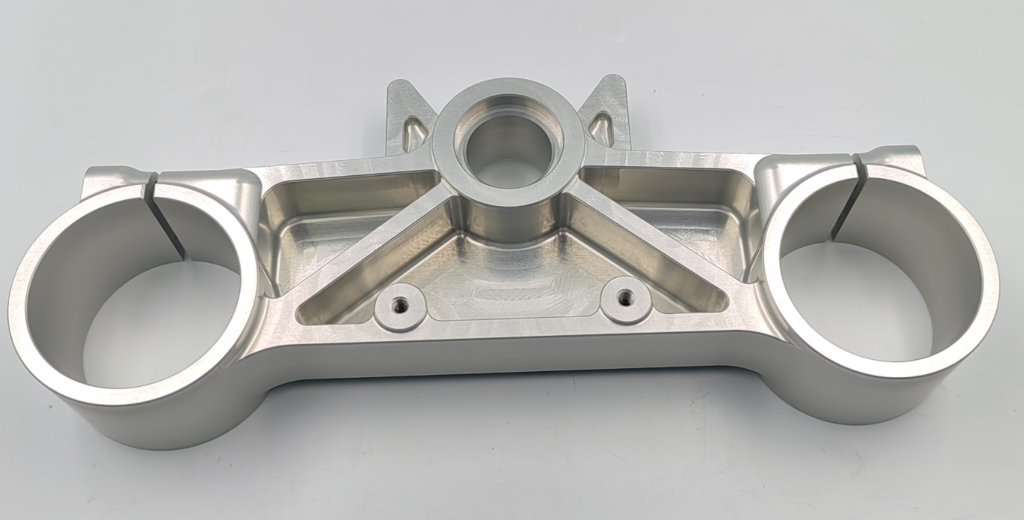
Performance Optimization: Customized & High-end, Adapted to Harsh Scenarios
The inherent properties of raw metal materials often fail to meet the stringent requirements of high-end industries. Through process optimization, metalworking technology enables customized upgrading of metal performance, allowing the same metal material to adapt to diverse application scenarios and greatly expanding the application boundaries of materials. This is also one of the most valuable core functions of metalworking technology.
In the field of high-end equipment manufacturing, precise regulation of heat treatment processes realizes targeted optimization of metal properties. Combined quenching and tempering applied to mold steel can raise its hardness above HRC 60 while maintaining excellent toughness. This solves the pain points of easy wear and fracture of molds, extending service life by 3 to 5 times. In the aerospace industry, hot isostatic pressing treatment on titanium alloy eliminates internal pore defects and improves tensile strength and fatigue strength, meeting the service requirements of aerospace vehicles under high-temperature, high-pressure and high-load conditions. In marine engineering, the combined process of cathodic protection and surface spraying extends the corrosion resistance life of metal components to more than 15 years in high-salinity and high-humidity environments, reducing the maintenance cost of marine equipment.
With the development of material science, metalworking is deeply integrated with material modification technologies to achieve customized performance design. According to product service requirements, properties such as hardness, toughness, wear resistance and electrical conductivity of metals can be precisely regulated, turning metal materials into tailor-made functional carriers.
Functional Integration: Integrated & Compound Structure, Enhance Product Added Value
Manufacturing is advancing toward intelligentization, lightweighting and integration. Single-function metal components can no longer satisfy the demands of end products. Metalworking technology is evolving in the direction of functional integration. By applying composite processing technologies, metal components are endowed with multiple functions at the same time, greatly improving product added value and market competitiveness.
1:New Energy Vehicle Industry
For battery trays of new energy vehicles, the integrated process of laser welding + surface passivation achieves firm connection of all components to meet load-bearing requirements. Meanwhile, surface passivation enhances corrosion resistance to safeguard battery safety. In addition, the integrated forming design substantially reduces the weight of the tray, facilitates vehicle lightweighting, and improves driving range.
2:Medical Industry
Artificial joints are processed by the combined technology of turning-milling compound machining + polishing + biological coating. It ensures precise dimensional accuracy to fit human bone structures. Surface polishing and biological coating deliver good biocompatibility to prevent human rejection, while excellent wear resistance effectively prolongs service life.
3:Intelligent Equipment Industry
Precision gears adopt the composite process of hobbing + grinding + carburizing. It realizes precise forming of gear tooth profiles, improves gear wear resistance through carburizing treatment, and maintains high transmission accuracy, meeting the high-speed and high-efficiency operation requirements of intelligent equipment.
The core value of functional integration lies in reducing working procedures and assembly errors through process integration. It enables metal components to achieve multi-purpose application with a single part, and promotes product upgrading toward lightweight, miniaturization and high reliability.
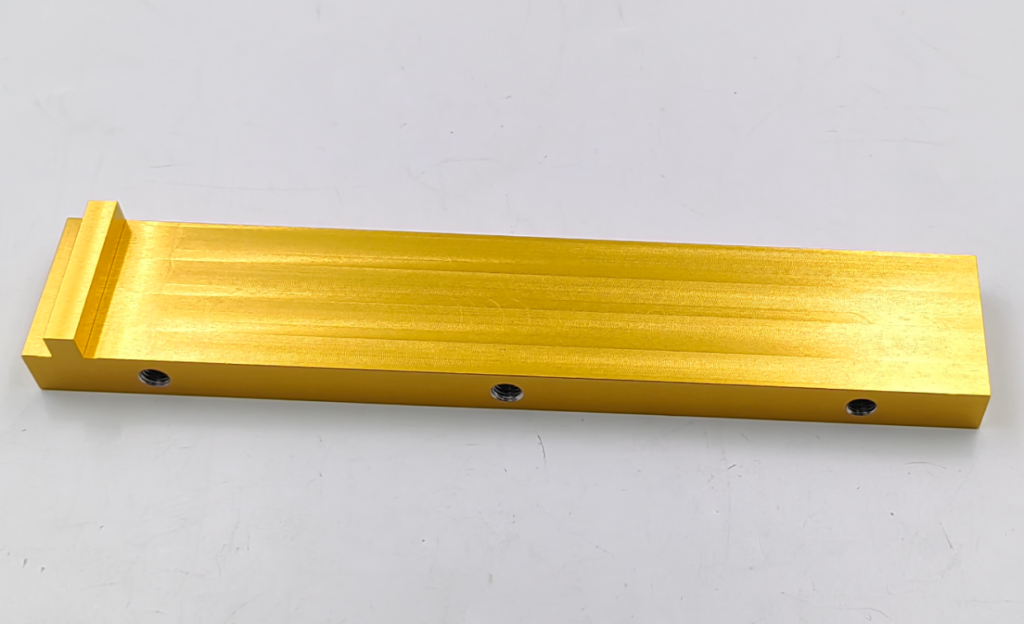
Core processing options: Specialize in niche scenarios to achieve precise adaptation and value maximization
The core principle of selecting metalworking options lies in matching requirements, balancing costs, and enhancing value. Different processing options vary greatly in precision, efficiency, cost and applicable materials. Only by deeply exploring segmented application scenarios and choosing the optimal processing solution based on product demands, material characteristics and production capacity scale can we achieve optimized manufacturing processes and maximize product value.
Cutting Machining: Dominated by Precision, Tailored for High-end Precision Applications
Cutting machining is the most widely used and mature method in metal processing. It features outstanding machining accuracy, superior surface quality and broad material adaptability. Especially suitable for high-end precision parts manufacturing, it has become the core processing method for aerospace, precision electronics, medical and other high-end industries. Its core value lies in precision and controllability. Numerical control technology enables automated and intelligent machining, minimizing manual errors to the greatest extent.
The selection of segmented processes shall fit application scenarios:
Turning is ideal for rotary parts such as shafts and discs, including automotive crankshafts and precision bearings. CNC turning can achieve dimensional accuracy up to ±0.001 mm, meeting the dynamic balance requirements of high-speed rotating components.
Milling applies to non-rotary parts such as gears, housings and complex curved surfaces. Five-axis linkage milling enables one-time forming of complex profiles without multi-process splicing, greatly improving machining efficiency and accuracy.
Grinding is used for components requiring ultra-high precision and superior surface quality, such as precision molds and aero-engine blades. Precision grinding delivers surface roughness down to Ra ≤ 0.01 μm, solving the surface accuracy pain point of high-end parts.
Drilling serves as an auxiliary process, cooperating with turning and milling to realize precise machining of hole structures, such as heat dissipation holes on electronic components and assembly holes on mechanical parts.
t is noteworthy that with the upgrading of CNC and cutting tool technology, cutting machining is evolving toward high-speed cutting and dry cutting. High-speed cutting can boost processing efficiency by 3 to 5 times, while dry cutting reduces the use of cutting fluid. It not only lowers costs but also realizes eco-friendly production, aligning with the development trend of modern manufacturing.
Plastic Forming: Efficiency First, Tailored for Mass Production Applications
Plastic forming boasts core advantages of high-efficiency mass production, high material utilization and improved mechanical performance. By applying pressure to induce plastic deformation of metal materials, it enables mass forming of components. Widely adopted in medium and large-batch industries such as automotive, construction and home appliances, it serves as a key solution to reduce unit cost and expand production capacity.
The application logic of its sub-processes is clear:
Forging is suitable for components bearing heavy loads and severe wear, such as gears, crankshafts and connecting rods. Hot forging refines metal grains and enhances mechanical properties, while cold forging achieves high-precision forming and cuts down subsequent processing procedures.
Stamping fits the mass processing of metal sheets, including automotive body panels, home appliance casings and hardware parts. Coordinated by dies and punch presses, it can operate dozens or even hundreds of cycles per minute, with material utilization exceeding 95% and greatly reduced material waste.
Extrusion is ideal for profile products such as aluminum and copper profiles. Die extrusion forms profiles with customized cross-sections featuring uniform dimensions and smooth surfaces, widely used in construction, automotive, electronics and other fields.
Rolling is applied to the continuous mass production of sheets, bars and pipes such as steel plates, steel tubes and steel rebars. It delivers large-scale output with extremely high efficiency and stands as a fundamental metal forming process.
The upgrading direction of plastic forming lies in precision and automation. Combining high-precision molds with automated production lines, its machining accuracy has approached that of cutting processing. It achieves the dual goals of mass production and precision forming, further broadening its application scope.
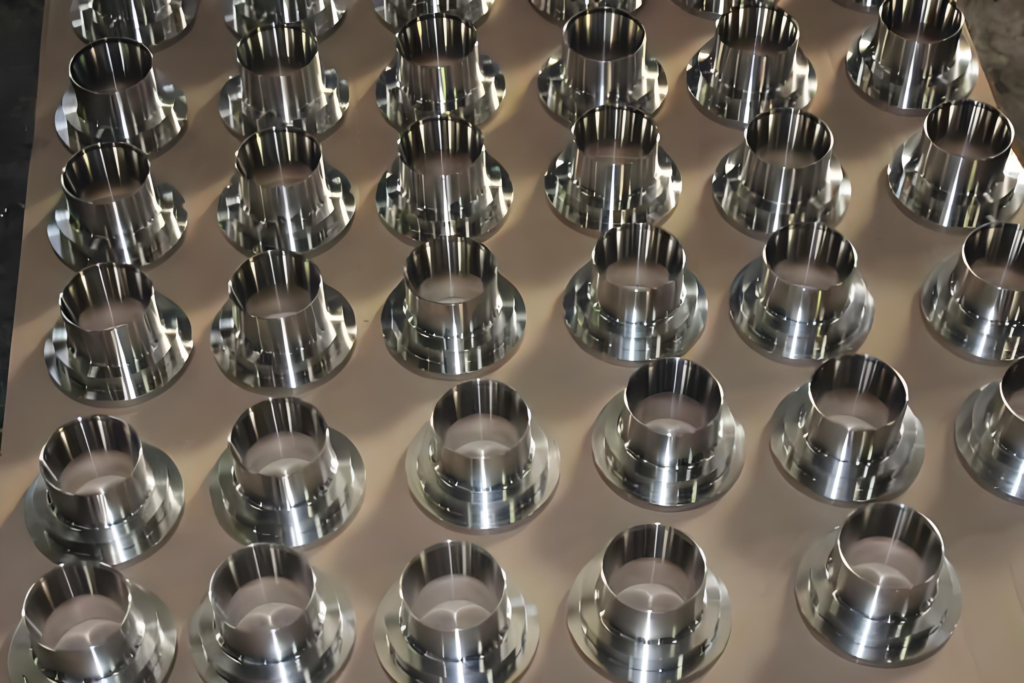
Connection Processing: Reliability as the Core, Tailored for Component Integration Scenarios
The core goal of connection processing is to realize component integration and ensure connection reliability. Its performance directly determines the overall stability and service life of products, making it a key link in the forming of complex products. Different connection methods adapt to varying requirements for strength, sealing and disassembly, and must be precisely selected according to application scenarios.
The value differences among core sub-processes are distinct:
Welding is suitable for connecting load-bearing and sealed components such as steel structures, automotive parts and pipelines. Laser welding delivers high precision and high strength with narrow weld seams and minimal deformation, ideal for high-end precision components. Arc welding meets mass-production and low-cost connection demands, widely applied in construction and machinery manufacturing.
Riveting fits detachable components under impact loads, such as aircraft fuselages and automotive frames. Featuring simple procedures and easy disassembly, it maintains stable connection performance.
Bolted connection is the most widely adopted joining method. It allows flexible disassembly and convenient maintenance, suitable for the assembly of all kinds of machinery and equipment.
Brazing is used for precision parts and dissimilar metal joining, including electronic components and aerospace parts. It produces smooth surfaces with high precision and enables accurate assembly of micro components.
The core value of connection processing lies in reliable adaptability. Whether in high-temperature, high-pressure or highly corrosive environments, or under requirements of high precision and lightweight design, there is a matched connection solution to guarantee the stability and reliability after component integration.
Surface Finishing: Elevate Aesthetics and Performance, Tailored for High-end End Applications
Surface processing is a key means to enhance product added value. Its core functions are improving surface condition, upgrading surface performance and optimizing product appearance. It not only extends product service life, but also meets the aesthetic demands of end products. It is especially applicable to fields with high requirements for surface quality, such as home appliances, consumer electronics and high-end equipment.
Each segmented process has its own focused application scenarios:
Electroplating (zinc plating, chromium plating, copper plating) improves the corrosion resistance, wear resistance and aesthetics of products. For home appliance shells and hardware accessories, electroplating delivers personalized appearance and long-term anti-corrosion performance.
Spraying processes (powder coating, liquid painting) support customized colors and textures with both anti-corrosion and decorative functions, and are widely used in furniture, home appliances, construction and other industries.
Anodization is mainly applied to aluminum and aluminum alloy parts such as mobile phone housings and aluminum profiles. It forms a dense oxide film to enhance corrosion and wear resistance, and allows dyeing to achieve diversified visual effects.
Polishing removes burrs and scratches on metal surfaces and improves surface smoothness for precision components and medical devices. It ensures dimensional accuracy while optimizing user experience.
Sandblasting is primarily used for pretreatment to remove surface scale and rust, strengthen the adhesion of subsequent coatings, and lay a solid foundation for follow-up surface treatment.
With consumption upgrading and the development of high-end manufacturing, surface processing is evolving toward environmental friendliness, personalization and high precision. Environmentally friendly processes such as cyanide-free electroplating and nanocoatings not only meet environmental standards, but also achieve superior surface performance.
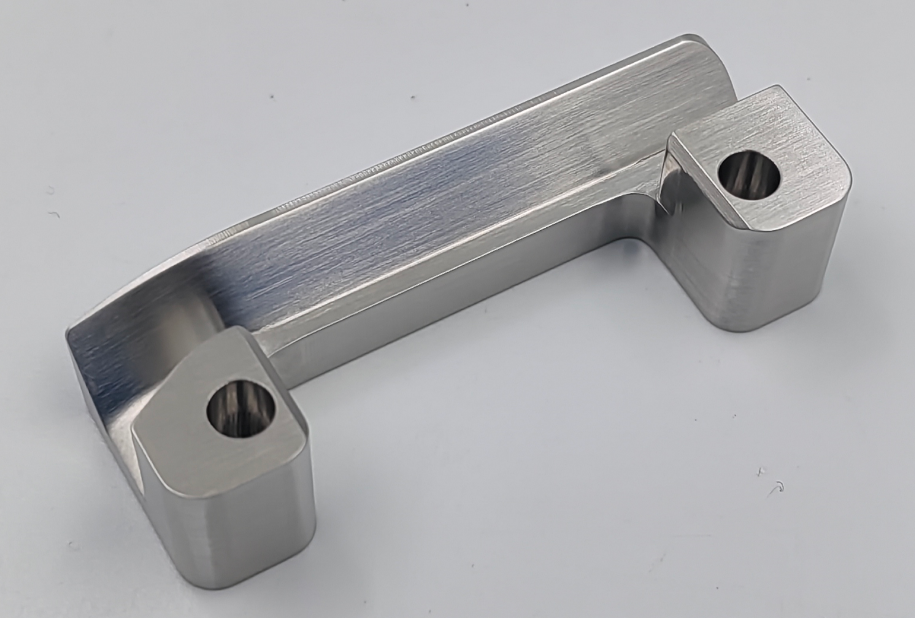
Option Selection Logic: Deeply Tap Core Value
Core Selection Logic: Value-oriented, Achieve Triple Balance
Choosing a metalworking option is essentially a triple balance of demand, cost and performance, following three core principles:
First, match application requirements. Prioritize compliance with the product’s precision, performance and production capacity demands. For high-end precision parts, five-axis milling and laser processing are preferred; for mass-produced parts, stamping and rolling are the optimal choices.
Second, balance cost control. On the premise of guaranteeing product quality, select processes with high machining efficiency, high material utilization and reasonable equipment investment, and avoid cost waste caused by over-processing.
Third, adapt to material properties. Select processes according to the hardness, toughness, ductility and other characteristics of metal materials. For example, cemented carbide is suitable for grinding; aluminum profiles fit extrusion processing; titanium alloy is ideal for hot isostatic pressing and laser welding.
For new energy vehicle component manufacturers, the combined process of laser welding + surface passivation is adopted for battery trays, which satisfies lightweight and anti-corrosion requirements while enabling mass production.