Aluminum vs Stainless Steel
Engineering and manufacturing rely on a wide range of materials, each with distinct benefits and properties. Aluminum is lightweight, corrosion-resistant and easy to machine — perfect for parts needing light weight with solid strength. Stainless steel is heavier, but offers far better strength, wear and corrosion resistance, ideal for high-stress, high-durability applications.
Aluminum machines easily for cutting, drilling and forming, runs cooler and enables faster production. Stainless steel is tougher, needs specialized tools and slower machining. Engineers opt for stainless steel when precision and structural integrity outweigh speed and weight.
Cost is another critical factor in material selection. Aluminum is typically more budget-friendly than high-grade stainless steel. Overall cost depends on application, maintenance, service life and working conditions. Aluminum is ideal for lightweight aerospace, automotive and structural parts to cut weight and energy use. Stainless steel stays the top pick for heavy machinery, medical gear and marine environments.
What is stainless steel? How is it made?
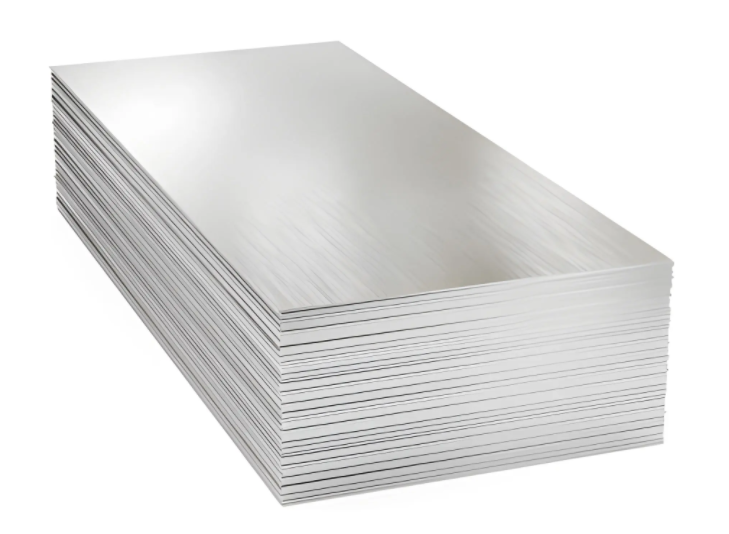
Stainless steel is an iron-chromium corrosion-resistant alloy with a minimum 10.5% chromium content. It forms a protective passive oxide film on the surface, blocking rust and chemical corrosion.
Key Alloying Elements
Nickel, molybdenum and manganese are often added to boost performance. Nickel boosts ductility and toughness; molybdenum improves pitting corrosion resistance; manganese increases strength and aids deoxidation during manufacturing.
Melting and Alloying
Raw iron ore and scrap steel are melted at 1500°C, blended with chromium and alloys for target composition.
Refining Process
Refining removes impurities like sulfur, phosphorus and excess carbon. AOD and VOD are the most common refining methods, delivering more consistent mechanical performance and corrosion resistance.
Casting and Rolling
Refined steel is cast and rolled into plates, bars and sheets.
Rolling boosts its strength, surface finish and consistency, leaving the stainless steel ready for machining, forming and fabrication.
Typical Stainless Steel Grades for CNC Machining
There are multiple grades of stainless steel available for machining. Each grade differs in mechanical properties and corrosion resistance. Selecting the right grade is critical to the performance and service life of parts.
304 stainless steel
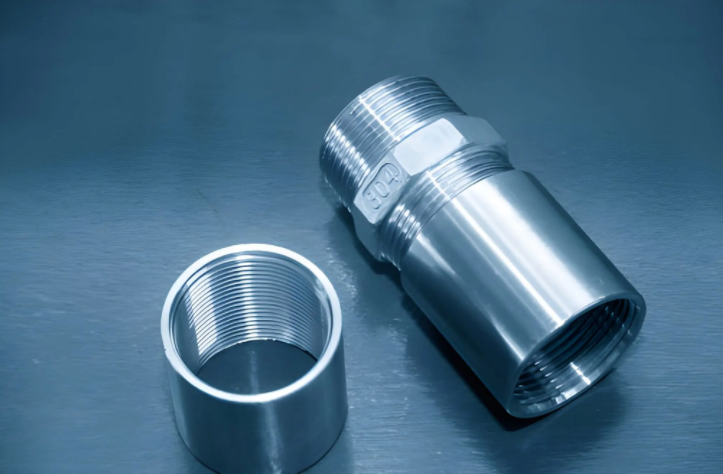
304 stainless steel offers strong corrosion resistance and toughness, easy machining for mechanical, food and construction use.
316 stainless steel
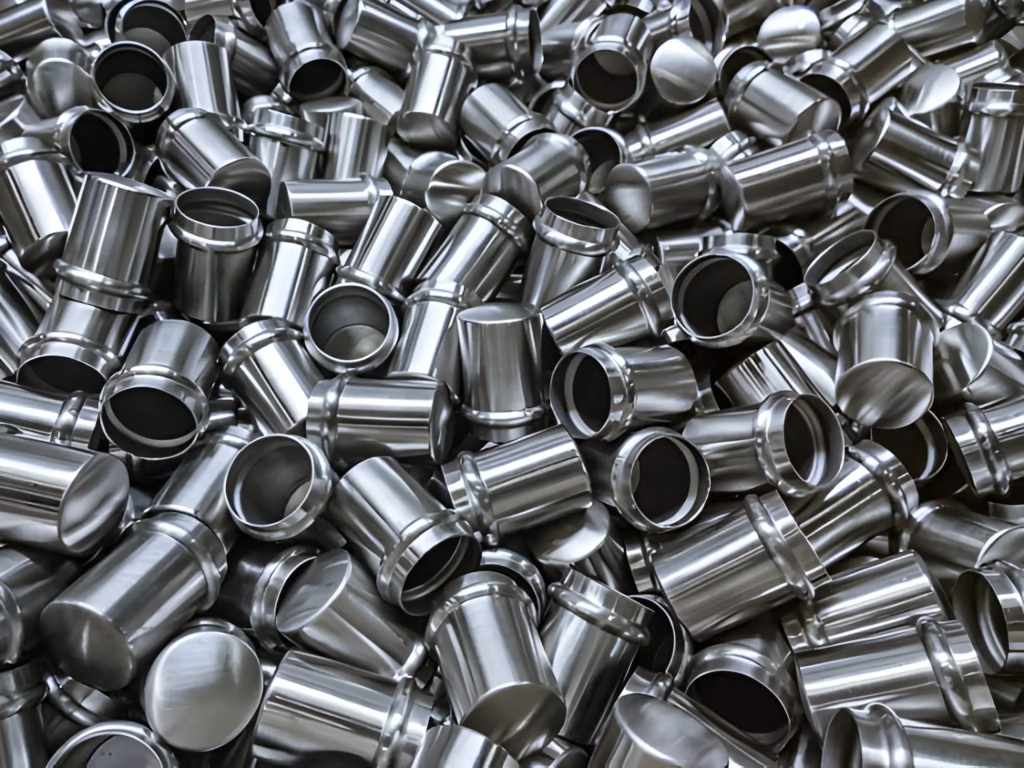
316 stainless steel with molybdenum excels in marine and chemical corrosion resistance. High toughness needs lower CNC speed, ideal for pumps, valves and marine equipment.
410 stainless steel
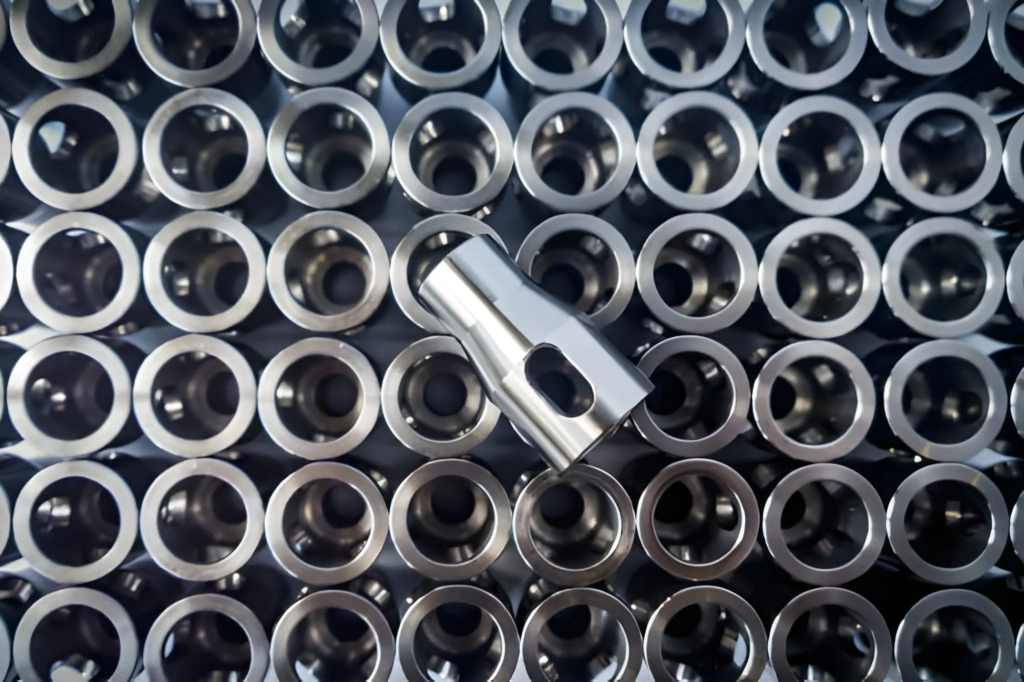
410 is a martensitic stainless steel with high hardness, moderate corrosion resistance and excellent wear resistance. It requires sharp tools and controlled cutting speeds for machining. It is mainly used for cutlery, shafts and gears.
420 Stainless Steel
420 martensitic stainless steel gains high strength and wear resistance via heat treatment. It requires slower machining and suits surgical tools, cutlery and precision parts.
430 Stainless Steel
430 ferritic stainless steel is magnetic with solid corrosion resistance and ductility below austenitic grades. Easier to machine than 410/420, it fits automotive trim, home appliances and kitchenware.
Stainless Steel Processing Technology
To achieve the required performance, stainless steel must go through multiple processing procedures. Each process alters the metal’s structure, strength and surface finish. Engineers must master these processes to apply them accurately.
Hot Rolling
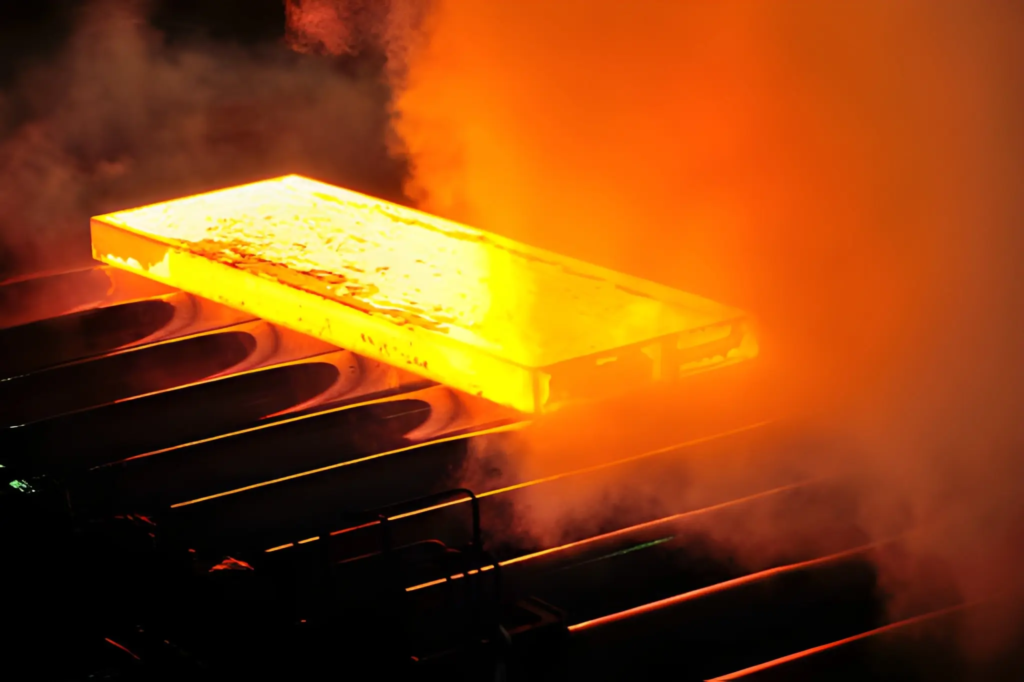
Hot rolling takes place above steel’s recrystallization temperature, setting initial dimensions and lowering internal stress. The steel passes through multiple rollers to reach the required thickness and shape. It gives good ductility, making follow-up processing much easier.
Cold Rolling
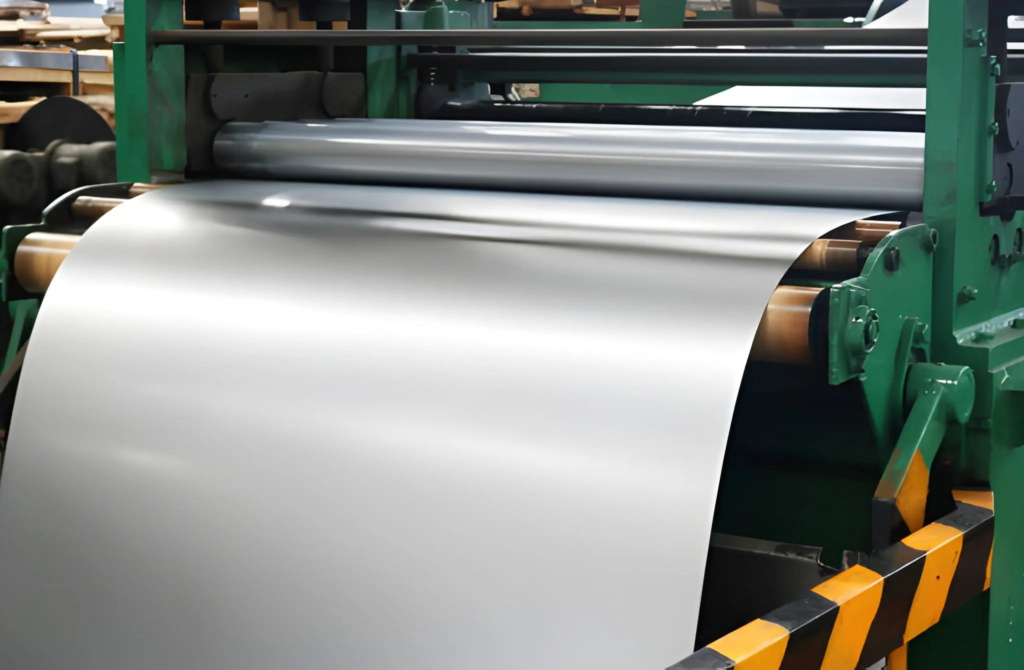
Cold rolling runs below steel’s recrystallization temperature, delivering better surface finish and dimensional accuracy. Multiple rollers compress the steel for a uniform grain structure. It causes work hardening, so post heat treatment is usually needed.
Annealing
Annealing is a controlled heating and cooling process for steel. It relieves rolling-induced internal stress and softens the material. Temperature and hold time depend on steel grade, while restoring machinability and formability for CNC and forming work.
Surface Cleaning and Descaling
Steel surface easily forms scale during processing, hurting its corrosion resistance and weldability. Acid treatment or temperature-controlled descaling removes scale, ensuring a sound passive oxide film on stainless steel.
Cutting and Forming
Once steel hits target thickness, it is cut to size via shearing, stamping or sawing. Laser, plasma and waterjet cutting work best for complex profiles. All cut finished parts are ready for further metal and CNC machining.
Surface Treatment
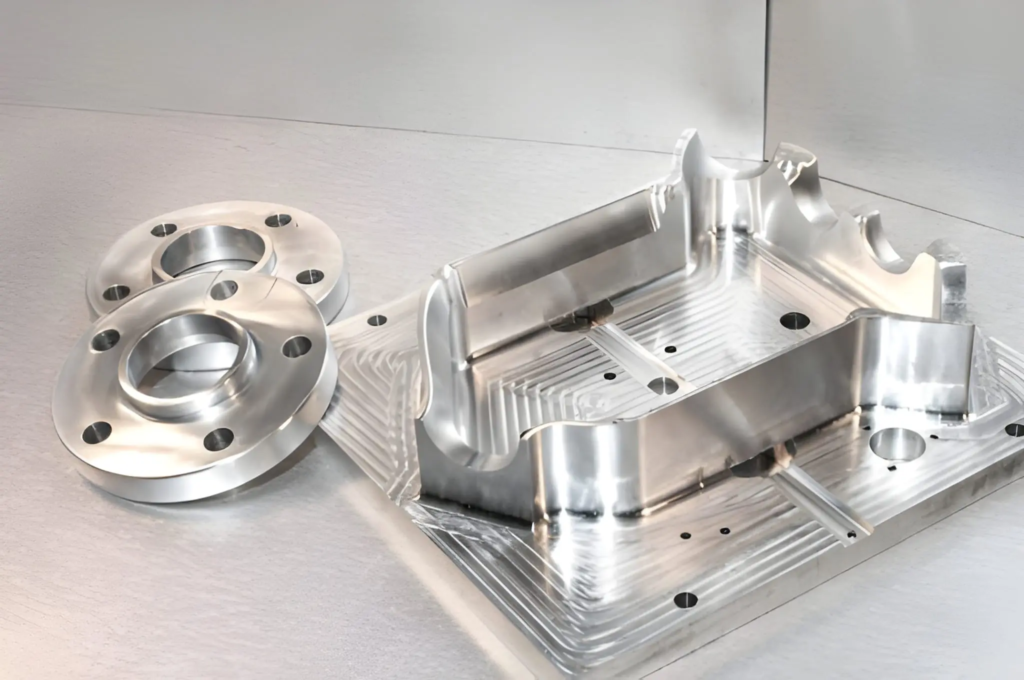
Surface treatments like grinding, polishing, sandblasting and chemical etching enhance steel’s appearance, texture and corrosion resistance. Finished parts are ready for assembly or shipment.
Applications of Stainless Steel
High-strength, durable and corrosion-resistant parts adopt stainless steel. Engineers adopt stainless steel parts for high-performance and heavy-duty applications.
Aerospace
Stainless steel serves aerospace structural parts with superior strength, fatigue and heat resistance. Precision CNC machining meets tight tolerance requirements.
Automotive
Stainless steel suits harsh auto parts with wear, thermal and corrosion resistance.
Medical
Stainless steel is used for surgical instruments, implants and processing equipment. It features excellent corrosion resistance, hygienic performance and biocompatibility, which are critical to safety.
Industrial Machinery
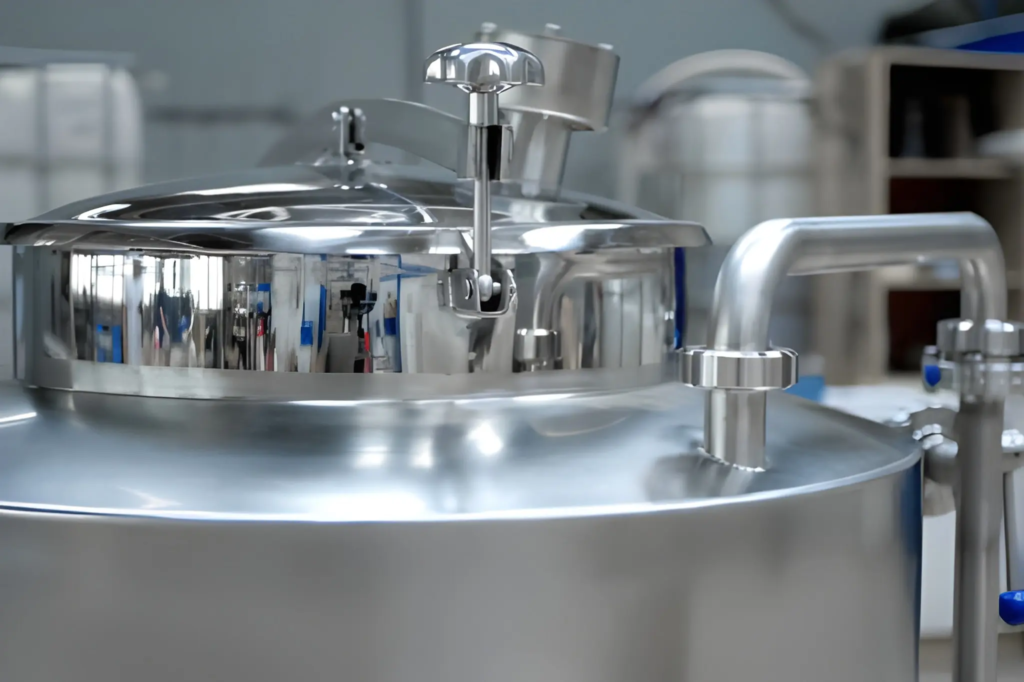
Typical components include gears, valves, pumps and structural frames. Stainless steel can withstand heavy loads and high stress without deformation, even in abrasive environments.
Construction & Structure
Stainless steel is widely used for railings, exterior wall cladding, bolts and load-bearing frames. It features long-term corrosion resistance, aesthetic surface finish and low maintenance cost in outdoor environments.
What is aluminum?
Aluminum is a silvery-white light metal. It has good corrosion resistance due to a natural oxide layer on its surface. This property makes it suitable for outdoor, marine and aerospace applications.
Instead, it is a pure, soft and highly ductile metal. Engineers commonly use aluminum alloys to improve strength, hardness and machinability. Typical grades include 6061, 7075 and 2024, which are specially manufactured to meet mechanical and structural requirements.
Aluminum has a density of 2.7 g/cm³, approximately one-third the weight of steel. It boasts a high strength-to-weight ratio, making it ideal for components with strict weight requirements.
It also offers excellent thermal and electrical conductivity. This property makes it suitable for electrical components, heat exchangers and cooling systems.
Aluminum is easy to cast, extrude, machine and form. Its outstanding versatility allows engineers to apply it in aerospace, automotive, electronics and general manufacturing industries.
How Aluminum Is Made
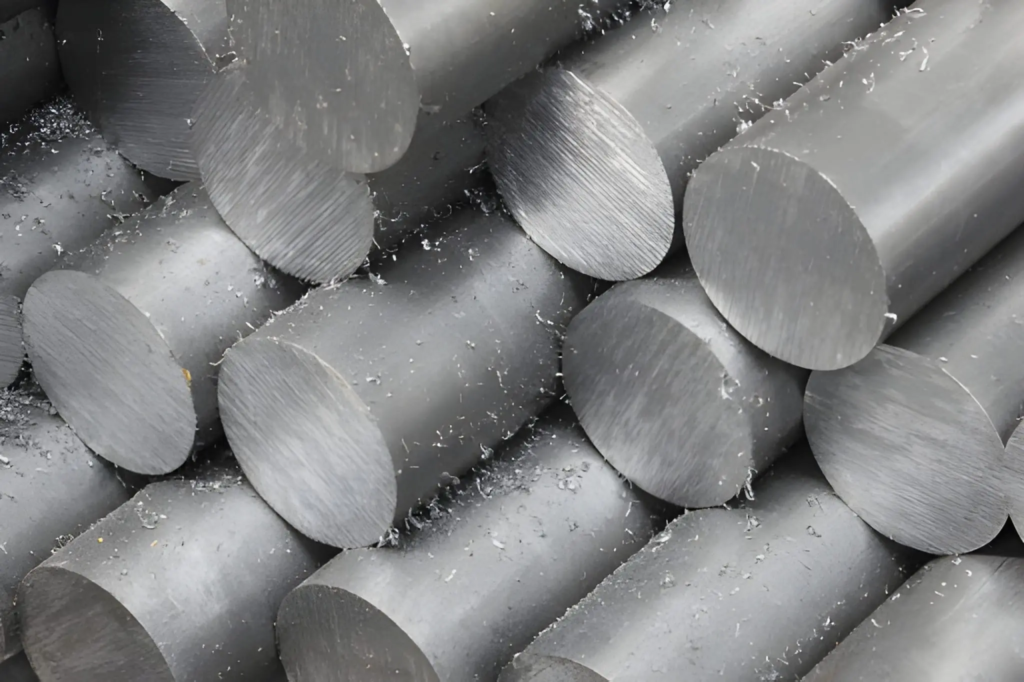
Aluminum is extracted and smelted from bauxite ore. The process yields pure aluminum for engineering and manufacturing applications.
Mining and Bauxite Extraction
Bauxite contains aluminum oxide and aluminum hydroxide.
Bauxite is mined via underground or open-pit mining.
The ore is crushed and then transported to refineries.
Bayer Process
The Bayer process refines bauxite ore. It mixes ore with sodium hydroxide under high heat to dissolve alumina, leaving impurities undissolved. The purified alumina is then ready for smelting.
Electrolytic Reduction (Hall–Héroult Process)
Aluminum oxide dissolves in molten cryolite; electrolysis yields pure aluminum in dedicated cells with high energy consumption.
Casting
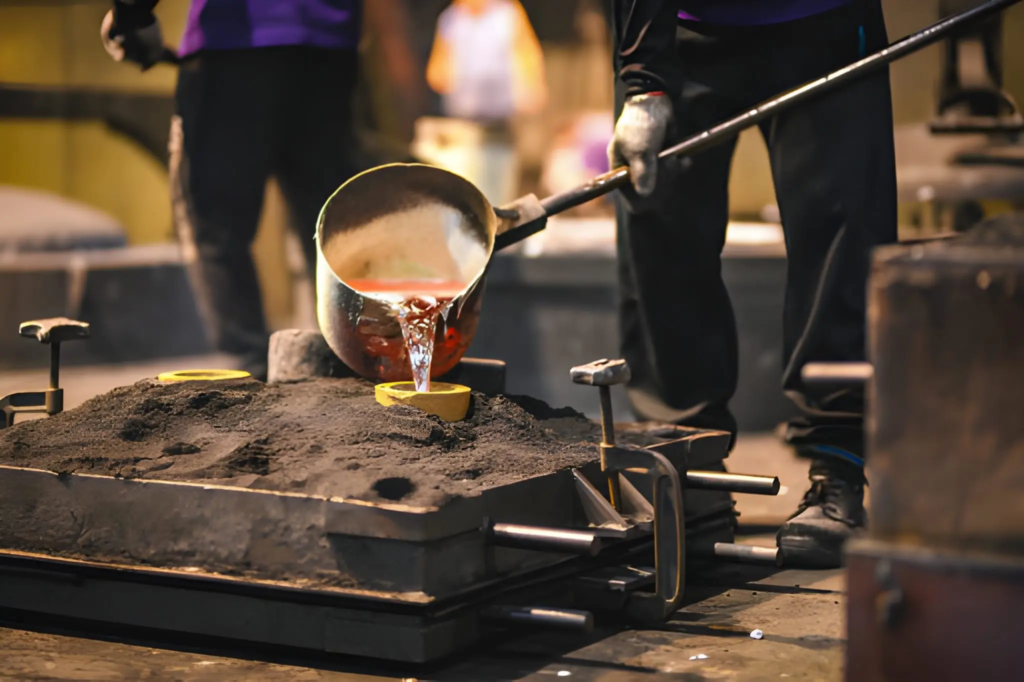
- Molten aluminum is cast into ingots and billets to optimize microstructure and mechanical performance.
Rolling Extrusion and Forming
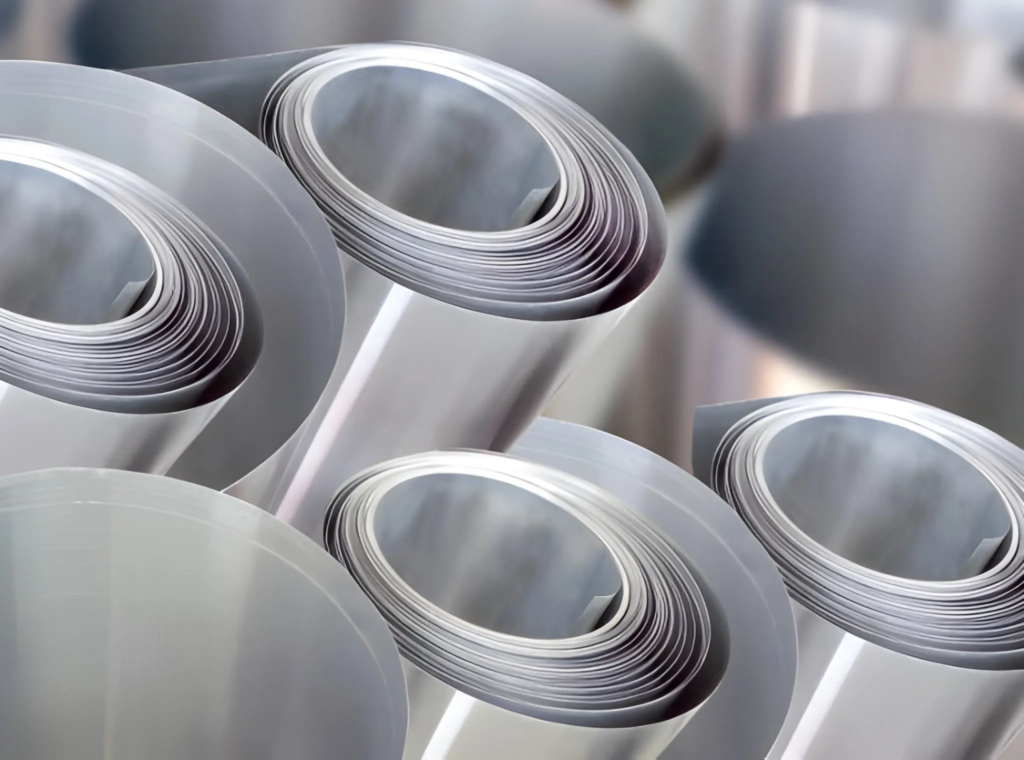
Cast aluminum is rolled into sheets or extruded into profiles to boost strength, finish and dimensional accuracy.
Process
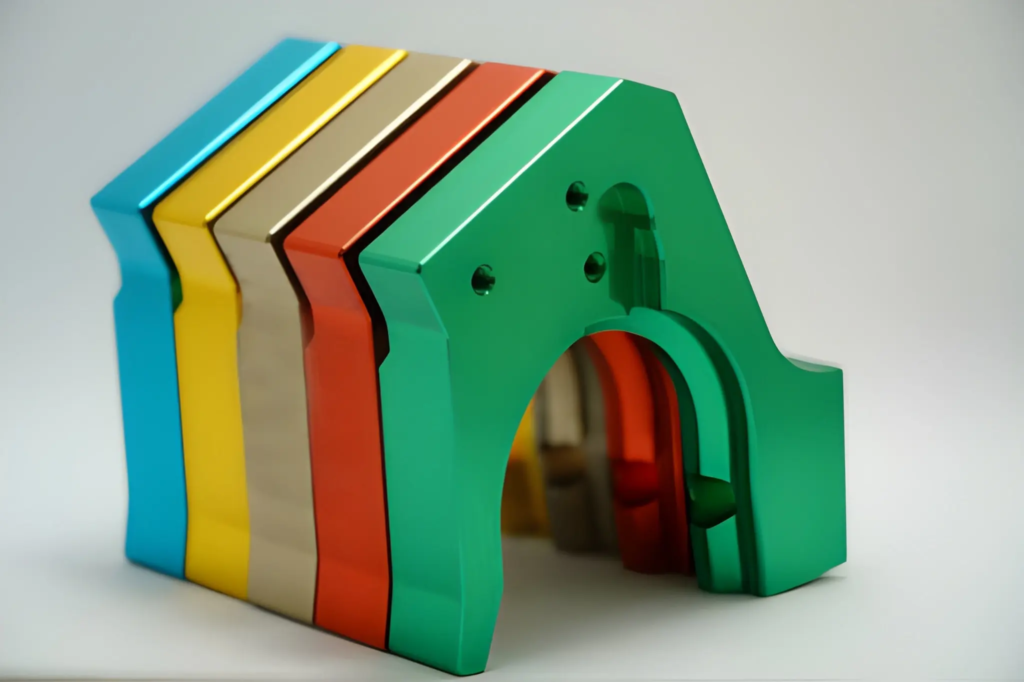
Aluminum materials can be anodized, polished or coated. The complete treatment process greatly improves its corrosion resistance, appearance and wear resistance. The finished products are available for machining and assembly in various industries.
Common CNC Machining Aluminum Alloy Grades
Different aluminum alloys feature distinct mechanical properties. Selecting the proper aluminum grade ensures optimal machinability and superior performance of finished parts.
Aluminum 6061
Aluminum alloy 6061 is one of the most commonly used alloys. It offers good strength, corrosion resistance and excellent machinability, widely applied in aerospace, automotive, structural parts and other fields.
Aluminum 7075
Aluminum alloy 7075 features ultra-high strength, making it an ideal choice for applications requiring extreme strength and toughness. Typical uses include aerospace components, military parts and high-stress mechanical assemblies.
Aluminum 2024
Alloy 2024 is an aluminum alloy with high fatigue strength. It delivers good toughness, though its corrosion resistance is inferior to 6061. It is ideal for aircraft structures and components subjected to cyclic loading.
Aluminum 5052
Aluminum alloy 5052 is well known for excellent corrosion resistance. It features moderate strength and outstanding formability. Engineers widely use it in marine machinery, fuel tanks and chemical processing systems.
Aluminum 1100
Aluminum alloy 1100 is essentially commercially pure aluminum with good corrosion resistance. It is soft and easy to machine, but with relatively low strength. Common applications include decorative panels, lightweight parts and signage.
Aluminum CNC Machining Technology
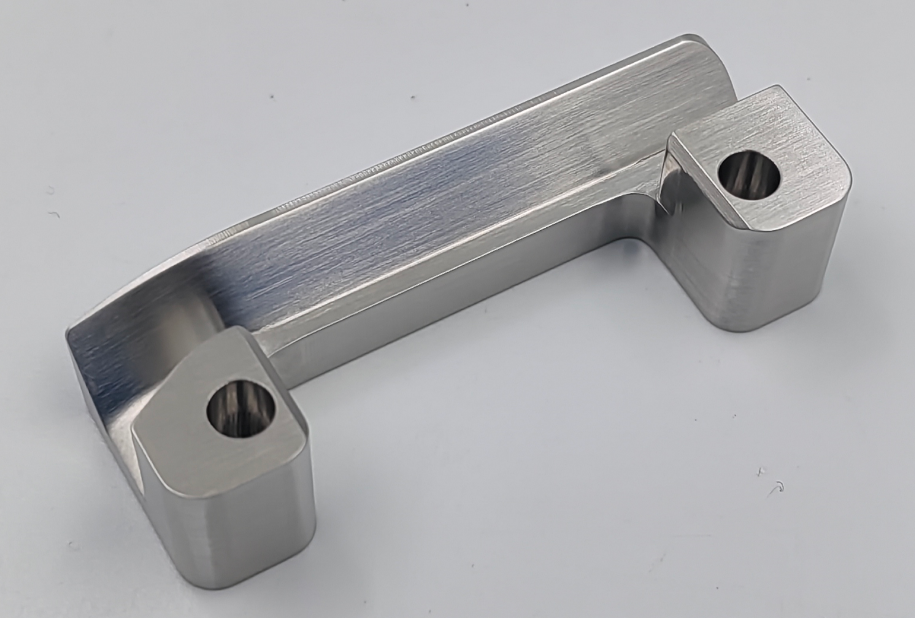
A mechanical machining process that uses pre-programmed cutting tools to remove material from a workpiece. The machining method depends on the metal type, workpiece complexity and part requirements.
CNC Milling Machine
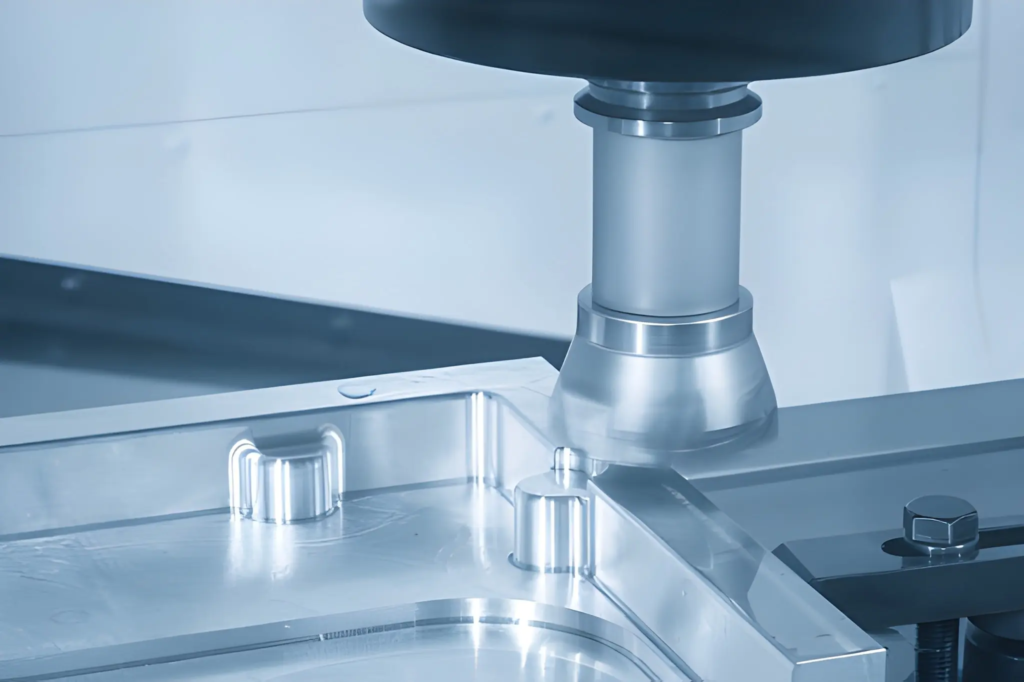
Milling refers to using rotating cutting tools to machine flat or curved surfaces.
Face milling produces flat surfaces, while peripheral milling creates curved surfaces, slots, pockets and complex profiles.
CNC Turning
Turning rotates workpieces against a fixed cutter, ideal for cylindrical parts like shafts and bushings. Stainless steel needs slower feed rates and multiple passes; aluminum runs much faster.
Drilling
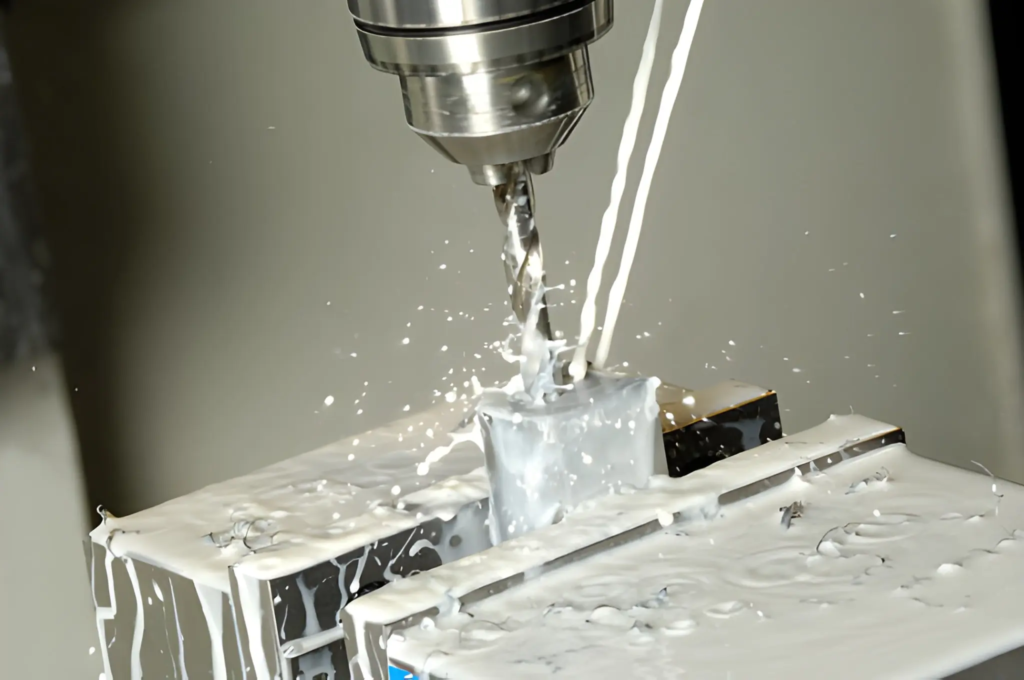
Drilling produces holes with precise diameter and depth. For stainless steel, peck drilling is adopted to avoid work hardening. Aluminum allows high-speed continuous deep drilling with ease.
Tapping and Threading
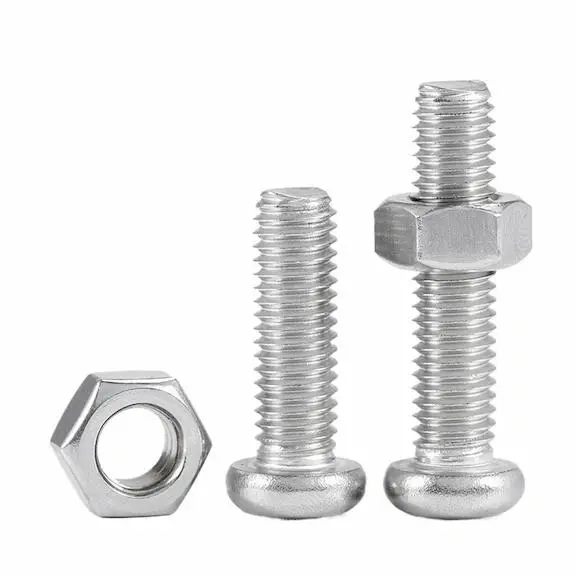
Tapping can produce internal and external threads. CNC tapping adopts rigid tapping cycles for aluminum materials and controlled incremental tapping for stainless steel. Proper lubrication helps prevent tool breakage.
Surface Treatment
Surface finishing removes burrs and improves appearance via deburring, polishing and chamfering.
Aluminum finishes fast; stainless steel needs extra passes or abrasives.
Contouring
Advanced contouring machines complex curved profiles; 3D contouring makes high-precision aerospace and automotive parts. Optimized tool paths eliminate vibration and meet tight tolerances.
Application Fields of Aluminum Machined Parts
Aluminum parts excel for light weight and great corrosion resistance.
They are the optimal choice for components with stringent weight reduction requirements.
Aerospace Components
Aluminum’s high strength-to-weight ratio boosts fuel efficiency, widely used for aircraft frames, panels and structural assemblies.
Automotive Parts
Engine blocks, transmission housings, wheels and body components are all manufactured from aluminum alloys. The low density of aluminum alloys enhances vehicle performance and fuel economy. High-stress parts are precision-machined by CNC machine tools.
Marine and Offshore Components
Aluminum resists seawater corrosion, ideal for marine hulls and fittings. Its light weight enhances vessel stability and efficiency.
Electrical and Thermal Components
Aluminum features excellent thermal conductivity, making it ideal for manufacturing heat sinks, electrical enclosures and cooling systems. Machined aluminum parts deliver outstanding heat dissipation performance in power systems and electronic devices.
Industrial Machinery and Equipment
Frames, brackets and housings are commonly fabricated from aluminum.
Aluminum machines well for complex shapes and tight tolerances, lightweight yet structurally sound.
Aluminum vs Stainless Steel: A Comparative Analysis
Strength
Stainless steel boasts higher strength compared with aluminum.
Tensile strength 480–1000 MPa, ideal for high-stress shafts, fasteners and heavy-duty parts.
Aluminum alloys have a tensile strength of 90 to 570 MPa.
Ideal for moderate-strength lightweight structures: frames, panels and building components. Engineers select materials based on required load capacity.
Weight
Aluminum is lightweight with a density of approximately 2.7 g/cm³.
Widely used in weight-sensitive aerospace, automotive and portable equipment.
Stainless steel has a density of 7.8 g/cm³.
Heavier yet rigid and durable, perfect for structural load-bearing use. Engineers balance weight, strength and cost per performance needs.
Corrosion Resistance
Stainless steel’s chromium delivers inherent corrosion resistance.
Suitable for marine, chemical and food use without extra coatings.
Natural aluminum oxide film offers moderate corrosion resistance. Anodization enhances protection for, and material choice hinges on environment and service life.
Machinability
Aluminum suits high-speed CNC machining for complex shapes, lowering tool wear while delivering precise, fast production.
Stainless steel is harder and work-hardens easily in machining, requiring slower cutting speeds and special tools. Alloys suit mass production; stainless steel fits high-strength parts.
Thermal Conductivity and Electrical Conductivity
Aluminum boasts 150–235 W/m·K thermal conductivity and fine electrical conduction.
Stainless steel has low conductivity yet excellent heat resistance.
It is suitable for exhaust systems, chemical vessels, and mechanical equipment subjected to high temperatures or stress. Material selection depends on actual operating conditions.
Applications
Aerospace frames, automotive parts, marine components, and electronic equipment enclosures are all manufactured from aluminum. Its key advantage lies in lightweight structural performance.
Stainless steel serves food, chemical, medical, machinery and construction fields.
Its major benefits include high strength, excellent corrosion resistance and long-term durability.
Which material is more expensive: aluminum or stainless steel?
Stainless steel costs more than aluminum; alloying elements boost its strength and corrosion resistance.
Aluminum is lighter in weight and easier to extract and process.
Low density cuts transport and handling costs for large components.
Stainless steel also incurs higher machining costs. It requires lower cutting speeds, specialized tools, and ample coolant to prevent work hardening and excessive tool wear.
Aluminum machines faster, reduces tool wear and shortens lead time.
Corrosion resistance and lifespan impact total cost. Stainless steel needs no coating; aluminum requires surface treatment in harsh conditions.
Engineers should balance material cost and performance. For lightweight applications, aluminum offers cost-effectiveness. For high-strength projects or applications with strict corrosion resistance requirements, stainless steel is a worthwhile investment.
Can stainless steel and aluminum be welded together?
Welding stainless steel and aluminum is quite challenging.
Aluminum and stainless steel have vastly different coefficients of thermal expansion and melting points.
Aluminum melts at 660°C; stainless steel at 1400–1530°C.
Such huge differences make it difficult to form strong, uniform joints.
Direct fusion welding usually results in cracks, porosity and insufficient joint strength.
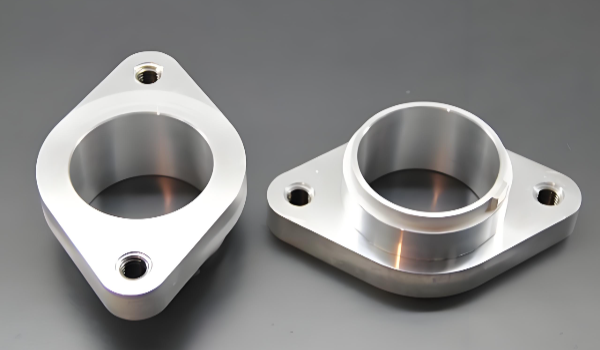
Bimetallic transition inserts are widely used for connecting aluminum to stainless steel.
Made of multi-layer special materials, the inserts form a firm metallurgical bond between metals.
This technology delivers high structural strength and corrosion-free interfaces, enabling reliable assembly in aerospace, automotive and industrial applications.
Which is more popular in the medical field: aluminum or stainless steel?
Stainless steel is the preferred material for medical applications. It is robust, durable, and features excellent corrosion resistance. Medical 304/316L stainless steel resists sterilization, bodily fluids and repeated use.This makes it ideal for surgical instruments, implants, and medical devices.
Aluminum is less commonly used in the medical field. It is lightweight and easy to shape, suitable for manufacturing equipment enclosures, trays, and trolleys. Aluminum lags stainless steel in corrosion resistance and biocompatibility. Stainless steel is preferred for strict hygiene and long-term reliability.
Which metal is most suitable for your application scenario?
- Stainless steel is an ideal choice that combines high strength and durability. It can withstand heavy loads and harsh environments without losing its original properties.
- Stainless steel is the perfect material for structural parts, machinery and fasteners that require long-term service life.
- Aluminum is ideal for weight reduction. Lighter than stainless steel, it suits aerospace, automotive and portable equipment.
- It is easy to form and machine, enabling complex designs and faster production efficiency.
- Aluminum boasts great thermal and electrical conductivity, ideal for electronics, heat sinks and lightweight enclosures.
- In most cases, pairing these two metals works best. Use stainless steel for structural and high-stress parts, and aluminum to lighten panels and enclosures.
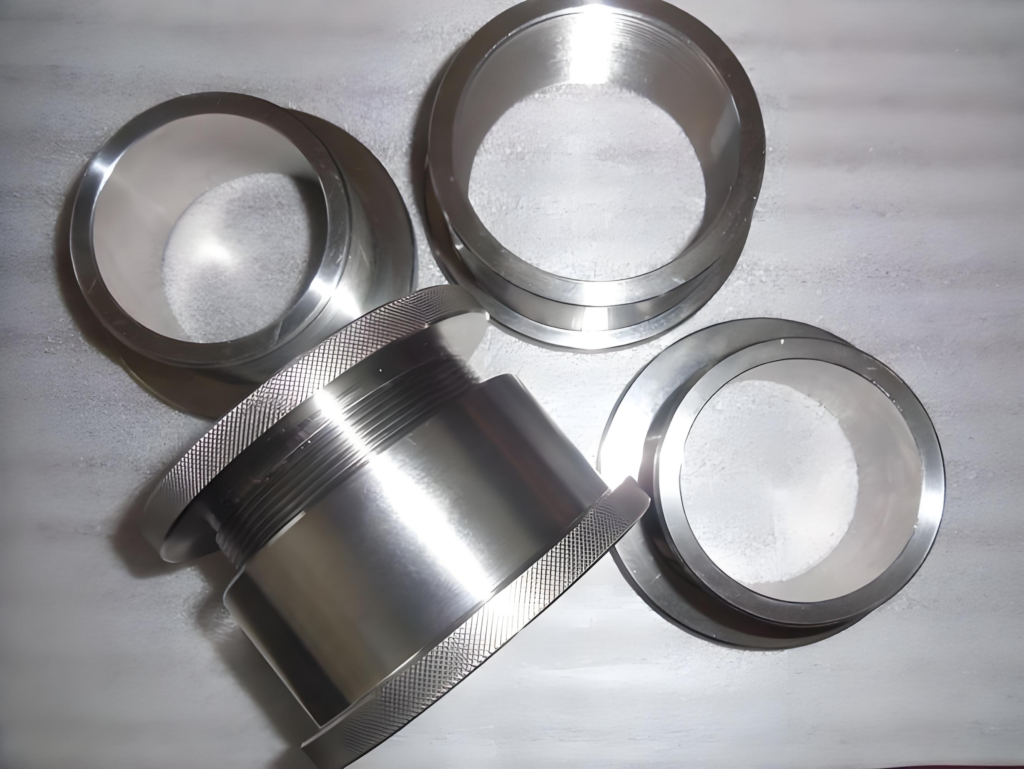
Get Custom Aluminum vs Stainless Steel CNC Parts from Zorapid
Zorapid engineers and manufacturers provide support at every stage of product development. From rapid prototyping to mass production, we offer precision CNC machining, surface treatment and assembly services. Our team helps you optimize your design through Design for Manufacturability (DFM) analysis, material selection and process recommendations.
Zorapid delivers high-precision parts with tolerances as tight as 0.005 mm and a fastest lead time of only 3 days. With factory-direct pricing, Zorapid can help you cut production costs by up to 30%. We machine metals, plastics, ceramics and composite materials to ensure your parts meet requirements for strength, durability and aesthetic appearance.
Zorapid offers milling, turning, grinding, EDM, aluminum extrusion and precision casting, delivering reliable quality for prototyping and mass production. Dedicated account managers provide timely response, progress updates and full technical support.