The automotive industry demands materials that are lightweight, fuel-efficient, and capable of enhancing vehicle performance. Aluminum and its alloys have become one of the most widely used materials that combine all these properties. They are also durable, corrosion-resistant, versatile, safe and reliable. Most importantly, as vehicle models continue to evolve, automotive-grade aluminum keeps advancing and stands out among all engineering materials. It is commonly applied in the manufacturing of automotive components such as cylinder heads, wheel rims, and body panels.
Is Aluminum Suitable for Automotive Parts?
Aluminum is highly suitable for manufacturing automotive parts. It features light weight, excellent corrosion resistance, high fracture toughness, and an outstanding strength-to-weight ratio. It delivers better fuel efficiency and durability while ensuring driving safety. Although its maintenance cost is higher than that of stainless steel, it is ideal for producing specific metal automotive components.
CNC Machined Aluminum Parts
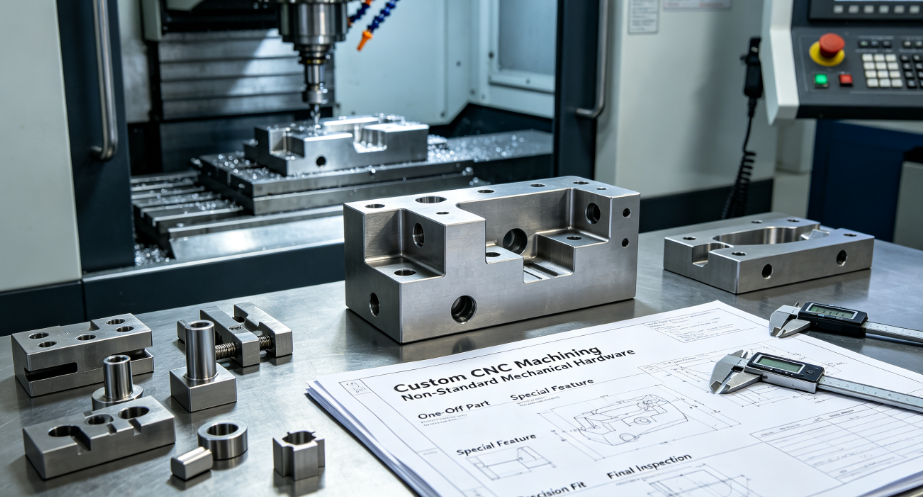
CNC machining is an automated technology used in automotive parts manufacturing. As a computer numerical control (CNC) process, it produces complex and precise metal automotive components. This method offers many advantages: high-speed production, high precision, tight tolerances, and repeatability. It shortens cycle times and boosts productivity. While it can be a costly process for aluminum automotive parts, it remains ideal for specialized components.
Die Cast Aluminum Parts
Die casting injects molten aluminum into molds under high heat and pressure. Parts cool, solidify and eject easily, widely applied to OEM components in aerospace, medical and electronics industries.
Sheet Metal Aluminum Parts
Sheet metal fabrication shapes thin flat aluminum sheets via stamping, bending, laser cutting and welding. Bending creates plastic deformation for aluminum automotive parts, while waterjet, laser, plasma and mechanical cutting are widely used in auto component production.
Aluminum 3D Printing in Automotive Manufacturing
3D printing creates 3D OEM components using layered materials. It is used to print both plastic and aluminum models. Metal 3D printing is applied to prototypes and metal automotive parts. Lasers melt and fuse metal powder together, resulting in stronger and more durable finished OEM components.
Aluminum Forging in Automotive Parts Production
Forging is a manufacturing process that produces lightweight automotive components by heating and compressing aluminum. Automotive aluminum forging is used to manufacture engine blocks, transmission and suspension parts, as well as wheel hubs.
Benefits of Aluminum Automotive Components for the Automotive Industry
Improved Fuel Efficiency and Performance
Aluminum body materials are 24% lighter than steel. The biggest advantage of lightweight automotive parts is better body panel performance and higher fuel efficiency. With low density and high strength, automotive-grade aluminum enables the production of thinner body panels, delivering superior acceleration and vehicle handling.
Enhanced Safety and Crash Resistance
Aluminum automotive components feature excellent impact resistance and high fracture toughness. They provide outstanding energy absorption, ensuring higher safety during collisions. Aluminum parts are less prone to failure and help avoid accidents by shortening braking distance. Another safety advantage is its controlled expansion during deformation.
Corrosion Resistance and Longer Service Life
Aluminum alloy automotive components offer superior corrosion resistance and extended service life. Unlike steel parts, aluminum maintains excellent anti-corrosion performance even in harsh environments, greatly improving vehicle durability and lifespan.
Lightweight Design and Better Handling
Aluminum has only one-third the density of steel. It is cost-effective, easy to transport and process, and enables lighter, more compact overall vehicle structures. Lightweight aluminum optimizes aerodynamic performance, making it an ideal material for aerospace and automotive components.
Eco-Friendly and Fully Recyclable
Aluminum’s high recyclability makes it an environmentally friendly and cost-effective choice for automotive metal parts. Recycling produces almost no material loss, reduces carbon emissions, and minimizes overall environmental impact.
Challenges of Aluminum Application in Automotive Components
The use of aluminum in automotive parts also presents several technical challenges.
Low Melting Temperature
Aluminum has a melting point of 660°C. It is difficult to weld because it tends to oxidize and burn before melting. As a ductile material, its mechanical strength begins to decline at 200–250°C. These characteristics make aluminum unsuitable for high-temperature working conditions.
Susceptible to Galvanic Corrosion
Aluminum generally offers good natural corrosion resistance, yet it is vulnerable to galvanic corrosion. This occurs when dissimilar metals come into contact with an electrolyte. The electrolyte transfers electrons between metals, causing aluminum to lose electrons to more noble metals. To mitigate galvanic corrosion, select materials that sit at a similar level in the galvanic series to match aluminum.
Higher Cost Compared with Some Metals
Aluminum is more costly than many structural metals. Refining pure aluminum from bauxite and other chemical compounds is time‑consuming, energy-intensive, and leads to higher production costs.
Why Aluminum Is the Best Choice for Automotive Parts
Multiple factors make aluminum stand out in the manufacturing of automotive parts when compared with steel and other materials.
High Strength and Durability
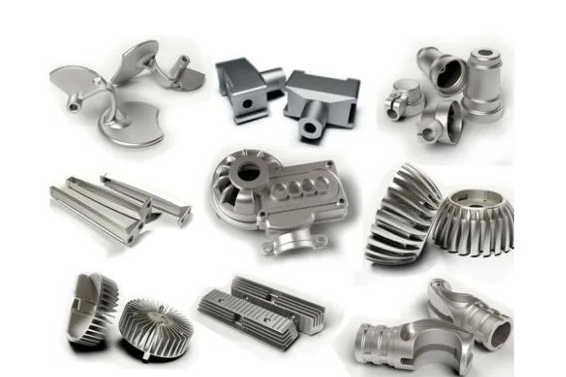
Aluminum features excellent durability and wider applicability than other metals at a comparable cost. It delivers an outstanding strength-to-weight ratio, being lightweight while offering strength equivalent to steel.
Lightweight and Flexible
Aluminum weighs only one-third of steel, delivering better performance, fuel efficiency, handling and acceleration. With higher ductility, aluminum is more flexible than steel and can be easily formed into complex shapes.
Corrosion Resistant & Long Service Life
Aluminum features excellent corrosion resistance and performs well in harsh environments. It is more wear-resistant than steel, maintains long service life, and is less prone to deterioration.
Thermal and Electrical Conductivity
Aluminum is one of the world’s best conductive elements. It offers high thermal and electrical conductivity, improving mechanical performance and heat absorption capacity.
Ductility and Easy Formability
Aluminum is ductile and soft. It can be shaped into complex structures easily without preprocessing or costly treatment, effectively reducing production costs.
Common Aluminum Alloys for Automotive Parts
A variety of aluminum alloy grades are widely used for OEM automotive components.
5000 Series Aluminum (Marine Grade)
Alloy 5052 delivers superior durability and ductility compared with other materials in the series, making it ideal for automotive part manufacturing. It is best suited for lightweight body panels and fuel tanks.
6000 Series Aluminum (Structural Applications)
Alloy 6061 belongs to the 6000 series, featuring high mechanical strength and excellent corrosion resistance. It is mainly used for structural components and automotive body panels.
7000 Series Aluminum (High-Strength Applications)
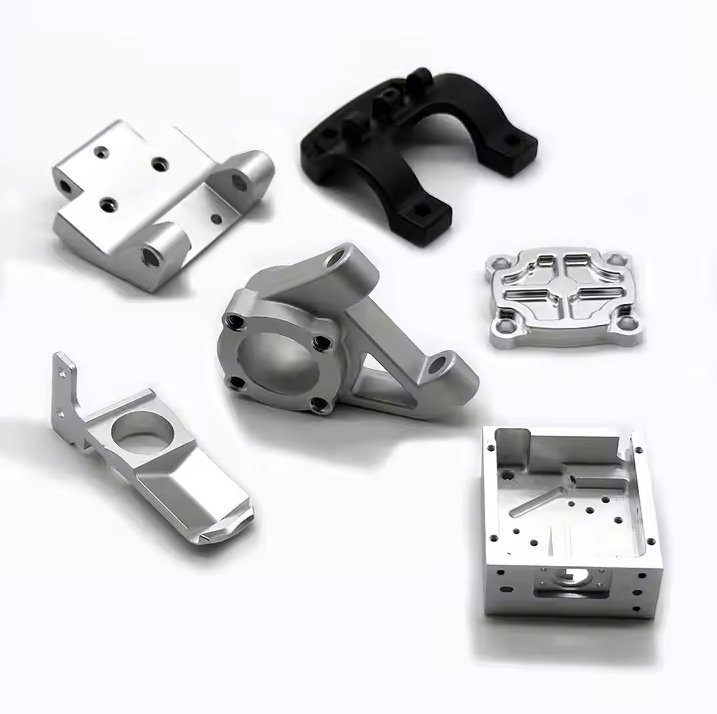
Aluminum alloy 7075 features an exceptional strength-to-weight ratio. It is ideal for high-performance lightweight automotive components.
Selecting the Right Aluminum Alloy for Specific Automotive Parts
The application of aluminum in specific components depends on various factors, including performance requirements, maintenance needs, and cost.
In general, silicon-magnesium alloyed 6061 aluminum alloy offers high strength. It is heat-treatable and suitable for anodizing. Renowned for premium surface finish, excellent corrosion resistance, high mechanical strength and light weight.
3000、4000 and 5000 series aluminum alloys are widely used in automotive parts for diverse applications.
Which Automotive Parts Are Made of Aluminum?
Aluminum is lightweight, corrosion-resistant, and boasts a high strength-to-weight ratio. Lightweight vehicle parts reduce fuel consumption, and aluminum is around 40% lighter than steel.
Aluminum Body Panels and Frames
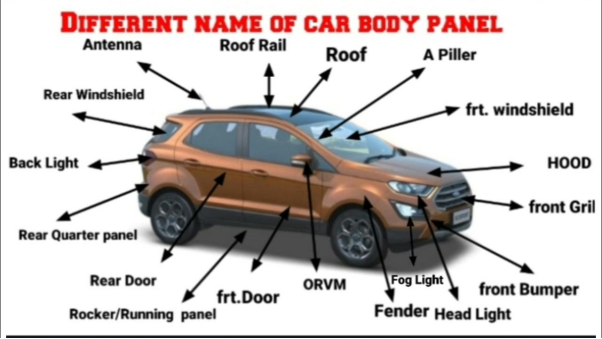
Aluminum is widely used for vehicle frames, hoods, fenders, bumpers, spoilers, roof racks, grilles, trunk lids, windows and doors.
Wheels for Improved Performance
Aluminum makes lightweight, high-performance wheel rims and hubcaps.
Radiators and Heat Exchangers
Aluminum is used for crankcases, pistons, intake manifolds, radiators, engine blocks and cylinder heads.
Chassis and Suspension Components
Suspension parts, vehicle frames, struts, windshield frames and brake system components are made of aluminum.
Automotive Interior Parts & Other Aluminum Alloy Components
Door handles, control consoles, decorative trims, as well as transmission housings, gearboxes and drive shafts are all fabricated from aluminum alloys.
Aluminum Automotive Components in Motorsports
is widely used in motorsports due to its high strength and corrosion resistance. Aluminum alloy automotive parts are stronger than some low-carbon steels.
Aluminum in High-Performance Automotive Parts
Some aluminum alloys achieve a strength exceeding 1,000 MPa. Their impact resistance is twice that of steel with equivalent mechanical strength. With excellent impact energy absorption and uniform force distribution, aluminum greatly enhances vehicle safety.
Application Examples of Aluminum in Formula 1 and Racing Cars
Aluminum is used in numerous racing car components, especially in Formula 1.
It is widely adopted for engine parts such as cylinder heads, valve covers, exhaust manifolds, intake manifolds, and engine blocks.
Leaf springs and lock nuts are sometimes made of aluminum as well. Aluminum is also applied to low-stress transmission components.
The Role of Aluminum in Future Electric Vehicles
Aluminum used in electric vehicles can reduce overall vehicle weight and improve energy efficiency. It delivers better performance in braking distance and overall vehicle handling. When applied to battery enclosures, battery conductors, housing trays, cooling systems, motor housings, cabin heaters and body structural components, aluminum can significantly enhance vehicle performance.
How to Polish Aluminum Automotive Parts
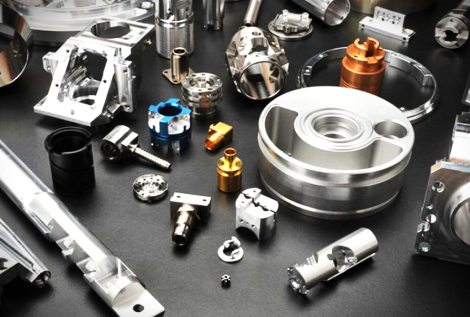
First, clean the surface thoroughly with a cleaner before polishing aluminum automotive parts. Use fine sandpaper to remove fine scratches. Apply polishing compound and rub gently with a soft cloth in a circular motion. Buff the surface with a microfiber cloth for a glossy finish. It is recommended to apply a sealant at the end to prevent oxidation.
How to Clean Cast Aluminum Automotive Parts
Use a mild detergent to clean cast aluminum automotive parts. A water solution also works for basic cleaning. For heavily soiled or oxidized surfaces, use water mixed with vinegar or a commercial aluminum cleaner. Wipe the surface with a soft cloth to avoid scratches, and apply polish after cleaning to restore shine.
How to Paint Aluminum Automotive Parts
There are several steps to effectively paint aluminum automotive components.
Clean the surface to remove dirt and grease. Sand the surface with fine sandpaper, then apply a self-etching primer. Coat with high-quality acrylic or epoxy paint for better durability and chemical resistance. Finish with a glossy or matte topcoat, and seal finally to protect the paint layer.
Zorapid Aluminum Automotive Parts Manufacturing
Zorapid is a manufacturer of custom CNC machined parts, specializing in the production of aluminum automotive components. We offer over 100 metal and plastic material options for custom projects, along with more than 40 types of surface finishing solutions. We provide instant quotes for up to 1,000 automotive parts with a lead time starting from just 1 working day.
FAQ
Why aren’t car bodies made of aluminum?
Aluminum is far more expensive than steel, difficult to weld, and impractical for repairs in mass production.
What are the most common automotive aluminum alloys?
Common aluminum alloys for automotive body materials include 2024, 3105, 4032, 5251, 5754, 6016, 6061, and 6181.
How does aluminum improve vehicle fuel efficiency?
Aluminum boosts fuel efficiency by reducing overall weight, optimizing braking, acceleration and handling performance, and lowering friction on tires and brakes.
Is aluminum more expensive than steel for automotive parts?
Yes, aluminum is considerably more costly than steel as a body material in terms of production cost, material cost and raw refining cost.
What is the service life of aluminum automotive parts?
Aluminum automotive parts can last for decades with superior durability, improving vehicle reliability and extending the overall service life of cars.
Is aluminum recyclable for automotive manufacturing?
Aluminum is fully recyclable for new vehicle production, cutting carbon emissions and saving energy for makers and users.