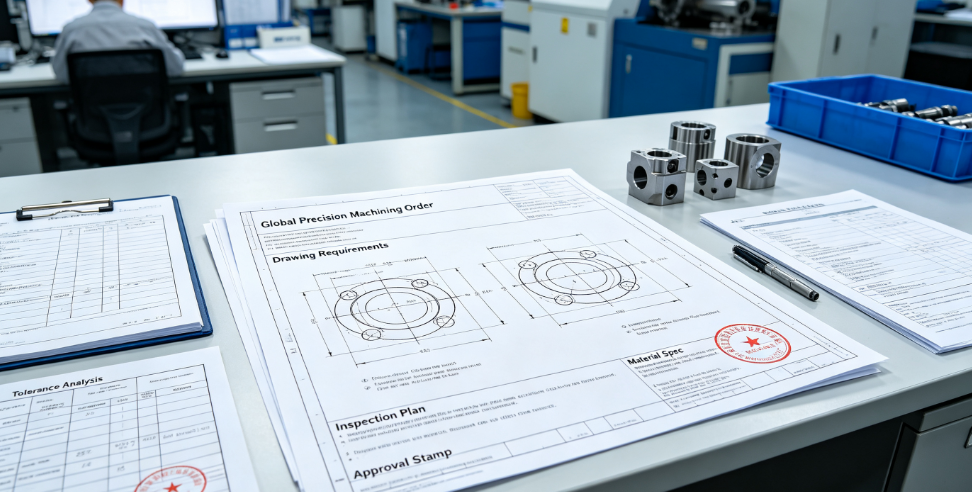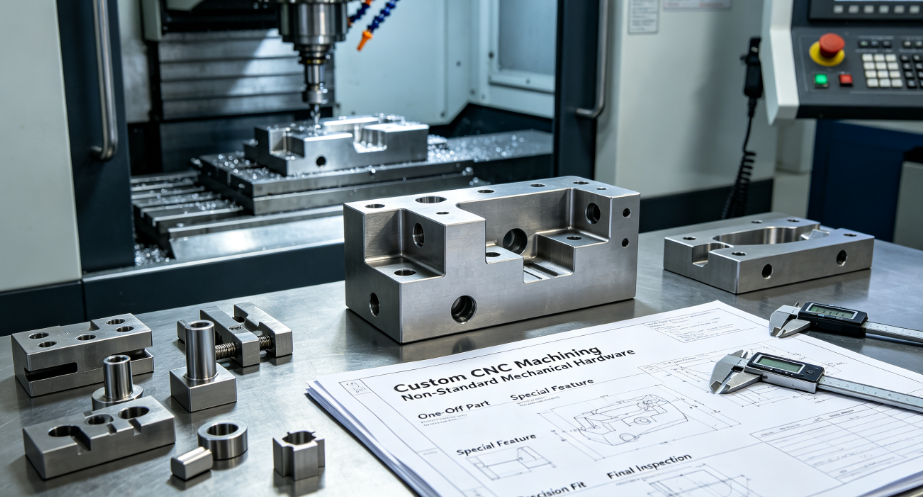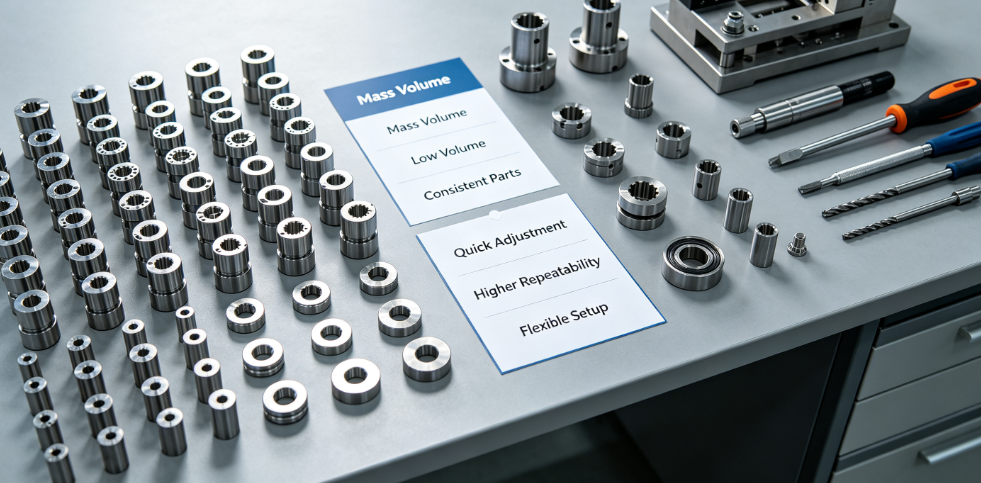
CAM, or Computer-Aided Manufacturing, ushered in the second Industrial Revolution by taking automation to new heights. The adoption of computers in manufacturing enables mass production, consistent product quality, and precision machining, while minimizing material waste and human error.
Introduction to Computer-Aided Manufacturing
Computer-Aided Manufacturing (CAM) integrates computer systems into product manufacturing, applicable to both additive manufacturing and subtractive manufacturing. Its most common applications are CNC machining and 3D printing.
Definition of CAM
CAM essentially refers to the use of computers and software to assist the entire manufacturing process. Traditionally, all manufacturing relied entirely on skilled technicians and engineers. Today, computers can handle every task: design, validation, G-code generation, and production. The core of CAM lies in full-process automation.
A Brief History of CAM
After World War II, the demand for automation became prominent across all manufacturing sectors. The U.S. Air Force funded John T. Parsons to develop the first Numerical Control (NC) machine. Boeing also adopted CAM processes for precision machining applications. Renault was the first company in the automotive industry to implement CAM workflows.
What Does CAM Stand For?
CAM stands for Computer-Aided Manufacturing. With CAM, more industries can automate their manufacturing processes, greatly boosting production efficiency and machining accuracy.
What Is CAM in Engineering?
Engineers use CAM to design, test and produce complex parts. It cuts labor and material waste, requires only one prototype setup. After approval, the CAM program enables repeated identical production, simplifying manufacturing greatly.
What Is CAM Used For?
CAM has an extremely wide range of applications. CAM once served only aerospace, defense and precision turbine manufacturing. Today it’s widely adopted, even for DIY garage workshop use.
What Are Examples of CAM?
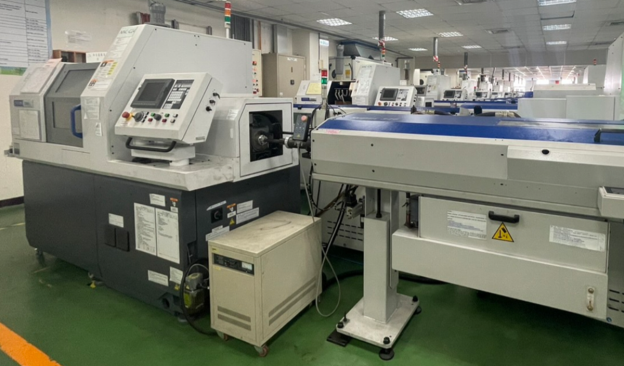
Here is one of the most common examples. CNC lathes adopt CAM processes for precision machining and CNC cutting applications to improve scalability and product consistency.
Compared with conventional lathes, CNC lathes only require CAD design and CAE validation.Files upload to CAM software for G-code conversion. One set of instructions enables mass production, eliminating repeated manual lathe adjustments.
How Much Does CAM Cost?
Some non-technical personnel believe that CAM comes with a high cost. From all perspectives at Zorapid, CAM is actually far more cost-effective. It saves money, reduces material waste, and most importantly, saves time.
The capital investment for CNC machines and CAD/CAM software is admittedly substantial, yet it delivers clear returns in the long run.
How CAM Works
The CAM process follows a nearly fixed set of steps and workflows for manufacturing. It involves the use of CAD, CAE, programmers, CNC technicians, CAM software, and CNC machines.
CAD to CAM Workflow
CAD Design Creation
The first and most critical step in the CAM process is generating a CAD design.3D models are designed in AutoCAD, SolidWorks or Fusion 360, then validated via built-in CAE tools or software like Abaqus and Ansys.
Toolpath Generation
Once the CAD model is ready, it is imported into CAM software, and toolpaths are generated through a set of predefined instructions.
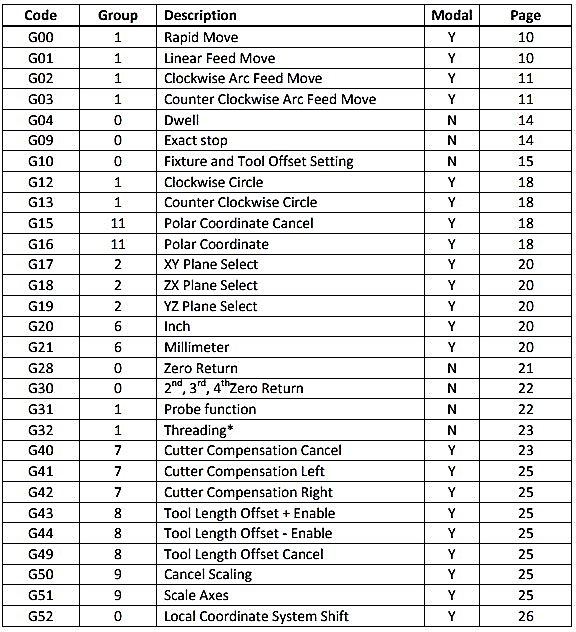
CNC Machine Code Programming
So far, everything about a specific CAD model can be understood by designers. However, the machine must also understand it. This is achieved through machine language — namely G-code. These G-codes are then input into the CNC machine for execution.
Integration of CAM Software with Other Systems (CAE, CNC, etc.)
There are extended functions available to integrate CAM software with CAE, CNC, PLM and other systems. Software such as Fusion 360 combines both CAD and CAM in one platform, eliminating the need to export designs separately into CAM software.
What Role Does a CAM Programmer Play in Manufacturing?
CAM programmers hold a vital role in the manufacturing industry. They ensure CAD designs go through proper procedures to be turned into finished products, covering the entire workflow from initial design drawings all the way to finalized CNC programs.
Advantages of Computer-Aided Manufacturing
CAM is widely favored in almost all sectors of the manufacturing industry due to its tremendous advantages. In a highly competitive market environment, it is difficult to produce competitive products without CAM.
Higher Productivity
Less manual work boosts productivity.
Minimized Material Waste
Fewer human errors greatly cut material waste.
Accuracy and Consistency
Validated prototypes ensure precise, consistent production quality.
Reduced Production Time
Mass production capability drastically shortens lead time.
Cost Reduction
Lower material waste and scalable production reduce overall costs.
CAM Workflow and Capabilities
The CAM workflow can be applied to both additive manufacturing and subtractive manufacturing, as long as the machine is able to interpret CAM data. CNC programmers process CAD files through a series of steps and feed the processed data into CNC machines.
CAM in CNC Machining
It is a form of subtractive manufacturing that removes material from solid raw stock or near-net-shape castings to achieve precise geometries that match the CAD files.
CAM in Additive Manufacturing (3D Printing)
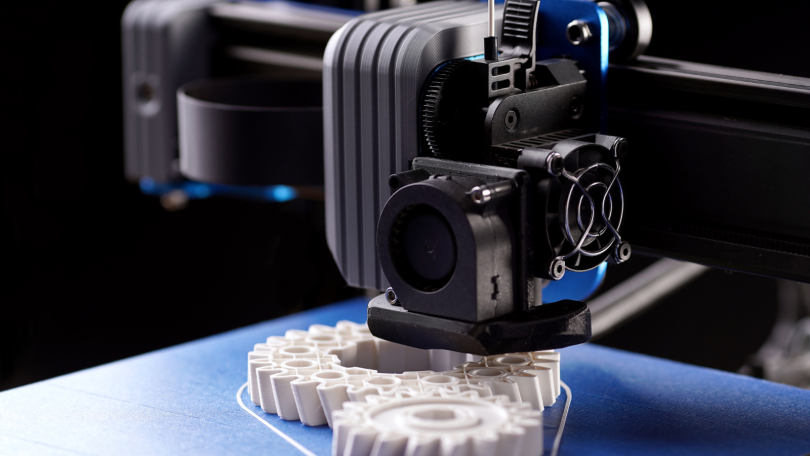
In 3D printing, material layers are deposited onto the base material following CAD-guided patterns to form a physical 3D object.
Plasma, Laser and Waterjet Cutting
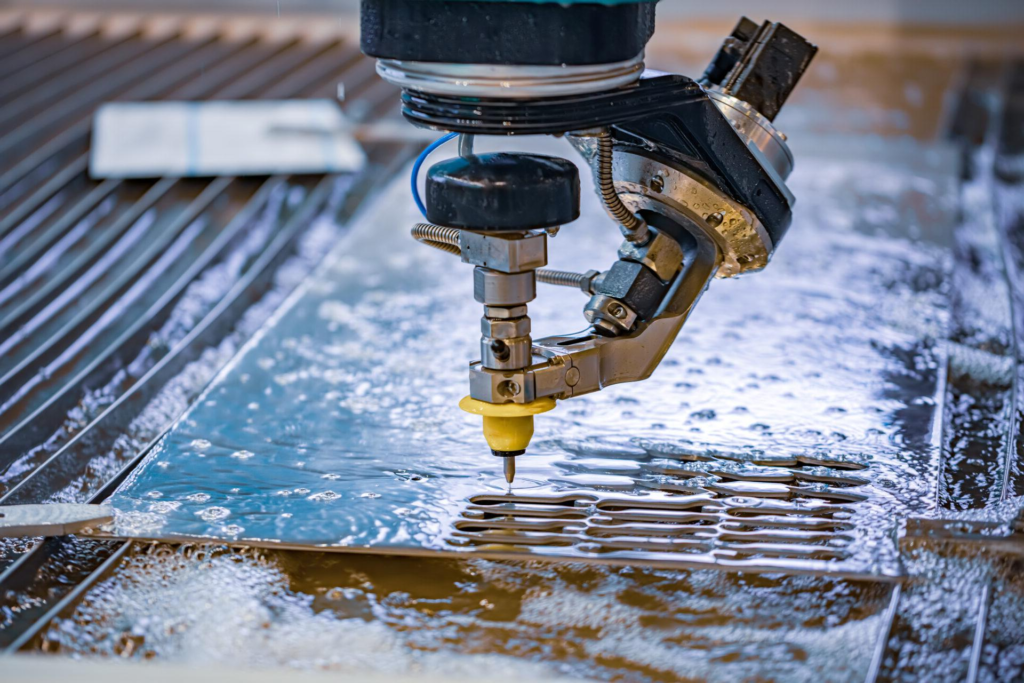
Although plasma, laser, or waterjet cutting can be used for a wide range of materials, the most common application is sheet metal. An activated laser travels along a guided path over sheet metal, ablating the material beneath it.
Electrical Discharge Machining (EDM)
This method is suitable for electrically conductive materials. A high‑voltage spark is generated on the target, which erodes and removes material from the workpiece.
Applications of CAM Across Industries
With the integration of cutting-edge technological advancements, CAM has become more cost-effective and precise in manufacturing, evolving into an indispensable part of manufacturing across all industries.
Aerospace Industry
Critical high-precision components for aircraft, rockets, space shuttles, spacecraft, and defense equipment are manufactured using CAM with tolerances down to one-thousandth of an inch. The aerospace industry pioneered the use of CAM in manufacturing.
Automotive Industry
With CAM, millions of identical components such as engine blocks are repeatedly produced to the same design, helping automakers ensure consistent product quality.
Medical & Life Sciences
Prosthetics and medical implants can be manufactured with extremely high precision and minimal risk using CAM.
Oil & Gas Industry
Various high-pressure components for pipeline systems, including valves, instruments, and more, can be manufactured seamlessly and consistently using CAM.
Consumer Goods Production
As technology advances, the cost of CAM has dropped to the point where even toys, ornaments, and fitness equipment can be manufactured using CNC machinery and 3D printing.
Popular CAM Software Tools
Most CAD software developers have launched at least one compatible CAM solution. For instance, SolidWorks features excellent compatibility with SolidCAM. In addition, Fusion 360 developed by Autodesk integrates both CAD and CAM functions in a single platform.
Key Features to Look for in CAM Tools
Manufacturers using CAM should prioritize the following features:
- Support for importing multiple file formats
- Compatibility with CAD software
- Compatibility with CNC systems
- Easy CAM programming
- Cost-effectiveness
Challenges of CAM Implementation
CAM represents a major advancement in modern manufacturing, yet it still faces certain challenges and limitations. Alleviating these challenges can make manufacturing in many high-tech industries easier and more cost-effective.

High Initial Investment Cost
CAM systems require relatively high capital expenditure on equipment, installation, and the implementation of CAM workflows. Even so, CAM delivers substantial savings in the long run and is well worth the investment.
Requirement for Skilled Operators
Unlike traditional machinists, CAM workflows rely on professional CAM programmers. Technicians must receive sufficient professional training to complete CAD design, import CAD files, export them to CAM software, and convert them into G-code.
Potential Technical Failures
Like other industrial systems, CAM systems may malfunction due to errors in CAD designs or improper command input for CNC machines. Misalignment issues may also occur during operation.
Maintenance of CAM Systems
CAM-compatible machines are highly sophisticated. They need regular inspection and thorough maintenance in strict accordance with the manufacturer’s operation manual.
Zorapid CNC CAM Expertise
Zorapid provides premium clients with state-of-the-art CAM-compatible CNC machines. Our high-precision machining and additive manufacturing capabilities consistently meet and exceed customer requirements. Explore the key strengths of our facility:
- Tool and die manufacturing
- High-speed milling
- Additive manufacturing solutions
- Custom machining services for various industries
Advanced Toolpath Strategies in CAM
Our proactive and experienced team delivers seamless strategies for toolpath generation in CAM.
Conclusion
CAM has been continuously evolving since its invention after World War II. It has achieved remarkable improvements in efficiency and brought tremendous convenience to the manufacturing industry, especially for critical, high-precision, and complex designs. It also delivers outstanding cost-effectiveness in operational expenditure.
Though CAM has certain limitations, these drawbacks become negligible when weighed against its advantages. Undoubtedly, CAM is an excellent solution for high-tech manufacturing.
FAQ
What Is the Difference Between CAD and CAM Software?
CAD software is used to create 2D or 3D designs. CAM software processes CAD files into machine-readable language. CAD files are imported into CAM software for further processing.
How Does CAM Improve Manufacturing Efficiency?
CAM shortens manufacturing time, maintains consistent quality, minimizes material waste, and machines complex designs with high precision.
Is CAM Hard to Learn?
For anyone who is computer literate and familiar with CAD, learning CAM is not difficult. There are also certified professional courses available for learning CAM.
Is CAM Certification Worth Pursuing?
Certification is highly beneficial for learning CAM and securing a good career in the CAM industry.
What Impact Does CAM Have on Productivity and Cost?
CAM can significantly reduce costs by cutting down material waste and minimizing time delays. It is ideal for cost reduction in scenarios with complex designs and high-volume production demands.