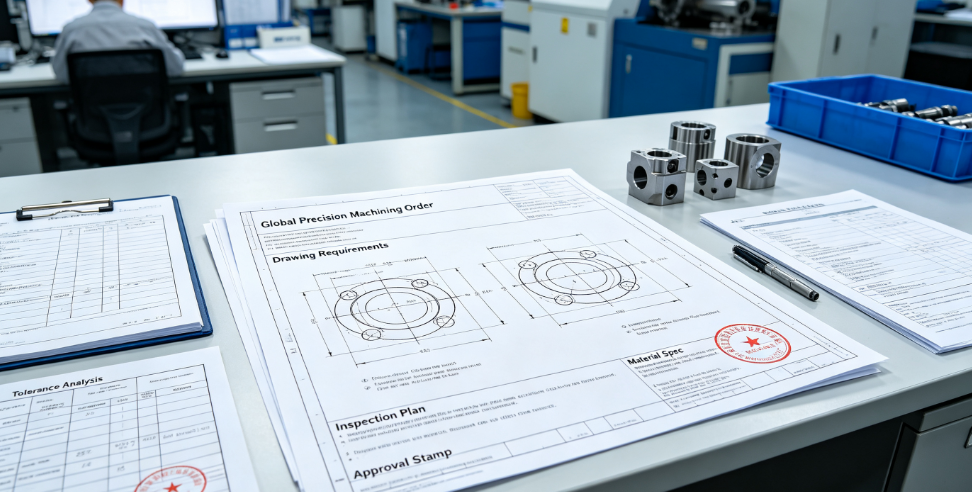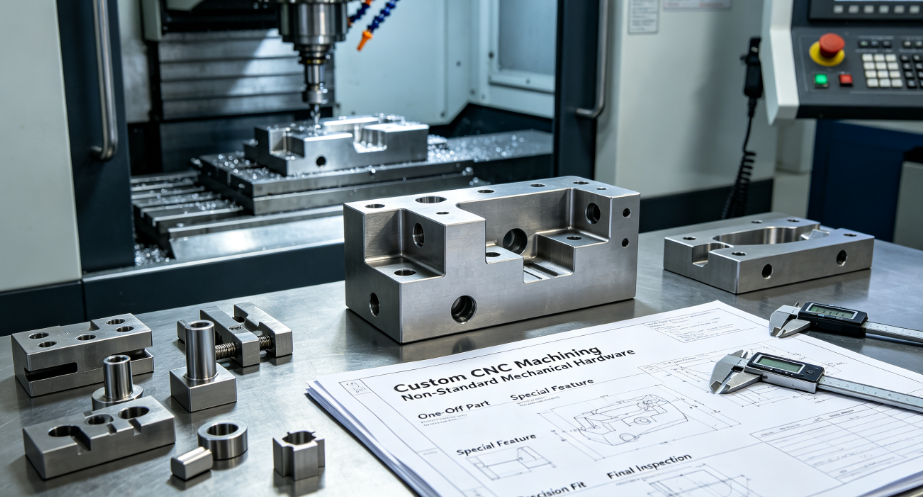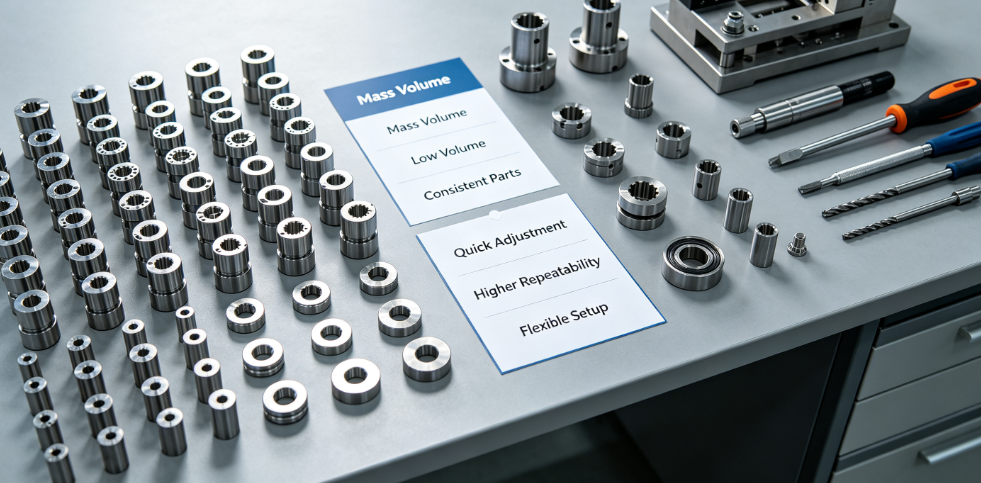
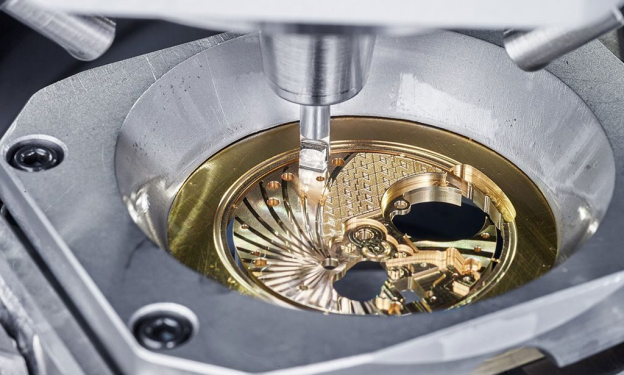
When it comes to CNC machining, people mostly focus on its precision. In fact, beyond precision, CNC machining of parts involves many other aspects, such as verifying part accuracy, achieving consistent CNC precision for all machined components, and contractual machining services.
What is CNC Precision?
CNC precision refers to whether the manufacturing accuracy of a machined part matches the dimensions specified in the design. Essentially, it measures how close a part is to its target dimensions, with minimal deviation from the design.
Defining CNC Precision in Manufacturing
The ability of CNC machines to produce parts that conform to target dimensions with no or minimal deviation from actual manufacturing values. CNC machining achieves CNC accuracy, machining precision, and consistent part production.
How Precise is CNC?
CNC machines are highly precise, with precision tolerances of ±0.001 inch or better. Deviations in any dimension—length, width, or height—must not exceed this value.
Accuracy of CNC Machines
CNC machines are engineered to meet extremely high precision standards. Standard machining accuracy tolerances are within ±0.005 inches (0.127 mm). For ultra-high CNC precision, tolerances can be as tight as ±0.0002 inches (0.00508 mm). CNC machined parts can be manufactured with zero deviation from nominal dimensions.
CNC Precision Formula
There is no fixed measurement formula for CNC precision. Instead, it is evaluated by factors including positional machining accuracy, accuracy or repeatability, precision tolerance classes, dynamic motion accuracy, linear motion backlash, and part dead zones.
What Is the Difference Between CNC Machining Accuracy and Precision?
Accuracy and precision are two critical aspects of CNC machining.
CNC Precision
CNC precision refers to how consistent a manufactured part is relative to the required dimensions. It measures how strictly the machine follows its program and achieves target dimensions without repeating the same errors.
Precision vs Accuracy: Key Differences
Precision relates to the consistency of measured results.
Accuracy refers to how close the measured results are to the design specifications.
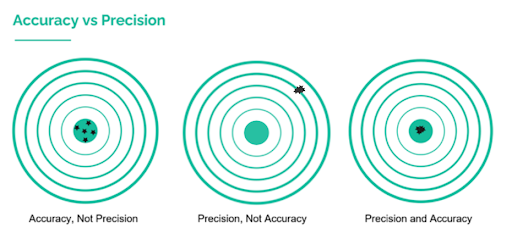
CNC precision means dimensional consistency, while CNC accuracy means the correctness of the dimensional values.
Why Both Matter in CNC Machining
Both accuracy and precision are extremely important in CNC machining and directly determine the quality of machined parts. They ensure components conform precisely to intended dimensions, which is critical for product performance and functionality. Meanwhile, they minimize part defects, reduce material waste, improve production efficiency, and deliver higher customer satisfaction.
Accuracy vs Precision Chart for CNC Machining
CNC accuracy and precision are sometimes used interchangeably, leading to confusion. Although the two are closely related, they have distinct definitions. The graphical illustration below helps clarify their differences.
The Role of Tolerance in CNC Machining
Tolerance plays an extremely important role in CNC machining.
What Is Tolerance in CNC Manufacturing?
Tolerance refers to the allowable deviation range for the dimensions of machined parts. It is defined in precise units such as inches or millimeters and marked with positive/negative (±) symbols on engineering drawings.
The smaller the precision tolerance value in CNC manufacturing, the higher the precision standard required for the part.
Standard CNC Tolerances
For machining processes including routing, turning, CNC milling, engraving and thread machining, the standard CNC tolerance is ±0.005 inch (0.13 mm).
Tight Tolerance vs Loose Tolerance: What Is the Impact?
A tight tolerance means only small dimensional deviations are allowed. It requires high precision standards and leads to higher manufacturing costs.
A loose tolerance allows larger acceptable deviations. It makes production more cost-effective but may compromise part fit and functionality.
CNC Machine Tolerance: How to Achieve Required Tolerances
The required precision tolerances can be achieved by using high-quality cutting tools and raw materials.
Machines require proper maintenance and regular CNC calibration, as well as routine inspection of equipment and tools.
Selecting the right machine according to the part’s design and required tolerance level also helps meet target tolerance requirements.
CNC Machine Accuracy: Factors Affecting Performance
Several factors determine the performance and machining accuracy of CNC machines.
CNC Plasma Cutter Accuracy
The accuracy of a CNC plasma cutter is affected by material type and thickness, plasma gas settings, torch height, current intensity, kerf width, machine quality, cutting speed, CNC control accuracy, operator skill, and bevel angle.
CNC Lathe Accuracy
lathe accuracy depends on factors such as clamping technique, tool quality, cutting speed, feed rate and depth of cut, workpiece material, machine alignment, CNC program accuracy, temperature fluctuations, tool wear, and part geometry.
CNC Milling Accuracy
CNC milling accuracy depends on cutting tool selection, machine condition and CNC calibration, cutting speed, feed rate and depth of cut, workpiece material, clamping and fixturing, programming accuracy, and machine vibration.
Machine Construction and Design
Factors influencing the structure and design of CNC machines include working range (which defines the maximum and minimum dimensions of machinable parts), tool reach from the machine to the workpiece, and material properties that can affect part machinability.
Calibration and Maintenance
Factors affecting the calibration and maintenance of CNC machines include environmental conditions (temperature, pressure, vibration, humidity, noise), CNC machine calibration records, as well as calibration certification and frequency.
Temperature and Environmental Conditions
Factors influencing temperature and environmental conditions include shop floor ambient temperature, cutting speed, depth of cut and feed rate, coolant flow, tool geometry, tool wear, machine vibration, and the overall design of CNC machine tools.
What is CNC Machine Repeatability?
CNC machine repeatability refers to the machine’s ability to perform the same processes and movements continuously multiple times under identical conditions. It ensures that parts are produced with nearly identical motions and consistent dimensions throughout mass production. Repeatability is measured in micrometers (μm).
Repeatability vs Accuracy: A Clear Comparison
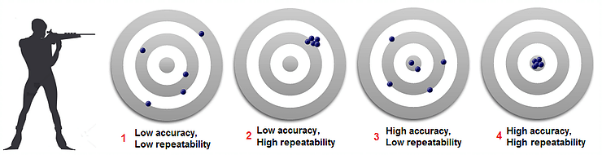
Accuracy defines how closely a machined part matches the target design dimensions.
Repeatability means the machine can return to the same position consistently time after time.
Repeatability focuses on consistent positioning, even if the results are not perfectly centered on the nominal dimension.
How Repeatability Affects Manufacturing Consistency
Repeatability has a significant impact on manufacturing consistency. It ensures CNC machines can consistently produce parts with identical dimensions and tolerances throughout the entire production process, maintaining the high quality standards required for mass manufacturing.
Types of CNC Precision
There are several types of CNC precision.
Geometric Precision
Geometric precision measures the degree of matching between the graphic model and the actual part dimensions. It is highly important in construction, metrology, and computer graphics.
Positioning Precision
It refers to how well the system position conforms to the required standard. It defines the accuracy of mechanical systems, geospatial layers, and positioning systems.
Interpolation Precision
It is related to factors such as sampling methods and the number of sampling points. Cross-validation is commonly used to determine interpolation precision.
Volumetric Precision
It indicates the degree of conformity between measured values and the actual values of a given volume. It is widely used to evaluate the precision of machine tools and 3D scanning.
Production Precision
It defines whether product dimensions comply with design specifications. It is critical in production and directly affects a company’s profit and market reputation.
Common Sources of Error in CNC Accuracy and Repeatability
There are several common sources of error that affect CNC accuracy.
Spindle Rotation and Guideway Errors
Spindle rotation error refers to the deviation of the machine spindle from its ideal rotational axis, which impairs the precision of machined parts.
Guideway error describes inaccuracies in the linear motion of machine guideways.
Both errors directly affect machine accuracy and are critical factors in CNC machining precision. They are influenced by bearing wear, manufacturing tolerances, and thermal expansion.
Drive Chain and Tool Geometry Errors
This refers to the cumulative errors in the position and movement of cutting tools.
It occurs due to geometric defects in every component of the drive chain, including gears, bearings, lead screws, and cutting tools.
This causes deviation from the intended machining path and reduces overall accuracy.
Positioning and Calibration Errors
These refer to inaccuracies when determining the exact position of reference points.
They arise from faulty measuring equipment, improper CNC calibration, or design limitations, and may result in misalignment between actual positions and indicated positions.
How to Measure CNC Machine Accuracy and Repeatability
The accuracy and repeatability of CNC machines are measured using a laser interferometer. The laser beam compares recorded positions with actual positions to precisely measure the machine’s positioning accuracy.
How to Check CNC Machine Accuracy
A ballbar test is performed to inspect machine accuracy. As a professional dedicated tool, it evaluates the machine’s movement along each axis, identifies deviations from a perfect circular path, and pinpoints areas of positional inaccuracy.
A dial indicator can also be used to check the straightness and perpendicularity of machine axes.
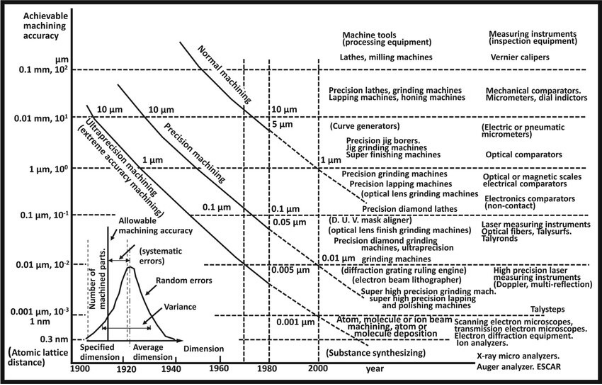
CNC Accuracy Chart
The CNC accuracy chart shows precision levels of different CNC machines, including 0.020 inch, 0.010 inch, and 0.005 inch.
Use of Precision Measuring Tools
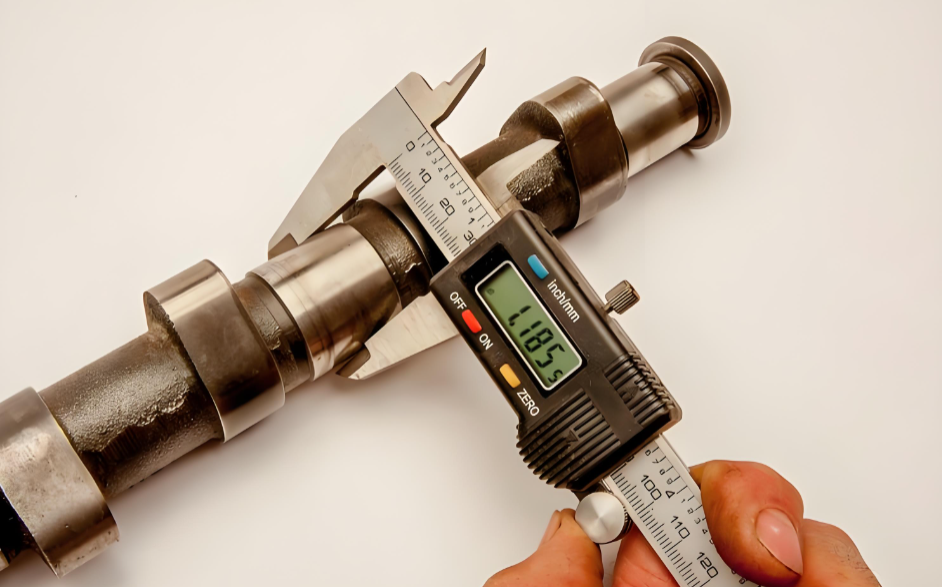
Precision measuring tools such as calipers, micrometers, and depth gauges enable highly accurate measurements. In manufacturing and engineering, they measure tiny fractions of an inch or millimeter, where high precision is critical for quality control and part assembly.
Calibration Methods
Common calibration methods include the working curve method for precision measurement, standard addition technique, internal standard technique, temperature calibration, pressure calibration, and flow calibration.
CNC Accuracy Percentage
CNC machines deliver exceptional precision, capable of measuring dimensions as fine as one-quarter the thickness of a human hair. They achieve accuracy up to ±0.001 inch (±0.025 mm) or even tighter.
Improve CNC Accuracy: Best Practices for Machines
There are proven best practices to effectively enhance CNC accuracy.
Regular Calibration and Maintenance
Routine calibration and maintenance of CNC machines are critical for accuracy, operational safety, product quality, cost control, and service life of equipment. Calibration helps meet quality standards and operational safety while avoiding CNC machining errors. It ensures reliable and consistent measurement results.
Upgrade Machine Components
Upgrading machine components improves the efficiency, safety and sustainability of CNC machines. Updated components deliver better compatibility, fewer CNC errors and cost advantages, while adopting the latest innovative technologies.
Minimize External Factors Such as Vibration and Temperature
External and environmental factors including temperature, workshop humidity, vibration and machine foundation must be continuously monitored to guarantee part precision during machining. Vibration damping and airflow stabilization methods can further boost machining accuracy and precision.
Why Do High-Precision CNC Machines Deliver Better Manufacturing Results?
CNC machining achieves superior precision through automated production workflows. It greatly reduces human-induced CNC errors, enables faster production speed, and maintains consistent quality. Parts feature precise dimensions with lower risks of defects and functional failures.
CNC Part Precision vs Manufacturing Cost
CNC parts with higher precision usually come with higher manufacturing costs. Tight tolerances require complex machining processes, specialized cutting tools, and longer production cycle time. These factors raise the unit price of each part and significantly impact overall manufacturing costs.
Choose the Right CNC Machining Partner According to Your Requirements
When selecting a CNC machining partner, there are several key factors to consider. Priority should be given to industry-specific experience, the capability to work with various materials and meet precision tolerances, quality control procedures, production capacity, delivery lead time, and customer service last but not least. Taking all aspects into account, Zorapid CNC Machining provides one of the top-tier services in China.
FAQ
How does Zorapid control CNC precision strictly?
We use rigid 3/5-axis machines, control tool life, adopt unified datum strategy, special deformation solutions for thin walls and hard materials, and apply CMM inspection to stably achieve ±0.005mm tight tolerance.
How to steadily achieve ultra-high CNC precision?
High-precision machines, dedicated tools, DFM review, stress relief, optimized cutting parameters, CMM full inspection and standardized quality control form a closed-loop accuracy guarantee.
How to improve precision through process design?
Separate roughing and finishing, apply stress relief, layer cutting, optimize corner tool paths, unified machining datums, reserved finishing allowance and climb milling to reduce stress.
Why does material cause accuracy deviation?
Aluminum, stainless steel and titanium release internal stress after cutting, leading to springback deformation. Hard materials cause tool deflection and built-up edge without stress relief.