You will encounter a wide range of complex-shaped parts, including turbine blades, engine components, surgical tools, and more. All of these parts are manufactured with dedicated cutting tools and CNC machines. Multiple machining operations are performed to achieve precise dimensional accuracy. While the manufacturing industry uses numerous types of machinery and tools, two primary methods stand out: face milling and end milling. They differ significantly in working principles, application scenarios, and other key aspects.
What is Milling?
Milling efficiently and precisely fabricates complex custom parts with rotating cutters. It works with plastics, composites and more, serving aerospace, medical and other industries.
Other Types of Milling Processes
There are two primary categories of milling: face milling and end milling. Additional common milling processes include:
- Peripheral Milling
- Slot Milling
- Plunge Milling
- Shell End Milling
Face Milling vs. Shell End Milling
Face Milling
- Uses a large-diameter cutting tool
- Designed for flat surfaces
- Ideal for large surface areas
Shell End Milling
- Uses smaller, versatile tools
- Perfect for small-scale production of complex shapes
Peripheral Milling vs. Face Milling
Peripheral milling cuts along the edge of the workpiece, making it easier to machine slots and contours. Face milling is mainly used for flat surfaces.
Why is it important to choose the right tools for different materials?
Selecting the right tool for the corresponding material is extremely important. Improper tool selection will result in loss of material integrity and excessive tool wear, further causing economic losses.
Influence of Material Type on Milling Selection
The properties of workpiece materials directly affect the selection of cutting tools.
- For soft materials such as aluminum, sharp tools and higher cutting speeds should be adopted.
- For hard materials like titanium and its alloys, robust tools and lower cutting speeds are required.
Key Considerations When Selecting Milling Tools
It is always wise to take critical factors into account to avoid compromised material integrity and tool wear. You should consider the following points before choosing a milling cutter:
- Material hardness
- Part geometry
- Required surface finish
- Machining speed
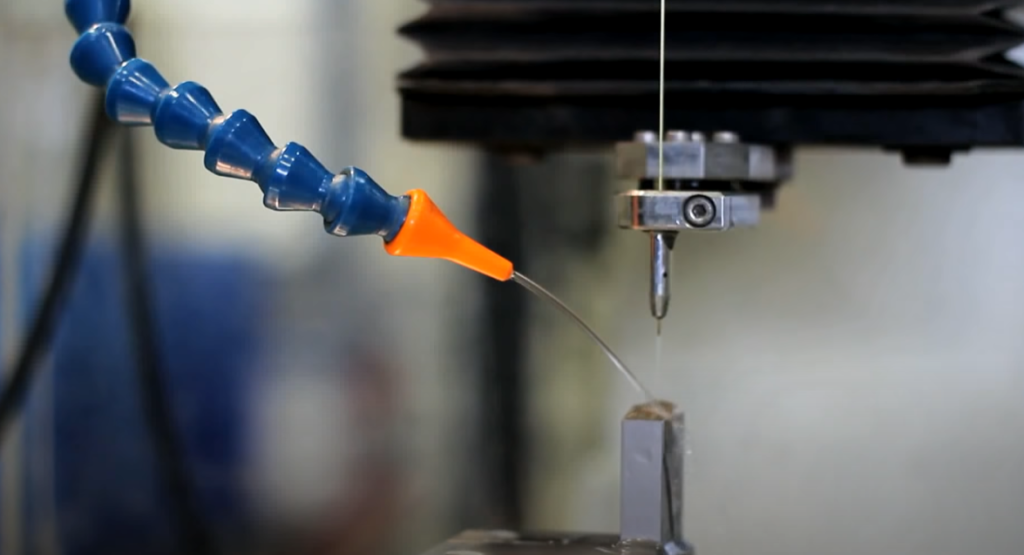
What Is Face Milling?
Valuable information about face milling.
Overview of the Face Milling Process
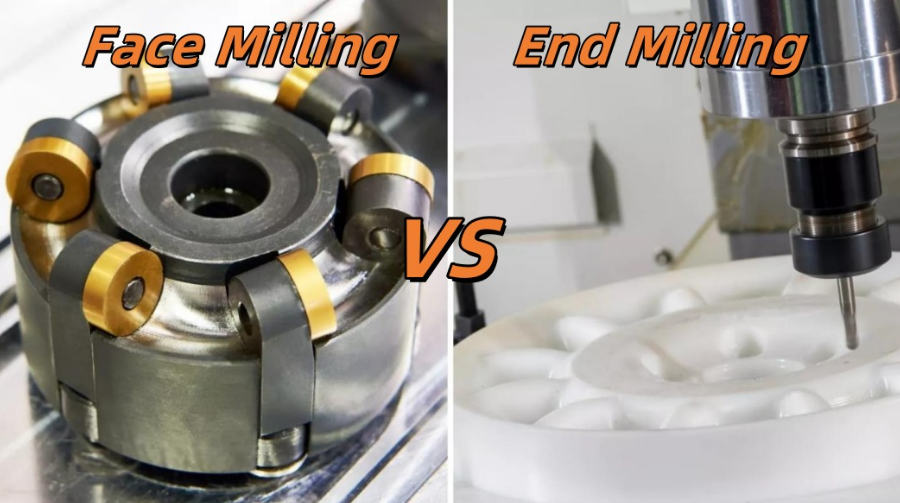
In the face milling process, a multi-tooth cutting tool is used to machine the desired part. The tool features a large diameter. The combination of multiple cutting edges and large diameter delivers a high material removal rate, producing broad, flat surfaces efficiently.
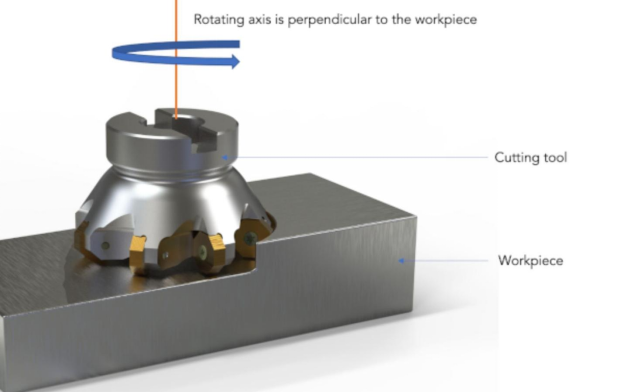
How Face Milling Applies to Different Materials
The type of material determines how a specific milling operation performs. In face milling, parameters such as cutting speed and cutting tool type are adjusted for different workpiece materials.
Face Milling for Soft Materials
When machining soft materials, sharp cutting tools and higher cutting speeds should be used. These parameters help improve surface finish and enhance the durability of the parts.
Face Milling for Hard Materials
For hard materials, robust cutting tools and lower cutting speeds are recommended to avoid excessive wear of cutting tools.
What Is an End Mill?
This section provides an in-depth introduction to the end milling process.
Overview of End Milling
End milling cuts workpieces by using a rotating tool that moves parallel to the workpiece. The cutting edges are located on both the end face and the side flank of the tool. It is a versatile process suitable for both roughing and finishing operations. End milling is widely used to machine slots, grooves, complex geometries, and other features.
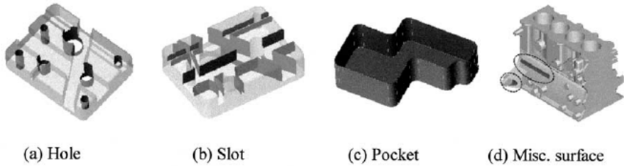
How End Mills Machine Different Materials
We adjust machining parameters according to the properties of different materials in end milling.
End Milling for Soft Materials
For soft materials such as aluminum, apply higher cutting speeds and use sharp cutting edges.
End Milling for Hard Materials
For hard materials like titanium, adopt robust tools and lower cutting speeds.
What Is the Difference Between Face Milling and End Milling?
In this section, we will analyze the key differences between face milling and end milling.
Cutting Action and Tool Geometry
Face Milling
The large-diameter cutter is equipped with multiple cutting teeth and moves across the surface of the workpiece.
End Milling
A small cutting tool with cutting edges on both the end face and peripheral sides.
Surface Finish Quality of Different Materials
A fine surface finish ensures product durability. If the surface is rough, friction during application will be excessive, which ultimately reduces operational efficiency.
High-quality surface finishes can be achieved by face milling, while end milling delivers fine and precise surface finishes.
Surface Finish of Face Milling
Face milling features a high material removal rate and can achieve superior surface finish quality.
Surface Finish of End Milling
Compared with face milling, end milling has a lower material removal rate and delivers a relatively inferior surface finish.
Tool Engagement and Efficiency
The following table summarizes tool engagement and efficiency for face milling and end milling processes.
| Characteristic | Face Milling | End Milling |
| Cutting Direction | Perpendicular to the surface | Parallel to the surface |
| Material Removal | Removes material from large flat surfaces | Used for slotting and profile machining |
| Tool Design | Large diameter with multiple inserts | Small diameter with cutting flutes |
| Surface Finish | Produces a smoother, flatter surface texture | May leave visible tool marks on the workpiece |
| Efficiency & Suitability | Highly efficient for large-area machining | Excels at deep cuts and detailed work |
Face Milling vs End Milling for Different Materials
A wide range of materials serve multiple purposes in practical applications. Among the most commonly used are aluminum and its alloys, steel and its alloys, titanium and its alloys, and more. Below is a brief overview of how to perform face milling and end milling operations on these materials. The selection of either process depends on the material properties. Choosing the right cutting method wisely is critical to achieving optimal results.
Performance Comparison: Face Milling vs End Milling for Aluminum Alloys
Common aluminum alloys such as 6061 and 7075 are easily machined by both face milling and end milling. For fine machining of small aluminum alloy parts, end milling is the preferred option. Ultimately, the final choice depends on factors such as material removal rate and cutting efficiency.
Cutting Efficiency and Material Removal Rate
For a higher material removal rate (MRR), the face milling process is the better choice, though it produces a relatively rough surface finish.
If surface finish is a priority, end milling should be selected. Despite being a slower process, it delivers higher finishing quality.
Surface Finish Comparison
For aluminum alloys, end mills deliver a smoother surface finish due to gradual cutting edge engagement. The smaller tool diameter allows gradual contact with the workpiece, typically utilizing climb milling principles. This makes end milling ideal for machining slots, holes, and complex features.
In face milling, the cutting tool makes instant full contact with the workpiece, resulting in a comparatively rougher surface finish.
Tool Wear in Face Milling vs End Milling of Aluminum
Due to higher hardness, 7075 aluminum causes more severe tool wear during end milling, which is why end milling is not recommended for harder aluminum grades.
By contrast, face milling can reduce tool wear significantly through optimized feed rate and cutting depth parameters.
Face Milling vs. End Milling for Steel and Stainless Steel
Stainless steel is a relatively hard material that requires robust tools for machining. We recommend using the face milling process.
Face Milling vs. End Milling for Steel Alloys
AISI 1045 and 4140 steel alloys are used in common applications such as kitchen hardware.
For rough surface machining, face milling can be used; for precision work and fine cutting, end milling is preferred.
Cutting Force Comparison
4140 steel generates higher cutting forces and heat, making face milling more suitable for large‑area roughing, while end milling is better for precise, complex cutting.
Surface Quality: Face Milling vs. End Milling
End milling is a cutting process specially designed for precision machining and complex profiling of workpieces. This is why we prefer end milling for steel alloys such as AISI 1045 and 4140 to achieve excellent surface finish, especially for fine features. In contrast, face milling usually results in a rougher surface finish due to the larger cutting area.
Milling Hard Materials: Titanium Alloys
Titanium is one of the most high-performance engineering materials. It features superior comprehensive properties, outstanding tensile strength, good hardness, and excellent corrosion and oxidation resistance even at elevated temperatures, making it ideal for aerospace applications.
Face Milling vs. End Milling for Titanium Alloys
Titanium alloys such as Ti-6Al-4V are extremely hard and difficult to machine. Face milling performs well under such demanding cutting conditions, while end milling is suitable for complex contour cutting on part surfaces.
Cutting Speed and Tool Selection
For face milling, adopting lower cutting speeds and larger-diameter cutters helps effectively reduce tool wear.
End milling should be used for precision cutting of small workpieces.
Efficiency of Face Milling vs. End Milling for Titanium Alloys
Face milling is highly efficient for titanium workpieces with large surface areas, whereas end milling demonstrates its advantages when machining small and intricate components.
Material Removal Rate (MRR) in Titanium Alloy Milling
For large titanium surfaces, face milling generally delivers a higher MRR. By contrast, end milling offers a lower MRR with superior precision, making it ideal for accurate machining of small, fine features.
End Milling for Fine Features and Sharp Edges
Although end milling is slower in cutting speed and material removal rate, it can effectively produce fine features and precise edges on part surfaces. It works perfectly for materials such as stainless steel and titanium alloys without machining issues.
When to Combine Face Milling and End Milling
In many applications, such as mold cavities, face milling and end milling are used in combination. Face milling is used for rough surface machining, while end milling performs deeper and more complex cutting operations.
Optimize Milling Processes According to Material Type and Application
Optimizing milling processes based on respective material types and application scenarios can improve processing efficiency and product durability.
Select the Best Tools According to Material Properties
For hard materials, choose robust cutting tools and adopt lower cutting speeds. For soft materials such as aluminum, use sharp tools and higher cutting speeds.
Adjust Milling Parameters for Optimal Results
Apply the optimal cutting speed, feed rate, and tool selection to achieve better surface finish and enhance product durability.
Considerations for Cutting Speed and Feed Rate
Higher cutting speeds are suitable for soft materials, while harder materials require lower cutting speeds to avoid excessive tool wear.
Cutting Depth and Tool Selection
Deeper cuts are applied for roughing surfaces, while shallow cuts are used for finishing operations.
Conclusion
Face milling and end milling play vital roles in the manufacturing industry. The selection of these two processes depends on multiple factors, including material removal rate, surface finish requirements, and complex cutting needs. Both processes are widely used to machine slots, grooves, structural components, and other parts.
FAQ
Can face milling and end milling be combined in one project?
Yes, they can be combined in a single project. A typical real‑world example is mold cavities. We first use face milling to rough the surface, then apply end milling for finishing.
Do end mills wear faster when performing face milling?
Yes, which is why it is critical to select the optimal tool. When using end mills to machine hard materials, you will encounter severe tool wear issues.