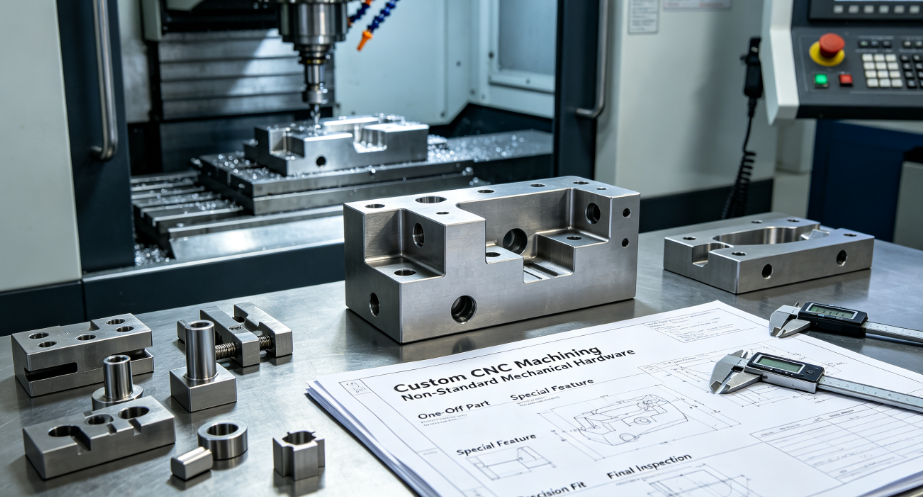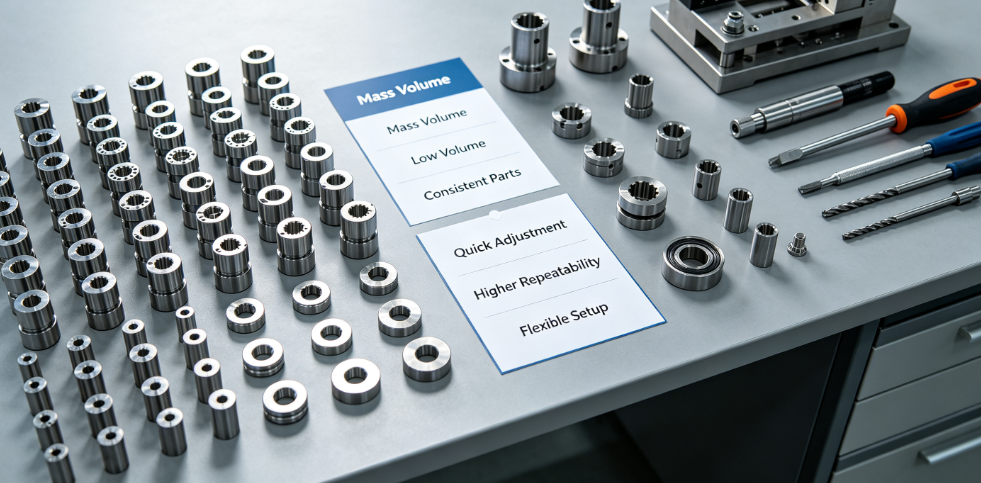
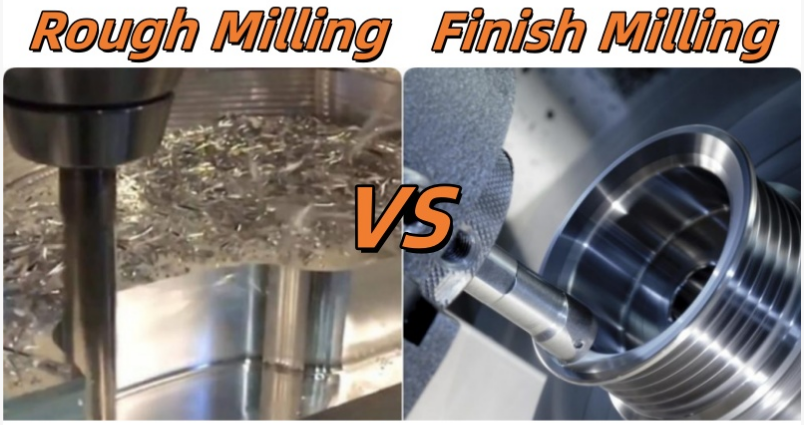
We have been using CNC machines for more than a century. Over time, CNC machines have advanced, and today they can perform multiple operations in one cycle while maintaining tight tolerances for workpieces. Milling is one of the operations performed by CNC machines. Milling is further divided into two types: rough milling and finish milling. Material removal rate is the main difference between these two milling methods. Detailed information about rough milling, finish milling, and their differences is provided below.
What is Milling?
Milling removes excess material to shape parts with dedicated milling tools, widely used across aerospace, medical and electronics industries.
Types of Milling: Rough Milling vs. Finish Milling
Based on material removal rate, there are two types of milling: rough milling and finish milling. Below is a detailed comparison between rough milling and finish milling.
Rough Milling: The First Step in CNC Machining
Understand the differences between these two milling methods and when to choose each process. Below are the key aspects of rough milling.
What Is Rough Milling?
Rough milling is the primary process for workpiece fabrication. It features an extremely high material removal rate, while surface finish and dimensional accuracy are not the main priorities at this stage.
Key Process of Rough Milling
milling uses heavy-duty tools and high cutting speeds to quickly strip bulk material, shaping workpieces close to final form and leaving only finish milling needed.
Rough Milling Tools
Rough milling needs heavy-duty high-performance cutters. Featuring fewer flutes and optimized geometry for smooth chip removal, they’re typically made of tungsten carbide or high-speed steel.
What Is Finish Milling? Perfecting the Final Product
Once the workpiece is shaped close to the final form, this type of milling delivers the final surface and contour.
Purpose of Finish Milling
Finish milling is designed to achieve the required surface finish and tight tolerances for the final part. It eliminates dimensional errors left by rough milling and serves as the final finishing process in the manufacturing workshop.
Achieving Precision and Accuracy
Finish milling meets the precision and accuracy requirements for practical product applications. This process removes all surface imperfections and flaws.
Improving Surface Quality
Rough milling leaves a coarse surface that is unacceptable for end use. Finish milling effectively refines and upgrades the overall surface quality.
Key Process of Finish Milling
Finish milling requires extremely careful machining to achieve exact dimensions with zero surface defects. Cutting speed and feed rate are precisely optimized to deliver ideal finished results.
Common Applications of Finish Milling
Finish milling is widely used across industries, with two primary applications as follows:
High‑Precision Components
High‑precision components in critical industries such as aerospace are manufactured using finish milling.
Complex Geometries and Tight Tolerances
Parts with complex geometries and strict tolerances for medical implants and the electronics industry are ideal for finish milling.
What Is the Difference Between Rough Milling and Finish Milling?
Differences Between Rough Milling and Finish Milling
Material Removal Rate (MRR)
Material Removal Rate (MRR) is the fundamental difference between rough milling and finish milling.
Rough Milling – Maximize Material Removal
This milling process features a high material removal rate.
For instance, making nuts involves machining a square blank into nut shape by removing large amounts of raw material.
Finish Milling – Slower Speed with Controlled Material Removal
Once the workpiece nears final shape, finish milling begins.
A controlled MRR is adopted to achieve high precision and tight dimensional tolerances.
How MRR Affects Cost and Time Efficiency
MRR is directly related to cost and time efficiency.
Rough milling delivers a high MRR and higher time efficiency.
Finish milling uses a controlled MRR, making it a slower machining process.
Feed Rate and Cutting Depth
rate and cutting depth greatly influence surface finish; therefore, these factors must be considered for both milling methods.
Feed Rate in Rough Milling
Since rough milling removes large volumes of material from the workpiece, a high feed rate is applied to maximize material removal efficiency.
Feed Rate in Finish Milling
Material must be removed in a highly controlled manner during finish milling to ensure maximum precision and tight tolerances.
This is why a lower feed rate is used in finish milling.
Differences in Cutting Depth
Rough Milling
Deeper cuts remove large amounts of material from the workpiece quickly.
Finish Milling
Shallow cuts remove material gradually and precisely, delivering excellent surface finish and dimensional accuracy.
Surface Finish Quality
Due to differences in cutting tools and machining parameters, the two milling methods produce completely different levels of surface finish.
Rough Surface from Rough Milling
With high cutting speed and heavy-duty cutting tools, most excess material on the workpiece is removed aggressively.
Such heavy cutting results in a relatively rough surface finish.
Mirror-like Surface with Precision Tools
A rough surface finish is unacceptable for most end applications, which is where finish milling plays a key role.
With controlled and meticulous material removal, precision cutting tools can achieve a mirror surface finish.
Functions of Rough Surface vs Mirror Polished Surface
- A rough surface is required to strengthen adhesion between the part surface and coatings.
- A mirror finish is needed for aesthetic purposes or functional demands, such as reducing friction and improving wear resistance.
Dimensional Accuracy and Tolerance
Accuracy and tolerance depend on milling cutters, cutting speed, and material removal rate during part machining.
Tolerance in Rough Milling
Rough milling focuses primarily on material removal, so it adopts relatively loose tolerance standards.
Tolerance in Finish Milling
Optimized cutting parameters, suitable tools, and controlled MRR are used to achieve tight and precise target tolerances.
Managing Tolerance Variation at Different Machining Stages
To control tolerance variation throughout the machining process, it is critical to leave sufficient machining allowance during rough milling.
This ensures finish milling can reach the required tolerances without over-machining.
When to Choose Rough Milling Instead of Finish Milling
Conditions where rough milling is more preferable than finish milling.
Evaluate Material and Geometry
Before selecting a milling operation, you need to evaluate the material and geometry of the component.
Harder Materials and Complex Shapes
For harder materials and complex geometries that require removing large volumes of stock, rough milling is the ideal option.
Cost Considerations for Early Machining
Removing large amounts of material from the workpiece at the initial stage makes the overall process cost-effective.
Speed and Efficiency Requirements
After evaluating the workpiece material and geometry, speed and efficiency become the next key consideration.
Remove Bulk Material and Reduce Manufacturing Costs
Rough milling can remove large quantities of material from the workpiece in a shorter time, making it a cost-efficient manufacturing process.
Ideal for Prototyping and Pre-Production Stages
In pre-production and prototyping phases, the main priority is efficient material removal. For such scenarios, rough milling is the first choice.
Industry Examples
Below are the major industries where rough milling is widely applied.
Demand for Rough Milling in the Aerospace Industry
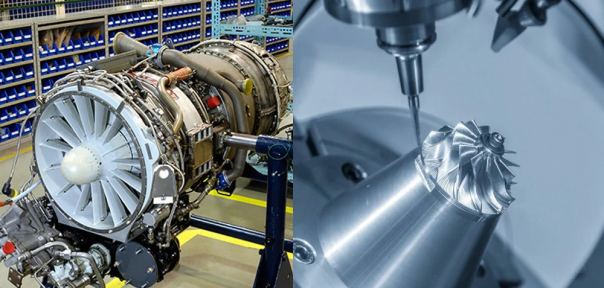
In the aerospace industry, rough milling is adopted when manufacturing parts such as aircraft frame components.
Applications of Rough Milling in Automotive and Heavy Industry
In the automotive and heavy industry sectors, components such as chassis parts are manufactured by rough milling. This milling process enables high production output and high processing efficiency.
When to Choose Finish Milling Over Rough Milling
Conditions under which finish milling should be selected.
Critical Accuracy and Precision Requirements
Accuracy and precision are essential to guarantee product durability.
Final Components Require Fine Tolerances
Finish milling is the final machining step of milling processes. To achieve fine tolerances, material is removed in a highly controlled manner during finish milling.
Compensate for Tool Wear and Surface Defects
Finish milling eliminates all surface imperfections and resolves issues caused by tool wear.
Applications Requiring Smooth Surface Finishes
A smooth surface ensures product durability, and smooth surface finishing is required across all industries.
Medical Devices and High-Performance Components
In industries with strict safety standards, any surface defects are unacceptable. For this reason, medical equipment and high-performance components demand a smooth surface finish.
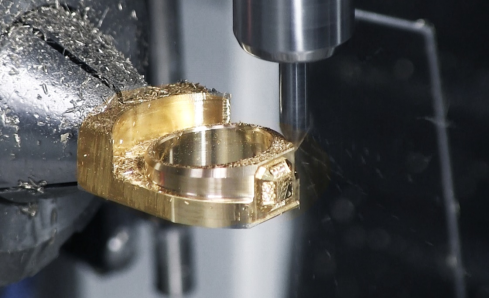
Jewelry, Mold Making and CNC Finishing
A smooth surface finish is vital for many scenarios with special performance and aesthetic requirements.
Jewelry
- Aesthetic appearance
- Engraving and intricate details
- Comfort and durability
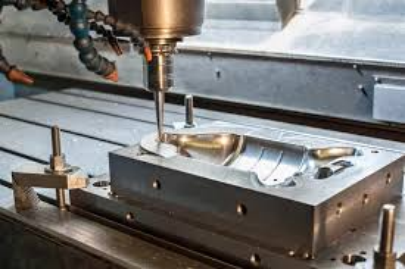
Mold Making
Better material flow
Reduced post-processing
Product launch
CNC Finish Machining
Precision and accuracy
Reduced friction and wear
Aesthetic appeal
Considerations for Part Geometry
Complex Geometries and Their Impact on Tool Selection
Complex geometries have a significant impact on tool selection. To achieve required precision, finish milling is the ideal choice.
Post-Processing for High-Precision Parts
After final finish machining, additional post-processing is usually unnecessary. This is because all dimensional issues are resolved during finish milling.
Tool Considerations for Rough Milling and Finish Milling
Tools used for rough milling and finish milling are different; it is critical to select the right cutting tools according to machining requirements.
Selecting the Right Rough Milling Tools
Using unsuitable tools for rough milling will lead to excessive tool wear and compromise part integrity.
Tool Geometry and Durability
There is a direct correlation between tool geometry and service life. The helix angle of rough milling cutters facilitates smooth chip evacuation and improves cutting efficiency.
Carbide and HSS for Rough Milling Cutters
Rough milling tools must be made of carbide or high-speed steel (HSS) to minimize tool wear.
Selecting the Right Finish Milling Tools
It is essential to adopt proper cutters for finish milling operations.
Precision Tools and Geometry for High Accuracy
To maintain precision and tight tolerances, finish milling cutters feature fine cutting edges and optimized geometric designs.
Importance of Tool Coatings for Extended Service Life
Tool coatings reduce friction and wear, effectively extending tool lifespan.
Impact of Tool Wear on Both Milling Processes
Cutting tools are prone to wear in both milling methods, which shortens overall tool life.
Tool Life Management in Rough Milling
Rough milling involves higher tool wear compared to finish milling. Regular maintenance and timely tool replacement can mitigate this issue.
Tool Deflection Control in Finish Milling
Cutting parameters should be optimized to avoid tool deflection during finish milling.
Tips to Optimize Milling Practices
The following tips can help you optimize your milling operations.
Optimize Rough Milling Speed and Efficiency
First, we will look at how to optimize the speed and efficiency of rough milling.
Maximize Material Removal in Short Time
Adopt aggressive cutting parameters and durable tools to remove material to the maximum extent in a short time.
How to Handle Tool Wear Under High Material Removal
Regular maintenance and timely tool replacement are essential to manage tool wear during rough milling.
Optimize Finish Milling for Higher Precision and Quality
Optimizing finish milling is equally important to ensure part precision and finished quality.
Minimize Surface Defects
The ultimate goal of finish milling is to reduce surface defects, which can be achieved by using fine milling cutters and precision tools.
Adjust Cutting Parameters to Ensure Surface Integrity
Tune cutting parameters such as feed rate and cutting speed to enhance overall surface integrity.
Summary
This article analyzes the differences between rough milling and finish milling, and gives a brief overview of milling operations. It can be concluded that rough milling is adopted at the initial stage to remove large amounts of excess material, while finish milling serves as the final procedure in the manufacturing process. Rough milling produces a coarse surface due to aggressive cutting, whereas finish milling delivers an extremely smooth surface finish.
FAQ
How can roughing end mills withstand heavier loads compared to finishing end mills?
Roughing end mills feature fewer flutes and a more robust geometry, enabling them to withstand higher loads.
Can I use the same end mill for both rough milling and finish milling?
No, you should not use one single end mill for finish milling, as each cutting tool is designed for specific applications.
Why do roughing end mills have fewer cutting edges than finishing end mills?
To achieve better chip evacuation and increase the material removal rate (MRR).
What materials are most suitable for rough milling?
Steel and titanium are hard materials and ideal for rough milling, as they can withstand aggressive cutting parameters.