You will understand the meaning of the term subtractive. It means to deduct or remove something.
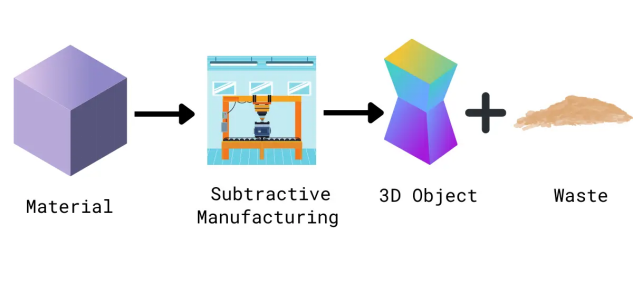
Subtractive manufacturing removes material from solid blocks to form desired shapes with various tools and techniques.
It also explains the importance of subtractive manufacturing in daily life and highlights its advantages over additive manufacturing.
You will learn about common subtractive manufacturing technologies such as CNC machine tools, their core benefits, and the right scenarios to choose them.
Now let’s take a closer look at what subtractive manufacturing is.
What is subtractive manufacturing?
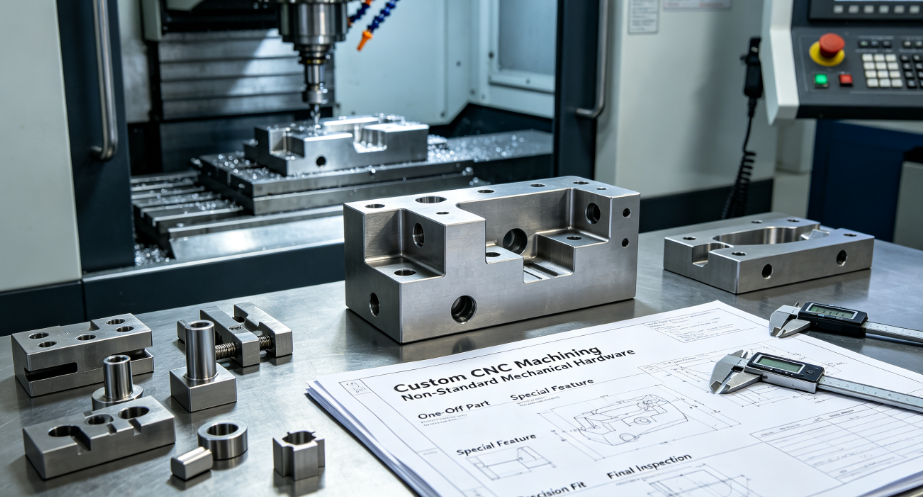
Subtractive manufacturing removes material from solid blocks to form desired shapes, using specialized tools and machines to craft raw stock into functional finished parts. Subtractive manufacturing has become a cornerstone of the automotive, aerospace, and many other industrial sectors.
Definition and Core Principles
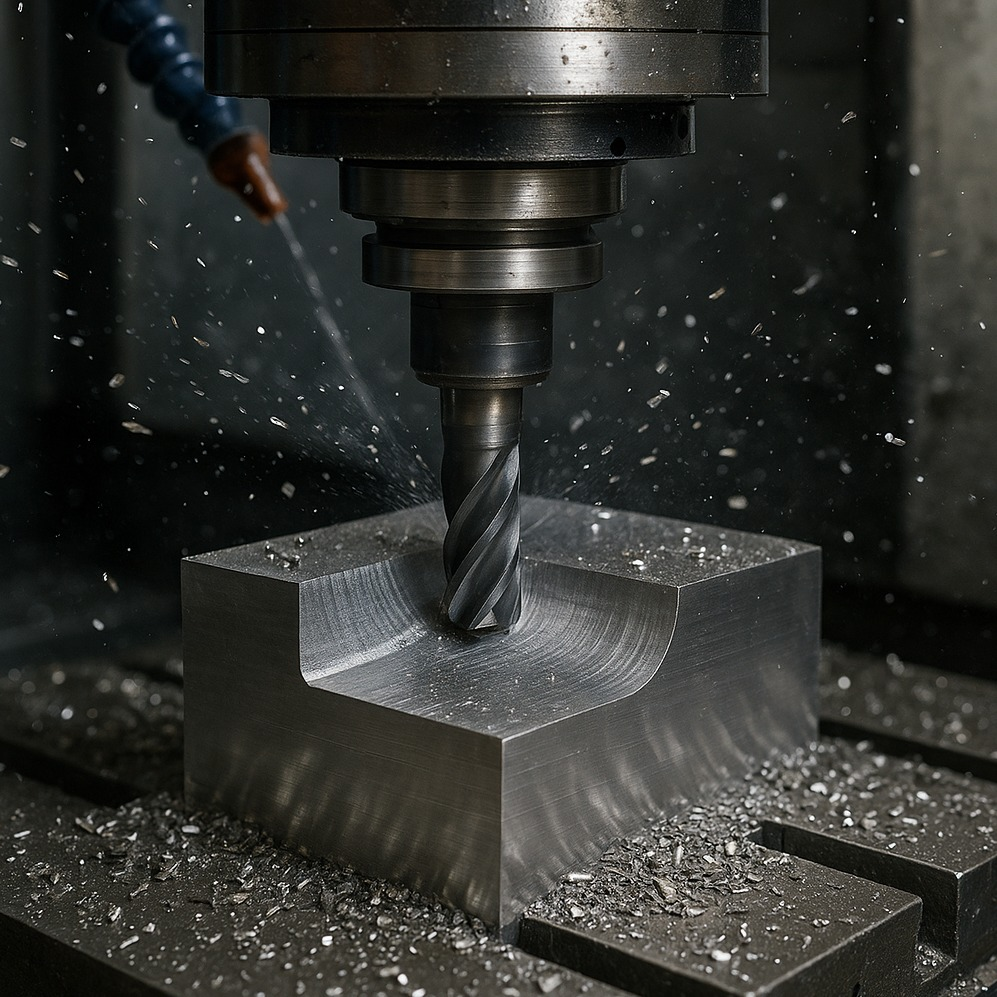
The core principle of subtractive manufacturing is to cut away or remove material from a solid workpiece using tools such as drills, lathes, or laser cutters.
Evolution from Manual Machining to CNC Machining
Achieving highly precise workpiece dimensions has always been a top priority. With the advent of the Industrial Revolution, the demand for manufacturing tightly toleranced components in the aerospace and automotive industries became increasingly critical. Manual machining could not meet such precision requirements, or it required excessive time and labor. To solve these challenges, CNC (Computer Numerical Control) machine tools were introduced into the manufacturing industry as advanced production equipment.
Role in Modern Digital Workflow (CAD → CAM → CNC)
Workpieces cannot be machined directly on CNC equipment. Parts must first be designed in CAD software, then converted into tool paths via CAM software, before production can be carried out on CNC machine tools.
Common Types of Subtractive Manufacturing Processes
Learn about the most common subtractive manufacturing processes.
CNC Milling (3-axis to 5-axis)
Choose a 3-axis CNC machine for simple part designs. For complex geometries such as impellers, use a 5-axis CNC machine equipped with additional rotary A/B axes.
| Type | Speed | Accuracy (±mm) | Cost (USD/hour) |
| 3-axis | High | 0.05 | 80 |
| 5-axis | Medium | 0.02 | 150 |
CNC Lathe vs Swiss-Type Lathe
In CNC turning, the cylindrical workpiece rotates while the cutting tool removes material. It is best suited for machining cylindrical parts such as shafts.
Swiss-type lathes are ideal for tiny components, such as watch screws.
Efficiency varies with part size. For micro-sized parts, a Swiss lathe can be 3 times faster than a standard CNC lathe.
| Type | Speed | Accuracy (±mm) |
| CNC Turning | High | 0.01 |
| Swiss-Type Lathe | Very high | 0.005 |
Grinding, Honing and Lapping
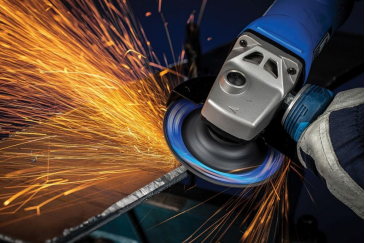
Grinding is the process of using a grinding wheel to remove material for sizing and shaping. It is also widely applied to achieve superior surface finish.
Honey
Honing
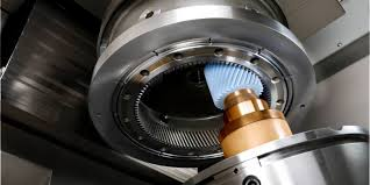
Honing stones are used to finish the inner surface of holes and bores. This process is applied to improve dimensional accuracy and surface finish.
Lapping
Take a lapping plate and a workpiece, apply lapping compound between the two surfaces, then perform the lapping process. This method can achieve a mirror-like surface finish.
| Process Application | Speed | Accuracy (±mm) |
| Lapping | Low | 0.002 |
| Honing | Very low | 0.005 |
Electrical Discharge Machining (EDM)
Cutting material with an electrically charged wire is called wire EDM.
Using an electrode to shape internal cavities is known as sinker EDM.
| Process Type | Speed | Accuracy (±mm) |
| Wire EDM | Low | 0.01 |
| Sinker EDM (Ram EDM) | Very low | 0.02 |
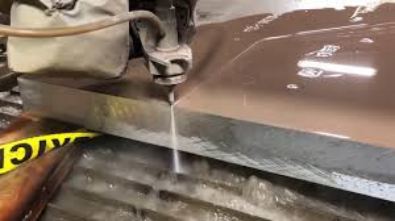
Water Jet and Fiber Laser Cutting
Fiber Laser Cutting
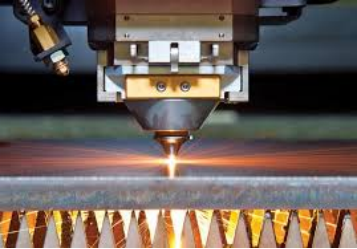
A focused laser beam melts, burns, or vaporizes the target material. It is suitable for machining parts with complex shapes and tight tolerances.
Water Jet Cutting
Water jet cutting refers to the process of cutting materials using a high-pressure water stream, sometimes mixed with abrasive particles.
Quick Comparison Table
The table below compares the differences among subtractive manufacturing methods.
| Process Application | Best Suited For | Speed | Accuracy (±mm) |
|---|---|---|---|
| 5-axis Milling | Complex 3D parts | Medium | 0.02 |
| Swiss-type Lathe | Miniature components | Very high | 0.005 |
| Wire EDM | Hardened metals | Low | 0.01 |
| Fiber Laser Cutting | Thin sheet metals | High | 0.05 |
Supported Materials for Subtractive Manufacturing
Subtractive manufacturing, such as CNC machining, can process a wide range of materials into functional end‑use parts. This differs from additive manufacturing, which faces challenges with material thermal stability and strength.
Types of Metallic Materials
CNC machines and other subtractive methods can process diverse materials including metals, plastics, and composites. Below are common metals widely used in subtractive manufacturing:
Aluminum for Subtractive Manufacturing
Common alloys include 7075‑T6, 7075, and 2024. Used for aerospace parts (wing ribs) and automotive components (engine blocks).
Titanium for Subtractive Manufacturing
Widely used grades: Grade 2 (CP), Grade 5 (Ti‑6Al‑4V), and Grade 23 (medical). Applied to landing gear, implants, and many other products.
Inconel Alloys for Subtractive Manufacturing
Inconel is a nickel‑based alloy. Common grades: 718, 625, and 738. It offers excellent mechanical properties and is used in nuclear reactors, turbine disks (aerospace), and downhole tools (oil & gas).
Steel for Subtractive Manufacturing
The most widely used material in subtractive manufacturing. Ranges from low‑carbon steel (frames) to alloy steel, stainless steel (food equipment), and tool steel (molds and cutting tools).
Non‑Metallic Materials
Subtractive methods like CNC machining provide a broad material selection. Below are non‑metallic materials for subtractive manufacturing.
Engineering Plastics
Engineering plastics are designed for critical applications. One example is POM (Polyoxymethylene), widely used in gears, bearings, and medical devices. Others include nylon, PEEK, and more.
Carbon Fiber Composites
Among the most difficult materials to machine, but easily processed via subtractive manufacturing or CNC. Used in aerospace structures, automotive parts, and sports equipment.
Top 3 Difficult‑to‑Machine Alloys
Three materials regarded as “difficult to machine”:
Inconel 718 (CNC)
Work hardens instantly during machining, making it extremely challenging. CNC handles it reliably. Used in jet engine components and high‑stress nuclear applications.
Ti‑6Al‑4V (CNC)
Poor thermal conductivity causes heat concentration, leading to difficult machining. Mainly used for aircraft parts and medical implants.
Hardened Tool Steel (≥ 55 HRC)
Extremely hard; abrasive carbides rapidly wear carbide cutting tools. Used for injection molds and cutting dies.
Tolerance, Surface Finish and Dimensional Accuracy
The primary advantage of adopting subtractive manufacturing is that it delivers superior tolerance control, surface finish and dimensional accuracy compared with conventional manufacturing methods. These characteristics extend service life of parts and improve application reliability.
Typical Tolerance Range of Each Process
Subtractive manufacturing covers a variety of processes, including CNC machining, grinding, turning and more. The achievable tolerance of each process is as follows:
| Process Application | Typical Tolerance (±mm) | Best Suited For |
|---|---|---|
| CNC Milling (3-axis) | 0.025 | Complex 3D parts, molds |
| CNC Turning | 0.013 | Cylindrical parts, shafts |
| Lapping | 0.002 | Ultra-precision surfaces, bearings |
| Wire EDM | 0.005 | Hardened metals, complex profiles |
| Honing | 0.005 | Cylinder bores, hydraulic components |
Surface Roughness Parameters (Ra, Rz)
Surface roughness is a critical property for all engineering applications. A rough part surface can cause fatigue failure and compromise coating adhesion.
| Process Application | Typical Ra (µm) | Best Improvement Technique |
|---|---|---|
| CNC Milling | 0.8–3.2 | Reduce feed rate by 30% + polished tools |
| Grinding | 0.1–0.4 | Use finer-grit wheels (220+ grit) |
| Honing | 0.05–0.2 | Increase stroking speed + diamond abrasives |
| EDM | 1.6–6.3 | Multiple cuts + fine-finish electrodes |
Quality Control: In-Process Probing and Coordinate Measuring Machine (CMM)
In-process probing and Coordinate Measuring Machine (CMM) are two advanced capabilities of subtractive manufacturing. They ensure machining precision and deliver reliable quality control.
In-process probing enables real-time dimensional verification, reducing scrap rate by up to 40%.
CMM serves as the gold standard for post-process inspection. It features micron-level resolution and provides 3D surface mapping for complex geometries.
Major Waste Streams and Reduction Methods
Subtractive manufacturing has one major but controllable drawback: waste generation. With advances in modern technology, it is now feasible to reduce or recycle these waste streams.
Metal Scrap Recycling and Waste Value
Metal chips generated during machining are economically valuable and can be sold for profit. Driven by strong recycling demand, aluminum scrap is priced at $1.50 to $2.50 per kilogram.
Coolant Usage, Filtration and Disposal
Cutting fluid is often wasted long before its service life ends, with conventional coolant only lasting around three months. Installing a filtration system can greatly extend coolant service life. Contaminated coolant accelerates tool wear and must be disposed of promptly.
Energy Consumption and Carbon Footprint
To cut energy costs, it is essential to identify power consumption points; spindle operation accounts for 60% of total energy usage.
To lower energy consumption and carbon footprint, manufacturers can adopt high-efficiency cutting tools, schedule heavy machining during off-peak night hours with lower electricity rates, and deploy solar panels for power supply.
Advantages and Limitations of Subtractive Manufacturing
Pros and cons of adopting subtractive manufacturing, namely CNC machining.
1. Setup and Fixturing
Advantages
- Well-designed setups and fixtures are reusable
- High-precision alignment and calibration
- Modular fixtures enable quick changeover
Limitations
- High initial investment cost
- Large or irregularly shaped parts require custom, high-cost fixtures
2. Bulk Material Removal
Advantages
- Material removal efficiency up to 10 times higher than additive manufacturing
- Excellent performance in machining hard materials
- Waste generation reduced by 20–30%
Limitations
- High power consumption
3. Finishing Performance
Advantages
- Superior surface finish down to Ra 0.4 µm
- Dimensional accuracy achievable to ±0.1 mm
- Post-processing is usually unnecessary
Limitations
- Tool wear is inevitable
- Machining speed drops significantly during fine finishing
4. Post-Processing
Advantages
- No sintering required after CNC machining
- CNC-machined parts are easy to inspect
Limitations
- Deburring may be needed for sharp edges
- Higher risk of stress concentration
When to Choose Subtractive Manufacturing
- Tight tolerance requirements below ±0.25 mm
- Metal or filled plastic parts that cannot be satisfied by 3D printing
- Exterior surface requirement of Ra ≤ 4 µm
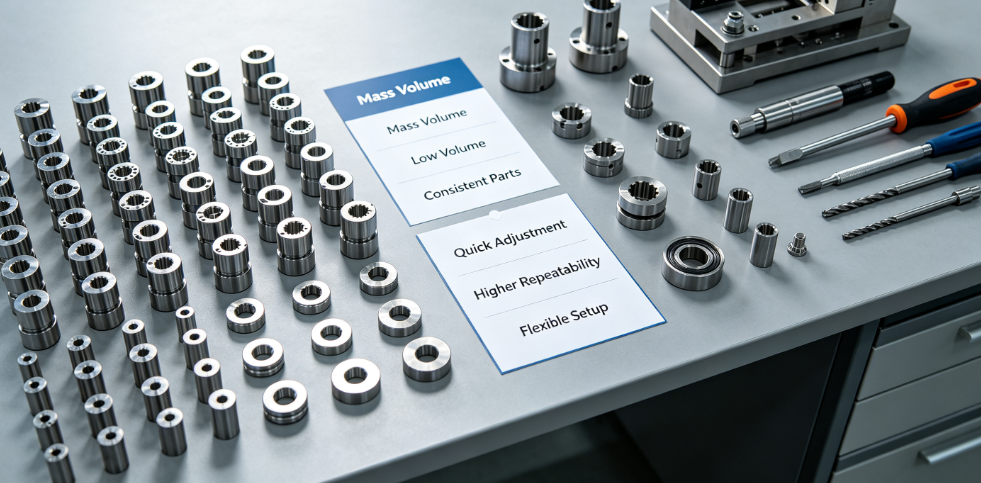
- Low to medium production runs with high repeatability demand
- Full-density components for high structural load applications
- Simple tool-accessible geometries without deep internal cavities
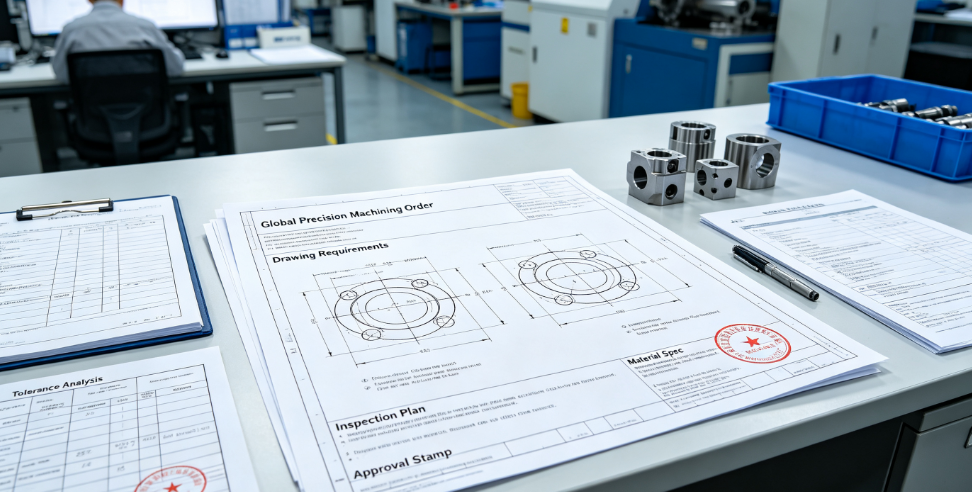
Industrial Precision Subtractive Manufacturing: Zorapid Precision CNC Machining
Zorapid is a company with extensive experience in precision CNC machining. We provide CNC machining services with the most competitive prices and fast lead times. Here are the reasons to choose Zorapid for your machined parts.
±0.02mm Precision Machining
±0.02mm is an extremely tight tolerance applied in the automotive, aerospace, and medical industries. Zorapid specializes in achieving ultra-high precision tolerances.
On-Demand Machining
Fast delivery for prototypes and other components
We also support low-volume production.
Wide Material Selection
We can machine a wide range of materials using precision CNC technology, including metals (aluminum, titanium, alloy steel, Inconel), plastics, and composite materials.
ISO 9001 Certified
We strictly adhere to the ISO 9001 quality assurance standard. We also comply with IATF 16949 for automotive components.
Conclusion
Subtractive manufacturing stands as a pillar of industrial innovation. CNC machine tools are becoming increasingly intelligent and efficient. Artificial intelligence will soon be able to automatically optimize tool paths. This capability will enable round-the-clock production and further boost manufacturing speed. While additive manufacturing is an emerging technology, CNC machining remains indispensable for the production of high-strength metal components.
FAQ
Which process can achieve the tightest tolerances?
Lapping can achieve ultra-tight tolerances down to ±0.002mm.
Can subtractive manufacturing processes machine composite materials?
Yes, thanks to advanced capabilities, CNC machines can process composite materials with ease.
Why choose CNC machining over 3D printing for metal parts?
Because CNC machining delivers higher mechanical strength and superior surface finish compared with 3D printing.