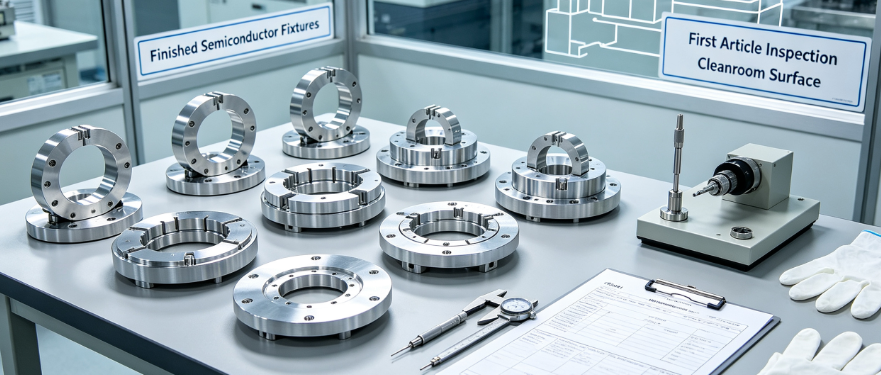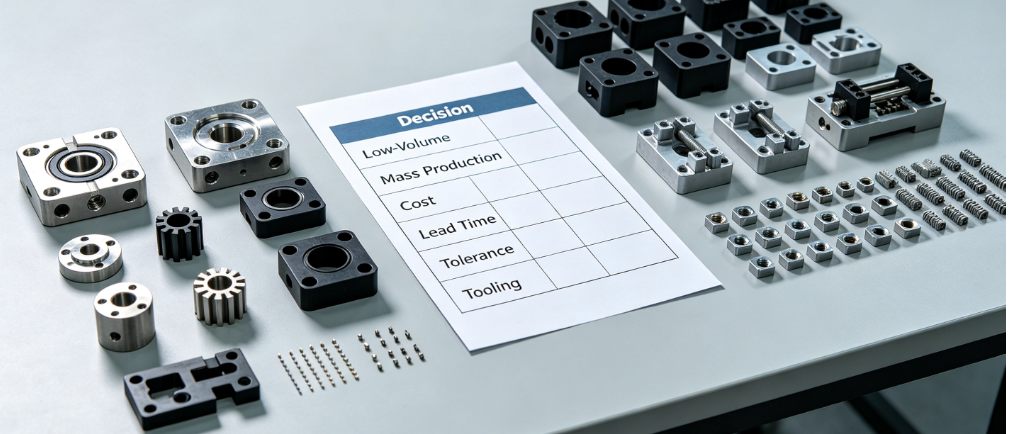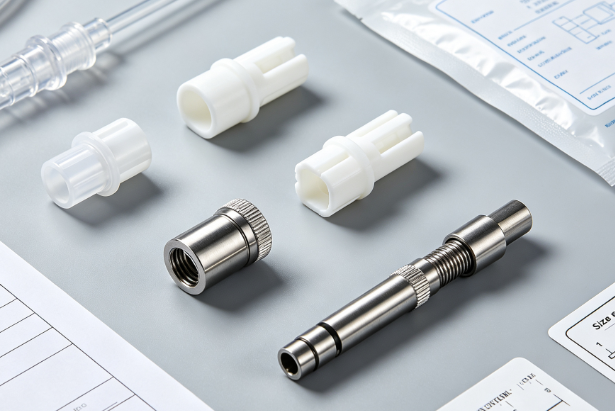
If you’ve ever waited weeks for a single prototype, paid a fortune for custom tooling, or scrapped a design because you couldn’t test it early enough—rapid prototyping (RP) is the game-changer you’ve been missing. It’s not just “3D printing”; it’s a fast, cost-effective, iterative process that turns CAD files into physical parts in hours or days, so you can validate designs, fix flaws, and innovate faster than ever. Today, we’re breaking down exactly what rapid prototyping is, the key processes, real-world applications, and why Zorapid is the go-to partner for prototypes other shops can’t touch.
What Is Rapid Prototyping?
Let’s keep it simple: Rapid prototyping is a group of additive manufacturing (AM) techniques that create physical parts directly from 3D CAD data—no molds, no tooling, no long lead times. Unlike traditional machining (which cuts material away), RP builds parts layer by layer (think “printing in 3D”), making complex geometries just as easy as simple ones.
Core Goals of Rapid Prototyping
- Design Validation: Check fit, form, and function before mass production.
- Iteration Fast: Test multiple design versions in days, not months.
- Cost Savings: Eliminate expensive tooling and reduce scrap.
- Communication: Turn abstract CAD into tangible parts for teams and clients.
The Main Rapid Prototyping Processes
Each process has unique strengths—we’ll break down the top 5 used in industry, with specs, pros, cons, and best uses.
SLA (Stereolithography) – High Precision, Smooth Surface
- How it works: UV laser cures liquid photopolymer layer by layer (0.02–0.1mm layers).
- Best for: Ultra-high precision (±0.05mm), smooth surfaces, intricate details, transparent
- Materials: Standard resins (white/black), tough resins, high-temperature resins, transparent Tech
- Speed: Fast for small/medium parts (hours).
- Zorapid Edge: Our iSLA series uses dynamic focusing tech to cut print time by 72% vs. standard SLA—with zero “ladder effect” (rough layers)
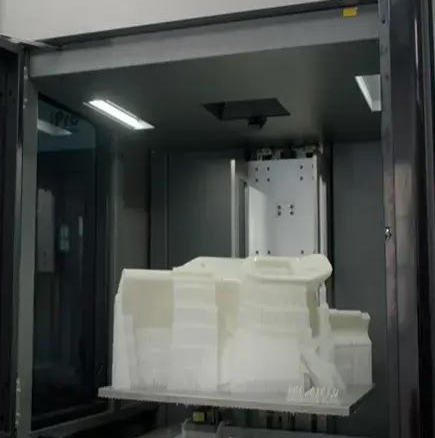
SLS (Selective Laser Sintering) – No Supports, Complex Geometry
- How it works: CO₂ laser sinters (fuses) polymer powder (nylon, TPU) layer by layer
- Best for: Complex internal structures, hollow parts, flexible components—no support structures needed
- Materials: Nylon 12 (ZRPA12), TPU (flexible), glass-filled nylon (strong)
- Speed: Faster than SLA for large batches; good for functional parts.
- Zorapid Edge: Our iSLS400 runs at 120°C with nitrogen atmosphere, delivering 100% density and consistent mechanical properties
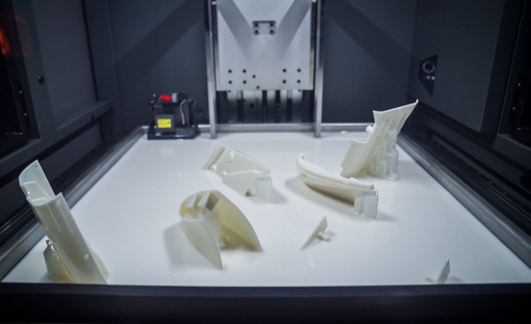
SLM/DMLS (Selective Laser Melting) – Metal Prototypes, Production-Grade
- How it works: High-power laser melts metal powder (titanium, aluminum, stainless steel) into solid parts.
- Best for: Metal functional prototypes, aerospace/medical parts, high-strength components.
- Materials: Ti-6Al-4V (titanium), AlSi10Mg (aluminum), 316L stainless steel, Inconel 718.
- Speed: Slower than polymer processes but delivers production-ready metal parts.
- Zorapid Edge: Our iSLM series handles 0.02mm layers and delivers 99.9% density—perfect for load-bearing metal prototypes。
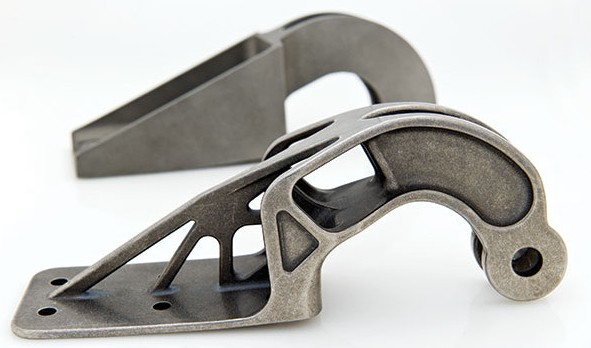
FDM (Fused Deposition Modeling) – Low-Cost, Tough Plastics
- How it works: Melts thermoplastic filament (ABS, PC) and extrudes it through a nozzle, layer by layer.
- Best for: Low-cost concept models, tough functional parts, large components.
- Materials: ABS, PC, PETG, carbon fiber-filled plastics
- Speed: Slow for fine details but fast for large, simple parts.
- Zorapid Edge: We use high-temperature FDM machines for engineering-grade plastics (PC/ABS) with ±0.1mm precision.
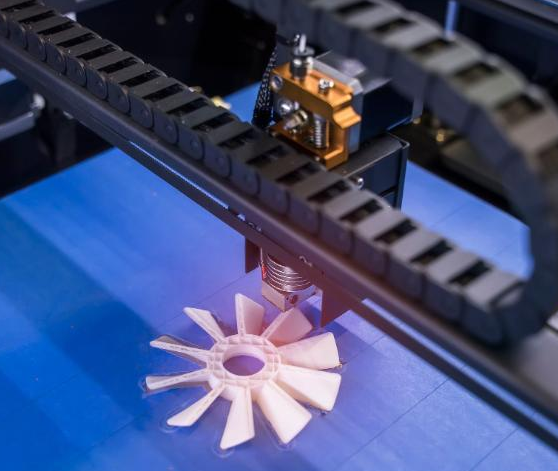
MJF (Multi Jet Fusion) – Fast Batch Production, Nylon Parts
- How it works: Inkjet array deposits fusing agent on nylon powder, then infrared lamp fuses layers。
- Best for: High-volume nylon prototypes, consistent quality, good surface finish.
- Materials: Black Nylon 12, glass-filled nylon.
- Speed: Fastest polymer process—ideal for 10–100 part batches
Quick Process Comparison Table
| Process | Precision | Surface Finish | Best Materials | Complexity | Speed |
|---|---|---|---|---|---|
| SLA | ±0.05mm | Excellent (smooth) | Resins | High | Fast (small parts) |
| SLS | ±0.1mm | Good (matte) | Nylon, TPU | Very High | Medium |
| SLM | ±0.05mm | Fair (metal) | Titanium, Al | High | Slow |
| FDM | ±0.15mm | Poor (layered) | ABS, PC | Low | Medium |
| MJF | ±0.1mm | Good | Nylon | High | Very Fast |
We Do What Others Can’t: Impossible Prototypes, Solved
Most shops stick to simple, low-risk prototypes—they avoid ultra-fine details, large parts, high-strength metals, or multi-material designs. At Zorapid, we specialize in the “unprototypable” because we’ve invested in industrial-grade machines, advanced materials, and expert engineers.
Micro-Prototypes (0.1mm Features, No Breakage)
Can’t make features smaller than 0.5mm—parts break or lose detail.
Zorapid: Our SLA/iSLA machines print 0.1mm micro-features (e.g., medical device nozzles, drone components) with zero breakage and perfect detail retention
Large-Format Prototypes (2m+ Size, No Warping)
Other shops: Max size ~500mm—large parts warp, crack, or lose tolerance.
Zorapid: Our iSLA1900D builds parts up to 1.9m long with zero warping (thanks to AnyDirect stress-balancing tech).We regularly print full-size automotive interior components and aerospace fairings.
Production-Grade Metal Prototypes (99.9% Density)
Other shops: Use cheap metal printers—parts are porous, weak, or require post-machining.
Zorapid: Our SLM machines deliver 99.9% density titanium/aluminum prototypes that match forged metal strength—no post-machining needed for most applications。Perfect for aerospace and medical implants.
Multi-Material & Overmolded Prototypes
Other shops: Only print single materials—can’t replicate overmolded parts (e.g., plastic + rubber grips).
Zorapid: We combine SLA (rigid resin) + TPU (flexible) in one print to create overmolded prototypes that look and feel like production parts—no assembly required.
High-Temperature Resistant Prototypes (200°C+)
Other shops: Use standard resins—parts melt or deform above 80°C.
Zorapid: Our ZR710 high-temp resin withstands 220°C—perfect for engine components, mold inserts, and high-heat testing
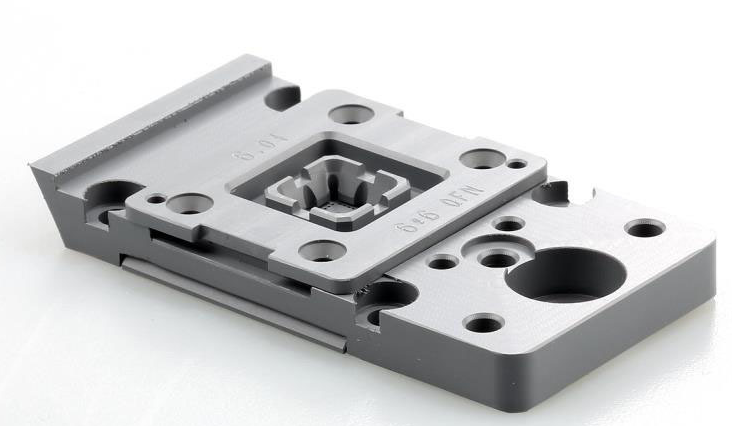
Data Report: Rapid Prototyping – Traditional vs. Zorapid
We ran head-to-head tests on a complex aerospace bracket (150mm, 0.2mm features, Ti-6Al-4V metal) to compare traditional prototyping (CNC + tooling) vs. Zorapid’s RP workflow.
| Metric | Traditional (CNC + Tooling) | Zorapid (RP: SLA/SLM) | Improvement |
|---|---|---|---|
| Lead Time | 21 days (tooling + machining) | 2 days | -90.5% |
| Upfront Cost | $12,500 (tooling + setup) | $450 | -96.4% |
| Complexity Cost | +$3,000 (for 0.2mm features) | $0 | -100% |
| Iteration Time | 14 days (retool + re-machine) | 24 hours | -92.9% |
| Scrap Rate | 18% (material waste + errors) | 0.5% | -97.2% |
| Design Flexibility | Limited (fixed tooling) | Unlimited | +100% |
Key Takeaway: Zorapid’s RP process cuts lead time from 3 weeks to 2 days, eliminates tooling costs, and lets you iterate designs in 24 hours—critical for fast-moving R&D teams.
Why Choose Zorapid for Rapid Prototyping?
Full In-House RP Lineup (SLA/SLS/SLM/FDM/MJF)
Most shops only offer 1–2 processes—you have to outsource complex jobs. Zorapid has all 5 industrial RP technologies in-house, so we can recommend the best process for your part (not just what we have) and deliver one-stop solutions.
Industrial-Grade Machines (No Hobby Printers)
We use ZRapid iSLA/iSLS/iSLM series (industrial 3D printers, $50k–$500k each)—not cheap hobby printers.This means ±0.05mm precision, 99.9% density, and consistent quality on every part.
24–48 Hour Rush Delivery (No MOQ)
R&D teams can’t wait weeks—we deliver 1–10 prototypes in 2 days, 10–100 parts in 3–5 days.No minimum order quantity (MOQ)—we print 1 part as easily as 100.
Expert Engineering Support (Design for RP)
Our engineers don’t just print parts—they optimize your CAD for RP (e.g., add supports, reduce warping, improve strength) to ensure first-time success. Most shops print exactly what you send—flaws and all.
Production-Grade Materials (Not Just “Prototype Plastics)
We stock 50+ industrial materials: high-temp resins, tough nylon, flexible TPU, titanium, aluminum, stainless steel.Your prototypes will have production-like properties for real-world testing.
ISO-Certified Quality Control
We’re ISO 9001, ISO 13485 (medical), and IATF 16949 (automotive) certified.Every part undergoes in-process inspection + CMM verification to guarantee precision.
Ultimate Guide: Mastering Rapid Prototyping
1: Choose the Right Process (Based on Your Goals)
- Concept/Visual Model: SLA (smooth) or FDM (low-cost)
- Functional Plastic Prototype: SLS (nylon/TPU) or MJF (fast batch)
- Metal Functional Prototype: SLM (titanium/aluminum)
- High-Precision/Transparent: SLA
- Large Part (>500mm): SLA (iSLA1900D)
2: Design for RP (Critical Tips)
- Minimize Overhangs: Use self-supporting angles (>45°) to avoid support marks.
- Wall Thickness: Minimum 0.8mm (resin), 1.2mm (nylon), 0.5mm (metal).
- Hollow Parts: Add drain holes (≥3mm) to remove excess resin/powder.
- File Format: Send STL/STEP files (no IGES—errors common).
- Scale: Verify scale in CAD—RP prints at 1:1 by default.
3: Material Selection Cheat Sheet
- Rigid, Smooth: ZR680 resin (white, ±0.05mm)
- Tough, Impact-Resistant: ZR710 resin or SLS nylon
- Flexible, Rubber-Like: SLS TPU (Shore A 90)
- High-Temp (220°C): ZR710 high-temp resin
- Lightweight Metal: AlSi10Mg (SLM)
- High-Strength Metal: Ti-6Al-4V (SLM)
4: Post-Processing (For Perfect Finishes)
- SLA: Alcohol wash → UV post-cure → sand/polish (mirror finish possible)
- SLS: Media blast → dye (black/white) → assemble
- SLM: CNC post-machine (if needed) → polish → passivate
5: Avoid These Common Mistakes
- Sending low-res STL files (causes rough surfaces)
- Ignoring wall thickness rules (parts break/warp)
- Overlooking support placement (marks on critical surfaces)
- Using the wrong material (e.g., standard resin for high-heat parts)
Materials We Machine with Rapid Prototyping
We stock 50+ industrial-grade materials for every RP process—no job is too specialized.
Photopolymers (SLA)
- ZR680: Accurate white resin (±0.05mm, smooth)
- ZR710: Tough white resin (impact-resistant, 220°C)
- ZR820: High-transparency resin (clear, optical clarity)
- ZR900: Flexible resin (Shore A 80, rubber-like)
Polymers (SLS/MJF/FDM)
- Nylon 12 (ZRPA12): Strong, durable, good chemical resistance
- Glass-Filled Nylon: 30% glass, 2× stiffer than standard nylon
- TPU 90A: Flexible, elastic, oil-resistant
- ABS/PC: Tough, impact-resistant (FDM)
Metals (SLM)
- Ti-6Al-4V (TC4): Titanium, high strength-to-weight, medical/aerospace
- AlSi10Mg: Aluminum, lightweight, good thermal conductivity
- 316L Stainless Steel: Corrosion-resistant, medical/industrial
- Inconel 718: High-temperature alloy, aerospace turbines
- MS1 Mold Steel: Hard (50 HRC), for prototype molds
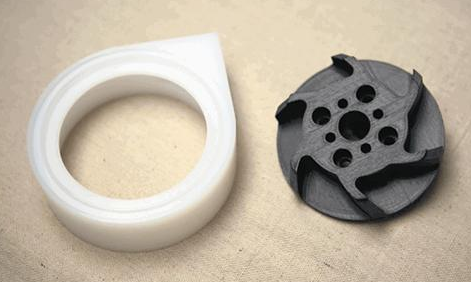
Case Study: Aerospace Satellite Bracket (Complex Metal Prototype)
Client
US aerospace OEM needing 5 complex Ti-6Al-4V brackets for satellite components.
Challenges
- Geometry: 5-axis 3D contours, 0.2mm thin walls, ±0.05mm tolerance
- Material: Ti-6Al-4V (high-strength, hard to machine)
- Deadline: 3 days (critical for satellite launch)
- Traditional Issue: CNC + tooling would take 21 days + $12k cost
Zorapid’s RP Solution
Process: SLM (direct metal laser melting)
Material: Ti-6Al-4V (TC4) powder
Design Optimization: Added internal supports, minimized overhangs
Post-Processing: Media blast + passivate (no CNC needed)
Quality: CMM inspection (100% tolerance check)
Results
- Delivery: 5 parts in 2 days (beat deadline)
- Quality: 0 defects, 100% ±0.05mm tolerance compliance
- Cost: $2,250 (vs. $12,500 traditional)
- Client Feedback: Zorapid turned a 3-week CNC job into a 2-day prototype. The titanium brackets are perfect—exactly what we needed for the satellite. Game-changer for our R&D speed. — Aerospace Engineering Manager
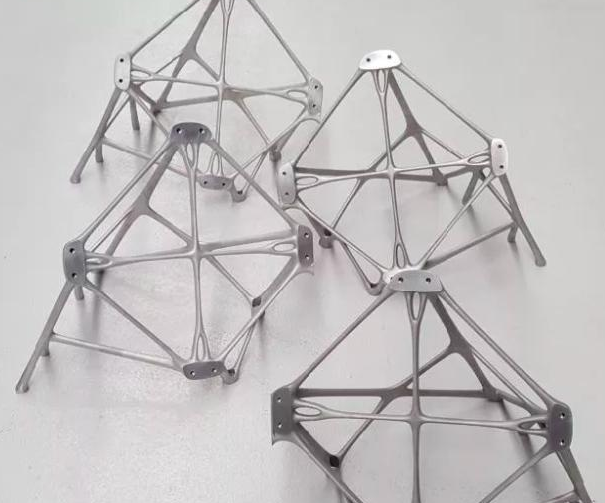
Applications for Rapid Prototyping
RP powers innovation across all high-performance industries—we support them all.
Aerospace
- Satellite components, turbine blades, engine brackets, fairings, lightweight structural parts
Medical & Dental
- Surgical instrument handles, implant prototypes (titanium), dental models, prosthetic limbs, medical device housings
Automotive
- Racing parts, EV battery enclosures, interior components, concept car models, functional test parts
Consumer Products
- Electronics casings, appliance components, sports equipment (bike frames, golf clubs), toys, packaging prototypes
Industrial & Robotics
- Robotic arms, end-effectors, gear prototypes, valve components, custom tooling, fixture prototypes
Defense
- Drone frames, missile components, armored parts, night vision housings, tactical gear prototypes
Delivery Speed: Zorapid’s RP Advantage
- R&D Prototypes (1–5 parts): 24–48 hours (rush delivery available)
- Small Batches (10–50 parts): 3–5 days (SLA/SLS/MJF)
- Metal Prototypes (SLM): 3–4 days (titanium/aluminum)
- Large-Format Parts: 4–5 days (1.9m SLA)
- Global Shipping: Door-to-door to US, EU, Asia (DHL/FedEx, tracked)
Industry Whitepaper: The Definitive Guide to Rapid Prototyping (2026)
Inside, you’ll get:
- Full breakdown of SLA/SLS/SLM/FDM/MJF processes (pros/cons/specs)
- Material selection guide (50+ industrial materials, properties, best uses)
- Design for RP (DFRP) rules (wall thickness, supports, file prep)
- 5 real-world case studies (aerospace, medical, automotive)
- Cost-saving strategies (tooling elimination, iteration speed)
- Quality control best practices (inspection, CMM, compliance)
Conclusion
Rapid prototyping isn’t just “3D printing”—it’s a paradigm shift in product development. It eliminates tooling, cuts lead times from weeks to days, and lets you iterate designs faster than ever. Whether you need a smooth SLA concept model, a tough SLS functional part, or a production-grade SLM metal prototype—Zorapid has the machines, materials, and expertise to deliver.
At Zorapid, we don’t just print prototypes—we accelerate innovation. We handle the “impossible” jobs other shops avoid, deliver in 24–48 hours, and ensure every part meets ±0.05mm precision and industry compliance.
Ready to stop waiting weeks for prototypes and start innovating faster? Contact Zorapid today for a free quote and CAD consultation—let’s turn your ideas into physical parts in days, not weeks.
FAQ
Q1: What’s the difference between rapid prototyping and 3D printing?
3D printing is a subset of rapid prototyping. RP includes 3D printing (additive) plus CNC, vacuum casting, and other fast manufacturing methods. At Zorapid, we focus on industrial 3D printing (SLA/SLS/SLM) for RP.
How precise can rapid prototypes be?
Up to ±0.05mm (SLA/SLM) for high-precision parts. SLS/MJF hit ±0.1mm, FDM ±0.15mm. Zorapid consistently delivers ±0.05mm on critical features.
Are rapid prototypes strong enough for functional testing?
Yes—if you choose the right material. SLS nylon/TPU, SLM titanium/aluminum, and ZR710 resin are strong enough for real-world functional testing (load, heat, assembly).
Can you make prototypes that look like production parts?
Absolutely. SLA parts can be polished to mirror finish, dyed, or painted. SLS/MJF parts have a matte production-like texture. SLM metal parts can be machined/polished to match production metal.
What’s the minimum order quantity (MOQ)?
No MOQ—we print 1 prototype as easily as 100. Perfect for R&D teams needing one-off test parts.
How much does rapid prototyping cost?
Starts at $50–$200 for small SLA/FDM parts, $200–$1,000 for SLS functional parts, $1,000+ for SLM metal parts. Cost depends on size, complexity, material, and quantity. Zorapid offers free quotes with no obligation.
Can you help optimize my CAD for rapid prototyping?
Yes—our engineers provide free DFRP (Design for RP) feedback on every quote. We’ll fix design flaws (thin walls, overhangs) to ensure first-time success.