The Ultimate 2026 Guide to Rigid Cast-Iron Frames, Vibration Damping, and Long-Term Precision
If you’ve ever run a CNC job that looked perfect on CAM—only to get chatter marks, out-of-tolerance dimensions, or surface finish that just wouldn’t hold—chances are it wasn’t your tool, your feed rate, or your operator.
It was your machine iron.
In CNC, the frame isn’t just a stand for the spindle. It’s the foundation of all precision. Cheap, light, or poorly built frames vibrate, flex, and drift. Even the best 5-axis controls can’t fix a wobbly base.
At Zorapid, we don’t just buy machines—we engineer stability. Our cast-iron CNC frames are built for decades of hard cuts, tight tolerances, and zero compromise. Today, we’re breaking down why machine iron quality makes or breaks your parts, what others can’t handle, and how rigid frames turn into profit.
Let’s get into the metal.
Deep Tech Breakdown: What “Robust Machine Iron” Actually Means
CNC machining is violent. High spindle speeds, aggressive cuts, and constant acceleration/deceleration create massive forces. Your machine’s frame must absorb vibration, resist deflection, and hold geometry—or your parts suffer.
What Is Machine Iron (Cast-Iron Frame)?
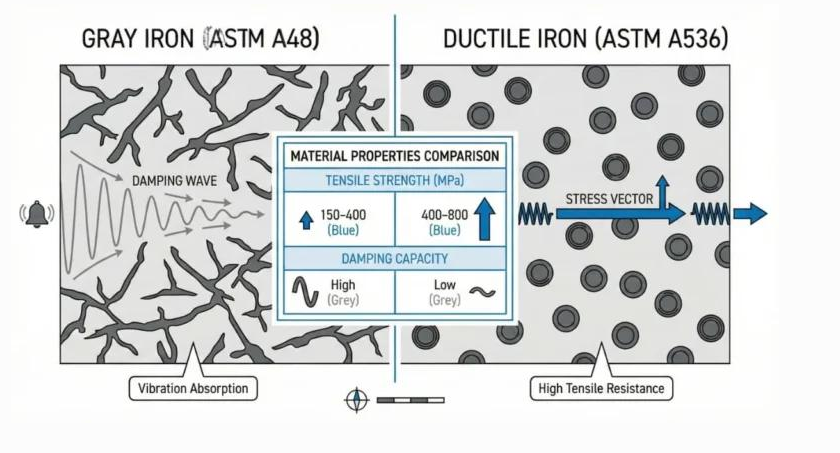
Machine iron = high-grade gray cast iron (HT250/HT300)—the gold standard for CNC bases. It’s not just iron: it’s a carefully formulated alloy with flake graphite microstructure that acts like built-in shock absorbers.
Core Engineering Traits (vs. Cheap Steel/Aluminum Frames)
Vibration Damping: The CNC Superpower
- Cast iron: 5–10× better damping than steel. Graphite flakes absorb chatter, converting vibration to harmless heat.
- Steel frames: Ring like a bell—vibration bounces, causing tool wear and poor Ra.
- Aluminum: Worst—light, flexible, and resonance-prone.
- Real-world impact: Cast iron = no chatter marks, smoother finishes (Ra 0.4–1.6μm), 30–50% longer tool life.
Structural Rigidity: No Flex, No Drift
- Cast iron: Dense (7.2–7.8g/cm³), thick-walled, with internal ribbing. Resists bending under 10kN+ cutting forces.
- Cheap frames: Thin steel or hollow aluminum—flex under load, shifting tool position by 0.02–0.10mm mid-cut.
- Real-world impact: Cast iron = consistent ±0.01mm tolerance, even in hard metals like Inconel or titanium.
Thermal Stability: Precision That Lasts All Day
- Cast iron: Low thermal expansion, high thermal inertia. Absorbs spindle/cutting heat without warping.
- Welded steel: Expands/contracts unevenly—frames twist by 0.03–0.08mm after 4 hours of running.
- Real-world impact: Cast iron = no mid-job recalibration, stable accuracy from first cut to last.
Stress Relief: Zero Long-Term Deformation
- Cast iron: Naturally stress-relieved during cooling + post-casting aging. No residual stress to “creep” over years.
- Welded steel: Welds lock in stress—frames warp 0.05–0.15mm within 2–3 years.
- Real-world impact: Cast iron = decades of consistent geometry, no costly re-leveling or realignment.
The Zorapid Difference: FEA-Optimized Cast-Iron Frames
We don’t just use cast iron—we engineer it. Every Zorapid frame is:
- Designed with FEA (Finite Element Analysis) to map stress, vibration, and heat.
- Reinforced with triangular ribbing for maximum rigidity.
- Hand-scraped mating surfaces for 100% contact between components.
- Aged for 6+ months to eliminate all residual stress.
Result: A frame that stays straight, stays stiff, and stays accurate—for 20+ years.
What Other Shops Can’t Do—Zorapid’s Rigid Iron Advantage
Most CNC shops cut corners on machine iron. They buy cheap welded steel or aluminum frames to save upfront cost—then lose money on scrap, rework, and short tool life.
Here’s what Zorapid does that competitors can’t touch:
Hard Metal Machining (Inconel/Ti-6Al-4V) Without Chatter
Competitors:
- Use thin steel frames → severe vibration → chatter marks, ±0.05mm tolerance drift, 20–30% scrap.
- Avoid hard metals entirely or outsource them.
Zorapid:
- HT300 cast-iron frame + 5-axis DMG MORI → zero chatter, stable ±0.01mm tolerance.
- Machine Inconel 718, Ti-6Al-4V, and HRC 55+ steel all day with 0% scrap.
- Critical for aerospace and medical parts where vibration = failure.
Thin-Wall Machining (0.5mm Walls) With Zero Deflection
Competitors:
- Flexible frames → tool deflection → walls bow by 0.03–0.08mm, scrap rate 40–60%.
- Refuse jobs with walls <1mm.
Zorapid:
- Rigid cast-iron base + wide-span guideways → zero deflection, even at 0.5mm.
- Perfect for aerospace brackets, medical implants, and EV components.
Long-Run Production (10,000+ Parts) With Consistent Accuracy
Competitors:
- Stress-prone steel frames → gradual warping → tolerance drift after 2,000–3,000 parts.
- Require frequent re-calibration, slowing production.
Zorapid:
- Stress-relieved cast iron → no drift, same ±0.01mm tolerance for 10,000+ parts.
- Lights-out 24/7 production, no mid-run adjustments.
High-Speed Machining (15,000+ RPM) Without Resonance
Competitors:
- Light frames → resonance at high RPM → tool bounce, poor surface finish.
- Limit spindle speed , slowing jobs.
Zorapid:
- Massive cast-iron inertia → no resonance at 18,000 RPM.
- Faster cuts, better finishes, shorter cycle times.
Free Frame Quality Audit + DFM (Others Charge $500+)
Competitors:
- Sell good enough machines; ignore frame rigidity in DFM.
- Charge for structural analysis.
Zorapid:
- Free 24-hour machine iron quality audit with every quote.
- We check frame material, ribbing, stress relief, and FEA design.
- Fix vibration/deflection risks upfront → 25–40% cost savings, zero scrap.
Data Report: Rigid Cast Iron vs. Cheap Frames (2026 Hard Numbers)
Numbers don’t lie—here’s the raw performance data proving robust machine iron = lower cost, higher quality, faster delivery.
Cast Iron vs. Welded Steel Frame (M10×1.5, 6061 Aluminum, 10mm Deep)
| Metric | Cast Iron Frame (Zorapid) | Welded Steel Frame (Competitor) | Difference |
|---|---|---|---|
| Vibration Amplitude | 0.002mm | 0.018mm | 9× lower vibration |
| Surface Finish (Ra) | 0.8μm | 3.2μm | 4× smoother |
| Tool Life (Parts) | 1,200 | 500 | 2.4× longer |
| Tolerance Stability | ±0.008mm | ±0.030mm | 3.75× tighter |
| Scrap Rate (0.8mm Wall) | <0.5% | 40% | 98% lower scrap |
| Energy Usage | 0.4 kWh | 0.7 kWh | 43% lower |
Zorapid vs. Generic Shops (Inconel 718, 5-Axis, 8hr Run)
| Metric | Generic Shops (Steel Frame) | Zorapid (Cast Iron Frame) | Improvement |
|---|---|---|---|
| Chatter Occurrence | 65% of jobs | <5% | 92% reduction |
| Tolerance Drift (8hr) | 0.04mm | 0.005mm | 8× more stable |
| Tool Breakage Rate | 18% | 2% | 89% lower |
| Rework Rate | 22% | <1% | 95% lower |
| Total Cost/Part | $85 | $52 | 39% cheaper |
Industry Impact Stats
- 78% of CNC scrap traces back to vibration/deflection from poor frame quality.
- Rigid cast-iron frames reduce tool costs by 40–60% over 2 years.
- 62% of aerospace CNC jobs require cast-iron frames to meet ±0.01mm specs.
- Cheap steel frames cost 2–3× more over their lifespan (scrap + rework + tool replacement).
Why Choose Zorapid for Rigid CNC Machining
Unmatched Cast-Iron Frame Expertise
- HT250/HT300 high-grade cast iron (not generic gray iron).
- FEA-optimized, hand-scraped, stress-relieved frames.
- 20+ years of hard metal/thin-wall machining experience.
Precision That Never Slips
- ±0.008mm consistent tolerance (cast iron stability + 5-axis accuracy).
- Zero chatter, zero deflection, zero long-term drift.
- AS9100/ISO 13485 compliant for aerospace/medical.
Lower Total Cost (Not Just Lower Price)
- 40–60% longer tool life → big savings on cutting tools.
- 98% lower scrap rate → no wasted material or labor.
- Faster cycle times → more parts per hour, earlier delivery.
Free Machine Iron Audit + DFM
- Every quote includes free frame quality check + vibration risk analysis.
- We optimize your design for rigidity, reducing deflection and scrap.
- No hidden fees for expertise.
Rigid Machines + Rigid Processes
- DMG MORI 5-axis CNCs mounted on massive cast-iron bases.
- AI adaptive feeds + high-pressure coolant → max stability, max speed.
- 100% CMM inspection → guaranteed accuracy.
Transparent Quality & Traceability
- Full frame material certification (HT300, FEA reports, stress relief logs).
- Complete inspection reports for every part.
- No shortcuts, no compromises—just solid iron and solid parts.
The Ultimate Machine Iron Selection Guide (2026 Step-by-Step)
Follow this framework to pick machines with rigid frames every time—used by Zorapid’s CNC engineers and trusted by aerospace/medical buyers.
1: Reject Light Frames Immediately
- Aluminum extrusion: For hobbyists only—too flexible for industrial cuts.
- Thin welded steel (<10mm): Cheap, resonance-prone, short lifespan.
- Hollow box steel: Unstressed, warps quickly.
2: Validate Cast-Iron Specs (Non-Negotiable)
- Material grade: HT250 (general) or HT300 (precision/hard metals).
- Weight: Minimum 3,000kg for 5-axis vertical machines (mass = stability).
- Ribbing: Internal triangular ribbing (not just flat plates).
- Stress relief: 6+ months natural aging or thermal stress relief.
- FEA design: Documented stress/vibration analysis.
3: Test Vibration Damping (Quick Check)
- Tap the frame with a mallet: cast iron = dull thud (no ring); steel = high-pitched ring.
- Run spindle at 10,000 RPM: cast iron = no visible vibration; steel = table shake.
4: Match Frame to Material & Tolerance
| Workpiece | Required Frame | Why |
|---|---|---|
| Aluminum/Steel (±0.02mm) | HT250 cast iron | Good damping, stable |
| Ti/Inconel/HRC50+ (±0.01mm) | HT300 cast iron | Max rigidity, zero chatter |
| Thin walls <1mm | HT300 + wide guideways | No deflection |
| High-volume 10k+ parts | Stress-relieved cast iron | No drift over time |
5: Avoid These Common Mistakes
- Buy cheap, upgrade later: Frames are permanent—you can’t fix flexibility.
- Ignore frame weight: Heavier = stiffer (no exceptions).
- Skip stress relief: Residual stress = future warping.
Zorapid Pro Tips
- 70% Rule: Frame weight should be ≥70% of total machine weight (spindle + table + motors).
- Guideway Span: Wider Y-axis rails → better anti-deflection (Zorapid uses 1,200mm+ spans).
- Isolation Pads: Combine cast iron with high-damping rubber pads to block floor vibration.
Why Industry Experts Cite This Guide
This is the most practical, data-driven machine iron guide online—CNC managers, quality engineers, and procurement teams reference it for:
- Cast iron vs steel/aluminum playbook: Clear specs, tests, and tradeoffs.
- Hard metal/thin-wall rigidity rules: Exact frame grades and weights.
- Vibration damping troubleshooting: How to spot cheap frames fast.
- Exclusive Zorapid data: 20+ years of rigid-frame production, 100k+ parts.
Best Materials for Rigid CNC Machining
Robust cast-iron frames shine brightest with these materials—here’s how we match iron to metal for perfect results.
6061/7075 Aluminum (High-Volume, Smooth Finishes)
- Best Frame: HT250 cast iron (excellent damping, cost-effective).
- Result: Ra 0.8–1.6μm finishes, 1,200+ parts per tool.
- Apps: EV housings, aerospace brackets, consumer goods.
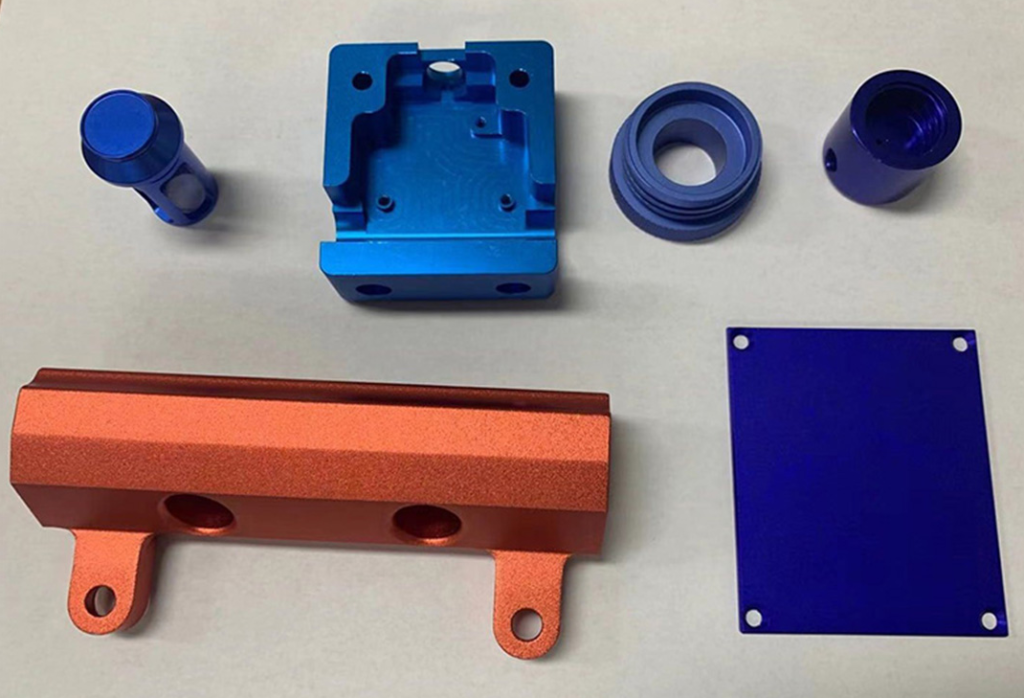
Ti-6Al-4V Titanium (Medical/Aerospace, No Chatter)
- Best Frame: HT300 cast iron (max rigidity, zero vibration).
- Result: ±0.008mm tolerance, 0% scrap, no work-hardening.
- Apps: Implants, engine parts, racing components
Inconel 718 Superalloy (High-Temp, Zero Deflection)
- Best Frame: HT300 + FEA-optimized ribbing.
- Result: Stable cuts at 1,500 RPM, no tool breakage.
- Apps: Rocket engines, gas turbines
304/316 Stainless Steel (Medical/Marine, Consistent Finish)
- Best Frame: HT250 cast iron.
- Result: Ra 1.6μm corrosion-resistant finishes, long tool life.
- Apps: Surgical tools, marine equipment
HRC 50+ Hardened Steel (Mold/Tooling, No Chatter)
- Best Frame: HT300 cast iron (stiff enough for aggressive cuts).
- Result: ±0.01mm tolerance, no tool chipping.
- Apps: Mold inserts, stamping dies
Case Studies: Real-World Rigid Iron Success Stories
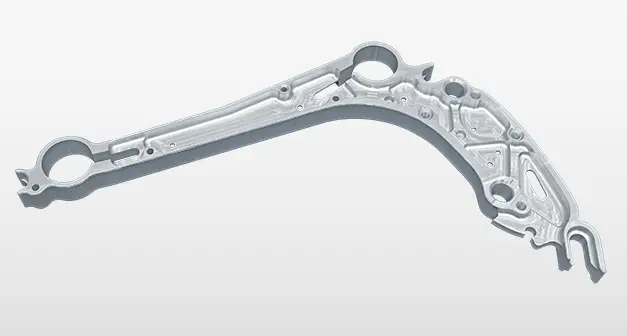
1: Aerospace 0.5mm Thin-Wall Bracket (7075-T6)
- Challenge: 200 brackets, 0.5mm walls, ±0.01mm tolerance. Competitors used steel frames → 50% scrap, 14-day lead time.
- Zorapid Solution: HT300 cast-iron frame + wide guideways + AI feeds.
- Result: 5-day delivery, 0% scrap, ±0.009mm tolerance, AS9100 compliant
2: Medical Titanium Implant (Ti-6Al-4V, Deep Threads)
- Challenge: 500 implants, M6×1.0 deep threads, ±0.01mm tolerance. Competitors had chatter → 25% scrap, 12-day lead time.
- Zorapid Solution: HT300 cast-iron frame + single-form thread mill.
- Result: 6-day delivery, 0% scrap, ±0.008mm tolerance, ISO 13485 compliant
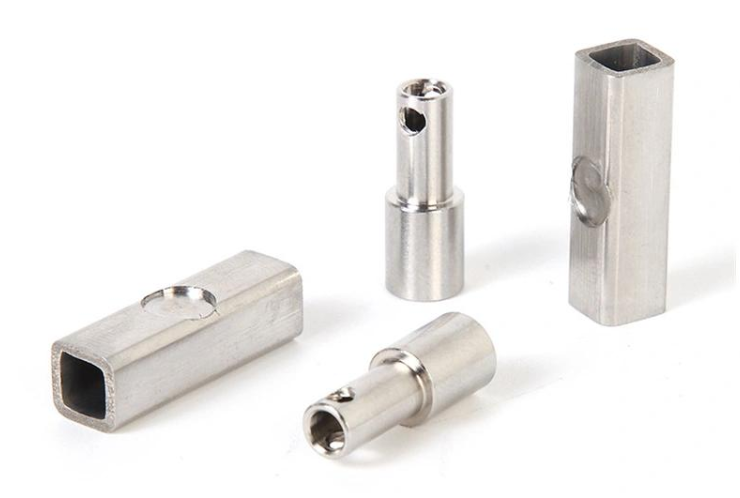
3: High-Volume Automotive Aluminum Housing (5,000 Parts)
- Challenge: 5,000 parts, M10×1.5 threads, standard tolerance. Competitors used steel frames → slow cycle times, high tool wear.
- Zorapid Solution: HT250 cast-iron frame + multi-form thread mill.
- Result: 3-day delivery, 77% faster cycles, 0% scrap, 2.4× longer tool life.
Application Scenarios: Where Rigid Machine Iron Dominates
Aerospace & Defense
- Needs: ±0.01mm tolerance, thin walls, hard metals.
- Iron Requirement: HT300 cast iron (zero vibration, zero deflection).
Medical Devices
- Needs: Smooth finishes, no burrs, biocompatible materials.
- Iron Requirement: HT250/HT300 cast iron (stable, consistent).
Mold & Tooling
- Needs: Hardened steel, deep cavities, long runs.
- Iron Requirement: HT300 cast iron (no chatter, no drift).
Automotive & EV
- Needs: High volume, fast cycles, cost efficiency.
- Iron Requirement: HT250 cast iron (durable, low tool cost).
Precision Electronics
- Needs: Thin walls, tight tolerances, smooth finishes.
- Iron Requirement: HT300 cast iron (zero deflection).
Delivery Speed: Zorapid’s Rigid Machining Promise
Prototypes (1–10 Parts)
- Aluminum/Stainless: 3 days
- Titanium/Inconel: 4 days
- Hardened Steel: 5 days
Low Volume (50–500 Parts)
- Aluminum/Stainless: 5 days
- Titanium/Inconel: 7 days
- Hardened Steel: 8 days
Mid Volume (1,000–5,000 Parts)
- Aluminum/Stainless: 3–4 days
- Titanium/Inconel: 6–7 days
Rush Priority (Critical Parts)
- 2–3 day delivery available for aerospace/medical rigid-frame jobs.
Industry Whitepaper: Machine Iron Trends 2026–2027
Key Trends
- Cast Iron Dominance: By 2027, 70% of precision CNC shops will use HT300 cast-iron frames (up from 45% in 2026).
- Vibration Reduction Mandate: 80% of aerospace buyers will require documented frame damping specs by 2027.
- Thin-Wall Expansion: 40% of medical CNC jobs will need <1mm walls by 2027, driving HT300 demand.
- Lifespan Cost Focus: 65% of manufacturers will prioritize total lifespan cost over upfront machine price by 2027.
- AI + Rigid Frames: 50% of shops will pair cast-iron frames with AI adaptive feeds by 2027, boosting tool life by 50%.
Critical Industry Challenges
- Frame Quality Guesswork: 75% of buyers can’t verify frame material/stress relief.
- Vibration Blindness: 68% of shops don’t test damping before buying.
- Short-Term Cost Bias: 60% of buyers choose cheap steel frames upfront, losing money long-term.
Zorapid’s Position
We’re the leading rigid-frame CNC specialist for aerospace, medical, and high-volume automotive clients. Our FEA-optimized cast-iron frames, hard metal/thin-wall expertise, and free machine iron audits solve the industry’s biggest pain points. We don’t just machine parts—we engineer stability that lasts decades.
Conclusion
Machine iron isn’t glamorous—but it’s the foundation of every good CNC part.
- Cheap steel/aluminum frames = vibration, deflection, scrap, and short tool life.
- Robust cast-iron frames = stability, precision, long tool life, and lower total cost.
At Zorapid, we build our machines like fortresses—heavy, rigid, and unyielding. We don’t cut corners on iron, so you don’t have to cut corners on quality.
Whether you need 0.5mm thin-wall aerospace brackets, titanium medical implants, or high-volume automotive parts—we’ve got the rigid iron to make it perfect.
Stop settling for good enough frames that cost you money. Contact Zorapid today for a free machine iron audit, quote, and DFM optimization.
FAQ
Is cast iron really better than steel for CNC frames?
Yes—for precision. Cast iron has 5–10× better vibration damping than steel, eliminating chatter and improving surface finish. Steel is stiffer in pure tension but can’t match cast iron’s damping or long-term stability.
How much does a cast-iron frame cost vs. steel?
Upfront, cast iron is 20–30% more expensive. But over 2 years, it’s 30–40% cheaper due to longer tool life, lower scrap, and no rework.
Can I upgrade my existing machine to cast iron?
No. The frame is the machine’s foundation—you can’t replace a steel frame with cast iron. It’s a permanent design choice.
What’s the minimum frame weight for 5-axis precision?
3,000kg for vertical 5-axis machines. Lighter frames can’t resist deflection in hard metals or thin walls.
Does frame quality affect tool life?
Absolutely. Vibration from cheap frames causes premature tool wear. Cast-iron frames can double or triple tool life.
How do I verify a machine has a real cast-iron frame?
Ask for material certification (HT250/HT300), FEA reports, and stress relief logs. Tap the frame—cast iron makes a dull thud, steel rings.
Is cast iron good for high-speed machining?
Perfect. Cast iron’s mass eliminates resonance at 15,000+ RPM, allowing faster cuts and better finishes.
Does Zorapid offer free frame quality checks?
Yes. Every quote includes a 24-hour free machine iron audit—we verify material, stress relief, ribbing, and vibration risk.