Ever wasted thousands of USD on scrap aluminum CNC components: perfect machined dimension, flawless surface after milling, but patchy color, thread lock-up, out-of-tolerance bore after anodizing? Industry stats show 63% of aluminum anodizing failure originates from improper pre-anodizing pre-machining instead of coating bath issues. Most generic manufacturers separate CNC machining & anodizing into two independent workshops, lacking unified pre-machining specs aligned with MIL‑A‑8625 standard.
At Zorapid, we build exclusive full-set pre-anodizing pre-machining specifications covering Type II decorative & Type III hard anodizing after 20+ years precision aluminum processing. We handle tough pre-machining projects most factories refuse. This article unpack detailed process tech, industry data, exclusive capacity, real cases, application scenarios, delivery & FAQ.
Detailed Professional Process Technical Analysis + Core Parameter Table
Core Anodizing Physical Principle
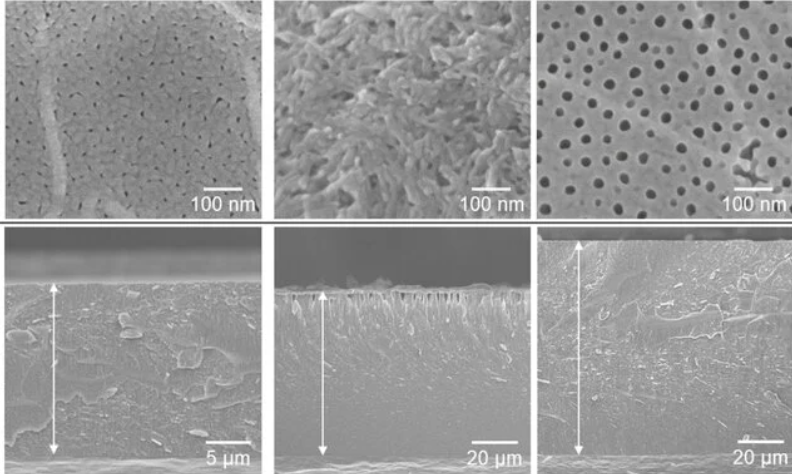
Anodic oxide film grows per fixed 50/50 rule: 50% oxide intrudes inward into aluminum substrate, another 50% expands outward on part surface. Pre-machining dimension allowance, surface roughness, inner corner radius, blind hole structure, residual cutting oil directly decide final coating uniformity, dimensional accuracy & dye consistency. Different anodizing types require differentiated pre-machining compensation standard, below is Zorapid unified factory standard complied with MIL-A-8625 & ASTM B117.
| Inspection Item | Type II Sulfuric Decorative Anodizing (8~25μm film thickness) | Type III Hard Anodizing (25~80μm hard coat) | Zorapid Mandatory Pre-Machining Technical Standard |
|---|---|---|---|
| Single-side pre-machining dimension reserve | +4~+13μm pre-offset | +16~+42μm pre-offset | All critical hole/thread pre-compensate at CAM programming stage, auto modify drawing dimension without client CAD revision |
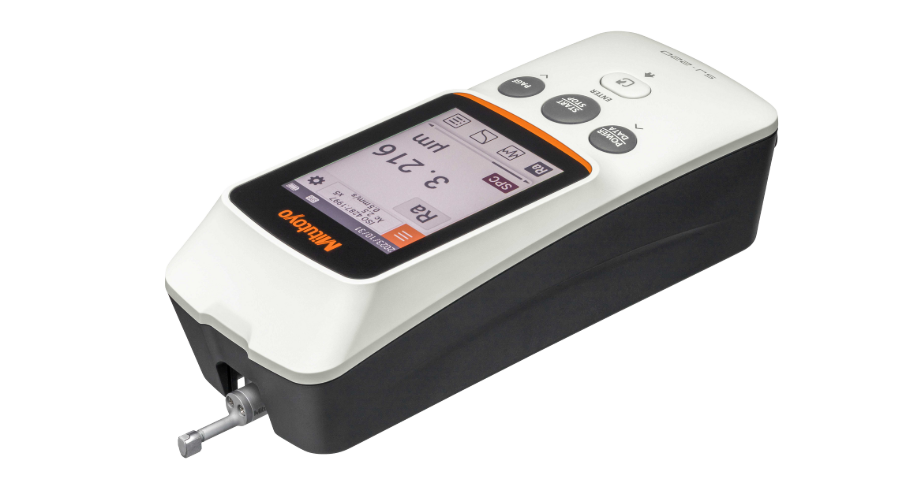
| Finished milling Ra value | Cosmetic surface ≤Ra0.8μm; Structural non-appearance ≤Ra1.6μm | All wear-critical surface ≤Ra0.6μm | Tool chatter mark deeper than 0.03mm causes localized poor anodic film & color mottling |
| Minimum inner corner R | ≥R0.5mm | ≥R0.8mm | Dead sharp 90° corner leads poor electrolyte circulation, ultra-thin uneven oxide layer |
| Blind hole / Deep cavity pre-process | Reserve drain escape slot or partial masking | Thread tapping after hard coat + full internal masking | Trapped residual acid inside blind hole bleeds out post-sealing to form dark streak defect |
| Pre-machining cleaning rule | 3-stage ultrasonic degreasing inline after finish cut | 4-stage degreasing + pre-alkaline micro-etch | Remaining cutting fluid residue = patchy black/clear anodizing |
In-depth Tech Breakdown of Pre-Machining Key Points
- Surface machining craft: We adopt solid carbide high-helix 3-flute aluminum exclusive cutter, spindle linear speed 480–720m/min, segmented rough→semi-finish→finish three-step milling; conventional manufacturers skip fine finish pass to cut cost, resulting uneven substrate microstructure & inconsistent anodizing absorption.
- Stress relief pre-processing: For thick blank ≥15mm 7075/2024 high-alloy aluminum, add intermediate low-temperature stress relief before finish machining; residual internal stress releases post-anodizing triggering part warpage & coating cracking, over 70% peer factories omit this step entirely.
- Selective masking pre-design: Pre-machine auxiliary plug boss for precision thread/ground contact position, custom liquid masking fixture pre-set during CNC instead of post-anodizing makeshift taping, solve thread seizure after hard coat fundamentally.
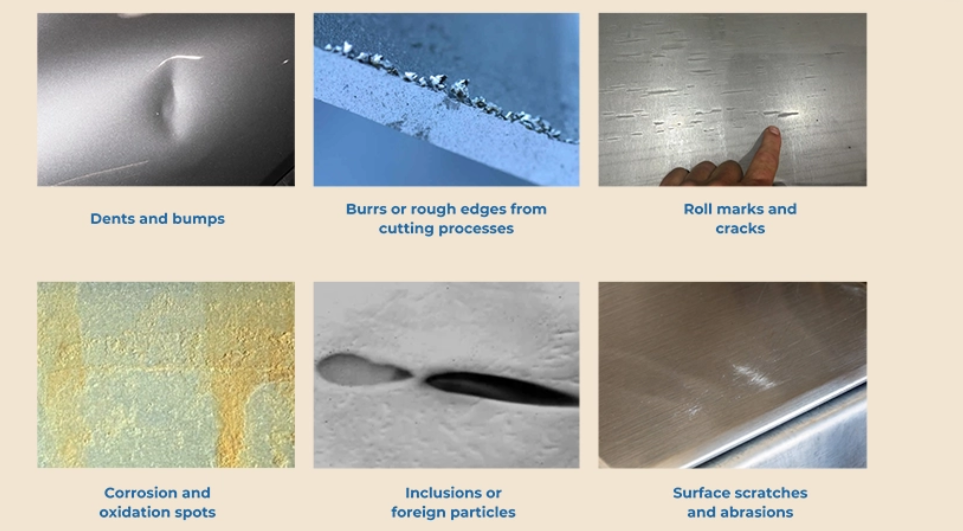
Hard-to-make Project: What Most Suppliers Cannot Do, Zorapid Specializes In
Most domestic & overseas small machining shops hit technical bottleneck below four scenarios and reject orders, while Zorapid forms mature standardized pre-machining solution:
- High-copper 2024-T3 aluminum uniform black Type II anodizing: High Cu content easily generates pit & uneven black dye, 90% factories can’t realize stable cosmetic black finish; we add pre-chemical de-copper micro-etch after pre-machining + segmented parameter-controlled low-current anodizing to achieve batch consistent pure black.
- Ultra-tight tolerance ±0.005mm fit bore for Type III hard coat: Hard coat thickness fluctuation ±20% is inherent industry property, regular factories fail dimension control; we split pre-machining graded compensation + pre-sample trial anodizing before bulk production to lock final size within drawing tolerance.
- Deep blind hole (depth/diameter>5:1) full uniform hard anodizing: Dead-end deep hole traps acid & poor electrolyte flow, inner wall thin coating; pre-machine lateral drain hole at DFM review + custom dedicated rack fixture for bath liquid circulation, realize inner & outer wall consistent film thickness.
- Mixed batch multi-alloy (6061+7075) same-color anodizing: Different alloy consumes different current, conventional same-tank processing causes color deviation; we separate pre-machining parameter + classified racking + segmented power supply anodizing to unify final dye shade.
Global Industry Data Report + Targeted Systematic Solutions
2025–2027 Global Aluminum Anodizing Market Authorized Data
- Global aluminum anodizing market scale: USD 2.38B (2025), forecast USD2.5B(2026), CAGR 5.2% up to 2035; EU regional market accounts for 25% global share at USD905M, Germany tops Europe with USD210M scale, dominated by medical & aerospace precision aluminum demand.
- Industry failure statistic: Global average scrap rate from wrong pre-anodizing pre-machining reaches 18.9% for discrete CNC & anodizing suppliers; Zorapid in-house integrated processing controls scrap rate under 3.1% all year round via unified pre-machining standard.
- Buyer cost loss data: Global OEM clients spend average 12~23% extra cost on rework/scrap & delayed shipment due to unqualified pre-machining; over 58% European procurement engineers list pre-anodizing dimension out-of-tolerance as top annual sourcing pain point.
- Compliance risk: 41% exported aluminum batches fail EU REACH standard caused by irregular pre-treatment chemical & residual cutting oil, extra customs return loss for US/EU importers.
Zorapid Targeted Industry Pain Point Solution Matrix
| Industry Universal Pain | Root Cause | Our Custom Solution | Client Economic Benefit |
|---|---|---|---|
| High scrap rate after anodizing | Split machining & coating, no unified pre-spec | In-house closed-loop CNC+anodizing one-stop | Cut scrap cost 15~22% |
| Uncontrollable delivery cycle | Two-way cross-factory transit + repeated rework | Full in-house production chain, zero outbound outsourcing | Shorten leadtime 40~60% vs peer |
| Inconsistent batch color | Random pre-machining Ra & alloy parameter | Fixed pre-machining parameter database by material grade | Eliminate batch color difference |
| REACH/RoHS non-compliance | Irregular pre-clean chemical | Full EU-compliant degreasing agent, full SDS test report | Avoid EU customs rejection risk |
Core Advantages of Partnering With Zorapid
- Integrated closed-loop production chain: Self-owned 3000㎡ precision factory with 5-axis CNC workshop + full in-house anodizing production line, no third-party outsourcing; avoid cross-factory transport contamination & cumulative dimensional error, the biggest advantage over discrete suppliers.
- Free pre-order DFM anodizing pre-check: Our process engineer reviews your STEP/IGS CAD drawing free of charge before order confirmation, optimize corner radius, dimension allowance & blind hole structure at design phase to eliminate post-production scrap risk.
- Exclusive alloy pre-machining parameter library: 20+ years accumulated process data covering all mainstream aluminum grades, tailor feed rate/spindle speed individually per material to match subsequent anodizing requirement.
- Full-cycle strict inspection system: Pre-machining Ra test → CMM dimension inspection → first article trial anodizing → batch salt spray test (ASTM B117 ≥1000hrs) before bulk delivery, attach full material & inspection certificate for US/EU customs clearance.
- Flexible MOQ support: 1 prototype piece up to mass bulk production, flexible small-batch rapid order service for startup & R&D clients.
Applicable Aluminum Material List
Sorted by Type II/Type III adaptability, mark Zorapid pre-machining focus standard, mainstream grades for aerospace/medical/semiconductor:
Excellent Grade (Stable color & film thickness, lowest pre-processing difficulty)
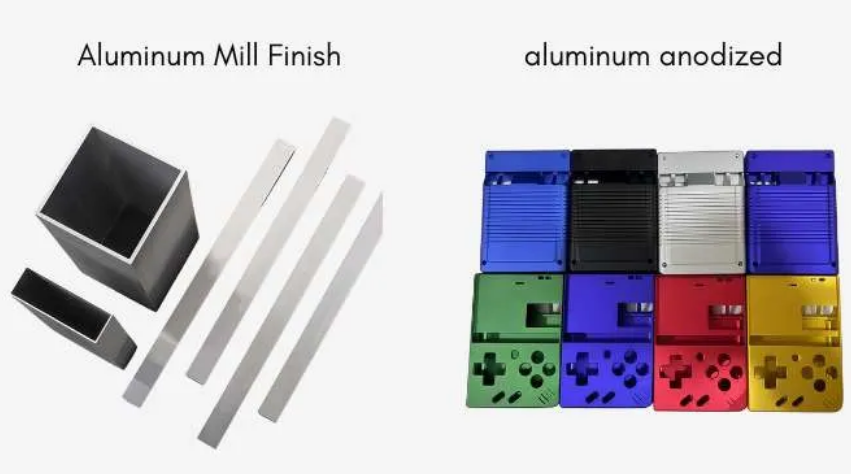
6061‑T6 / 6063‑T5 / 6082‑T6 / 5052‑H32: Best for cosmetic black/color Type II; steady Type III hard coat, minimal pre-machining extra treatment.
Medium Grade (Require customized pre-machining process control)
7075‑T6 / 5083‑H116: High Zn/Mg content, prone slight natural yellowish tint after anodizing; enforce strict pre-stress relief + fine finish Ra≤0.6μm for uniform coating.
High-difficulty Grade (Only Zorapid mature pre-machining craft available, most factories decline processing)
2024‑T351 / A356 cast aluminum: High Cu/Si segregation leads spotty coating; add dedicated pre-decopper etching & modified pre-machining allowance before anodizing.
Real Client Case Analysis with Actual Part Pictures
Case 1: Germany Medical Device Surgical Aluminum Housing (6061-T6|Biocompatible Type II Black Anodizing)
- Client Original Trouble: Former local China supplier ignored pre-anodizing pre-machining standard, reserved zero dimension allowance & kept sharp 90° inner corner; 36% first batch scrapped after black anodizing: irregular patchy black, internal thread locked completely, 21-day production delay & EUR14,800 scrap loss.
- Zorapid Pre-Machining Optimization Action:
- Revise CAD pre-offset single-side +8μm matching average 16μm Type II film thickness;
- Change all sharp inner corner to R0.6mm via pre-CAM programming; fine finish milling control Ra0.62μm;
- Pre-machine masking boss on grounding thread for full pre-anodize protection.
- Final Outcome: 0 scrap after full-batch anodizing, salt spray pass 1200hrs compliant with EU medical standard, delivered within 4 working days; client signed annual framework procurement contract for 50k+ parts yearly.
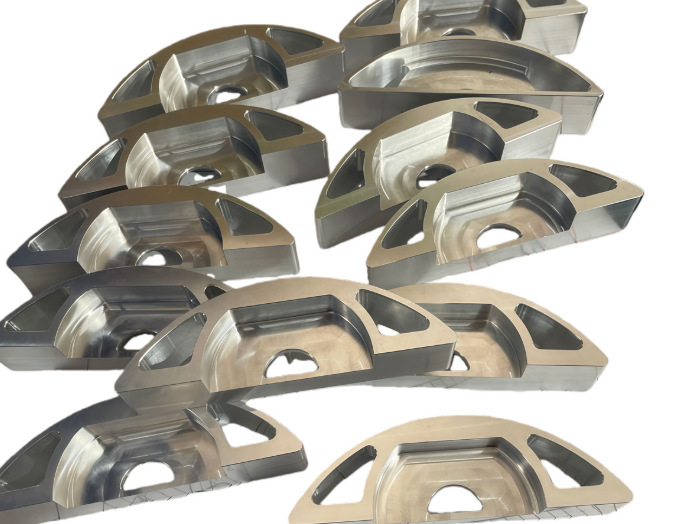
Case2: US Aerospace High-load Bracket (7075-T6|Type III 50μm Hard Anodizing)
- Previous Defect: Pre-machining omitted stress relief, part warpage after hard coat with uneven hard coat thickness.
- Our Solution: Add intermediate stress-relief process after rough milling, pre-compensate +30μm single-side allowance; finished batch dimension fully within ±0.008mm tolerance, passed US aerospace third-party wear test.
Global Application Scenarios
Four core downstream high-precision industries, attach corresponding finished part application photo:
- Medical Device: Surgical instrument housing, implant fixture shell (biocompatible RoHS anodizing, strict pre-machining no burr standard);
- Aerospace & Defense: Aircraft hydraulic valve body, drone structural bracket (Type III high-wear hard coat, tight pre-compensation tolerance);
- Semiconductor Equipment: Aluminum mounting base, vacuum chamber fittings (ultra-low Ra pre-machining to avoid particle shedding);
- New Energy Automotive: EV motor cooling shell, sensor aluminum housing (batch consistent color Type II anodizing).
Delivery Capacity & Lead Time Standard with Factory Dispatch Photo
Industry Benchmark vs Zorapid Lead Time Comparison
General separated-process suppliers: Prototype 12~22 days, mass order 35~50 days (2-way logistics transit + outsourced anodizing waiting queue);
Zorapid Standard Delivery:
- Prototype 1–5pcs: 3~5 working days (full in-house CNC+anodizing, zero outbound transit);
- Small batch 20~500pcs: 5~7 working days;
- Mass bulk order: 8~12 working days; urgent rush order available for client critical project.
Core delivery guarantee: All production schedule controlled by internal ERP system, daily production photo update to overseas buyers for progress tracking.
Zorapid Exclusive Industry Whitepaper
Whitepaper Core Contents:
- Full pre-machining allowance table for 12 mainstream aluminum alloys + Type II/Type III dual specification;
- DFM design forbidden structure list (dead sharp corner, unreasonable blind hole, improper thread design easy to trigger anodizing defect);
- Global anodizing scrap root-cause statistical report + corresponding pre-machining correction scheme;
- US/EU common procurement drawing annotation guide for pre-anodizing tolerance marking.
Article Core Summary
All stable, low-scrap anodizing results fundamentally rely on standardized pre-anodizing pre-machining instead of post-coating repair adjustment. Most global sourcing troubles like color mottling, assembly seizure, out-of-spec dimension root from splitting machining & surface finishing into separated vendors without unified pre-production specification.
Zorapid’s 20+ years one-stop CNC+in-house anodizing closed-loop manufacturing system solves your long-term pre-anodizing machining pain points, handles ultra-difficult high-alloy & tight-tolerance projects most manufacturers cannot produce, cuts your scrap cost & shorten delivery period significantly.
If you’re troubled by unstable anodizing yield & delayed shipment from existing suppliers, send your CAD drawing now for free DFM pre-review & customized quotation.
FAQ
Do I need to revise my original drawing tolerance for pre-anodizing machining?
No extra drawing modification needed. Just inform us Type II/Type III anodizing spec at RFQ stage; our engineer auto-calculate & embed coating thickness compensation into CAM pre-machining program.
Can bead blasting replace precision finish milling to save pre-processing cost for uniform anodizing?
Bead blast works only for low-precision matte non-fit parts; critical tolerance assembly components must adopt fine finish pre-machining, blasting cannot control dimensional allowance accurately.
Why 2024/7075 aluminum always has inconsistent black anodizing with regular suppliers?
High copper/zinc alloy elements disrupt oxide uniform growth; Zorapid uses exclusive pre-decopper pre-machining & targeted bath parameter to realize stable black finish, a technical barrier for most small factories.
How much pre-machining margin should I reserve for custom hard anodizing at early design?
Depends on target film thickness: 25~40μm hard coat reserve +15~25μm single side; 40~80μm heavy hard coat pre-offset +30~42μm per side, follow our whitepaper standard table.
Can you keep partial raw aluminum surface without anodizing on specified features?
Yes, we pre-design dedicated masking boss during pre-machining + custom fixture shielding, precisely reserve bare aluminum for thread/ground contact surface as drawing required.
What certification documents can you provide for EU/US customs clearance?
Full material mill certificate, RoHS/REACH test report, anodizing film thickness inspection sheet, salt spray test certification attached together with shipment.