Published by Zorapid
Anodizing is the go-to finish for aluminum sheet metal enclosures, brackets and chassis—it boosts corrosion resistance, hardness, color uniformity, and electrical insulation. But not all anodizing lines are equal: cheap decorative Type II lines often fail salt-spray tests, chip easily, or produce blotchy color; low-quality hard coat Type III creates brittle, cracked layers on bent thin-gauge panels.
Most sheet metal shops outsource anodizing to third-party coating houses, creating tolerance mismatches, delayed timelines, and zero oversight of pre-treatment or bath chemistry. At Zorapid, we operate a full in-house controlled anodizing line paired with our laser cut, CNC bend, rivet sheet metal workflow, with locked QC standards for Type II decorative and Type III hard coat. Today we break down process variances, competitor weaknesses, alloy performance, real OEM case results, lead time benchmarks, and 2026 global finishing trends.
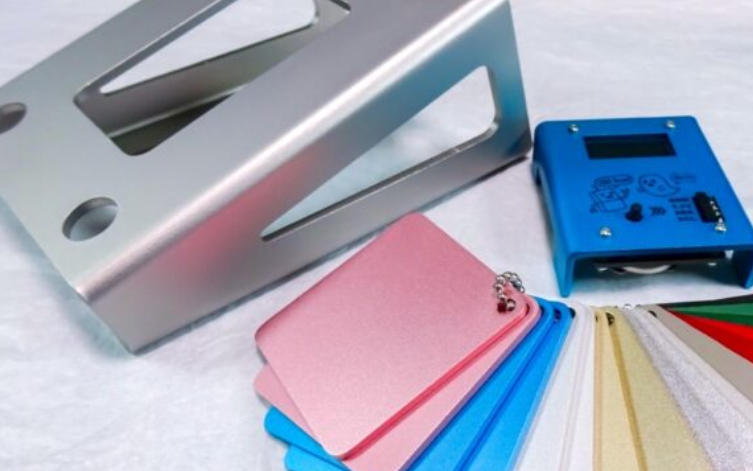
In-Depth Professional Process Technical Analysis
Core Two Main Anodizing Process Categories for Sheet Aluminum
Type II Decorative Sulfuric Acid Anodizing (Most Common for Cosmetic Housings)
Full Zorapid closed-bath workflow step-by-step:
- Degreasing Alkaline Wash: Heated 55°C alkaline bath removes cutting oil, laser residue, fingerprint contamination (critical—oil causes spot discoloration)
- Caustic Etch: Controlled sodium hydroxide etch to matte uniform base texture; etch time calibrated by aluminum alloy and sheet gauge
- Desmut Neutralization: Nitric acid bath strips alloy smut (magnesium/silicon particles) to eliminate cloudy gray blotches
- Sulfuric Acid Anodize Bath: 12–15V DC current, 18–20°C stable temperature, builds 5–25μm porous aluminum oxide film
- Coloring Dye Immersion: Organic dye penetration into oxide pores for black, clear, silver, blue, red custom tones
- Sealing Hot DI Water / Nickel Acetate Seal: Pore closure locks color, blocks moisture penetration for corrosion protection
Key specs Zorapid holds: Film thickness tolerance ±2μm, color Delta E ≤1.2 for batch uniformity, 500+ hour neutral salt spray (NSS) pass.
Type III Hard Coat (Hard Anodizing, Military/Abrasion Grade)
Engineered for wear, high-load structural sheet metal parts:
- Same pre-treatment degrease/etch/desmut as Type II, tighter contamination limits
- Cold sulfuric bath maintained at 0–4°C with refrigerated chiller systems (competitors often skip full chilling)
- High voltage 24–36V DC low-current density growth, dense compact oxide layer 25–100μm thick
- Minimal dye absorption—mostly clear sealed hard coat; dark black hard coat uses special high-pigment penetration
- Double hot seal cycle for maximum salt spray and chemical resistance
Hard coat mechanical gain: Base aluminum ~HV90–120 → Hard coat HV400–600 scratch hardness.
Top Anodizing Failure Modes Seen at Generic Outsourced Coaters
- Blotchy color / patchy tone: Poor desmut, inconsistent bath temperature, mixed alloy batches processed together
- Peeling & flaking oxide layer: Residual laser dross, insufficient degreasing, rushed seal cycle
- Cracking on bent sheet edges: Over-thick hard coat on thin 0.8–1.5mm aluminum; brittle oxide cannot flex with metal
- Pinhole corrosion failures: Contaminated DI seal water, unfiltered bath sludge buildup
- Dimension shift tolerance loss: Uncontrolled film thickness adds uneven build on mating datums, holes, mounting bosses
Zorapid Exclusive In-Line QC Control Loop (No Third-Party Middleman)
Every sheet metal panel moves laser cut → bend → rivet → pre-wash → anodize → final inspection in one facility with barcode batch tracking:
- Real-time bath temperature, pH, sulfuric concentration logging every 30 mins
- Magnetic thickness gauge sampling every 20 panels to lock micron targets
- Spectrophotometer Delta E color measurement for cosmetic batches
- Cross-section hardness test coupon per production run for Type III hard coat
- 10% batch salt-spray NSS sampling for critical EV/medical orders
Competitor Service & Quality Benchmark Table
| Supplier Model | Anodizing Operation | Average Film Thickness Variance | NSS Salt Spray Rating | Batch Color Delta E | Total Assembly Defect Rate |
|---|---|---|---|---|---|
| Sheet shop outsources to budget third-party coater | External uncontrolled batch lines | ±7–12μm | 150–300hrs | Delta E >3.5 | 4.1%–6.8% |
| Mid-tier shop with semi-manual small anodize tank | Partial in-house, limited temperature control | ±4–6μm | 300–500hrs | Delta E 1.8–3.0 | 1.9%–3.2% |
| Zorapid fully automated climate-controlled anodize line | End-to-end integrated sheet metal + anodizing | ±1.5–2μm tight tolerance | Type II ≥800hrs / Type III ≥1200hrs | Delta E ≤1.2 | 0.35%–0.70% |
Unsolvable Anodizing Challenges Competitors Cannot Fix — Zorapid Custom Solutions
Challenge 1: Thin 0.8–1.2mm Bent Aluminum Enclosures Requiring Hard Coat (Risk of Edge Crack / Panel Warpage)
Competitor Failure: Standard cold hard coat creates thick brittle oxide; bent corner edges crack under minor vibration, panels distort from uneven bath thermal load. Third-party coaters refuse thin-gauge hard coat jobs entirely.
Zorapid Solution:
- Low-amperage slow-growth Type III recipe tuned for thin sheet stock
- Pre-bend stress relief stabilization of aluminum blanks before forming
- Fixture rack design with full panel support to eliminate hot-bath warping
- Post-anodize low-temperature stress bake to relieve oxide internal tension
- Result: 35μm hard coat on 1.0mm 5052 sheet with zero edge cracking, 1200hr NSS pass.
Challenge 2: Multi-Panel Riveted Assemblies Need Uniform Color Across Disparate Part Sizes
Competitor Failure: Separate batches for large chassis frames and small brackets create major Delta E color mismatch; assembled cabinets have obvious tone differences.
Zorapid Fix: All assembly components loaded onto matched racking in identical bath cycles; alloy-matched parts grouped, etch/anodize dwell times synchronized for full batch color parity. Unified QA spectrophotometer check of full assembly set before packaging.
Challenge 3: EV Bus Bar Sheet Metal — Anodize Must Insulate Electrically While Holding Tight Hole Tolerances
Competitor Failure: Unregulated film thickness shrinks tapped hole threads, oversized oxide layer throws out positional tolerance; cheap coaters grind holes post-anodize breaking insulation integrity.
Zorapid Fix: Masking tooling engineered for every threaded hole, datum boss, and mating surface pre-anodize; calibrated thin 8–12μm Type II insulation coat with exact thickness mapping, no post-grinding required. Dielectric breakdown ≥500V guaranteed.
Challenge 4: Medical 6061 Aluminum Trays Requiring FDA Compliant Clear Anodize (No Heavy Metal Seal Contamination)
Competitor Failure: Generic nickel acetate seal leaches trace metals; medical batches fail biocompatibility screenings, cloudy yellow discoloration after sterilization cycles.
Zorapid Fix: FDA-grade cobalt-free hot DI water sealing process, food-safe sulfuric bath chemistry, full extractable testing records, autoclave-stable clear oxide film with zero discoloration after 100+ steam sterilization runs.
Challenge 5: Mixed Alloy Runs (5052 chassis + 6061 mounting brackets) Ordered as One Assembly
Competitor Failure: Same etch/anodize timing for 5052 and 6061 yields drastically different color depth—6061 darkens far faster, visible mismatch when assembled.
Zorapid Fix: Dual-stage processing: separate calibrated etch dwell times for each alloy grade before shared anodize bath; dye penetration timing adjusted per alloy to match final Delta E <1.0 color alignment.
Applicable Aluminum Sheet Grades + Anodizing Performance Comparison
Focus on our most fabricated sheet alloys for laser/bend/rivet + anodize workflows
| Alloy Grade | Best Anodize Type | Max Stable Film Thickness | Color Uniformity Rating | Salt Spray (NSS) Zorapid Standard | Primary Strengths | Key Limitations | Zorapid Reject Rate |
|---|---|---|---|---|---|---|---|
| 5052 Aluminum Sheet | Type II Decorative / Light Type III | Type II:5–20μm; Type III:30–40μm | Excellent | ≥800hrs Type II / ≥1200hrs Type III | Superior corrosion resistance, excellent bending formability | High magnesium content needs precise desmut; ultra-thin hard coat only | 0.35% |
| 6061-T6 Aluminum Sheet | Type II / Full Thick Type III Hard Coat | Type II:5–25μm; Type III:25–80μm | Very Good | ≥800 / ≥1200hrs | High tensile structural strength, thick hard coat compatible | Slightly stiffer bend radius vs 5052 | 0.42% |
| 6063 Aluminum Extruded Sheet/Profiles | Premium Decorative Type II | 5–30μm | Outstanding (highest cosmetic grade) | ≥800hrs | Ultra-smooth base, mirror uniform dye color | Lower structural strength for heavy load brackets | 0.28% |
| 7075-T6 High-Strength Sheet | Restricted Thin Type II Only | Max 15μm Type II; hard coat prone to cracking | Fair (high copper alloy creates slight tone variance) | ≥600hrs Type II | Extreme tensile aerospace strength | High copper content causes smut, thick hard coat cracks easily | 0.65% |
Critical Alloy Anodizing Rules:
- 5052 is the top choice for bent thin-gauge enclosures—hard coat limited to moderate thickness to prevent bend crack failure
- 6061 is ideal for structural load-bearing parts needing thick wear-resistant Type III hard coat
- 6063 dominates cosmetic consumer/telecom housings for flawless consistent dyed colors
- 7075 high-strength alloy cannot run thick hard coat; only thin controlled Type II for aerospace lightweight frames
Real Customer Case Study
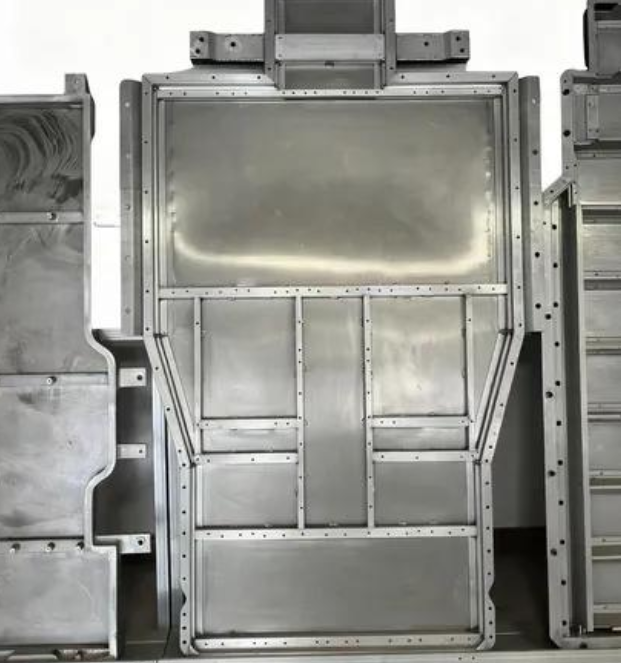
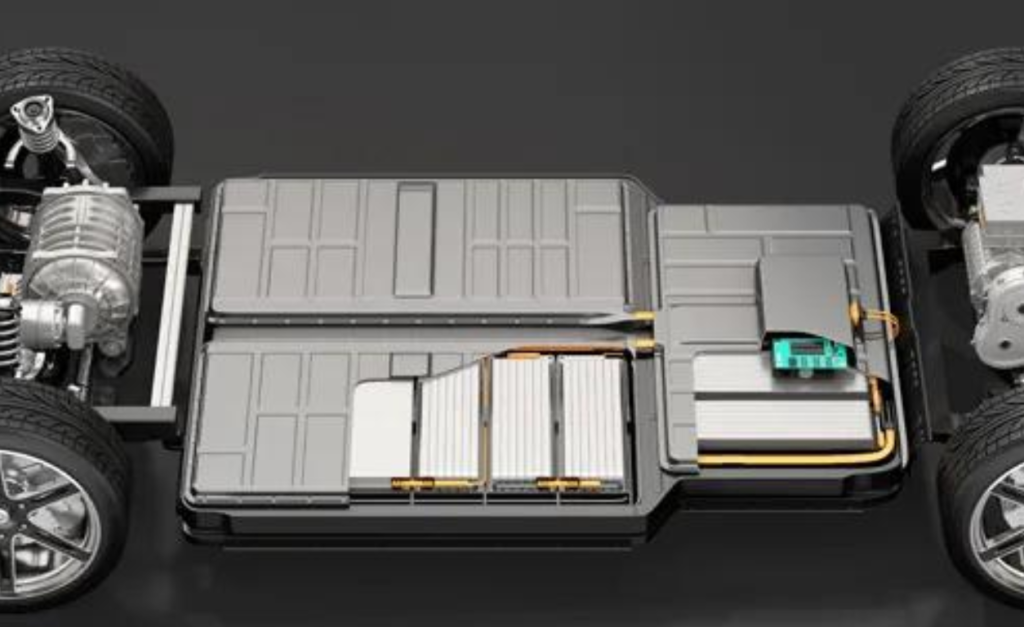
Case 1: US EV Tier 1 Battery 5052 Aluminum Enclosure Assembly
Project Scope: 15,000 riveted sheet metal chassis assemblies, 1.0mm 5052 aluminum, black Type II anodize, electrical insulation requirement, NSS ≥800hrs, Delta E ≤1.2 batch color tolerance
Previous Outsourced Coater Pain Points: Separate bending shop + third-party anodizer; color Delta E averaged 3.8 across batches, 5.9% total assembly scrap from blotchy panels, 12-day shipment delay, three separate QA report sets for IATF 16949 audit.
Zorapid Integrated Sheet + Anodize Full Execution
- Laser cut, CNC bend, robotic rivet assembly all in-house single workflow
- Barcode batch tracking linking bend geometry to pre-treatment/anodize racking
- Automated temperature-stabilized sulfuric Type II bath, calibrated 12μm target film thickness
- Spectrophotometer color sampling every 20 panels, full NSS batch sampling
- Masked threaded bus bar holes to preserve tolerance and insulation layer
- Consolidated IATF traceability package with bath logs, thickness data, salt-spray certificates
Measurable Outcomes
- Final assembly reject rate dropped to 0.39%
- Color Delta E locked consistently ≤1.1
- Full NSS 920-hour pass for every production batch
- Total lead time cut from 39 days (multi-vendor) to 15 days
- Passed OEM electrical insulation breakdown testing on first submission
Your Production Pain Points → Zorapid Tailored Anodizing Solutions
Pain 1: Outsourced anodizing creates misaligned tolerances, scrap, and extra coordination labor
Solution: One-stop laser/bend/rivet/anodize single facility, one PO, one project engineer accountable for full part geometry and finish quality
Pain 2: Thin bent aluminum panels crack at corners when specifying hard coat
Solution: Alloy-specific low-stress slow-growth Type III recipes, pre-bend stress relief, supported rack fixturing to eliminate thermal warpage
Pain 3: Mixed part assemblies have obvious color mismatch between brackets and main chassis
Solution: Synchronized bath dwell cycles, alloy-calibrated etch steps, full assembly spectrophotometer QA before shipment
Pain 4: Threaded/mating features lose tolerance from uncontrolled oxide thickness build-up
Solution: Custom precision masking tooling for all critical datums, holes, and threads; exact micron thickness locked per drawing specs
Pain 5: Medical/food batches risk contamination from standard nickel seal chemistry
Solution: FDA-compliant cobalt-free hot DI water sealing, full extractable test records for regulatory audits
Pain 6: No archived bath chemistry, thickness, or salt-spray logs required for IATF/ISO audit compliance
Solution: 10+ year encrypted storage of every batch’s temperature, pH, thickness, color, and NSS test data with exportable PDF audit packets
2026 Global Industry Data & Future Trend Analysis
Integrated vs Outsourced Anodizing Cost & Quality Benchmark Table
| Production Model | 2026 Average Anodize Defect % | Average Total Project Lead Time | Total Project TCO vs Baseline | 2026 Global Market Share |
|---|---|---|---|---|
| Fully outsourced sheet + third-party anodize | 5.4% | 30–46 business days | 100% baseline cost | 39% (low-margin general hardware) |
| Mid-tier partial in-house anodize (manual tanks) | 2.7% | 20–30 business days | 93% relative cost | 40% (standard automation, consumer enclosures) |
| Zorapid full automated integrated sheet + anodize line | 0.52% average | 11–20 business days | 84–89% lower TCO (less rework/admin) | 21% fast-growing EV, medical, aerospace precision OEM segment |
Key 2026–2030 Industry Trends
- Vertical Integrated Sheet + Anodize Sourcing Preferred by High-Value OEMs: By 2028, 61% of North American/EU EV and medical buyers will phase out outsourced coating chains to eliminate contamination, tolerance and color risks.
- Type III Hard Coat Demand Surges for Lightweight Structural EV Components: 17% annual growth in wear-resistant aluminum chassis requiring controlled cold-bath hard coat; budget coaters lack refrigeration capacity to compete.
- Regulatory Seal Chemistry Restrictions Tighten for Medical & Food Hardware: Nickel-based sealing will face stricter EU FDA extractable limits; cobalt-free DI sealing becomes a compliance necessity, not an upgrade option.
- Digital Batch Traceability Mandates Expand: IATF 16949, ISO13485 now require full anodize bath parameter logging—unmonitored third-party coaters cannot meet audit requirements.
- TCO Replaces Per-Sheet Coating Price as Procurement Metric: Hidden costs of scrap, rework, shipping between vendors and QA reconciliation make integrated one-stop manufacturers the lowest total-cost choice long-term.
Core Zorapid Anodizing Application Scenarios
Type II Decorative Anodize Primary Uses
- EV battery pack 5052 aluminum enclosures, charging station housings, insulated bus bar frames
- Medical stainless/6061 instrument trays, diagnostic device casings (FDA clear compliant)
- Telecom server rack chassis, lightweight aluminum cabinet frames, consumer electronics housings
- Industrial automation control boxes, robot mounting brackets, corrosion-resistant indoor machinery guards
Type III Hard Coat Primary Uses
- EV high-wear sliding structural brackets, heavy-load actuator aluminum housings
- Aerospace 6061-T6 lightweight structural sheet components requiring military-grade abrasion resistance
- Packaging equipment wear plates, hydraulic valve aluminum bodies, high-cycle machinery parts
- Semiconductor fixture aluminum frames needing scratch-resistant cleanroom-safe hard oxide coating
Mixed Assembly Combined Workflow
Full kits combining laser cut, CNC bent, robot-riveted sheet metal finished with matched color Type II or engineered Type III hard coat for complete product assemblies shipped ready for OEM integration.
Delivery Speed Benchmarks & Integrated Production Timeline
Standard Batch Lead Time Comparison (15,000pc EV 5052 Enclosure Reference Batch)
| Supplier Structure | Full Sheet Metal + Anodize Lead Time | Rework Scrap Delay Risk | Consolidated Audit Docs |
|---|---|---|---|
| Split sheet shop + external coater | 35–43 days | 9–15 day hold for blotchy panel rework | Three separate report bundles |
| Mid-tier semi-manual in-house anodize | 22–30 days | 3–6 day minor touch-up risk | Two document sets |
| Zorapid fully automated integrated line | 13–19 days | <1 day minor polish/rework risk | Single full audit-ready compliance package |
Standard Zorapid Step-by-Step Integrated Timeline
- DFM alloy/anodize process engineering & masking design sign-off: 1 business day
- Laser cutting, AI nesting, automated deburr: 2–4 days
- CNC precision bending, robotic rivet assembly: 2–3 days
- Automated pre-treatment wash/etch/desmut climate-controlled anodize bath cycles: 2–3 days
- Thickness/color/NSS QA sampling, final inspection, export certification packaging: 1–2 days
Expedited 8–10 day fast-track rush orders available for critical OEM launches; bath temperature and dwell timelines never rushed to preserve film integrity and color uniformity.
Key Benefits of Partnering With Zorapid for Integrated Aluminum Sheet Anodizing
- Single Source End-to-End Accountability: No finger-pointing between fabricator and external coater; Zorapid absorbs full cost of rework for color/thickness/corrosion defects
- Automated Climate-Stabilized Anodize Tanks: Precision temperature, pH, voltage control unmatched by manual third-party coating lines
- Alloy-Tuned Custom Anodize Recipes: Unique dwell, current, seal parameters for 5052, 6061, 6063, 7075 to lock uniform results across mixed assemblies
- Full Global Certification Stack: ISO9001, IATF16949 automotive, ISO13485 medical; bath logs, thickness scans, salt-spray test reports archived long-term
- FDA-Compliant Sealing Chemistry for Medical & Food Hardware: Cobalt-free DI water sealing as standard, no toxic heavy metal leaching risks
- Precision Custom Masking Program: Protect threaded holes, mating datums, electrical contact surfaces to hold drawing tolerances post-finish
- Unified Digital Batch Traceability: Barcode links every panel from raw sheet through bend, assembly, anodize and final QA for full audit trails
- Global Door-to-Door Shipping Support: Consolidated commercial invoices, compliance paperwork, air/sea freight coordination direct to EU/US OEM warehouses
Summary
Outsourcing aluminum sheet metal anodizing creates predictable pain points: inconsistent color, uncontrolled film thickness, bent-edge hard coat cracking, long split lead times, fragmented QA documentation, and costly scrap rework. Generic coaters run one-size-fits-all bath cycles regardless of aluminum alloy, sheet gauge, or end-use compliance needs.
Zorapid’s fully integrated laser cut → bend → rivet → automated climate-controlled anodize workflow delivers alloy-calibrated Type II decorative and Type III hard coat finishes with ultra-tight QC tolerances, industry-low defect rates, and consolidated compliance records for EV, medical, aerospace and automation OEMs. We eliminate multi-vendor coordination waste, stabilize dimensional accuracy, and deliver superior corrosion, wear, and cosmetic performance at lower total cost of ownership.
If you have aluminum sheet assembly drawings and need a free DFM anodizing process assessment plus formal cost & lead time quote, our English-speaking engineering team delivers a full technical breakdown within 2 business days after receiving your STEP files, alloy specs, finish type and batch quantity.
FAQ
Can I switch from Type II to Type III hard coat on the same 5052 bent sheet design?
Yes, but we adjust to low-stress slow-growth Type III and cap maximum thickness to avoid bend corner cracking. 6061 handles thick hard coat far more robustly than 5052 thin stock. We provide thickness vs crack risk analysis pre-production.
How much dimensional tolerance does anodizing typically add to aluminum features?
Type II adds ~half total film thickness to each surface (e.g., 12μm coat = +6μm per side). Our masking tooling fully protects critical threads and datums so finished dimensions match print tolerances exactly without post-finish machining.
Is nickel acetate seal allowed for medical parts shipped to US/EU?
Many EU FDA and ISO13485 clients restrict nickel extractables for implant/sterile tray hardware. We offer standard cobalt-free hot DI sealing as our medical-grade baseline with full biocompatibility test documentation.
What color options are standard for Type II anodizing at Zorapid?
Clear, matte black, silver, dark blue, red, gold standard in-house dyes; custom specialty colors available via qualified dye batches with Delta E color validation pre-run. Type III hard coat is primarily clear or dark black (limited dye penetration for thick dense oxide).
What minimum sheet gauge can you reliably process with Type III hard coat without cracking?
Minimum stable thickness is 0.8mm 5052 and 0.7mm 6061 with our low-amperage slow-growth hard coat recipe. Thinner gauges are restricted to thin Type II decorative finish only.
Do you provide salt spray (NSS) test certificates with every shipment?
Yes. Every production batch includes signed lab NSS reports, film thickness logs, bath chemistry records, and spectrophotometer color QA data packaged into one compliance PDF folder for your QA/audit team.
Can anodized aluminum panels still be welded or riveted post-finish?
Anodize oxide is non-conductive and brittle—all welding, bending, riveting assembly work is completed before anodizing as standard workflow. We design DFM to schedule forming/assembly prior to coating to preserve finish integrity.