Published by Zorapid
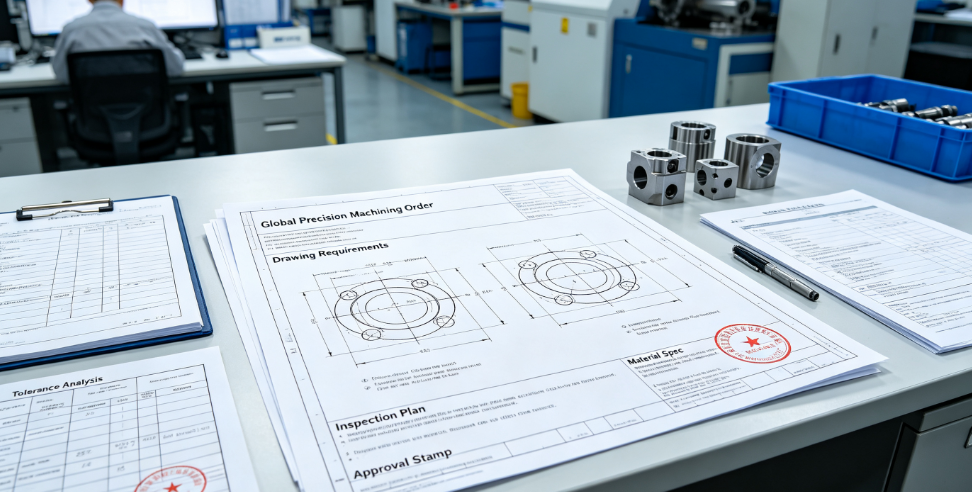
If you’ve wasted thousands on wrong manufacturing runs, rushed prototypes that don’t fit, or waited weeks for parts that could’ve shipped in 3 days—this guide’s for you.
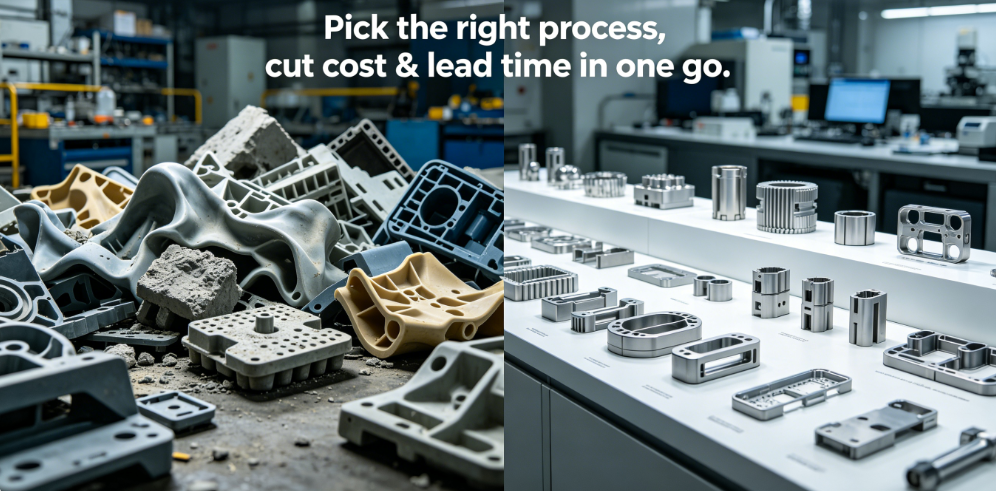
Most product teams pick manufacturing processes based on what they’ve always used, not what their actual part needs. That mistake blows budgets, delays launches, and creates avoidable defects like sink marks, chatter ripples, or bent sheet metal frames.
We’re Zorapid, a hybrid manufacturing factory specializing in CNC, sheet metal, SLM metal 3D printing, injection molding, and vacuum casting for custom OEM parts. Every week, our engineers walk clients through this simple, no-jargon framework to lock in the perfect production method.
No confusing engineering textbooks, no sales fluff—just practical rules you can apply to your CAD file today.
Lock Down Your 5 Non-Negotiable Part Requirements First
Before comparing any process, write down these 5 details—they eliminate 80% of bad process picks instantly. Keep it simple, no fancy specs overload.
Exact Production Volume (The Biggest Cost Driver)
Volume makes or breaks your choice, plain and simple:
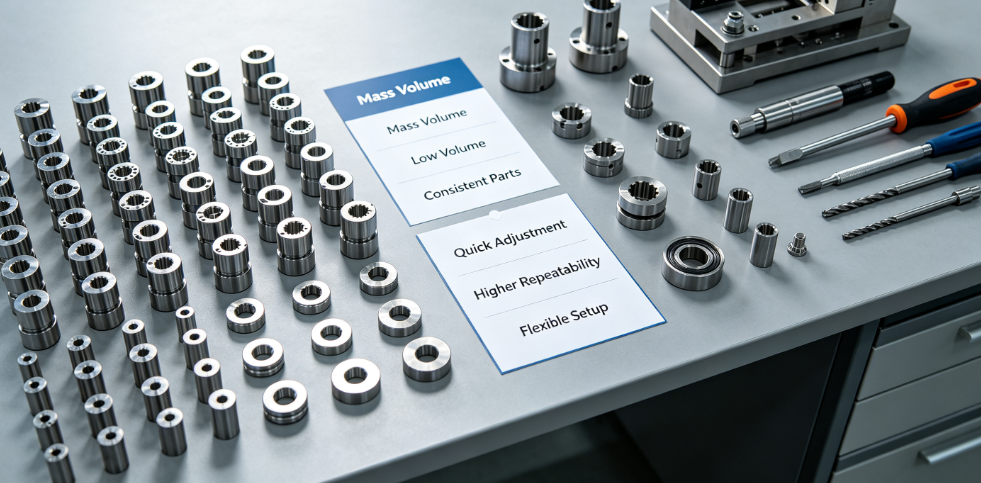
- 1–50 units (prototypes, fit tests, small batch trials): Skip hard tooling. CNC or 3D printing wins here. No expensive molds to amortize.
- 50–500 units (low-volume end-use): Sheet metal or vacuum casting balances speed and cost.
- 500–10,000 units (mid-volume): Hybrid CNC + soft mold casting works best for mixed plastic/metal assemblies.
- 10,000+ units (mass production): Injection molding, stamping, or die casting take over—high upfront tooling cost drops piece price drastically at scale.
Quick real example from Zorapid projects: A medical device client ordered 30 aluminum housings. They initially quoted injection molding, only to find mold fees were 4x the full CNC machining cost for their batch. We switched processes and cut their total spend by 72%.
Material Rules Out Half Your Options
Every manufacturing method only works with specific materials. Don’t design a part in titanium then try to injection mold it—this error stalls projects for weeks.
- High-strength metals (Ti-6Al-4V, In718, 17-4PH): CNC 5-axis machining or SLM metal 3D printing only.
- Light structural aluminum chassis: CNC or sheet metal laser bending.
- Functional engineering plastics (PEEK, GF-PA66): CNC or injection molding.
- Low-cost visual prototype resins: SLA 3D print or vacuum casting.
- Corrosion-resistant food/medical grade stainless steel: CNC machining with passivation finishing.
Tolerance & Surface Finish Targets
How precise does your part need to be? Loose tolerances let you pick faster, cheaper processes. Tight specs limit your options to high-accuracy methods:
- ±0.005–0.05 mm tight tolerance (aerospace, medical implants): 5-axis CNC machining, SLM metal printing.
- ±0.1–0.5 mm general assembly tolerance: Sheet metal, SLS 3D print, vacuum casting.
- Loose fit, visual-only parts: FDM 3D printing, basic laser cutting.
Surface finish note: If you need mirror-smooth Ra <0.4 μm surfaces for sealing or brand aesthetics, CNC polishing outperforms all additive printing without extra post-processing labor.
Part Geometry & Complexity
Simple flat brackets vs. intricate lattice internal structures call for opposite processes:
- Flat panels, folded frames, simple brackets: Sheet metal fabrication (laser cut + bend + rivet).
- Deep pockets, sharp internal corners, precision shafts: CNC machining.
- Lattices, hollow internal channels, organic organic un-moldable shapes: 3D additive printing (SLA/SLM).
- Uniform wall-thickness plastic enclosures with consistent repeats: Injection molding.
DFM quick tip: If your design has thin walls under 0.8mm metal / 1.2mm plastic, 3D printing avoids warpage better than standard machining or molding.
Hard Lead Time Deadlines
Launch timelines often override pure cost logic:
- Ship parts in 1–3 days: SLA/FDM 3D printing (zero tooling wait).
- 5–10 day turnaround: CNC, sheet metal, vacuum casting soft molds.
- 3–8 week minimum lead time: Hard steel injection molds, die casting tooling.
Break Down Each Process – Who It’s Perfect For (Zorapid Field Insights)
We’ll cut through marketing buzz and tell you exactly when each manufacturing method is the clear winner, plus its biggest limitations to watch for.
CNC Machining (5-Axis Swiss Lathe & Vertical Mill)
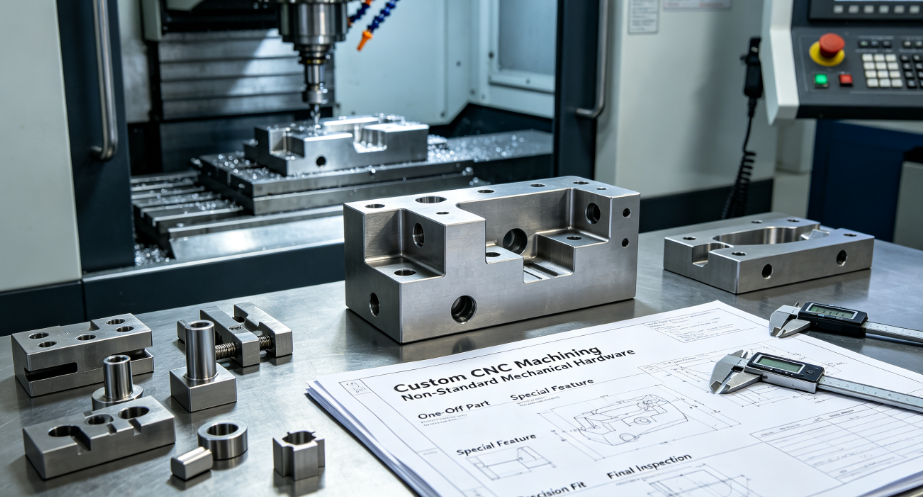
Best for: Tight tolerance metal/plastic end-use custom parts, small to medium batches, aerospace/medical semiconductor components.
Pros: Broadest material compatibility, ultra-precise, repeatable single-unit quality, minimal post-finish needed. Zorapid runs in-house 5-axis machines to hit ±0.005mm medical grade tolerances.
Cons: Higher per-unit cost above 500 pieces, slow for ultra-complex lattice geometry.
Zorapid Real Case: Custom Ti-6Al-4V orthopedic implant prototypes—CNC delivered biocompatible smooth surfaces ready for sterilization, no secondary grinding required.
Sheet Metal Fabrication (Laser Cut, Bend, Rivet, Weld)
Best for: Equipment chassis, electronic EMI shielding, cabinet frames, low-medium volume metal enclosures.
Pros: Low setup fees, fast iterations, lightweight metal structures, flexible finishing (anodize, powder coat, plating).
Cons: Struggles with deep curved organic shapes, strict bend radius design limits, not ideal for tiny micro-parts.
Pro tip from our workshop: Add bend relief holes early in your CAD to eliminate tearing defects and cut rework costs.
Additive 3D Printing (SLA, SLS, SLM Metal Printing)
Best for: One-off prototypes, ultra-complex internal lattices, custom jigs & fixtures, low-volume custom medical parts.
Pros: No custom tooling, full design freedom, fastest turnaround for last-minute design changes. SLM metal prints support high-temperature alloys like In718.
Cons: Higher cost at large batch sizes, rougher as-printed surfaces need polishing, wider standard tolerances vs CNC.
Vacuum Urethane Casting (Soft Silicone Molds)
Best for: 10–100 plastic cosmetic prototypes, consumer product pre-production samples, mixed color low-run plastic parts.
Pros: Low mold cost vs steel injection molds, smooth plastic surface matching mass-molded look, quick 3–7 day mold turnaround.
Cons: Silicone molds wear out fast (max ~50 pulls), limited high-performance engineering resin options.
Injection Molding (Hard Steel Tooling)
Best for: Mass production 10,000+ identical plastic custom parts, consumer electronics, EV connectors, disposable medical housings.
Pros: Near-zero per-unit cost at scale, perfect dimensional repeatability, huge material & texture options.
Cons: Very high upfront mold investment, long lead time for tooling, costly redesigns after mold completion.
The Secret Hack Most Engineers Miss – Hybrid Manufacturing
Here’s where Zorapid stands apart from standard single-process manufacturers: you don’t have to pick just one method. Hybrid manufacturing mixes two or more processes to balance speed, precision, and cost.
Common winning hybrid combinations we deliver daily:
- SLM 3D print complex core geometry + CNC post-machine critical mating surfaces
- Sheet metal frame + injection molded plastic inserts for electronic equipment
- CNC machined metal hardware + vacuum cast cosmetic plastic shells for prototype launches
Example: A semiconductor client needed test chamber frames with intricate internal cooling channels (impossible via pure CNC) and precision flange mounting holes (too loose via raw 3D print). We SLM printed the core cooling structure, then 5-axis CNC finished all sealing flanges—they hit all specs and saved 35% vs outsourcing two separate vendors.
Quick 2-Minute Self-Checklist To Validate Your Final Process Pick
Run through these questions before locking your order to avoid costly mistakes:
- Does this process support my target material’s mechanical requirements?
- Can it hold my required tolerance on all critical assembly features?
- Does the total cost (tooling + per part + finishing) fit my budget for my batch size?
- Will production finish before my hard launch deadline?
- Does my CAD design follow DFM rules for this manufacturing method (wall thickness, draft angles, bend radii)?
- Would a hybrid process cut cost or speed up delivery further?
If 2+ answers are no, go back and re-evaluate your manufacturing choice—don’t push forward with a mismatched process.
How Zorapid Removes All Guesswork From Process Selection
We don’t just quote your CAD—our in-house DFM team completes a full manufacturing feasibility review for free on every custom part project. Here’s what you get when you send us your files:
- Full process comparison breakdown with side-by-side cost, lead time, tolerance data for every viable method
- DFM design tweaks to cut manufacturing cost and eliminate defects
- Hybrid manufacturing recommendations if combining processes delivers better results
- Material matching suggestions aligned with your end-use environment (medical biocompatible, aerospace heat resistant, marine corrosion proof)
- Transparent timeline breakdown with no hidden tooling or finishing fees
With our 3,000㎡ integrated smart manufacturing center housing all five core processes under one roof, we avoid third-party vendor delays that slow most custom part orders. ISO & AS certified for medical, aerospace, and automotive OEM compliance.
Real Client Success Story
A UK medical startup reached out to Zorapid needing 45 custom surgical tool housings for clinical trials. Their initial plan: injection molding, with a 6-week lead time and $8,200 mold cost.
Our engineers ran our process selection framework and identified vacuum casting paired with CNC machined metal inserts as the better fit. Total lead time dropped to 6 days, total project cost cut by 68%, and all parts passed biocompatibility surface testing on first delivery. They avoided sinking capital into a permanent mold before validating their clinical design.
FAQ
What’s the cheapest process for 1–10 custom metal prototypes?
5-axis CNC machining. No mold fees, fast setup, works for aluminum, stainless, titanium without extra tooling overhead.
Can 3D printed metal parts match CNC precision for aerospace use?
Raw SLM prints have wider tolerances, but pairing SLM printing with secondary CNC finishing hits aerospace ±0.01mm specs at lower cost than full CNC for complex lattice geometries.
When should I choose sheet metal over CNC for custom enclosures?
Pick sheet metal if your part is flat-panel based with simple folds, batch size under 500, and you want lower per-unit cost vs solid block CNC machining.
Is hybrid manufacturing more expensive than a single process?
A: Usually cheaper long-term. Hybrid eliminates rework defects and avoids outsourcing multiple separate factories, slashing shipping and coordination fees.
Can Zorapid switch manufacturing processes mid-project if my design changes?
Absolutely. Our in-house full-process workshop lets us pivot from 3D printing prototypes to CNC low-volume runs or soft mold casting without third-party delays. Just send your updated CAD file, and we’ll refresh the process cost breakdown same day.
Wrap-Up
Picking the right manufacturing process isn’t rocket science—it just requires mapping your volume, material, tolerance, geometry, and timeline first. Skip this step, and you’ll overspend, miss deadlines, or receive custom parts that fail assembly testing.
If you’re tired of guessing which production method fits your CAD design, send your 3D files to Zorapid today for a free DFM & manufacturing process comparison report. Our engineering team will outline every viable option, cost breakdown, and lead time estimate tailored to your project goals—no obligation, no sales pressure.
Build better custom parts, faster and cheaper, with the perfect manufacturing process matched to your design.