Published by Zorapid
If you’re an electronics engineer, industrial equipment designer, or OEM sourcing manager, you’ve likely asked:
What exactly happens to my CAD file once I send it to a sheet metal shop—all the way to a fully coated, ready-to-assemble metal enclosure?
Many fabricators outsource bending, welding, or powder coating to third-party vendors. That creates misalignment, delayed timelines, inconsistent finishes, and endless back-and-forth quality issues.
At Zorapid, our 3,000 sqm smart manufacturing center runs every sheet metal step under one roof. We handle your project from initial design check through laser cutting, forming, fastening, welding, surface prep, full powder coating, and final QC packaging.
This step-by-step walkthrough breaks down our complete custom sheet metal fabrication flow in plain engineer-friendly language. No confusing textbook jargon—just real factory processes we execute daily for EU, US, and APAC hardware clients.
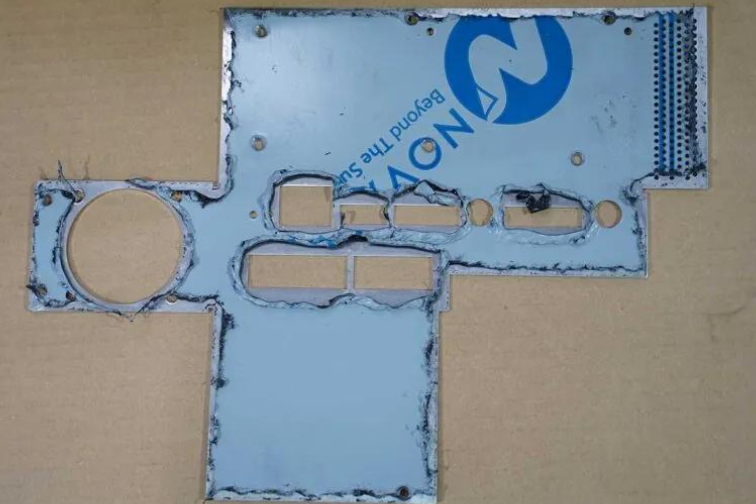
Pre-Production DFM Review & Material Prep
Before any metal touches our laser cutter, our engineering team runs a free Design for Manufacturability (DFM) audit on your STEP, DXF, or SolidWorks files. This single stage eliminates 90% of costly rework later in production.
What our DFM check covers:
- Bend relief cutouts to avoid cracked edges during forming
- Minimum hole spacing & edge clearance rules
- Springback compensation calculations for aluminum & stainless steel
- Weld joint placement optimization to reduce distortion
- Nesting layout planning to cut raw material waste
- Powder coat compatibility checks (sharp thin edges risk uneven coating)
Once we lock your design, we pull certified sheet stock matching your specs: aluminum 5052/6061, 304/316 stainless, cold-rolled mild steel, galvanized steel, copper. All material batches come with EN 10204 3.1 material test certificates for traceability, critical for medical, aerospace, and industrial OEMs.
Quick win for your project: Send complete drawings with bend notes, material gauge, and target coating color upfront to cut quote turnaround to 12 hours.
Fiber Laser Cutting
This is where your flat 2D pattern takes shape from solid metal sheets. We run high-power 6kW fiber laser cutters built for tight tolerance custom sheet metal work.
How Zorapid’s laser cutting workflow works:
- Import optimized DXF flat patterns into laser nesting software
- Auto-nest dozens of parts on one metal sheet to slash material costs by 15–25%
- CNC laser follows programmed paths to cut intricate cutouts, vent slots, mounting holes, and complex outer contours
- In-process height control keeps vertical cut edge taper under 0.05 mm for clean, burr-minimal edges
Key laser cutting specs we deliver:
- Tolerance: ±0.05 mm for all cut profiles
- Material capacity: Up to 25 mm mild steel, 15 mm stainless, 12 mm aluminum
- No extra charge for small intricate cutouts, logos, or branding engravings
After cutting, every blank moves straight to automated deburring stations to grind away laser dross and sharp edges—critical to prevent bending cracks and guarantee smooth powder coat adhesion later.
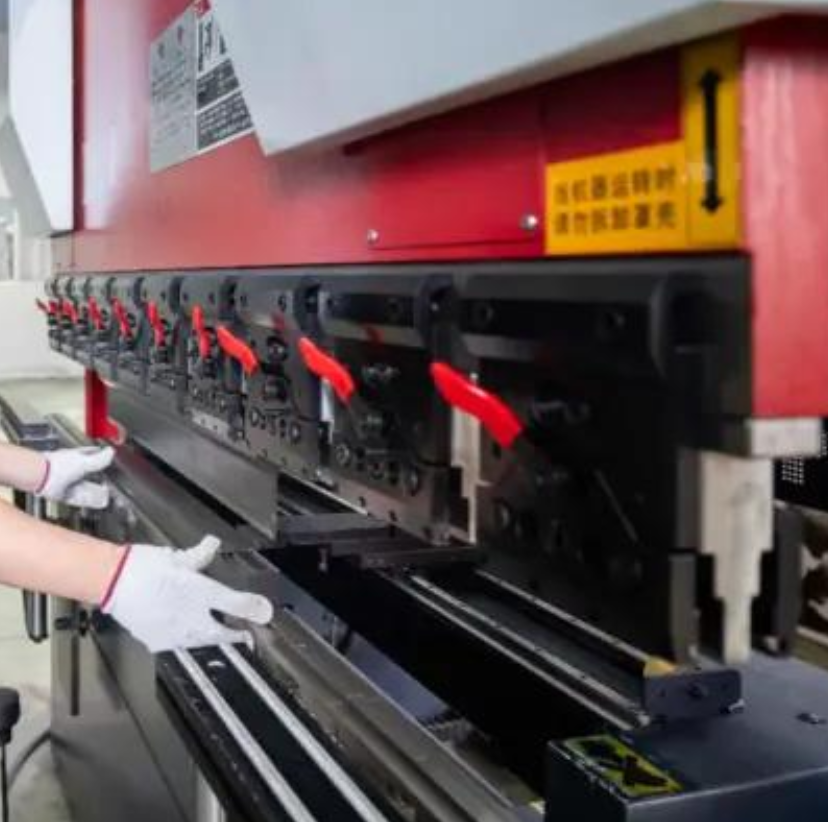
CNC Press Brake Bending (Flat Blanks to 3D Shapes)
A flat laser-cut blank is just raw metal until we form it with our bank of CNC-controlled press brakes (max 200-ton capacity, 3-meter bending length).
Bending process breakdown at Zorapid:
- Operators load the first sample blank and run test bends to calibrate springback offsets (aluminum springs back far more than steel)
- Automated backgauges lock precise positioning for consistent bend lines across full batches
- Air bending and bottoming dies match your required inside bend radius (0.5× material thickness for mild steel, 1× for stainless)
- First article inspection (FAI) verifies all bend angles, flange lengths, and overall dimensions against your drawing before full production run
Common parts we bend daily:
Electronics enclosures, equipment mounting brackets, control panel housings, cabinet frames, sensor shielding, and custom machine chassis.
Major client pain point we eliminate: Many small shops skip springback calibration, leading to mismatched assembly parts. Our CNC software auto-compensates material rebound for repeatable bends on every run.
Fastener Insertion, Riveting & Mechanical Assembly
Once bending finishes, we add all built-in hardware before welding—this avoids damaging threaded inserts during high-heat welding cycles.
Our core fastening operations:
- PEM nuts, standoffs, studs, and captive fasteners pressed into pre-cut mounting holes
- Blind rivets, rivnuts, and self-clinching hardware for clean hidden fastening
- Snap-fit tabs and locking flanges formed directly into sheet metal blanks during bending
Why we handle riveting in-house: Outsourced hardware insertion often creates misaligned threads or loose inserts that ruin final assembly fit. Our dedicated press insertion stations guarantee uniform pressure and zero pull-out fastener failure.
Precision Welding & Structural Reinforcement
When your design requires multiple bent panels joined into a single rigid assembly, our certified weld team steps in with TIG, MIG, and spot welding options matched to your material and appearance goals.
Welding type breakdown for quick reference:
- TIG Welding: Stainless steel & aluminum enclosures, thin-wall precision parts, visible cosmetic seams that need grinding smooth
- MIG Welding: Heavy mild steel frames, structural equipment brackets, cost-effective for non-visible joints
- Spot Welding: Thin sheet assemblies where minimal heat distortion is required
Post-weld finishing step: All exposed weld seams go through grinding and sanding to remove bead ridges. This creates a perfectly smooth base so powder coating lays flat without visible weld lines on finished parts.
Multi-Step Surface Prep
Powder coating fails almost entirely due to poor surface preparation—grease, oil, oxidation, or leftover metal dust creates peeling, bubbling, or uneven color. Our 4-stage cleaning line eliminates every contaminant before coating:
- Degreasing: High-pressure alkaline wash strips cutting oil, welding residue, and handling fingerprints
- Acid phosphating: Creates a micro-etch metal layer that locks powder film to the substrate
- Fresh water rinse: Removes all chemical residues to prevent discoloration
- Oven dry: Fully bake parts to zero moisture before entering the coating booth
For stainless steel orders, we add a light passivation step to boost corrosion resistance alongside powder coating.
Electrostatic Powder Coating & Thermal Curing
This is the final cosmetic and protective finish stage, the end target of your full sheet metal workflow. Zorapid runs a fully enclosed automated powder coating line with hundreds of standard RAL color options, plus custom matte, gloss, textured, and metallic finishes.
How our powder coat process works:
- Technicians hang cleaned dry parts on overhead conveyor racks
- Electrostatic spray guns apply charged dry powder particles that evenly wrap all edges, crevices, and internal surfaces (far better liquid paint coverage)
- Coated assemblies move into temperature-controlled curing ovens (180–200°C, timed to material thickness)
- Slow cool-down cycle prevents thermal stress that causes coating cracking
Powder coat key advantages over wet paint:
- 50–200 μm thick protective film for superior scratch, UV, and rust resistance
- Zero solvent waste, eco-friendly coating per global manufacturing standards
- Uniform coverage on sharp bent edges (liquid paint thins out and chips easily here)
- Consistent color matching across prototype and mass production batches
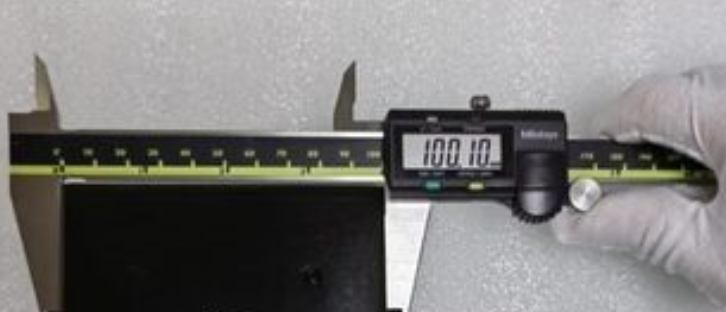
Final Dimensional QC, Marking & Protective Packaging
Before shipping, every sheet metal assembly passes our full quality checklist—no exceptions for small prototype batches or large mass orders.
Zorapid final inspection standards:
- Full dimensional check with calipers, height gauges, and drawing cross-reference
- Powder coat thickness & adhesion tape test to confirm no peeling risk
- Visual scan for coating blemishes, scratch marks, weld imperfections
- Hardware thread test: All PEM nuts/rivnuts threaded without binding
- Custom silk-screen branding, serial number etching, or laser marking (add-on service)
Once approved, parts get layered foam wrapping, anti-scratch film, and export-grade wooden crates for overseas sea/air shipping to EU, USA, Australia, and Southeast Asia clients.
Quick End-to-End Process Cheat Sheet (Easy Reference for Engineers)
| Production Stage | Core Output | Typical Lead Time Add-On |
|---|---|---|
| DFM & Material Prep | Optimized cutting files, certified metal stock | 4–12 hrs |
| Fiber Laser Cutting + Deburr | Clean flat metal blanks | 1–2 days |
| CNC Press Brake Bending | 3D formed panels | 0.5–1 day |
| Riveting / Fastener Insertion | Pre-installed threaded hardware | 4–8 hrs |
| Precision Welding & Grinding | Single-piece welded assemblies | 1–3 days |
| Multi-Stage Surface Cleaning | Contaminant-free metal base | 4 hrs |
| Electrostatic Powder Coat + Cure | Colored, corrosion-resistant finish | 1 day |
| Final QC & Export Packaging | Fully inspected ready-to-ship parts | 0.5 day |
Total standard turnaround for custom sheet metal (all stages in-house): 3–5 business days; 24hr rush prototyping available for urgent hardware launches.
Real Zorapid Client Case Study – Full Enclosure Fabrication Flow
A UK industrial sensor OEM sent us a complex aluminum control cabinet design, originally planning to split production across 3 separate vendors (laser cutter, weld shop, external powder coater).
Original multi-vendor plan pain points
- Total lead time: 11 business days
- 18% higher cost across outsourced finishing
- Risk of misaligned bent panels & inconsistent coating color between suppliers
Zorapid one-stop full workflow solution
- DFM adjusted bend radii to cut welding distortion
- 6kW laser cut 12 unique aluminum blanks in 1 day
- CNC bending + PEM nut insertion completed same shift
- TIG welded seams ground flush for flawless coating
- Full chemical prep + matte black RAL9005 powder coat in single line
- Dimensional QC and branded silk-screen marking finished same week
Final results for the client:
- Total lead time cut to 4 business days
- Total project cost reduced by 19%
- Zero assembly fit errors on first production batch; client reallocated all sheet metal orders to Zorapid afterward
Why Zorapid’s In-House Full Workflow Beats Multi-Vendor Fabricators
Most sheet metal suppliers only offer cutting and bending, outsourcing welding and powder coating to third parties. Our integrated manufacturing model delivers clear advantages for your custom project:
- Single point of contact for all process revisions—no chasing 3+ separate vendors
- Tight cross-stage quality control; our team adjusts laser/nesting/bending parameters to match coating requirements early
- Faster lead times, no transit delays between external workshops
- Consistent finish matching between prototypes and mass production runs
- Transparent combined quotes for every stage, no hidden outsourced finishing fees
- Certified end-to-end production with full batch traceability
We handle low-volume rapid prototypes (1–10 units) and scale seamlessly to mid/high volume mass production without switching manufacturing lines.
FAQ
Can I skip powder coating if I just need raw sheet metal prototypes?
Absolutely. We supply raw brushed stainless, mill-finish aluminum, or bare steel without surface coating for early fit testing. Powder coating is added only when you require corrosion protection and cosmetic finish.
What sheet metal materials work best with powder coating?
Aluminum, cold-rolled steel, galvanized steel all achieve excellent powder adhesion. Stainless steel works great too—we add passivation prep for extra rust resistance. Uncoated copper is rarely powder coated due to oxidation under film.
How long does powder coating last on industrial sheet metal parts?
Standard outdoor-grade powder coating delivers 8–12 years of UV and corrosion protection without fading or peeling, far longer than liquid spray paint for equipment used outdoors or factory floors.
What’s the biggest DFM mistake that ruins powder coat quality?
Extremely sharp thin edges and deep blind holes. Our DFM team will suggest small radius fillets or drain holes during pre-production to guarantee even powder coverage on all surfaces.
Does Zorapid offer custom texture powder coat finishes?
Yes. We stock matte, semi-gloss, high-gloss, hammer texture, wrinkled texture, and metallic silver/grey powder options plus custom color matching against your provided swatches.
Conclusion
Your custom sheet metal project’s quality, lead time, and total cost hinge entirely on whether every production stage runs under one roof—from initial laser cut blanks all the way through to cured powder coated finished assemblies.
Outsourcing bending, welding, or coating creates miscommunication, delays, and inconsistent finishes that derail your product launch timeline. Zorapid’s full in-house process flow eliminates all those headaches, with built-in DFM optimization and strict cross-stage QC at every manufacturing step.
If you’re ready to start your custom sheet metal project, send your CAD drawing to our engineering team today for a free DFM review and full one-stop quote covering laser cutting, bending, assembly, welding, and powder coating.