If you plan to have CNC machined prototype parts made for your project, there are several cost-related factors you need to understand. These are essential for effective financial planning, rational decision-making in product development, and reasonable resource allocation.
The average cost of CNC prototype machining ranges from $50 to $500, while parts with a large cross-sectional area can cost as much as $1,000.
The final cost is determined by raw material expenses, machining fees, post-processing costs and overheads. We will share practical tips to help you cut expenses and guide you to accurately budget and estimate the cost of CNC machined prototype parts.
What is Prototype Machining?
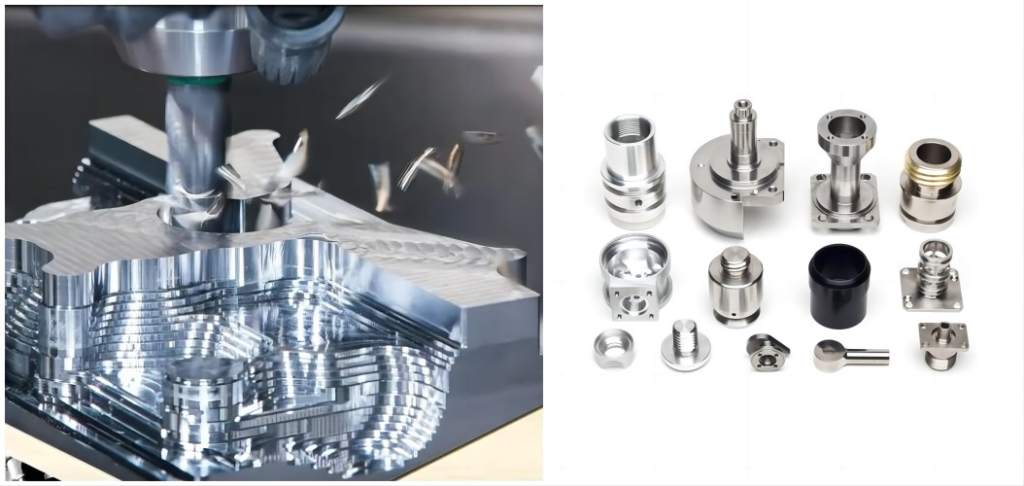
It is the process of rapidly manufacturing test parts for products using CNC machines, which belongs to low-volume production.
It aims to provide prototypes for visual inspection and functional testing of the final product, helping verify the physical performance of digital designs.
Definition of Rapid Prototype Machining
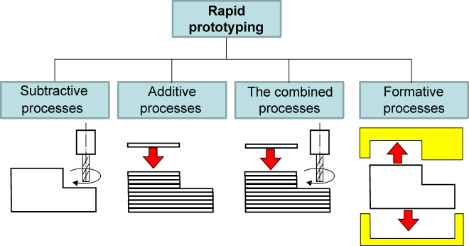
Rapid prototyping is a process of rapidly producing high-tolerance machined parts or components using Computer-Aided Design (CAD).
Rapid prototype development is completed through additive manufacturing or 3D printing methods. With this approach, designers can directly develop prototypes from digital models in CAD software at a much faster speed. It allows quick and frequent design modifications based on actual testing after functional prototype validation.
Tolerances in Prototype CNC Machining
Machining tolerance refers to the total allowable variation of a specific dimension relative to its reference value. Such variation is acceptable and defined by upper and lower limits.
The standard tolerance for prototype CNC machining is 0.13 mm or ±0.005 inches. This means for functional testing prototypes, all part features such as length, width, diameter and thickness must not exceed this deviation range.
Advantages and Disadvantages of CNC Prototyping Services
For details on the pros and cons, visit: https://zorapid.com/cnc-machining
Advantages
Digital Process
Digital elements eliminate the risk of various human errors. The process uses CAD software to digitally send instructions to cutting tools for creating hole features. Digital designs are easy to modify; designers only need to revise the file during product testing.
Product Quality and Consistency
With generous machining tolerances, prototype development via machining delivers high design fidelity. Product quality remains consistent across repeated production. This is critical when iterative hole-feature development is involved and final parts must be manufactured on the same machine.
Wide Range of Material Options
Unlike 3D printing, prototype machining supports a broad selection of materials, including stronger, more durable, and reliable options. Explore our full material library: https://zorapid.com/materials
Near-Final Part Realization
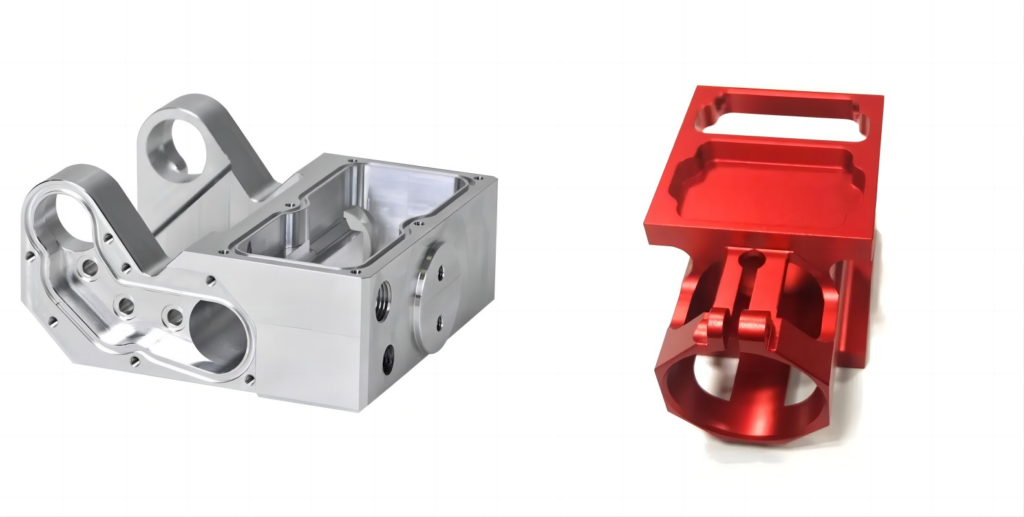
Prototype machining can produce parts that closely resemble the final production components — a result nearly impossible with other manufacturing methods. The same materials used in prototyping can create end-use products with identical characteristics and properties for functional testing.

Disadvantages
There are also some inherent limitations to prototype machining.
High Cost
Prototype machining is a relatively costly manufacturing technology. Workshops need to be equipped with a large number of machines, which requires substantial capital investment. Most manufacturers will not choose this option if cost efficiency is a major consideration.
Geometric Limitations
Prototype machining struggles to accommodate highly complex structural designs. Although 4-axis and 5-axis CNC machines offer greater flexibility, they still have limitations in this regard.
Material Waste
Prototype machining is a subtractive manufacturing method. Excess material is cut away from the workpiece and turned into chips or scrap, which further increases material costs.
Factors Affecting CNC Machining Costs
Several key factors influence the cost of CNC machining.
Design Complexity
Part design greatly impacts overall cost. Simple designs are more affordable and faster to machine. Designs with undercuts, varied hole sizes, and intricate details will significantly increase machining time.
Tolerance
CNC machining is one of the high-precision manufacturing processes available today. However, not all assembly applications require the highest precision. Tighter tolerances raise CNC machining costs and also extend production lead time.
CNC machining costs can nearly double when tolerance requirements shift between ±0.03 mm (loose tolerance) and ±0.005 mm (standard precision tolerance).
Material Selection
Material selection directly affects the overall cost of CNC machining. The cost of raw materials is fixed, yet manufacturers always prioritize lower production expenses. Plastics are cheaper than metals and are more commonly used for low-volume production. Common plastic materials include ABS, POM, PC, and PA. Among metals, aluminum alloy is a cost-effective option, while titanium alloy is generally more expensive than aluminum.
Finishing Options
Post-processing procedures also add to the total project cost. Some parts require no post-finishing at all. Finishing processes are usually performed to enhance various properties of prototype test parts, including functionality, durability, surface smoothness, and aesthetic appearance.
Steps of Prototype Development
Prototype development involves several key procedures.
Product Vision
The most fundamental part of any project is defining its purpose. Without clear purpose, it is impossible to identify user demands, assess project risks, or figure out how the product bridges the gap between users and their actual needs.
Model Creation via CAD
CAD software is used to generate 3D models for the design of product test parts.
Physical Prototype Development
The core goal of prototype development is to verify practical usability for end users. There are several common prototype types:
- Low-fidelity Prototype: Basic version or conceptual model.
- High-fidelity Prototype: Fully functional test prototype.
- Live Data Prototype: Built with coding and integrated real-time data.
- Feasibility Prototype: Used to test a specific single function of the product.
Prototypes can be fabricated by 3D printing, a cost-effective solution. Another option is CNC machining, which is ideal for manufacturing high-performance functional testing prototypes.
Prototype Testing and Result Evaluation
Prototype testing provides insights into user responses and helps collect feedback.
Production-Ready Prototype
Once the design is tested and validated, mass production can be initiated.
What Is the Cost of Prototype Machining?
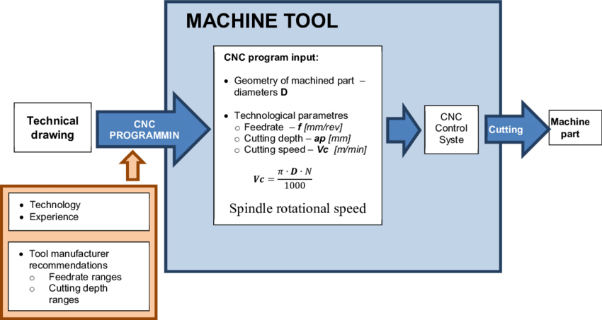
The cost of prototype machining depends on a variety of factors.
Prototype Cost Estimation
Material and Machinery Costs
Material costs cover the bill of quantities, including supplies and the required amount of raw materials. It also includes the number of machines and cutting tools to be used.
Labor Cost Estimation
Labor costs vary for each prototype test part. Some require highly skilled labor, while others only need semi-skilled workers. In some cases, training is required before project commencement, which is also included in labor expenses. This covers work involved in part production, assembly, and component processing.
Risk Assessment
All potential risks related to prototype development must be addressed before the project starts. Certain risks require design modifications to the model prior to implementation. Other risks call for necessary preventive measures such as tool kits, protective masks and more, all of which are factored into the overall cost. Therefore, risk assessment is also an essential part of cost estimation.
Lead Time of Prototype CNC Machining
The delivery time generally ranges from several days to weeks, depending on the geometry and complexity of the parts. The lead time is also affected by the chosen CNC machining service provider.
Tips to Reduce Rapid Prototyping Costs
There are practical tips to lower the cost of rapid prototyping.
Optimize your design by adopting simple and easy-to-machine prototype structures.
Order small-batch prototypes to test and validate the design before mass production.
Use cost-effective, readily available compatible materials to cut shipping expenses.
Select appropriate materials to simplify and save on post-processing procedures.
Prototype Cost vs Production Cost
The overall cost of prototype development is relatively low, as it only involves small-batch orders and low production volume. However, it requires high-tolerance machining and complex design, which can sometimes lead to high expenses. By contrast, production cost becomes cost-effective when high-quality products are needed for the mass market.
Zorapid Best Online CNC Service
Zorapid delivers the industry’s top-tier online CNC machining services, featuring superior precision, tighter dimensional control, and high efficiency for low-volume production.
All prototype parts are meticulously manufactured and thoroughly inspected at every production stage, minimizing production delays caused by potential defects and failures.
FAQ
What is the general cost range for prototype CNC machining?
Unit prices typically range from tens to hundreds of US dollars. Simple small prototypes cost $20–$80, complex precision parts $100–$500, while oversized, multi-curved or special material prototypes cost more.
What main factors affect CNC prototype machining cost?
Part complexity, material type, dimension size, tolerance requirement, surface finish, order quantity and delivery lead time are the core pricing factors.
Is small-batch prototype more cost-effective than a single piece?
Yes. A single prototype bears full programming and clamping cost; small batches spread fixed overhead and lower unit price.
Does Zorapid support one-piece prototype customization?
Yes. Zorapid accepts 1 piece minimum order with no MOQ, providing fast R&D prototyping and precision CNC machining with 3–5 days quick delivery.