Published by Zorapid
Cut per-unit costs for small-batch custom milled CNC parts without losing precision. Grab 8 actionable low-volume cost-saving tricks from our shop floor experts. DFM tweaks, material choices & order hacks to slash spending right away.
If you order custom milled parts in low runs (1 to 200 pieces), you already know the pain.
Setup fees, programming time and fixture costs make small batches far more expensive per piece than mass production. Fixed NRE charges eat up most of your budget before a single cut starts.
Engineers and procurement managers keep asking us: How do I lower costs on low-volume milling jobs without sacrificing fit, finish or lead time?
At Zorapid, we run thousands of custom low-volume milling jobs every year for aerospace, medical and automotive R&D teams. We’ve tested every trick on the shop floor.
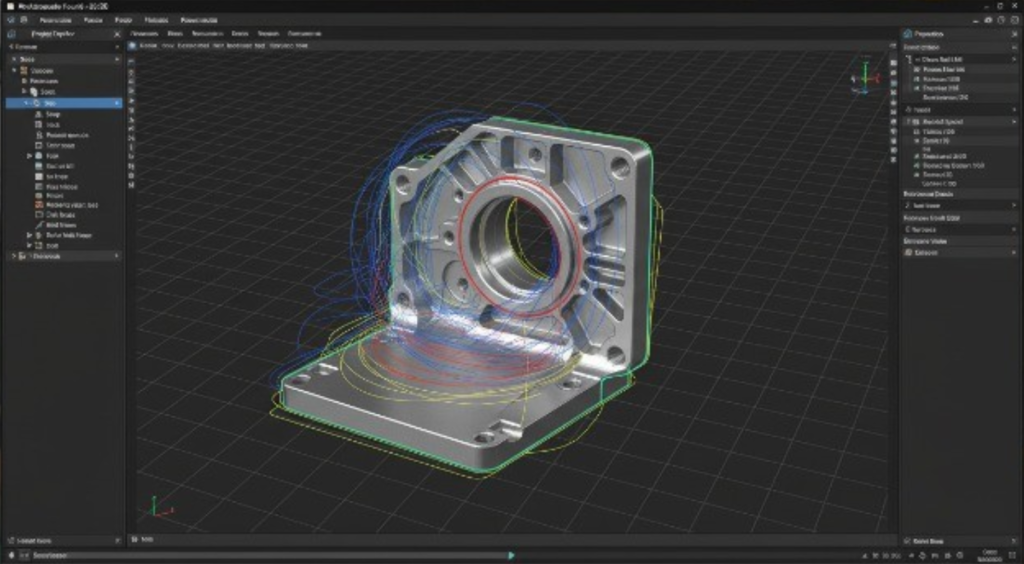
Kill Blanket Tolerances — Only Tighten Critical Surfaces
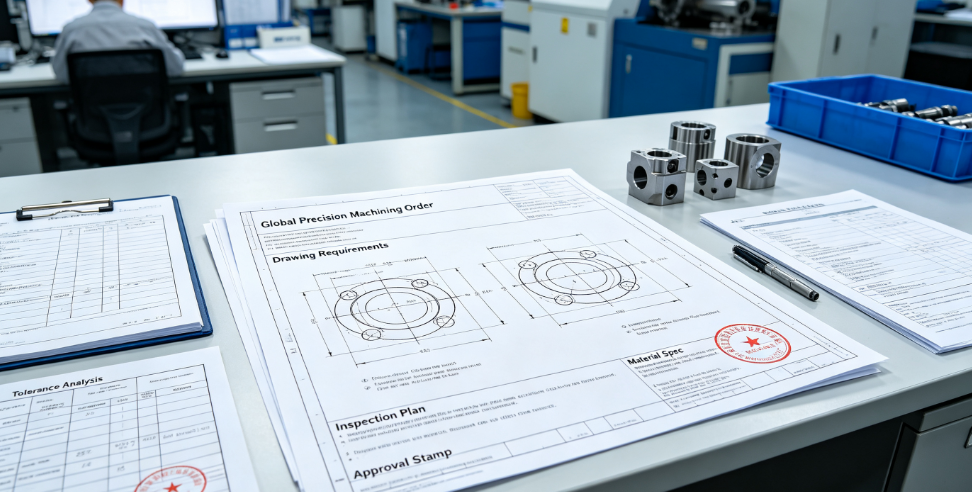
Most engineers add ±0.01 mm tolerance to every dimension out of habit. This is the cost killer for low-volume milling.
Tight tolerances slow cutting speeds, force extra inspection and raise scrap risk. The machine spends twice as much time finishing non-mating surfaces.
Quick rule to save money:
- Keep tight GD&T only on mating holes, shafts and assembly contact areas.
- Set all free, non-functional surfaces to standard commercial tolerance: ±0.1 mm
- Relax surface roughness from Ra 0.4 μm to Ra 1.6 μm on cosmetic-only areas
Result: Machining cycle time drops 30%, and inspection labor gets cut in half.
Zorapid always marks critical dimensions during our free DFM review to avoid over-specification.
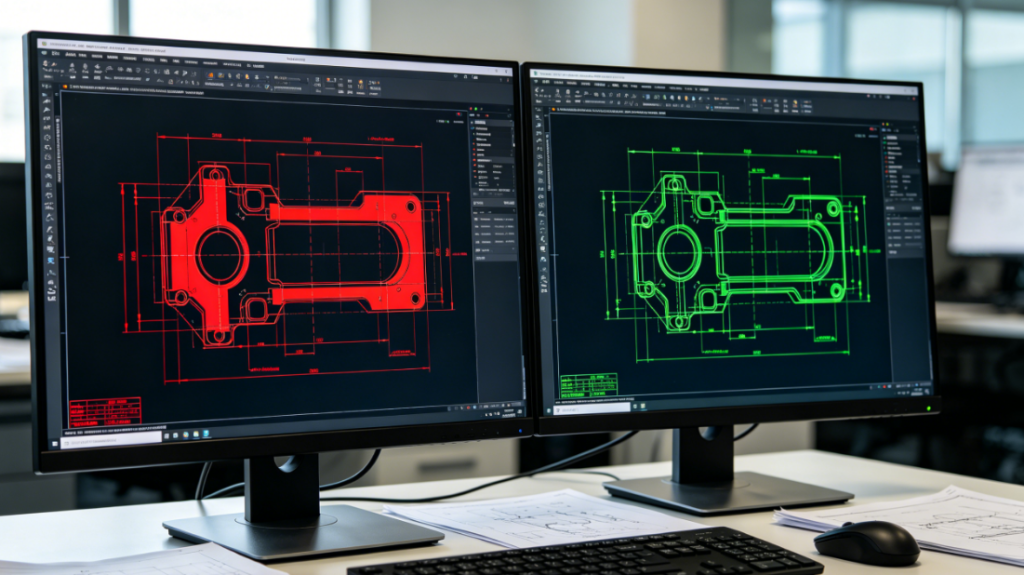
Rework Your CAD: Follow Low-Volume DFM Rules
DFM (Design for Manufacturability) delivers the biggest savings before production even starts.
Low-volume milling cannot absorb extra setup or custom tooling costs like mass production can. Stick strictly to these design rules:
Add minimum internal corner radii (R1 minimum) — never leave sharp inside corners
Sharp square corners force us to use tiny end mills or expensive EDM secondary work. A simple fillet eliminates 1 extra operation and cuts runtime by 20–35%.
Limit pocket depth to 4× the tool diameter
Deep narrow cavities create tool chatter, deflection and slow feed rates. Simplify deep pockets into stepped features wherever possible.
Avoid undercuts unless your project truly needs them
Undercuts require special custom cutters. For small runs, custom tooling cost often exceeds the price of the part itself. Split complex multi-sided parts into simpler sub-assemblies.
Keep wall thickness above 0.8 mm for aluminum and 1.2 mm for steel
Thin walls vibrate during milling, causing chatter marks and high scrap rates in low batches.
Zorapid includes free DFM feedback with every quote for custom milling projects. We flag costly geometry before you lock your CAD file.
Pick More Machinable Stock Materials
Material cost + machining time makes up nearly 60% of low-volume milling pricing.
Many R&D teams order Ti-6Al-4V or 17-4PH stainless steel when 6061-T6 aluminum works perfectly for test batches.
Low-volume material cost breakdown (shop floor data):
- 6061 Aluminum: Fast cutting, low tool wear, lowest total cost for prototype milling
- 7075 Aluminum: High strength, still easy to mill
- POM / ABS plastic: Near-zero tool cost for non-structural test pieces
- Titanium & hardened steel: 2–3× higher machine hour cost + heavy tool consumption
Money-saving move:
Run validation batches in aluminum first. Only switch to high-strength alloys for your final pre-production low-volume run.
This simple swap regularly slashes material + machining bills by 35% on prototype milling orders.
Minimize CNC Setups to Beat Fixed Labor Costs
For runs under 100 pieces, machine setup, fixturing and CAM programming cost more than actual cutting time.
Every time we re-clamp, flip or re-fixture your part, we add another fixed labor charge that gets spread across just a handful of units.
Two easy fixes:
- Redesign the part so all key features get milled in a single 3-axis setup.
- Bundle multiple small custom parts into one blank stock. We machine all components in one program and cut them apart later.
When you combine 3–5 different small parts into one job, you split one setup fee across all pieces instead of paying setup charges separately for each component. This is one of our most popular low-volume cost hacks for OEM R&D buyers.
Standardize Hole Sizes & Features to Cut Tool Changes
Every tool change pauses the mill and adds downtime.
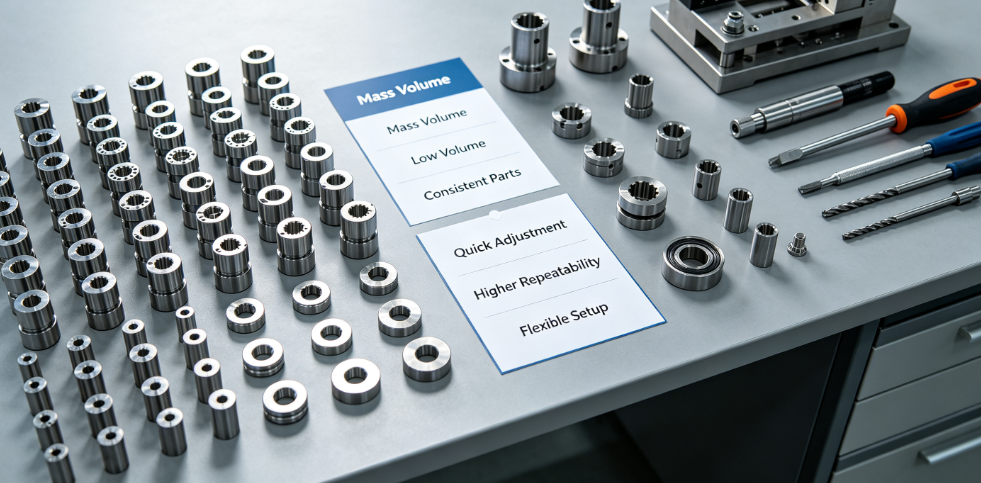
If your drawing calls for odd hole sizes (Ø3.7 mm, Ø7.2 mm), we need to load extra custom drills.
Stick strictly to industry standard drill and end mill sizes:
Ø3 mm, Ø4 mm, Ø6 mm, Ø8 mm, Ø10 mm, Ø12 mm
Fewer tool changes = shorter cycle time = lower per-part pricing on small milling batches.
We always standardize hole sizes during our pre-production review unless you lock exact bore dimensions for fit.
Adjust Order Quantities to Amortize Fixed NRE Costs
Single-piece prototyping is always the most expensive option.
Programming, fixture building and machine calibration are fixed one-time fees regardless if you order 1 piece or 50 pieces.
Our data from 4,000+ low-volume milling jobs shows this sweet spot:
Order 15–50 units instead of just 2–5 pieces for your test batch.
The incremental material cost is small, but you spread the setup cost over more parts. Your unit price can drop by more than half, even if you don’t need extra inventory.
You can store the extra milled blanks for your next design revision and avoid a second setup fee later.
Skip Unnecessary Secondary Finishing Work
Polishing, bead blasting, hard anodizing and precision deburring all add separate labor lines on your invoice.
Ask yourself two questions before adding secondary processes:
- Does this prototype part need cosmetic surface finishing?
- Can manual light deburring replace automated vibratory finishing for small runs?
For engineering validation parts, leave basic milled surface finish untouched. Cut secondary operations completely until you move to pre-production batches.
We offer basic hand deburring included for free on most low-volume milling orders at Zorapid.
Partner With a Low-Volume Specialist Instead of Mass Production Shops
Big CNC factories build their pricing around high-volume runs. They charge heavy minimum job fees for small custom milling orders.
Specialized low-batch manufacturers like Zorapid structure pricing around small NPI orders:
- Low minimum order value
- No excessive fixture fees for simple custom parts
- DFM included free with every quotation
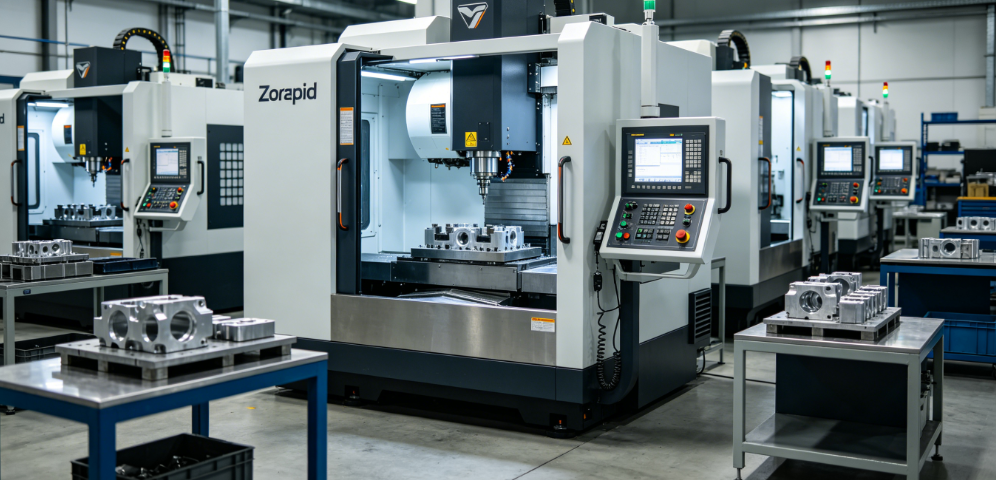
- Hybrid 3-axis + 5-axis milling optimized for short runs
Our workshop is set up for frequent job switching, rapid programming and quick fixture swaps. We eliminate the overhead that mass-production mills pass on to small-batch customers.
Real-World Zorapid Case Study
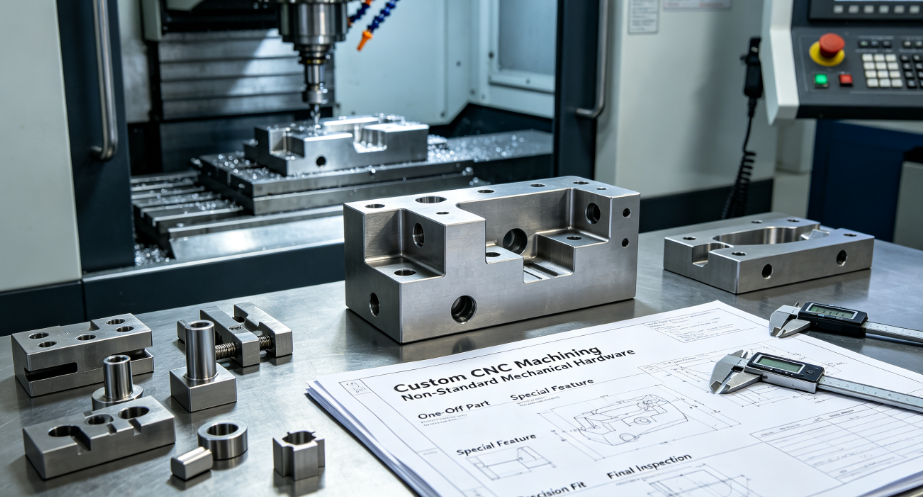
A medical device customer sent us a complex aluminum custom milling part with sharp corners, blanket tight tolerances and 6 separate setups, ordering just 8 pieces.
Original quoted cost: $216 per piece.
We applied our 4 core cost-saving tweaks:
- Relaxed tolerances on all non-critical geometry
- Added internal radii and removed sharp inside corners
- Reduced part re-clamping from 6 setups down to 2
- Standardized all hole diameters to common drill sizes
Final revised cost: $128 per piece.
Total cost reduction: 41%, with zero loss of assembly precision.
The part still passed all engineering fit tests perfectly.
Wrap-Up: Where the Real Savings Happen
Nearly all low-volume milling overspending comes from three avoidable mistakes:
- Over-engineering tolerances and geometry with no DFM check
- Paying repeated separate setup fees for tiny order sizes
- Adding extra material and finishing steps your prototype does not require
Start with design optimization, then tweak material selection and order bundling. You will immediately bring down small-batch milling costs without hurting part quality or lead time.
If you want a free no-obligation DFM review and optimized quotation for your custom low-volume milling parts, send over your STEP and PDF drawings to Zorapid today. We will flag every costly feature and lay out your lowest-cost production path.
FAQ
What is the biggest cost factor for low-volume CNC milling?
Fixed setup, programming and fixture charges. These one-time overheads dominate unit pricing for orders below 100 pieces, far more than raw material cost.
Can DFM cut custom milling costs for prototype batches?
Yes. Good DFM design can eliminate extra setups, special tooling and secondary processes, regularly cutting small-batch pricing by 25%–45%.
Is 5-axis milling cheaper for low-volume custom parts?
It depends. 5-axis machine hour rates are higher, but it can consolidate multiple clamping steps into one setup. We run a cost comparison automatically during every quotation at Zorapid to pick the cheaper process.