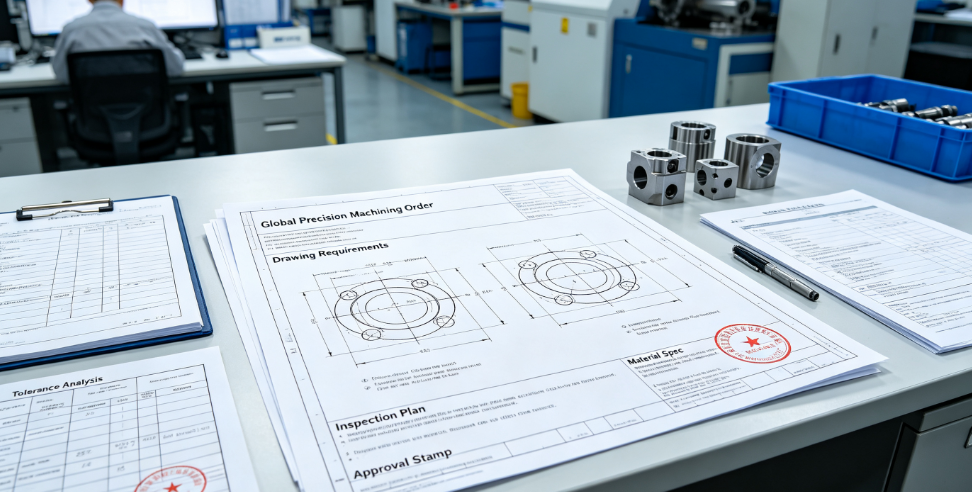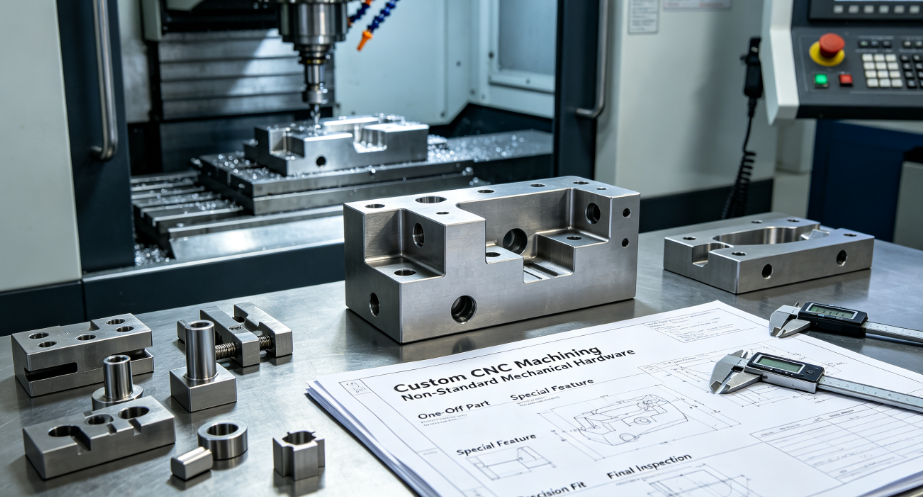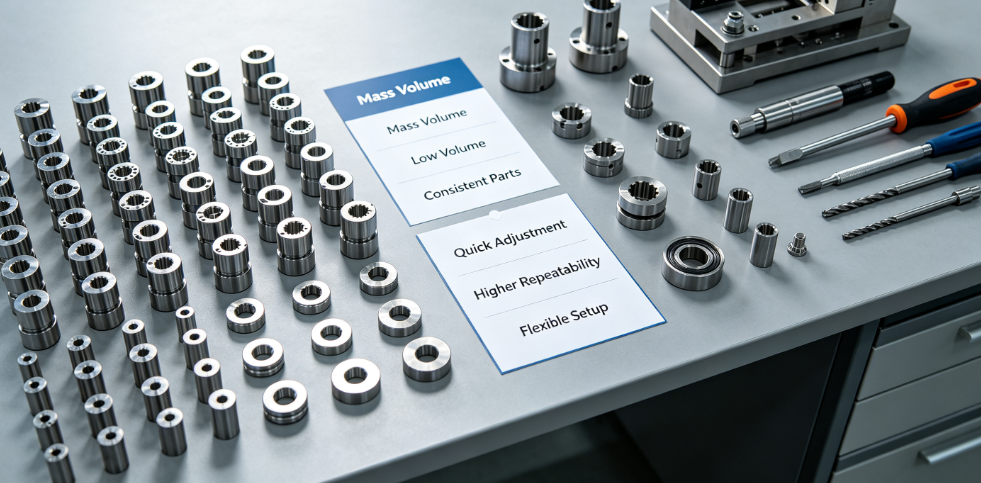
The entire process of custom part rapid prototyping
Requirement docking → Drawing DFM review → Process selection → Programming / Material preparation → Forming & machining → Post-processing → Full dimensional inspection → Packaging and delivery.
The whole process supports rapid iteration with no mold opening required, ideal for R&D prototyping and low-volume trial production of custom parts.
Zorapid Rapid Prototyping Process
Zorapid’s core processes cover three major categories: 3D printing (SLA/SLM), CNC machining, and vacuum casting, classified by materials and application scenarios:
SLA 3D Printing (Plastic Prototypes)
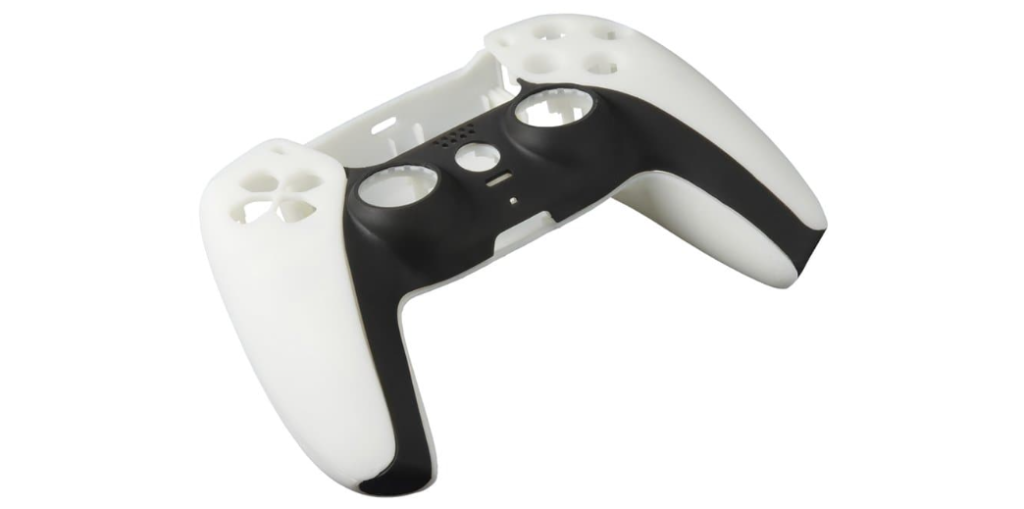
SLA standard resin: Precision ±0.05mm with smooth surface, suitable for appearance display and assembly verification, such as consumer electronics enclosures and home appliance panels.
High-strength Resin: Impact-resistant and heat-resistant up to 80°C, applied for functional testing prototypes such as gears and snap-fit structures.
SLA – Transparent Resin: Light transmittance up to 90%, suitable for transparent part prototypes such as lamp covers and optical lenses.
Metal 3D Printing (SLM, Metal Functional Prototypes)
SLM – Aluminum Alloy (AlSi10Mg): Lightweight and high strength, ideal for aerospace structural parts and automotive engine component prototypes.
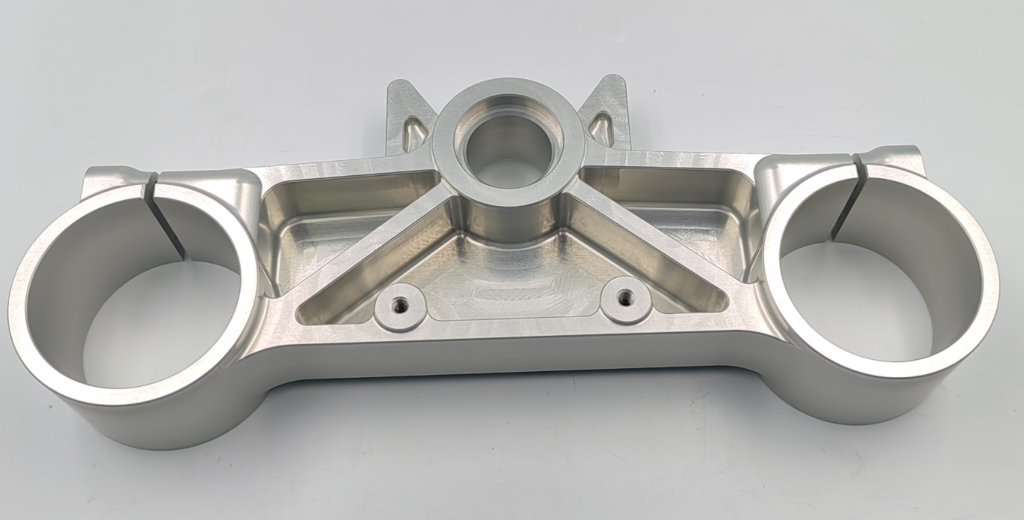
Stainless Steel (316L)SLM
Corrosion-resistant and high-temperature resistant, suitable for medical implants and precision mechanical part prototypes.
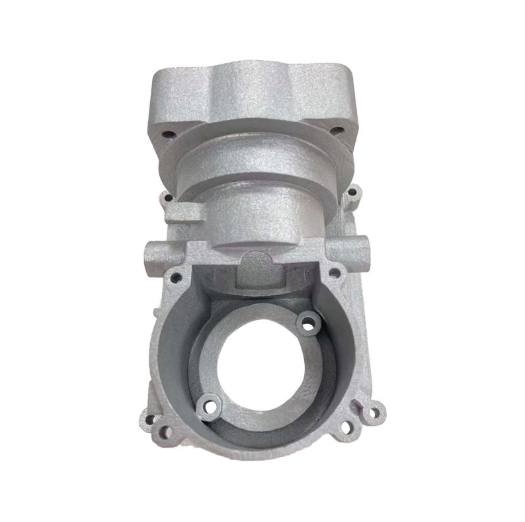
Titanium Alloy (TC4)
Features excellent biocompatibility and high strength, used for orthopedic implants and aerospace high-temperature component prototypes.
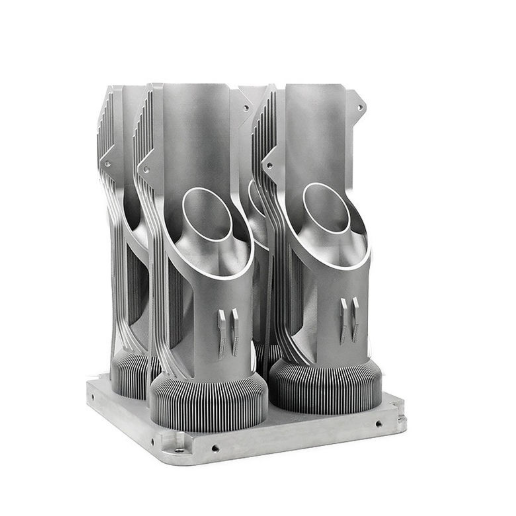
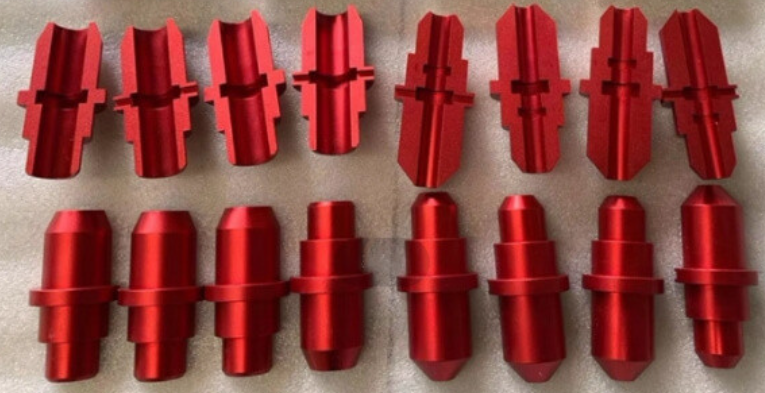
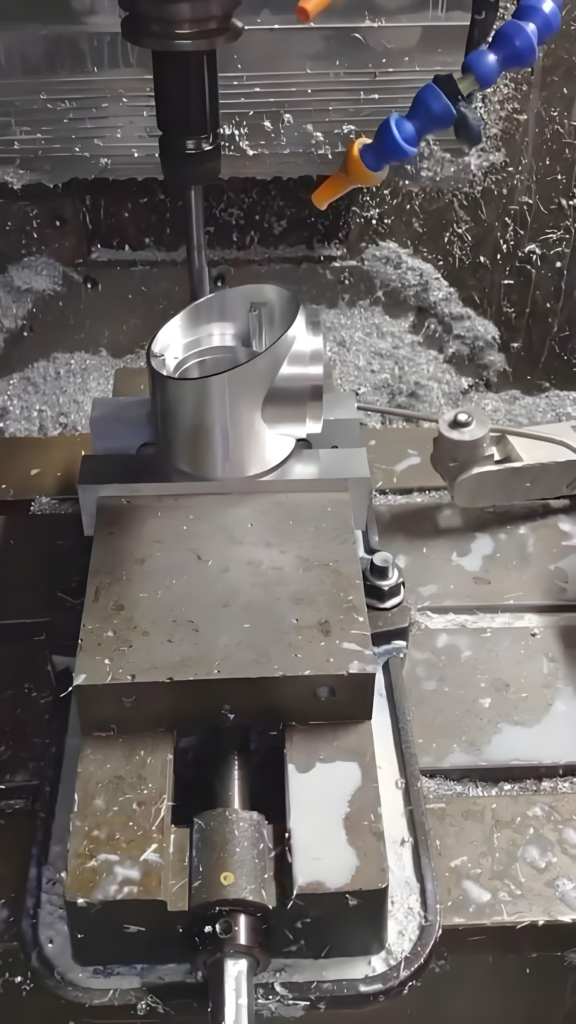
CNC Precision Machining (Plastic / Metal Prototypes)
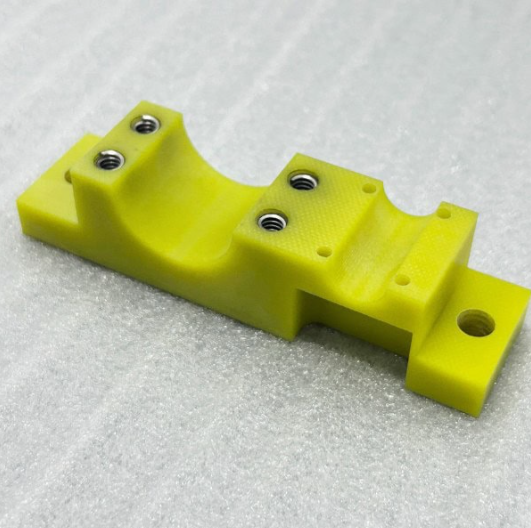
Engineering plastics CNC
ABS, PC, POM, precision ±0.01mm, suitable for high-strength functional prototypes such as UAV structural parts and instrument enclosures.
CNC – Metals
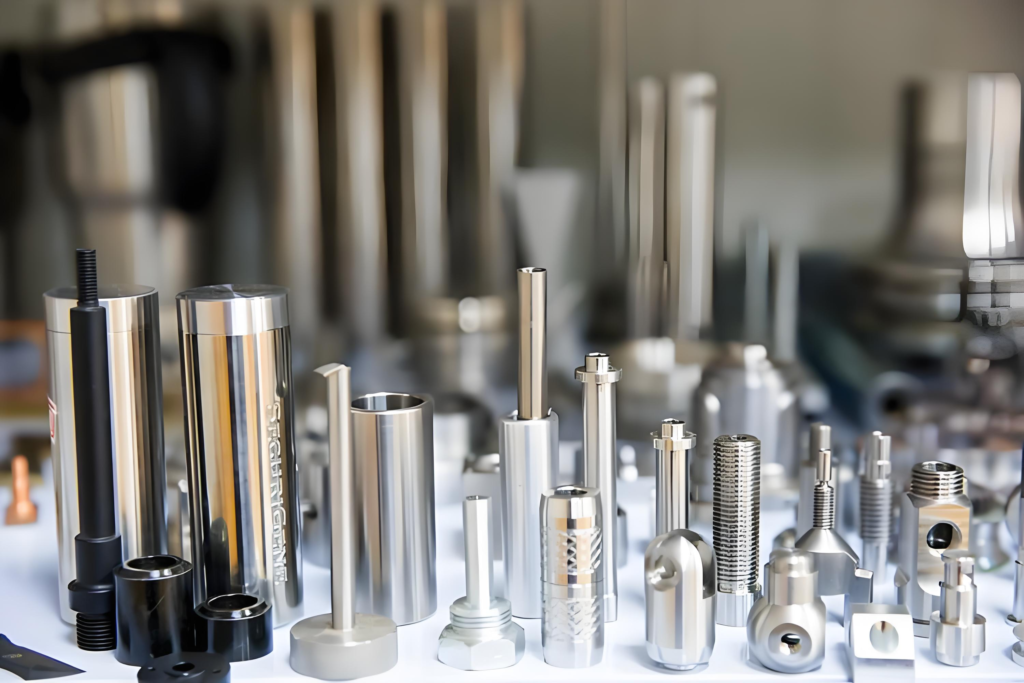
Aluminum, steel, copper, tolerance ±0.01mm, used for mass-production grade precision prototypes such as automotive jigs and electronic heat sinks.
Vacuum Casting (Low-volume Prototypes / Soft Rubber Parts)
Silicone mold + polyurethane resin
Small batch production of 1–2000 pieces with low cost, suitable for appearance parts and soft rubber prototypes such as phone cases and toys.
Process Solution Selection (Core Divergence)
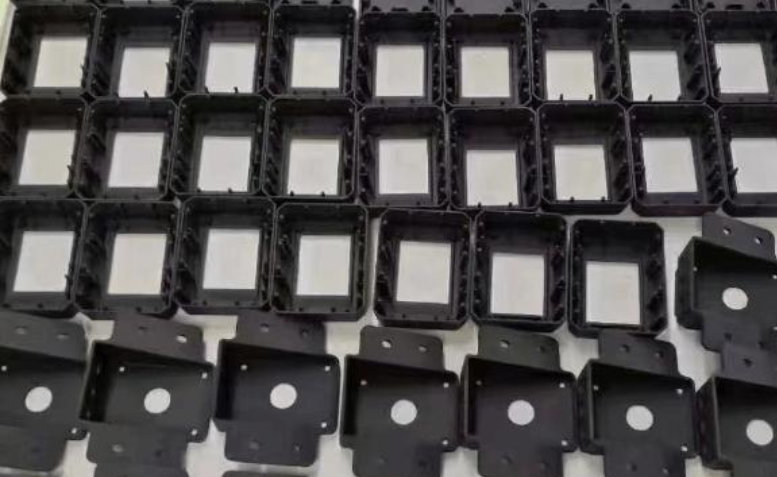
Automatically match four mainstream rapid prototyping processes according to part structure, material and quantity:
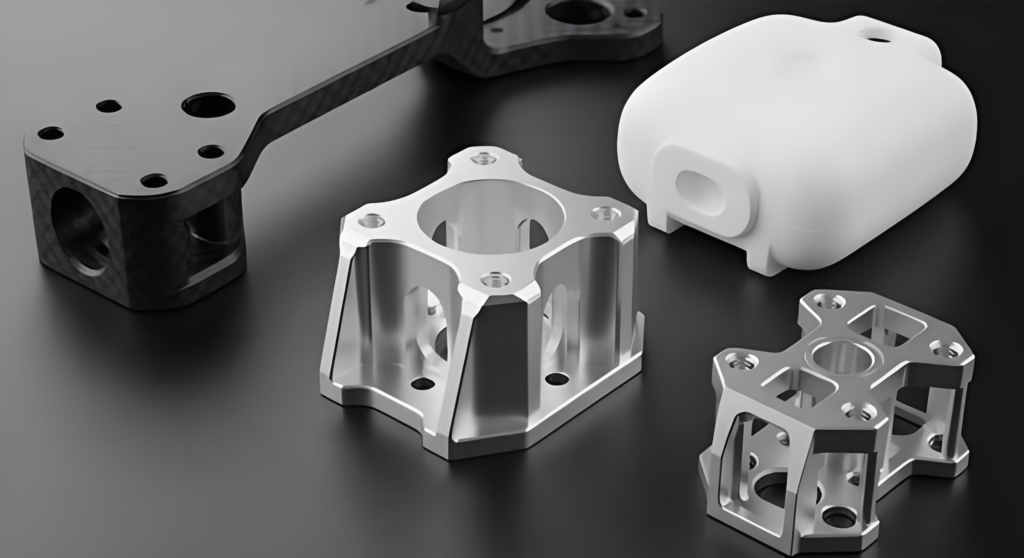
- CNC Precision Machining: Metals / engineering plastics, high precision, solid structures, starting from 1 piece.
- SLA Stereolithography 3D Printing: Plastic appearance parts, complex curved surfaces, thin-wall aesthetic prototypes.
- SLM Metal 3D Printing: Titanium alloy / stainless steel / aluminum alloy, hollow inner cavities, topological structures.
- Vacuum Casting: Small batch of 1–50 pieces, plastic / soft rubber, rapid sample replication of identical parts.
Comparison of Advantages and Disadvantages of Rapid Prototyping
Its advantages include fast turnaround, cost savings, capability to fabricate complex structures, and suitability for R&D prototyping and small-batch production. Its disadvantages are that it is not cost-effective for mass production, and its batch consistency as well as the performance of some materials are inferior to those of mold-based mass production.
Core Advantages
Ultra-short R&D Cycle
From drawing to finished parts in as fast as 24–72 hours. No mold required, greatly shortening the cycle of product project approval, design verification and market launch.
No Mold Needed, Low Upfront Investment
Eliminate high costs for mold design, manufacturing and modification. Extremely low cost for single-piece and small-quantity prototyping, ideal for new product trial validation in the early stage.
Free Forming for Complex Structures
Hollow cavities, undercuts, special curved surfaces and lightweight topological structures — all achievable by rapid prototyping, even those unprocessable by traditional machining.
Fast Design Iteration
3D files can be revised anytime structural interference or dimensional issues occur. Low cost and fast re-sampling effectively avoid mass production risks.
Rich Material Options
Full coverage of engineering plastics, resin, aluminum alloy, stainless steel, titanium alloy, PEEK and soft rubber. Real functional testing supported with mass-production equivalent materials.
High Precision & Appearance Restoration
CNC, SLA and SLM deliver tight precision tolerance. Surface finishes including sandblasting, anodizing, painting and polishing are available to achieve mass-production-level texture.
Flexible Small-batch Production
Vacuum casting and 3D printing easily support 1–500 small-batch production, perfect for exhibition prototypes, customer samples and trial sales.
Obvious Disadvantages
High Cost for Mass Production
Only suitable for prototyping and small-batch orders. For batches of hundreds or thousands of pieces, the unit cost is much higher than injection molding and die casting, and not cost-effective for large-volume mass production.
Inferior Strength & Weather Resistance Compared with Mass-produced Parts
Conventional resin 3D prints have lower toughness, heat resistance and aging performance than injection-molded original plastics; they are only for verification and cannot replace structural mass-production parts long-term.
Limitation on Integral Molding of Oversized Parts
3D printing is restricted by equipment build volume. Extra-large parts require split molding and assembly, which increases assembly tolerance errors.
Slightly Lower Batch Consistency Than Mold Mass Production
Slight deviations exist between individual parts from 3D printing and vacuum casting, lacking the high uniformity in dimension and appearance of steel mold injection molding.
High Cost for Ultra-precision Special Tolerances
Ultra-fine micron-level tolerances, deep tiny holes and ultra-thin walls require additional post-processing and manual finishing, leading to a noticeable cost increase.
Complicated Post-processing for Some Materials
Metal 3D printed parts require stress relief, reference machining, sandblasting and passivation; resin parts need support removal, grinding and painting, relying heavily on manual work.
FAQ
Is it possible to make just one piece? Will the price be high?
We support single-piece custom prototyping with no mold required. It offers great cost performance for one-off orders, ideal for new product R&D, structural verification, and customer sample delivery.
How soon can you ship the order?
- SLA Printing: 24-hour expedited service
- Small CNC Parts: 1–3 days
- SLM Metal Printing: 3–5 days
- Vacuum Casting: 5–7 days
What materials can you process?
- Plastics: ABS, PC, POM, Nylon, PEEK, various photosensitive resins
- Metals: 6061/7075 aluminum, 304/316L stainless steel, copper, TC4 titanium alloy, magnesium alloy
- Soft rubber: Silicone, TPU transparent / matte soft rubber
Which one should I choose for my part: CNC, 3D printing or vacuum casting?
High-precision metal / engineering plastics, solid structure → CNC machining
Complex curved surfaces, hollow appearance parts, structural verification → SLA 3D printing
Titanium alloy / stainless steel / aluminum alloy with complex inner cavities and lightweight structures → SLM metal 3D printing
Small batch of 1–50 identical plastic parts required → Vacuum casting
Can you keep the drawings confidential?
We support strict non-disclosure agreements. Drawings are only used for engineering and production purposes, with no leakage or external archiving. We can sign a formal NDA confidentiality contract.