In precision manufacturing, custom machining of complex-structured metal and plastic parts has long stood as a technical high ground in the industry. Challenges include easily deformable thin walls, hard-to-cut deep cavities, difficult-to-fit irregular curved surfaces, and prone-to-cracking special materials. When combined with ±0.005 mm ultra-tight tolerance requirements, these hurdles become an unbreakable bottleneck for most machining manufacturers.
With years of expertise in precision CNC machining, Zorapid specializes in solving highly complex part manufacturing challenges. Backed by robust technology, refined craftsmanship, strict quality control and fast delivery capability, we take on orders that other suppliers cannot handle, cannot finish well, or cannot deliver on time.
We provide one-stop custom machining for complex metal and plastic parts across aerospace, medical devices, precision electronics, new energy and other industries. Our material range covers metals (aluminum alloy, titanium alloy, stainless steel, superalloy) and plastics (PEEK, POM, Nylon, ABS), enabling seamless realization of your most complex designs.
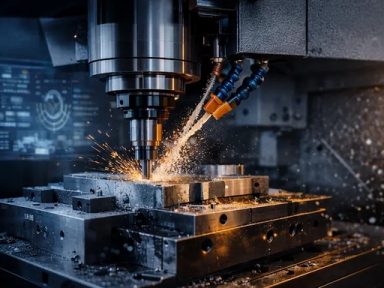
Solid Technical Support for Mastering Complex Part Machining
The core challenge in machining complex parts lies in the conflict between structural complexity, material uniqueness, and micron-level precision requirements.
Based on four core pillars — equipment hardware, CNC control system, error compensation, and custom cutting tools — Zorapid builds a professional precision machining system for complex parts, solving universal technical pain points across the industry.
High-End Multi-Axis Equipment Cluster, Breaking Dimensional Machining Limitations
Conventional 3-axis machine tools can only process simple planes and regular profiles. When facing structures such as deep cavities, heterogeneous surfaces and complex curved surfaces, repeated clamping is required, resulting in cumulative errors exceeding 0.02 mm and failing to meet precision requirements.
Zorapid is equipped with high-end equipment including 5-axis simultaneous machining centers, turn-mill composite centers, and high-speed engraving machines, covering full 3-axis / 4-axis / 5-axis models:
The 5-axis machines adopt RTCP dynamic compensation technology, allowing tools to approach the workpiece from any angle. Five-sided machining is completed in a single setup, completely eliminating cumulative errors from repeated clamping, with positioning accuracy of ±0.002 mm and repeat positioning accuracy of ±0.001 mm.
High-speed engraving machines feature a spindle speed up to 24,000 r/min, ideal for micro-cutting of tiny features and thin-walled structures, avoiding edge chipping and deformation caused by tool vibration.
The Meehanite cast iron machine bed undergoes 8 months of natural aging plus artificial aging treatment. The bed deformation is controlled within ≤0.002 mm even under 2500N cutting force, ensuring long-term machining stability.
Fully Digital CNC System for Precise Complex Path Fitting
Machining complex irregular curved surfaces and special-shaped inner cavities relies on high-precision path control. Zorapid adopts the Siemens 840D sl system paired with in-house developed CAM programming software, integrated with NURBS interpolation technology to accurately fit free-form surface paths:
- Direct import of 3D models to automatically identify difficult features such as deep cavities, thin walls, cross holes, and micro fillets, generating optimal tool paths;
- Full cutting-process 3D simulation to avoid tool interference, over-cutting and collision risks in advance, achieving 100% programming accuracy for complex parts;
- Built-in real-time data acquisition module synchronously monitors cutting force, temperature, spindle speed and other parameters. The system automatically triggers alarms and makes corrections upon abnormalities to eliminate machining deviations.
Multi-dimensional Error Compensation Technology to Offset Complex Machining Deviations
In the machining of complex parts, tiny errors such as thermal deformation, tool wear and backlash will be amplified, resulting in dimensional out-of-tolerance.
Zorapid adopts three major compensation technologies to control errors within ±0.003mm:
- Thermal Error Compensation: Constant-temperature workshop (20±1℃) plus real-time monitoring via temperature sensors automatically corrects thermal expansion and contraction deviations of machine tools and workpieces. Thermal deformation within the 100mm dimension range is controlled ≤0.002mm.
- Tool Wear Compensation: A laser tool setter detects tool tip wear in real time and automatically adjusts length/radius compensation parameters, preventing dimensional errors of thin-walled and micro features caused by tool wear.
- Stress Deformation Compensation: Adopting stepped machining and stress relief processes: roughing → semi-finishing → stress relief → finishing. It completely eliminates internal material stress and solves deformation challenges of thin-walled parts and deep cavities.
Special Tool & Material Adaptation Technology, Balancing Efficiency and Precision
Different materials (metals plastics) and structures (thin walls deep cavities micro features) have vastly different requirements for cutting tools. Zorapid has built a material-structure-tool database to customize exclusive cutting solutions:
Metals
Titanium alloy / superalloy: Adopt coated carbide tools with low-speed deep cutting and internal cooling lubrication to reduce tool wear and workpiece deformation.
Aluminum alloy: Use high-surface-finish tools with high speed and large feed to avoid built-up edge.
Plastics
PEEK Nylon: Apply diamond tools with low-speed micro cutting to prevent thermal deformation and edge chipping.
ABS: Use special anti-adhesion tools to ensure surface roughness Ra ≤ 0.2μm.
Micro Features (R<0.5mm, hole diameter<1mm)
Custom extra-long shank ultra-fine tools combined with high-speed cutting solve the machining challenges of deep cavities and narrow grooves.
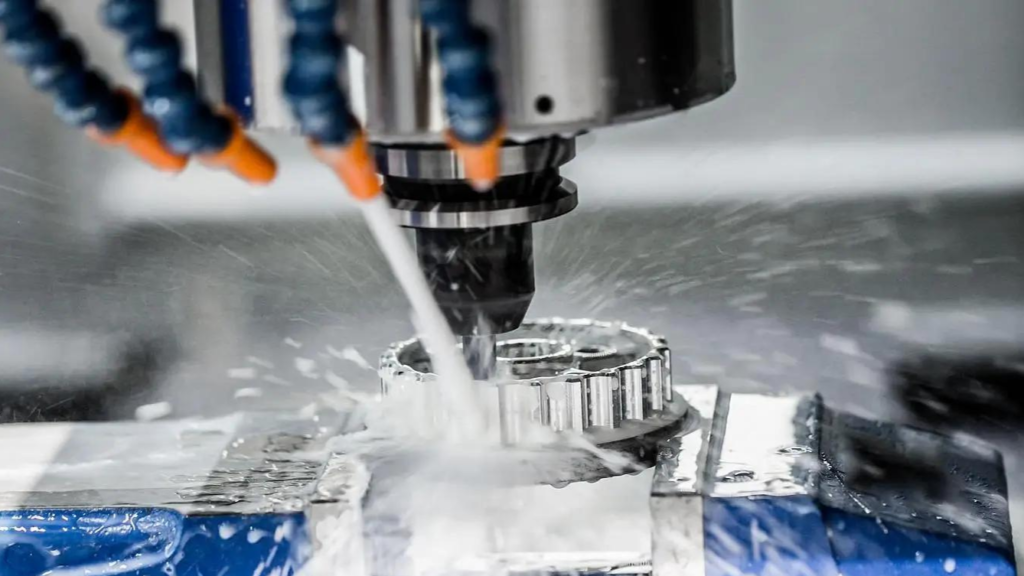
Disassembling Core Machining Difficulties of Complex Parts & Zorapid’s Solutions
The machining of complex metal and plastic parts faces major bottlenecks concentrated in five key aspects: thin-wall deformation, deep cavity chatter, special-shaped surface fitting, cracking of special materials, and precision of micro features — these are also the core reasons why most peers cannot accomplish such projects. Zorapid delivers targeted breakthroughs and builds irreplaceable technical advantages.
Difficulty 1: Thin-wall Structure (Wall Thickness ≤ 1mm)
Prone to elastic deformation and springback after fixture release
Industry Pain Point:
When machining thin-wall parts of aluminum alloy or plastic, cutting force triggers elastic deformation. Dimensions appear qualified during processing, yet springback deviation reaches 0.03–0.05mm after releasing the fixture, failing to meet the tolerance requirement of ±0.005mm.
Zorapid Solution:
- Adopt dedicated vacuum suction cups and flexible tooling to evenly adsorb thin-wall surfaces and reduce clamping stress.
- Apply layered micro-cutting with a cutting depth per layer ≤ 0.1mm to gradually reduce cutting force in a stepped manner.
- Machine thin-wall features last; complete thick wall and cavity processing first to avoid interference from early cutting stress.
- Allow parts to stand naturally for 24 hours after machining to release residual stress, followed by precision inspection.
Difficulty 2: Deep Cavity Structure (Depth-to-width Ratio ≥ 5:1)
Excessive tool overhang, prone to chatter and poor chip evacuation
Industry Pain Point:
Deep cavity machining requires extended tools. Excessive overhang leads to insufficient rigidity, causing cutting chatter, excessive surface roughness (Ra>1.6μm), and even tool breakage. Poor chip evacuation easily scratches the inner cavity wall and results in dimensional out-of-tolerance.
Zorapid Solution:
- Custom high-rigidity extended tools with reinforced shank and optimized cutting edge to enhance anti-chatter performance.
- Spiral layered milling: gradually reduce cutting depth from cavity opening to bottom, combined with high-pressure internal cooling coolant for forced chip removal and temperature reduction.
- 5-axis simultaneous tilted machining forms a reasonable angle between the tool and cavity wall, shortening effective overhang and improving cutting stability.
- Post-machining high-pressure air gun cleaning plus ultrasonic cleaning thoroughly removes inner cavity chips to avoid residual scratch marks.
Difficulty 3: Special-shaped Curved Surfaces / Irregular Inner Cavities
No positioning datum, poor tool accessibility, and difficult path fitting
Industry Pain Point:
Irregular geometric shapes come without standard positioning surfaces, leading to large alignment errors during clamping. 3-axis machines cannot reach inclined and special-shaped features, requiring multiple re-clampings that cause cumulative errors over 0.02mm. Free-form surface path fitting suffers low accuracy, resulting in uneven surface texture.
Zorapid Solution:
- Custom dedicated tooling and fixtures are designed with positioning datums tailored to special profiles, enabling precise fixing in a single clamping with clamping error ≤ 0.002mm.
- 5-axis simultaneous all-round cutting allows the tool to approach curved surfaces from any angle with no machining blind spots, eliminating repeated re-clamping.
- Direct mapping of 3D models; CAM software automatically generates continuous and smooth toolpaths. NURBS interpolation accurately fits complex surfaces, achieving surface finish Ra ≤ 0.4μm.
- Full contour inspection of curved surfaces is performed via CMM, ensuring deviation from the design model is controlled within ≤ 0.005mm.
Difficulty 4: Special Materials (Titanium Alloy / Superalloy / PEEK)
High hardness, poor thermal conductivity, easy chipping and thermal deformation
Industry Pain Point:
Titanium alloy and superalloy feature high hardness and low thermal conductivity. Cutting temperature exceeds 600℃, easily causing workpiece thermal deformation and severe tool wear.
Engineering plastics such as PEEK have low melting points; cutting heat tends to soften the material and cause built-up edge, resulting in poor dimensional stability.
Zorapid Solution:
- Titanium alloy / Superalloy: Adopt high-temperature resistant coated tools, perform deep cutting at low speed (800-1500 r/min) with low-temperature cutting fluid, keeping cutting temperature ≤ 300℃ to reduce thermal deformation.
- PEEK / Nylon: Apply air cooling and micro cutting with spindle speed ≤ 5000 r/min and cutting depth ≤ 0.2mm, avoiding thermal softening and tool adhesion.
- Pre-machining material pretreatment: Stress relief for metal parts to eliminate internal stress; constant-temperature preheating for plastic parts to minimize machining deformation.
- Full-process temperature monitoring with real-time adjustment of cutting parameters, ensuring stable material performance and precise dimensional accuracy.
Difficulty 5: Micro Features (Micro Holes / Narrow Slots / Small Fillets)
Prone to tool breakage, difficult precision control and challenging inspection
Industry Pain Point:
For hole diameter < 1mm, slot width < 0.5mm and fillet radius R < 0.5mm, ultra-fine tools are required. Such tools feature poor rigidity and are easy to break. Micro feature dimensions are hard to measure, making machining accuracy uncontrollable.
Zorapid Solution:
- Custom ultra-fine carbide tools (minimum diameter 0.3mm) are adopted for micro cutting at high spindle speed (15000-24000 r/min) to reduce tool breakage risk.
- High-speed engraving and milling machines are equipped with spindle runout ≤ 0.001mm to guarantee the machining accuracy of micro features.
- Combined inspection via optical measuring instrument and CMM ensures micro dimensional accuracy up to ±0.001mm. 100% full inspection is implemented to eliminate non-conforming parts.
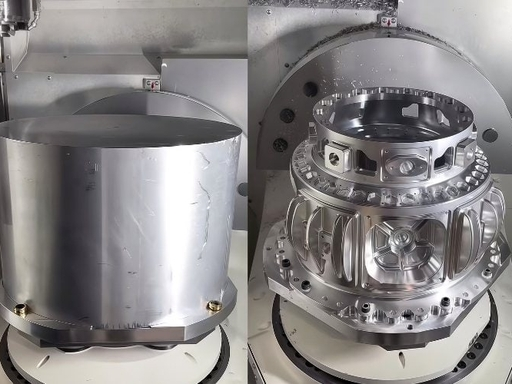
Process: Full-process Refined Control, Standardizing Complex Machining
For custom machining of complex parts, it follows the principle of 30% equipment, 70% craftsmanship.
Zorapid has established a full-process standardized process system covering drawing evaluation to finished product delivery. Every step is precisely controllable, ensuring batch consistency of complex parts while balancing efficiency and cost.
In-depth Pre-project DFM Evaluation to Avoid Design Risks in Advance
Upon receiving customers’ 3D models and drawings, our senior process engineering team conducts thorough Design for Manufacturability (DFM) analysis:
- Identify difficult structures such as thin walls, deep cavities and micro features, and evaluate machining feasibility;
- Provide design optimization suggestions: convert sharp corners to fillets (R≥0.5mm), optimize the depth-to-width ratio of deep cavities, and add reinforcing ribs for thin walls, balancing design functionality and manufacturability;
- Clarify requirements for materials, tolerances and surface finish, and formulate customized process plans, tool lists and cutting parameters.
Precise Raw Material Screening & Preprocessing, Controlling Deformation from the Source
Metal Materials:
Adopt aerospace-grade aluminum alloys (7075/6061), titanium alloy (TC4), stainless steel (316L/17-4PH), and superalloy (Inconel 718). Each batch undergoes spectral inspection to ensure uniform material composition and zero impurities. Stress relief treatment is applied before machining to eliminate internal residual stress.
Plastic Materials:
Select medical-grade PEEK, wear-resistant POM, and high-strength nylon. Conduct constant-temperature drying at 80℃ for 4 hours to remove moisture and prevent bubbling and deformation during machining.
Multi-process Collaborative Machining, One-step Forming for Complex Structures
Strictly follow the stepped process:
Roughing Semi-finishing Stress Relief Finishing Micro Feature Machining
- Roughing: Rapidly remove excess material, leaving a machining allowance of 0.3–0.5mm.
- Semi-finishing: Refine part contours with a finishing allowance reserved at 0.05–0.1mm.
- Stress Relief: 24-hour natural aging plus artificial aging for metal parts to eliminate machining-induced internal stress.
- Finishing: Adopt 5-axis simultaneous machining / high-speed precision engraving to machine precisely to design dimensions, with tolerance controlled within ±0.005mm.
- Micro Feature Machining: Process micro holes, narrow slots and small fillets at the final stage to avoid damage from earlier machining procedures.
Dual Quality Inspection Closed-Loop, Full Inspection at Micron-level Precision
Zorapid has established a dual quality control system of in-process sampling inspection + 100% finished product full inspection, equipped with high-precision testing equipment such as Hexagon CMM, optical measuring instruments, surface roughness testers and height gauges, with inspection accuracy up to ±0.001mm:
In-process Inspection:
Sample 1 piece for every 10 machined parts, focusing on critical dimensions and geometric tolerances to correct deviations in a timely manner.
Finished Product Inspection:
Conduct 100% full inspection on all dimensions, profile tolerance and surface finish. Scan and compare complex curved surfaces with 3D models, and issue detailed inspection reports.
Non-conforming Product Isolation:
Analyze root causes and optimize processes to prevent recurrence of similar issues. The product qualification rate remains steadily above 99.7%.
Custom Post-processing, Balancing Performance and Appearance
We provide customized post-processing services according to material and application requirements, including deburring, sandblasting, anodizing, electroplating, polishing and heat treatment:
Metal Parts:
Precision manual and mechanical deburring ensures no burr residue. Anodizing film thickness is controlled within 5–15μm without affecting dimensional accuracy.
Plastic Parts:
Ultrasonic deburring and surface mirror polishing deliver scratch-free and chipping-free finishes.
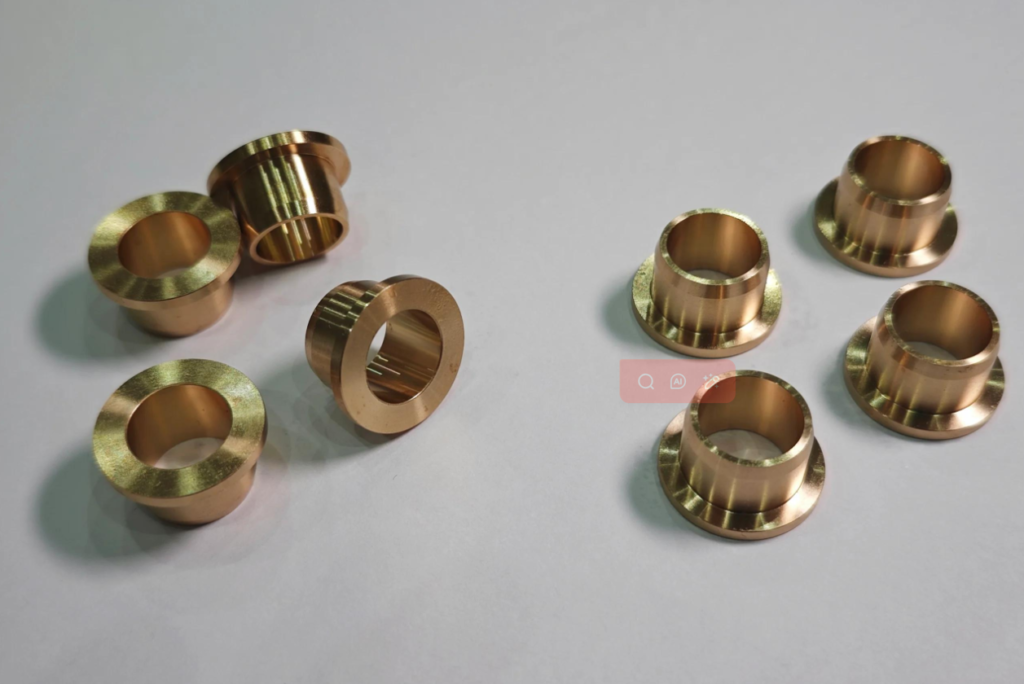
What Others Cannot Do, Zorapid Can
In the field of complex precision parts machining, the restricted zone for peers is exactly Zorapid’s advantage zone.
When facing high-difficulty orders, most manufacturers turn them down due to insufficient equipment, weak technical capacity and immature processes. Backed by full-industry-chain capabilities, Zorapid undertakes and efficiently delivers the following high-difficulty orders:
- Extreme thin-wall parts: Wall thickness 0.5–1mm, aspect ratio ≥ 20:1, aluminum alloy / titanium alloy material; tolerance ±0.005mm with zero deformation and springback.
- Ultra-deep cavity parts: Depth-to-width ratio ≥ 8:1, with special-shaped inner cavities and cross holes, poor tool accessibility; surface roughness Ra ≤ 0.4μm.
- Complex special-shaped curved parts: Irregular free-form surfaces, bionic structures and asymmetric cavities; one-step forming via 5-axis simultaneous machining with profile tolerance ≤ 0.005mm.
- Hard-to-machine special material parts: Titanium alloy, Inconel 718 superalloy, and medical-grade PEEK; balance high hardness / low melting point requirements with micron-level precision.
- Parts with dense micro features: Densely arranged micro holes (φ0.3–1mm), narrow slots (width 0.5–1mm) and small fillets (R0.3–0.5mm); no tool breakage and no edge chipping.
- High-precision batch parts: Complex structures with ±0.005mm tolerance, small batch production (1–500 pieces); excellent batch consistency without dimensional fluctuation.
Core Strengths
Competitors lack 5-axis equipment, while we own a full-range machine cluster;
have immature processes, while we boast 20 years of experience in complex parts machining;
Competitors adopt loose quality control, while we implement a full micron-level inspection system.
What others cannot make, we can;What others cannot make well, we make perfectly;What others deliver slowly, we deliver at ultra-fast speed.
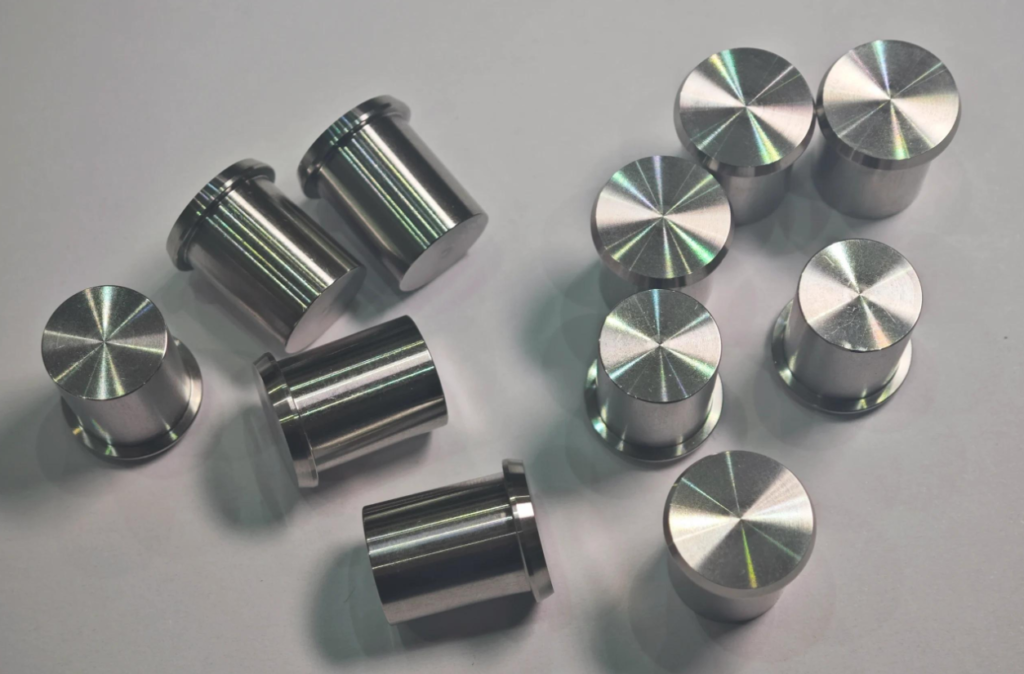
Benefits of Choosing Zorapid: Four Guarantees on Quality, Speed, Cost and Service
1. Quality Assurance: Micron-level Precision, Stable and Reliable
Tolerance is steadily maintained at ±0.005mm, with batch deviation of complex parts ≤0.001mm — far exceeding the industry conventional standard of ±0.01mm.
Full-process quality control plus 100% full inspection ensures a product qualification rate above 99.7%. Detailed inspection reports are delivered with every order for fully traceable precision.
Certified with ISO9001, ISO13485 (Medical) and AS9100D (Aerospace). Eco-friendly materials with stable performance fully meet stringent requirements of high-end industries.
2. Delivery Speed: Rapid Response & Fast Lead Time
- Small-batch prototyping (1–10 pcs): Fastest delivery in 3 days; complex parts within 5 days.
- Medium batch (10–100 pcs): Delivery in 5–7 days.
- Large batch (over 100 pcs): Delivery in 7–15 days.Expedited service available with 24-hour continuous production to keep your project on schedule.
3. Cost Control: High Cost Performance, Cost Reduction & Efficiency Improvement
Process optimization and digital management keep the scrap rate within 0.3%, much lower than the industry average of 1.5%, greatly reducing material waste.
5-axis one-clamp forming minimizes working procedures and manual intervention, cutting overall machining costs.
Bulk sourcing of premium raw materials and integrated supply chain enable competitive pricing equal to regular manufacturers at the same precision level, delivering higher cost performance.
4. Full-process Custom Service: Worry-free Cooperation & Long-term Win-win
- Dedicated one-on-one engineer: Free pre-order DFM evaluation, design optimization and process consultation.
- Full transparent progress: Real-time order updates with machining photos and videos for full visibility anytime.
- Comprehensive after-sales support: Professional technical assistance after delivery. Free rework or remanufacturing for substandard precision with liability covered for related losses.
- Long-term partnership support: Custom customer file establishment, with follow-up batch production and process upgrading services to become your reliable long-term manufacturing partner.
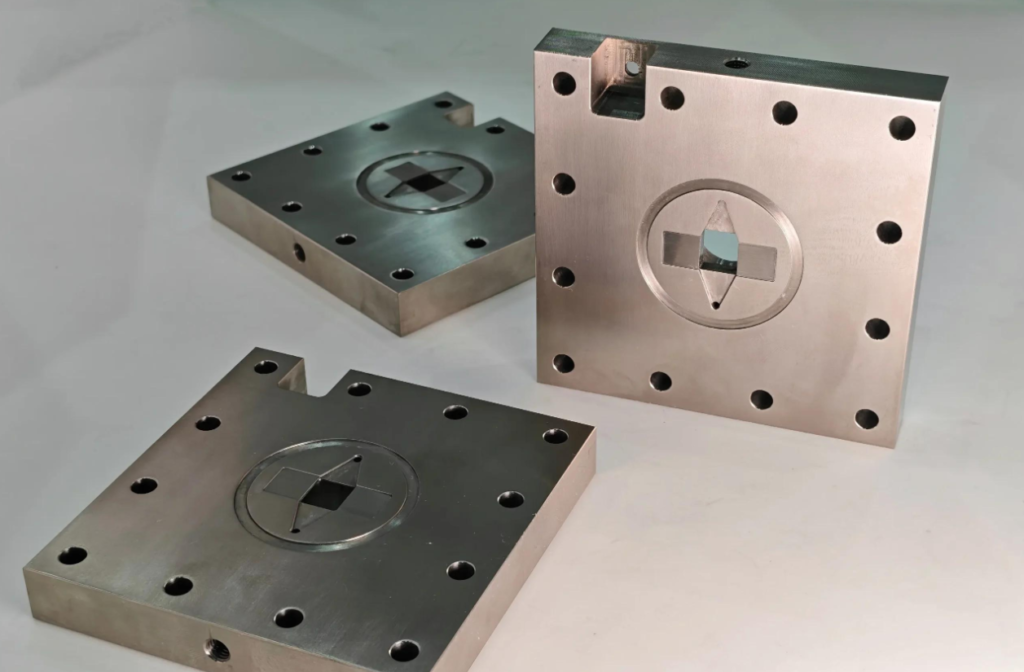
Conclusion
Complexity knows no bounds, yet precision is well-defined.
With industry-breaking technology, refined craftsmanship, stringent quality control, rapid delivery, and considerate service, Zorapid focuses on solving customized machining challenges for complex metal and plastic parts.
What others cannot make, we can; what others cannot make well, we perfect.
Whether it is superalloy complex structural parts for aerospace, precision special-shaped PEEK components for medical devices, or aluminum alloy thin-wall parts for precision electronics, Zorapid can turn complex designs into reality with micron-level accuracy.
If you have demands for custom precision CNC machining of complex metal or plastic parts, welcome to send your drawings for quotation. We provide free DFM evaluation and process solutions, safeguarding your products with professional expertise.
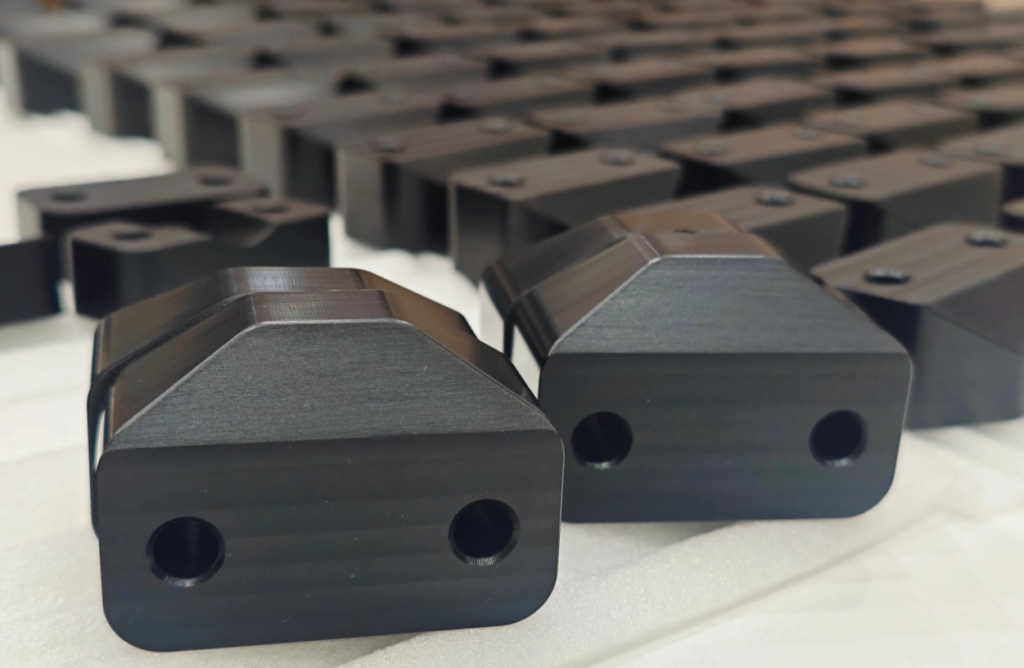
FAQ
Can complex parts (thin wall / deep cavity / special shape) stably achieve ±0.005mm tolerance?
Yes, it can be achieved consistently. Equipped with 5-axis machines, multi-dimensional error compensation, stepped machining processes, and custom tools & fixtures, Zorapid effectively solves problems such as structural deformation, machining chatter and path deviation. The batch tolerance is stably controlled within ±0.005mm with batch fluctuation ≤0.001mm. We have delivered thousands of complex parts with zero precision-related complaints.
Can you machine complex parts in both metal and plastic materials?
Yes, we can handle both.Metals include aluminum alloy, titanium alloy, stainless steel, superalloy, copper alloy and more.Plastics cover PEEK, POM, nylon, ABS, PC, etc.
We customize exclusive machining solutions based on material characteristics, balancing material performance and micron-level precision to meet demands in medical, aerospace, electronics and other industries.
What is the lead time for small-batch prototyping of complex parts? Is expedited service available?
For small-batch prototyping of 1–10 pieces: standard complex parts are delivered in 3 days, and high-difficulty complex parts within 5 days.
Expedited service is supported, with the fastest delivery in 2 days. We arrange priority production with 24-hour continuous machining to meet customers’ rapid verification needs.
What surface quality standard can be achieved after machining complex parts?
Surface roughness of metal parts can reach Ra≤0.2μm, and plastic parts Ra≤0.4μm, with no burrs, scratches or edge chipping.
Post-processing services such as sandblasting, anodizing and polishing are available upon request to enhance corrosion resistance and surface texture.
Only ordinary 2D drawings are available; can you machine complex special-shaped parts?
Yes. If you provide 2D drawings and key dimension parameters, our engineers can conduct reverse modeling to generate a 3D model for DFM evaluation and process design.
We recommend providing a 3D model in STEP/IGS format first to reduce modeling errors and improve machining efficiency and accuracy.