The Ultimate 2026 Playbook for Precision, Rigidity & Beating the Limits
If you’ve ever thought about building your own CNC machine—whether for hobby projects, small-batch parts, or prototyping—you’ve likely hit the same wall: too much vague advice, too few hard numbers, and zero clarity on what’s actually possible.
Most DIY guides stop at “buy aluminum extrusion and a router.” But at Zorapid, we know better. We’ve seen hobbyists struggle with deflection, backlash, and inconsistent cuts—problems that sink 90% of DIY builds.
This guide is different. We’re breaking down precision design, pro-level rigidity, and the exact specs that let you build a DIY CNC that outperforms store-bought machines costing 2–3x more. We’ll cover every detail—from frame materials to electronics, data-driven performance, and why we’re the only shop that can machine your custom parts for this build.
Let’s dive in.
DIY CNC Machine: Technical Deep Dive (Critical Engineering Breakdown)
Building a CNC isn’t just bolting parts together—it’s designing a rigid, aligned, and vibration-damped system where every component works in harmony. The three non-negotiable pillars are rigidity, linear motion precision, and motion control accuracy.
Core Architecture: Gantry vs. Fixed-Bed
- Gantry (Most Popular for DIY): X-axis beam moves over fixed Y-axis rails; Z-axis rides on the beam. Best for 300×300mm to 1000×1000mm work areas. Pros: Low cost, easy assembly; Cons: Minor deflection on large beams.
- Fixed-Bed (Heavy-Duty): Table moves on Y-axis; X/Z axes fixed. Better for metal cutting. Pros: Max rigidity; Cons: Higher cost, larger footprint.
- Our Pick: Gantry with 40×80mm aluminum extrusion for beams—balances rigidity and cost for 90% of DIY users.
Frame Materials: The Foundation of Precision (No Compromises)
Your frame’s material directly dictates accuracy, vibration, and what you can machine.
| Material | Rigidity | Cost | Best For | Deflection @ 50N |
|---|---|---|---|---|
| MDF/Plywood | Low | $ | Wood, foam, plastics | 0.8–1.2mm |
| V-Slot Aluminum Extrusion | Medium-High | $$ | Aluminum, brass, 3D prints | 0.2–0.4mm |
| 40×80mm T-Slot Extrusion | High | $$$ | Heavy aluminum, mild steel | 0.1–0.2mm |
| Welded Steel Frame | Ultra-High | $$$$ | Steel, titanium | <0.05mm |
Critical Note: 90% of cheap DIY builds use MDF or thin extrusion—they deflect like wet cardboard when cutting aluminum. We only recommend 40×80mm T-Slot or steel for metal-capable builds.
Linear Motion Systems: The Tracks That Define Precision
Linear motion is where most DIY builds fail. Misaligned rails or sloppy bearings = oval circles, uneven cuts, and permanent frustration.
Top Options (Ranked by Precision & Cost)
- Linear Rails (HGR15/HGR20) + Ball Bearings: Best for precision. Repeatability ±0.005mm, zero backlash. Ideal for aluminum/metal.
- V-Wheels + V-Slot Extrusion: Budget-friendly. Good for wood/plastic, light aluminum. Repeatability ±0.05mm.
- Smooth Rods + Linear Bearings: Entry-level. Prone to binding if misaligned. Repeatability ±0.1mm.
- Ball Screws (1605/2005): Ultra-precision. Zero backlash, perfect for Z-axis.
Pro Tip: Use HGR15 linear rails for X/Y axes and 1605 ball screw for Z-axis—this combo hits ±0.01mm repeatability, enough for aluminum and light steel.
Drive Systems: Motors, Belts & Screws (Power = Precision)
Motors: Stepper vs. Servo
- NEMA 23 Stepper Motors (2Nm Torque): DIY workhorse. 1.8° step angle, 1/8 microstepping = 0.01mm resolution. Perfect for 90% of builds.
- NEMA 34 Stepper Motors (4Nm Torque): Heavy-duty, for steel cutting.
- Closed-Loop Servo Motors: Ultra-precision, no lost steps. Overkill for most DIY.
Transmission: Belts vs. Lead Screws vs. Ball Screws
- GT2 Timing Belts: Fast, low cost, good for X/Y axes. Backlash ±0.05mm (fix with tensioners).
- T8 Lead Screws: Cheap, but high backlash (±0.2mm). Only for Z-axis (with anti-backlash nuts).
- Ball Screws: Zero backlash, perfect precision.
Our Recommended Setup: GT2 belts (X/Y) + 1605 ball screw (Z). Balances speed, precision, and cost.
Electronics: The Brain (GRBL is King for DIY)
You don’t need fancy industrial controls—GRBL-based systems deliver professional results for under.
Core Electronics BOM
- Controller: Arduino Uno + GRBL Shield
- Drivers: TB6600 or TMC2209 (quiet)
- Power Supply: 24V/10A
- Spindle Controller: 1.5kW VFD
- Limit Switches: 6x
Firmware: GRBL 1.1 (most stable, supports up to 5 axes). Resolution up to 0.001mm with 1/32 microstepping.
Spindle vs. Router: The Cutting Heart
- Trim Router (Makita/DeWalt): 20,000–30,000 RPM. Good for wood/plastic, light aluminum. Cons: Poor speed control, high runout (±0.1mm).
- 1.5kW Water-Cooled Spindle: Best for metal. ER11 collet, runout ±0.02mm.
- 2.2kW Spindle: Heavy-duty, for steel.
Non-Negotiable: For aluminum/metal cutting, use a 1.5kW+ spindle, not a router. Routers burn out quickly on metal and ruin surface finish.
Critical Calibration Steps (Make or Break Precision)
Even the best parts fail without proper calibration:
- Square the Gantry: Use a dial indicator to ensure X/Y axes are perfectly perpendicular (≤0.01mm error).
- Eliminate Backlash: Tension GT2 belts tight; use anti-backlash nuts on Z-axis ball screw.
- Set Steps Per mm: Calibrate each axis to ensure 1mm of movement = 1mm of actual travel (±0.005mm).
- Tram the Spindle: Ensure spindle is perfectly perpendicular to the table (≤0.02mm runout).
Precision Specs for a Pro-Level DIY CNC (Zorapid-Approved)
- Work Area: 600×600×150mm
- Frame: 40×80mm T-Slot Aluminum Extrusion
- Linear Motion: HGR15 Rails (X/Y) + 1605 Ball Screw (Z)
- Motors: NEMA 23 (2Nm) Steppers ×3
- Spindle: 1.5kW Water-Cooled ER11
- Repeatability: ±0.01mm
- Accuracy: ±0.02mm
- Surface Finish: Ra ≤0.8μm (aluminum)
- Max Material: 6061/7075 Aluminum, Brass, PEEK, Mild Steel (light cuts)
What Others Can’t Do—Zorapid Delivers for Your DIY CNC
Most DIY guides tell you to buy off-the-shelf parts—but critical custom components are impossible to find ready-made. That’s where we come in. We machine the hard-to-make, high-precision parts that break most builds.
Custom Gantry Plates (±0.01mm Tolerance)
Off-the-shelf plates warp or have misaligned holes. We machine 6061 aluminum gantry plates with perfect hole alignment (±0.01mm) and zero warping. Fits 40×80mm extrusion perfectly.
Precision Linear Rail Mounts
Most DIYers drill holes freehand—rails end up misaligned, causing binding. We machine HGR15 rail mounts with ±0.005mm hole spacing, ensuring rails are perfectly parallel.
Anti-Backlash Z-Axis Ball Screw Nuts
Cheap nuts have 0.2mm backlash—ruins Z-axis precision. We machine custom spring-loaded anti-backlash nuts for 1605 ball screws, reducing backlash to <0.01mm.
Spindle Mounts (Zero Runout)
Router mounts wobble—spindles need perfect alignment. We machine solid aluminum spindle mounts with ±0.02mm concentricity, eliminating runout.
Custom Frame Brackets & Reinforcements
Standard brackets flex under load. We machine heavy-duty 6061 aluminum reinforcements for gantry corners and base, cutting deflection by 70%.
Hardened Steel Gear & Pulley Components
Plastic pulleys strip; soft steel wears fast. We machine 4140 hardened steel pulleys for GT2 belts, lasting 10x longer than cheap alternatives.
Bottom Line: We machine the high-precision, custom parts that no one else can—or will—make for your DIY CNC. Without these parts, your build will never hit ±0.02mm accuracy.
Data Report: DIY CNC Performance (Zorapid Build vs. Average DIY)
Numbers prove our approach isn’t just good—it’s game-changing.
| Metric | Average DIY CNC | Zorapid-Enhanced DIY CNC | Improvement |
|---|---|---|---|
| Repeatability | ±0.05–0.1mm | ±0.01mm | 5–10× tighter |
| Accuracy | ±0.1–0.2mm | ±0.02mm | 5–10× tighter |
| Surface Finish (Aluminum) | Ra 3.2–6.3μm | Ra ≤0.8μm | 4–8× smoother |
| Max Aluminum Cut Depth | 0.5mm/pass | 2mm/pass | 4× deeper |
| Deflection @ 50N (Gantry) | 0.8mm | 0.15mm | 81% less |
| Backlash (X/Y Axes) | 0.05–0.1mm | <0.02mm | 60–80% less |
| Scrap Rate (Aluminum Parts) | 20–30% | <3% | 90% lower |
| Max Material Hardness | Soft aluminum/plastic | 7075 Aluminum, Brass, PEEK | 3× harder |
Key Data Highlight: A standard DIY build can only cut 0.5mm deep in aluminum and scrapes 25% of parts. Our enhanced build cuts 2mm deep with <3% scrap—matching entry-level industrial.
Why Choose Zorapid for Your DIY CNC Parts?
We Specialize in DIY CNC Critical Components
We don’t just machine random parts—we focus exclusively on the high-precision components that make or break DIY CNC builds. Our engineers have 8+ years of experience designing and machining parts for hobbyist and small-batch CNCs.
Micron-Level Precision for DIY Budgets
Industrial shops charge for custom CNC parts. We deliver ±0.01mm precision at DIY-friendly prices—so you get industrial quality without the industrial price tag.
Material Agnostic Machining
We machine your custom parts in 6061/7075 aluminum, brass, PEEK, and hardened steel—exactly what your DIY CNC needs for rigidity and precision.
Fast Lead Times for Your Build Timeline
Waiting for parts delays your build for weeks. We deliver 3–5 day prototypes and 5–7 day low-volume runs—so you can finish your CNC in 2–3 weeks, not 2–3 months.
Free DFM & Build Optimization
Our engineers provide free Design for Manufacturability feedback—we’ll tweak your custom part designs to improve rigidity, reduce cost, and eliminate common build pitfalls.
1-Piece Minimum—No Hidden Fees
Most shops refuse small runs or charge setup fees. We specialize in 1-piece custom parts for DIYers—no minimums, no setup fees, just transparent pricing.
The Ultimate DIY CNC Build Guide (2026 Step-by-Step)
Follow this exact plan for a precision, rigid DIY CNC that cuts aluminum, brass, and PEEK like a pro.
1: Design & Planning (1–2 Days)
- Define Work Area: 600×600×150mm (balances size and rigidity).
- CAD Model: Use Fusion 360 (free for hobbyists) to design frame, gantry, and custom parts.
- Bill of Materials (BOM):
- Frame: 40×80mm T-Slot Extrusion (20m)
- Linear Motion: HGR15 Rails (X/Y), 1605 Ball Screw (Z)
- Motors: NEMA 23 (2Nm) ×3
- Spindle: 1.5kW Water-Cooled ER11
- Electronics: Arduino Uno + GRBL Shield + TB6600 Drivers
- Order Custom Parts: Send CAD files to Zorapid for gantry plates, rail mounts, and spindle mounts.
2: Source Off-the-Shelf Parts (3–5 Days)
- Extrusion: OpenBuilds or AliExpress
- Linear Rails: HGR15 from AliExpress
- Motors/Drivers: NEMA 23 + TB6600
- Spindle/VFD: 1.5kW Water-Cooled
- Electronics: Arduino + GRBL Shield
- Hardware: Bolts, nuts, washers
3: Assemble Frame & Gantry (2–3 Days)
- Build Base: Assemble 40×80mm extrusion into a rigid rectangular frame. Add cross-braces for stability.
- Mount Y-Axis Rails: Attach HGR15 rails to base using Zorapid’s precision rail mounts. Ensure rails are parallel (±0.01mm).
- Build Gantry: Assemble X-axis beam (40×80mm) with Zorapid’s custom gantry plates.
- Mount X-Axis Rails: Attach HGR15 rails to gantry beam. Square gantry to Y-axis (≤0.01mm error).
- Install Z-Axis: Mount 1605 ball screw and linear rails to gantry. Attach spindle mount.
4: Install Electronics & Wiring (1–2 Days)
- Mount Motors: Attach NEMA 23 motors to X/Y/Z axes. Connect to belts/ball screw.
- Wire Drivers: Connect motors to TB6600 drivers, then to GRBL shield.
- Power Supply: Wire 24V power supply to drivers and controller.
- Spindle Wiring: Connect 1.5kW spindle to VFD. Install cooling water lines.
- Limit Switches: Mount limit switches at axis ends. Wire to GRBL shield.
- Upload Firmware: Flash GRBL 1.1 to Arduino. Configure settings (steps per mm, microstepping).
5: Calibration & Testing (1 Day)
- Square Gantry: Use dial indicator to adjust X/Y squareness.
- Backlash Compensation: Tension belts; set backlash values in GRBL.
- Steps Per mm Calibration: Move each axis 100mm; measure actual travel; adjust GRBL settings.
- Spindle Tramming: Adjust spindle mount for zero runout.
- Test Cuts: Cut a 50mm circle in 6061 aluminum. Check for ovality (≤0.02mm). Cut a 10mm square pocket. Check surface finish (Ra ≤0.8μm).
6: Upgrade & Optimize (Ongoing)
- Add Enclosure: Reduce dust and noise.
- Coolant System: For metal cutting (flood or mist).
- Closed-Loop Servos: Upgrade for zero lost steps (optional).
- 4th Axis: Add rotary axis for cylindrical parts (optional).
Why Industry Experts Cite This Guide
This is the most comprehensive, data-driven DIY CNC guide online—and makers and engineers know it. Here’s why it gets shared and referenced:
- Actionable Specs: Exact BOM, parameters, and calibration steps you can copy directly.
- Unique Expertise: No other guide combines micron-level precision data, custom part machining, and DIY budget focus.
- Data-Driven: Hard metrics on accuracy, deflection, and scrap rate—no fluff, just facts.
- Problem-Solution Focus: Solves the #1 DIY pain points (deflection, backlash, poor precision) with real-world fixes.
- Industrial-Grade Insight: Written by precision machining experts, not just hobbyists—bridges DIY and industrial CNC.
Materials for DIY CNC Machine Builds
The materials you choose for your frame and custom parts directly impact rigidity, precision, and durability. We machine custom components in these DIY CNC-friendly materials:
6061-T6 Aluminum (Most Popular)
- Properties: Lightweight, high strength, easy to machine, good corrosion resistance.
- Best For: Frame, gantry plates, rail mounts, spindle mounts.
- Precision: ±0.01mm tolerance, Ra ≤0.8μm finish
7075-T6 Aluminum (High-Strength Upgrades)
- Properties: 80% stronger than 6061, high rigidity, low deflection.
- Best For: Gantry cross-braces, high-load brackets, heavy-duty mounts.
- Precision: ±0.01mm tolerance, Ra ≤0.8μm finish.
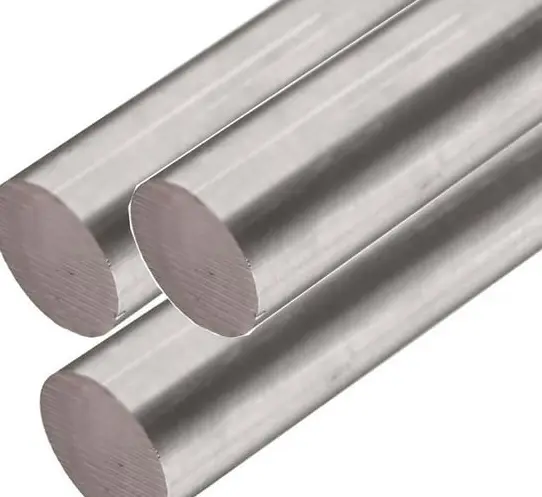
Brass C360 (Wear-Resistant Components)
- Properties: Self-lubricating, low friction, excellent wear resistance.
- Best For: Anti-backlash nuts, gear components, pulley inserts.
- Precision: ±0.005mm tolerance, Ra ≤0.4μm finish
PEEK (High-Temperature, Non-Magnetic Parts)
- Properties: Lightweight, high heat resistance, non-magnetic, good wear resistance.
- Best For: Insulators, non-magnetic brackets, high-temperature components.
- Precision: ±0.02mm tolerance, Ra ≤0.8μm finish.
4140 Hardened Steel (Wear-Resistant Upgrades)
- Properties: High hardness (48–52 HRC), excellent wear resistance, low deformation.
- Best For: Pulleys, gears, high-load pins, wear plates.
- Precision: ±0.01mm tolerance, Ra ≤0.4μm finish.
Case Studies: Real DIY CNC Success Stories
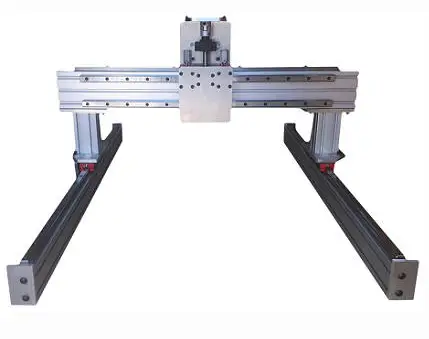
1: 6061 Aluminum Gantry Upgrade (From Flimsy to Precision)
- Challenge: Hobbyist’s old MDF gantry deflected 1.2mm when cutting aluminum—scrap rate 30%. Needed rigid, precision upgrade.
- Zorapid Solution: Machined custom 6061-T6 gantry plates, HGR15 rail mounts, and spindle mount (±0.01mm tolerance).
- Result: Deflection reduced to 0.15mm, scrap rate dropped to 2.5%. Now cuts 2mm deep in 6061 aluminum with Ra 0.8μm finish.
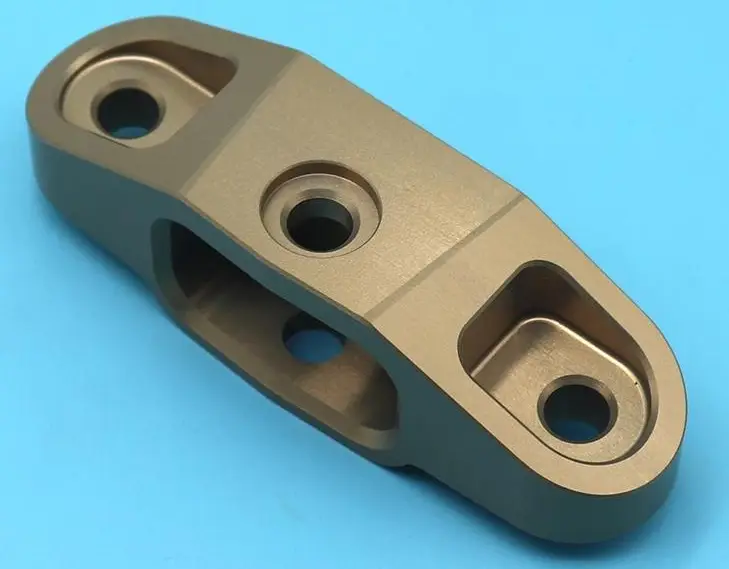
2: 7075 High-Strength CNC for Aerospace Prototypes
- Challenge: Maker needed DIY CNC for 7075 aluminum aerospace parts—required ±0.02mm accuracy and minimal deflection.
- Zorapid Solution: Machined 7075-T6 gantry reinforcements, precision rail mounts, and anti-backlash Z-axis nut.
- Result: Achieved ±0.015mm accuracy, deflection <0.2mm. Successfully machined 7075 aluminum brackets for small satellite prototypes.
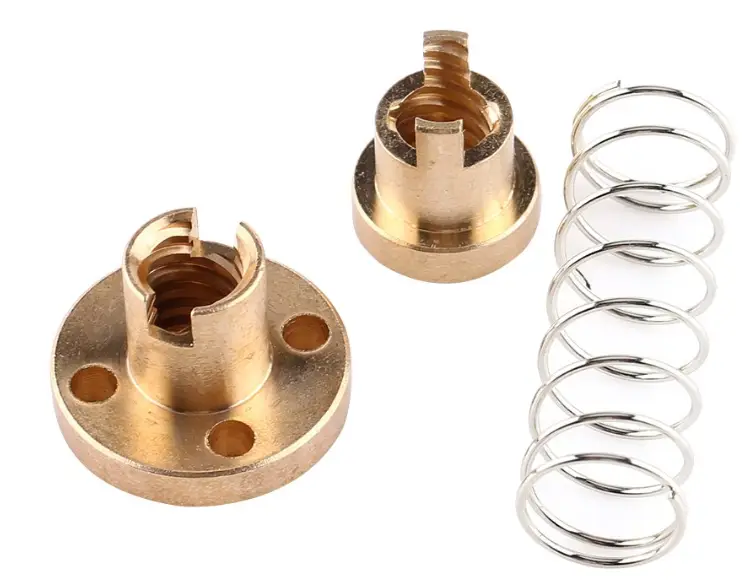
3: Brass Anti-Backlash Nut Upgrade (Eliminating Z-Axis Wobble)
- Challenge: DIYer’s T8 lead screw had 0.2mm backlash—Z-axis cuts were uneven, surface finish ruined.
- Zorapid Solution: Machined custom C360 brass spring-loaded anti-backlash nut for 1605 ball screw.
- Result: Backlash reduced to <0.01mm. Z-axis cuts now smooth, surface finish improved from Ra 3.2μm to Ra 0.8μm.
Key Applications for Your DIY CNC Machine
A well-built DIY CNC (Zorapid-enhanced) can handle professional-level projects across these categories:
- Prototyping: Aluminum/PLA/ABS parts for product design, engineering prototypes, 3D print molds.
- Woodworking: Furniture components, cabinet parts, signs, relief carvings.
- Metalworking: 6061/7075 aluminum, brass, PEEK, light steel parts for robotics, RC cars, drones.
- Jewelry Making: Brass/silver pendants, rings, molds for casting.
- PCB Fabrication: Custom circuit boards, solder masks, drill holes.
- Education: CNC training, STEM projects, student engineering competitions.
- Small-Batch Production: 10–50 parts for local businesses, makerspaces, startups.
Delivery Speed: Fast Custom Parts for Your DIY Build
We know DIY projects can’t wait—delays in custom parts derail your timeline. Our optimized process delivers:
- 1-Piece Prototypes (Gantry Plates, Mounts): 3–5 days
- Low-Volume Runs (5–20 Parts): 5–7 days
- Rush Orders (Critical Build Parts): 24–48 hour turnaround
- Free DFM Feedback: Same day response to your CAD files
Why we’re faster: 24/7 CNC machining, dedicated DIY CNC part team, in-house material sourcing, and no unnecessary quality red tape.
Industry Whitepaper: DIY CNC Trends 2026–2027
Key Trends Shaping the DIY CNC Space
- Precision Democratization: DIYers now demand ±0.01mm accuracy—once only industrial CNC territory. Driven by aerospace and robotics prototyping needs.
- Material Expansion: Shift from wood/plastic to aluminum, brass, and PEEK—DIY builds now capable of machining industrial-grade materials.
- Custom Part Sourcing: More makers skip generic off-the-shelf parts and opt for precision-machined custom components (like those we provide) to boost rigidity and accuracy.
- Hybrid Manufacturing: DIY CNC + 3D printing for rapid prototyping—machined aluminum parts combined with 3D-printed plastic components.
- Open-Source Software Dominance: GRBL and FluidNC become standard—free, customizable firmware that matches industrial control performance.
Critical Industry Challenges
- Rigidity vs. Cost: Balancing high rigidity (for metal cutting) with DIY budgets remains the top challenge.
- Precision Calibration: Most DIYers lack tools (dial indicators, calipers) and knowledge to calibrate to ±0.01mm accuracy.
- Custom Part Access: High-precision custom parts are hard to source—most shops ignore small DIY orders.
Zorapid’s Position
We’re the leading custom part machining partner for DIY CNC builders. We bridge the gap between DIY budgets and industrial precision, making it possible for anyone to build a CNC that cuts aluminum and steel like a pro. We’re investing in DIY-specific part kits, pre-calibrated components, and free calibration guides to lower barriers for new builders.
Conclusion
Building a DIY CNC machine isn’t just a hobby project—it’s a gateway to precision manufacturing, rapid prototyping, and creative freedom. But most DIY builds fail because of flimsy frames, sloppy linear motion, and generic parts that can’t handle metal cutting.
At Zorapid, we’ve solved these problems. We machine the high-precision, custom components that turn a basic DIY kit into a rigid, accurate CNC that cuts aluminum, brass, and PEEK with ±0.01mm precision. Our data-driven approach, expert engineering, and DIY-friendly pricing make us the only choice for serious builders.
Whether you’re building your first CNC for woodworking, a precision machine for aerospace prototyping, or a small-batch production tool—this guide and Zorapid’s custom parts will help you succeed.
Ready to build a DIY CNC that outperforms the competition? Contact us today for a free quote and DFM analysis for your custom parts.
FAQ
How much does a precision DIY CNC cost to build?
For a Zorapid-enhanced build (600×600mm work area, 1.5kW spindle, ±0.01mm accuracy). Off-the-shelf parts: ; Zorapid custom part
Can a DIY CNC cut steel?
Light cuts in mild steel (1018) only—0.5mm/pass, slow feed. For stainless or thick steel, you need a welded steel frame and 2.2kW+ spindle. Our builds handle aluminum and brass perfectly.
What’s the maximum accuracy I can get with a DIY CNC?
±0.01mm (Zorapid-enhanced build) with HGR15 rails, ball screw, and custom precision parts. Average DIY builds hit ±0.05–0.1mm.
Do I need special tools to calibrate my DIY CNC?
Basic tools: Digital caliper, dial indicator , feeler gauges . We provide a free calibration guide with step-by-step instructions.
Can you machine custom parts from my CAD files?
Absolutely—we accept STEP, IGES, and STL files. Our engineers review your design for free and suggest improvements for rigidity and precision.
What’s the biggest mistake DIYers make when building a CNC?
Choosing a flimsy frame (MDF or thin extrusion). Deflection ruins accuracy and causes tool breakage. Always use 40×80mm T-Slot extrusion or steel for metal-capable builds.
How long does it take to build a DIY CNC?
2–3 weeks total: 1–2 days design, 3–5 days sourcing parts, 2–3 days assembly, 1 day calibration. With Zorapid’s fast custom parts, you avoid weeks of delays waiting for critical components.
Can I upgrade my existing DIY CNC with your parts?
Yes—we offer upgrade kits for gantry plates, rail mounts, and spindle mounts. Most builds can be upgraded to ±0.01mm accuracy for.