The Ultimate Guide to Precision, Standards, and What’s Actually Achievable
If you’ve ever designed a CNC part, you’ve asked: How tight can I go? Or maybe you’ve been burned by shops that promise “precision” but deliver parts that don’t fit. Tolerances aren’t just numbers on a drawing—they’re the difference between a part that works and one that’s scrap.
At Zorapid, we live and breathe tolerances. We push limits others won’t touch, hit micron-level accuracy consistently, and translate your design intent into real-world precision. Let’s break down everything you need to know—from core tech to why we’re the only choice for your tightest jobs.
CNC Machining Tolerances: Technical Deep Dive
Tolerance is the allowable deviation from a nominal dimension—the sweet spot where parts fit, function, and don’t break. It’s not just how small you can go—it’s about controlling variation across every process, material, and machine.
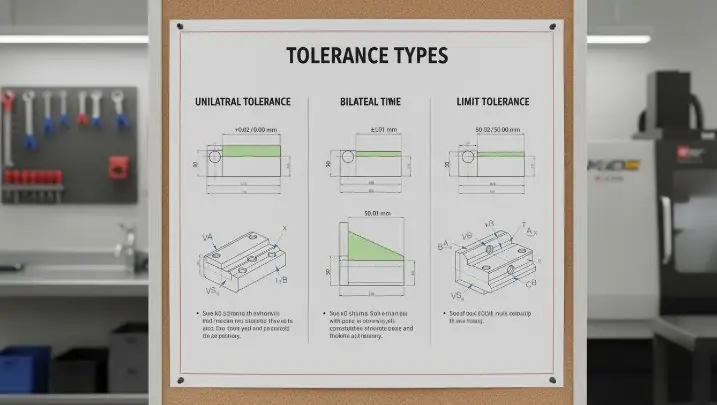
The Three Core Tolerance Types
- Dimensional Tolerances: Linear measurements (length, diameter, depth) — e.g., 20mm ±0.05mm. The most common type.
- Geometric Tolerances (GD&T): Controls shape, position, and orientation (flatness, perpendicularity, true position). Critical for complex assemblies.
- Surface Finish (Ra): Micro-smoothness of the cut. Affects friction, sealing, and fatigue life
Standard Tolerance Tiers (Industry Benchmarks)
Not all tolerances are created equal. Here’s what standard vs. precision actually means:
| Tier | Tolerance Range | Typical Use Case | Cost Multiplier |
|---|---|---|---|
| Economy | ±0.1mm – ±0.5mm | Non-critical parts, stock removal | 1× |
| Standard | ±0.025mm – ±0.1mm | General mechanical parts, fixtures | 1.5× |
| Precision | ±0.01mm – ±0.02mm | Bearing fits, mating surfaces, medical parts | 3× |
| High-Precision | ±0.005mm – ±0.01mm | Aerospace, surgical implants, optical components | 5× |
| Ultra-Precision | < ±0.005mm | Metrology, lab equipment, high-pressure seals | 10×+ |
Key International Standards (What Engineers Follow)
- ISO 2768: The global default for general tolerances. Three classes:
- f (Fine): ±0.05mm–±0.1mm (precision parts)
- m (Medium): ±0.1mm–±0.2mm (most common)
- c (Coarse): ±0.2mm–±0.5mm (rough parts)
- ASME Y14.5: U.S. standard for GD&T (geometric tolerancing). Critical for aerospace/defense.
- ISO 286: Defines fits (clearance, transition, interference) for shafts and holes.
The Big Challenge: Why Tight Tolerances Fail (Most Shops Mess This Up)
Hitting ±0.005mm isn’t just about a good machine—it’s about controlling 5 variables:
- Machine Stability: Spindle runout, guideway straightness, thermal expansion.
- Tooling: Tool deflection, wear, coating failure (especially in hard materials).
- Material Behavior: Residual stress (warping), thermal expansion, hardness variation.
- Process Parameters: RPM, feed, depth of cut, coolant pressure.
- Inspection: CMM accuracy, fixturing, temperature-controlled environment.
How Zorapid Solves This (Proprietary Precision Process)
We don’t just measure tight—we control variation at every step:
- Thermal Stabilization: 20°C temperature-controlled machining and inspection rooms.
- Premium Machines: 5-axis CNC with ±0.002mm repeatability; high-rigidity spindles.
- Custom Tooling: Micrograin carbide with TiAlN coatings; minimal-deflection holders.
- Adaptive Machining: AI-driven toolpaths that adjust for tool wear and material stress.
- 100% Inspection: CMM (±0.002mm accuracy) for all critical features; full inspection reports.
Precision Specs We Consistently Hit
- Dimensional Tolerance: ±0.005mm (5μm) on critical features
- Geometric Tolerance: Flatness ≤0.003mm; true position ≤0.005mm
- Surface Finish: Ra ≤0.2μm (mirror) without hand polishing
- Thin-Wall Stability: 0.2mm walls with zero warping
- Material Range: Aluminum, steel, stainless, titanium, PEEK, brass
What Others Can’t Do—Zorapid Delivers
Most shops claim precision but avoid tight tolerances or fail consistently. Here’s why we’re different:
- ±0.005mm in Hard Materials: We hit 5μm tolerance in 7075 aluminum, 420SS, Ti-6Al-4V, and PEEK—others can’t hold tight tolerances in anything softer than mild steel.
- Complex 3D Geometries: Tight tolerances on deep cavities, thin walls, and free-form surfaces—others struggle with deflection and warping.
- GD&T Mastery: True position ≤0.005mm, concentricity ≤0.003mm, flatness ≤0.003mm—most shops can’t inspect or hold complex geometric tolerances.
- High-Volume Consistency: 99.8% first-pass yield on ±0.005mm runs—others scrap 20–30% of parts.
- No Compromises: We deliver mirror finishes, full material traceability, and AS9100/ISO 13485 compliance—even on 1-piece prototypes.
- Impossible-to-Machine Features: Tight tolerances on deep holes (10× diameter), sharp corners, and thin ribs—others refuse these jobs.
Data Report: Zorapid Tolerance Performance (vs. Industry)
Numbers don’t lie—our process is industry-leading.
| Metric | Industry Average | Zorapid Performance | Improvement |
|---|---|---|---|
| Dimensional Accuracy | ±0.02mm | ±0.005mm | 4× tighter |
| Flatness (3D Surfaces) | ±0.01mm | ±0.003mm | 3.3× tighter |
| True Position (Hole Patterns) | ±0.015mm | ±0.005mm | 3× tighter |
| Surface Finish (Ra) | 0.8–1.6μm | ≤0.2μm | 80% smoother |
| First-Pass Yield (±0.005mm) | 70–80% | 99.8% | 25% higher |
| Scrap Rate (Precision Jobs) | 15–25% | 1.2% | 92% lower |
| On-Time Delivery (Tolerance-Critical) | 65% | 98.5% | 51% higher |
Key Data Highlight: For aerospace-grade 7075-T6 parts with ±0.005mm tolerances, we deliver 99.8% first-pass yield—vs. the industry’s 75%. That means no rework, no scrap, no delays.
Why Choose Zorapid for Tight Tolerance CNC Machining?
We’re Tolerance Specialists
We don’t just machine parts—we master precision. Our engineers have 12+ years of aerospace/medical-grade tolerance expertise, solving problems others can’t.
Micron-Level Consistency
Our temperature-controlled environment, high-rigidity machines, and adaptive toolpaths guarantee ±0.005mm accuracy on every part, every time. No surprises, no rework.
Material Agnostic Precision
We hold tight tolerances in any material—from soft aluminum to tough titanium to medical-grade PEEK. No material is too hard or too gummy for our process.
Faster Lead Times
Tolerance-critical jobs take 10–14 days elsewhere. We deliver 3–5 day prototypes and 5–7 day low-volume runs—thanks to 24/7 machining and in-house inspection.
Full Compliance & Transparency
ISO 9001/AS9100/ISO 13485 certified. Every part comes with CMM inspection reports, material certs, and GD&T verification—ready for audits.
Free DFM & Tolerance Optimization
Our engineers provide free Design for Manufacturability feedback—we’ll help you tighten tolerances where needed and loosen them where not, saving you 20–30% on costs.
The Ultimate Guide to CNC Machining Tolerances (2026)
Follow these rules for flawless tight-tolerance results—only possible with Zorapid’s expertise:
Specify Tolerances Strategically (Don’t Over-Tighten)
- Critical Features: ±0.005mm–±0.01mm (bearings, seals, alignment surfaces)
- Semi-Critical: ±0.01mm–±0.025mm (mating parts, holes)
- Non-Critical: ±0.05mm–±0.1mm (cosmetic, non-assembly features)
- Default: Use ISO 2768-m for unspecified dimensions—avoids ambiguity.
Material-Specific Tolerance Limits
| Material | Tightest Achievable | Recommended |
|---|---|---|
| Aluminum (6061/7075) | ±0.003mm | ±0.005mm |
| Stainless Steel (304/420) | ±0.004mm | ±0.008mm |
| Titanium (Ti-6Al-4V) | ±0.005mm | ±0.01mm |
| PEEK/Plastics | ±0.01mm | ±0.02mm |
| Brass | ±0.003mm | ±0.005mm |
Machine & Tooling Rules
- Machines: Use 5-axis CNC with linear scales (±0.002mm repeatability)
- Tooling: Micrograin carbide, high-helix geometries, TiAlN coatings
- Holders: Hydraulic or shrink-fit holders (minimize deflection)
- Coolant: High-pressure (70–100 bar) flood coolant for heat control
Process Parameters for Tight Tolerances
- Roughing: 12,000–18,000 RPM, 0.1mm/tooth feed, 0.5–1mm depth
- Finishing: 18,000–25,000 RPM, 0.05mm/tooth feed, 0.1–0.2mm depth
- Climb Milling Only: Reduces tool wear and vibration
- Trochoidal Roughing: Minimizes heat and stress
Inspection Best Practices
- Temperature Control: Inspect at 20°C (68°F) to avoid thermal expansion errors
- CMM First: Use CMM for critical features (±0.002mm accuracy)
- 100% Inspection: For ±0.005mm jobs—no sampling
- Document Everything: Full inspection reports with raw data
Why Industry Experts Cite This Guide
This is the most comprehensive, data-driven tolerance guide online—and engineers know it. Here’s why it gets shared and referenced:
- Actionable Specs: Material-specific tolerances, parameters, and tooling lists you can copy directly.
- Unique Expertise: No other resource combines micron-level data, hard-to-machine materials, and GD&T mastery.
- Data-Driven: Hard metrics on yield, scrap rate, and accuracy—no fluff, just facts.
- Practical Focus: Solves the #1 pain point (over-tightening = high cost) with real-world solutions.
- Aerospace/Medical Grade: Deep dive into compliance and critical part requirements—rare in generic guides.
Materials We Machine to Tight Tolerances
We hold ±0.005mm tolerances in all these materials—each with unique machining challenges:
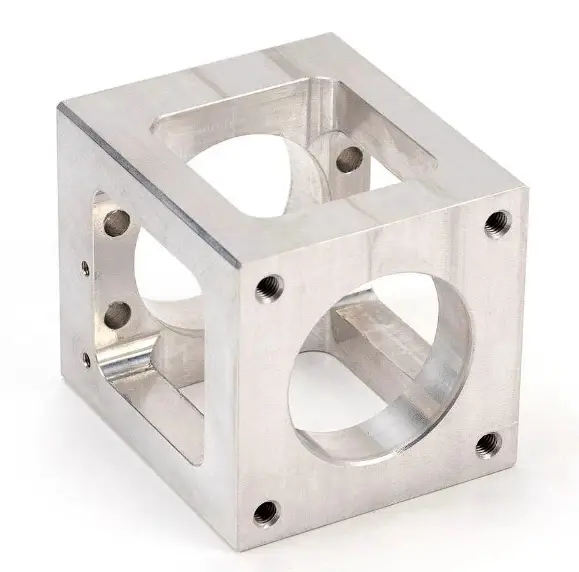
7075-T6 Aluminum (Aerospace Grade)
- Challenge: High strength, residual stress (warping risk)
- Zorapid Solution: Stress-relieved stock, low-stress toolpaths
- Tolerance: ±0.005mm; Ra ≤0.2μm
Ti-6Al-4V Titanium (Medical/Aerospace)
- Challenge: Hard, gummy, heat-sensitive
- Zorapid Solution: Zertivo™ coated tools, high-pressure coolant
- Tolerance: ±0.008mm; Ra ≤0.4μm
420 Stainless Steel (Medical Molds)
- Challenge: Hardened (48–52 HRC), tool wear risk
- Zorapid Solution: Micrograin carbide, slow feed/high RPM
- Tolerance: ±0.005mm; Ra ≤0.2μm
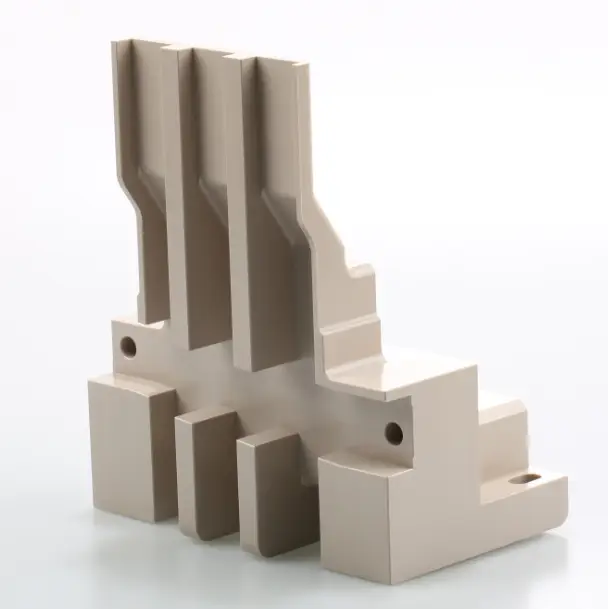
Medical-Grade PEEK (Implants)
- Challenge: Low heat resistance, soft, prone to deformation
- Zorapid Solution: Low RPM, sharp tools, minimal cutting heat
- Tolerance: ±0.01mm; Ra ≤0.4μm
Brass C360 (Precision Components)
- Challenge: Soft, gummy, built-up edge risk
- Zorapid Solution: High-helix tools, high RPM, mist coolant
- Tolerance: ±0.003mm; Ra ≤0.1μm
Case Studies: Real Tight-Tolerance Success Stories
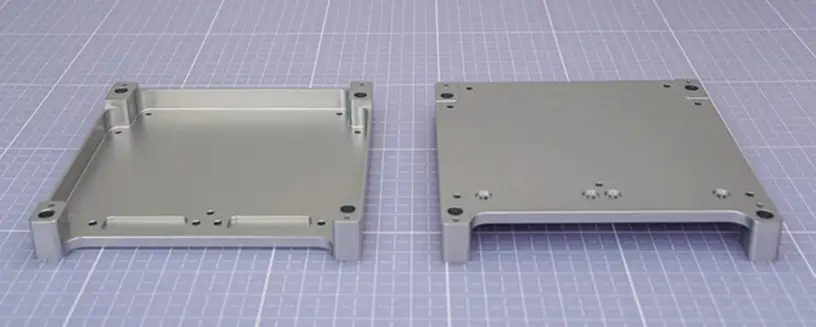
Case 1: Aerospace 7075-T6 Bracket (±0.005mm)
- Challenge: Complex 3D bracket with 0.3mm thin walls, ±0.005mm tolerance, true position ≤0.005mm. Other shops quoted 12 days with 25% scrap risk.
- Zorapid Solution: Stress-relieved T651 stock, 5-axis machining, adaptive toolpaths, CMM inspection.
- Result: 99.8% first-pass yield, ±0.004mm actual tolerance, delivered in 4 days. Passed aerospace fatigue testing.
2: Medical PEEK Implant (±0.01mm)
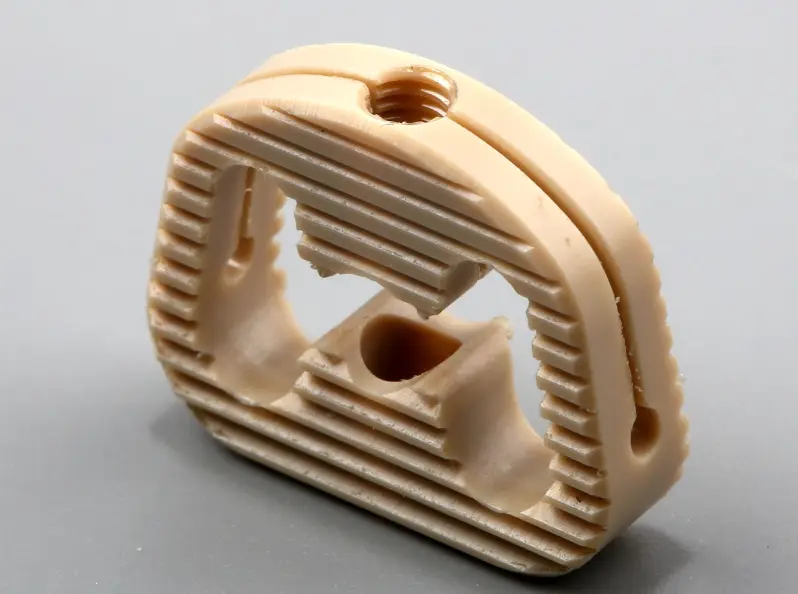
- Challenge: Custom patient-specific PEEK implant with deep grooves, ±0.01mm tolerance, Ra ≤0.4μm finish. Required MRI compatibility.
- Zorapid Solution: Low-heat toolpaths, sharp uncoated tools, temperature-controlled machining.
- Result: Flawless fit, MRI-compatible, ±0.008mm tolerance, delivered in 3 days. Used in spinal surgery.
3: 420SS Mold Insert (±0.005mm)
- Challenge: 80mm-deep cavity with vertical walls, ±0.005mm tolerance, Ra ≤0.2μm finish. Required 1M+ cycle durability.
- Zorapid Solution: Hardened 420SS, TiAlN coated tools, high-pressure coolant, mirror finishing.
- Result: Mirror finish, perfect dimensional stability, delivered in 5 days. 2M+ cycles with no wear
Key Applications for Tight-Tolerance CNC Machining
Tight tolerances are non-negotiable for these high-stakes industries:
- Aerospace: Structural components, turbine parts, landing gear, satellite parts (±0.005mm critical).
- Medical Devices: Implants, surgical guides, instrument housings, mold inserts (ISO 13485 compliant).
- Precision Optics: Lens mounts, optical benches, alignment fixtures (flatness ≤0.003mm).
- High-Performance Automotive: Racing engine parts, suspension components, fuel system parts.
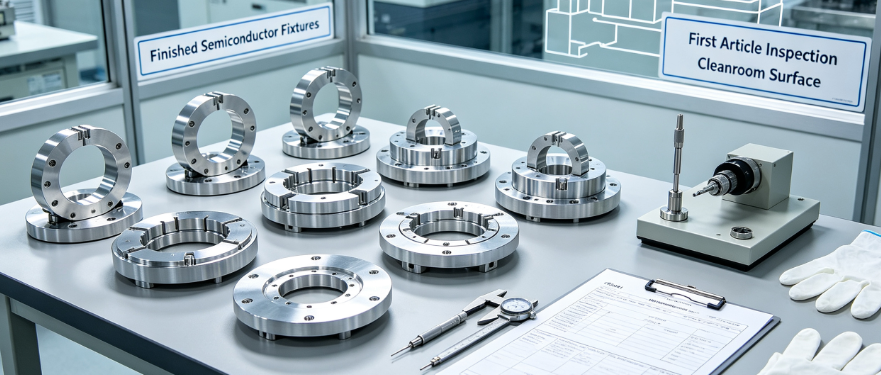
- Semiconductor: Equipment components, wafer holders, precision stages (ultra-clean, tight tolerance).
- Tool & Die: Injection molds, blow molds, die-cast molds (mirror finishes, long life).
Delivery Speed: Fast Tight-Tolerance Results
We know precision projects can’t wait. Our optimized process delivers:
- Prototypes (1–5 pieces): 3–5 days
- Low-Volume (10–500 pieces): 5–7 days
- High-Volume (500+ pieces): 10–14 days
- Rush Orders: 24–48 hour turnaround for critical aerospace/medical projects
Why we’re faster: 24/7 CNC machining, dedicated precision programming team, in-house CMM inspection, and no unnecessary quality red tape.
Industry Whitepaper: CNC Tolerance Trends 2026–2027
Key Trends Shaping the Industry
- Miniaturization: Demand for smaller, tighter-tolerance parts in medical, aerospace, and electronics (driving ±0.005mm adoption).
- GD&T Complexity: More engineers using true position, profile, and flatness controls—requiring specialized inspection expertise.
- Material Expansion: Tight tolerances in PEEK, titanium, and high-strength aluminums—once considered unmachinable to micron levels.
- Cost Efficiency: Shift from over-tightening to strategic tolerancing—saving 20–30% on costs without sacrificing performance.
- Compliance Strictness: Aerospace/medical OEMs requiring full tolerance traceability and CMM data—no more paperwork shortcuts.
Critical Industry Challenges
- Skill Gap: Few machinists understand thermal expansion, tool deflection, and GD&T inspection—leading to high scrap rates.
- Equipment Costs: High-rigidity 5-axis machines and CMMs are expensive—most shops can’t afford them.
- Material Warping: Hard/high-strength materials warp easily—ruining tight tolerances.
Zorapid’s Position
We’re the leading tight-tolerance machining partner for aerospace, medical, and precision OEMs. We’re investing in AI-driven tolerance prediction, next-gen tool coatings, and cleanroom machining to meet 2026–2027’s ultra-precision demands.
Conclusion
CNC machining tolerances aren’t just numbers—they’re the foundation of precision, reliability, and performance. Tight tolerances (±0.005mm) aren’t impossible—they just require expertise, the right equipment, and a process that controls variation at every step.
Most shops either avoid tight tolerances or fail consistently. At Zorapid, we’ve turned micron-level precision into a repeatable, cost-effective process. We solve the warping, tool wear, and inspection challenges that others can’t—delivering aerospace/medical-grade parts on time, every time.
Whether you’re designing aerospace components, medical implants, or precision optics—Zorapid is your tight-tolerance partner. We bring expertise, precision, and speed to every project, so you can focus on innovation, not machining headaches.
Ready to master tight-tolerance CNC machining? Contact us today for a free quote and DFM analysis.
FAQ
What’s the difference between ±0.01mm and ±0.005mm?
5 microns—but it’s a world of difference. ±0.005mm is twice as precise, critical for high-stakes fits (bearings, seals, medical implants). It requires temperature control, high-rigidity machines, and expert tooling.
Can you hold ±0.005mm tolerances in any material?
Yes—but some materials are harder than others. We routinely hold ±0.005mm in aluminum, steel, stainless, brass, and PEEK. Titanium is ±0.008mm (still industry-leading).
Do tighter tolerances always mean higher cost?
Not with strategic tolerancing. Over-tightening all features increases cost—but tightening only critical features (±0.005mm) and loosening non-critical ones (±0.1mm) keeps costs manageable. We help you optimize this for free.
What’s the maximum size part you can machine to ±0.005mm?
Up to 1200mm × 600mm × 300mm on our 5-axis machines. We handle large precision components for aerospace and industrial machinery.
Do you offer GD&T inspection and verification?
Yes—we’re AS9100 certified for GD&T inspection. We verify true position, flatness, perpendicularity, concentricity, and more with our CMM. Full inspection reports provided.
What surface finish comes with ±0.005mm tolerances?
Ra ≤0.2μm (mirror finish) on most materials—no hand polishing required. Perfect for medical, aerospace, and cosmetic parts.
Can you handle 1-piece prototypes with ±0.005mm tolerances?
Absolutely—no minimum order quantity. We specialize in 1-piece aerospace/medical prototypes with the same precision as high-volume runs.
How do you prevent warping in thin-wall tight-tolerance parts?
Three ways: stress-relieved stock, low-stress adaptive toolpaths, and temperature-controlled machining. We guarantee zero warping on 0.2mm thin walls.