Published:Zorapid.Ltd
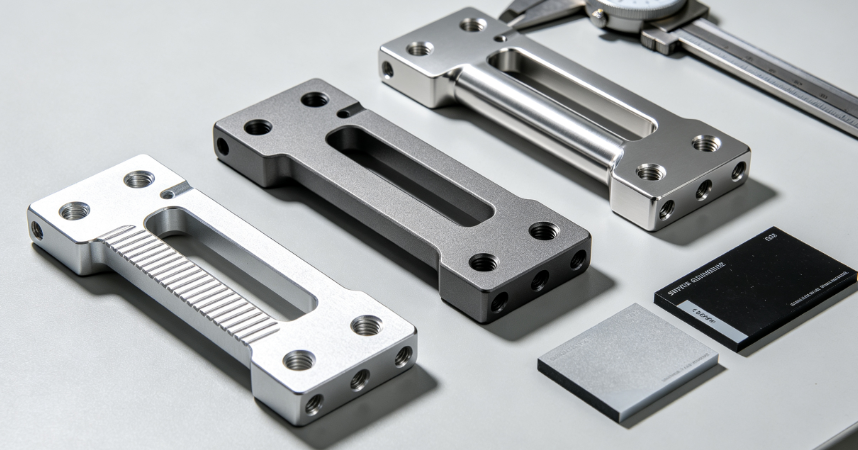
Secondary operations cover all work performed after primary CNC turning/milling/5-axis machining to meet functional, cosmetic, regulatory, assembly and durability specs.
All processes must be fully documented in PFMEA, Control Plan and PPAP for automotive/aerospace parts.
Core Categories
- Edge refinement: deburr, radiusing, edge breaking
- Precision material removal: honing, grinding, lapping, polishing
- Thermal treatment: stress relief, hardening, tempering, HIP
- Surface coating & passivation: anti-corrosion, wear, conductivity, low-outgassing
- Cleaning & particulate removal: general wash, precision ultra-clean, VDA19 technical cleanliness
- Assembly integration: inserts, fasteners, overmolding, bonding
- Permanent marking: laser engraving, electrochemical marking
- Validation inspection: leak test, hardness, conductivity, fatigue sampling
- Preservation & packaging: rust inhibition, ESD shielding, sterile packaging (medical)
Key DFM Rule: Sequence operations to avoid re-contamination or surface damage (cleaning almost always final before coating/packaging).
Deburring & Edge Finishing (Critical Pre-Treatment Step)
Eliminate micro-burrs, swarf, sharp knife edges that cause assembly injury, seal leakage, plasma arcing (semiconductor), stress cracking, coating adhesion failure.
Mechanical Deburr
- Manual: ceramic abrasive brushes, diamond files, non-woven abrasives (low-volume prototypes only; high contamination risk)
- Automated CNC in-machine deburr: rotary ceramic tools, high-frequency oscillating spindles (best for controlled repeatability, auto mass production)
- Tumbling / vibratory finishing: media tumble, plastic/ceramic media for small complex parts; limits tight tolerance control
- Cryogenic deflashing: cold media blasting for thin delicate metals (brass, thin aluminum; avoid hardened steel micro-pitting)
- Abrasive Flow Machining (AFM): forced abrasive media through internal blind holes, cooling channels, manifolds (aerospace, hydraulic auto valves)
Chemical / Electrochemical Deburr
- Electrochemical deburr (ECD): selective metal dissolution on burrs only; ideal for deep blind holes, complex internal geometry, aluminum/steel/titanium
- Chemical etching deburr: acid bath micro-etch to remove micro-burrs (medical titanium implants)
Edge Breaking / Radiusing
- Controlled micro-radius edge breaking R0.05–R0.5 mm for sealing surfaces, threaded holes, safety-critical components
- Mandatory for: hydraulic valve seats, EV conductive copper bus bars, aircraft CFRP mating metal brackets, medical implant edges
Precision Dimensional Correction & Post-Machining Finishing
For tight tolerance, low Ra functional surfaces (sealing journals, bearing bores, optical mating faces, RF electrodes)
- Grinding: Surface grinding, cylindrical OD/ID grinding, centerless grinding for shafts; correct post-machining warpage, achieve Ra 0.2–1.6 μm
- Honing: ID bore honing for hydraulic cylinders, valve spools; creates cross-hatch oil retention pattern, tight cylindricity
- Lapping / Superfinishing: Ultra-precise flat lapping, sphere lapping; Ra ≤0.01 μm for semiconductor copper RF electrodes, optical fixtures
- Polishing:
- Mechanical buff polishing: mirror finish for stainless steel, brass decorative hardware
- Electropolishing: selective grain smoothing, removes machining damaged surface layer; mandatory for medical Ti alloy, UHV semiconductor OFHC copper (low outgassing, no embedded particulate)
- Fixture Straightening / Stress Relieve Straightening: Cold press straighten thin aluminum/copper parts post-machining to eliminate warpage before coating
Surface Modification & Cosmetic Finishing
Blast Texturing
- Glass bead blasting: matte uniform cosmetic finish, low surface roughness increase; aerospace structural aluminum
- Aluminum oxide blasting: heavy texturing for coating adhesion
- Dry ice blasting: residue-free surface cleaning/texturing without embedded media
Mechanical Texturing
- Roller burnishing: cold work surface to increase fatigue strength, close micro-pores (shaft journals, threaded fasteners)
- Knurling: grip surfaces for assembly hand-turn components
Corrosion Protection & Functional Coatings
Split into conversion coatings (thin, substrate-bonded) and topcoat paints/epoxies; sequence rule: Deburr → Precision Clean → Coating
Conversion Coatings (No Significant Dimensional Build)
- Passivation (Stainless 304/316): nitric/citric bath, forms inert chromium oxide layer; medical, semiconductor, food equipment
- Anodizing (Aluminum 6061/7075):
- Type I / II (sulfuric thin film): cosmetic, mild corrosion
- Type III Hardcoat anodize: wear resistant, thick coating for EV housings, hydraulic pistons
- Chromate Conversion (Al/Zinc): yellow/clear trivalent chromate; auto chassis fasteners (hexavalent Cr banned RoHS)
- Phosphate (Carbon Steel): manganese/zinc phosphate, primer base for paint, mild rust resistance
5.2 Electroplating (Controlled thickness build 2–20 μm)
- Zinc plating + chromate seal: low-carbon steel auto brackets, fasteners (road salt corrosion protection)
- Nickel plating: wear barrier, uniform base for chrome; chemical EN electroless nickel for complex blind geometry (auto hydraulic valves)
- Hard chrome plating: high wear resistance for piston rods, bearing journals
- Silver plating / Gold plating: OFHC copper EV bus bars, semiconductor RF contacts (high conductivity, low contact resistance)
Organic Topcoats
- Powder coating: thick durable corrosion barrier, auto chassis components, equipment housings
- Liquid paint / e-coat: mass automotive body brackets, uniform thin coverage
- PTFE/Teflon coating: low friction self-lubricating surfaces (valve spools, slide pins)
Advanced Functional Thin Film Coatings (PVD/CVD)
- DLC Diamond-Like Carbon: ultra-low friction, high hardness; medical surgical instruments, precision bearing surfaces
- TiN / TiCN coating: wear resistance for mold inserts, precision sliding components
Thermal Secondary Processes
Must be performed before precision finishing/coating to avoid dimensional shift
- Stress Relief Annealing: Aluminum, copper, Invar; eliminate CNC machining residual stress to prevent post-coating warpage
- Hardening & Tempering: 4140, 4340, H13 tool steel; quench + temper to target hardness HRC 28–52 for structural auto/aero parts
- Case Hardening: Carburizing, nitriding, carbonitriding; surface harden low-carbon steel gears, shafts
- HIP Hot Isostatic Pressing: Titanium, aerospace aluminum AM parts; eliminate internal porosity, improve fatigue life (always before finish machining)
- Cryogenic Treatment: Stabilize steel microstructure post-hardening, reduce residual austenite, minimize dimensional drift over temperature cycles
Assembly, Fastener Installation & Overmolding
Performed after cleaning and coating (mask critical functional surfaces)
- Insert installation: self-clinching nuts/studs, threaded brass inserts pressed into aluminum housings
- Thread forming / thread rolling: post-machining cold form stronger threads vs cut tapping
- Press-fit assembly: pins, bearings, sleeves pressed into machined bores with controlled tonnage
- Adhesive bonding: structural epoxy, anaerobic thread locker; torque control validation
- Multi-shot overmolding: LSR/TPE soft seals over metal substrates (medical fluid fittings, EV battery gaskets); requires plasma surface activation for bond strength
- Welding secondary assembly: TIG/MIG laser tack weld brackets onto machined base parts (aerospace fixtures)
- Torque calibration: threaded fastener torque marking, torque audit records for PPAP
Precision Cleaning, Technical Cleanliness & Contamination Control
General Industrial Washing
- Aqueous alkaline spray wash: remove coolant, oil, metal swarf; multi-stage rinse + hot air dry
Precision Ultra-Clean Processes (Auto Hydraulic / Medical / Semiconductor)
- Ultrasonic DI water cleaning: multi-stage bath sequence (detergent → cascade DI rinse → IPA rinse → nitrogen bake dry)
- VDA 19 Technical Cleanliness: mandatory for auto fuel/hydraulic valve manifolds; gravimetric particulate extraction, particle size classification (≤4μm / 4–10μm / >10μm)
- Solvent vapor degreasing: low VOC solvent for heavy oil residue (regulated environmental controls)
- Plasma cleaning: surface activation for overmolding bonding, ultra-low particulate semiconductor components
Critical Sequence Rule
All coating, plating, bonding, packaging operations follow final precision clean; rework requires full re-cleaning.
Marking, Labeling & Traceability
Mask sealing/journal surfaces during marking to avoid surface damage
- Fiber Laser Marking (Primary Industry Standard): permanent, no material removal; part numbers, serial UDI (medical), heat lot, OEM logos, QR traceability codes
- Electrochemical Etch Marking: low-cost marking on stainless/steel for high-volume auto parts
- Dot peen marking: deep permanent serial numbers for heavy structural aero components
- Ink stamping / adhesive labels: secondary outer packaging identification only Regulatory Mandates:
- Medical: UDI permanent laser marking per FDA ISO13485
- Aerospace: part serial traceability for AS9102 FAI
- Automotive: VIN component traceability QR codes for PPAP
Inspection, Validation & Quality Secondary Checks
All performed as final secondary step before packaging; data retained for PPAP/SPC
- Dimensional Re-Inspection: CMM, optical comparator, air gaging for critical CTQ features post all secondary processes
- Surface Roughness Testing: Ra profilometer for sealing, bearing, RF surfaces
- Hardness Testing: Rockwell/Vickers after heat treatment
- Coating Thickness Measurement: XRF magnetic thickness gauge for anodize, nickel, plating
- Adhesion Test: Cross-hatch tape test ASTM D3359 for paints/anodize
- Corrosion Salt Spray Test ASTM B117 (sampling batch validation)
- Helium Leak Testing: hydraulic manifolds, vacuum semiconductor chambers, medical fluid fittings
- Conductivity Testing: copper/brass EV conductive bus bars
- Fatigue / Cycle Testing: safety-critical auto steering/brake components (batch sampling)
- Visual 10x Magnification Inspection: micro-burr, scratch, coating void screening
Packaging, Preservation & Logistics Prep
Tailored to metal material and end-use environment
- Rust Prevention: VCI anti-corrosion film/paper, oil preservative (carbon steel only)
- ESD Shielded Packaging: copper, brass semiconductor conductive components (ANSI/ESD S20.20)
- Barrier Medical Packaging: ISO11607 sterile foil pouches, nitrogen purge
- Custom Foam / Thermoformed Trays: prevent part-to-part scratch during transit
- Palletization & Labeling: batch lot numbers, MTR cross-reference, OEM shipping labels, RoHS/conflict mineral declaration slips
Industry-Specific Mandatory Secondary Full Flow
Automotive CNC Components (IATF16949 / PPAP)
Raw Machining → Stress Relief → Deburr AFM/ECD → Aqueous Wash → VDA19 Technical Cleanliness → Hardcoat/EN Plating → Torque Insert Press Fit → Laser QR Trace Mark → CMM Layout + Salt Spray Sampling → VCI ESD Packaging
Mandatory extras: VDA19 cleanliness, torque validation, coating thickness logging, annual salt spray batch testing
Aerospace Titanium / Aluminum Structural Parts (AS9100 / NADCAP)
5-Axis Machining → HIP (AM only) → Stress Relief → Electrochemical Deburr → Glass Bead Blast → Electropolish / Type III Hardcoat → Precision DI Ultrasonic Clean → Laser Serial Mark → NDT Penetrant DPI Inspection → Dry Barrier Packaging
Mandatory extras: NADCAP certified plating/heat treat, DPI NDT, full serial traceability 15-year record retention
Medical Titanium / Stainless Implants (ISO13485 / ISO10993)
CNC Milling → Chemical Deburr → Ultrasonic Multi-Stage DI Clean → Electropolish → Passivation → Plasma Sterilization Prep → UDI Laser Mark → Bioburden Reduction → ISO11607 Nitrogen Purge Sterile Packaging
Mandatory extras: endotoxin testing, biocompatibility extractable testing, no embedded abrasive media
Semiconductor OFHC Copper / Brass Conductive Hardware (SEMI S2)
Turn/Mill → In-Machine Ceramic Deburr → Dry Ice Blast → Multi-Stage 18.2MΩ DI Ultrasonic Clean → Nitrogen Bake-Out (120°C 4hr) → Electropolish → XRF Contamination Scan → Laser Mark → ESD Nitrogen Purge Barrier Bag
Mandatory extras: ASTM E595 low-outgassing testing, zero ferrous particulate validation, helium UHV leak testing
Defect Risks & Process Sequence Best Practices
Common Sequence Errors & Consequences
- Coating before deburr → burrs trap coating, seal leakage, premature corrosion
- Marking before precision polishing → laser micro-craters remain on functional sealing surfaces
- Heat treatment after plating → coating blister, dimensional distortion
- Mechanical tumble deburr after precision finishing → scratch mirror low-Ra surfaces
- General oil wash before medical ultra-clean process → residual organics fail biocompatibility/outgassing tests
Standard Universal Optimal Sequence (All Industries Base Template)
- Primary CNC Machining
- Thermal processing (stress relief / hardening / HIP)
- Heavy deburr / edge breaking / AFM internal channel finishing
- Straightening / cold fixture correction
- Rough general washing to remove heavy coolant/swarf
- Precision finishing (grind / hone / electropolish / lapping)
- Coating / plating / anodizing (mask CTQ sealing surfaces)
- Assembly / insert pressing / overmolding / bonding
- Final precision ultra-cleaning (industry-specific DI/plasma wash)
- Permanent traceability laser marking
- Full validation inspection (dimensional, coating, leak, cleanliness sampling)
- Anti-corrosion/ESD sterile packaging & labeling
Process Sequence Decision Checklist
All thermal operations completed before precision finishing and coating
Heavy deburr internal channel AFM/ECD performed prior to fine polishing
Critical sealing/journal surfaces masked during blasting, plating, marking
Final ultra-precision cleaning executed immediately before coating/packaging
All secondary sub-suppliers (plating, heat treat, cleaning) hold required accreditations (NADCAP, ISO17025)
Each secondary operation mapped in PFMEA, linked control plan sampling & reaction plans
Batch traceability maintained through every secondary step (lot traveler log)
Industry mandatory tests (VDA19, salt spray, outgassing, bioburden) scheduled as final inspection sampling
Packaging matched to material risk: VCI for steel, ESD for conductive copper, sterile barrier for medical