Published:Zorapid.Ltd
If you’re building industrial machinery, automation hardware, robotics frames or sensor enclosures as an early-stage startup, you’ve definitely hit this wall:
You only need 1, 5, or 12 functional prototypes to test fit, run lab trials, and pitch investors — but every CNC shop you email demands 100+ minimum orders, or slaps on crazy non-recurring tooling fees just for small batches.
Wasting cash on hundreds of unused parts, waiting weeks for slow quotes, or settling for flimsy 3D printed plastic that fails real-world stress tests? That’s the startup manufacturing nightmare Zorapid built our low MOQ CNC prototyping service to fix.
This guide breaks down exactly how low-minimum CNC machining cuts your R&D costs, speeds up product iterations, and lets you validate industrial equipment designs without blowing your limited seed budget. No overly technical jargon, no sales fluff — just straight talk for hardware founders and mechanical engineers.
Why Industrial Startups Hate Traditional CNC Prototyping
Let’s keep it real. Most standard CNC manufacturers operate for mass production, not startup R&D. Their rules kill early-stage industrial projects in three big ways:
- High mandatory MOQs (50–200 units minimum) force you to buy inventory you don’t need
- Separate tooling setup charges for every design revision; each tweak costs hundreds extra
- Slow turnaround times (10–18 business days) stall your testing and launch timeline
- They prioritize large-volume orders, so your small prototype batch gets pushed to the back of the production queue
For industrial equipment startups, this creates a terrible loop:
You can’t confirm your mechanical design works without physical parts → suppliers won’t make small test runs → you sink thousands into unneeded bulk stock just to get prototypes.
What Low MOQ CNC Prototyping Actually Solves for Hardware Teams
Low MOQ CNC prototyping means custom precision machined parts with minimum orders starting at 1 single unit, built for industrial equipment R&D teams on tight budgets and fast iteration schedules.
Here’s exactly what it fixes for your startup:
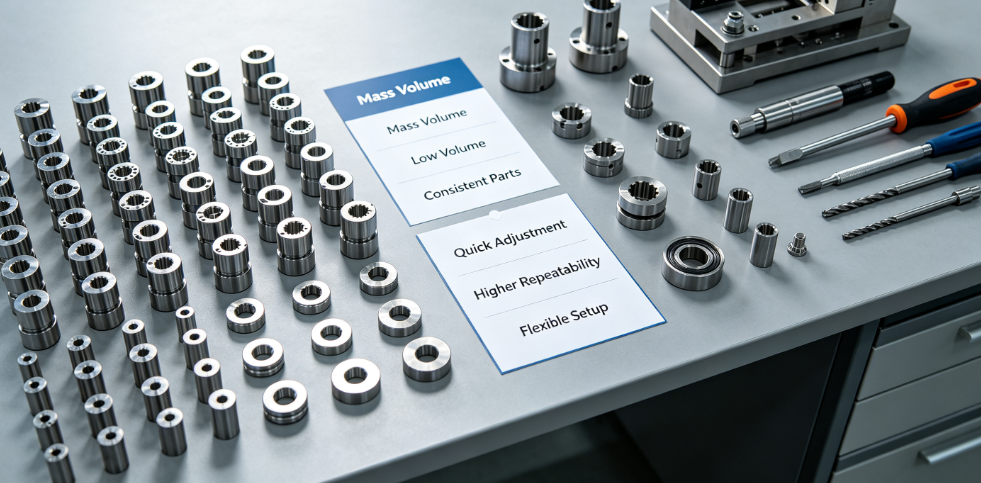
Test 3–5 design versions without committing to large production batches
Use production-grade metals and engineering plastics (no cheap prototype-only materials)
Skip expensive custom mold tooling entirely — CNC machines directly from your CAD files
Pay only for the prototypes you order; zero forced excess inventory waste
Adjust dimensions, tolerances, or surface finishes mid-project without massive rework fees
Meet industrial-grade tolerances (±0.001 mm) for robotics, automation, power equipment parts
For industrial hardware, functional testing isn’t optional. A plastic 3D print won’t survive vibration, heat, or load testing in your equipment. Low MOQ CNC gives you real, end-use material prototypes to validate performance before you touch mass production.
CNC vs. 3D Printing: Why CNC Wins for Industrial Equipment Prototypes
Lots of early founders default to 3D printing for small runs, but industrial machinery prototypes have unique stress and durability requirements. We break the key differences plain and simple:
| Feature | Low MOQ CNC Machining | Standard 3D Printing |
|---|---|---|
| Materials | Aluminum, stainless steel, brass, PEEK, ABS, PC (full industrial stock) | Limited resin, basic nylon; few structural metals |
| Tolerance Accuracy | ±0.001mm precision for tight mechanical fits | ±0.05mm loose tolerance, poor mating |
| Real-World Testing | Handles heat, vibration, heavy load industrial conditions | Fragile; fails long-term mechanical trials |
| Surface Finish | Anodized, bead blasted, polished, hard coat industrial finishes | Rough layer lines, limited coating options |
| Batch Flexibility | 1–50 units low MOQ, easy design edits | Slow for multiple iterations, weak structural output |
Quick bottom line: If your prototype needs to act like your final industrial machine part, CNC is the only reliable choice. 3D prints work for visual show models — not functional equipment validation.
Zorapid’s Low MOQ CNC Workflow
We built our prototyping process exclusively for industrial startup engineers, so every step cuts delay and extra cost. Here’s how simple it works:
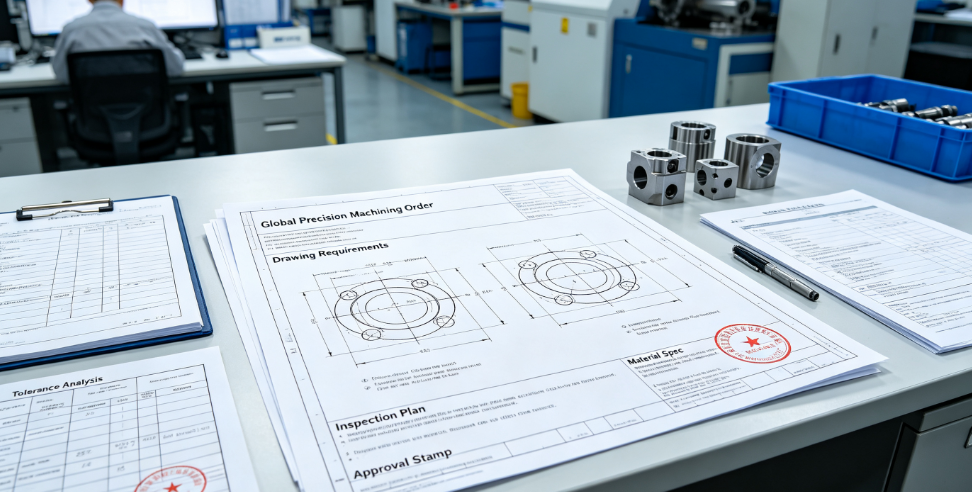
- Upload your STEP/IGS CAD files + 2D technical drawings via our online RFQ form
- Our engineering team sends a full DFM review + transparent quote within 24 hours
- Confirm specs, material, surface finish, and order quantity (MOQ 1 unit minimum)
- CNC production runs on our 3/5-axis precision mills, dedicated prototype production line
- Full QC inspection with dimension reports before packaging
- Express shipping to US/EU warehouses in 3–7 business days post-production
Key Zorapid startup perks you won’t find at generic CNC shops:
- Zero mandatory tooling charges for small prototype batches
- Free minor design revisions for your first iteration round
- In-house finishing: anodizing, sandblasting, passivation, laser marking
- NDA signing available for all confidential industrial equipment designs
- Dedicated account engineer for startup R&D projects, no generic support lines
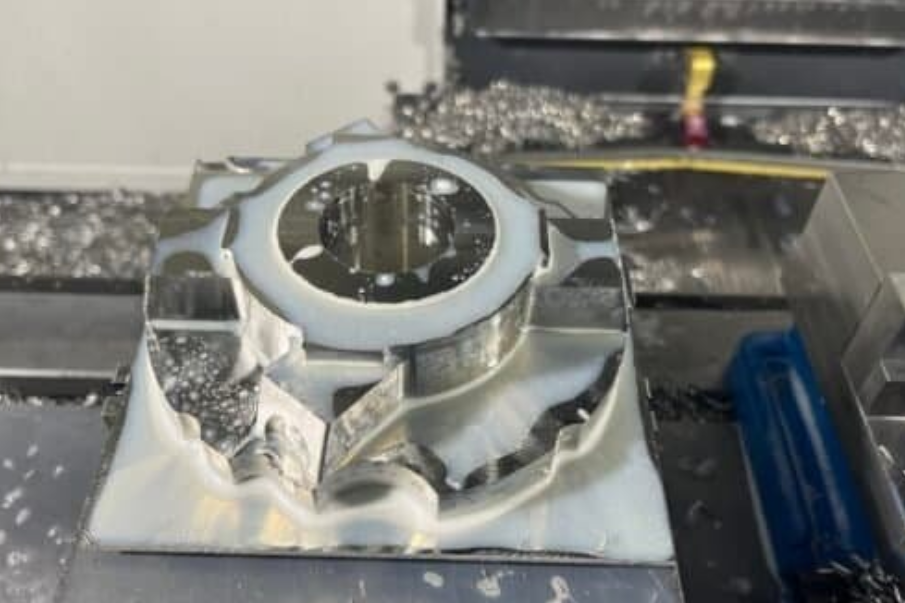
Real Startup Case: Robotics Equipment Prototype Iteration
One of our long-term clients is a US-based industrial robotics startup building automated conveyor actuators. Their original pain point?
They needed 3 different frame prototypes (5 units each) to test assembly fit, but local US CNC suppliers quoted a 100-unit minimum per design, plus $800 setup fees per revision. Total projected cost: over $12,000 just for test parts.
They switched to Zorapid low MOQ CNC prototyping:
- Ordered 5 units × 3 frame designs (total 15 prototypes, MOQ 1 per design)
- No separate tooling setup fees
- Full aluminum 6061-T6 material with clear anodize finish
- Delivered to their Texas lab in 6 business days
- Total cost cut by 62% vs. their local supplier quote
After testing, they adjusted mounting hole dimensions and ordered a second small batch of 8 revised frames — again with no extra setup charges. They locked their final mechanical design 3 weeks faster than their original timeline, and secured a $750k seed round shortly after functional demo testing.
This isn’t an outlier. Every month, we work with automation, sensor, power equipment, and machinery startups cutting their R&D spend with flexible low-volume CNC runs.
Top Materials We Machine for Industrial Hardware Prototypes
All materials are stocked in-house for fast low-MOQ turnaround, built to match final industrial production specs:
Metals (Most Popular for Equipment Frames & Structural Parts)
- Aluminum 6061 / 7075: Lightweight, corrosion resistant, perfect for robotics housings
- Stainless Steel 304 / 316: High heat & chemical resistance for factory machinery
- Brass: Electrical terminal components, precision fittings
- Titanium Grade 5: High-stress industrial sensor hardware
Engineering Plastics (Insulation, Light Duty Enclosures)
- PEEK: High temperature, wear-resistant automation internal parts
- ABS / PC: Control panel casings, equipment exterior covers
- Delrin (POM): Low-fitness gears, sliding mechanical assemblies
We’ll always recommend the most cost-effective material for your testing goals during the quoting phase — no pushing overpriced aerospace stock when standard aluminum works for your prototype trials.
FAQ
What’s your absolute minimum order quantity for CNC prototypes?
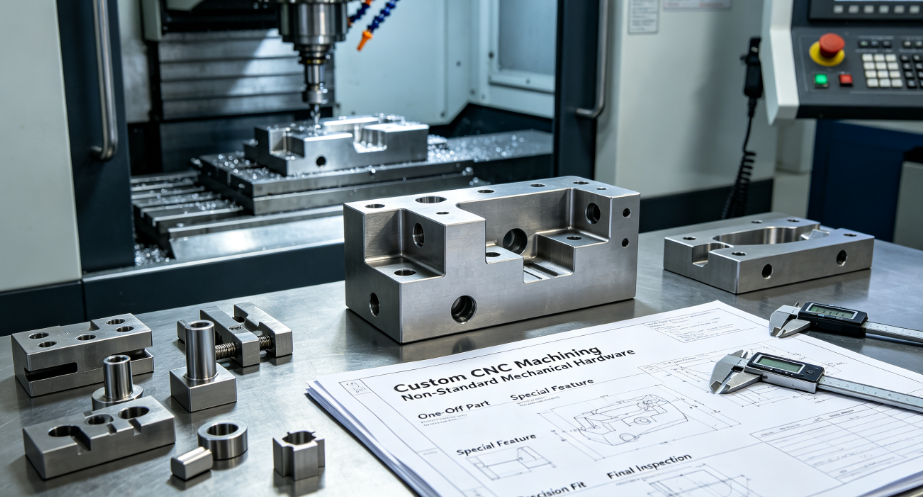
1 single unit. We regularly produce one-off custom industrial test parts for early-stage startup R&D teams, no minimum surcharge to hit arbitrary volume requirements.
How fast can I get my low-MOQ CNC prototypes shipped to Europe or the US?
Standard production lead time is 3–5 business days. Rush expedited 48-hour machining available for time-sensitive testing. Express air freight adds 3–5 days to EU/US door delivery.
Do you charge extra for design changes mid-prototype run?
Minor dimension tweaks for your first iteration batch come free. Larger structural redesigns only incur small machining labor fees, no full tooling reset costs like traditional manufacturers.
Can you handle tight industrial tolerances for automation equipment?
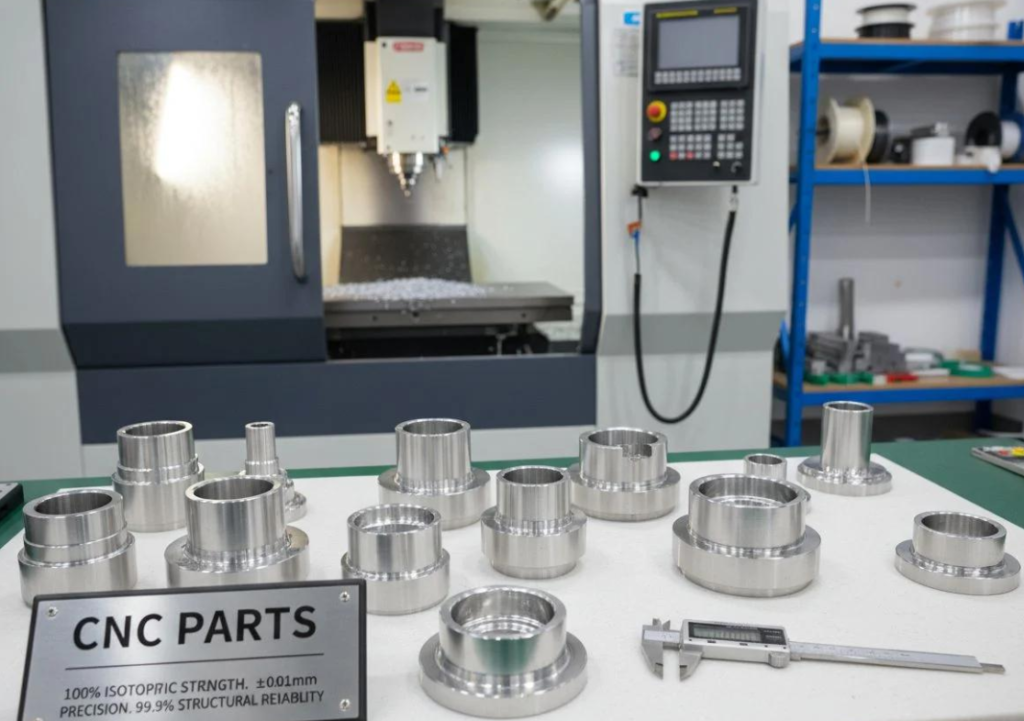
Yes. Our 5-axis CNC centers hold consistent ±0.001mm tolerances for critical mating parts, gear mounts, and sensor brackets required for industrial machinery. We include full CMM inspection reports with every order.
Do you sign NDAs for confidential startup industrial designs?
Absolutely. We offer standard mutual NDAs for all hardware startup clients, and all prototype files are securely stored with restricted internal access to protect your IP.
Is low MOQ CNC more expensive per part than mass production?
Per-unit pricing is naturally higher for 1–50 piece batches, but you eliminate massive upfront tooling costs and wasted excess inventory. For startup R&D validation, the total project spend is far lower than forcing large MOQ bulk orders you don’t need.
Ready to Get Your First CNC Prototype Quote?
Stop wasting your startup runway on rigid high-MOQ CNC suppliers that don’t understand industrial hardware R&D timelines.
Zorapid’s low MOQ CNC prototyping service is built exclusively for early-stage industrial equipment, robotics, automation, and machinery founders. Upload your CAD files today to receive a no-obligation, transparent quote with free DFM design feedback within 24 hours.
Whether you need one single test piece or a 50-unit pilot batch, we deliver production-grade precision parts fast, with zero hidden setup fees.