I still remember the awe I felt the first time I watched a CNC lathe in operation. An ordinary metal bar, untouched by human hands, was automatically transformed into a precision motor shaft smooth enough to reflect a person’s silhouette. This almost magical processing method completely overturned my perception of traditional workshops. Today, let’s talk about CNC turning technology, known as the engine of the manufacturing revolution.
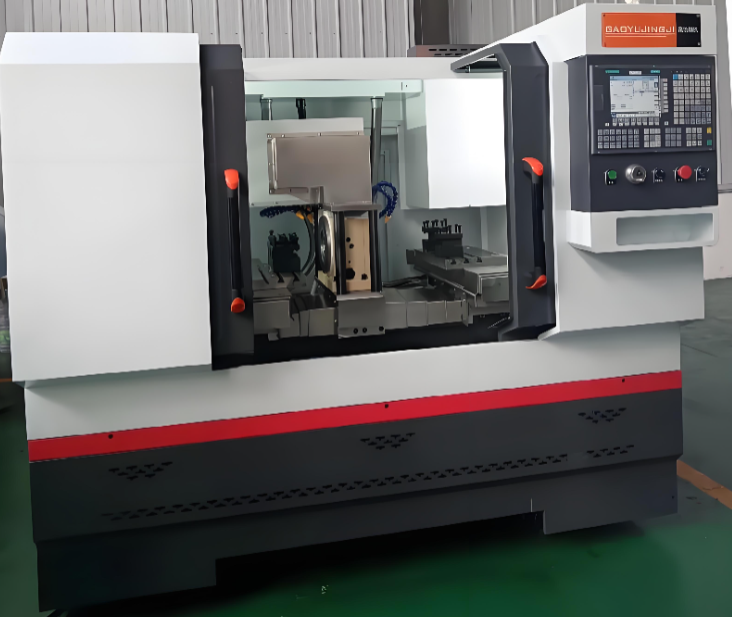
Why has CNC turning revolutionized traditional machining?
After visiting dozens of factories of various types, I have summarized the core advantages of CNC turning that appeal most to manufacturers:
Precision & Consistency: Eliminate reliance on veteran skilled workers
Traditional Machining: Dimensional deviations of over 0.1mm may occur within the same batch of parts.
CNC Machining: Tolerances are stably controlled within 0.02mm, ideal for high-precision fields such as aerospace.
Complex Geometry Forming: Make special-shaped parts cost-effective
Through multi-axis linkage control, modern CNC lathes can machine complex parts in a single setup that would otherwise require multiple procedures with conventional processing methods. For example, artificial joints in the medical industry feature intricate curved surfaces, which are a signature strength of CNC turning.
Material Adaptability: An all-round performer from aluminum alloy to titanium alloy
The same CNC lathe can process aluminum alloy UAV components in the morning, and switch programs to machine medical titanium alloy bone nails in the afternoon. This outstanding material compatibility stems from:
Digitally adjustable cutting parameters
Adaptive automatic cooling systems
Intelligent tool wear compensation
Production Efficiency: The Miracle of One Operator Managing Ten Machines
One technician can manage 8 CNC lathes simultaneously, achieving five times the daily output of traditional workshops.
Programmed mass production
Automatic loading and unloading devices
On-line quality inspection systems
Cost Paradox: Higher Initial Investment, Yet Lower Long-Term Costs
Although a single CNC lathe often costs hundreds of thousands, its overall comprehensive cost is actually lower when calculated over a five-year cycle.
The reject rate drops from 8% to 0.5%.
Labor costs are reduced by 60%.
Equipment utilization rises to 85%.
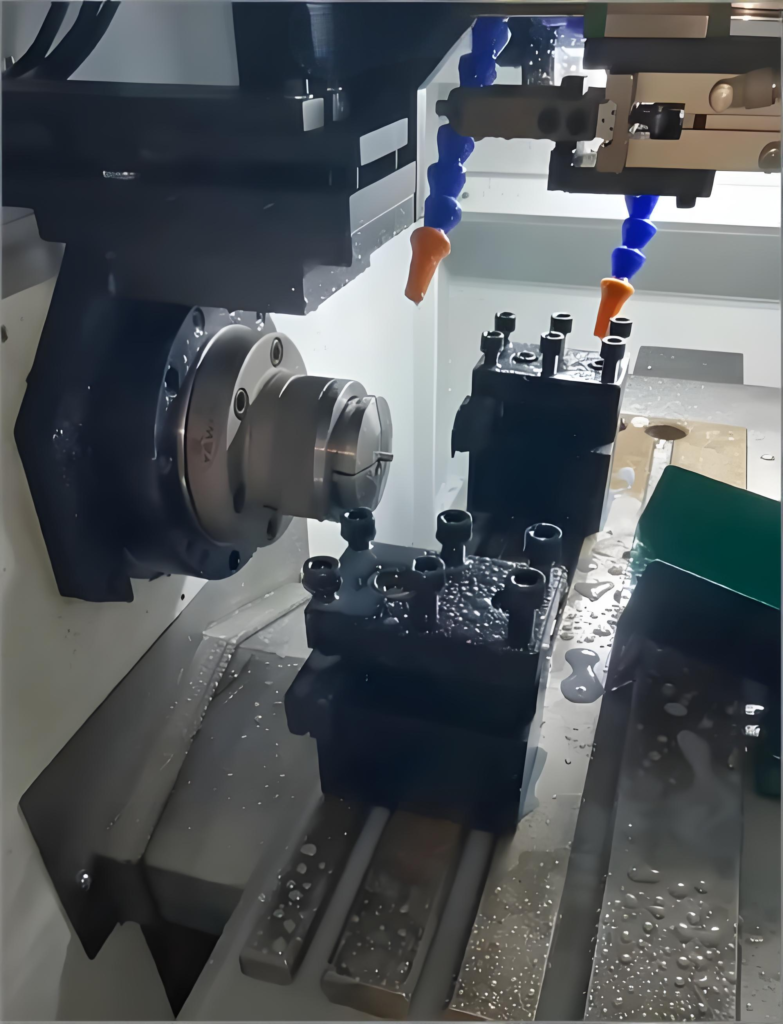
Working Principle of CNC Turning
Programming: Translate engineering drawings into machine language
Technicians use CAM software to convert CAD design drawings into G-code. Machining a flange may include:
G01 X50. Z-20. F200 (Linear cutting to coordinate X50 Z-20, feed rate 200mm/min)
M03 S1500 (Spindle forward rotation, spindle speed 1500rpm)
G76 P010060 Q100 R0.1 (Thread cutting cycle)
Clamping
Unlike conventional three-jaw chucks, modern CNC lathes widely adopt hydraulic or pneumatic fixtures, which can complete workpiece positioning within 0.5 seconds with a repetitive positioning accuracy of 0.003 mm. After a bearing manufacturer implemented a zero-point positioning system, its product changeover time was shortened from 45 minutes to 90 seconds.
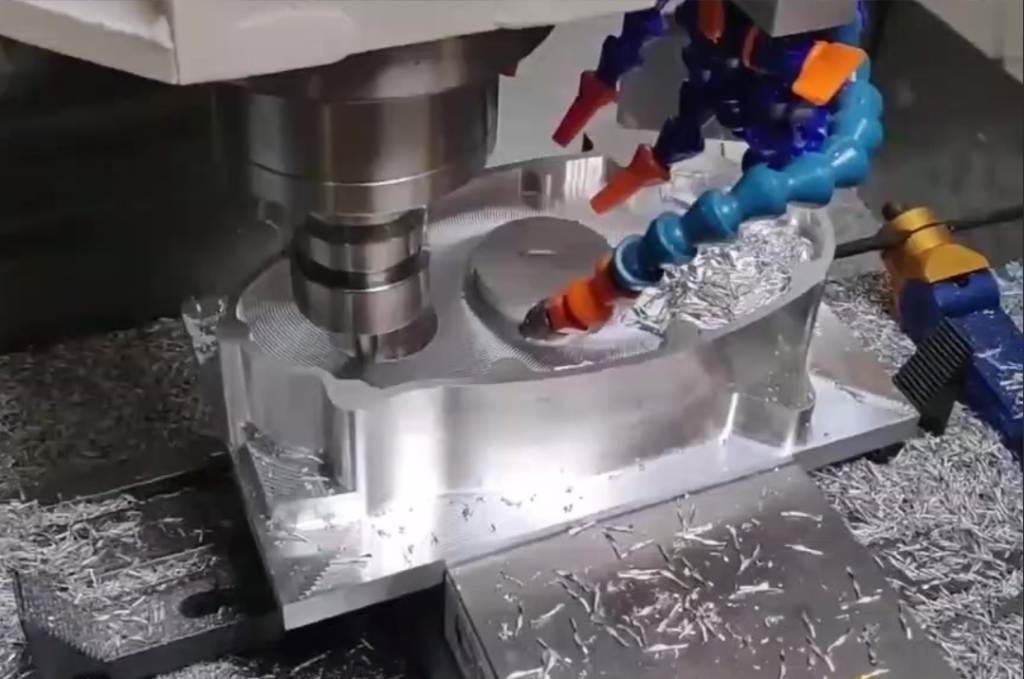
Machining: The Precise Interpretation of Mechanical Ballet
While the spindle drives the workpiece to rotate, the tools on the turret move following programmed commands. The coordinated motion of the two is just like a well-choreographed dance. The latest turn-mill centers can even complete all processes including turning, milling and drilling in a single clamping setup.
Which industries rely heavily on CNC turning?
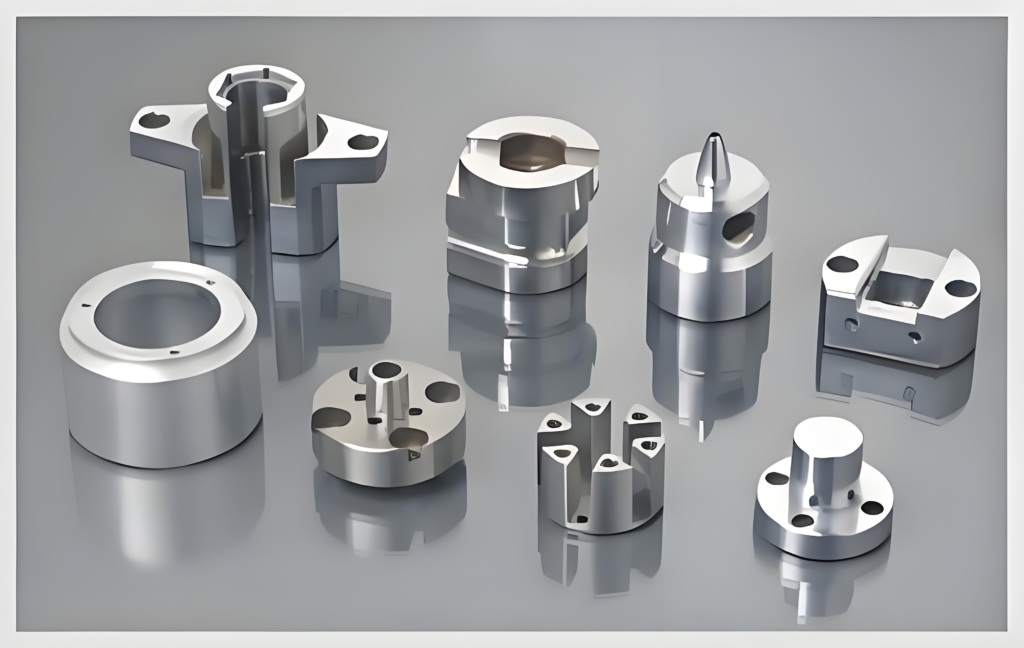
CNC turning plays a core role in multiple fields:
Industry ,Typical Parts ,Precision Requirement,Special Requirements
Aerospace:Engine blade tenon ±0.005 mm Superalloy machining
Automobile Manufacturing:Transmission gear shaft ±0.01 mm High-volume consistency
Medical Devices:Artificial joint ball head Surface roughness Ra 0.2 Biocompatibility treatment
Electronic & Communication:5G base station RF connector Roundness 0.003 mm Micro feature machining
The Essence of CNC Turning: When Traditional Lathes Meet Computerized Brains
Traditional lathe: Senior operators turn the handwheel with one hand and hold calipers with the other, machining parts entirely by experience and tactile feel. A simple stepped shaft may require repeated measurement 5 to 6 times.
CNC lathe: After technicians input the program, the machine completes all operations automatically. The machining accuracy reaches 0.005 mm, equivalent to 1/15 of the diameter of a human hair, and it can operate nonstop for 24 hours.
Computer Control System: Acts as the “brain” of the machine tool, accurately parsing G-code commands.
Servo Drive System: Converts electrical signals into mechanical motion, with a positioning accuracy of 0.001mm.
Automatic Tool Change System: Rapidly switches different tools like a “mechanical manipulator” to complete complex processing procedures.
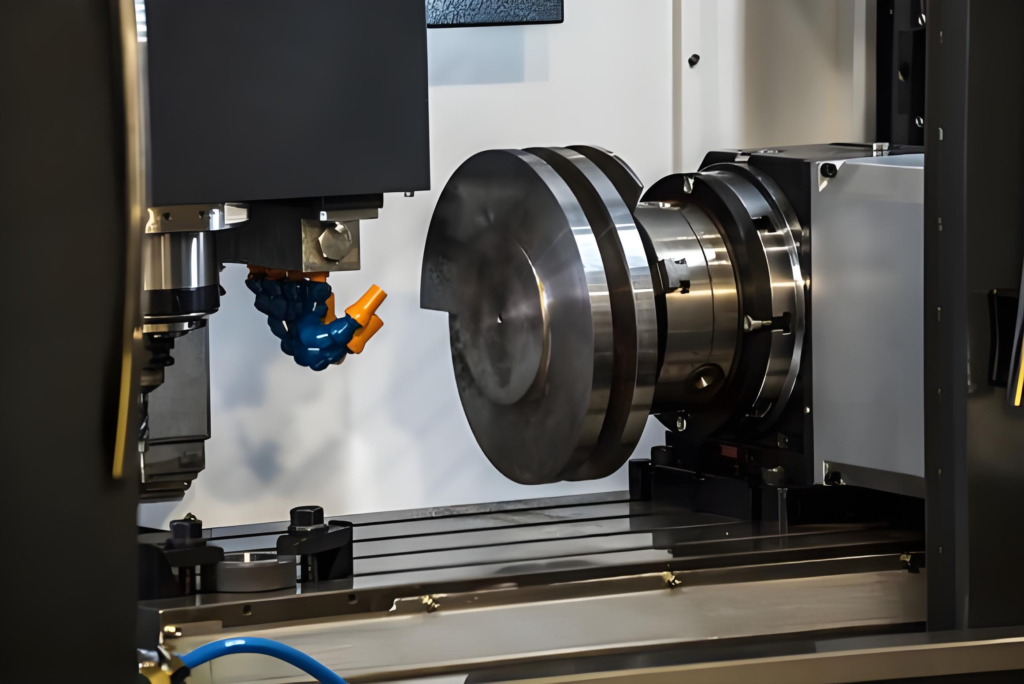
Dual evolution of intelligence and miniaturization
IoT Integration: Machine tools automatically report tool wear conditions and predict maintenance schedules.
AI Programming: The system generates optimized processing solutions automatically after importing 3D models.
Miniaturized Machining: Desktop CNC lathes for precision medical devices are gaining popularity.
The essence of digital transformation in the manufacturing industry is not about machines replacing humans, but freeing people from repetitive labor to engage in more creative work.