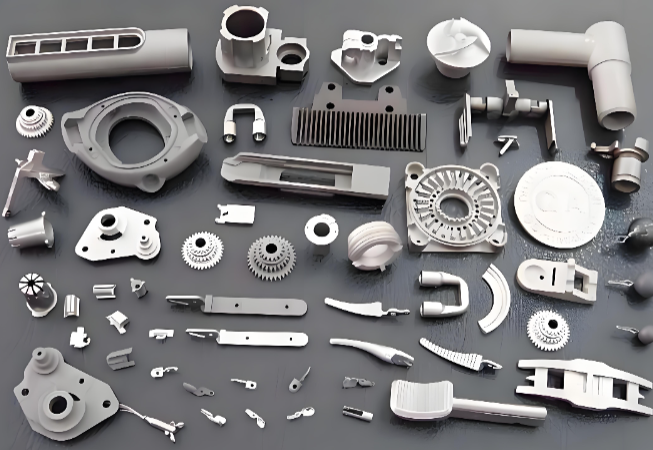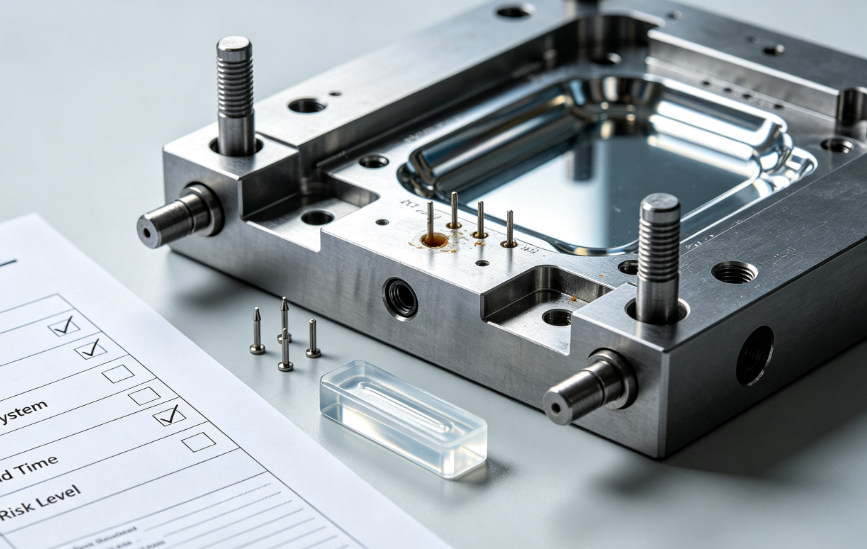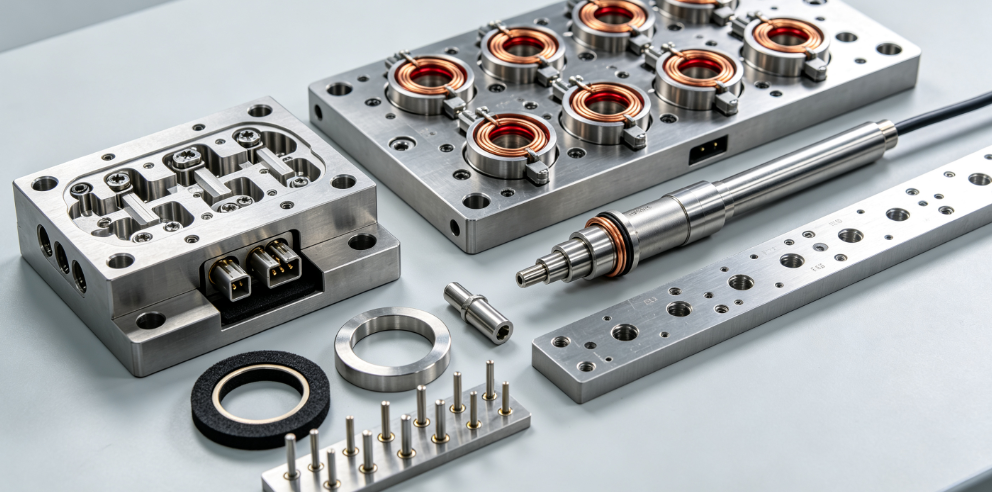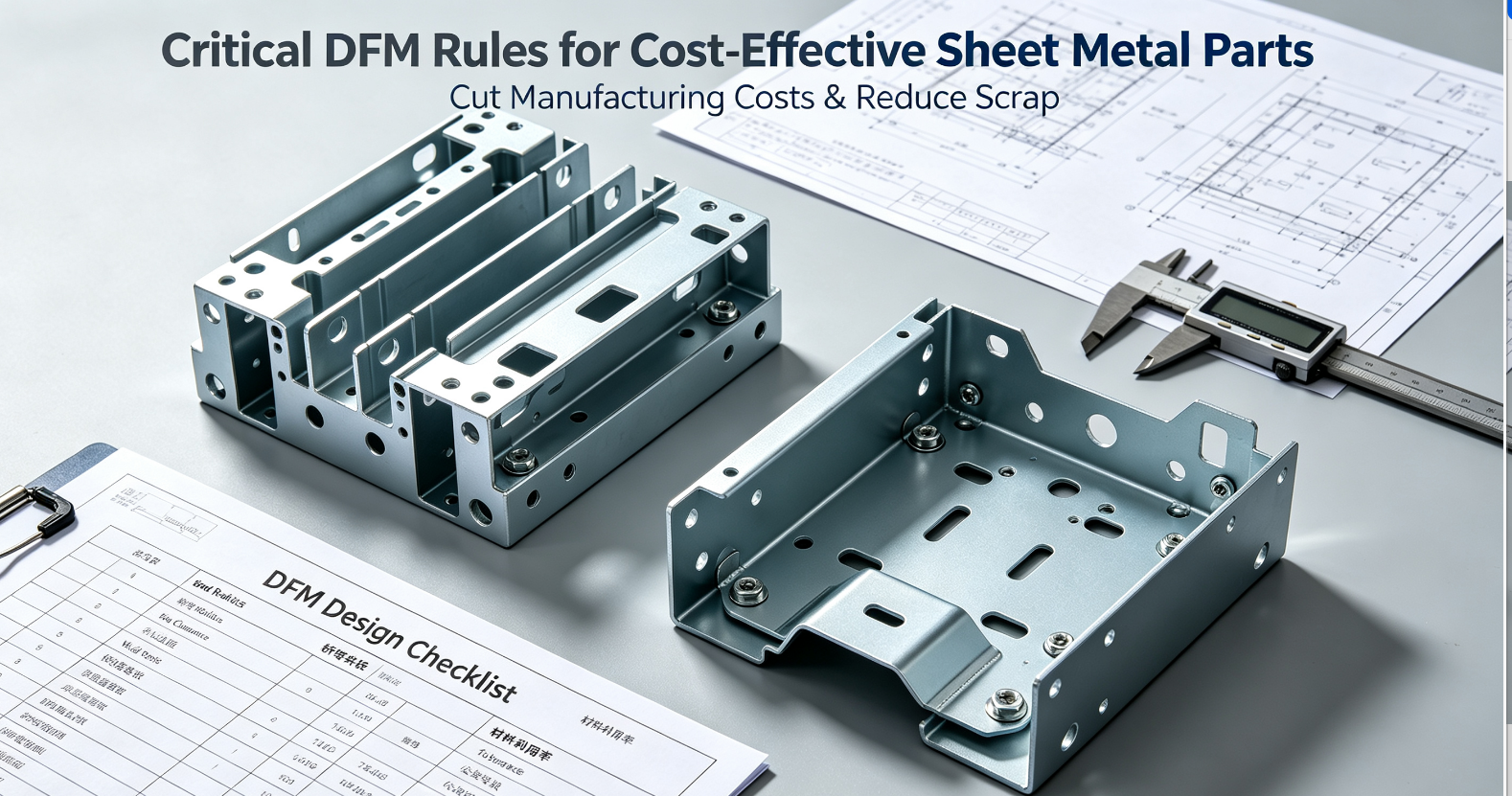
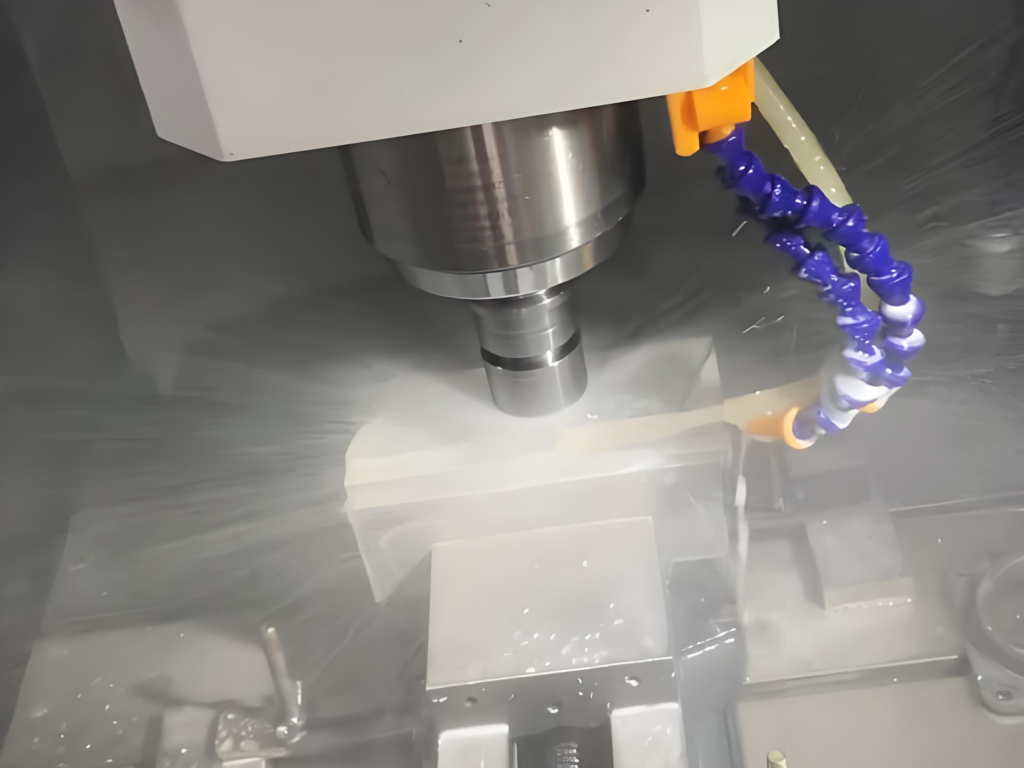
Ever wondered how automotive and aerospace core parts are made? CNC machining. It precisely shapes various materials via programmed instructions. This guide simplifies CNC machining fundamentals.
What is CNC Machining?
CNC machining is an advanced automated manufacturing tech. It uses pre-programmed instructions to control machine and tool movement, removing workpiece material to make spec-compliant parts. Its core generates G-code/M-code from CAD models to guide cutting tools along X, Y and Z axes.
History and Development
CNC evolved from ancient carving and mechanical processing; modern NC originated in the 1940s. In 1949, Parsons partnered with MIT to develop motor-driven machine control for the U.S. Air Force, producing helicopter blades and aircraft frames and founding NC technology.
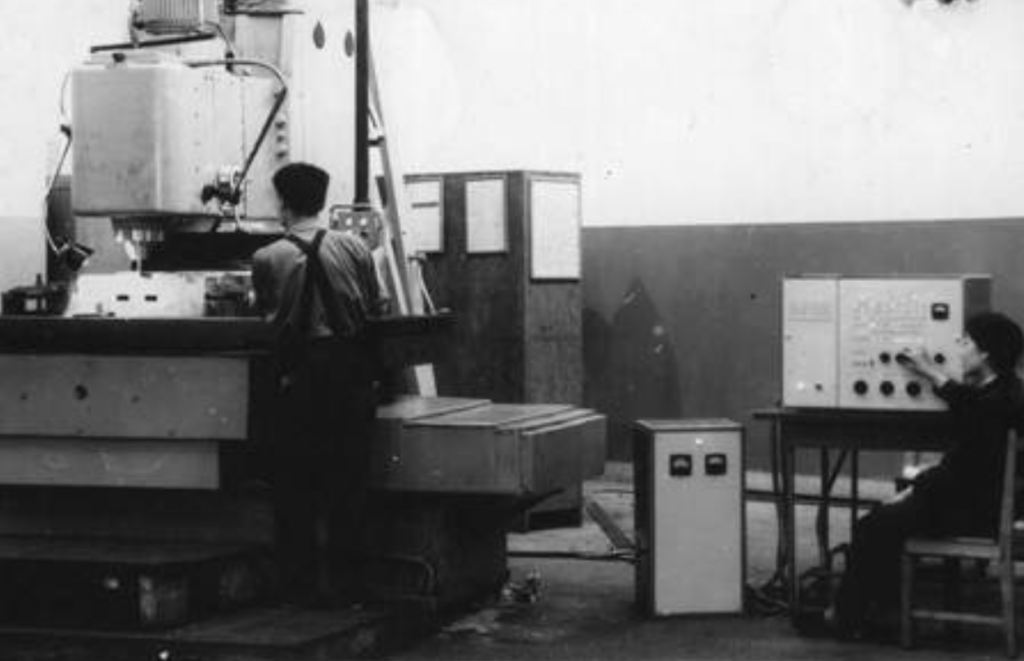
In the late 1950s, the Massachusetts Institute of Technology collaborated with the U.S. Air Force on a project aimed at further improving manufacturing efficiency and precision. This collaboration led to the invention of Computer Numerical Control (CNC) technology, which replaced punch cards with computer-generated data to control machine tools.
In 1972, Computer-Aided Design (CAD) and Computer-Aided Manufacturing (CAM) systems emerged. CAD software enables engineers to create detailed 3D model designs, while CAM software converts these designs into instructions readable by CNC machines. In 1976, CAD and CAM systems were integrated into CNC machining. By 1989, machine tools controlled by CAD andCAM software had become the industrial standard for CNC equipment.
Working Principle of CNC Machining
CNC machining drives machine tools through computer programs to complete the automated process from design to finished products. Its workflow consists of four key steps:
Step 1: Create a CAD Model
The first step of machining is to create 2D or 3D part models using Computer-Aided Design (CAD) software. Common programs include SolidWorks, AutoCAD, and the open-source FreeCAD. For complex parts, the design may be divided into multiple sub-components, with a corresponding CAD model for each. Beginners can quickly grasp basic CAD skills via online tutorials, while sophisticated designs usually require professional designers.
Step 2: CNC Programming
CNC machines can’t read CAD files directly; they need converting to G-code to define motion paths and parameters. Example: G01 X10 Y20 moves the tool linearly to X10 Y20.
Fusion 360 generates G-code directly, while Mastercam and other CAM tools optimize toolpaths to save time and reduce tool wear, with machining simulation to spot errors upfront.
Step 3: Execute CNC Machining
Load and run the G-code program through the machine tool control panel. The equipment automatically performs cutting, drilling, grinding and other operations as instructed. For instance, manufacturing a phone case involves face milling, screw hole drilling and logo engraving.
CNC machining runs nearly unattended, only pausing for operator intervention or failures like tool breakage and power cuts. Modern CNC machines feature real-time sensors to auto-alert abnormalities.
Types of CNC Machining
CNC machining covers a wide range of processes tailored to different materials and part requirements. The main categories include: CNC Milling, CNC Turning, CNC Drilling and CNC Grinding.
CNC Milling
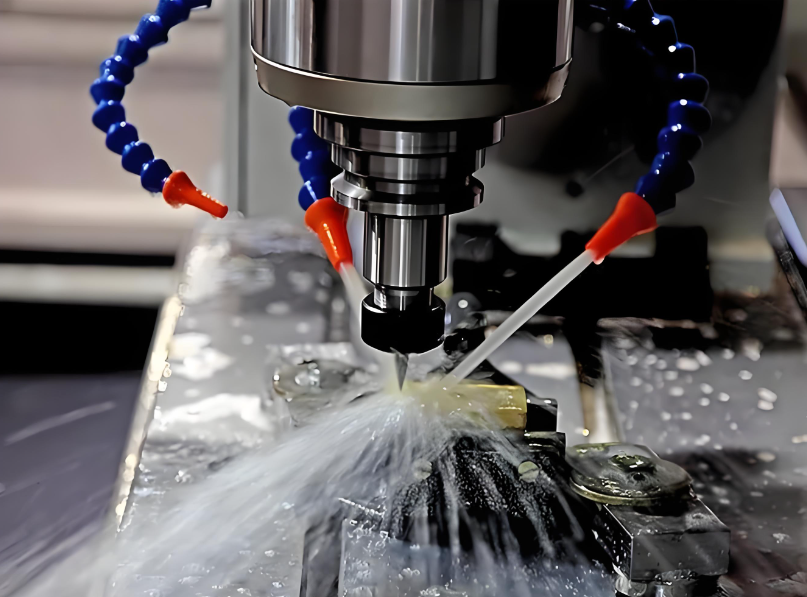
CNC milling uses rotating cutters to machine fixed workpieces to precise specs. It supports end mills, reamers, face mills and taps for versatile cutting.
CNC milling is ideal for processing planes, grooves, holes and complex curved surfaces. For example, mold manufacturing often requires 5-axis milling machines to realize multi-angle cutting.
CNC Turning
CNC turning (lathe machining) fixes materials such as metal and plastic on a rotating chuck. The cutting tool evenly removes excess material from the rotating workpiece to form the required shape. It is widely applied to produce cylindrical and symmetrical parts.
CNC Drilling
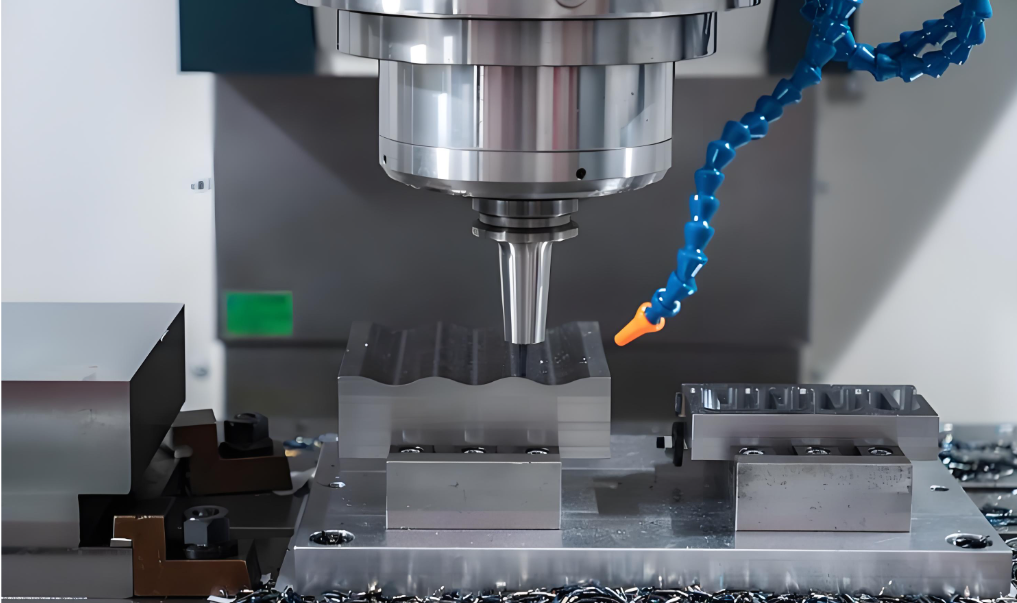
CNC drilling uses rotating drill bits to create holes on workpieces. This process features simple operation and high efficiency. For example, mounting holes on circuit boards are generally completed by CNC drilling.
CNC Grinding
CNC grinding uses high-speed wheels for premium surface finishes, ideal for precision parts like bearings and gears. Diamond and alumina wheels are selected based on workpiece material.
Other CNC Machining Processes
Laser Cutting: It cuts metals, plastics or wood with a laser beam, with a precision up to 0.1mm.
Plasma Cutting: It cuts conductive materials via high-temperature plasma arcs, ideal for thick steel plates.
Waterjet Cutting: It cuts various materials with high-pressure water flow, leaving no heat-affected zones, and is suitable for stone and glass.
Electrical Discharge Machining (EDM): It melts materials by electric sparks, widely used for processing complex molds.
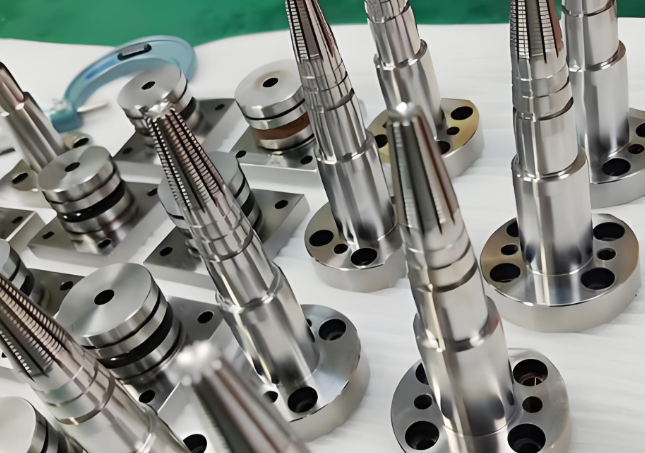
CNC Machining Materials
CNC machining supports a wide range of materials to meet the demands of various industries:
Metallic Materials
Aluminum Alloy
Lightweight, high-strength aluminum alloys offer easy machinability and great corrosion resistance. At 2.7g/cm³, aluminum is one-third the density of copper and steel. Common grades: 1060, 2A12, 2024, 5052, 6061, 6063, 7075.
Stainless Steel
Stainless steel is a blended alloy mainly consisting of carbon, iron, chromium, nickel and molybdenum.
To be defined as stainless steel, the chromium content must exceed 10.5%. Stainless steel features high strength, great ductility, outstanding wear resistance and corrosion resistance. It is also easy to weld, machine and polish. Stainless steel with different component ratios delivers distinct properties and application scenarios. Common stainless steel grades: 301, 303, 304, 304L, 316, 316L, 420, 430, 440C, 17-4PH, etc.
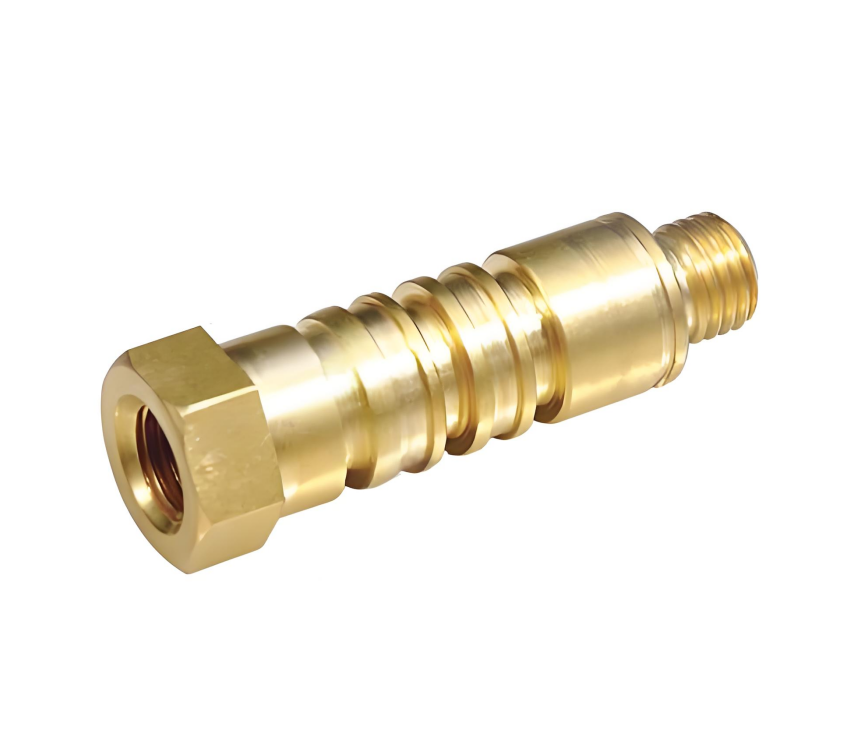
Brass
Brass is a copper alloy composed of copper and zinc. It features good ductility, wear resistance, corrosion resistance, as well as excellent machinability and electrical conductivity.
Common brass grades include H59, H62 and more
Titanium Alloy
Titanium alloy is an ideal material for CNC machine processing, featuring high strength and low weight. It has excellent rust resistance and good biocompatibility, which allows it to be safely used inside the human body. Common titanium alloy grades: TA1, TA2, TA5, TC4, etc.
Plastic Materials
ABS – Engineering Plastic
ABS is a polymer blended from Acrylonitrile, Butadiene and Styrene, named after their initials.
integrates premium traits of its three monomers: oil resistance, stability, toughness, impact resistance, fluidity and low density. Widely CNC-machined for electronics enclosures, automotive parts, hardware, helmets, battery boxes and other components.
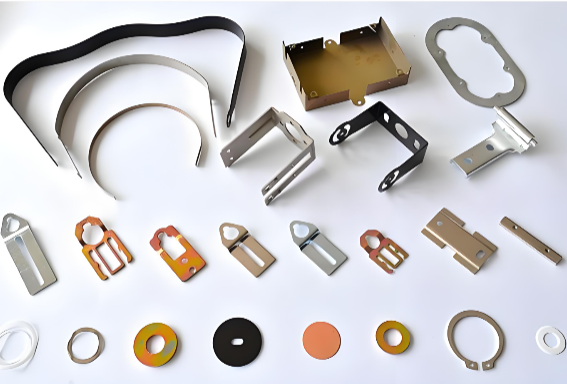
PC – Polycarbonate
Polycarbonate (PC) features high toughness, better impact resistance than ABS, clarity, heat resistance, easy machining and good colorability.
POM – Acetal / Delrin
POM (acetal/Delrin) offers high tensile strength and shock resistance, excellent chemical corrosion resistance, metal-like properties and easy machinability. Widely used in automotive, appliance, construction, electronics and sanitary industries.
PTFE – Teflon
PTFE (Polytetrafluoroethylene), commonly known as Teflon, features excellent weather resistance, electrical insulation, wear resistance, non-stick performance, and acid and alkali resistance, earning it the reputation as the “King of Plastics”. It is also one of the few plastic materials that can withstand high temperatures up to 200°C.
HDPE – High Density Polyethylene
HDPE (High Density Polyethylene) boasts great chemical resistance, high toughness, good elasticity and outstanding weather resistance. It is easy to machine, cost-effective, and food-contact safe.
PEEK (Polyetheretherketone) features extreme heat resistance and chemical resistance. It can withstand continuous high temperatures over 260°C and operate stably for a long time in harsh environments. Compared with other plastic materials, PEEK comes with a higher cost.
Advantages of CNC Machining
The key advantages of CNC machining are as follows:
High Precision: CNC-machined parts feature precise dimensional specifications without continuous manual monitoring from professionals or operators. Controlled by computer programs, human error is nearly eliminated. The tolerance of CNC machining can reach up to ±0.005mm, fully meeting the strict requirements of aerospace, medical and other high-end industries.
Automated CNC machining cuts manual work, enabling faster, consistent production and precise repeatability. One part takes minutes via CNC vs hours with manual machining.
CNC machines with up to 6 axes craft intricate parts. Unlike traditional machining’s multiple setups, multi-axis design cuts setup time and enables unmatched complex geometry, with 5-axis machining reaching angles impossible for 3-axis equipment.
Application Scenarios of CNC Machining
CNC machining is indispensable across multiple industries.
The main application scenarios are as follows:
Aerospace: Manufactures high-precision components such as turbine blades and landing gear to ensure lightweight design and operational safety.
Automotive Manufacturing: Produces engine blocks, drive shafts and interior parts to boost vehicle performance and fuel efficiency.
Medical Equipment: Fabricates orthopedic implants and surgical instruments that meet strict biocompatibility standards.
Electronics Industry: Processes circuit board brackets, heat sinks and equipment housings to satisfy miniaturization and high heat dissipation demands.
Architecture & Art: Carves intricate stone patterns including marble countertops to enhance decorative aesthetics.
Robotics & Automation: Enables rapid prototyping and supports the development of robot joints and outer casings.