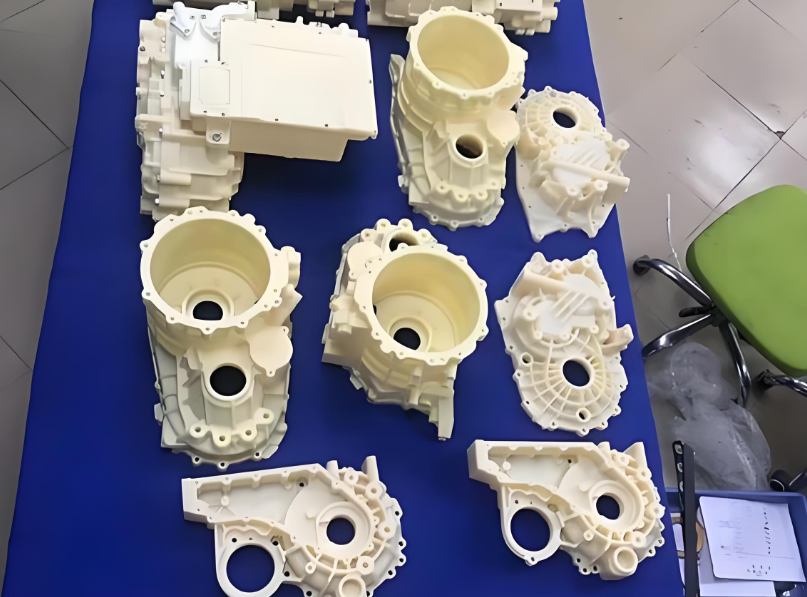
3D printing, also known as additive manufacturing, is a manufacturing process that creates three-dimensional objects by depositing materials layer by layer. Unlike traditional subtractive manufacturing, which cuts or shapes materials from solid blanks, 3D printing builds objects layer by layer from bottom to top. This technology enables the production of complex geometries that are difficult or impossible to make with conventional manufacturing methods.
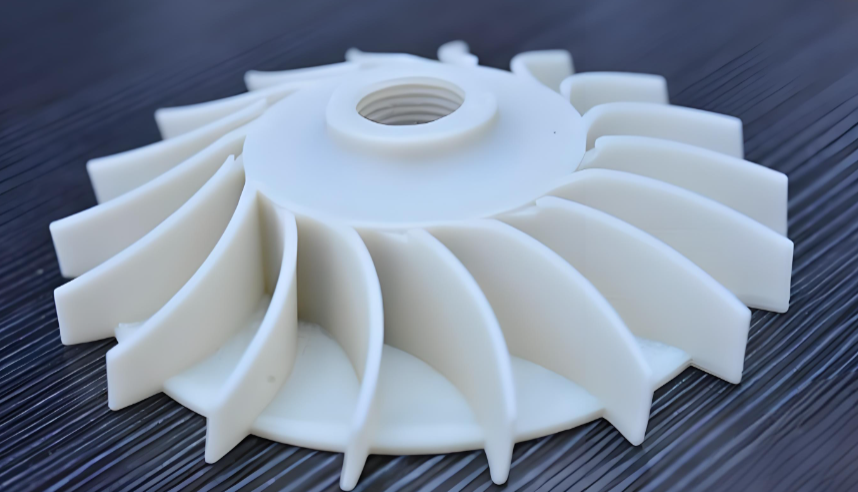
What are the types of 3D printing processes?
1:SLA Stereolithography
SLA 3D printing, or stereolithography, is a technology that creates 3D objects layer by layer using photocurable liquid resin. A laser or light source cures the liquid resin to shape the object from bottom to top. It is ideal for manufacturing detailed, high-precision prototypes and small parts with smooth surfaces.
2:SLS Selective Laser Sintering
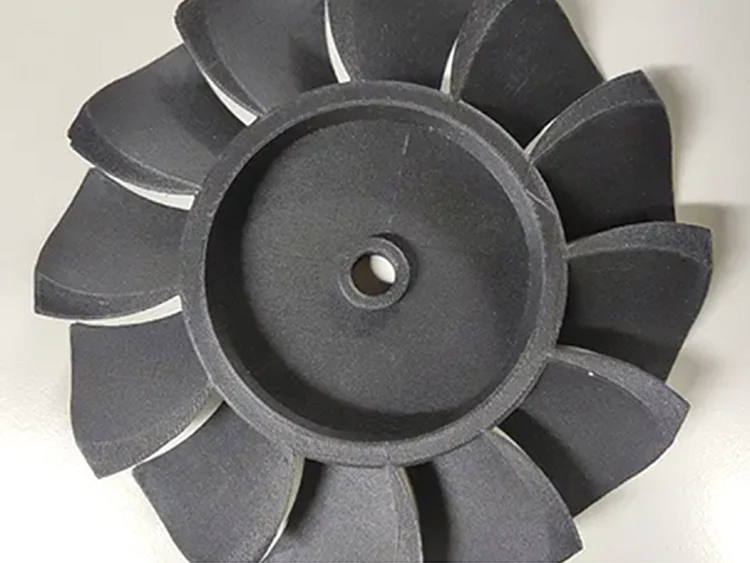
SLS 3D printing (Selective Laser Sintering) builds objects by selectively melting powdered materials layer by layer with a laser. The laser fuses and sinters powder particles to form solid 3D structures. It is widely used to produce durable functional prototypes and end-use parts from various materials, including plastics, metals and ceramics.
3:MJF (Multi Jet Fusion)
MJF (Multi Jet Fusion) is a 3D printing technology that builds parts layer by layer with liquid binding agents and fusing agents sprayed through inkjet nozzles. This process features high efficiency, delivering detailed, sturdy and fully functional parts with excellent surface quality.
4:SLM – Selective Laser Melting
SLM (Selective Laser Melting) is a 3D printing process. It adopts a high-power laser to selectively melt and fuse metal powder layer by layer, producing high-strength metal components. It is widely used to manufacture complex, durable metal parts for various industries.
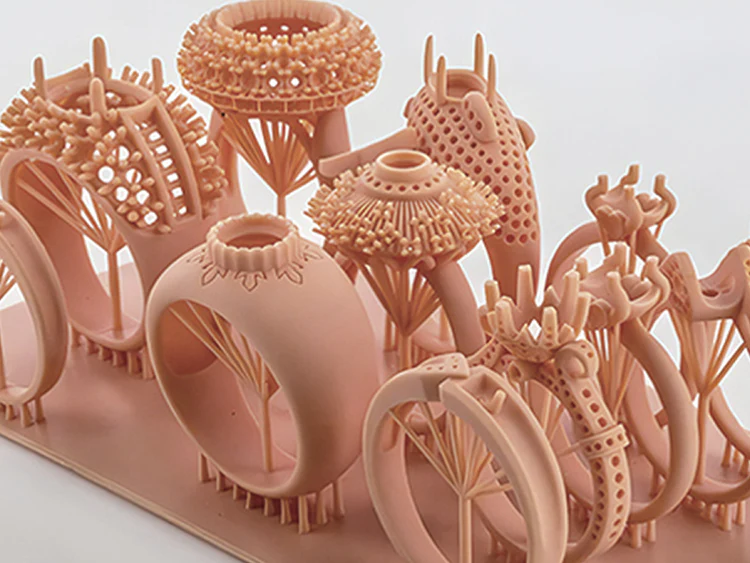
5:DLP (Digital Light Processing)
DLP is a 3D printing technology that builds 3D objects by curing liquid resin layer by layer with a digital light projector. The projector projects the cross-section of each layer, and the resin hardens under light exposure. DLP is renowned for its fast speed and capability to produce detailed prints with smooth surface finish.
6:FDM – Fused Deposition Modeling
FDM (Fused Deposition Modeling) is a 3D printing technology that builds objects layer by layer with melted plastic filaments. The filament is extruded through a nozzle, and the printer deposits material in precise patterns to form the final 3D shape. FDM is widely adopted for its simplicity, cost efficiency and versatility.
SLA – Stereolithography
Stereolithography resin molding is a 3D printing process that uses UV laser to scan liquid photosensitive resin layer by layer for precise curing and forming.
Standard White Resin
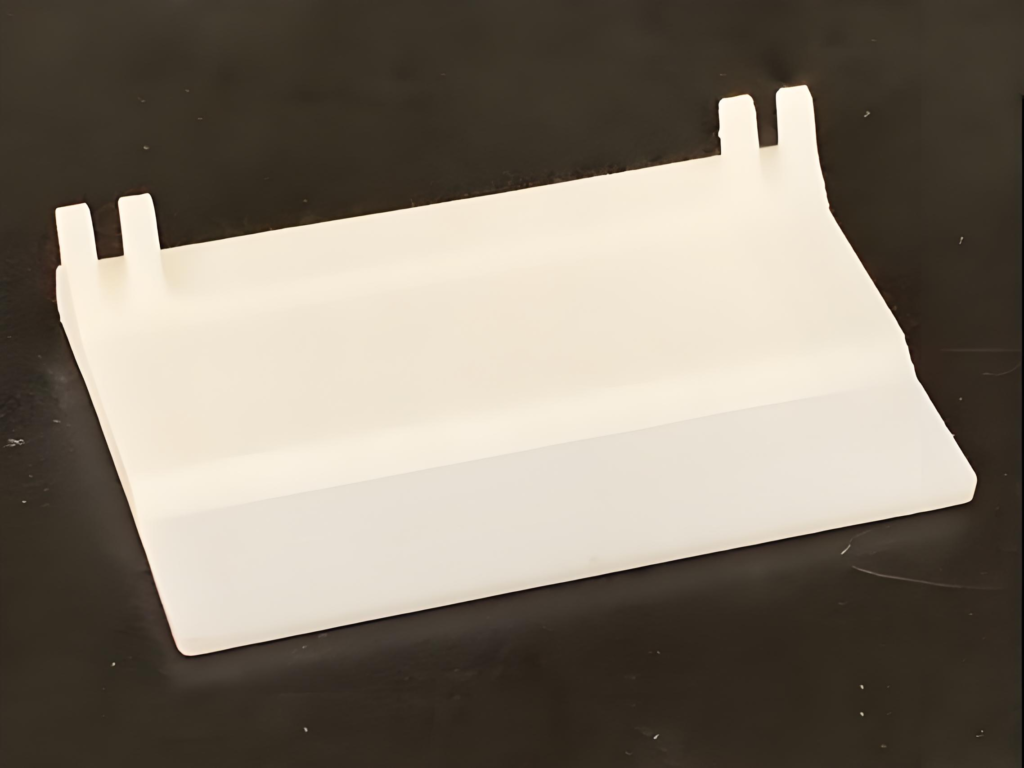
Tough Resin
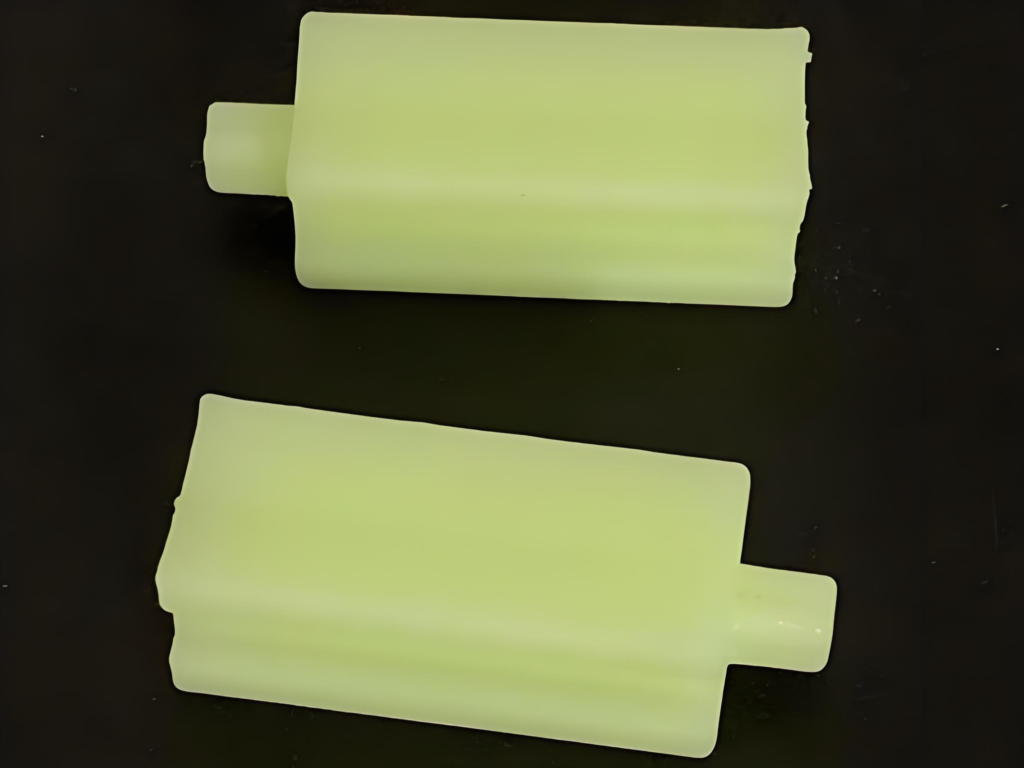
Black Resin
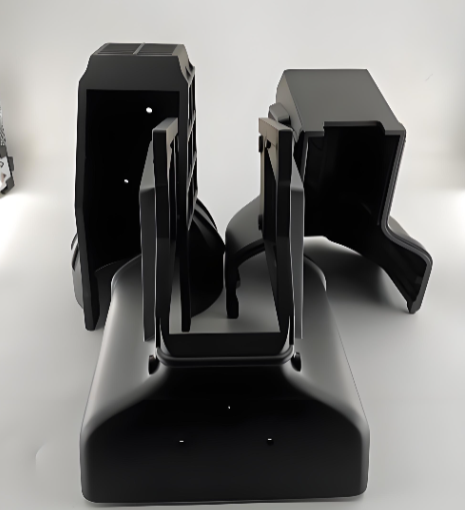
Semi-transparent Resin
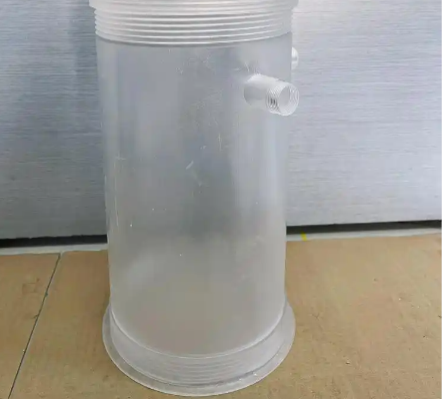
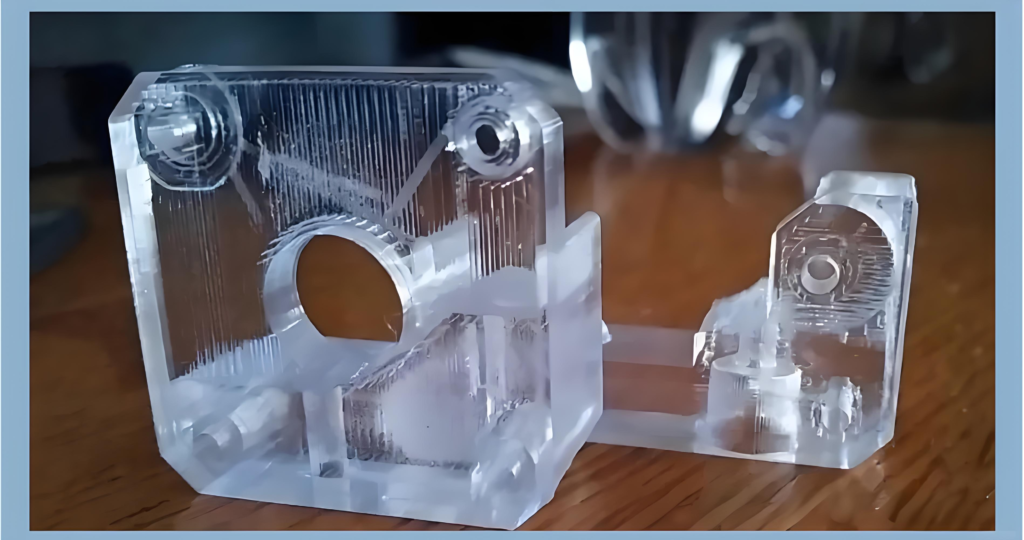
Transparent Resin
SLS – Selective Laser Sintering
Nylon Material
Selective Laser Sintering (SLS) with Nylon (PA12/PA11) delivers industrial-grade durability, design freedom, and cost efficiency for functional prototypes and end-use parts. No support structures enable complex geometries, lattices, and internal channels. Isotropic strength ensures reliable performance under load. High chemical and thermal resistance make nylon SLS ideal for aerospace, automotive, medical, and industrial applications. Scale from one-off prototypes to low-to-mid volume production with consistent quality and minimal lead time.
Glass Fiber Reinforced Nylon
Glass fiber filled nylon SLS combines high-strength PA matrix with glass fiber reinforcement, delivering outstanding stiffness, hardness, wear resistance and dimensional stability. Compared with standard pure nylon, this reinforced material features lower creep, less thermal deformation and stronger load-bearing capacity.
With support-free SLS technology, it manufactures complex lattices, hollow structures and integrated mechanical parts in one step. Widely applied in automotive, industrial automation, new energy and aerospace fields, it provides durable, high-precision structural components for harsh and high-load working conditions.
TPU Material
SLS TPU is a high-performance flexible material for selective laser sintering. It features outstanding elasticity, tear resistance, abrasion resistance and chemical stability.
With support-free SLS manufacturing, it realizes integrated forming of complex flexible geometries, thin walls and hollow structures.
Ideal for gaskets, bumpers, soft connectors and dynamic functional parts, widely used in automotive, industrial automation, medical and consumer industries. It delivers reliable flexibility and long-term durability for demanding applications.
SLM – Selective Laser Melting
Aluminum Alloy Material
SLM aluminum alloy forms fully dense, high-strength lightweight metal parts. AlSi10Mg alloys offer great thermal conductivity, rigidity and corrosion resistance for aerospace and industrial use. SLM fabricates complex structures unproducible by CNC or casting in one piece. It supports prototyping, custom design and batch production, delivering high-precision metal solutions across key industries.
Stainless Steel Material
SLM stainless steel creates dense, high-performance parts with excellent corrosion resistance and stability. 316L/304 offer strong anti-rust, chemical and wear resistance for harsh conditions. SLM fabricates complex structures unobtainable by conventional machining in one piece. It serves multiple industries with high-precision custom and small-batch production.
Titanium Alloy Material
SLM titanium alloy forms dense, high-performance parts. Ti6Al4V Grade 5 boasts light weight, high strength, corrosion resistance and biocompatibility for aerospace and medical fields. SLM integrates complex structures unachievable by traditional machining. It supplies high-reliability custom components for aerospace, medical, marine and high-end industries.
DLP – Digital Light Processing
FDM – Fused Deposition Modeling