Global Custom Parts Service Platform
CNC Turning Services
We provide high-precision CNC turning for custom metal and plastic components. Boasting over 20 years of industry experience, we fabricate tight-tolerance turned parts from prototypes to full mass production, catering to aerospace, medical, automotive and robotics industries.
- CNC Prototyping: Fast samples to accelerate design iterations
- Production Runs: 1–10,000+ units with consistent precision
- ±0.002mm Tolerance: Ultra-precise industrial-grade components
Precision Turning + Fast Delivery + Stable Quality + Global Service
Why Choose Zorapid for Custom CNC Turning Parts?
At Zorapid, we do more than machine components: we deliver precision, dependability and fast turnaround for your mission-critical turning projects. That’s why engineering and procurement teams across the globe partner with us.

Trusted high precision
±0.002 mm tolerance guaranteed; full batch inspection meets all specs.
Free DFM Optimization
Complimentary drawing review & DFM tweaks to cut costs and boost part performance.
Versatile Material Machining
Works with metals, PEEK and engineering plastics for stable finish & performance.
Flexible order quantity
No MOQ; prototypes, small batches and mass production supported.
Efficient Delivery Schedule
24h quote, samples in 3–5 days, speedy bulk manufacturing.
Quality Assurance
Certified QC, full inspection docs supplied per order.
What is Turning Service?
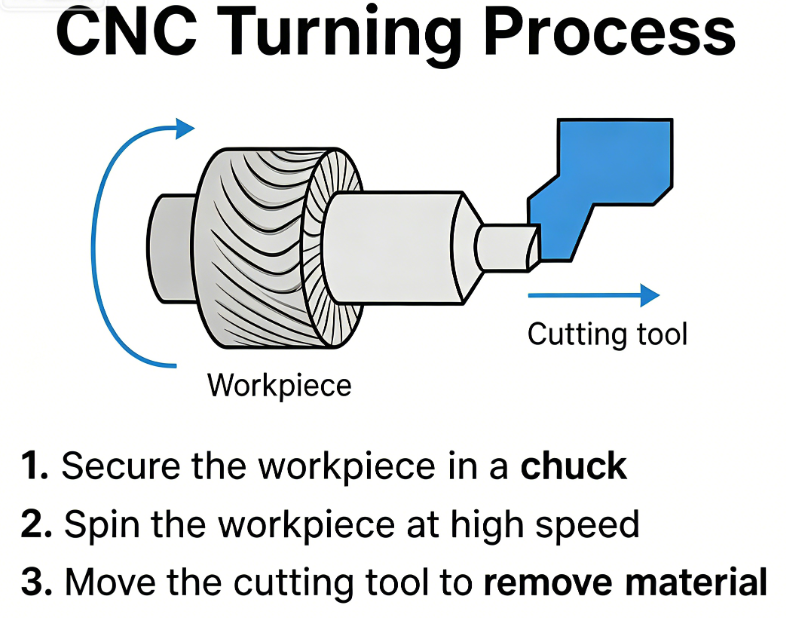
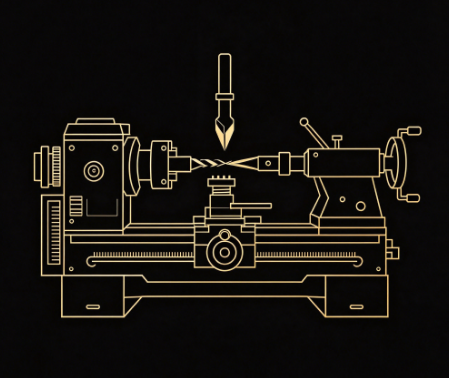
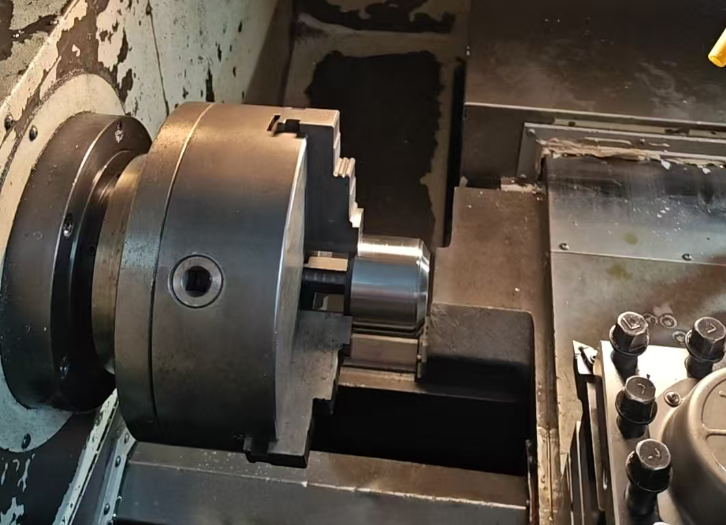
CNC turning is a precision subtractive manufacturing process. A fixed cutting tool removes material from a rotating workpiece under the control of advanced CNC lathes, delivering outstanding accuracy, repeatability and superior surface finishes. It is ideal for cylindrical and tubular components including shafts, pins, bushings and threaded parts widely adopted in aerospace, automotive and medical industries.Unlike CNC milling, which uses a rotating tool against a stationary workpiece, CNC turning spins raw stock held in a chuck. It efficiently produces round, symmetrical geometries with ultra-tight ±0.002 mm tolerances to satisfy stringent engineering specifications.At Zorapid, our multi-axis CNC lathes equipped with programmable turrets manufacture intricate high-precision components for both rapid prototyping and mass production. All processes comply with ISO quality standards to guarantee reliable performance for critical applications.
How Does CNC Turning Work?
CNC turning is a widely adopted subtractive manufacturing process. The spindle spins a cylindrical workpiece at high speed, while a cutting tool travels along a programmed path to remove material incrementally, producing precision components that meet tight tolerance standards.
ustrated Step-by-Step Explanation:
1:Material Clamping & High-Speed Rotation
Raw materials, including metals (aluminum, brass, stainless steel) and engineering plastics (nylon, PEEK), are securely clamped in the CNC lathe chuck. They then rotate at high RPM to guarantee superior concentricity and stable cutting conditions for subsequent machining.
2: Multi-Operation Precision Cutting
CNC-controlled cutting tools machine rotating workpieces through roughing to finishing operations, covering facing, outer diameter turning, boring, threading and grooving. Integrated turn-mill machining completes complex features in a single setup, elevating dimensional accuracy and production efficiency.
3: Layer-by-Layer Material Removal
The cutting tool feeds precisely along the X (radial) and Z (axial) axes, removing material layer by layer to form the following geometries:Exernal cylindrical profiles (black & silver turned shafts shown) Internal bores and internal threads Undercuts and custom features.
4: Final Geometry & Surface Finish Achieved
CNC turning technology guarantees micron-level tolerance control and smooth surface quality for components.
The black anodized and silver polished parts in the image visually showcase the complete manufacturing flow from precision machining to surface finishing.
Custom CNC Machining Materials for Every Project
CNC Turning Materials: Full Material Spectrum
We machine metals and engineering plastics with high strength, corrosion resistance and insulation, perfect for precision shafts and tubular parts.
Metal
Premium metalsoffer lightweight strength, corrosion resistance, and thermal conductivity. Ideal for aerospace, automotive, medical, and automation applications.
Plastic
High-performance engineering plastics provide wear resistance, insulation, and chemical stability. Perfect for electronics, medical devices, and instrumentation parts.

Aluminium
Aluminum is lightweight, strong, and easy to machine, positioning it great for various applications like aerospace and automotive parts. Its corrosion resistance also adds to its appeal in outdoor projects and structural components.
Subtypes:
Aluminum 6061, 6061-T6, Aluminum 2024, Aluminum 5052, Aluminum 5083, Aluminum 6063, Aluminum 6082, Aluminum 7075, 7075-T6, Aluminum ADC12 (A380)
Available Finish:
As machined, Anodizing, Powder coating, Electroplating, Painting, Sand blasting, Polishing

Copper
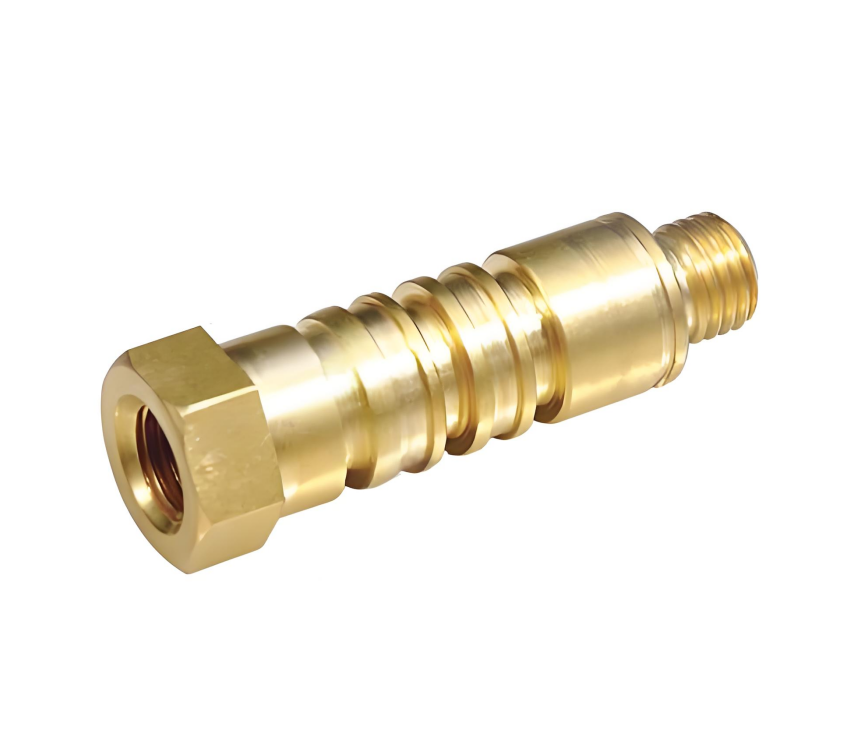
Copper is highly conductive and malleable, making it a top choice for electrical wiring and plumbing. Its natural antibacterial properties also make it ideal for medical applications, while its aesthetic appeal suits decorative items and artwork.
Subtypes:
Copper C101(T2), Copper C103(T1), Copper C103(TU2), Copper C110(TU0), Beryllium Copper
Available Finish:
As machined, Polishing, Sand blasting, Tumbling, Electropolish, Alodine, Heat treatment, Black oxidize, Electroless nickel, Chrome plating, Brushed finish

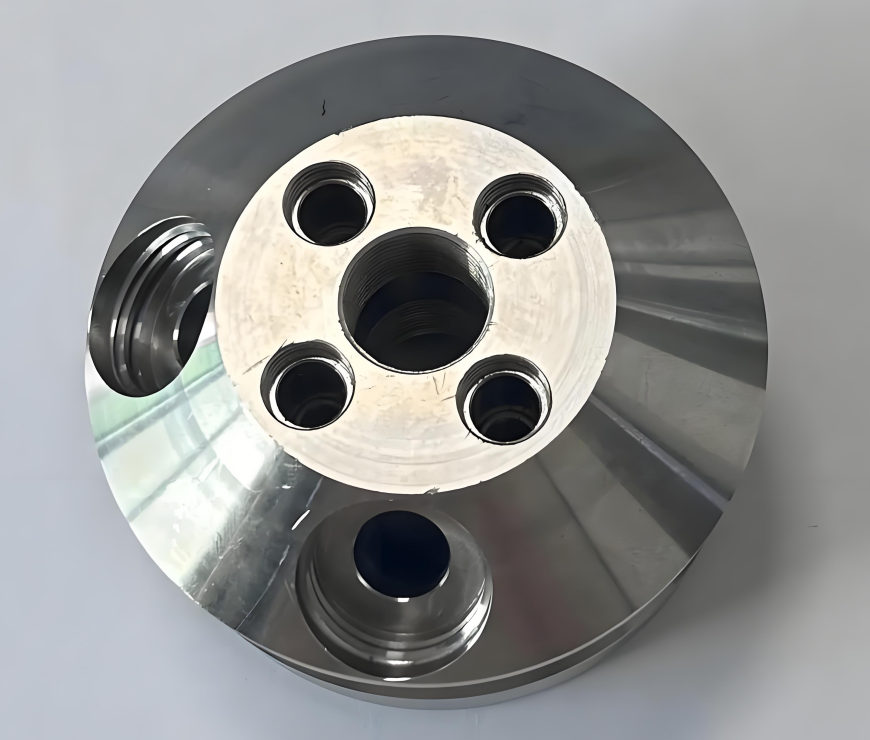
Bronze
Bronze, an alloy of copper and tin, is known for its durability and resistance to corrosion. It’s widely used in marine applications, sculptures, and bearings, thanks to its strength and ability to withstand harsh environments.
Subtypes:
Tin Bronze
Available Finish:
As machined, Polishing, Sand blasting, Tumbling, Electropolish, Alodine, Heat treatment, Black oxidize, Electroless nickle, Chrome plating, Powder coating, Brushed finish

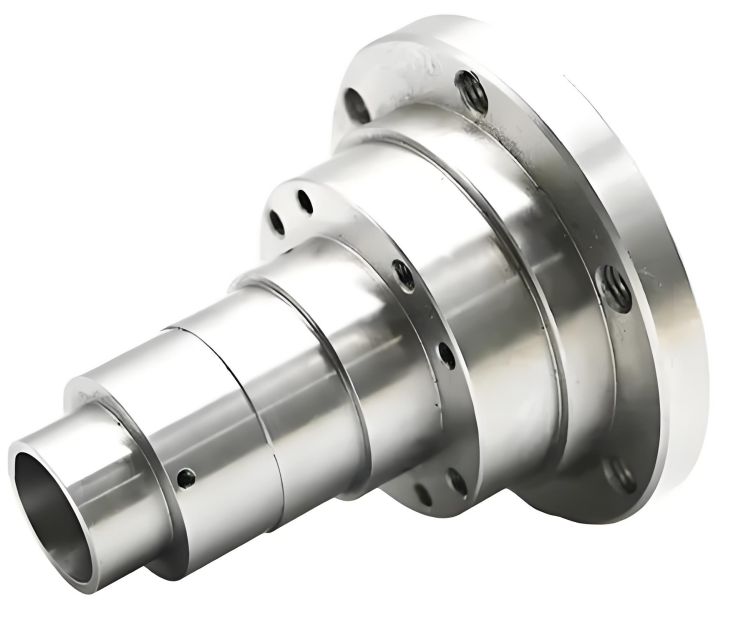
Steel
Steel is a strong and versatile material, widely used in construction and manufacturing. Its high tensile strength makes it suitable for structural components, while various Subtypes enhance its properties for specialized applications, like tools and machinery.
Subtypes:
Steel 1018, 1020, 1025, 1045, 1215, 4130, 4140, 4340, 5140, A36, Die steel, Alloy steel, Chisel tool steel, Spring steel, High speed steel, Cold rolled steel, Bearing steel, SPCC
Available Finish:
As machined, Electroplating, Passivation, Powder coating

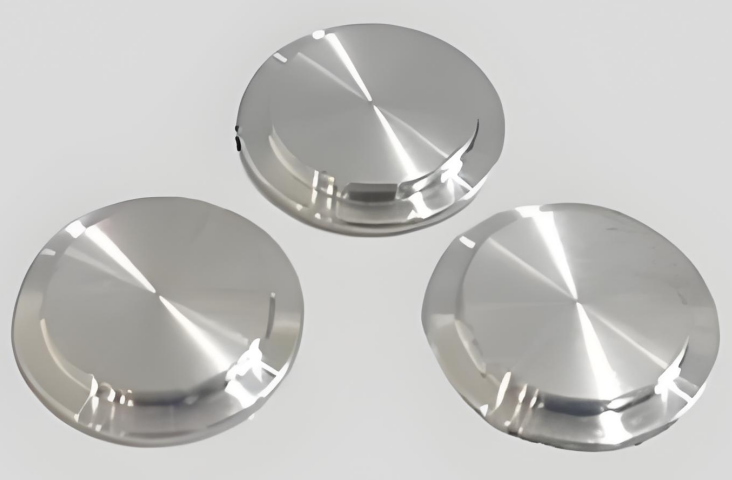
Stainless Steel
Stainless steel is resistant to rust and staining, making it perfect for kitchen appliances and medical equipment. Its strength and aesthetic appeal also make it a popular choice for architectural designs and automotive parts.
Subtypes:
Stainless Steel SUS201, SUS303, SUS 304, SUS316, SUS316L, SUS42, SUS430, SUS431, SUS440C, SUS630/17-4PH, AISI 304
Available Finish:
As machined, Electroplating, Passivation, Powder coating

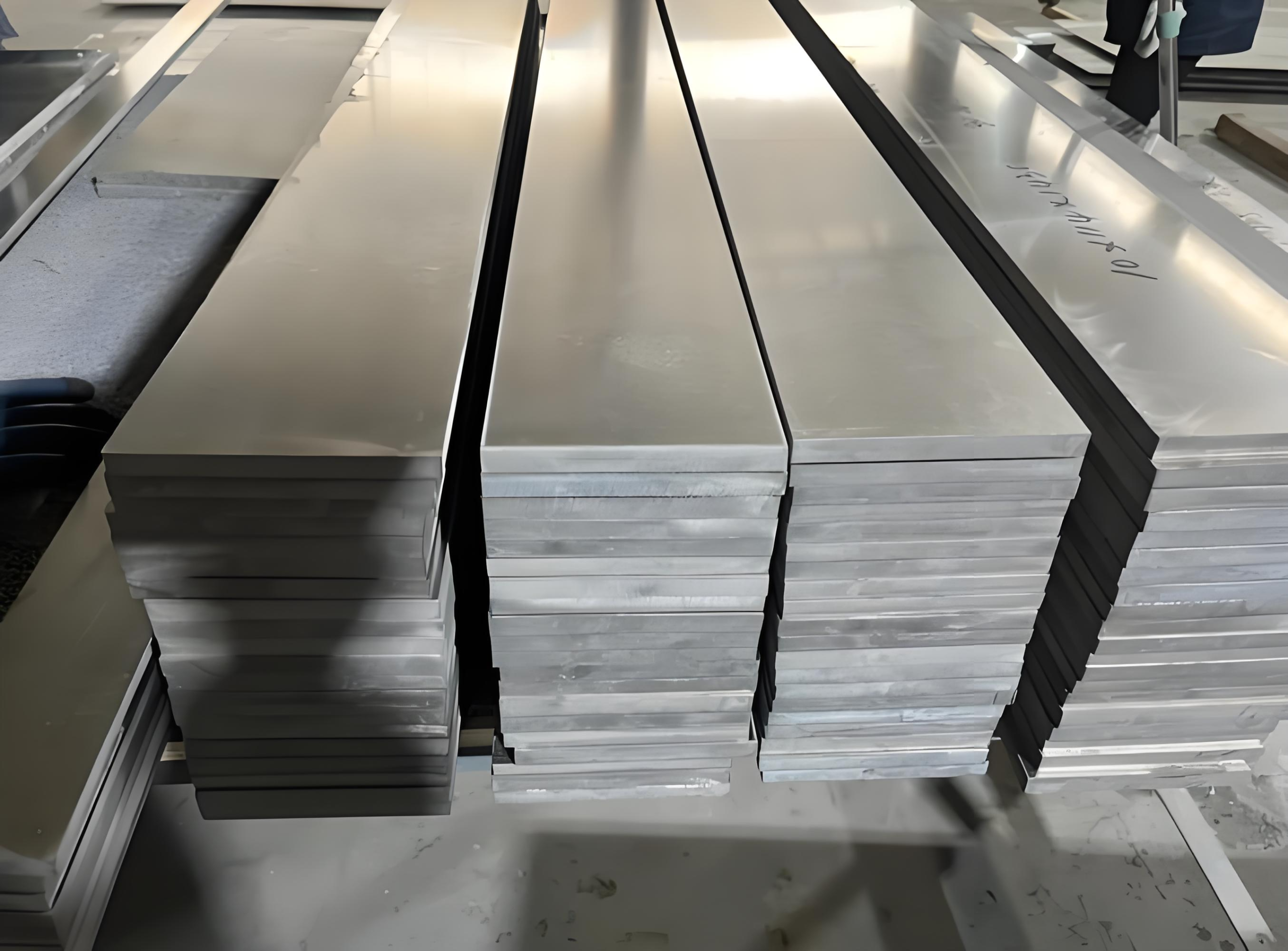
Magnesium
Magnesium is lightweight yet strong, often used in aerospace and automotive applications where reducing weight is critical. Its machinability allows for complex shapes, and it's also utilized in various electronic devices for its excellent conductivity.
Subtypes:
Magnesium Alloy AZ31B, AZ91D
Available Finish:
As machined, Polishing, Sand Blasting, Tumbling, Alodine, Heat treatment, Anodizing, Teflon coating, Electroless nickel, Painting, Powder coating, Electrophoresis

Titanium
Titanium is incredibly strong and lightweight, making it ideal for aerospace and medical implants. Its resistance to corrosion and biocompatibility enhance its use in demanding environments, while its high strength-to-weight ratio suits various industrial applications.
Subtypes:
Titanium Alloy TA1, Alloy TA2, Alloy TC4/Ti-6Al 4V
Available Finish:
As machined, Polishing, Sand Blasting, Tumbling, Electropolish, Alodine, Anodizing, Electroless nickel, Painting, Powder coating, Brushed finish

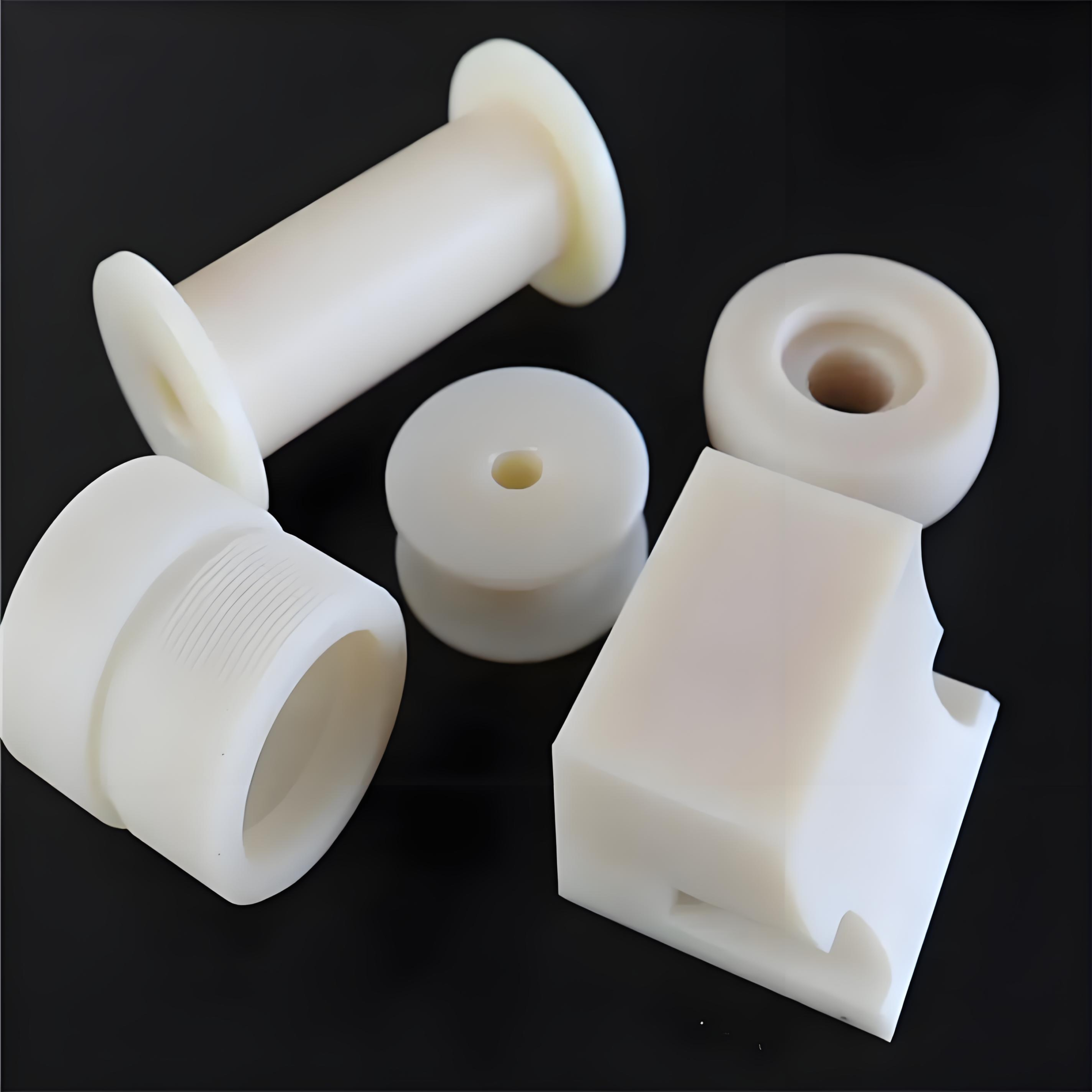
ABC
ABS is tough, heat-resistant, and impact-resistant. Lightweight and easy to work with, this material suits car parts and consumer goods where durability matters but cost is also important.
Subtypes:
ABS Beige(Natural), ABS Blac, ABS Black Antistati, ABS Milky Whit, ABS+PC Black, ABS+PC White
Available Finish:
As machined, Sand blasting, Tumbling, Teflon coating, Painting, Powder coating, Electrophoresis

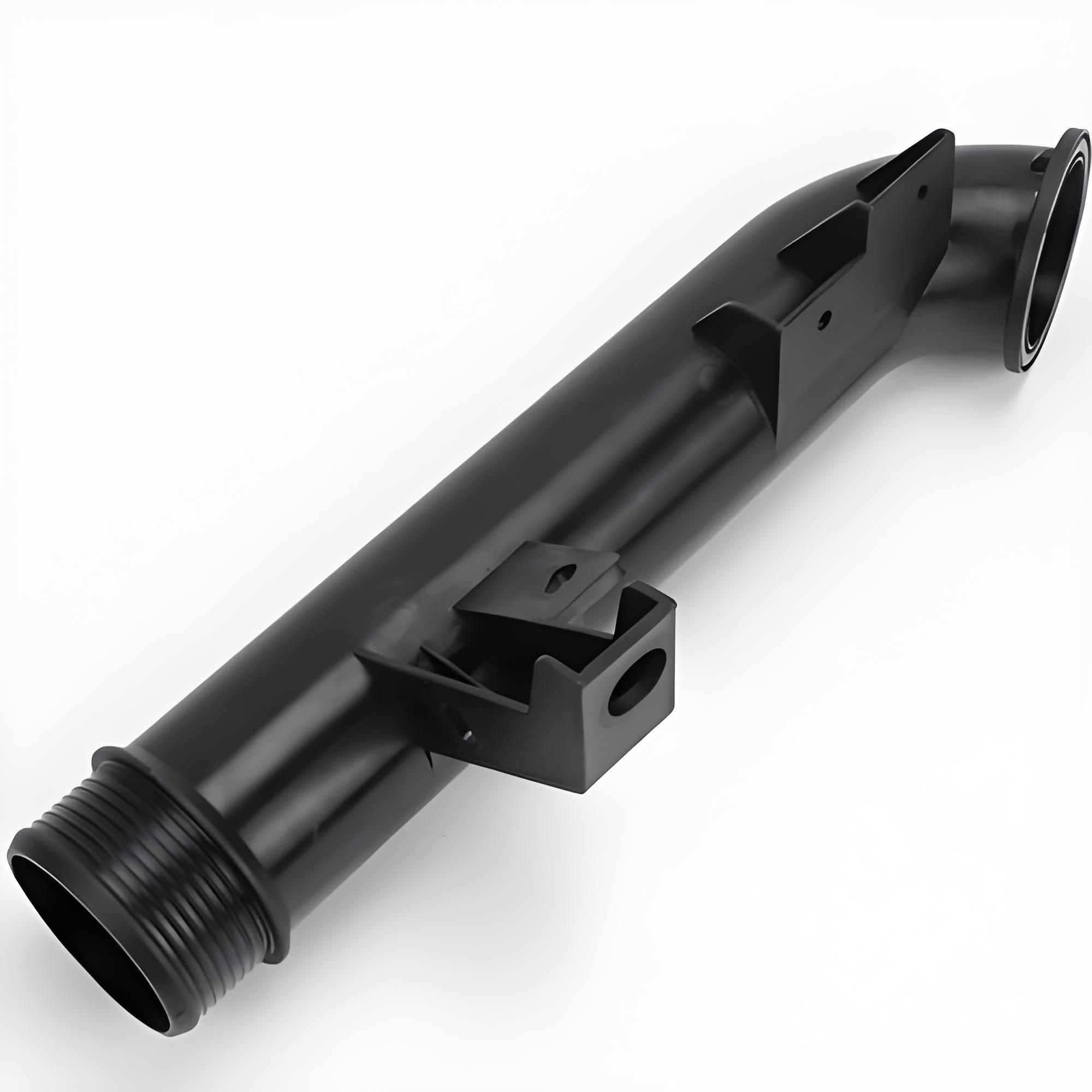
PC
Polycarbonate is super durable and clear, with amazing impact resistance. Commonly found in bulletproof glass and safety gear, it can take a hit without cracking.
Subtypes:
PC Black, PC Transparent, PC White, PC Yellowish White, PC+GF30 Black
Available Finish:
As machined, Sand blasting, Tumbling, Painting, Brushed Finish

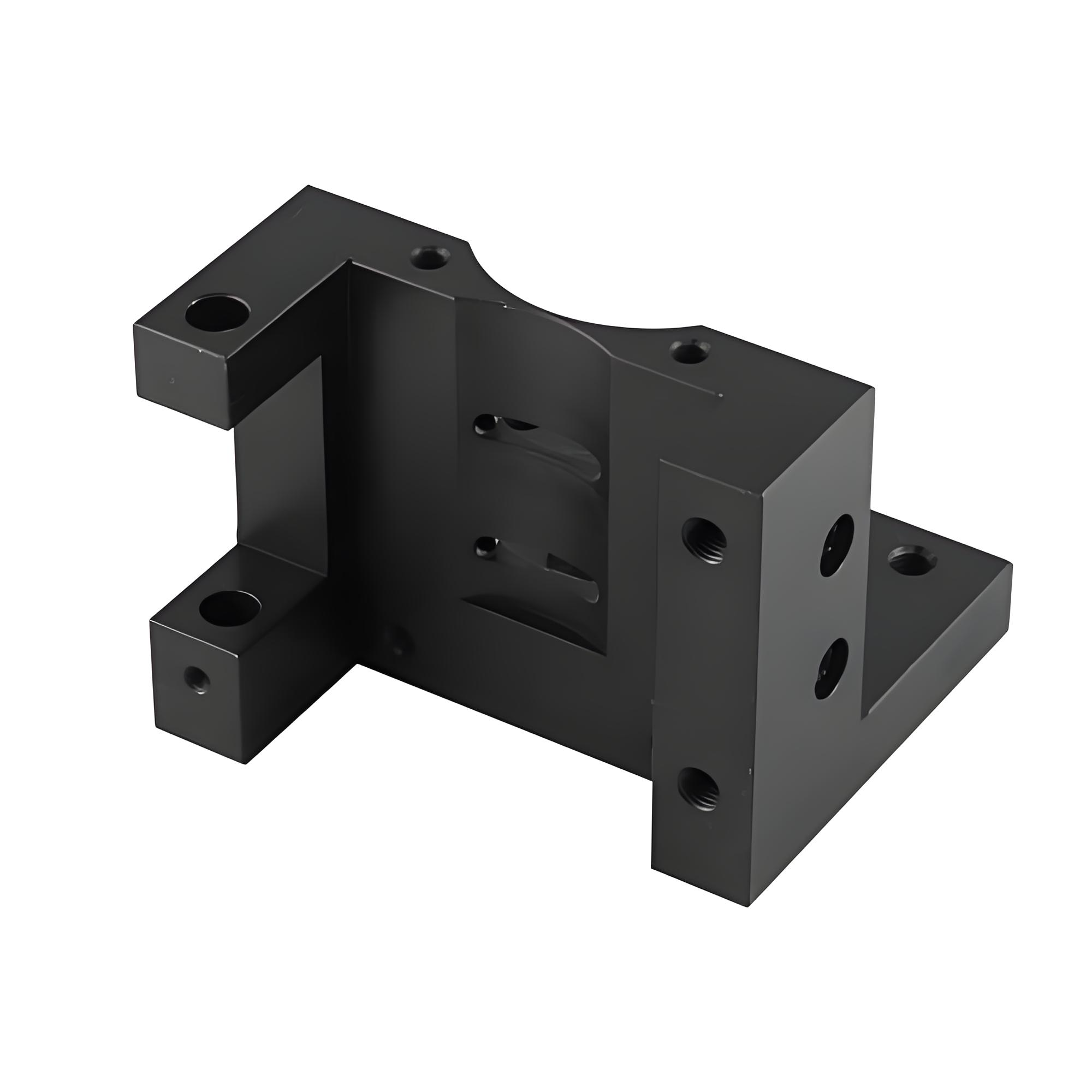
PMMA (Acrylic)
PMMA (acrylic) is clear, weather-resistant, and won't fade. Ideal for outdoor displays, signage, and lighting, it holds up well in the elements.
Subtypes:
PMMA Black, PMMA Transparent, PMMA White
Available Finish:
As machined, Sand blasting, Tumbling, Painting

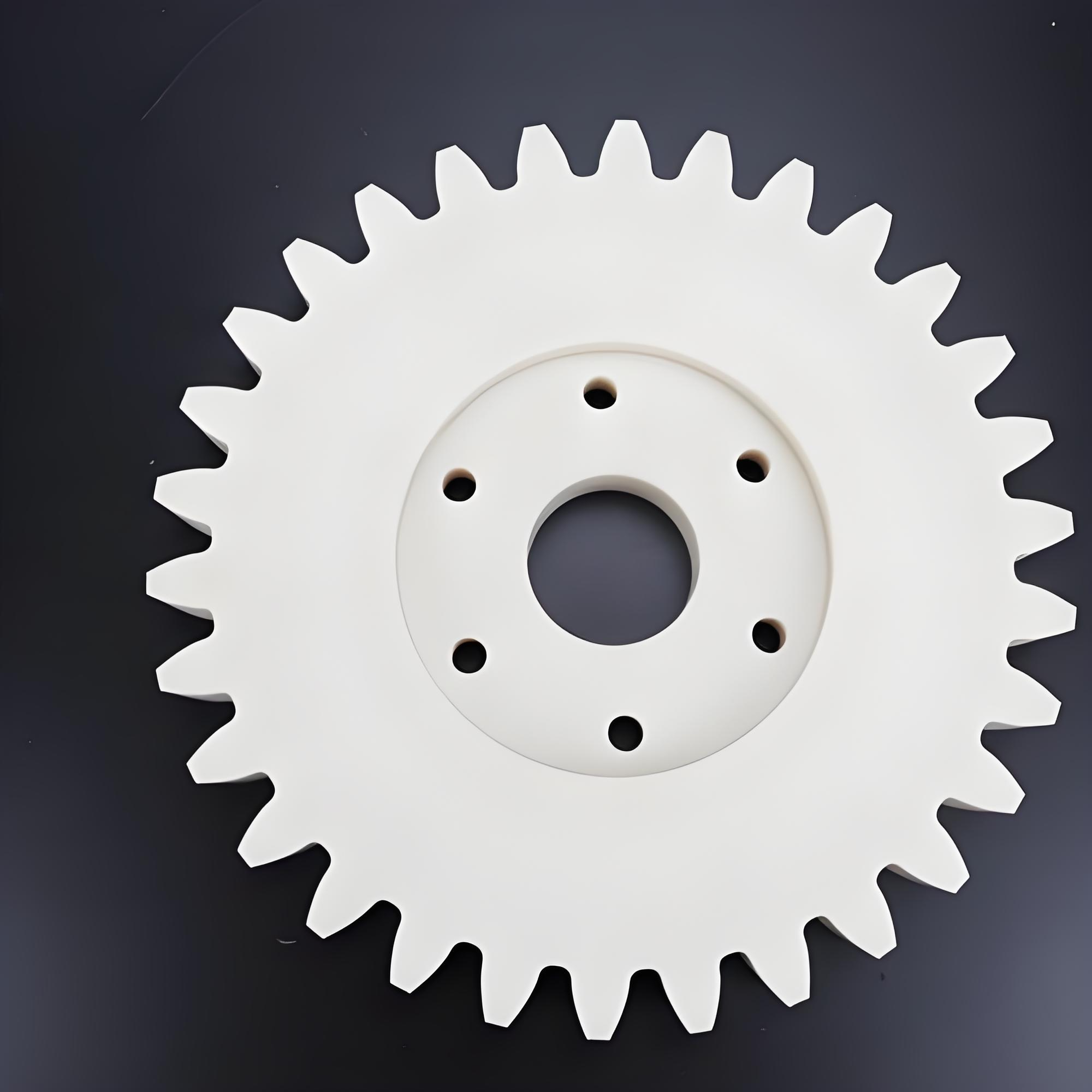
POM
POM is strong and has a low-friction surface, making it perfect for precision parts like gears and bearings where things need to fit just right and work smoothly.
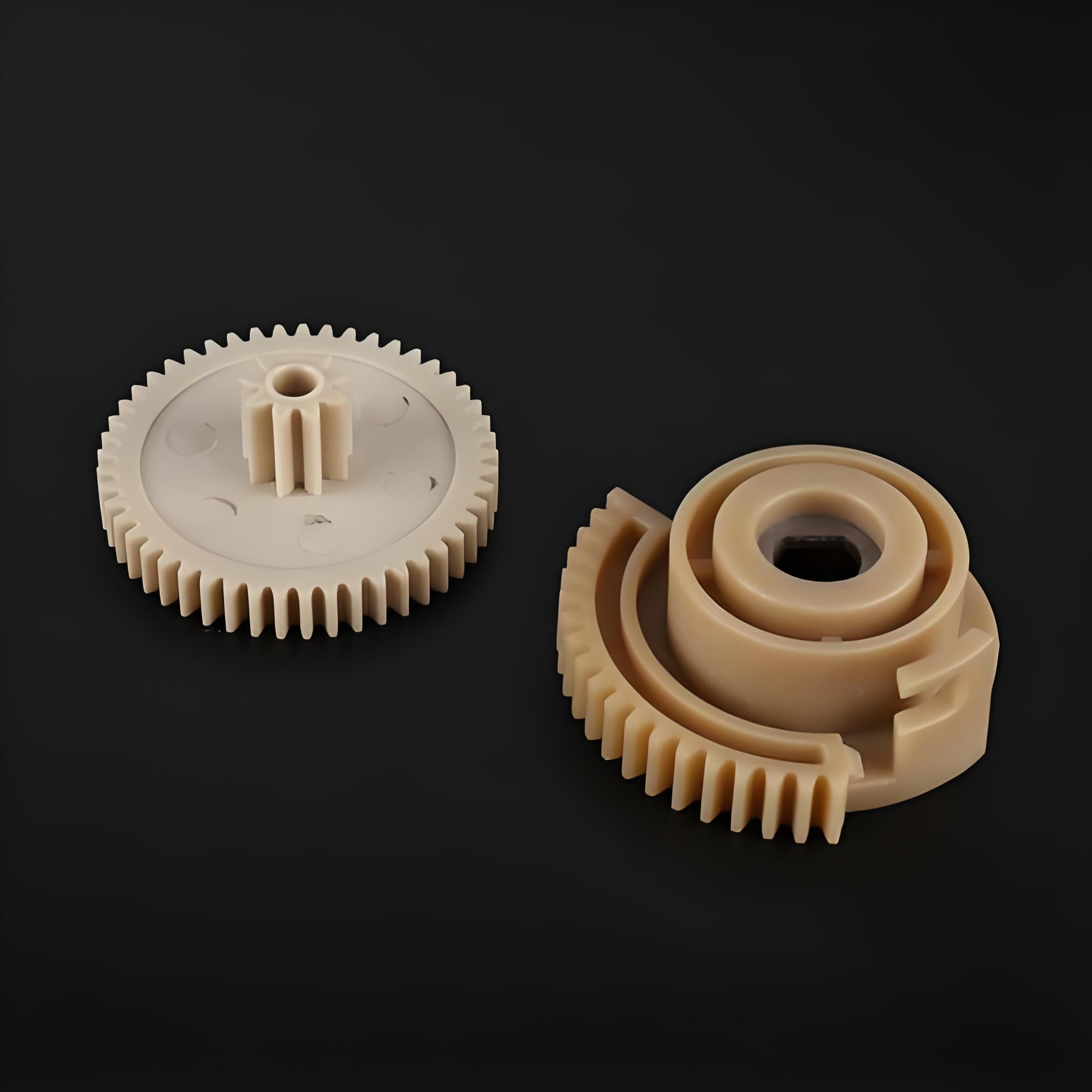
Subtypes:
Dark brown (coffee) POM 100AF, POM Black, POM Blue, POM White
Available Finish:
As machined, Sand blasting, Tumbling, Painting

PA (Nylon)
Nylon is versatile, tough, and resists wear. Often chosen for gears, bearings, and other parts that handle constant friction and heat without breaking down.
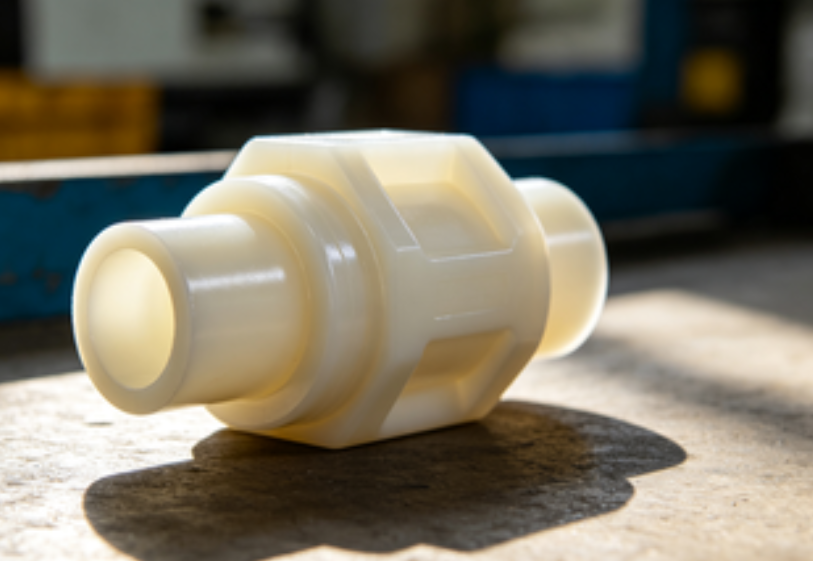
Subtypes:
PA(Nylon) Blue, PA6 (Nylon)+GF15 Black, PA6 (Nylon)+GF30 Black, PA66 (Nylon) Beige(Natural), PA66 (Nylon) Black
Available Finish:
As machined, Sand blasting, Tumbling, Teflon coating, Painting, Powder coating

PE
Polyethylene is lightweight and tough, with great impact resistance. It's a go-to material for packaging, containers, and anything that needs to resist cracking under pressure.
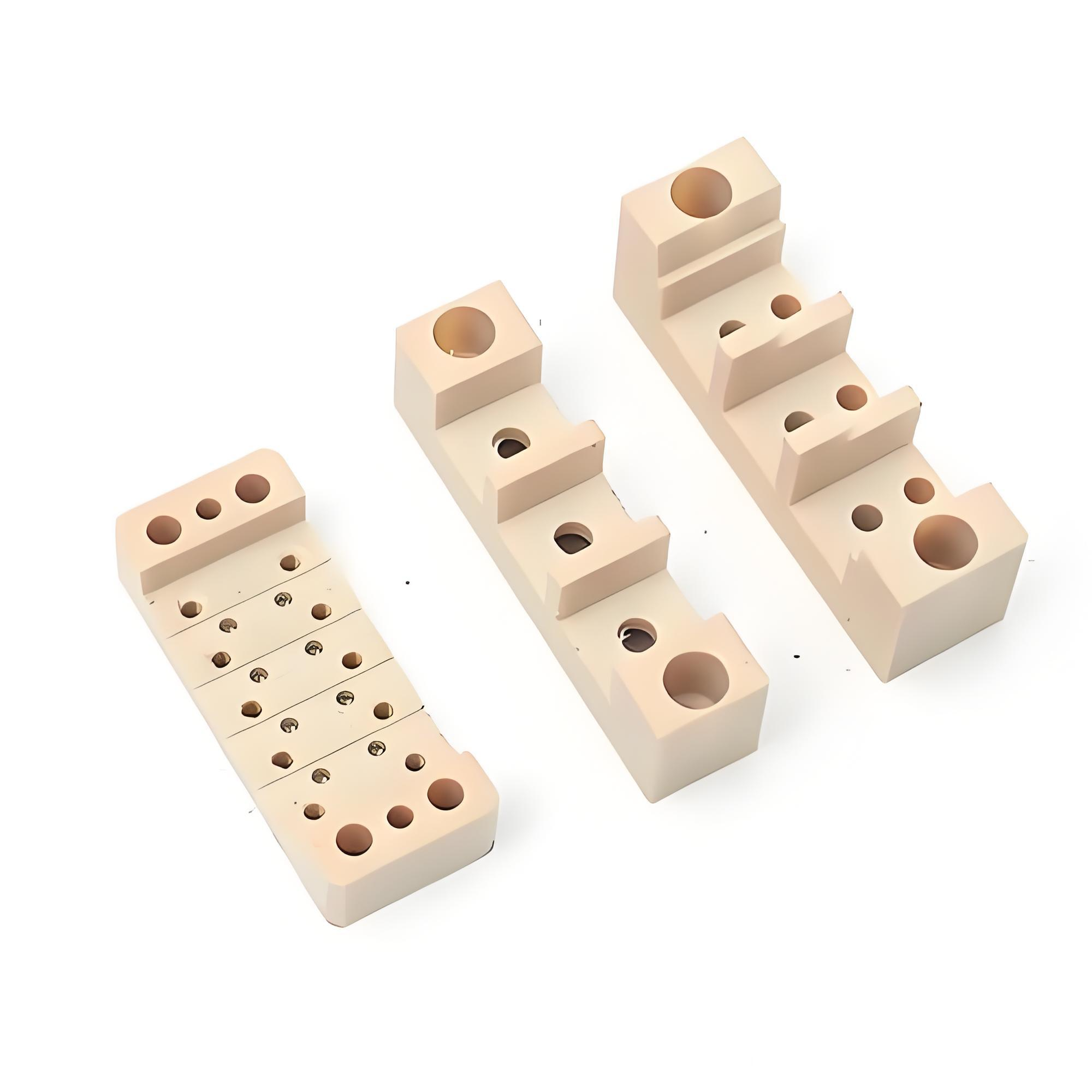
Subtypes:
HDPE, UHMW-PE, LDPE
Available Finish:
As machined, Sand blasting, Tumbling, Painting, Powder coating

PEEK
PEEK is strong and can handle high temperatures without losing its strength. Found in high-performance industries like aerospace and medical implants, it's built for extreme conditions.
Subtypes:
PEEK Beige(Natural), PEEK Black
Available Finish:
As machined, Sand blasting, Tumbling, Painting, Powder coating
Zorapid’s Precision CNC Turning Tolerance Standards
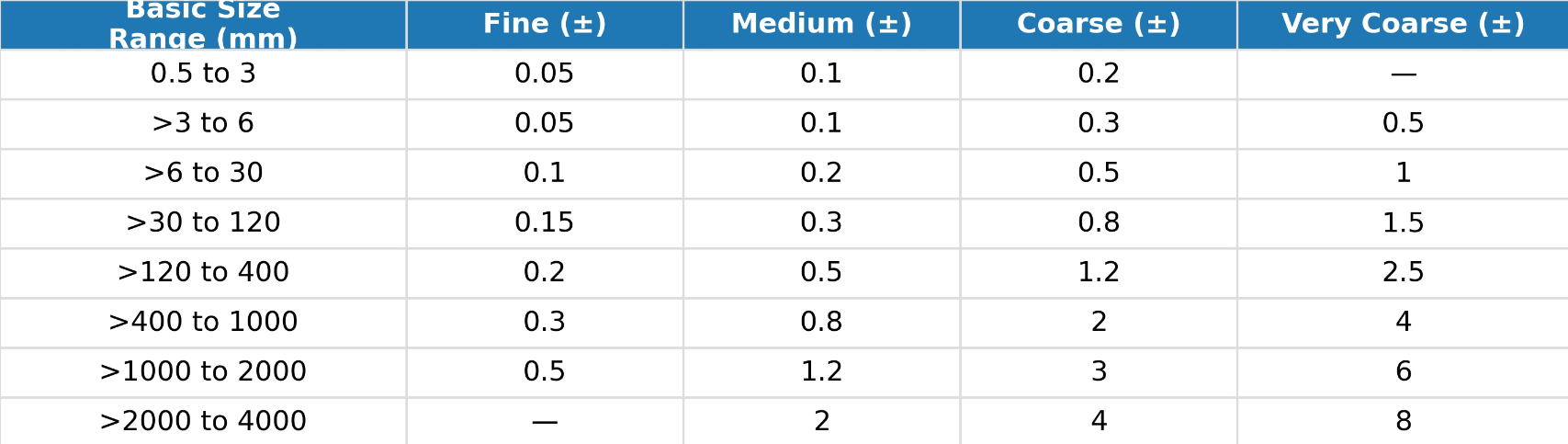
Plastic Parts: ISO 2768-M tolerances adopted for cost-effective production.
Metal Parts: ISO 2768-F tolerances implemented for strict high-precision demands.
ISO 2768 Linear Dimension Tolerances (mm)
Values in millimeters
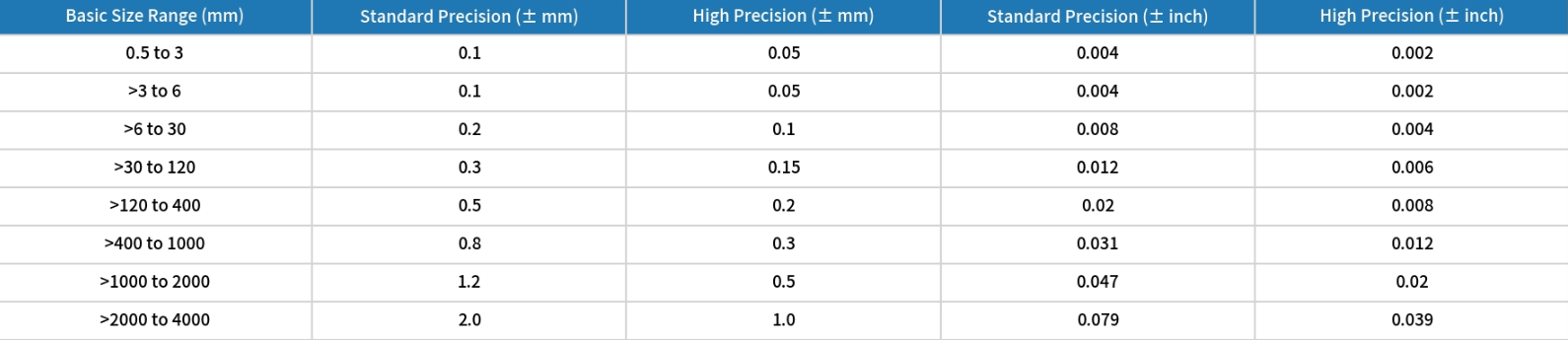
Standard vs. High Precision Tolerance Ranges (in/mm):
Submit fully detailed 2D drawings for ultra-tight tolerance critical parts down to ±0.001/±0.025mm. Our team optimizes design feasibility and ensures precise fabrication.Max machining length reaches 40. Reach out for oversized custom orders. Tolerance benchmarks vary per process, material and part shape.
- Standard: ±0.005 (±0.127 mm)
- High Precision: ±0.002 (±0.05 mm)
Simple CNC Turning Parts
Design Optimization Framework for High-Precision Turning
CNC Turning Design Guidelines
Cut costs and shorten lead times with Zorapid CNC turning design tips. We simplify designs, cut waste and avoid overengineering, delivering precise parts at lower overall expenses.
Key Design Considerations for Precision CNC Turning:
Internal Bores & Holes
Lorem ipsum dolor sit amet, consectetur elit. Ut tellus, luctus mattis, pulvinar dapibus leo.
- Max bore depth capped at 4× diameter to avoid cutting vibration.
- Note: Slender unsupported bores hurt tolerance accuracy.
Inner Corners & Cavity Depth
Shaft L/D ratio max 4:1 to avoid vibration and deflection, secure accurate sizing
- Use tailstock/steady rest for longer shafts, keep micron concentricity.
- Solid design rigidity ensures stable precision rotary parts.
Chamfers & Fillets
Precision edge design is critical for CNC turning performance and reliability
- Chamfers ease assembly, cut risks and relieve stress damage.
- Inner fillets min 0.5mm match tool radius for full smooth machining.
Turned Part Surface Finishes
We tailor surface finishes to match functional and aesthetic requirements Unified Specifications
- Standard: Ra 3.2–1.6μm, cost-effective for regular functional parts
- Premium: Ra 0.8–0.2μm fine finish for high-precision & aesthetic use
- Extra treatments boost durability and appearance
Why Follow These Guidelines
Shaft L/D ratio max 4:1 to avoid vibration and deflection, secure accurate sizing
- Early design check avoids costly rework and tool damage.
- Optimized designs cut lead time to 3-5 days for fast prototyping.
- ISO 9001 process secures steady ±0.02mm precise tolerance.
Threads & Grooves
Precision thread and groove design is critical for reliable CNC turning performance:
- External thread min diameter ≥3mm for steady cutting
- Internal thread depth max 2× diameter to avoid deformation
- Undercut grooves protect threads for smooth fitting
Elevate Your CNC Turned Parts: Premium Surface Finishing Solutions
CNC Turning Parts | Precision Surface Finishes
At Zorapid, we deliver a full spectrum of premium surface finishes for CNC turned components, engineered to address diverse functional and aesthetic demands. From corrosion resistance and wear mitigation to visual refinement, our tailored solutions—including anodizing, sandblasting, and polishing—ensure your parts meet the highest standards of performance and appearance for global industrial applications.
As-Machined Finish
Direct CNC surface with fine tool marks. A cost-effective choice for functional prototypes and non-critical parts.
Polishing
Mirror finish down to Ra 0.2 μm. Ideal for luxury goods, optics, and parts requiring a flawless aesthetic.
Anodizing
Premium aluminum finish boosting corrosion resistance and durability, with custom color options available.
Sand Blasting
Creates a uniform matte texture.
Improving coating adhesion and hiding surface imperfections.
Brushed Finish
Smooth satin texture that hides minor scratches. Ideal for visible parts in consumer electronics and luxury goods.
Electropolishing
Mirror-smooth metal finish that boosts corrosion resistance, ideal for stainless steel and medical parts.
Powder Coating
Durable, eco-friendly polymer coating with vibrant colors and excellent UV/wear resistance.
Black Oxide Coating
Thin magnetite layer on steel, improving corrosion resistance with no dimensional change during treatment.
Alodine
Conductive aluminum coating that improves corrosion resistance and paint adhesion.
Tumbling
Removes burrs and creates a smooth finish, with no dimensional distortion.
Heat Treatment
Vacuum process to adjust metal hardness, strength, and toughness for high-stress applications.
Nickel Electroplating
Even nickel layer enhancing conductivity, corrosion protection, and wear resistance for industrial parts.
Uncompromising Quality Assurance
At Zorapid,quality isn’t just a promise—it’s our operating principle. From spectroscopic material verification to micrometer-accurate 3D dimensional checks, our rigorous processes ensure zero compromise on performance. With a 99.2% first-article pass rate and 40% of clients returning for 5+ years, we deliver the speed, precision, and reliability that global manufacturers demand.


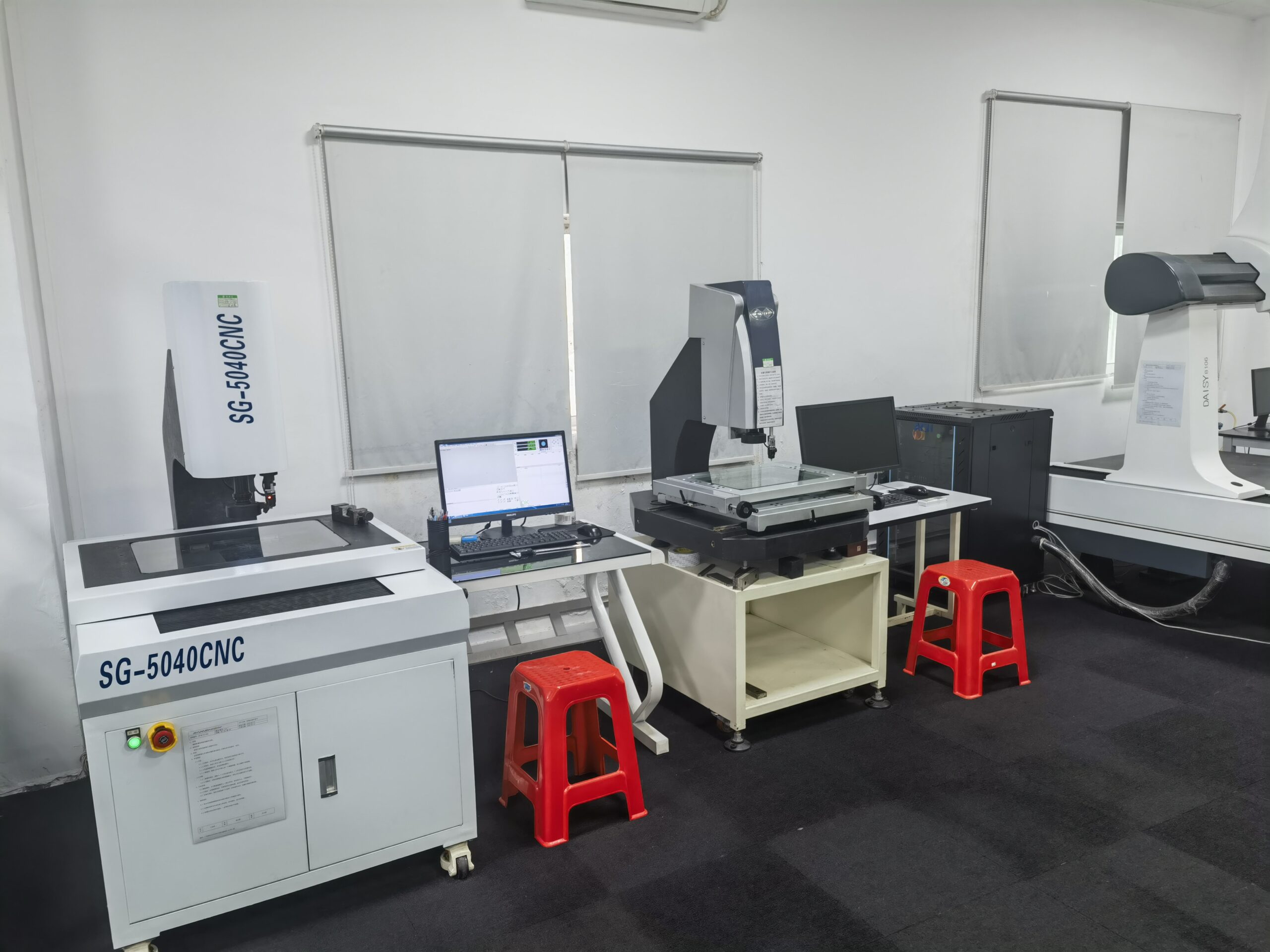
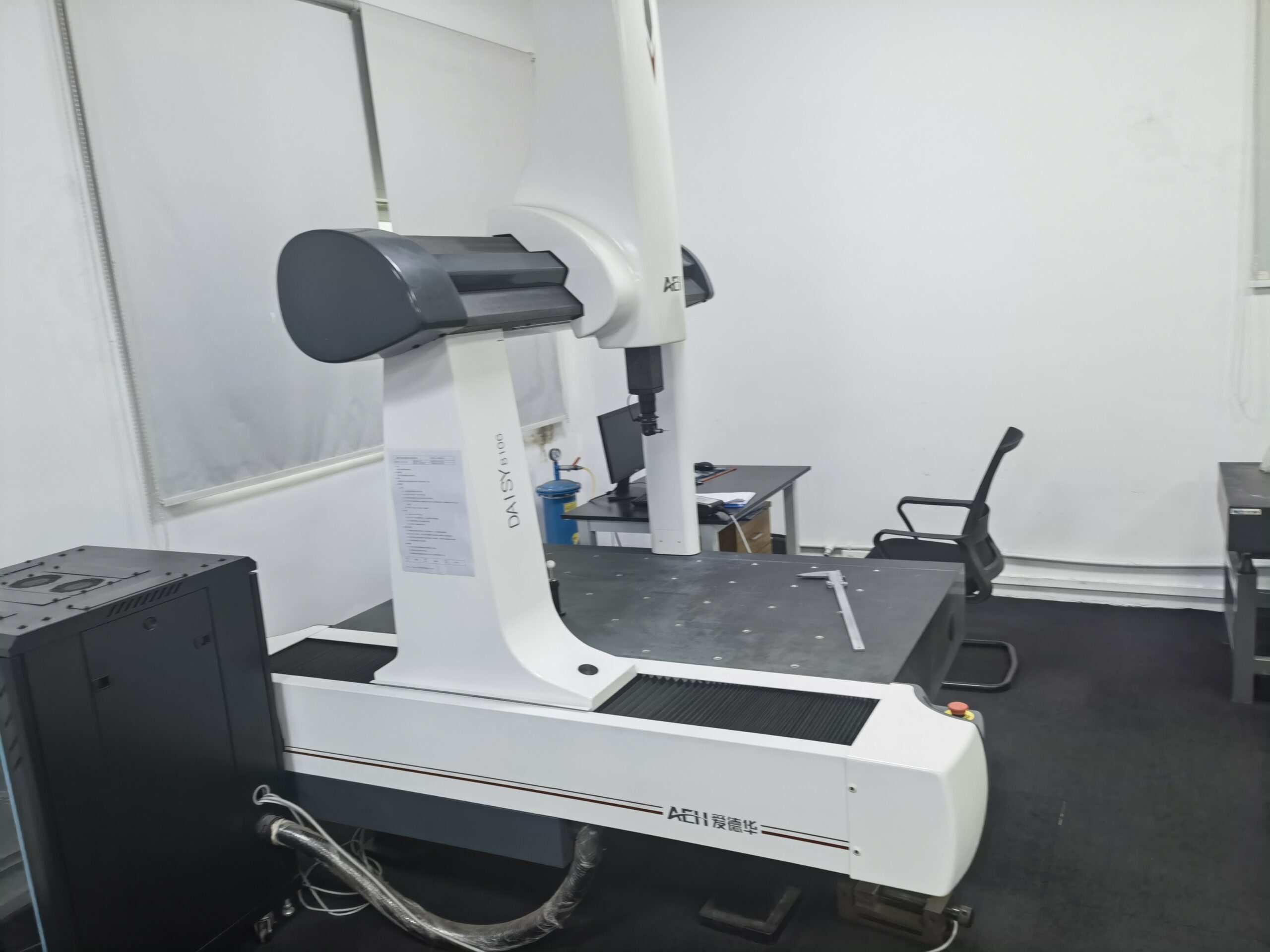
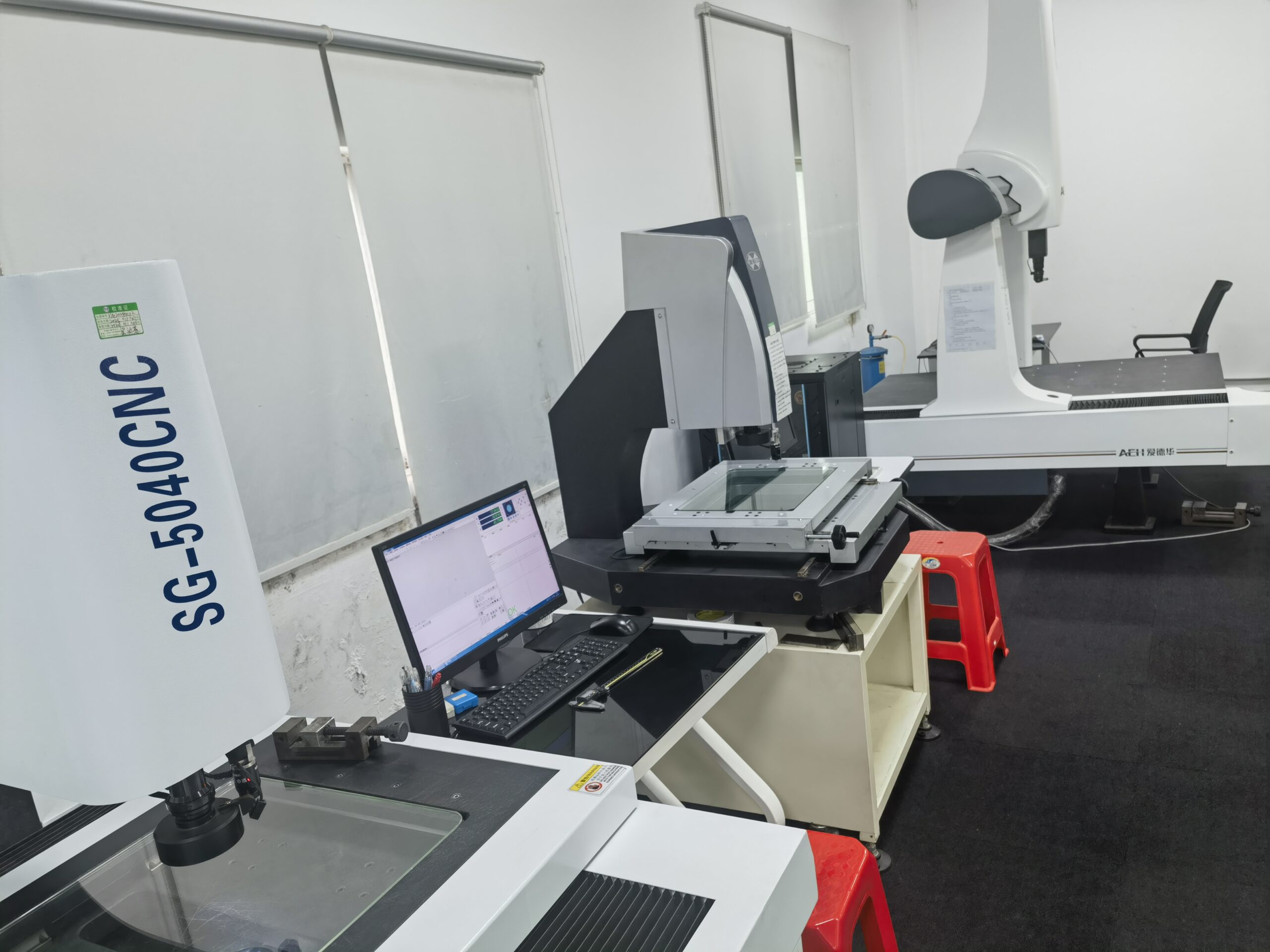
Advanced Inspection Technology
Advanced tooling ensures superior machining precision
- CMM & 3D Scanners: Micrometer accuracy, global standards
- XRF Analyzers: Material validation, RoHS compliance
- Optical Tools: Surface finish, critical tolerance control
- Automated Systems: Real-time monitoring, consistent quality
End-to-End Full Process Quality Control
Certified team ensures full-process quality control
- Pre-production: DFM review & material verification
- In-production: SPC and real-time inline inspection
- Post-production: Visual & functional quality tests
- Full documentation: FAI, PPAP and compliance certificates
Trusted by Global Industries for Years
Backed by 20+ years of specialized manufacturing expertise, Zorapid delivers mission-critical solutions for aerospace, medical, and automotive sectors:
- Zero Defect Guarantee: Six Sigma-driven quality assurance for uncompromising precision
- Rapid Turnaround: 3-day prototyping, 7-day mass production
- Full Traceability: Complete material certificates, test reports, and compliance documentation


FAQ
1.What is CNC turning and how does it differ from CNC milling?
CNC turning is a subtractive manufacturing process where the workpiece rotates at high speed while a stationary single-point cutting tool removes material to shape cylindrical or symmetric components—ideal for shafts, pins, and precision rotational parts.By contrast, CNC milling uses a rotating multi-point cutting tool that moves across a stationary workpiece, making it better suited for prismatic parts, complex geometries, and features like slots, pockets, and irregular contours.
2. What materials can be processed with CNC turning?
3. What is the typical tolerance achievable with CNC turning?
Standard Tolerance: ±0.05 mm, ideal for most industrial applications where reliable fit and function are required.High-Precision Option: Upon request, we can achieve tight tolerances down to ±0.02 mm, supporting critical aerospace, medical, and optical components.Tolerance feasibility depends on material properties, part geometry, and production volume—our engineering team will validate the optimal balance for your application.
4. What surface finishes are available for turned parts?
As-machined: Ra 1.6–3.2 μm. Budget standard finish for regular mechanical parts with no extra surface treatment.
Polishing: Smooth finish down to Ra 0.2 μm. Best for sealing faces, visible parts and low-friction surfaces.
Anodizing for aluminum: Type II for appearance and corrosion resistance; Type III hard coat for heavy wear protection, plus better insulation.
Bead blasting: Consistent matte texture, covers minor tool marks and boosts fatigue strength.
Electroplating & powder coating: Anti-corrosion treatment with custom colors, hardening steel and alloy workpieces.
5. What are the size limitations for CNC turned parts?
Max turning diameter: 500 mm. Great for large industrial shafts, flanges and heavy rotating parts.
Max part length: 1000 mm. We handle long precision shafts for automation, energy and heavy machinery.
Micro machining: Down to 2 mm diameter. Perfect for tiny medical hardware, optical parts and electronics.
We adjust these limits based on material stiffness and machining stability to keep tight tolerances steady.
6. Can Samshion produce prototypes and low-volume CNC turning parts?
- Prototyping: Lead times as short as 3–5 working days. Test designs, materials and tolerances ahead of mass production.
- Low-volume orders: Fully flexible batches for R&D, pre-production and spare parts. No MOQ required.
- Good value: Low setup fees for small orders, so you avoid the high costs of large-scale manufacturing.
7. How can I get a quote for CNC turning services?
- 3D CAD files: STEP or IGES with complete geometry.
- 2D PDF drawings: Include tolerances, key features and surface finishes.
- Job details: Material, quantity, lead time and secondary treatments such as anodizing or plating.
8. What is the typical lead time for CNC turning orders?
- Rapid prototypes: 3–5 business days, ideal for small test batches and design verification.
- Batch orders: 7–15 business days. Timeline depends on part complexity, material and quantity, including fixture setup and quality checks.
- Rush service: We can prioritize urgent orders with shortened lead times, priced per project.
9. Does Samshion provide quality inspection reports?
We provide full transparency and risk reduction with our quality reports:
FAI & Dimensional Reports: Eliminate rework risks by confirming part accuracy before full production.
Material Certificates (COC/RoHS): Meet global regulatory requirements for medical, automotive, and consumer electronics markets.
ISO 9001 Assurance: Our certified processes mean fewer defects, lower warranty costs, and reliable supply chain performance.
All reports are delivered with your shipment, so you have complete documentation for your records.