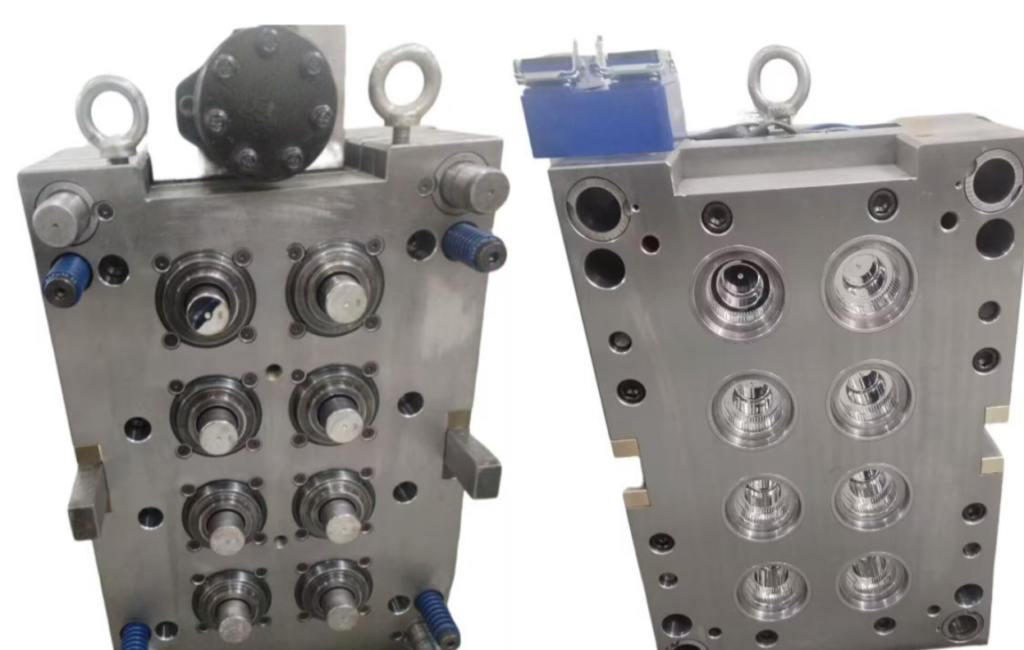
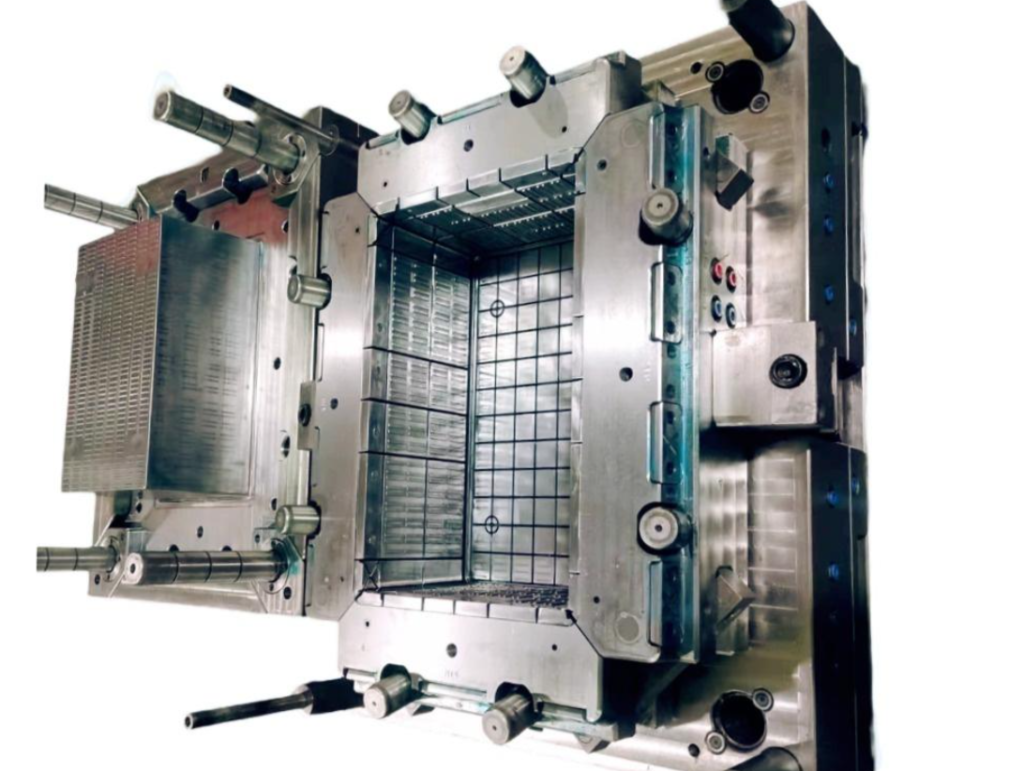
In manufacturing, injection molds are essential equipment for mass-producing plastic parts and indispensable across all industries.
Why does a seemingly standard mold cost so much? Where exactly does the budget go? And can we cut unnecessary costs without compromising mold quality and performance?
Zorapid breaks down mold pricing item by item, eliminates redundant expenses, and helps you get the best-fit molds at the lowest cost.
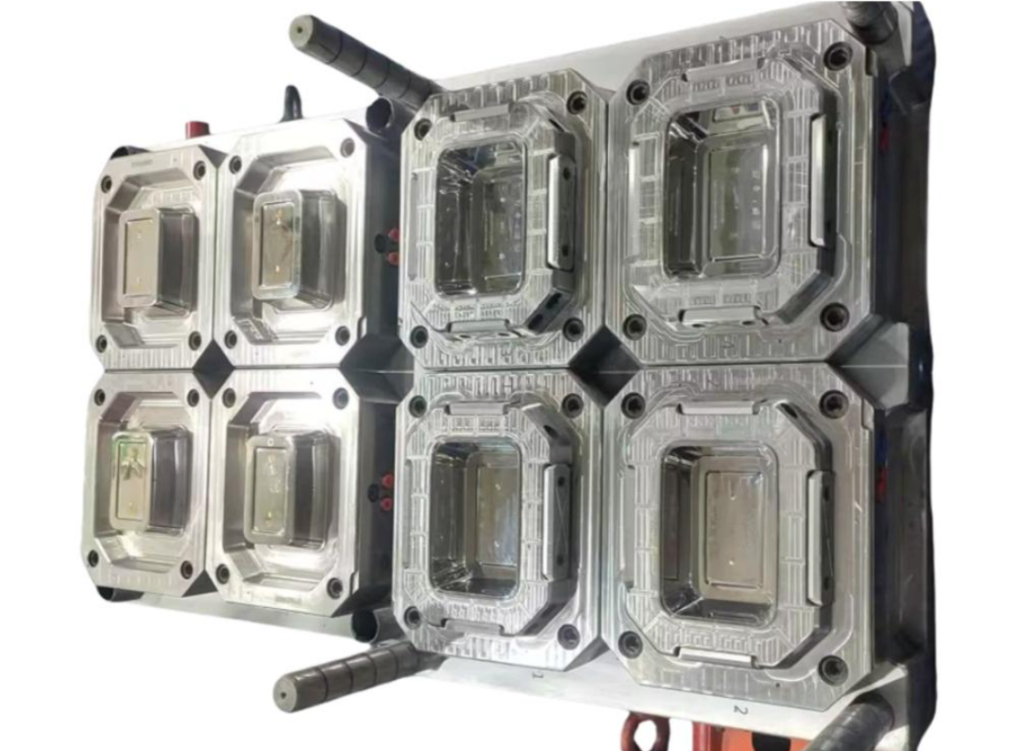
What exactly makes up mold pricing?
Reputable manufacturers always itemize mold quotation costs clearly, which are divided into several key sections with distinct proportions and influencing factors.
1:Mold steel cost
Mold steel is the core of a mold, directly defining its service life, precision and stability, and represents the most significant cost variable, accounting for 20%–30% or more of the total mold cost. Steel grades vary drastically in price and application suitability.
- General steel (P20) is cost-effective, ideal for low-volume, low-precision plastic parts. It delivers 100,000 to 300,000 shots with well-controlled costs.
- H13 & S136 high-grade steel offers great heat/wear resistance and precision. Built for high-volume, high-spec production, molds sustain 1M+ cycles with higher cost than standard steel.
Steel specifications (thickness, dimensions) and processing waste are also included in costs. Larger and more complex molds require more steel, driving up overall expenses.
2:Design & Processing Cost
This is the largest portion of mold costs, covering design labor, machine wear and processing hours, mainly determined by mold structural complexity and machining precision.
- Mold processing covers CNC, EDM, wire cutting, polishing, heat treatment and more. Each step varies greatly in production cost.
Cavity count affects cost. More cavities boost efficiency, but raise design & machining complexity, pushing up pricing.
3:Mold Testing & Revision Cost
After mold fabrication, trial testing is mandatory to verify molding quality, covering injection machine startup fees, material waste and labor debugging costs.
- Reputable manufacturers usually include 2-3 free mold trials in quotations. Extra trials or mold modifications caused by design defects and requirement changes will be charged separately.
4:Management Fee, Tax & Profit
Fixed expenditures and reasonable profit of the manufacturer. The management fee covers factory rent, equipment maintenance and staff salaries, while taxes are levied in accordance with industry standards.
Note: Margins over 30% mean overpricing, while below 10% leads manufacturers to cut corners with cheap steel and simplified processes, hurting long-term mold quality.
One‑Click Quotation (www.Zorapid.com)
Cost Optimization
Cost control is not about simply cutting prices, but avoiding excessive investment and hidden costs without compromising mold lifespan, product quality and production requirements.
Excessive pursuit of high-end steel
1:Many mistakenly believe “the more expensive the steel, the better the mold”, and blindly opt for premium steel such as H13 and S136. This is actually one of the most common wastes. Steel selection should focus on matching product requirements, not simply choosing the most expensive option.
2:For low-volume trial production of plastic parts with an estimated output of fewer than 100,000 shots, standard P20 steel is fully sufficient. There is no need to spend several times more on premium steel grades.
3:If low-grade steel is chosen merely to cut costs, the mold will be prone to wear and deformation in later use. Frequent repairs or even premature scrapping will be required, leading to higher overall costs and resulting in a net loss.
Blind pursuit of multi-cavity molds
1:Multi-cavity molds can boost mass production efficiency, yet they involve higher design complexity and manufacturing costs. For low-volume demands, blindly choosing multi-cavity molds is an unnecessary waste.
2:For 100k plastic parts, a single-cavity mold is enough. At 500 pieces daily, production finishes in 200 days. A 4-cavity mold only drives up costs, with no real efficiency gain and unnecessary extra spending.
3:It is recommended to adopt single-cavity molds for small-batch production (under 200,000 pieces), and consider multi-cavity molds only for mass production (over 500,000 pieces), to avoid unnecessary extra costs for excessive efficiency.
Falling victim to hidden surcharges
Some suppliers hide additional fees in initial quotations and raise charges gradually afterward. Such hidden costs can be fully avoided through prior agreement.
Suppliers often fail to specify free trial times in quotations, then charge extra fees by claiming unqualified mold trials. Without clear modification charging terms, they may overcharge even for minor adjustments.
Avoidance measures: Before signing the contract, clearly require manufacturers to specify the number of free mold trials (2-3 times recommended), mold modification charging standards and delivery cycles. Reject flat-rate pricing and vague clauses. Clarify all additional fees in advance to prevent arbitrary price increases in the later stage.
Overemphasizing ultra-high precision and premium finish
Mold precision and appearance requirements directly determine processing costs. Higher precision and stricter surface standards mean more complex procedures and higher expenses. Excessively demanding tolerance and cosmetic requirements beyond actual functional needs will only cause unnecessary extra costs.
For daily necessities such as plastic basins and trash cans, a dimensional tolerance of ±0.1mm is sufficient. There is no need to require ultra-high precision of ±0.05mm, which requires high-end processing equipment and drives up costs unnecessarily.
To save costs, first define the actual application of your parts. Raise standards properly for exposed and precision components, while avoiding over-specification on internal and general parts. This eliminates waste caused by excessive processing.
Why Choose Zorapid First
1:Full In-house Manufacturing Across the Entire Chain
Integrated one-stop production covering mold design, CNC precision machining, EDM processing, mold testing and mass injection molding. No outsourcing or subcontracting, eliminating intermediate markups and communication deviations.
2:Rapid Lead Time to Cut Time Cost
4-hour precise quotation, 24-hour technical support, and expedited mold making & trial runs. Shorten product launch cycles, seize market opportunities, and minimize losses from project delays.
3:Professional Mold Expertise
Free DFM structural optimization in the early stage, alongside optimized design for mold runners, cooling systems and venting systems. Resolve defects such as shrinkage, flash, deformation and mold sticking at the source.
4:High-standard Quality Control
Compliant with industry standards for industrial, medical, automotive and electronic sectors. Durable molds and high injection yield effectively reduce rework, scrap and after-sales losses.
What Services Zorapid Provides for Injection Molds
Custom mold structure design: single-cavity / multi-cavity, hot runner, two-color, insert and thin-wall precision molds
Premium mold steel selection + heat treatment process to extend mold service life.
Full-process dimension inspection, mold trial verification and full sample inspection to deliver qualified mass-production molds.
Free mold optimization, lifelong mold maintenance and fast after-sales repair support.
One-stop supporting services including injection molding, surface treatment and assembly for full-process outsourcing.
Zorapid Core Cost Control
1:Cost Optimization by Design
Avoid structural defects in advance, reduce repeated and secondary mold repairs, and cut modification expenses.
2:Mold Procurement Cost
Direct in-house production with no intermediaries. The integrated operation model reduces premium costs and lowers overall mold procurement expenses.
3:Production Loss Cost
Optimized cooling and venting design maintains a yield rate above 98%. It reduces material waste and rework caused by defective products to minimize production losses.
4:Labor & Maintenance Cost
High-precision molds deliver stable operation and low failure rates. They reduce unplanned downtime and manual inspection, saving daily operation and maintenance costs.
5:Time & Capital Cost
Fast mold development and mass production accelerate capital recovery, lower capital occupation, and reduce hidden time costs.
6:Mold Lifecycle Cost
Precision processing paired with high-grade steel extends mold service life and total shot cycles. Longer replacement intervals effectively amortize long-term mold renewal costs.
Zorapid Injection Mold Material Selection Guide
In injection mold manufacturing, material selection directly determines mold service life, molding precision, production costs and application scenarios. As a professional injection mold partner, Zorapid always focuses on precise selection, cost control and qualified quality. We provide highly tailored mold material solutions for customers with diverse needs, ensuring stable molding performance while minimizing overall comprehensive costs.
Zorapid’s mold material selection follows the principles of demand-based matching and optimal cost performance. According to mass production scale, product appearance requirements, plastic material characteristics and application scenarios, commonly used materials are divided into major categories. Each material comes with clear application boundaries and cost advantages, avoiding cost waste caused by blind selection of high-grade materials, as well as mold damage and product rejection issues resulting from improper material selection.
Pre-hardened Steel
Mass-production general-grade steel can be directly processed without additional heat treatment, making it the first choice for cost performance.
P20 and 718H feature a hardness of HRC 28–35 with excellent machinability. They are ideal for low-to-medium volume molds of general housings, daily necessities and household appliance structural parts, effectively reducing mold costs.
NAK80 offers an upgraded hardness of HRC 38–42, delivering superior mirror polishing and fine texture etching performance. It is specially tailored for appearance-critical components such as electronic enclosures and beauty product parts, striking an optimal balance between quality and overall cost.
Quenched and Tempered Steel
Also known as hardened steel, it features long service life and high precision, ideal for mass production and high‑end product demands.
S136 (STAVAX) reaches a hardness of HRC 48–52, with outstanding rust resistance, corrosion resistance and superior mirror finish. It is suitable for transparent parts, PC/PMMA materials, medical-grade and food-grade products, as well as corrosive plastics such as PVC and flame-retardant materials. It greatly reduces scrap costs caused by mold rust, yellowing and corrosion.
H13 (8407) offers a hardness of HRC 50–54, featuring high temperature resistance, crack resistance and excellent toughness. It is widely used for mass-production molds for glass fiber reinforced plastics, high-temperature injection molding and thin-wall parts to extend mold service life.
S50C carbon steel focuses on cost efficiency, perfect for prototype molds, trial molds and short-run sampling. It supports fast R&D verification and lowers initial investment costs.
Aluminum Alloy Mold
Tailored for rapid prototyping and low-volume production, aluminum molds commonly adopt 6061 and 7075 grades.
They feature ultra-fast machining to greatly shorten lead time with lower tooling cost. Ideal for small-batch production of 500–10,000 pieces, new product validation and urgent sample orders for exhibitions. It helps clients seize market windows quickly and cut unnecessary time costs.
Special Functional Mold Steel
We provide customized solutions for high-end and special application scenarios.
FDAC heat-resistant steel is suitable for high-cycle high-speed injection molding, effectively reducing mold deformation and meeting the demands of thin-wall high-speed molding.
M340 combines high corrosion resistance and high hardness, serving as the premium choice for high-end medical devices and precision instrument molds.
DH31-S delivers exceptional toughness, ideal for large-scale molds, deep-cavity structures and crack-prone molds, ensuring long-term and stable mold operation.
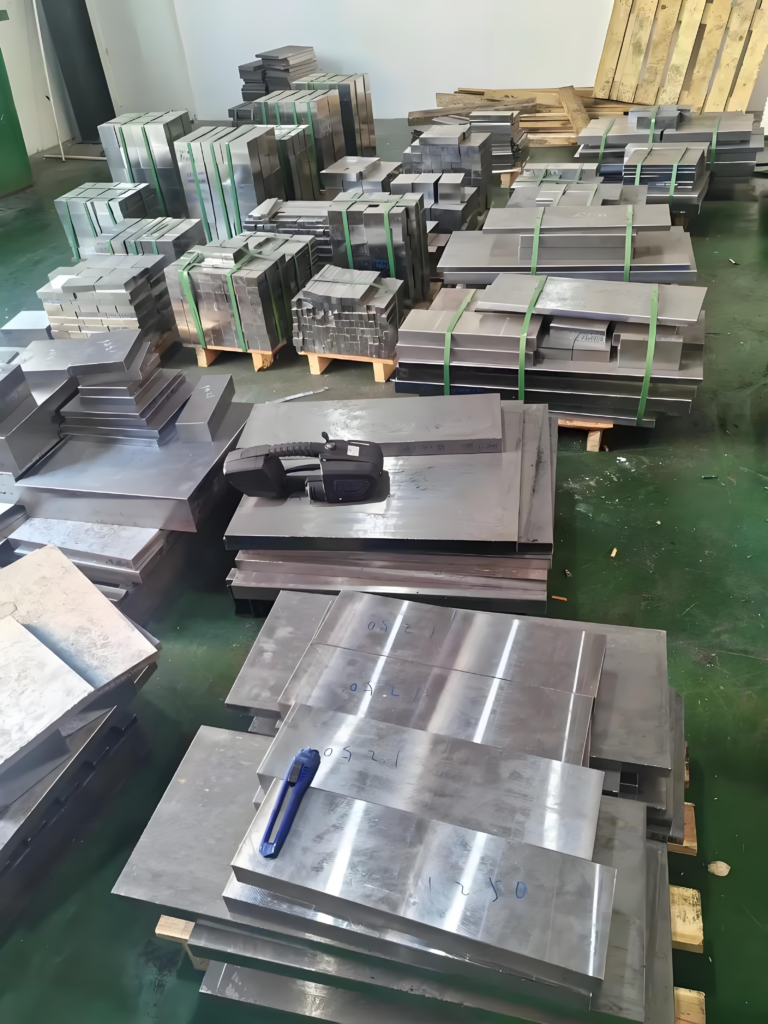
Zorapid’s material advantages lie not only in a comprehensive product range, but also in the core logic of cost control through precise material selection. By accurately matching customers’ production volume, plastic materials and surface appearance requirements, Zorapid effectively cuts mold steel costs.