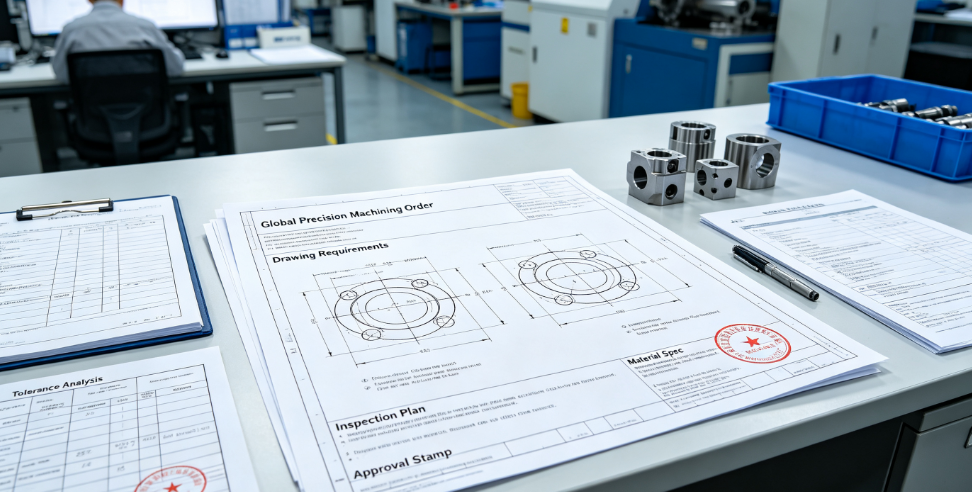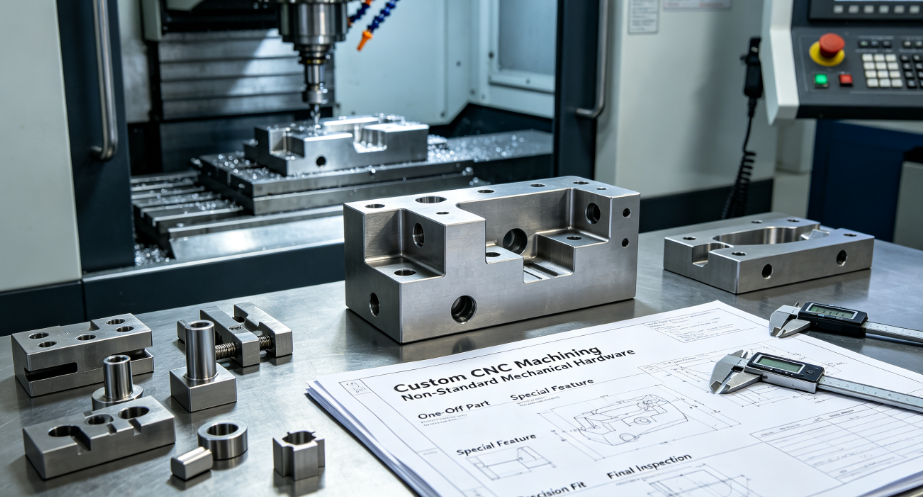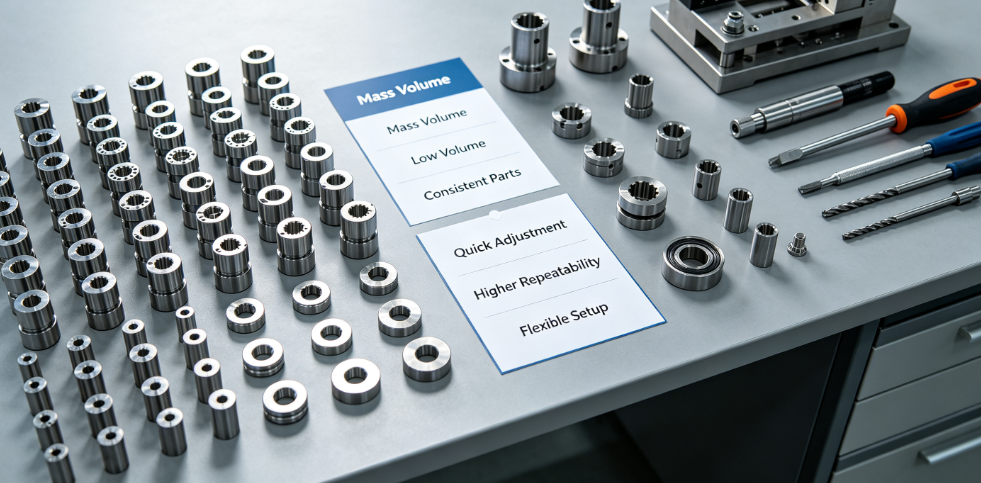
Powered by advanced tech and precise control, CNC machining anchors modern manufacturing. Widely used in automotive parts, it boosts accuracy, surface finish and performance for superior quality and appearance.
Explore CNC automotive components, common materials, machining processes and industry quality control. Learn automotive machining pros, cons, cost factors, and why Zorapid is your ideal custom automotive manufacturing solution.
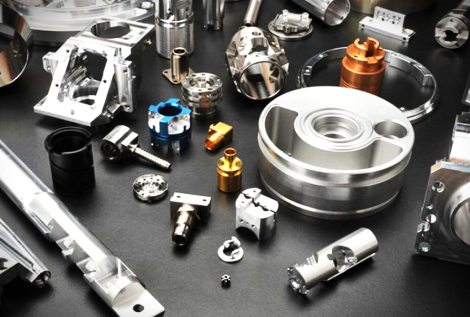
Application of CNC Machining in the Automotive Industry
CNC machining is a game-changer in the automotive industry, bringing you tremendous benefits. With outstanding precision and high efficiency, CNC machining ensures parts used in vehicles meet the highest quality standards.
These CNC machines suit custom and mass production, lowering your costs while delivering precise parts. From engine to interior components, CNC machining builds reliable, durable solutions for all automotive needs.Discover the power of CNC machining and enjoy the remarkable advantages it brings to the automotive industry.
Types of CNC Automotive Components
Nearly all custom automotive structural parts and accessories can be CNC machined, making it an advanced, highly versatile process. Here are our common CNC automotive component types: Engine parts like cylinder heads and crankshafts are precision machined for premium quality and longer service life.
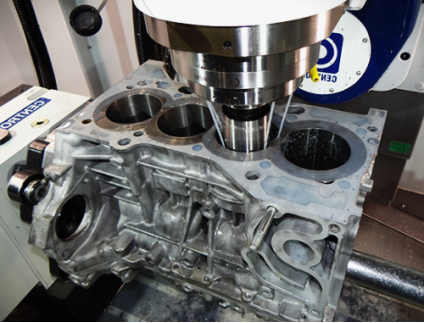
CNC machining produces control arms, steering and suspension components. It also makes front grilles, chrome trims, dashboards, handles and other automotive accessories.
Materials for CNC Machined Automotive Parts
Automotive parts manufacturers aim to develop each component to meet requirements using a wide range of materials.For a complete list of materials for CNC automotive parts processing: https://zorapid.com/materials
Aluminum sheet is lightweight, machinable and corrosion-resistant, perfect for custom automotive parts.
Steel features outstanding wear, strength and impact resistance, ideal for engine and chassis components. Common grades: 4140, 4130, A710.
Plastic is versatile for automotive interior parts: dashboards, headlights, door handles.
CNC Machining for Automotive Component Manufacturing
Cylinder Head
It is an essential component for the engine combustion process. CNC machining enables precise control to fabricate optimal structural shapes and accessories, eliminating dimensional inaccuracies.
Brake Caliper
A vital part of the vehicle braking system. Precision manufacturing delivers superior vehicle control and safety, while effectively reducing abnormal noise and preventing potential accidents.
Dashboard
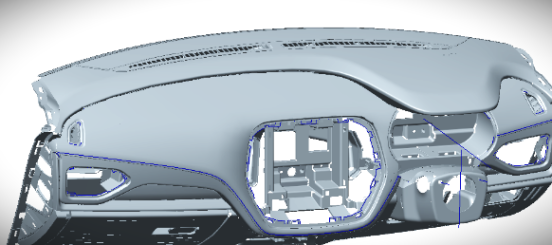
As a core automotive interior part, dashboards enhance comfort and house controls and instruments. CNC machining delivers precise dashboards of any design complexity.
Quality Control in the Automotive Industry
To ensure vehicle safety and reliability, the automotive industry enforces stringent quality control. Automotive parts manufacturers must adhere to strict quality control measures and comply with the industry standard IATF 16949 certification.
To validate quality capability, manufacturers shall hold relevant ISO certifications, demonstrating zero compromise on quality and a commitment to delivering the highest quality to customers.
Advantages of Automotive Parts Machining
Compared with traditional production methods, CNC machining offers a variety of superior benefits, including the following:
Precision and Accuracy
Computer-controlled programs maintain consistent quality and eliminate human errors and deviations.
Custom Modification
Components can be custom machined, ideal for automotive modification and refitting.
High Efficiency
Supports multi-task high-precision machining to save time and boost productivity. Automation also eliminates human error risks.
Cost-Effectiveness
Mass production delivers significant cost savings, thanks to reduced material waste, fewer defective parts, and lower labor demand.
Strong Adaptability
Automotive parts manufacturers can develop various auto components using a wide range of materials, including steel, aluminum, plastic and polymers.
What Are the Limitations of Automotive CNC Machining?
Despite the various advantages of automotive machining, it also comes with certain limitations that must be taken into account.
The initial investment required for CNC machine tools and equipment is substantial, placing a financial burden on small-scale automotive parts manufacturers and individuals with limited budgets.
In some cases, due to inherent dimensional constraints, CNC machining cannot achieve the required size of certain parts. Alternative manufacturing methods have to be adopted, which may fail to guarantee product quality.
Cost of Automotive Parts Machining Service
Automotive machining costs depend on design complexity, quantity, material choice and modification scope.
Provide design and material specs for an accurate quote. Though CNC costs more than manual machining, it delivers finer surface finish and intricate details, with one-time investment ensuring longer component lifespan.
Why Choose Zorapid for Custom Auto Parts Services
Given your understanding of the advantages and limitations of automotive machining, it is crucial to select the right partner for your custom automotive parts manufacturing. Zorapid can deliver the best products tailored to your requirements.
Choose Zorapid for custom automotive parts and get high-quality components. With 20+ years of CNC machining experience and expertise, we produce precise and accurate parts. Zorapid’s advanced technologies enable us to manufacture complex components with exceptional precision. Our mechanical engineers offer comprehensive customization options to meet your specific needs.
Quality assurance is our top priority, supported by strict processes to ensure durability and reliability. Zorapid provides competitive pricing without compromising quality, along with on-time delivery. Zorapid is fully equipped to meet all your custom automotive parts needs. Visit https://zorapid.com to learn more.
FAQ
What is automotive parts CNC machining service?
It adopts high-precision CNC milling, turning and 5-axis machining to customize automotive structural parts, power components, chassis parts and aftermarket components, fully meeting original size, strength and assembly standards.
What are the advantages of CNC automotive parts over stamping mass-produced parts?
Higher precision, uniform structural strength and support for custom non-standard designs. No mold cost, available for single piece and small batches, with better structural stability and durability.
Do you support custom automotive aftermarket and non-standard parts?
Supports custom builds from drawings or samples, covering prototypes and small batches — built to automotive-grade tolerance, finish and strength standards.
Can small-batch automotive R&D parts be delivered quickly?
No molds needed. Mature processes deliver prototypes and small batches in 3–5 days for automotive R&D, testing and modification.