Complex designs demand specialized processing. The industry now relies on micro machining to manufacture ultra-small products, using advanced techniques to produce miniature components.
Micro machining is an advanced manufacturing technology compared to standard CNC processes. Widely used by engineers and biomechanics experts, it enables fabrication of complex structures. Today’s era features integrated engineering with major advances in education and industry.
Biologists can acquire specialized knowledge through bioengineering to accomplish engineering tasks. Chemistry professionals can develop expertise in biology-related tasks by studying biochemistry.
This article serves as a comprehensive guide, illustrating that every modern manufacturing process now falls within the scope of engineering. The boundaries between engineering, medical care, and industrial sectors are increasingly blurring, and micro machining is one of the key driving forces behind this trend.
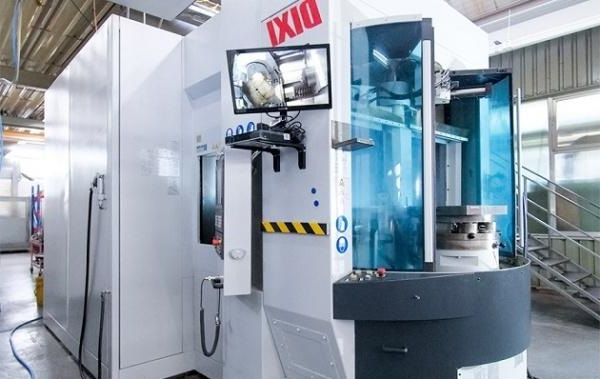
Complex designs limit mold development and conventional machining. The evolution and broad adoption of 5-axis machining have greatly upgraded manufacturing equipment capabilities.
Swiss-style machining simplifies the production of parts made from high-temperature alloys, stainless steel, and other hard-to-machine materials. Meanwhile, the adoption of 3D printing has continued to grow among OEM clients across the medical and surgical industries.
What Is Micro Machining?
Micro machining is a mechanical manufacturing process that uses versatile miniature cutting tools with geometrically defined cutting edges.
It enables the production of high-quality, high-precision components for all devices featuring part dimensions in the micrometer range. One micrometer equals \(1\times10^{-6}\) meters, and the smallest human chromosome is approximately 10 micrometers in length.
Specialized machining equipment is fully capable of handling these ultra-miniature dimensions. This process allows engineers to manufacture complex, tiny components with ease and exceptional accuracy.
Testing and production run across full scales, from large work envelopes down to micro sizes. Microfluidics perfectly demonstrates the core advantages of micro machining.
Common materials used in micro machining include polymers, hard metals, alloys, and other metallic materials. A major limitation of some of these materials is their single-use nature.
Micro machining uses ultra-high precision tools for tight tolerance control and complex fabrication of miniature parts.
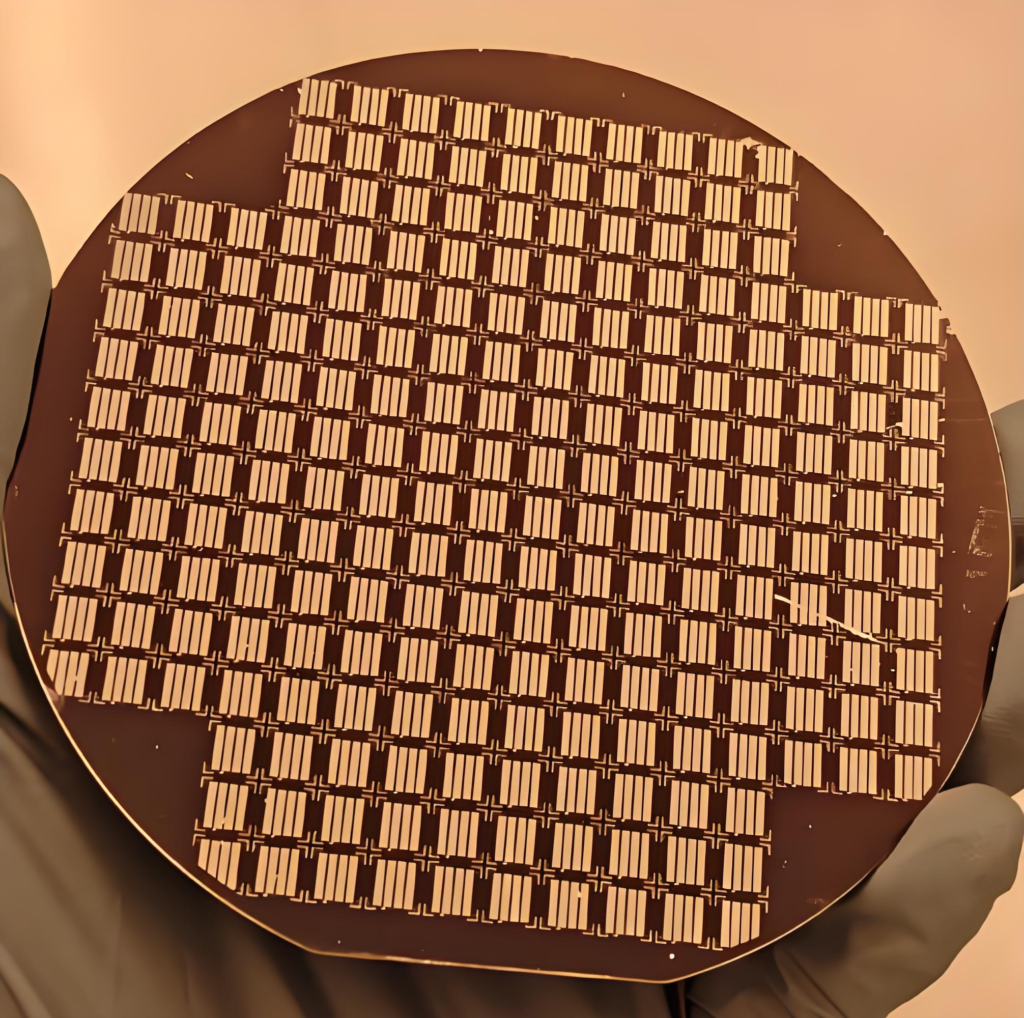
Differences Between Conventional Machining and Micro Machining
Conventional machining relies on manual operation. By contrast, micro machining uses fully or semi-automatic processing to make miniature parts. The two methods differ greatly. Today, advanced CNC-powered micro machining is more widely used than traditional manual machining.
Cost and Labor
Traditional machining is labor-intensive and costly. By contrast, micro machining needs minimal manual work, delivering far better cost efficiency。
Skills and Experience
Experienced personnel are crucial to ensuring part quality in traditional manufacturing. Thanks to extensive computerization and automation, micro machining requires far less professional experience from operators.
Replication Consistency
Experience plays an important role when replicating designs or finished products. Relying solely on manual experience, it is quite challenging to maintain consistent quality across the entire production batch.
CNC micro machining replicates both large and miniature parts easily and accurately.
Production Capacity
Mass production can be achieved in any manufacturing company. However, manual part production comes with a higher risk of errors.
Micro machining needs just one CAD-based setup, letting manufacturers finish production in a single day.
Types of Micro Machining Services
Micro machining serves broad industries to produce tiny, high-precision components.
This process serves a broad range of mechanical machining applications, delivering high-accuracy fabrication for highly complex parts with advanced technology and extremely tight tolerances.
The key procedures performed in the manufacturing of micro machined parts are as follows:
- CNC Screw Machining
- Micro CNC Machining
- Micro Precision Parts
- Micro Fine Precision Machining
- Micro CNC Milling Machine
- Drilling
- Micro Mechanical Turning
- Swiss CNC Machining
- Laser Machining / Laser Processing
- EDM (Electrical Discharge Machining)
- Photochemical Machining
The manufacturing of gears and fixtures relies on micro machining to deliver high precision and superior quality. The production of tools and molds, as well as the processing of forgings and castings, can also be accomplished with the aid of CNC micro machining. CNC Micro Machining Service Details:
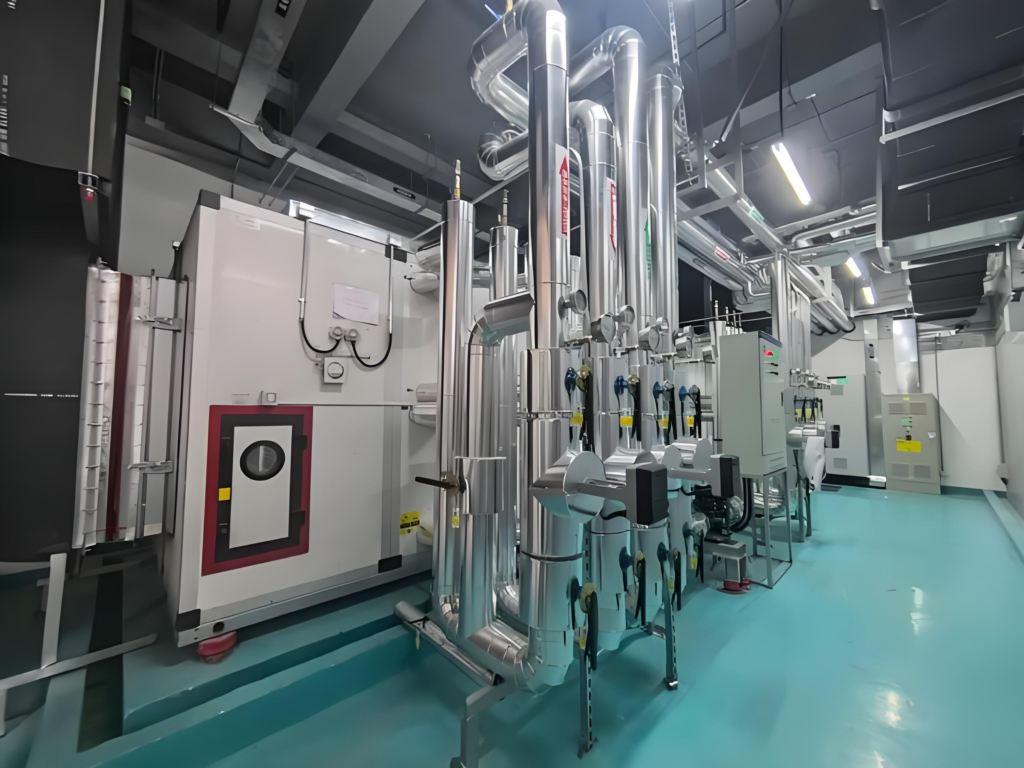
Micro CNC Machining
CNC micro machining provides high-quality manufacturing solutions to resolve customers’ technical challenges, producing ultra-small specialized components via CNC equipment.
Common micro processes include micro turning, milling and drilling. Micro machining creates ultra-fine fluidic channels, miniature waveguides for high-frequency transmission, tight-tolerance optical fibers, and compact semiconductor and electronic components.
These examples confirm CNC micro machining is ideal for precision component fabrication. Its industrial performance relies on multiple factors, with key determinants of process performance and reliability outlined below.
- Minimum Tool Life Consumption Time
- Pay attention to cutting force and deflection force
- High spindle speed
- Precision Accuracy
- Control feed rate and chip load
- Software
- Comprehensive inspection
Micro Electrical Discharge Machining
EDM (Electrical Discharge Machining) is also a key process in micro machining. It is a non-contact manufacturing method. The electrode generates electrical sparks to vaporize materials of any hardness for precise part fabrication.
The electrode sits above the conductive workpiece, with circulating dielectric fluid acting as insulator. Extreme temperatures of 14,430–21,600°C erode targeted workpiece material. CNC operators position the electrode over the workpiece with high precision and speed.
The two main types of EDM processes are:
- Sinker EDM
- Wire Cut EDM
Laser Micro Machining
This laser-assisted ultra-small component fabrication is also known as laser micro machining. It covers sizes from several to hundreds of micrometers, ideal for micro holes, grooves and complex patterns, and widely used in micro welding and soldering。
A major limitation of this process is the requirement for extremely high energy input. CNC operators control high-speed, high-precision equipment to regulate the movement of high-intensity laser beams.Major laser micro machining processes include laser micro drilling, laser micro cutting, laser micro milling, laser surface micro-structuring, and laser micro marking.
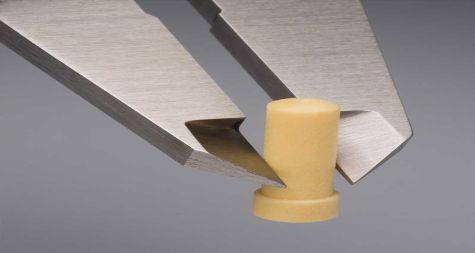
Surface Micro Machining
Surface micro machining, sometimes referred to as laser surface micro-structuring, involves structuring the surface of components.structuring is widely applied on a large scale for products with extensive surface areas.
A key feature of surface micro machining is the use of a highly focused laser beam on fixed parts or designated surfaces. In some cases, the machining area is not predefined and is processed dynamically during laser irradiation.
Typical applications of surface micro machining are as follows:
- Laser surface optimization for thin-film photovoltaic cells
- Laser honing applied to pistons and cylinders of internal combustion engine
- Fabrication of superhydrophobic surfaces through microscopic surface structuring
- Surface structuring for adhesive bonding or reinforced plastic joining
Micro Machining Process
The process of manufacturing ultra-miniature and small-sized parts with CNC machine tools is defined as micro machining. It is a highly accurate and precise manufacturing process that adopts advanced technologies.
Precision Machinery
Accuracy is the core objective when performing CNC micro machining on miniature parts.
Skillful operation and high-standard craftsmanship ensure precision throughout the manufacturing process by adopting a variety of advanced techniques.
Micro Machining Tools
Cutting tools used in CNC machining are adjusted according to the requirements of specific workloads.
Extremely sharp and finely milled tools are adopted in production.
The cutting tools must maintain exceptional precision to fabricate parts as small as 0.003 mm, which places stringent demands on tool manufacturing technology.
Innovative designs and complex geometric profiles require dedicated tools for custom part production.
Micro Machining Technology
Material Types
CNC micro machining supports a wide range of materials. The most commonly used ones include polymers, alloys, metals, and other hard materials. For more materials, visit: https://zorapid.com/materials
A downside of micro machining is single-use material with no replication. By contrast, glass manufacturing allows material reuse and replication after one cycle.
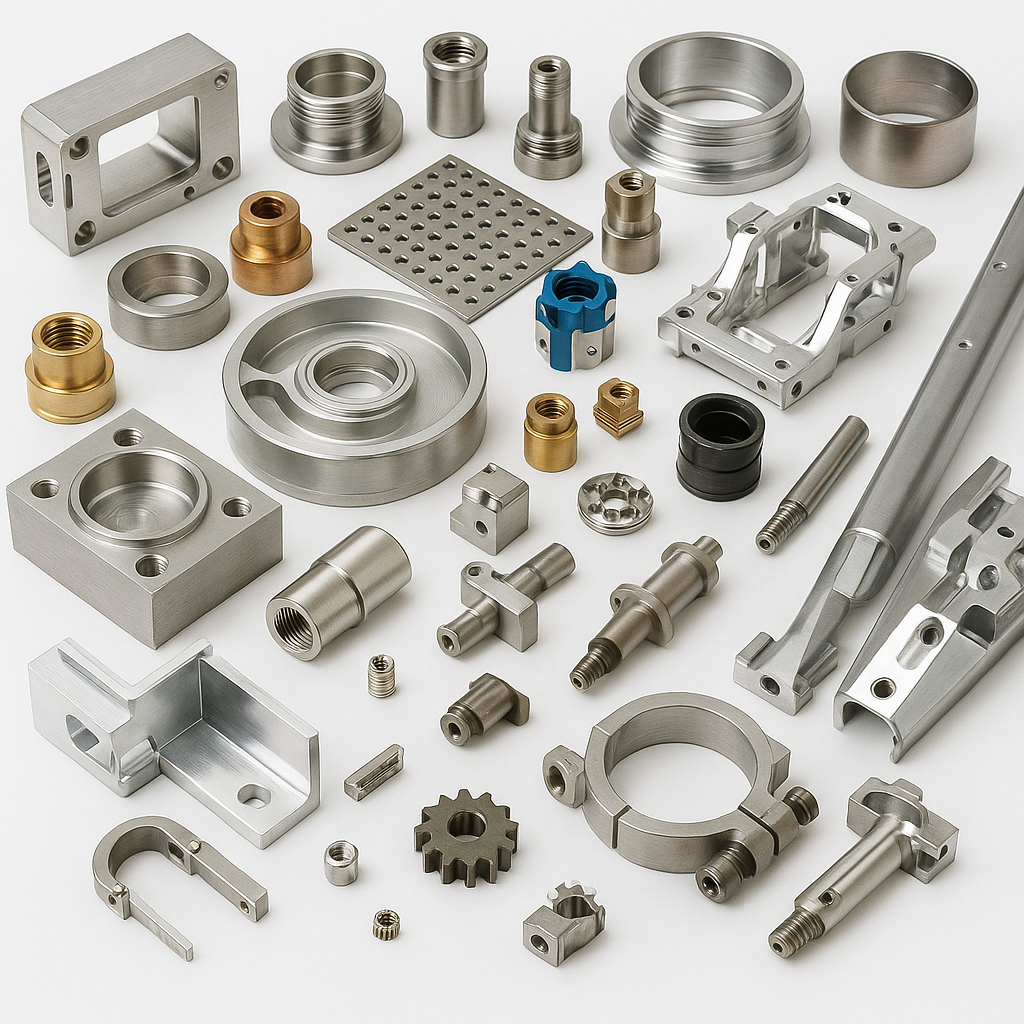
High-Precision Complex Shapes
Manufacturing complex shapes via micro machining is a challenging task. Photolithography, laser processing, electrical discharge machining (EDM), and chemical etching are common processes that deliver high precision. Parts with highly intricate profiles and geometries can be easily fabricated by CNC micro machining.
Micro Machining Applications
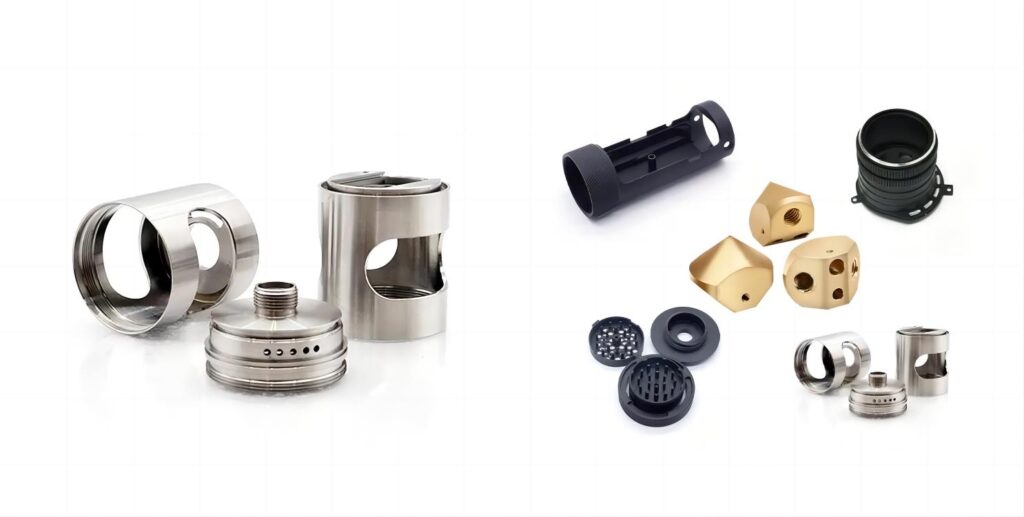
With the rapid advancement of technology, the applications of micro machining have been gradually expanding.Micro machining serves a wide range of fields.Aerospace, medical devices, military satellites, optical equipment, molds, oil and gas, pharmaceutical and food manufacturing are among the major industries where micro machining delivers high-precision components and creates remarkable technical value.
Aerospace
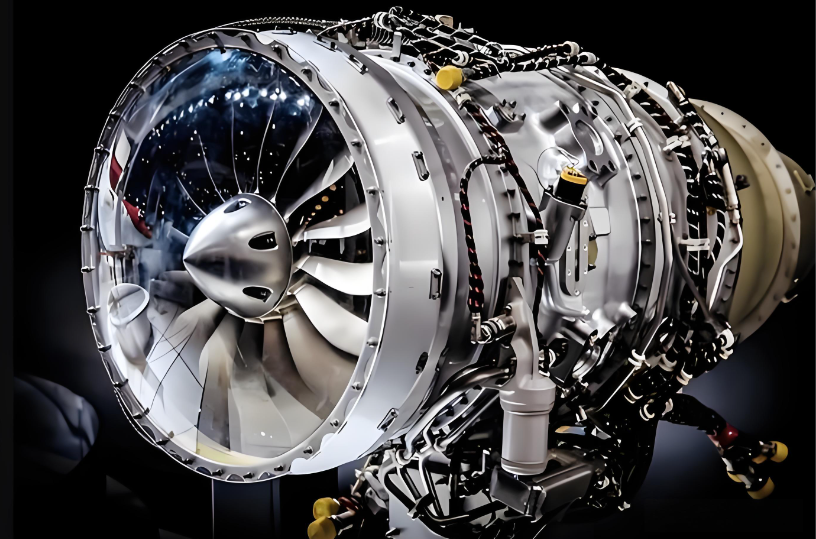
Components used in the aerospace industry must be manufactured to extremely high precision.
They must operate under high pressure and high temperatures.
Micro machining delivers perfect surface finishes and the required precision.
For more aerospace content, visit: https://zorapid.com/aerospace
Automotive Industry
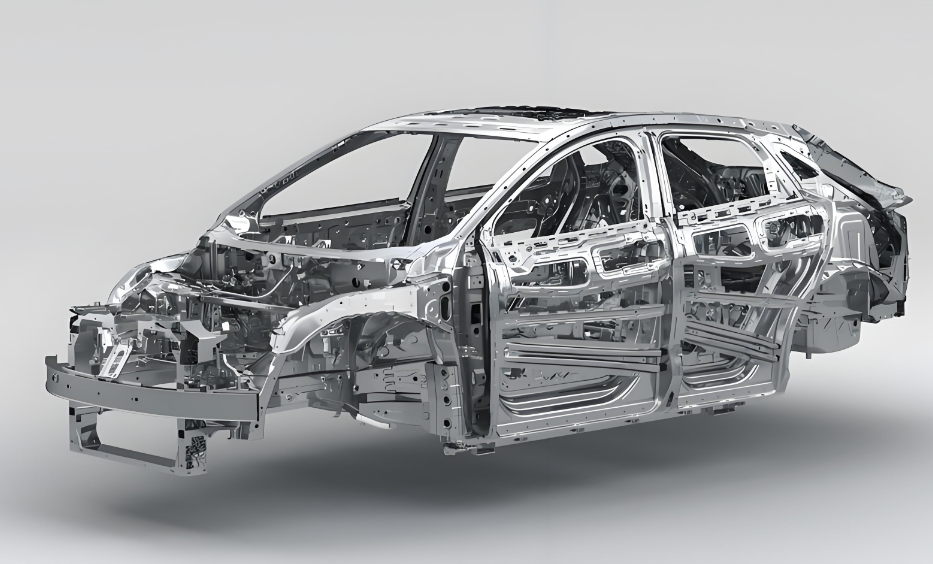
The automotive industry is one of the fastest-growing industries worldwide. Innovative and sophisticated designs are the core requirements of the automotive sector. CNC machining is a reliable manufacturing process for producing components with highly complex geometries.
Medical and Surgical
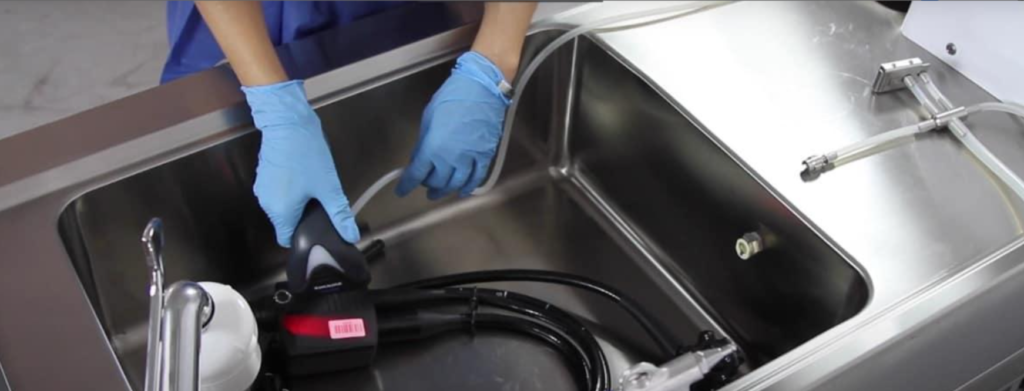
Medical instruments and equipment require extremely precise manufacturing and strict tolerance control.
The finishing of surgical components is critically important, as human life relies directly on their surface quality and precision.
CNC micro machining is widely adopted to efficiently produce tight-tolerance, high-precision parts for the medical and surgical industry.
Why Choose Zorapid Machining Services
Zorapid should be your top priority when your products require micro machining experts. There are many good reasons to choose Zorapid.
Our precision and CNC micro-milled parts are built on premium equipment, delivering top-tier micro machining performance.
From custom prototypes to complex precision machining, our entire manufacturing process is fully advanced.
Learn more about Zorapid’s capabilities at: https://zorapid.com
FAQ
What is the difference between micro machining and standard CNC machining?
Micro machining uses ultra-small tools, ultra-high spindle speed and micro feed rate with micron-level tolerance. It can produce micro holes, micro slots, thin walls and complex tiny profiles, which are unachievable by conventional CNC.
What precision can micro machining achieve?
Dimensional tolerance up to ±0.005mm, capable of micro holes, narrow slots, ultra-thin walls and complex micro curved surfaces with excellent surface finish.
Is micro machining available for prototypes and small batches?
Available for one-piece prototypes, R&D samples and low-volume production. No mold required, custom micro parts per your drawings.
What are the advantages of professional micro machining services?
It breaks traditional manufacturing limits, enabling one-piece machining of ultra-small size, tight tolerance and complex micro structures with high yield and consistency for high-end precision industries.