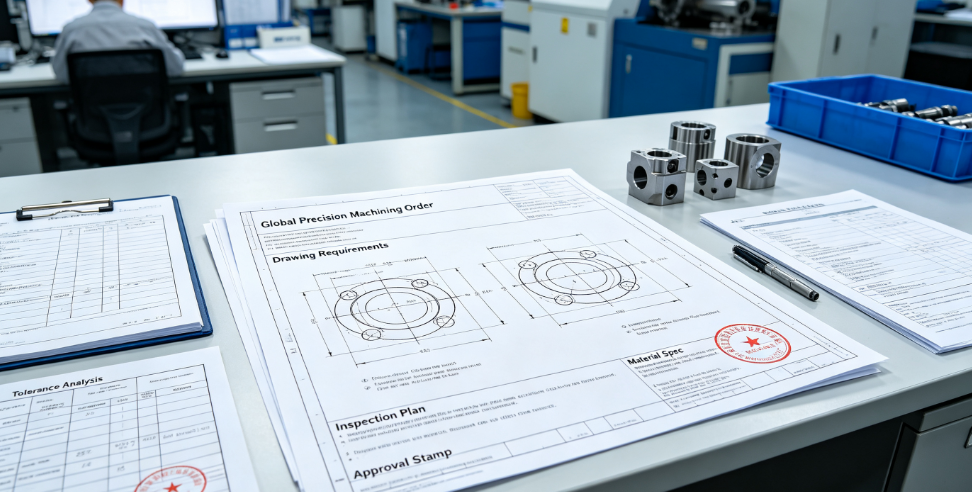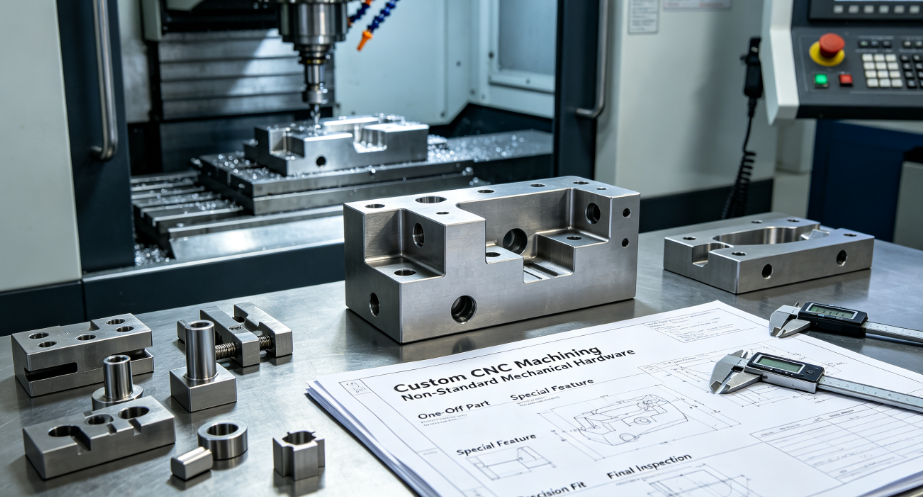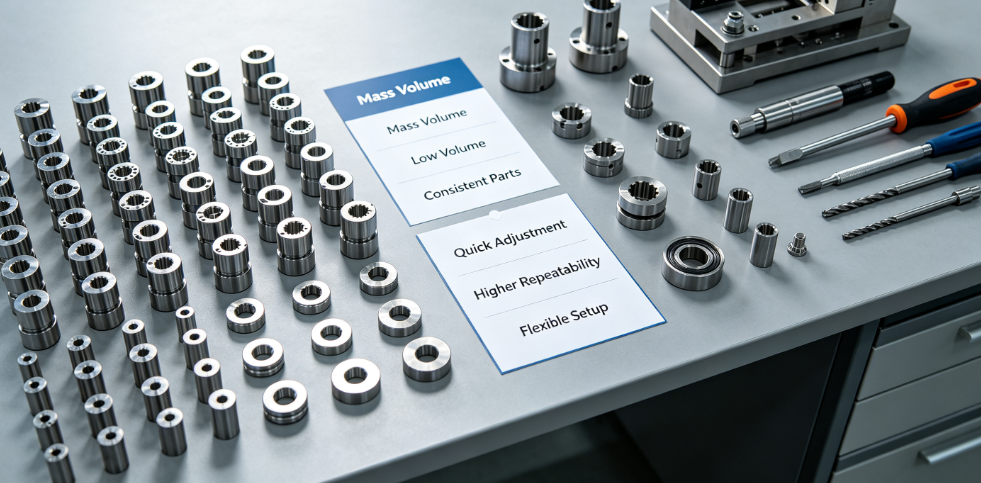
Stainless steel is a widely used material in industries such as construction and manufacturing. It is worth noting that not all stainless steel grades are the same. Only a few are suitable for your specific applications, and it is not recommended to use raw unprocessed materials in any project.
Machined or milled stainless steel differs from ordinary stainless steel and offers a range of unique advantages. You will discover the benefits of machined stainless steel, explore the steel milling process, and learn why Zorapid’s custom metal milling services can perfectly meet your stainless steel machining requirements.
Definition of Stainless Steel Milling
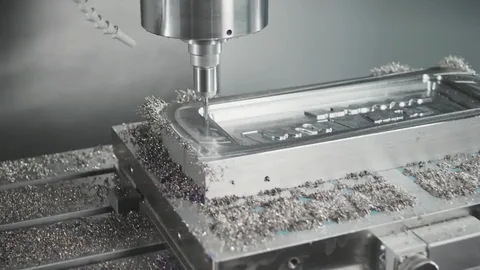
Stainless steel milling refers to the process of manufacturing components from iron-carbon alloys, also known as milled metal or milled stainless steel.
It is performed with professional stainless steel milling equipment, including manual milling machines and CNC milling machines.
The machining process removes excess material from stainless steel workpieces to achieve the required shape and dimensional accuracy. This method adopts precisely engineered milling cutters to efficiently machine the inherent properties of stainless steel.
Advantages of Milled Stainless Steel
Machined stainless steel comes with a host of benefits that make it suitable for a wide range of applications. Key advantages include:
Stainless steel milling enables precise control over shapes and dimensions while minimizing the risk of errors, greatly improving overall accuracy and efficiency — ideal for automotive, aerospace and other manufacturing industries.
For applications where appearance and surface finish are prioritized, steel milling delivers flat, smooth, glossy and polished surfaces with long-lasting performance, making products look premium and visually appealing.
Milled metal features higher strength and superior durability. Machining eliminates surface defects and scratches, preventing crack initiation even when the material is subjected to stress or cyclic loading. This makes milled stainless steel well-suited for strength-critical applications.
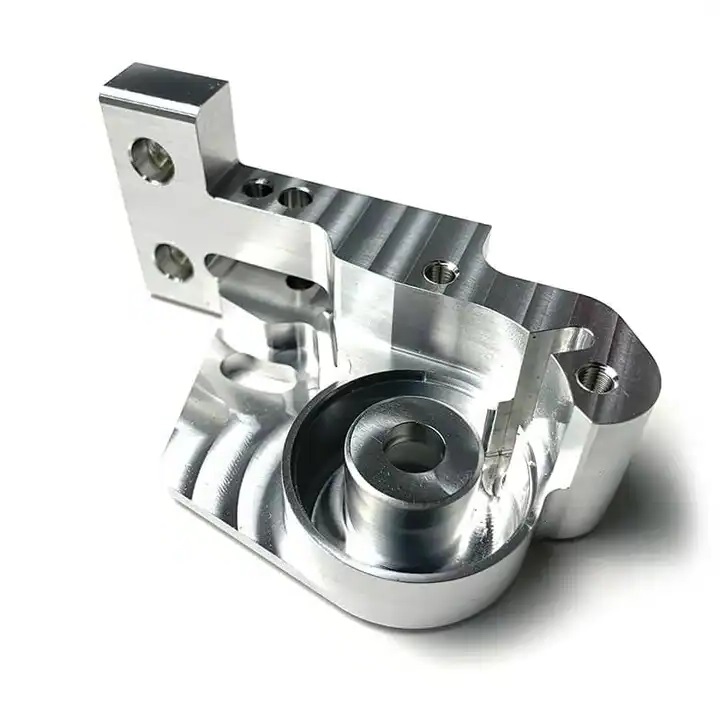
Limitations & Challenges of CNC Stainless Steel Milling
Despite the advantages of milling stainless steel, there are inherent limitations that need to be acknowledged.
It is sometimes uneconomical and unaffordable for low-budget applications, as it requires specialized cutting tools.
Precision machining demands skilled operators with professional expertise and proficient command of CNC equipment.
In addition, the high hardness of stainless steel creates difficulties during milling operations. High-performance tools and strict precision machining standards are required, including properly matched spindle speeds and feed rates.
Steel Milling Process: Step by Step
The steel milling process consists of a series of procedures used to shape and size raw steel workpieces. Below are the full details of the steel milling workflow:
Workpiece Preparation
The process starts with preparing the steel workpiece for milling. It includes surface cleaning, contaminant removal, and proper clamping to secure the metal part during machining.
Tool Selection
Proper milling cutters are critical for successful steel milling. Tool selection is affected by factors such as steel grade, required cutting parameters, and the complexity of machining operations.
Machine Setup
Once the workpiece and cutting tools are ready, the milling machine must be configured. This involves adjusting machine settings including spindle speed, feed rate, and cutting depth according to milling requirements.
Milling Operation
After all preparations are completed, the formal milling process begins. Following the designated tool path and cutting parameters, the cutter removes excess material from the workpiece in a controlled manner. The process repeats until the desired shape and dimensions are achieved.
Finishing
After milling, the steel components undergo post-finishing such as polishing or coating to improve surface finish and appearance. Quality inspection is also carried out to verify dimensional accuracy and compliance with industry standards.
The following video demonstrates the complete steel milling process. It covers guidance on selecting milling machines for different applications and explains relevant processing parameters.
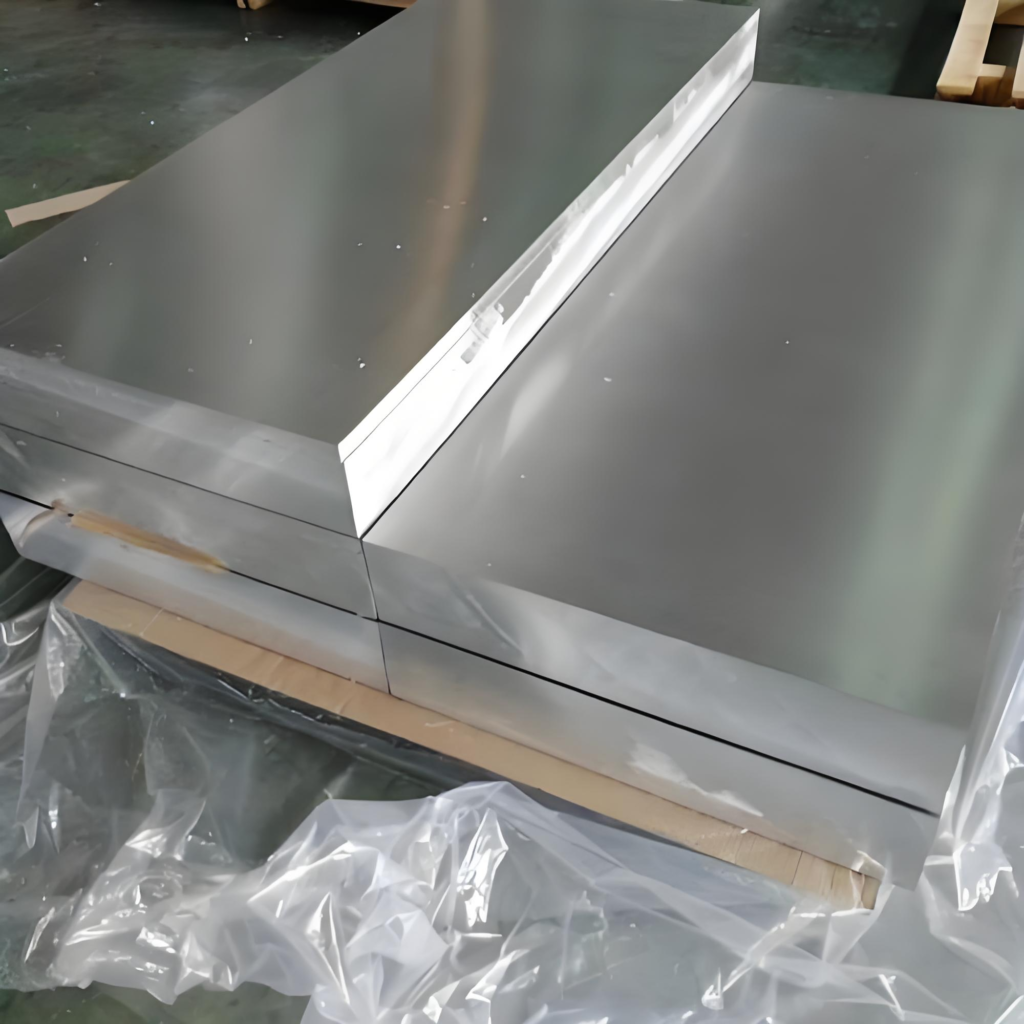
Stainless Steel Milling Speed and Feed Rate
Due to its high hardness and low thermal conductivity, milling stainless steel requires careful selection of speed and feed rate to achieve optimal machining results.
Cutting Speed
Milling speed for stainless steel should be set lower than that for other materials to avoid overheating and excessive tool wear. It is recommended to start with a moderate cutting speed and adjust accordingly based on machining performance and tool life.
Feed Rate
A relatively low feed rate is generally required for stainless steel milling to control chips and minimize work hardening. A slower feed rate helps smooth chip removal and reduces heat generation during processing.
Cutting Fluid
Selecting the right cutting fluid is critical for efficient stainless steel milling. Cutting fluid cools the tool and workpiece, lubricates the cutting zone, and flushes away chips. High-performance cutting fluids specially formulated for stainless steel machining are highly recommended.
Why Choose Zorapid Custom Metal CNC Milling Services
After understanding the advantages and disadvantages of milled metals, it is crucial to select the right partner for your steel milling requirements. Zorapid custom metal milling services deliver complete solutions for all your steel milling needs.
Equipped with state-of-the-art machinery, skilled operators, and a strict commitment to quality, Zorapid manufactures precision milled metal components that meet top industry standards. Our in-depth understanding of steel milling processes guarantees precise dimensions, superior surface finish, and long-lasting product performance.
In addition, Zorapid offers cost-effective pricing and fast turnaround times, making us a reliable and budget-friendly choice for your steel milling projects, whether for custom one-off parts or mass production.
For more details about CNC machining: https://zorapid.com
FAQ
What are the key advantages of stainless steel milling?
It features corrosion resistance, oxidation resistance, high strength, low deformation, high temperature resistance and long service life, with premium surface finish, ideal for precision structures and harsh outdoor environments.
What stainless steel grades are suitable for CNC milling?
Common grades include 304, 316L, 303, 416 and 420. 304/316L offer superior corrosion resistance, 303 provides better machinability for complex parts, while 420 suits high-hardness wear-resistant components.
Why is stainless steel harder to mill than aluminum?
Stainless steel has high toughness, severe work hardening, poor thermal conductivity and built-up edge tendency. It brings high cutting resistance, easily causing vibration marks, burrs and rapid tool wear.
What precision can stainless steel CNC milling achieve?
Standard tolerance reaches ±0.02mm, and precision parts up to ±0.005mm. It supports micro holes, thin walls, complex cavities and custom precision components.