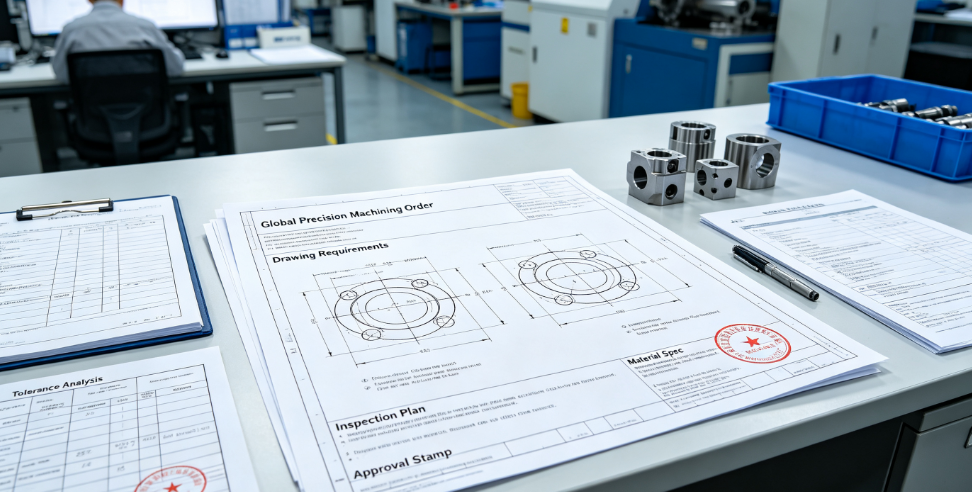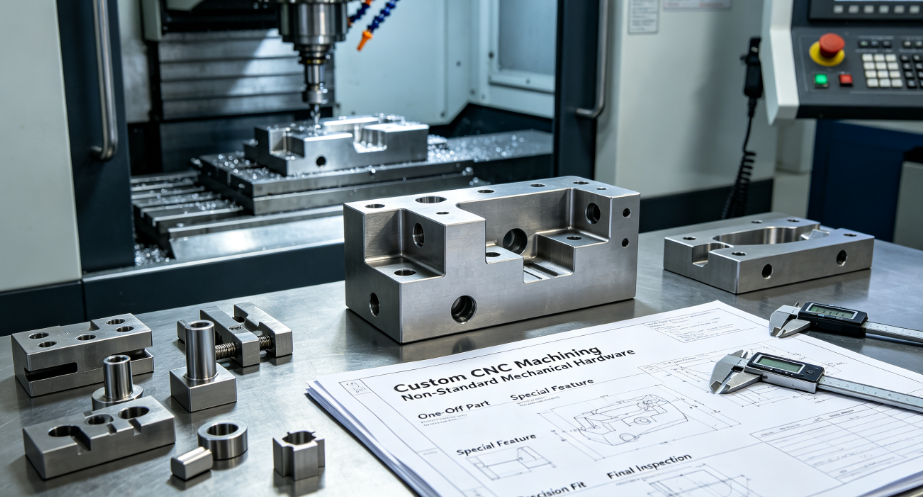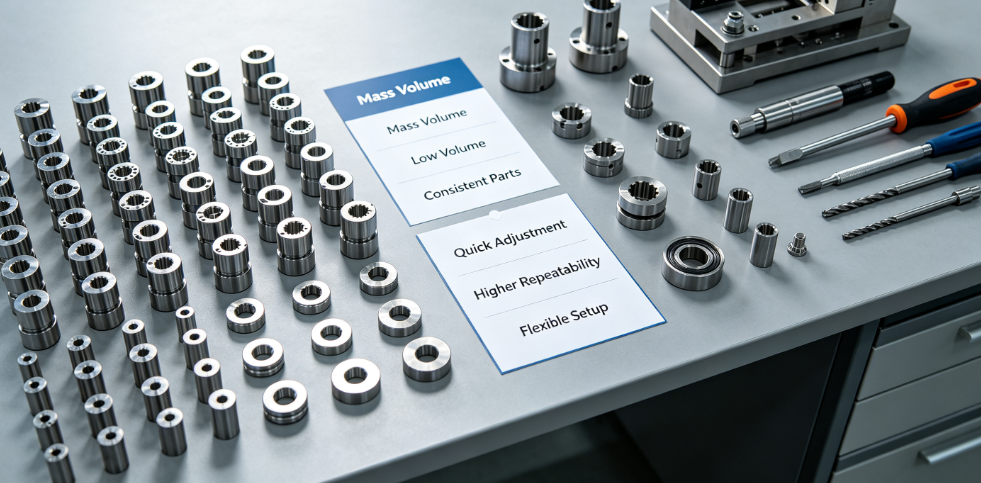
CNC machining is a sophisticated manufacturing technology that uses computer-controlled cutting tools to remove material. Zorapid is one of the best CNC machining service providers. Equipped with advanced CNC machines, Zorapid specializes in manufacturing CNC turning parts, machined components, milling parts, automotive lathe parts, stamped parts and sheet metal parts.
What is Complex CNC Machining?
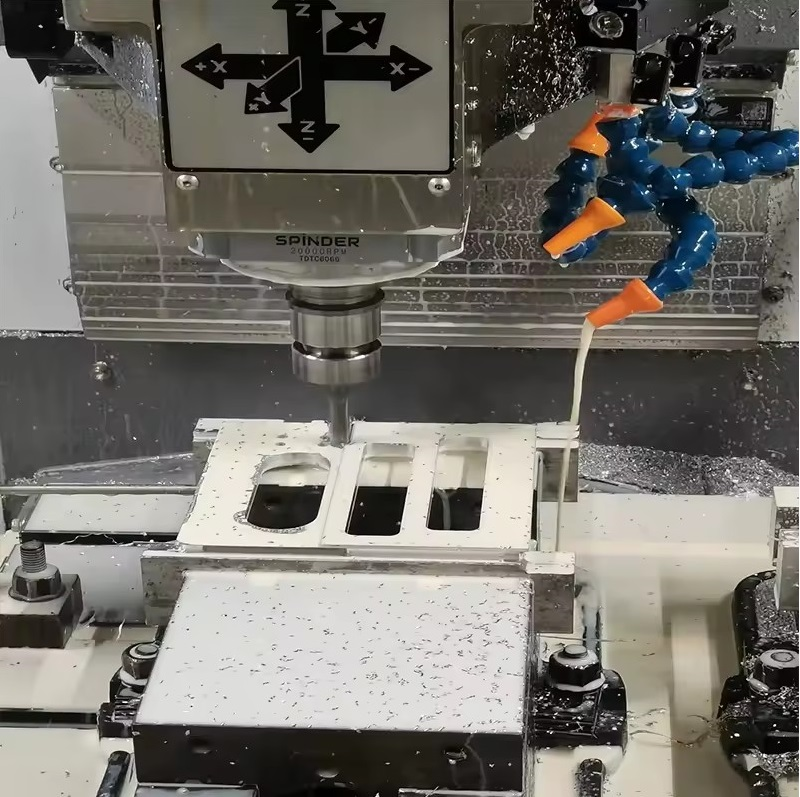
Complex CNC machining is a manufacturing process that produces precision components with intricate geometries. It is a multi-step process designed to achieve the required shape and accuracy. CNC machines offer high dimensional accuracy and precision, making them more efficient than conventional machining processes.
Zorapid CNC Machining: https://zorapid.com/cnc-machining
Key Features of Complex Machining Processes
Complex machining involves the use of multi-axis motion systems, special tools, and advanced programming methods. A wide range of high-precision parts can be produced on sophisticated machines performing complex tasks.
CNC lathes, 3-axis and 5-axis centers craft components of all geometries, sizes, complexities, tolerances, materials and end uses.
Imaging for Complex Machining
In precision CNC machining for complex or tight-tolerance parts, computer-aided software is used to perform operations such as milling, turning, or grinding.
Types of Complex CNC Machining Complex CNC machining is available in various types according to the classification of CNC machine tools.
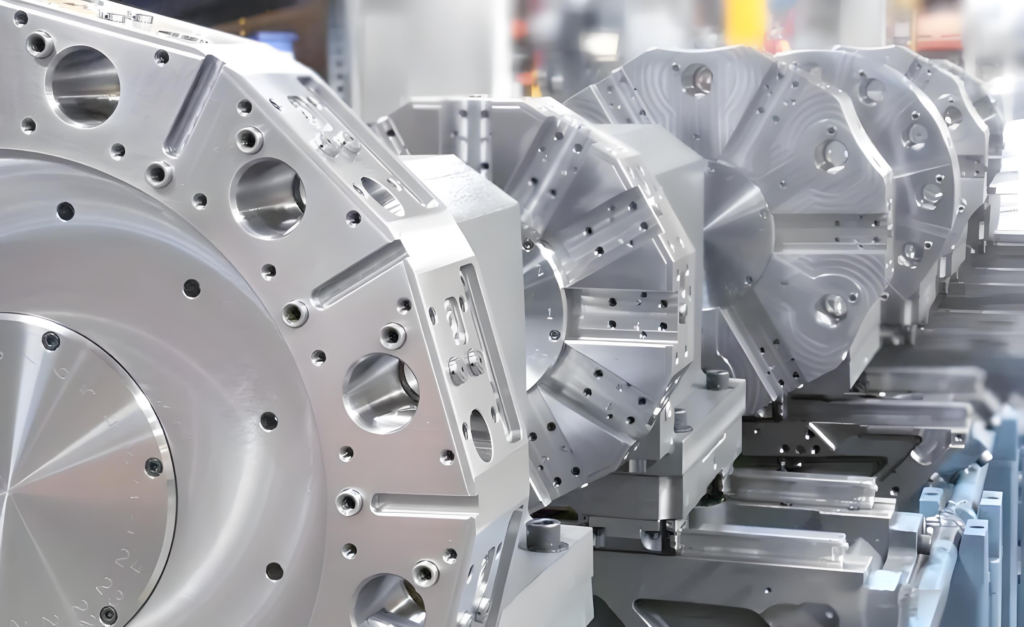
Multi-Axis CNC Machining (3-Axis, 4-Axis, 5-Axis)
The primary difference in CNC machining processes lies in the number of moving axes, which can be 3-axis, 4-axis, or 5-axis CNC machining. Axis count refers to the directions of cutting tool movement. 5-axis CNC machining offers the highest degree of tool motion.
Exceptional 5-axis machining: https://zorapid.com/5-axis-cnc-machining
CNC Turning and Milling for Complex Geometries
CNC turning is best suited for machining simple and cylindrical shapes. Milling is ideal for processing complex geometries.
CNC milling uses rotating cutting tools to remove material from a stationary workpiece.
CNC turning uses stationary cutting tools while the workpiece rotates.
Precision milling: https://zorapid.com/cnc-milling
Electrical Discharge Machining (EDM) for Complex Parts
EDM is an advanced manufacturing method that uses thermal energy instead of mechanical force to remove material. It is the optimal choice for shaping and forming complex components from hard, conductive materials.
The electrode and workpiece are separated by a dielectric fluid, which breaks down to generate sparks. These sparks erode material away from the workpiece.
The Role of Design Engineers in CNC Machining Services
Collaboration Between Engineers and Machinists
Engineers conduct quality control inspections for precision CNC machining with complex geometries or tight tolerances. It is one of the critical procedures in the overall manufacturing process. It involves various analyses such as stress and strain analysis, microstructure analysis, as well as detailed inspection with precise tolerance specifications.
Design for Manufacturability (DFM) Considerations
DFM refers to a set of considerations to optimize the CNC machining process. It accelerates production with higher efficiency and cost-effectiveness. Key considerations include material selection, tight tolerances, machining strategies, groove depth, visibility, accessibility, and machine tool reachability.
Prototyping and Optimization of Complex Parts
Design optimization simplifies structures by minimizing part quantity, reducing intricate features, and eliminating unnecessary complexity. Prototyping is essential to verify design feasibility and optimization performance, ensuring better material utilization and process efficiency.
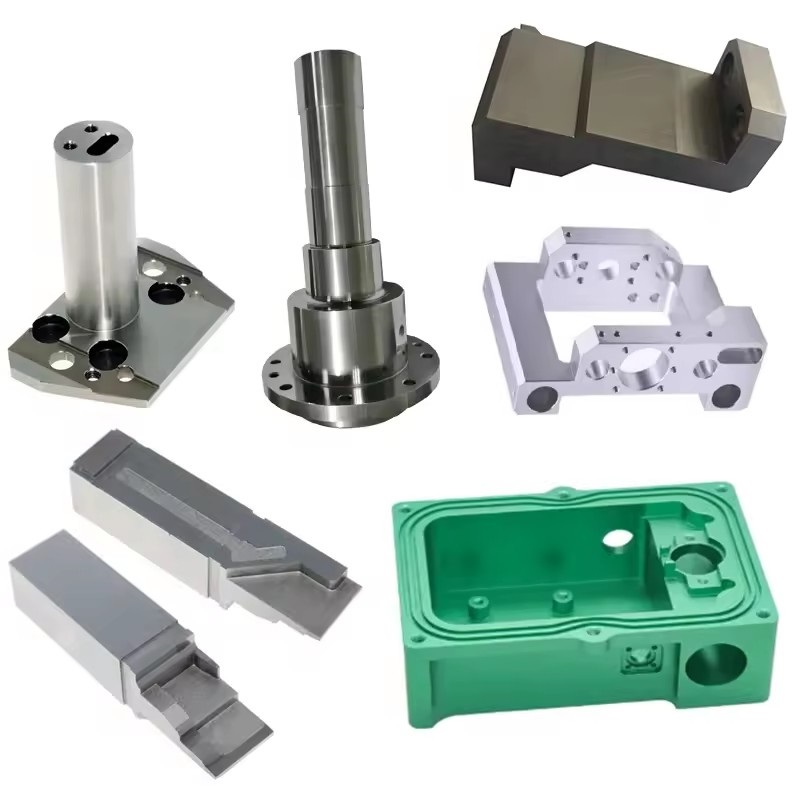
Advanced Materials for Complex CNC Machining
Metals Used in Precision Machining
The primary metals used in precision machining include steel, aluminum, titanium, copper, and carbon steel. Stainless steel is the most versatile alloy, with numerous grades available for various applications. Titanium delivers optimal performance in precision turning due to its high strength and light weight. Aluminum alloys are cost-effective, lightweight, and corrosion-resistant, making them easy to machine into complex parts.
Full material library: https://zorapid.com/materials
Plastics and Composite Materials for CNC Machining
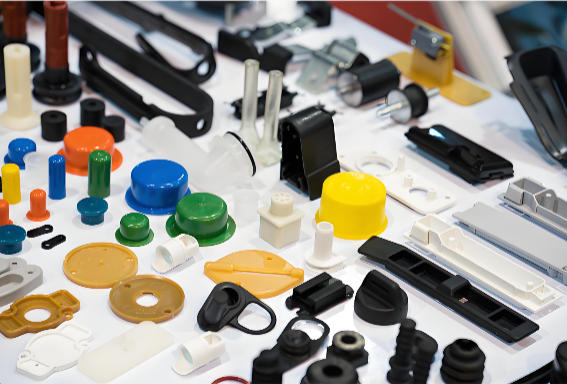
When selecting plastics and composite materials for CNC machining, the key considerations are material properties, application requirements, and processing techniques. The most suitable plastics for CNC machines include acrylic, high-density polyethylene (HDPE), polycarbonate (PC), polypropylene (PP), Teflon (PTFE), and nylon.
For composites, the matrix material is critical and depends on the specific application. Common matrix types for CNC machining include metal matrix, polymer matrix, and ceramic matrix composites.
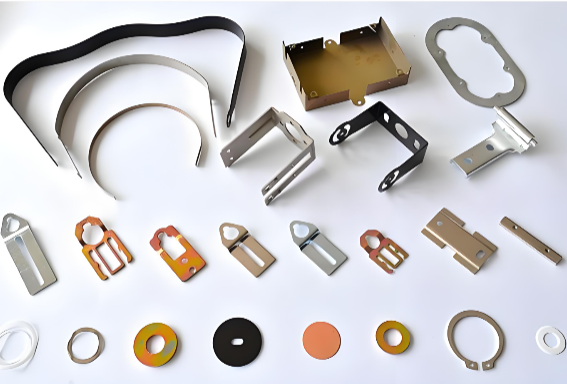
Advantages of Precision Machining for Complex Parts
The benefits of precision CNC machining for complex parts with tight tolerances include:
Repeatability
CNC machining can produce identical parts with consistent precision, which is difficult to achieve with other manufacturing processes.
High Accuracy
Capable of fabricating complex geometries with high precision and tight tolerances.
Versatility
Precision machining is compatible with a wide range of materials, including metals, plastics, and composite materials.
Cost-Effectiveness
The process features low overall cost, high accuracy, excellent repeatability, and broad material availability. It minimizes material waste and supports high-volume production.
Superior Surface Finish
Precision machining delivers premium surface finish with both high functionality and aesthetic appearance.
Challenges in Complex CNC Machining
The challenges of complex CNC machining include:
Programming Errors
They may occur at any stage of machining, resulting in unoptimized or unusable parts.
Wide Range of Material Selection
It can be challenging when there is a broad choice of materials for each individual project.
Vibration
Vibration is common during machining processes such as drilling, milling and turning, which may distort the geometric profile of parts.
Complex CNC Machined Parts
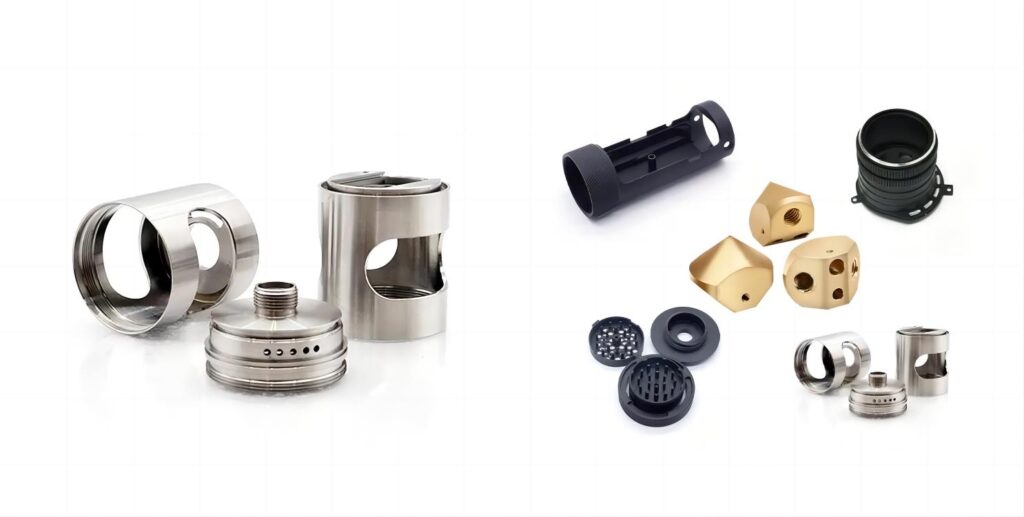
CNC machining can fabricate complex geometric components for industries including aerospace, defense, automotive, medical, and submarine applications. These parts vary in complexity and are typically produced by CNC milling or CNC turning.
The selection of machining equipment depends on the part’s geometry, tolerance requirements, material type, and overall dimensions. Dimensional accuracy of finished parts is verified via CMM inspection, which identifies any deviations from the design before shipment.
CNC Machining Tolerance and Surface Finish
Tolerance and surface finish are critical parameters in CNC machining.
Tolerance
It defines the maximum and minimum allowable dimensions of a part. The standard tolerance for most complex manufacturing is typically ±0.005 inches. However, tolerances may vary depending on process types such as turning, milling, planing, and drilling.
Surface Finish
It describes the smoothness or roughness of a component surface. It is measured by Ra (Average Roughness), where a lower Ra value indicates a smoother surface.
Proper surface roughness is essential for CNC machined parts, as it directly affects friction performance and wear resistance.
Post-Processing in Complex CNC Machining
Heat Treatment and Surface Coating Options
Heat treatment and surface finishing processes such as coating and painting are performed after machining. They improve the surface roughness, wear resistance, friction performance, and visual appearance of CNC machined components.
Deburring and Polishing of Complex Parts
Post-processing also includes deburring, polishing, anodizing, electroplating, and grinding. These methods enhance the surface finish and aesthetics of parts, while also providing additional functional properties in complex manufacturing.
Post-Machining Inspection and Quality Control
Final inspection of machined parts is conducted after complex manufacturing to verify overall quality. It covers dimensional measurement, dimensional accuracy, and other critical technical aspects. Calipers and coordinate measuring machines (CMM) are commonly used for precision measurement. Defects are identified and corrective measures are implemented to ensure consistency and high-quality output.
How to Choose the Right CNC Machining Partner
When selecting Zorapid for advanced CNC machining services, it is essential to confirm the types of CNC machining available and the equipment specifications provided by the partner.
Key factors to consider include machine size and capacity, machine type, tooling, control systems and software, equipment maintenance, and most importantly, budget.
It is also necessary to verify secondary operations such as assembly, packaging and shipping.
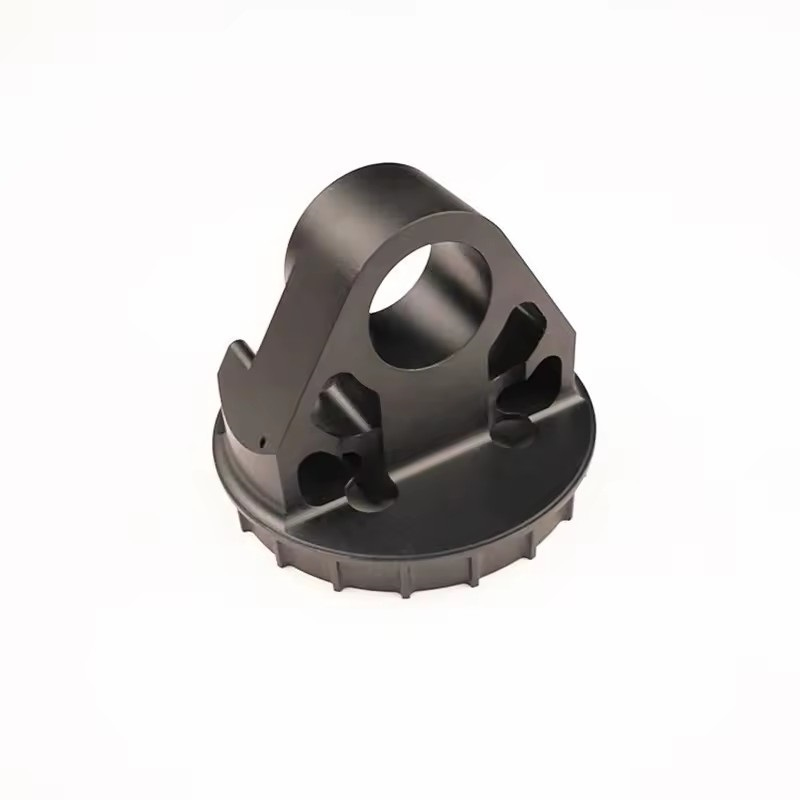
Zorapid Capabilities in Complex & Precision Machining
Zorapid is a leading factory specializing in precision machining services. Its comprehensive service offerings include:
CNC Machining
Zorapid is one of the top suppliers of precision CNC machined parts.
Custom OEM Manufacturing
Zorapid provides custom OEM manufacturing services.
3D Printing
Zorapid offers professional 3D printing services.
Complex Robotic Components
Zorapid has expanded its services to the production of complex robotic parts.
FAQ
Why choose Zorapid for complex part machining?
Equipped with 5-axis CNC machines and an experienced engineering team, we specialize in high-complexity parts for aerospace, medical and semiconductor industries. One-setup machining minimizes misalignment, ensuring high precision, stable yield and on-time delivery.
What complex parts can Zorapid process?
Turbine housings, impeller components, special-shaped cavities, thin-wall parts, multi-angle brackets, motorcycle custom components, semiconductor bases and complex medical micro parts.
Do you support one-off prototyping and small batches for complex parts?
Yes, 1 piece minimum order with no MOQ. We handle R&D prototypes, pilot runs and medium-volume production with no mold required, delivering in 3–5 days.
How does Zorapid guarantee complex part quality?
DFM review in advance, optimized 5-axis tool paths, separated roughing and finishing, dedicated tools and cutting parameters, CMM full inspection, and strict material & process control.
What makes Zorapid stand out in complex machining?
Mature processes, sufficient 5-axis capacity and rich experience in hard-to-machine materials. Stable precision, minimal deformation, superior surface finish, transparent pricing and reliable lead time for global custom orders.