If you’re new to manufacturing, product design, or engineering, CNC milling is one of the most important skills/processes to understand. It’s the backbone of modern precision manufacturing—used to make everything from simple brackets to complex aerospace components.
This guide cuts through the jargon, breaks down exactly how CNC milling works, what it’s good for, and why it’s the go-to choice for thousands of engineers worldwide. No prior experience needed—let’s dive in.
What Is CNC Milling & How Does It Work? (Tech Deep Dive)
Let’s start simple: CNC milling is a subtractive manufacturing process that uses a rotating cutting tool to remove material from a solid block (metal, plastic, etc.) to create a precise 2D or 3D part.
“CNC” stands for Computer Numerical Control—meaning every move the machine makes is programmed by a computer, not controlled by hand.
The Core Process (Step-by-Step for Beginners)
CAD Design: You create a 3D model of your part in software like SolidWorks, Fusion 360, or AutoCAD.
CAM Programming: The CAD file is converted to G-code (the language CNC machines understand). This tells the machine exactly where to move the tool, how fast, and how deep to cut.
Machine Setup:
- Secure the raw material (workpiece) in a vise or fixture.
- Load the correct cutting tool (end mill, ball nose, etc.) into the spindle.
- Set the zero point (starting position) for accuracy.
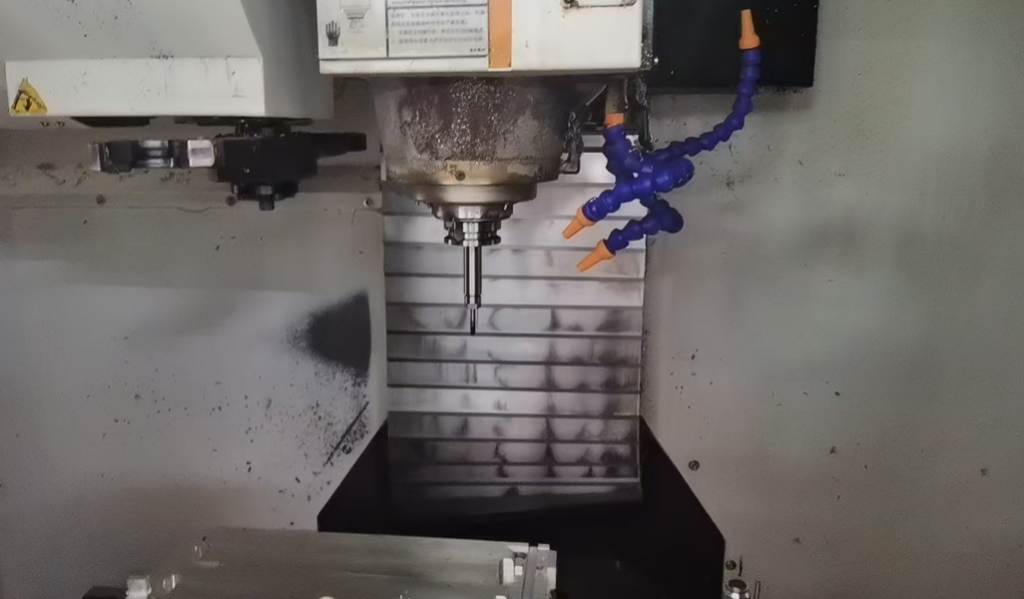
Cutting (The Fun Part): The spindle spins the tool at high speed (RPM), and the machine moves the tool/workpiece along X, Y, Z axes to carve out the part.
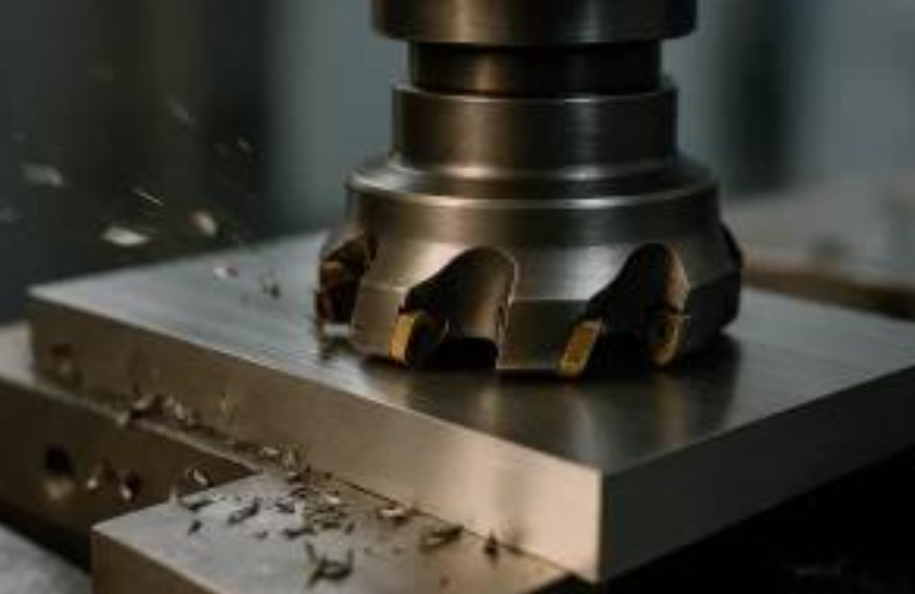
Inspect & Finish: Remove the part, deburr sharp edges, and check dimensions with calipers or a CMM (Coordinate Measuring Machine).
Key CNC Milling Terms (No Fluff)
- Spindle: The rotating part that holds the cutting tool (like a drill, but way more precise).
- End Mill: The most common cutting tool—flat or rounded tip for cutting slots, holes, and shapes.
- Axes: 3-axis (X, Y, Z) = basic parts; 5-axis = tilts/rotates for complex shapes.
- Feed Rate: How fast the tool moves across the material (measured in mm/min or ipm).
- RPM: How fast the spindle spins (higher = faster cutting for soft materials).
Why CNC Milling Beats Manual Machining
- Perfect Consistency: Every part is identical (no human error).
- Micron Precision: Tolerances as tight as ±0.002mm (way better than hand tools).
- Complex Shapes: Easily makes curves, deep cavities, and intricate details you can’t do by hand.
- Faster Production: Runs 24/7 (lights-out machining) with minimal supervision.
The Impossible Parts We Mill (When Others Say No)
At Zorapid, we don’t just do standard CNC milling—we specialize in the hard, complex jobs most shops reject. Here’s what we can mill that others can’t:
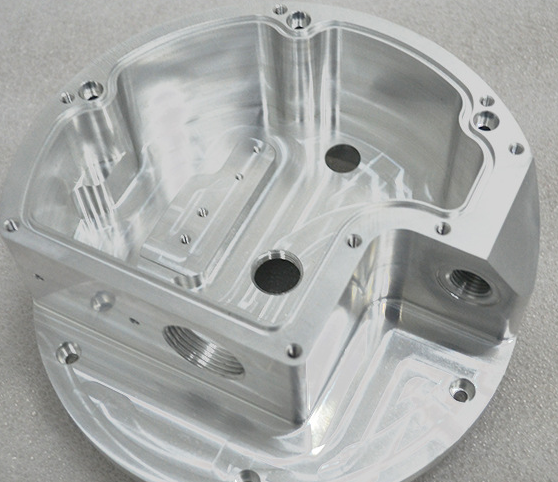
Deep Cavities & Tight Corners (10:1 Depth-to-Width Ratio)
Standard shops struggle with deep, narrow pockets (e.g., mold inserts, hydraulic blocks) because long tools vibrate or break. We use short, rigid tools + 5-axis positioning to reach deep spots with zero deflection and perfect surface finish.
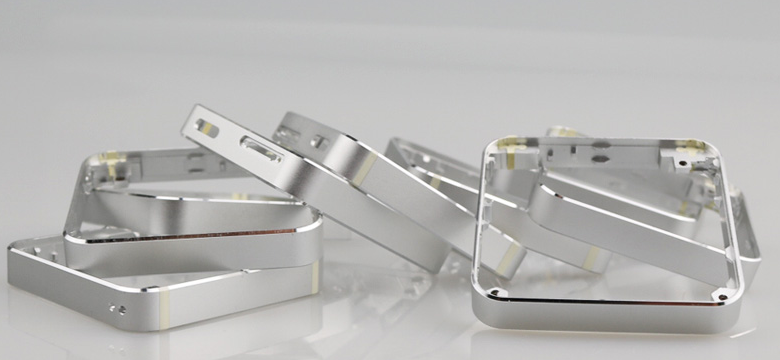
Ultra-Thin Walls (≤0.3mm)
Thin walls warp or break easily during milling. Our low-vibration machining + optimized tool paths let us mill thin walls in aluminum, steel, or titanium with 100% dimensional stability.
Freeform & Organic Surfaces
Parts like turbine blades, medical implants, or optical reflectors have flowing, curved shapes. Standard 3-axis mills leave stair-step marks; our 5-axis CNC + ball-nose tools follow curves perfectly for mirror-like Ra 0.2μm finishes.
High-Hardness Materials (HRC 60+)
Hardened steel (S136, H13) and exotic alloys (Inconel, titanium) wear out standard tools fast. We use premium coated carbide tools + precision cooling to cut these materials efficiently—no burning, no warping.
Zorapid Promise: If your part has complex geometry, tight tolerances, or tough materials, we can mill it—when other shops say it’s impossible.
Materials We Mill (Metals & Plastics for Every Industry)
CNC milling works with almost any solid material—we’ve milled hundreds of grades for aerospace, medical, automotive, and industrial clients. Here’s our most common lineup:
Metals (High Strength, Precision Critical)
| Material | Common Grades | Key Benefits | Best For |
|---|---|---|---|
| Aluminum | 6061-T6, 7075-T6 | Lightweight, fast to machine, great finish | Aerospace parts, EV battery trays, heat sinks |
| Stainless Steel | 304, 316L, 17-4PH | Corrosion-resistant, strong | Medical tools, food machinery, marine parts |
| Titanium | Ti-6Al-4V (Grade 5) | Biocompatible, high strength-to-weight | Orthopedic implants, aerospace blades |
| Hardened Steel | S136, H13, SKD11 | Hard (HRC 50–60), wear-resistant | Injection molds, die-cast molds |
| Inconel | 718, 625 | Heat-resistant (up to 800°C) | Jet engine components, turbine parts |
Engineering Plastics (Lightweight, Non-Magnetic)
- PEEK: Medical implants, high-temperature parts (biocompatible, strong).
- PMMA (Acrylic): Optical parts, lenses, light guides (clear, scratch-resistant).
- Nylon/Delrin: Gears, bearings, structural parts (low friction, wear-resistant).
- ABS: Prototypes, consumer goods (easy to machine, cost-effective).
Specialty Materials
- Copper/Brass: Electrical components, heat exchangers (high conductivity).
- Graphite: Electrodes, thermal management parts (lightweight, conductive).
Why This Matters: We don’t just cut materials—we tune every parameter (speed, feed, tool) to your material’s unique properties for perfect results every time.
Real-World Case Studies (Beginner-Friendly Examples)
Let’s get practical—here are 3 real projects we’ve milled for clients, showing exactly how CNC milling solves problems.
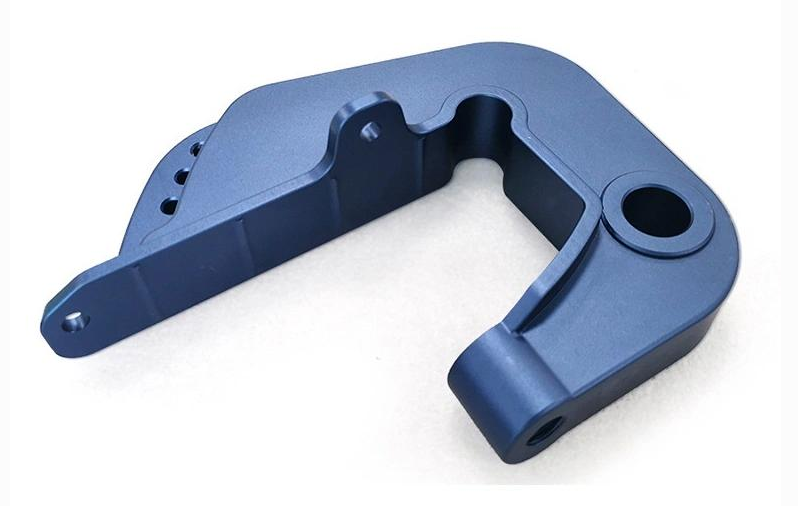
Case Study 1: Aluminum Bracket for Robotics (6061-T6)
Client: Robotics startup
Problem: Needed a lightweight, high-strength bracket with 5 mounting holes and a curved slot. 3D printing was too weak; manual machining was too slow.
Zorapid Solution: 3-axis CNC milling with a 4-flute end mill.
Results:
- Perfect dimensional accuracy (±0.005mm).
- Lightweight (20% lighter than steel).
- Delivered in 3 days (client met their prototype deadline)
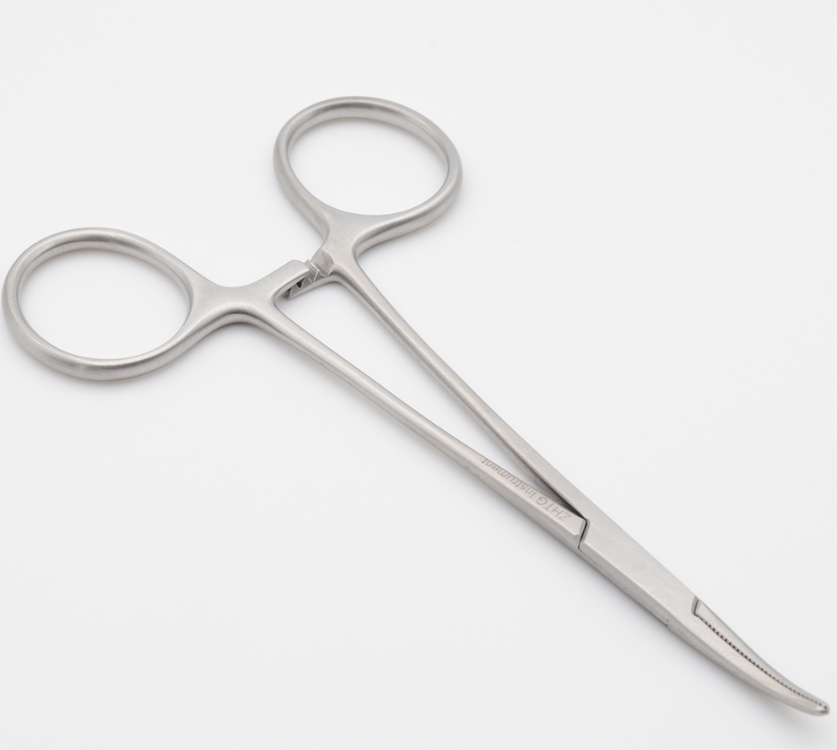
Case Study 2: Stainless Steel Medical Tool (316L)
Client: Medical device company
Problem: Small surgical forceps with tight tolerances (±0.003mm) and a smooth, corrosion-resistant finish.
Zorapid Solution: 5-axis CNC milling with micro-tools + medical-grade passivation.
Results:
- 100% biocompatible (passed ISO 13485 testing).
- Smooth, burr-free edges (safe for surgical use).
- Delivered in 5 days (no outsourcing, all in-house)
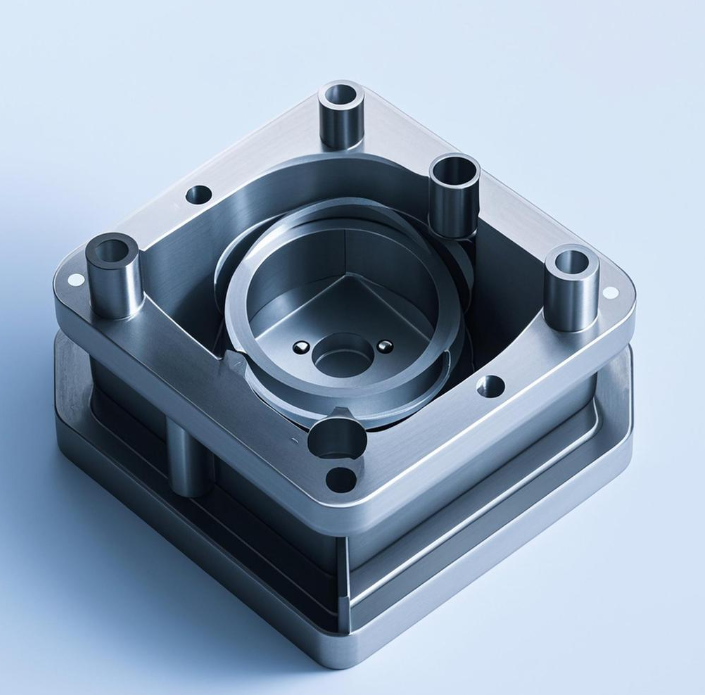
Case Study 3: H13 Steel Injection Mold Insert (HRC 58)
Client: Consumer goods manufacturer
Problem: Deep cavity mold insert for plastic toy parts. Standard shops quoted 6 weeks and high scrap rates.
Zorapid Solution: 5-axis CNC milling with long-reach Harvey tools + high-temperature cooling.
Results:
- Zero tool breakage, 1.2% scrap rate (industry average = 8%).
- Mirror finish (Ra 0.3μm, no hand polishing needed).
- Delivered in 12 days (50% faster than competitors)
Key Takeaway: CNC milling isn’t just for “big industrial parts”—it’s perfect for prototypes, small batches, and custom components across every industry.
Top Applications of CNC Milling (Where It Shines Brightest)
CNC milling is everywhere—here are the most common industries and parts it’s used for:
Aerospace & Defense
- Structural brackets, turbine blades, engine components (aluminum, titanium).
- Lightweight parts for drones and aircraft (high strength-to-weight ratio)
Medical & Healthcare
- Surgical instruments, orthopedic implants (hips, knees), dental abutments.
- Biocompatible parts (titanium, 316L stainless steel) with tight tolerances.
Automotive (High-End & EV)
- EV battery trays, engine cylinder heads, transmission housings.
- Luxury car interior trim, optical reflectors, and mold inserts for plastic parts
Industrial & Precision Engineering
- Hydraulic valve blocks, robotics joints, optical instrument parts.
- Mold and die components (injection molds, stamping dies) for mass production
Consumer Products & Prototyping
- Electronics housings, phone cases, kitchen appliances, and custom prototypes.
- Fast, cost-effective way to test designs before mass production
For Beginners: If you’re designing a part that needs precision, strength, or complex geometry, CNC milling is almost always the best choice.
Delivery Speed: Fast Turnaround for Prototypes & Production
We know speed matters—especially for beginners working on tight deadlines (prototypes, school projects, startup launches). At Zorapid, we’ve optimized every step for fast, reliable delivery.
Our Turnaround Times (vs. Industry Standard)
| Part Type | Industry Standard | Zorapid Delivery |
|---|---|---|
| Simple 3-axis prototypes | 2–3 weeks | 3–5 days |
| Complex 5-axis parts | 6–8 weeks | 10–14 days |
| Urgent small parts | 1–2 weeks | 24–48 hours (emergency service) |
| Low-volume production (10–50 parts) | 4–6 weeks | 7–15 days |
How We Deliver Fast
- 24/7 Lights-Out Machining: Our mills run overnight/weekends—no downtime.
- In-House Everything: Programming, milling, inspection, finishing—no outsourcing delays.
- Parallel Processing: Multiple machines work on different parts at the same time.
- Dedicated Urgent Team: For 24–48 hour jobs, we prioritize your project above all else.
Beginner Win: You don’t have to wait weeks for your first CNC milled part—we can have it to you in days, not weeks.
Why Choose Zorapid for CNC Milling? (8 Beginner-Friendly Benefits)
Plenty of shops offer CNC milling—but none make it easy, fast, and stress-free for beginners like Zorapid. Here’s why we’re the top choice:
1. No MOQ (Minimum Order Quantity)
Order 1 prototype or 100 production parts—we treat every job the same. Perfect for beginners testing ideas.
2. Free DFM Reviews (Design for Manufacturing)
Not sure if your design is millable? Our engineers review your CAD file for free and suggest simple tweaks to save time and money.
3. ISO-Certified Quality (AS9100, ISO 13485)
Every part gets 100% inspection with full dimensional reports. No defects, no surprises—even for first-time clients.
4. Beginner-Friendly Support (English-Speaking Team)
No confusing jargon, no language barriers. Our team walks you through every step—from CAD file submission to final delivery.
5. Expertise in Impossible Parts
We don’t just do simple brackets—we specialize in complex jobs most shops reject. If you have a tricky design, we’re here to help.
6. Transparent Pricing (No Hidden Fees)
We give you a detailed, upfront quote before we start—no surprise charges for complex geometry or tough materials.
7. Material Versatility
From soft aluminum to hard steel, from plastics to exotic alloys—we mill any material you need.
8. Fast Delivery (24–48hr Urgent Service)
We know beginners work on tight deadlines. Need a part tomorrow? We can make it happen.
For Beginners: Zorapid takes the stress out of CNC milling—we handle the hard stuff, so you can focus on your design.
Summary: CNC Milling for Beginners (Key Takeaways)
Let’s wrap up with everything you need to remember as a beginner:
- CNC milling is a subtractive process that uses computer-controlled tools to carve precise parts from solid material.
- It’s perfect for prototypes and production—consistent, accurate, and fast.
- We mill almost any material: aluminum, steel, stainless steel, titanium, plastics, and more.
- Zorapid does what others can’t: deep cavities, thin walls, freeform surfaces, and high-hardness materials.
- Fast delivery: prototypes in 3–5 days, urgent parts in 24–48 hours.
- Beginner-friendly: no MOQ, free DFM reviews, transparent pricing, and English-speaking support.
CNC milling isn’t just for experts—it’s for anyone with a design and a goal. Whether you’re a student, a startup founder, or an engineer, it’s the most reliable way to turn your ideas into high-quality parts.
FAQs (Common Beginner Questions, Answered Simply)
How much does CNC milling cost for a beginner?
A: It depends on size, complexity, material, and quantity. Simple aluminum prototypes start at $50–$200. We give free, no-obligation quotes—just send your CAD file.
What file formats do I need to send?
STEP, IGES, STL, SolidWorks, AutoCAD, Fusion 360—all standard beginner-friendly formats. We also accept PDFs for simple 2D parts.
Do I need to know G-code to order parts?
No! You just send your CAD file—we handle all the programming (G-code) for you. Perfect for beginners.
What tolerances can CNC milling hold?
Standard tolerances are ±0.01mm; precision jobs go down to ±0.002mm. More than enough for most beginner projects.
Can you help me design my part for milling?
Absolutely! Our free DFM review suggests simple tweaks (e.g., adding radii to sharp corners) to make your part easier and cheaper to mill.
Do you offer surface finishing?
Yes! We do anodizing, plating, polishing, powder coating, and deburring—all in-house for fast turnaround.
Ready to Start Your First CNC Milling Project?If you’re a beginner with a design ready to turn into a real part, contact Zorapid today for a free quote and DFM review. Our English-speaking team will walk you through every step—no jargon, no stress.