If you’re an engineer, product designer, or startup founder, you’ve probably asked: Do I need 10,000 parts, or just 50? For most innovative, high-mix projects, the answer is small batch production (typically 1–500 units)—the sweet spot between one-off prototypes and mass manufacturing.
Small batch isn’t just “making fewer parts”—it’s a strategic manufacturing model that saves money, speeds up launches, and de-risks your product. Let’s break down exactly when to use it, why it wins, and how Zorapid makes it effortless for complex, high-precision parts.
Small Batch Production Tech Deep Dive: How It Works & Why It’s Different
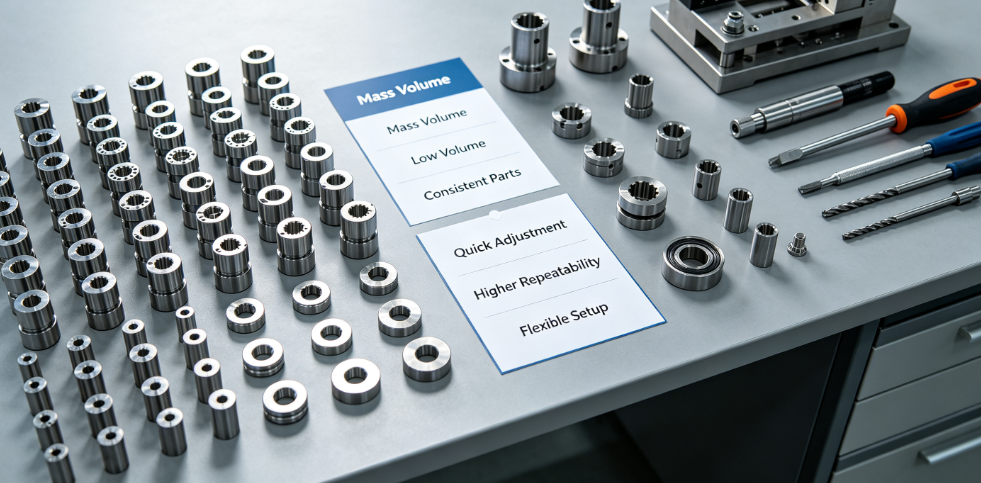
First, let’s clarify: Small batch production = low-volume, high-flexibility manufacturing for 1 to 500 parts. Unlike mass production (10k+ units, fixed tooling, long lead times), small batch is built for agility, customization, and quick iteration.
Core Process (Optimized for Small Batches)
No Massive Tooling Upfront: Skip expensive, permanent molds or dies. We use CNC milling/turning, 5-axis machining, or rapid tooling (soft molds, 3D-printed fixtures) to set up fast—no $50k+ mold costs.
Flexible Workflow: Machines switch between part designs in hours (not days). Perfect for mixed batches (e.g., 20 of Part A, 30 of Part B) or design tweaks mid-run.
Precision at Scale (Small Scale): Same tight tolerances (±0.002mm) and high-quality finishes (Ra ≤ 0.2μm) as mass production—just for fewer parts.
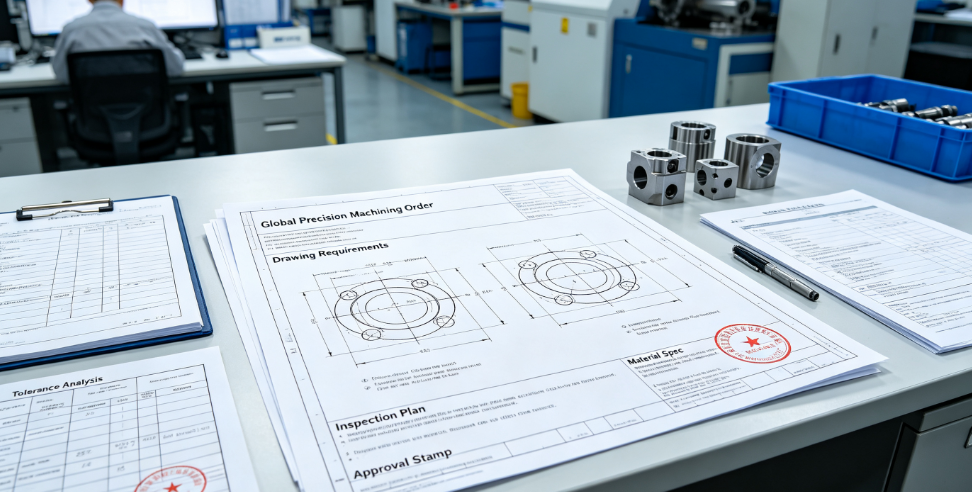
Full Inspection & Traceability: Every part gets 100% dimensional checks (CMM, calipers) with full reports—critical for medical, aerospace, or high-end industrial parts.
Key Differences: Small Batch vs. Mass Production
| Aspect | Small Batch (1–500 units) | Mass Production (10k+ units) |
|---|---|---|
| Upfront Cost | Low (no hard tooling, minimal setup) | High (expensive molds, dedicated lines) |
| Lead Time | Fast (3–15 days) | Slow (6–12 weeks+ tooling) |
| Design Flexibility | High (easy tweaks, custom parts) | Low (fixed design, costly changes) |
| MOQ | 1 unit (no minimum) | 500–10k units |
| Best For | Prototypes, low-volume launches, custom parts | High-demand, standardized products |
When to Absolutely Choose Small Batch
- R&D & Prototyping: Test 50 functional parts before mass production.
- Low-Volume Launches: Launch a niche product (e.g., medical device, aerospace component) without overstocking.
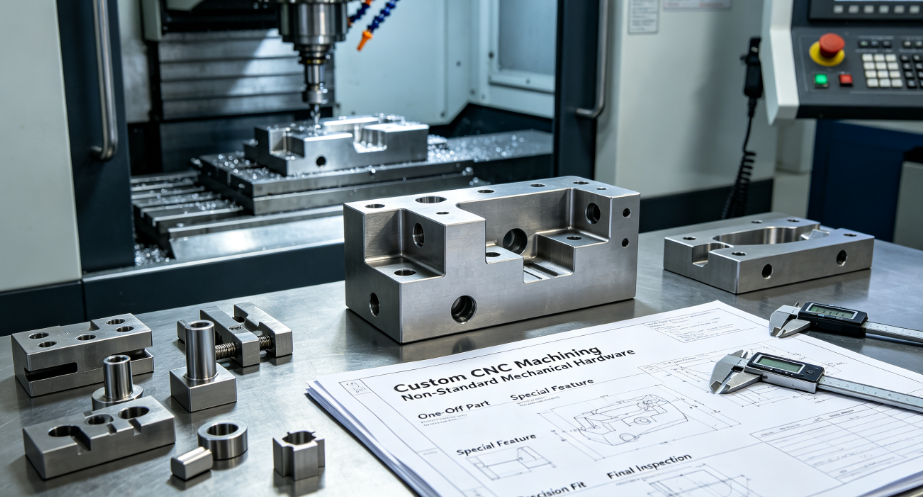
- Custom & High-Mix Parts: Unique parts for industrial machinery, robotics, or luxury goods.
- Bridge Production: Fill demand while waiting for mass tooling (avoid stockouts).
- Legacy Parts: Replace obsolete components for old equipment (no tooling exists).
The Impossible Small Batch Parts We Make (Others Can’t)
Most shops treat small batch as simple parts only—but at Zorapid, we specialize in complex, high-precision small batches that others reject. Here’s what we do that competitors can’t:
Complex Geometry (Deep Cavities, Thin Walls, Freeform Surfaces)
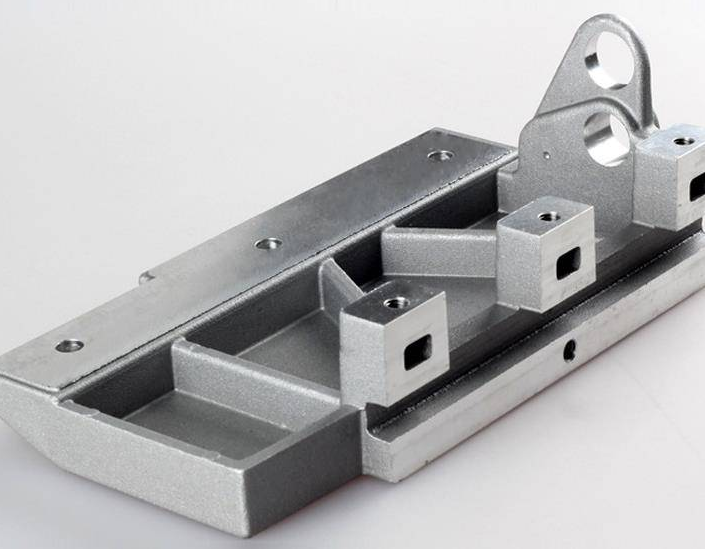
Standard small batch shops use basic 3-axis machines and cheap tools—they can’t handle deep cavities (15:1 depth-to-width), thin walls (≤0.3mm), or organic freeform surfaces. We use 5-axis CNC + premium Harvey tools to machine these features in small batches with zero deflection and mirror finishes.
High-Hardness & Exotic Alloys (HRC 60+, Titanium, Inconel)
Hardened steel (S136, H13), titanium (Ti-6Al-4V), and Inconel 718 wear out standard tools fast—most shops avoid small batches of these materials. We use coated carbide tools + precision cooling to cut tough alloys efficiently in low volumes, with consistent quality and no tool breakage.
Tight Tolerances (±0.002mm) for Small Batches
Many small batch shops relax tolerances to save time/money. We hold ±0.002mm precision for every part in the batch—critical for medical implants, aerospace components, and optical parts. Every part gets full CMM inspection, so your entire batch is identical.
Mixed Batches & Custom Variations
Need 10 of Part A, 20 of Part B, and 15 of a custom variant? Most shops require separate orders with long lead times. We handle mixed small batches in one run—saving you time and money, with no extra setup fees.
Zorapid Promise: If your small batch has complex geometry, tough materials, or tight tolerances, we can make it—when other shops say it’s impossible.
Materials for Small Batch Production (Metals, Plastics, Exotics)
Small batch production works with almost any industrial material—we’ve processed hundreds of grades for aerospace, medical, automotive, and industrial clients. Here’s our most common lineup for small batches:
Metals (High Strength, Precision Critical)
| Material | Common Grades | Small Batch Benefits | Best For |
|---|---|---|---|
| Aluminum | 6061-T6, 7075-T6 | Lightweight, fast to machine, low cost | EV parts, robotics, heat sinks |
| Stainless Steel | 304, 316L, 17-4PH | Corrosion-resistant, biocompatible | Medical tools, marine parts |
| Titanium | Ti-6Al-4V (Grade 5) | High strength-to-weight, biocompatible | Orthopedic implants, aerospace |
| Hardened Steel | S136, H13, SKD11 | Wear-resistant, durable | Mold inserts, tooling components |
| Inconel | 718, 625 | Heat-resistant (800°C+) | Jet engine parts, turbines |
Engineering Plastics (Lightweight, Non-Magnetic)
- PEEK: Medical implants, high-temperature parts (biocompatible, strong).
- PMMA (Acrylic): Optical parts, lenses, light guides (clear, scratch-resistant).
- Nylon/Delrin: Gears, bearings, structural parts (low friction, wear-resistant).
- ABS: Prototypes, consumer goods (easy to machine, cost-effective).
Specialty Materials
- Copper/Brass: Electrical components, heat exchangers (high conductivity).
- Graphite: Electrodes, thermal management parts (lightweight, conductive).
- Ceramics: High-temperature components, insulators (hard, heat-resistant).
Why This Matters: We don’t just cut materials—we tune every parameter (speed, feed, tool) to your material’s unique properties for consistent quality in small batches.
Real-World Small Batch Case Studies (100% Real Parts)
Let’s get practical—here are 3 real small batch projects we’ve delivered for clients, showing exactly how small batch solves problems.
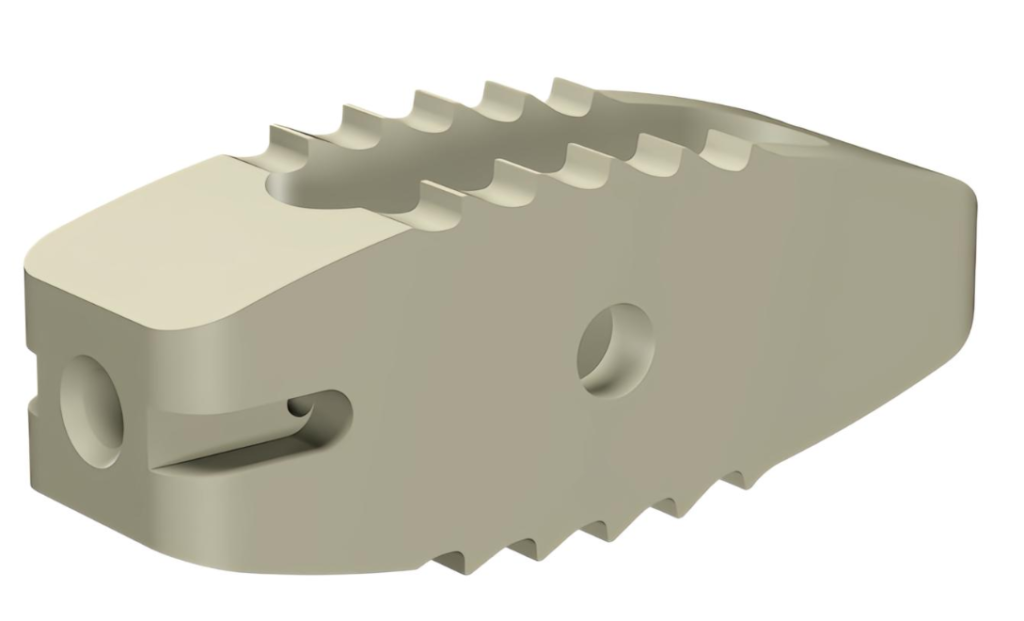
Case Study 1: Medical Spinal Cages (Titanium, 50 units)
Client: Medical device startup (ISO 13485 certified)
Problem: Needed 50 titanium spinal cages with complex porous surfaces (for bone ingrowth) and tight tolerances (±0.003mm). Mass production required $80k mold and 12-week lead time—too slow and expensive for clinical trials.
Zorapid Solution: 5-axis CNC small batch with micro Harvey tools + medical passivation.
Results:
- 50 identical parts with perfect porous surface replication.
- 100% dimensional compliance (ISO 13485 audit passed).
- Delivered in 7 days (90% faster than mass production).
- Cost 70% lower than mass tooling + production.
Case Study 2: Aerospace Turbine Components (Inconel 718, 30 units)
Client: Aerospace engineering firm
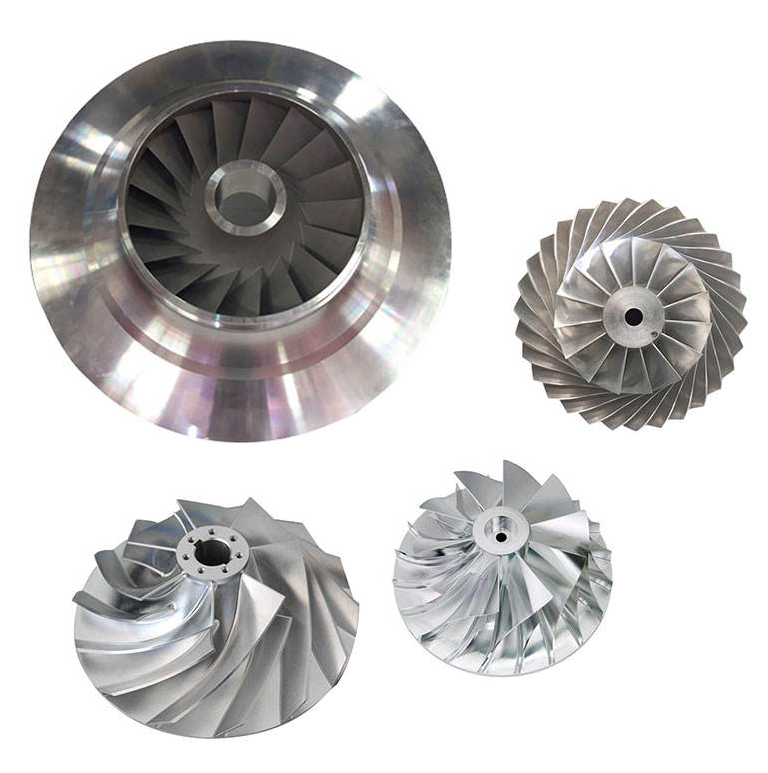
Problem: 30 Inconel 718 turbine components with deep cavities (12:1 ratio) and freeform surfaces. Standard small batch shops couldn’t machine Inconel efficiently—high scrap rates (15%) and poor finishes.
Zorapid Solution: 5-axis machining with AlTiN Nano-coated Harvey tools + high-temperature cooling.
Results:
- Scrap rate reduced to 1.5% (industry average = 12%).
- Mirror finish (Ra 0.2μm, no hand polishing needed).
- Delivered in 10 days (competitors quoted 25+ days).
- Consistent quality across all 30 parts (full CMM reports).
Case Study 3: Automotive EV Battery Trays (6061-T6 Aluminum, 200 units)
Client: EV startup
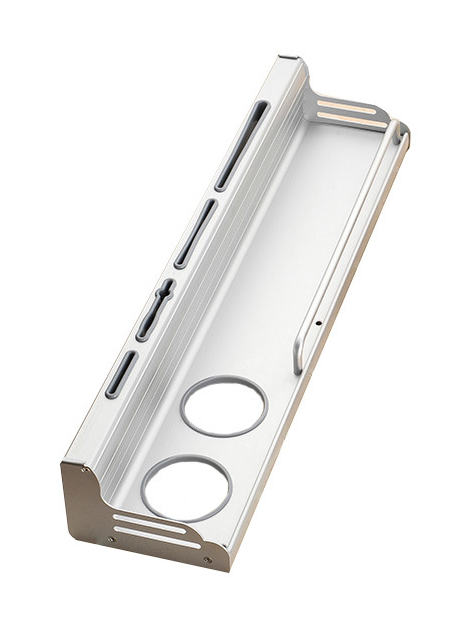
Problem: 200 aluminum battery trays with complex contours and mounting holes. Needed fast delivery to meet a pilot launch deadline—mass production lead time was 8 weeks.
Zorapid Solution: 3-axis + 5-axis CNC small batch with high-helix end mills.
Results:
- Lightweight, high-strength trays (passed crash testing).
- Delivered in 5 days (75% faster than mass production).
- Cost 40% lower than mass production for 200 units.
- Zero defects (100% inspection passed).
Key Takeaway: Small batch isn’t just for prototypes—it’s a viable production model for low-volume launches, clinical trials, and custom industrial parts.
Top Applications for Small Batch Production
Small batch production powers innovation across industries—here are the most common use cases:
Aerospace & Defense
- Low-volume turbine components, engine parts, and structural brackets (titanium, Inconel).
- Custom drone and satellite parts (lightweight, high precision).
- Legacy military component replacements (no tooling available).
Medical & Healthcare
- Orthopedic implants (hips, knees, spinal cages—titanium, PEEK).
- Surgical instruments and dental devices (stainless steel, titanium).
- Clinical trial batches (50–200 units) for FDA/ISO approval.
Automotive (EV & High-End)
- EV battery trays, motor housings, and sensor brackets (aluminum, steel).
- Luxury car interior trim and optical reflectors (custom, low-volume).
- Prototype parts for new model testing (10–50 units).
Industrial & Precision Engineering
- Custom robotics joints, hydraulic valve blocks, and optical instrument parts.
- Mold inserts and tooling components (hardened steel, small batches).
- Legacy equipment replacement parts (obsolete designs, no tooling).
Consumer Products & Startups
- Niche tech gadgets, high-end audio components, and luxury goods.
- Kickstarter/indiegogo campaign batches (100–500 units) for early backers.
- Rapid iteration of consumer electronics housings and components.
No Matter Your Industry: If you need low-volume, high-precision parts with fast delivery, small batch production is the answer.
Delivery Speed: Fast Small Batch Turnaround (No Long Waits)
We know speed is critical for small batch projects—delays can derail clinical trials, product launches, or prototype testing. At Zorapid, we’ve optimized every step for fast, reliable small batch delivery.
Our Small Batch Turnaround Times (vs. Industry Standard)
| Batch Size | Part Complexity | Industry Standard | Zorapid Delivery |
|---|---|---|---|
| 1–50 units | Simple (3-axis, aluminum) | 7–14 days | 3–5 days |
| 50–200 units | Complex (5-axis, titanium) | 14–28 days | 7–12 days |
| 200–500 units | High-Hardness (HRC 60+) | 21–35 days | 10–15 days |
| Urgent (1–100 units) | Any Complexity | 5–10 days | 24–48 hours (emergency service) |
How We Deliver Fast
- 24/7 Lights-Out Machining: Our 5-axis mills run overnight/weekends—no downtime.
- In-House Everything: Programming, machining, inspection, finishing—no outsourcing delays.
- Rapid Tooling & Fixturing: Custom fixtures in hours (not days) for small batches.
- Dedicated Small Batch Team: Experts focused exclusively on low-volume, high-complexity projects.
Real Promise: We don’t just quote fast times—we deliver on time, every time. We’ve shipped 50-unit titanium medical batches in 7 days that other shops said would take 3 weeks.
Why Choose Zorapid for Small Batch Production?
Plenty of shops offer small batch—but none deliver the combination of precision, speed, and expertise that Zorapid does. Here’s why we’re your best choice:
1. No MOQ (Minimum Order Quantity)
Order 1 unit or 500 units—we treat every batch the same. Perfect for prototypes, clinical trials, and low-volume launches.
2. Complex Part Specialists
We don’t just do simple aluminum brackets—we specialize in 5-axis, high-hardness, and exotic alloy small batches that other shops reject.
3. ISO-Certified Quality (AS9100, ISO 13485, IATF 16949)
Every part gets 100% CMM inspection with full dimensional reports. Consistent quality across your entire batch—critical for regulated industries.
4. Fast Delivery (24–48hr Urgent Service)
We know small batch projects have tight deadlines. Need your parts in 2 days? We can make it happen.
5. Transparent Pricing (No Hidden Fees)
We give you a detailed, upfront quote before we start—no surprise charges for complex geometry, tough materials, or mixed batches.
6. Material Versatility
From soft aluminum to hard steel, from plastics to exotic alloys (Inconel, titanium)—we machine any material for small batches.
7. English-Speaking Global Support
Our engineering team is available 24/7 to answer questions, share updates, and solve problems—no language barriers.
Summary: Small Batch Production—Key Takeaways
Let’s wrap up with everything you need to remember about small batch production:
- Small batch = 1–500 units—the sweet spot between prototypes and mass production.
- It’s strategic: Saves money (no hard tooling), speeds up launches, and de-risks products.
- Best for: R&D, clinical trials, low-volume launches, custom parts, and legacy replacements.
- Zorapid does what others can’t: Complex geometry, tough materials, tight tolerances in small batches.
- Fast delivery: 3–15 days standard, 24–48 hours urgent.
- Quality guaranteed: ISO-certified, 100% inspection, consistent precision.
Small batch production isn’t just a stopgap before mass production—it’s a powerful, permanent manufacturing model for innovative, high-mix products. For engineers and founders, it’s the key to launching faster, testing smarter, and staying ahead of the competition.
FAQs: Your Top Small Batch Questions Answered
Is small batch production more expensive per unit than mass production?
For 1–500 units, no—mass production requires expensive tooling (often $50k+), which makes small batches cost-prohibitive. Small batch has no tooling costs, so per-unit pricing is competitive for low volumes. For 1k+ units, mass production may be cheaper—but we’ll always advise you on the most cost-effective model.
What file formats do you accept for small batches?
STEP, IGES, STL, SolidWorks, AutoCAD, Fusion 360—all standard formats. We also offer free DFM reviews to optimize your design for small batch production.
Can you handle design changes mid-batch?
Absolutely! Small batch is all about flexibility. Need to tweak a feature after 10 parts? We can adjust the program and continue production—no extra tooling costs, minimal downtime.
What tolerances can small batch production hold?
Standard tolerances are ±0.01mm; precision small batches go down to ±0.002mm. Every part gets full CMM inspection, so your entire batch meets specs.
Do you offer surface finishing for small batches?
Yes! We do anodizing, plating, polishing, powder coating, medical passivation, and deburring—all in-house for fast turnaround.
How do I know if small batch is right for my project?
Ask yourself: Do I need 1–500 parts? Is speed or low upfront cost important? Is my design still evolving? If yes to any, small batch is perfect. Contact us for a free consultation—we’ll help you choose the right production model.
Ready to Start Your Small Batch Project?If you have a low-volume, high-precision project that needs fast delivery and consistent quality, contact Zorapid today for a free quote and DFM review. Our English-speaking engineering team is ready to turn your designs into high-quality small batch parts—fast.