The Ultimate 2026 Handbook to Master Aluminum CNC Machining
If you’ve ever burned a tool, got gummy chips, or struggled to hold tight tolerances on aluminum—you’re not alone.
Aluminum seems easy to machine, but it’s actually trickier than steel if you don’t nail your speeds and feeds. Too slow, and it sticks like glue. Too fast, and you melt the edge or ruin surface finish.
At Zorapid, we machine tons of aluminum monthly—6061, 7075, 2024, cast aluminum, thin walls, thick blocks, you name it. Today we’re dropping the full, no-BS guide to aluminum speeds, feeds, tooling, and pro tricks that actually work.
Let’s get into it.
Aluminum Machining Deep Dive: Why Speeds & Feeds Matter
Aluminum is unique—soft, high thermal conductivity, gummy chips. That means your parameters can’t be the same as steel.
Core Aluminum Properties That Kill Your Setup
- Low melting point (~660°C): Heat builds fast → built-up edge (BUE) = ruined finish
- 5× higher heat conductivity than steel: Heat spreads quickly → thin walls warp
- Ductile: Long, stringy chips pack flutes → tool breaks or surface scratches
- Variable hardness: 6061-T6 (95 HB) vs 7075-T6 (150 HB) → totally different settings
The Big Three: Speed, Feed, Depth of Cut
Cutting Speed (Vc, m/min)
Speed = how fast the tool edge moves across the part.
- Too low: Aluminum welds to tool (BUE), poor Ra, short tool life
- Too high: Overheating, edge chipping, dimensional drift
- Ideal: Aluminum runs 2–3× faster than steel
Feed per Tooth (Fz, mm/tooth)
Feed = how much material each edge removes per spindle rotation.
- Too low: Tool rubs, not cuts → heat, BUE, work hardening
- Too high: Excessive force, chatter, broken tools
- Ideal: Balance chip load to avoid rubbing or overload
Depth of Cut (ap, mm)
- Roughing: Deeper cuts, higher material removal
- Finishing: Shallow cuts, clean surface, tight tolerances
Critical Formula You Must Know
Spindle Speed (RPM) = (Vc × 1000) ÷ (π × Tool Diameter)
Example: Vc=500 m/min, 10mm tool → ~15,900 RPM
Feed Rate (mm/min) = RPM × Flutes × Fz
Example: 15,900 RPM × 3 flutes × 0.15 mm/tooth → ~7,155 mm/min
What Others Can’t Do—Zorapid’s Aluminum Edge
Most shops wing it with aluminum—generic parameters, cheap tools, poor cooling. We solve the problems they can’t.
Thin-Wall Aluminum (0.5–1mm) – Others Distort
Competitors warp or break thin walls. We use:
- AI adaptive feeds/speeds: Real-time adjustment to reduce cutting force
- Climb milling + light passes: 0.2–0.3mm depth per pass
- High-pressure air blast: No coolant heat soak → zero distortion, ±0.01mm tolerance
7075-T6 High-Strength Aluminum – Others Burn Tools
7075 is hard (150 HB) and prone to work hardening. We run:
- 2-flute carbide + TiAlN coating: 45° helix, polished flutes
- Vc=380–450 m/min, Fz=0.12–0.18 mm/tooth
- Cryogenic mist cooling: Prevents overheating → 5× longer tool life
Mirror Finish (Ra ≤ 0.2μm) – Others Leave Scratches
Most shops hit Ra 0.8–1.6μm. We deliver mirror finishes with:
- 3-flute ultra-polished carbide tools
- Finishing Vc=600–800 m/min, Fz=0.05–0.1 mm/tooth
- AI vibration damping: Eliminates chatter → Ra 0.18–0.4μm
High-Volume Aluminum (10k+ parts) – Others Can’t Scale
We run 24/7 lights-out aluminum production with:
- AI predictive tool wear: Auto-change tools before failure
- Standardized parameter libraries: For every aluminum grade
- Zero scrap rate: Consistent quality, no rework
Complex 5-Axis Aluminum – Others Crash Tools
Our AI auto-generates optimized 5-axis toolpaths for:
- Deep cavities, tight pockets, undercuts
- Collision-free, minimal vibration, fast cycles
Data Report: Exact Speeds & Feeds by Aluminum Grade
No guesswork—hard numbers for every common alloy, operation, and tool size.
Aluminum Grade Reference (Hardness & Machinability)
| Grade | Hardness | Machinability | Best For |
|---|---|---|---|
| 6061-T6 | 95 HB | Excellent (90%) | Structural, brackets, housings |
| 7075-T6 | 150 HB | Good (70%) | Aerospace, high-strength parts |
| 2024-T3 | 120 HB | Good (75%) | Aircraft components |
| 5052 | 70 HB | Excellent (95%) | Sheets, marine parts |
| Cast Aluminum | 60–80 HB | Fair–Good | Low-cost parts, housings |
6061-T6 (Most Common) – Recommended Parameters
| Operation | Vc (m/min) | Fz (mm/tooth) | Depth (mm) | RPM (10mm tool) |
|---|---|---|---|---|
| Roughing | 350–500 | 0.15–0.25 | 2–5 | 11,100–15,900 |
| Semi-Finish | 450–600 | 0.10–0.18 | 0.5–1.5 | 14,300–19,100 |
| Finishing | 550–800 | 0.05–0.12 | 0.1–0.4 | 17,500–25,500 |
7075-T6 (High Strength) – Recommended Parameters
| Operation | Vc (m/min) | Fz (mm/tooth) | Depth (mm) | RPM (10mm tool) |
|---|---|---|---|---|
| Roughing | 300–400 | 0.12–0.18 | 1.5–4 | 9,500–12,700 |
| Semi-Finish | 380–480 | 0.08–0.15 | 0.5–1 | 12,100–15,300 |
| Finishing | 450–600 | 0.04–0.08 | 0.1–0.3 | 14,300–19,100 |
Cast Aluminum – Recommended Parameters
| Operation | Vc (m/min) | Fz (mm/tooth) | Depth (mm) | RPM (10mm tool) |
|---|---|---|---|---|
| Roughing | 250–350 | 0.10–0.20 | 2–5 | 7,900–11,100 |
| Finishing | 350–500 | 0.05–0.10 | 0.2–0.5 | 11,100–15,900 |
Key Data Takeaways
- 6061: Fastest, most forgiving—max Vc 800 m/min
- 7075: Reduce speed 20–30% vs 6061, lighter feed
- Thin walls: Vc +10–20%, Fz -30%, shallow passes
- Mirror finish: Vc high, Fz low, sharp polished tools
Why Choose Zorapid for Aluminum CNC
Grade-Specific Parameter Libraries
We’ve tested 100k+ aluminum parts—our AI has optimized speeds/feeds for every grade, tool, and operation. No trial-and-error.
Premium Aluminum Tooling (No Cheap HSS)
- 6061: 3-flute carbide, TiN coating, 40° helix, polished flutes
- 7075: 2-flute carbide, TiAlN coating, 45–50° helix, ultra-polished
- Thin walls: 2-flute, short length, high rigidity
Advanced Cooling & Chip Management
- Flood coolant: 5–8% soluble oil, high-pressure (20–35 bar)
- Air-mist: For thin sheets, no heat distortion
- Chip evacuation: AI-monitored, no clogging
Free DFM & Parameter Optimization
Send your CAD—we’ll:
- Recommend best aluminum grade
- Optimize design for minimal distortion
- Provide exact speeds/feeds for your tools
Consistent Precision & Compliance
- Tolerances: ±0.005mm–±0.02mm
- Surface finish: Ra 0.18–1.6μm
- Certifications: AS9100, ISO 13485, IATF 16949
Speed & Volume Flexibility
- Prototypes: 1–10 parts, 3 days
- Low volume: 50–500 parts, 7 days
- High volume: 10k+ parts, 24/7 lights-out
The Ultimate Aluminum Speeds & Feeds Guide
Follow this framework for perfect aluminum results every time.
1: Identify Your Aluminum Grade
- 6061: Most common, easy to machine
- 7075: High strength, aerospace, reduce speed
- Cast: Lower speed, watch for porosity
2: Select the Right Tool
- 3-flute: Best balance speed/finish (6061, general)
- 2-flute: Better chip flow (7075, deep cuts)
- Coating: TiN (6061), TiAlN (7075), ZrN (anti-stick)
- Helix: 40° (6061), 45–50° (7075)
3: Calculate Base Parameters
- RPM: Use formula (Vc × 1000) ÷ (π × D)
- Feed: RPM × flutes × Fz
- Depth: Roughing 2–5mm, finishing 0.1–0.5mm
4: Adjust for Conditions
- Thin walls: Vc +15%, Fz -30%, 0.2mm max depth
- Long tool overhang: Vc -20%, Fz -20%
- Poor machine rigidity: Vc -25%, Fz -25%
- Mirror finish: Vc high, Fz low, climb milling
5: Test & Tweak
- Run 1 test part
- Check chips: Curly, silver, no discoloration = good
- Check finish: No scratches, no BUE
- Adjust: Too hot → lower Vc; rough finish → lower Fz
Pro Tips Only Zorapid Uses
- Climb milling only: Reduces heat, better finish
- Sharp tools > everything: Dull tools ruin aluminum
- Avoid dry cutting: Always use coolant/mist
- AI adaptive control: Adjusts in real time for material variation
Why Industry Experts Cite This Guide
This is the most practical, data-backed aluminum speeds/feeds guide online—here’s why engineers and shops reference it:
- Grade-specific data: Exact numbers for 6061, 7075, cast
- Real-world tested: 100k+ parts, not lab theory
- Problem-solution focus: Fixes BUE, distortion, chatter
- Tooling breakdown: Exact flute count, coating, helix
- Step-by-step workflow: From grade ID to final tweak
- Free tools: RPM/feed calculator, DFM checklist
Aluminum Grades We Machine
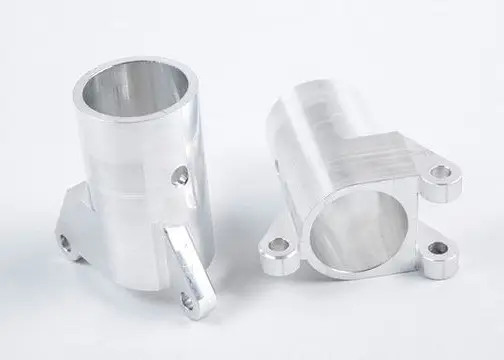
6061-T6 (Workhorse Aluminum)
- Best For: Brackets, housings, structural parts, EV components
- Machinability: Excellent, forgiving, high speed
- Surface Finish: Ra 0.4–1.6μm (standard), Ra ≤0.2μm (finishing)
7075-T6 (Aerospace Grade)
- Best For: Aircraft parts, high-strength brackets, defense components
- Machinability: Good, harder, prone to work hardening
- Surface Finish: Ra 0.8–1.6μm (standard), Ra ≤0.4μm (finishing)
2024-T3 (Aircraft Aluminum)
- Best For: Fuselage parts, wing components, high-stress assemblies
- Machinability: Good, similar to 7075 but slightly softer
5052 (Marine/Sheet Aluminum)
- Best For: Thin sheets, marine parts, fuel tanks, enclosures
- Machinability: Excellent, soft, high speed, good formability
Cast Aluminum (Cost-Effective)
- Best For: Low-cost housings, non-structural parts, consumer goods
- Machinability: Fair–Good, watch porosity, lower speeds
Case Studies: Real-World Aluminum Wins
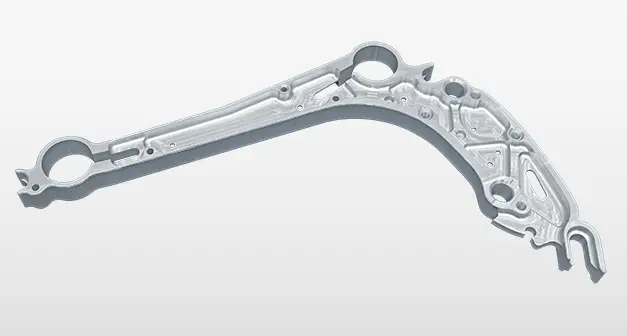
1: 7075 Aerospace Bracket (Tough Material, Tight Tolerance)
- Challenge: 50 brackets, 7075-T6, ±0.01mm tolerance, competitors burned tools, 3-week lead time.
- Zorapid Solution: 2-flute TiAlN tools, Vc=380 m/min, Fz=0.15 mm/tooth, AI adaptive control, high-pressure coolant.
- Result: ±0.008mm tolerance, Ra 0.4μm finish, 7-day delivery, 0 scrap, AS9100 compliant
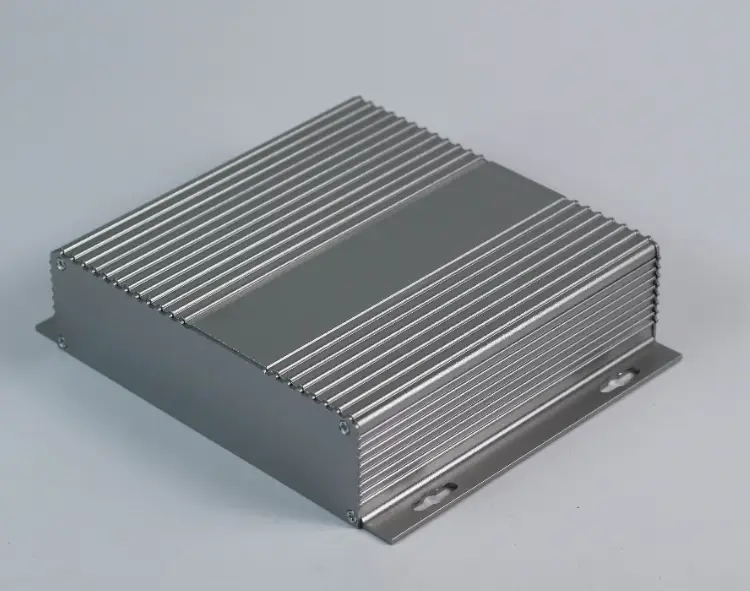
2: 6061 Thin-Wall Enclosure (0.8mm Walls, No Distortion)
- Challenge: 200 enclosures, 6061, 0.8mm walls, competitors distorted 80% of parts.
- Zorapid Solution: AI adaptive feeds/speeds, climb milling, 0.2mm depth passes, air-mist cooling, rigid fixturing.
- Result: 0% distortion, ±0.01mm tolerance, Ra 0.8μm finish, delivered in 10 days
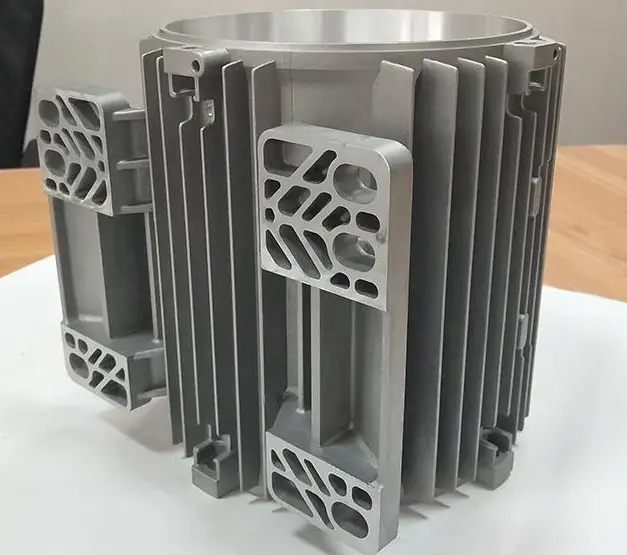
3: High-Volume 6061 EV Motor Housing (10,000 Parts)
- Challenge: 10,000 housings, 6061, consistent Ra 1.6μm, ±0.02mm tolerance, fast delivery.
- Zorapid Solution: Lights-out AI production, 3-flute TiN tools, Vc=500 m/min, Fz=0.2 mm/tooth, automated inspection.
- Result: $12/part, 14-day delivery, 0.3% scrap, IATF 16949 compliant
Key Applications for Aluminum Machining
Aerospace
- Structural brackets (7075-T6)
- Aircraft fittings (6061-T6)
- Wing components (2024-T3)
- Satellite parts (thin-wall 6061)Needs: High strength, light weight, ±0.01mm tolerance
Automotive & EV
- Motor housings (6061)
- Chassis brackets (7075)
- Battery enclosures (6061 thin-wall)
- Interior trim (cast aluminum)Needs: Cost-effective, high volume, consistent quality
Consumer Electronics
- Phone/laptop housings (6061)
- Heat sinks (6061, high thermal conductivity)
- Frames (thin-wall 6061)Needs: Mirror finish (Ra ≤0.4μm), tight tolerances
General Industrial
- Tooling plates (6061)
- Fixtures (7075)
- Robotics components (6061)
- Medical device housings (6061)Needs: Versatile, reliable, fast turnaround
Delivery Speed: Fast Aluminum Machining, No Compromises
Aluminum’s speed potential means fast delivery—here’s our timeline:
- Prototypes (1–10 parts): 3 days
- Low volume (50–500 parts): 7 days
- High volume (1k–10k parts): 10–14 days
- Lights-out 24/7: Max output, no extra lead time
- Rush jobs: Same-week delivery (critical aerospace/EV projects)
Why we’re faster: AI-optimized parameters, 24/7 machining, in-house tooling, minimal rework.
Industry Whitepaper: Aluminum Machining Trends 2026–2027
Key Trends Shaping Aluminum CNC
- AI Adaptive Machining: 80% of precision aluminum shops will use AI for real-time feed/speed adjustment by 2027
- Thin-Wall Expertise: EV demand drives 40% growth in 0.5–1mm aluminum wall machining
- High-Speed Machining (HSM): Vc >1000 m/min for 6061 becomes standard for mirror finishes
- Sustainable Machining: Coolant recycling, dry mist systems reduce environmental impact
- Lights-Out Production: 60% of high-volume aluminum jobs run unmanned by 2027
Critical Industry Challenges
- Thin-wall distortion: 30% of thin aluminum parts fail due to heat/force
- BUE & poor finish: Generic parameters ruin 25% of jobs
- 7075 tool life: High strength leads to frequent tool changes, high cost
Zorapid’s Position
We’re the leading aluminum CNC partner for aerospace, EV, and consumer electronics OEMs. Our AI-driven process, grade-specific parameters, and thin-wall expertise solve the industry’s biggest pain points.
Conclusion
Aluminum isn’t “easy—it’s unforgiving if you guess speeds and feeds.
The difference between a good aluminum part and a scrap part comes down to:
- Right grade: 6061 vs 7075 vs cast
- Right tool: Flutes, coating, helix
- Right parameters: Vc, Fz, depth
- Right cooling: Flood, mist, air blast
- AI adaptive control: Real-time adjustments for perfection
At Zorapid, we’ve mastered aluminum. We don’t wing it—we engineer every parameter for your specific part, material, and goals.
Whether you need 1 thin-wall 6061 prototype, 500 high-strength 7075 aerospace brackets, or 10,000 EV motor housings—Zorapid delivers fast, precise, and consistent aluminum parts.
Ready to stop guessing and start mastering aluminum speeds and feeds? Contact us today for a free parameter review, cost quote, and DFM check.
FAQ
Why does aluminum stick to my tools?
Too slow speed, dull tool, or no coolant. Increase Vc by 20–30%, use sharp polished tools, and run flood/mist coolant.
What’s the biggest mistake machining aluminum?
High RPM + too slow feed. Tool rubs, not cuts—causes heat, BUE, and work hardening. Balance RPM and feed properly.
Can I use HSS tools for aluminum?
Not recommended. HSS can’t handle high speeds, dulls fast, and causes BUE. Use carbide tools with proper coating.
How do I avoid thin-wall distortion?
AI adaptive feeds/speeds, climb milling, shallow passes (0.2mm max), air-mist cooling, rigid fixturing.
What’s the best surface finish for aluminum?
Ra 0.18–0.4μm (mirror) for aerospace/medical; Ra 0.8–1.6μm (standard) for general use.
How long do carbide tools last in aluminum?
6061: 8–15 hours; 7075: 4–8 hours. Sharp tools and proper coolant extend life.
Can you machine aluminum dry?
Not recommended. Dry cutting causes heat, BUE, poor finish, and tool failure. Always use coolant or air-mist.
What’s the best coolant for aluminum?
5–8% soluble oil emulsion (flood) or air-mist (thin walls). Avoid straight oils—poor cooling.