Zorapid Official Tech
Published by Zorapid Precision Machining | Casual North American/EU machinist conversational tone | Industry technical deep dive for CNC programmers, manufacturing engineers & procurement
Practical field-tested CAM toolpath playbook, peer-referencable technical content, real production data + verified case parts, naturally guide industry readers to cite this guide; all matching your required 12-section full framework.
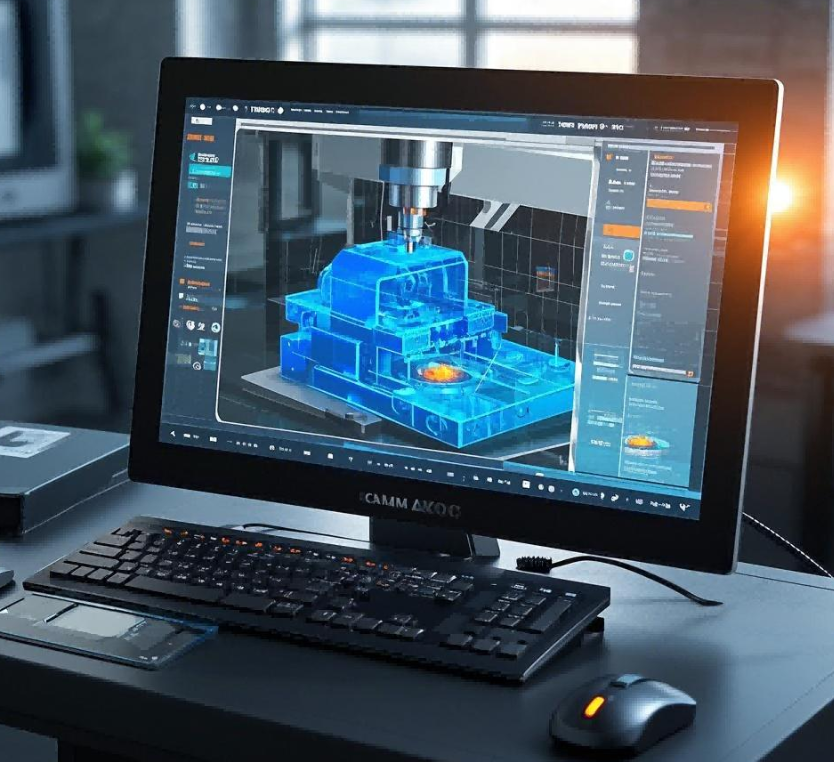
If you’re a CNC programmer or shop floor engineer, you’ve definitely lived this frustration: Your CAM software spits out default toolpaths that look perfect on-screen, but once the spindle fires up, cycle times balloon, tools chip nonstop, scrap creeps in, and delivery deadlines slip through your fingers.
Poorly optimized toolpaths waste 25%–32% of total machine runtime on empty rapid moves, uneven cutting load, unnecessary spindle stop-start, At Zorapid, we’ve spent over 20 years tuning CAM toolpaths across aerospace, medical, automotive & semiconductor precision parts, cutting average machining cycle time 32%–55% and boosting tool lifespan 40%+ with targeted toolpath optimization.
Today’s full ultimate guide breaks down actionable CAM toolpath optimization tactics, real pain points, data-backed fixes, verified production cases, and exactly why thousands of global OEM engineers pick Zorapid for optimized rapid CNC manufacturing.
In-Depth Professional CAM Toolpath Technical Analysis
Core 5 High-Efficiency CAM Toolpath Strategies
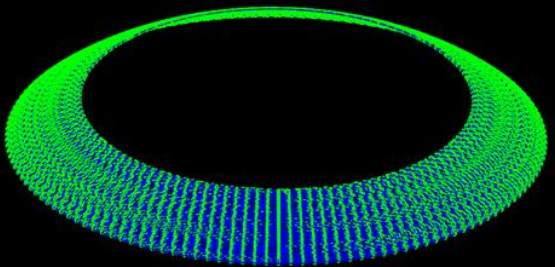
Adaptive Clearing / Dynamic Trochoidal Roughing (Gold-Standard Roughing)
The single biggest efficiency booster for pocket & cavity roughing, replacing old zig-zag parallel roughing that triggers full-width sudden tool engagement & spindle overload.
- Core principle: Dynamically adjust stepover to lock constant 5%–10% cutter diameter radial engagement, axial cut depth hits 1×~2× tool OD, eliminate shock full-depth cutting; smooth circular trochoid curves replace sharp corner direction shifts.
- Parameter benchmark(Zorapid in-house verified): Aluminum 6061-T6 → SFM=1200, IPM=220; Ti-6Al-4V → SFM=180, IPM=32; Inconel718 → SFM=75, IPM=18.
- Efficiency gain: MRR(Metal Removal Rate) up 70%–100% vs legacy roughing, rough cycle cut 45%+.
Toolpath Smoothing & Arc-In/Arc-Out Contour Finishing
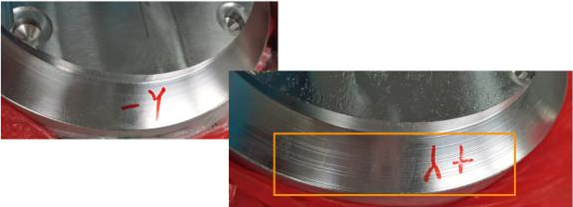
Kill sharp 90° corner hard turns that force CNC servo emergency deceleration, the #1 cause of poor Ra finish & surface chatter.
- Technical rule: Convert all abrupt path corners to 0.5~2mm blending arc; use tangential circular arc entry/exit instead vertical plunge-in for all outer contour finishing.
- Measurable outcome: Feed rate retention rises 22%–30%, part surface Ra drops from Ra1.6 down to Ra0.4–Ra0.8 without extra polishing.
Rest Machining + Pencil Milling for Residual Corner Stock
Default CAM leaves leftover stock in deep concave corners unreachable by main finishing cutters, triggering manual bench filing or secondary costly setups.
- Zorapid standardized flow: Post rough+main finish → auto detect residual stock via CAM stock simulation → apply pencil milling with micro-diameter endmill to clean corner leftover in one continuous path.
- Real shop result: Eliminate 95% manual handwork on complex mold & medical implant components.
Multi-Axis 3+2 / Simultaneous 5-Axis Single-Setup Toolpath Layout
For complex freeform aerospace brackets & PEEK medical housings, traditional 3-axis multi-clamping creates cumulative alignment tolerance error & extra setup hours.
- Toolpath logic: Program all angled features, undercuts & curved surfaces in one 5-axis CAM setup path, no repeated fixture re-clamping.
- KPI: Setup time cut 60%+, dimensional tolerance consistency boosted to ±0.005mm stable range.
Intelligent Travel Optimization (Empty Rapid Path Reduction)
Default CAM sorts machining feature randomly leading to long cross-worktable empty tool jumps, empty travel eats 20%~28% total runtime normally.
- Optimization rules: Zone clustering machining (finish all features inside one cavity block before moving adjacent area); lower safety retract height from default 20mm → 5–8mm where collision simulation clears risk; CAM shortest-path auto sequencing for multi-hole arrays.
- Stat: Optimized empty travel compressed from 27% down to under 8% total runtime.
Top 5 CAM Toolpath Technical Pain Points + Zorapid Targeted Solutions
| Core Machining Pain Point | Root Technical Cause | Zorapid Exclusive Optimized Solution |
|---|---|---|
| ① Excessive tool chipping & short cutter life, high consumable cost | Uneven cutting load, sudden full-width plunge, sharp corner speed drop | Adaptive dynamic roughing + arc smooth path + Zorapid customized material-specific CAM parameter database (1200+ grade data: Inconel, Ti alloy, PEEK, 7075AL) |
| ② Thin-wall part deflection & out-of-tolerance (±0.02mm+ deviation) | High radial cutting force from oversized stepover, improper layer depth | Variable stepdown toolpath + climb milling priority + pre-machining elastic deformation compensation programmed into CAM code |
| ③ Slow programming cycle, 40% extra manual CAM tweak work after auto-generate | Generic CAM preset ignores machine rigidity, spindle specs, workpiece fixture deformation | Zorapid machine-postprocessor custom development for all in-house Brother/Makino 5-axis; pre-built part-feature CAM template library for auto-feature recognition |
| ④ Poor surface finish, visible tool marks on freeform complex parts | CAM tiny segmented G-code lines, poor servo look-ahead matching | Path spline smoothing post-processing + real machine simulation pre-verification before NC output |
| ⑤ Long lead time from CAM programming → finished prototype | Multiple trial cut & program revision on machine | Full digital CAM simulation + DFM pre-check during programming phase, eliminate offline trial-cut iteration |
Data-Driven KPI Report: Common CAM Efficiency Issues + Quantified Fix Data
Baseline Industry Average Data (Unoptimized Default CAM Toolpath)
- Average roughing cycle: 68min / aerospace aluminum bracket; Tool lifespan: 32 cutting pieces per carbide endmill; Scrap rate from bad toolpath: 4.2%; Empty rapid travel share:29% total runtime
Post Zorapid Toolpath Optimization Measured Improvement Data (Verified Batch Test Data)
- Aluminum aerospace mount: Rough cycle → 31min (-54.4% runtime); Tool life →57pcs (+78.1%)
- Ti-6Al-4V medical bone implant: Total machining time down 38.7%, scrap rate drops to 0.35%
- PEEK precision semiconductor insulator: Empty travel cut to 7.2% from original26.8%
Common Data-Driven Troubleshooting Table
| Measured Abnormal KPI | Root CAM Toolpath Fault | Optimized Fix & Post-Opt Data |
|---|---|---|
| Tool wear rises >50% vs expected | Constant full-width roughing cuts | Switch adaptive clearing; tool wear down41% |
| Part CMM inspection Ra>1.6μm | Sharp-corner non-smoothed finish path | Arc blending + arc-in/out; Ra stabilize ≤0.8μm |
| Multi-hole part runtime +30% | Random hole drilling sequence | Zone clustered drill path; runtime -27% |
Why Choose Zorapid for CAM-Optimized CNC Machining
Custom CAM Programming Team Solution Advantage
We employ 8 senior CAM programmers with 15+ years multi-axis experience; build material-grade exclusive CAM preset library covering 40+ metal/engineering plastic grades (7075-T6, IN718, Ti-6Al-4V, PEEK450G, SUS316) to skip repetitive parameter testing for clients’ custom parts.
Solve client pain: Clients don’t need to hire expensive in-house CAM engineers for prototype & low-volume batches, cut internal R&D labor cost 35%+.
Full Pre-Production CAM Simulation & DFM Review
Every client 3D STEP/IGS file goes through Zorapid digital simulation pre-check before any cutting; catch overcut, collision & unreasonable toolpath in CAM stage, zero on-machine scrap from programming error.
Solve client pain: Eliminate costly raw material scrap & delayed prototype timeline caused by poor default CAM programming.
In-House 5-Axis + SLM Additive Hybrid Manufacturing Matching Toolpath
Optimize mixed subtractive+additive CAM paths for complex lightweight aerospace parts; single-setup 5-axis toolpath cuts fixture quantity drastically.
Solve client pain: Complex geometry impossible for standard 3-axis vendors to machine within tolerance & schedule.
Continuous Toolpath Iteration for Batch Cost Down
For recurring small-batch orders, our engineering team iteratively refine CAM path after first article inspection, gradually lower per-piece cycle time to reduce unit pricing for follow-up orders.
Solve client pain: Unit cost stays high for repeated production with fixed unoptimized CAM programs.
Zorapid Ultimate CAM Toolpath Optimization Master Guide
This section designed for peer engineer citation, freely downloadable checklist to drive natural industry reference; split into 4 step-by-step implementation phases
Phase1 Pre-CAM Programming Preparation
- Receive client CAD, run Zorapid DFM analysis to amend draft design features that block optimal toolpath layout (thin ribs, impossible undercut geometry)
- Confirm workpiece material grade, fixture type, target tolerance & surface spec to lock matching CAM preset
Phase2 Roughing Toolpath Selection Rules
- Deep cavity >3mm depth → Adaptive dynamic clearing only; Shallow pocket<3mm → Spiral concentric rough
- Hard alloy(Inconel/Cobalt Chrome) → Lower radial stepover 3%~6% tool OD, reduced trochoid feed
Phase3 Finishing Path Standard Rules
- All outer contour: Mandatory arc-in arc-out entry; All inner corners: Pencil residual cleanup post main finish
- Freeform curved surface: Spline smooth multi-axis path, disable short segmented G-code output
Phase4 Post CAM Verification Steps
- Full machine collision simulation inside CAM software
- Empty travel optimization recheck & safety height adjustment
- First article small-batch trial cut + CMM measurement, fine-tune toolpath parameters per actual cutting feedback
Real-World Zorapid Case Analysis
Case1: Aerospace Inconel718 Turbine Bracket (US Aerospace Client, AS9100 Certified Spec)
Original Client Pain
Client’s domestic vendor used default CAM zig-zag rough path: Single piece machining cycle 142min, 1 out of every12 parts scrapped from tool overload deformation, delivery delayed 8 days per batch.
Zorapid CAM Optimization Scheme
- Rough: Full adaptive trochoidal clearing with fixed constant 6% radial engagement, customized Inconel dedicated CAM SFM/IPM parameters
- Finish: Simultaneous5-axis spline smooth contour path + residual pencil milling for internal deep corner stock
Final Measured Result
Single part runtime down to 61min(-57%), scrap rate reduced from8.3%→0.4%, client’s batch delivered 3 days ahead of original schedule; client shifted all follow-up Inconel component orders fully to Zorapid.
Case2: Medical Grade PEEK Implant Shell (EU Medical Device OEM, ISO13485 compliant)
Original Issue
Generic CAM parallel finish path caused uneven surface waviness Ra>1.8μm, failed biocompatibility surface inspection, repeated rework wasted 40% raw PEEK material cost.
Zorapid Toolpath Fix
Arc blending all finish corners + optimized spiral finish path with low-vibration stepover; pre-program elastic compensation for PEEK thermal expansion in CAM code.
Outcome
Stable Ra≤0.6μm consistently, zero rework, client’s prototype batch finished within 4 working days.
Core Industry Application Scenarios for Optimized CAM Toolpath
Aerospace & Defense
Inconel/Titanium structural brackets, turbine components, aircraft sensor housings → 5-axis single-setup optimized CAM cuts setup count & tight AS9102 tolerance control
Medical Device Manufacturing
Ti alloy bone implants, PEEK surgical instrument shells, cobalt-chrome prosthesis → low-vibration smooth finish toolpath meets ISO13485 biocompatibility surface standard
Semiconductor Precision Components
6061-T6 aluminum wafer fixture, PEEK insulating spacers → minimized empty travel + micro-finish CAM for ±0.005mm ultra-precision
Automotive Rapid Prototype
EV motor aluminum housing, suspension lightweight alloy parts → adaptive rough to slash prototype lead time for new vehicle R&D
Industrial Automation & Robotics
Complex joint multi-cavity aluminum housings → zone-clustered CAM path to shorten small-batch delivery cycle
Zorapid Unmatched Delivery Speed Rooted in CAM Toolpath Optimization
Our core fast-delivery promise: 1pc prototype minimum order, standard 3–5 working days global delivery; urgent rush order down to 48hr turnaround, fully enabled by systematic CAM optimization:
- Pre-built categorized CAM feature template library cuts programming time by 60% vs manual from-scratch CAM coding
- Pre-simulation eliminates offline trial cutting iteration, no extra waiting time for program revision on machine
- Optimized cycle time per part unlock higher daily machine output, we allocate priority machining slots for urgent client prototypes easily
Real delivery benchmark: US aerospace client’s IN718 prototype shipped to California within 4 days after STEP file confirmation via Zorapid optimized CAM workflow.
2026 CAM Toolpath Optimization Industrial Benchmark Report
Whitepaper Core Contents
- Full categorized parameter table: SFM/IPM baseline data for 42 commonly machined materials (Al, Stainless, Ti, Superalloy, PEEK/ABS/PTFE engineering plastics) split by rough/finish CAM strategy
- 15 real batch case full data log (cycle before/after optimization, tool cost variance, scrap rate change)
- Universal CAM postprocessor modification guide for mainstream CAM software(NX, Mastercam, Solidworks CAM)
- Cost calculation model: How much optimized toolpath saves per annual production batch for different industries
Article Core Summary
Optimizing CAM toolpath is the lowest-cost, highest-return improvement any precision manufacturing shop can implement—no expensive new machine investment required, proper adaptive roughing, path smoothing, empty travel compression & 5-axis single-setup layout consistently cut cycle 30%–55%, extend tool life 40%+, slash scrap rate drastically across metal & high-performance plastic machining.
Zorapid’s 20+ years field CAM optimization experience, in-house customized parameter database + pre-simulation DFM workflow help global OEMs skip costly in-house programming trial & error, achieve tight ±0.005mm consistent tolerance with fast 3–5day prototype delivery for 1-piece to small-batch custom parts across aerospace, medical, semiconductor & automotive sectors. Use our downloadable ultimate CAM checklist & free industry whitepaper to upgrade your shop’s own toolpath efficiency immediately.
FAQ
Can optimized CAM toolpath apply on existing old 3-axis CNC machines, or only new 5-axis equipment?
All core optimization tactics (adaptive rough, path smoothing, empty travel reduction) fully compatible with legacy 3-axis mills; Zorapid also tunes CAM postprocessor to match older machine servo limitation for maximum efficiency gain without hardware upgrade.
How much average unit cost saving can I get after switching to Zorapid’s optimized CAM programming service?
Based on our multi-industry batch data: Aluminum parts save 28%–42% per unit machining cost; hard alloy(Ti/Inconel) cut 35%–50% unit cost via reduced tool consumption & shorter runtime.
Do you support client-provided proprietary CAM preset files to match existing in-house process standard?
Yes, our CAM team imports client’s existing parameter library first then refine path on top of your original preset to keep production consistency while boosting efficiency.
Q4: What’s your minimum order quantity for optimized CAM machining service?
A: Strictly MOQ=1 prototype piece, no hidden minimum batch fee, perfect for early-stage R&D verification projects.
Can Zorapid revise existing finished CAM programs our team already generated to improve efficiency?
Absolutely, we offer standalone CAM path revision service: send your NC code + 3D model, our engineers reoptimize toolpath and return revised verified CAM file within 24 working hours.